Have you ever wondered about the deeper meanings behind the beloved Ewoks of Star Wars? The theory suggesting that Ewoks are just children in makeup invites us to explore the intersection of innocence and savagery in storytelling. This captivating perspective not only enriches our understanding of these forest-dwelling creatures but also connects to broader themes of childhood, imagination, and the often overlooked complexities in seemingly simple narratives. As we dive into this theory, you’ll discover how it reflects our own experiences and perceptions, sparking curiosity about the connections between fiction and reality. Keep reading to uncover how this interpretation enhances the way we view these iconic characters and the lessons they embody.
The Enigmatic World of Ewoks: A Brief Overview
The enchanted realm of Ewoks, introduced in “Star Wars: Episode VI – Return of the Jedi,” captures the imaginations of fans young and old. These small, furry creatures reside on the forest moon of Endor, best known for their heartfelt alliance with the Rebel Alliance in the battle against the Galactic Empire. Their whimsical adventures, much explored in the animated series “Ewoks,” reveal their resourceful nature and deep connection to the lush, mystical environment they call home[[1]](https://en.wikipedia.org/wiki/Ewoks_(TV_series)).
One intriguing aspect that invites discussion is the notion that Ewoks, with their childlike features and innocence, represent a deeper commentary on childhood and the heart of innocence in the face of adversity. This perspective raises questions about the impact of these characters in the broader narrative of Star Wars and how they resonate with audiences. The storytelling elements woven into their depiction serve not only as entertainment but also as a reflection of resilience and bravery in challenging situations[[2]](https://disney.fandom.com/wiki/Ewoks).
Ewoks embody playful curiosity while displaying resourcefulness, which has sparked theories about their significance beyond mere comic relief. Fans often wonder if their design-reminiscent of children-was a deliberate choice to evoke empathy and connection. As these thoughts swirl, it invites a conversation around not just who the Ewoks are, but why they resonate with us, blending themes of childhood wonder with the epic battles that define the Saga[[3]](https://www.inverse.com/entertainment/ewoks-40-year-anniversary).
Understanding the Children and Makeup Theory
The Ewoks are often described as adorably small and furry beings from the forest moon of Endor, but their design evokes a deeper conversation about childhood and innocence that resonates with viewers of all ages. This resemblance to children is not merely coincidental; it speaks volumes about their role within the larger narrative of Star Wars. Their wide eyes, playful demeanor, and simplistic yet resourceful approach to life tell a story of resilience, echoing the struggles and triumphs of youth faced with overwhelming odds.
The theory that Ewoks symbolize children raises fascinating questions-are they merely intended as comic relief, or do they represent the purity of childhood facing chaotic environments? This perspective aligns with how they interact with adults in the series and movies, often revealing deeper emotional truths that parallel human experiences. For instance, their alliance with the Rebel Alliance in “Return of the Jedi” showcases their bravery and willingness to stand against tyranny, paralleling how children often fight for their beliefs, despite limited resources.
Makeup and costume design played an integral role in crafting their youthful appearance. The extensive use of practical effects, furry costumes, and distinctive face paint served to enhance their childlike qualities, inviting empathy and connection. Through such design choices, viewers can easily project their feelings onto these characters, bridging the gap between fantasy and relatable human experiences. This thoughtful approach not only enriches the characters but also allows for diverse interpretations of their significance in the Star Wars universe, prompting conversations about innocence, courage, and the strength found in unity.
In summary, the Ewoks serve as a testament to the power of innocence in storytelling, cleverly using design elements that mimic childlike traits. Their portrayal invites us to reflect on our own childhood experiences and the lessons learned along the way, all while navigating the epic battles of the Star Wars saga. This blend of design and narrative creates an engaging layer of understanding that captivates audiences both young and old, encouraging deeper connections to the characters and their world.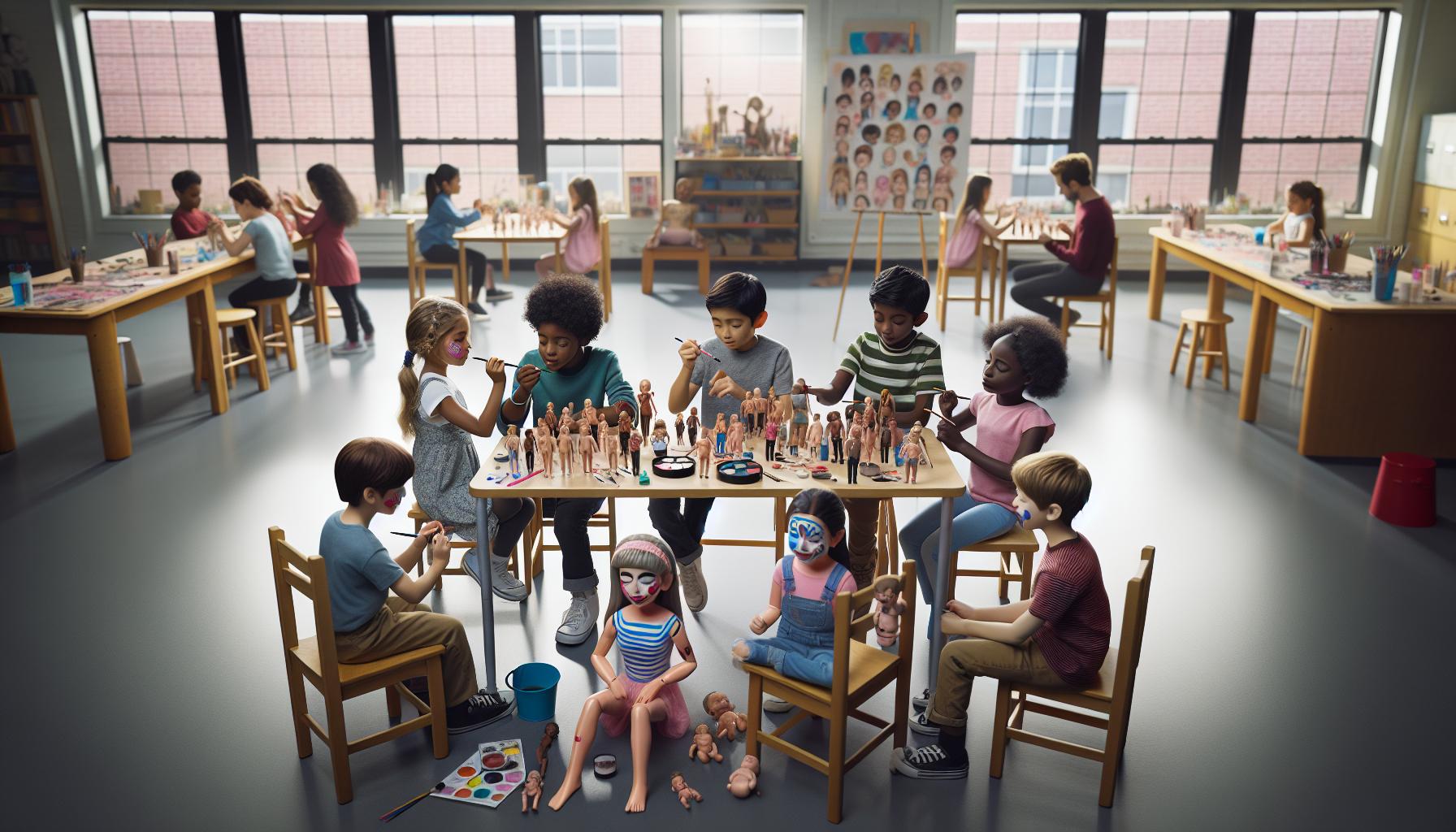
Unpacking the Myth: Are Ewoks Just Children?
The Ewoks, those endearing and diminutive creatures from the forest moon of Endor, invoke a fascinating discussion about childhood and innocence within the context of the Star Wars universe. While some may perceive Ewoks simply as cute side characters, a deeper analysis reveals that they often symbolize children navigating a chaotic world. This perspective invites viewers to explore what it means to embody childhood ideals of bravery, resilience, and companionship in the face of adversity.
One critical aspect of the Ewoks’ representation lies in their interaction with the more formidable characters of the saga. For instance, when they unite with the Rebel Alliance in “Return of the Jedi,” they don’t just play a supportive role. Instead, they fiercely defend their home, drawing parallels to how children can demonstrate innate courage and conviction when faced with injustice. This alliance underscores the idea that bravery isn’t solely the pursuit of grand objectives but can manifest in small, courageous acts, much like how a child might stand up for a friend.
Makeup and costume design dramatically enhance this youthful portrayal. The practical effects used to create the Ewoks showcase a deliberate choice to emphasize their childlike features and playful nature. The furry costumes, expressive facial designs, and the way they move mimic the innocence and curiosity of youth, making it easier for audiences to form emotional connections. This careful crafting of appearance signals that Ewoks are more than comic relief; they encapsulate a deeper narrative about innocence, making their bravery resonate even more powerfully as they confront the forces of evil.
Ultimately, the Ewoks challenge us to reconsider traditional heroism. Their portrayal encourages a richer dialogue about childhood, suggesting that the essence of bravery and loyalty often comes from the most unassuming sources. Exploring these themes not only adds depth to the characters but also enriches our understanding of the broader Star Wars narrative. This reflection on Ewoks encourages audiences of all ages to connect more profoundly with both the creatures and the essential qualities they represent.
The Role of Makeup in Ewok Representation
The craft of creating Ewoks for the Star Wars universe is a remarkable feat of artistry, particularly when it comes to the use of makeup and costume design. At first glance, these lovable creatures appear as whimsical, childlike beings, but a closer look reveals that they are artfully constructed to evoke an emotional response tied to themes of innocence and bravery. Through the skillful application of makeup, their expressive features encapsulate both innocence and resilience, drawing viewers into their world and making them relatable on a deeper level.
The makeup artists behind the Ewoks employed a blend of techniques to highlight their youthful essence. These included furry textures and soft designs that emphasized round faces and large eyes, evoking feelings of warmth and empathy. The decision to complement their furry costumes with expressive facial designs enables the characters to convey a range of emotions-from joy to determination-which is vital in storytelling. By embodying these attributes, the Ewoks not only resonate with younger audiences but also evoke nostalgia in adults, tapping into universal themes of childhood exploration and courage.
Moreover, the way Ewoks move and interact is closely tied to their visual design; the makeup enhances their playful nature while grounding their actions in a sense of authenticity. This combination makes their bravery, as seen in their battle against the Galactic Empire, all the more striking. Viewers can easily root for these creatures because they visually communicate the spirit of children who stand up for what is right, irrespective of their small size.
In summary, goes beyond mere aesthetics. It is a powerful tool that fosters connections between the audience and the characters, enriching the narrative of Star Wars. By emphasizing the innocence and hidden depth of the Ewoks, makeup helps to elevate them from simple side characters to symbols of courage and resilience, inviting viewers to reflect on the essence of bravery found in even the smallest of creatures.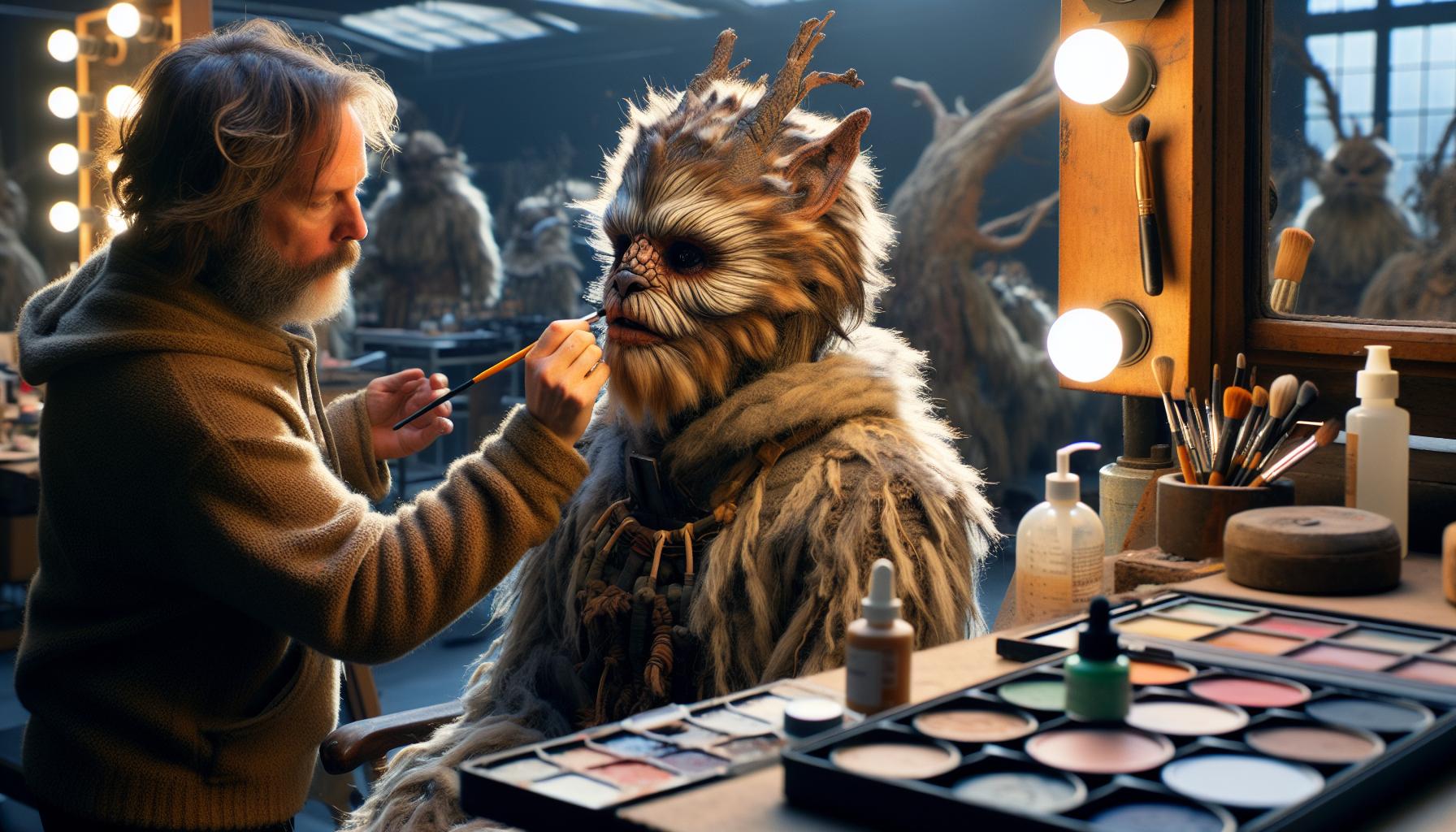
Cultural Significance of Ewoks in Star Wars
The Ewoks serve as a fascinating cultural touchstone within the Star Wars universe, embodying themes of community, courage, and resistance against oppression. These small, furry beings from the forest moon of Endor played a pivotal role in the climactic events of the original trilogy, particularly in “Return of the Jedi.” Their alliance with the Rebel Alliance not only allowed them to defeat the Galactic Empire but also highlighted their ability to unite diverse groups against a common foe. This reflects a broader societal narrative about the power of grassroots movements and the strength that can be found in unexpected places.
The cultural significance of Ewoks is further deepened when considering their resemblance to childhood innocence. Their childlike appearance-characterized by large eyes and playful movements-elicits empathy and nostalgia, reminding audiences of the bravery often found in youthful figures. By positioning Ewoks as both adorable caretakers of their forest home and courageous warriors, the narrative invites viewers to reflect on bravery that arises not from physical strength but from loyalty and a shared purpose. This parallel resonates across generations, making them relatable to both children and adults, and aligning their story arc with universal themes of good triumphing over evil.
Moreover, the Ewoks’ primitive lifestyle, as seen through their use of rudimentary technology and resourcefulness, offers a critique of advanced civilizations that become overly reliant on technology. When they use their knowledge of the forest to devise strategies against the technologically superior stormtroopers, it champions the idea of intelligence and ingenuity over brute strength. This narrative encourages audiences to appreciate the strengths of less technologically dependent cultures, promoting a respect for nature and traditional ways of life.
In summary, Ewoks are more than just whimsical characters; they hold a significant place in Star Wars lore by representing important societal themes, like unity in adversity and the strength found in innocence. Their journey showcases the idea that even the smallest of beings can embody great courage and affect monumental change, providing valuable lessons about the human condition and the power of hope.
Exploring Fan Theories Around Ewoks
Despite their adorable appearance, Ewoks have generated a spectrum of fan theories, adding depth to their already rich narrative in the Star Wars universe. One popular theory centers on the notion that Ewoks represent a critique of consumerism and technological dependence. Their resourceful use of rudimentary tools and intimate connection with nature contrasts sharply with the Empire’s reliance on advanced, often oppressive tech. This perspective gives weight to the argument that Ewoks are not just whimsical characters but rather important symbols advocating for a simpler, more balanced lifestyle.
Another fascinating theory posits that Ewoks are not merely childlike creatures; instead, they embody the spirit of youthful innocence and purity amidst chaos. Their playful behavior, coupled with tactical genius during the Battle of Endor, showcases how the underestimated can surprise even the mightiest of foes. This duality raises questions about how society often misjudges those who appear “childish” or “simple,” inviting fans to explore deeper meanings behind their portrayal.
Moreover, some fans speculate about the origins of Ewoks, suggesting they might be connected to other pastoral races within the Star Wars galaxy. This theory often references shared traits with other species, such as their communal living and reliance on natural resources, suggesting a kinship or a common ancestry in the diverse tapestry of Star Wars creatures.
There’s also a whimsical yet engaging theory that ascribes a softer counterpart to their more sinister counterparts, the Jawas. Both species inhabit desert-like environments, with Jawas being scavengers and Ewoks serving as defenders. This dynamic sets up a playful tension between the two, fueling fan debates and encouraging creative crossovers in fan art and fiction.
Ultimately, the exploration of these varying fan theories enriches the connection that audiences have with Ewoks. Their representation goes beyond mere childhood nostalgia; they spark conversations about broader societal themes, including environmentalism, innocence, and the underestimated wisdom found in simplicity. The more fans delve into these interpretations, the more layers of meaning they uncover, proving once again that Ewoks hold a unique and enduring place in the Star Wars lore.
The Impact of Ewoks on Star Wars Lore
The Ewoks have a profound and lasting impact on the Star Wars lore, influencing not just the narrative of the films but also the ethos surrounding the franchise. Originating from the forest moon of Endor, these small, furry beings highlight a key theme of David vs. Goliath within the broader conflict of the Galactic Empire and the Rebel Alliance. Their unexpected triumph over an oppressive regime reflects the notion that determination and ingenuity can overcome overwhelming odds, resonating with audiences who appreciate underdog stories.
Ewoks serve as a vital representation of nature and simplicity in contrast to the advanced technologies of the Empire. This dynamic emphasizes a recurring message in Star Wars about the balance between technological advancement and living in harmony with nature. By using primitive tools effectively against the Imperial forces, Ewoks challenge the misconception that sophistication is synonymous with strength. This portrayal invites viewers to critique their own relationship with technology, encouraging a deeper reflection on consumerism and environmental responsibility.
Moreover, the Ewok narrative extends beyond their immediate storyline, influencing various spin-off media, merchandise, and even fan interpretations. They have become iconic characters that evoke nostalgia and a sense of whimsy, often embodying the innocence and purity of childhood. Nevertheless, they also represent a mature understanding of unity and resistance, showing that even the most underestimated beings can play crucial roles in monumental events. This duality enriches their role in the broader Star Wars mythos, making them enduring symbols within the community.
In exploring the Ewoks, fans find layers of meaning that promote discussions about broader societal issues, including the importance of community, environmentalism, and the power of the underestimated. The Ewoks remind us that strength comes in various forms, and that every character, no matter how small, can contribute to the fight for what is right. They occupy a unique space in Star Wars lore, teaching lessons that go beyond the screen and into the hearts and minds of fans around the world.
Visual Design: Why Ewoks Look Like Children
The design of Ewoks encapsulates a whimsical charm, invoking a sense of childhood nostalgia that resonates with audiences of all ages. Their small stature, round faces, and expressive features make them appear almost childlike, which is a crucial aspect of their visual identity. This choice in design was deliberate, intended to evoke empathy and connection from viewers, much like the way children often inspire protective instincts in adults.
One reason Ewoks look so much like children is that they reflect the innocence and purity often associated with youth. The creators of the Ewoks wanted to showcase a species that embodies vitality and simplicity in stark contrast to the imposing might of the Galactic Empire. By presenting these characters with big, innocent eyes and a playful demeanor, the narrative allows audiences to root for them more easily. It’s this innocence that enhances the impact of their courage during the Battle of Endor, making their triumph both heartwarming and rewarding.
In addition to their childlike appearance, makeup and costume design played significant roles in bringing the Ewoks to life. The intricate masks and costumes used in their portrayal added layers to their personas, emphasizing their furry texture and enhancing their expressive features. These elements were carefully crafted to ensure the actors beneath the costumes could convey a wide range of emotions, fostering a relatable connection. The aging effects on the makeup of some characters, like Logray the shaman, further distinguished different Ewok personalities while retaining that childlike essence.
When analyzing their design further, it becomes clear that the logo of the Ewoks is more than just aesthetics; it also reflects broader themes in the Star Wars universe. Their playful yet brave demeanor serves as a reminder that heart and spirit can prevail, no matter how small the warrior. Ultimately, the Ewoks’ visual design not only enhances their immediate narrative impact but also speaks to the enduring nature of childhood values such as courage, community, and resilience-elements that resonate deeply with fans across generations.
Addressing Criticisms of the Ewok Concept
Critics of the Ewok concept often point to their design and characterization as overly simplistic or juvenile, arguing that these small, furry creatures detract from the more serious tones present in the larger Star Wars narrative. While the arguments may hold some weight, understanding the intention behind the Ewoks reveals a deeper layer of storytelling that resonates significantly, even beyond their perceived childlike attributes.
One primary criticism is that Ewoks are portrayed as cartoonish or naïve, which some fans believe undermines the gravity of the galactic struggle against the Empire. However, this perspective overlooks the vital role Ewoks play in illustrating themes of resilience and ingenuity. For instance, throughout “Return of the Jedi,” the Ewoks use their resourcefulness and familiarity with their environment to outsmart technologically advanced Imperial forces, showcasing that it is not brute strength but cleverness and courage that can achieve victory. Their triumph is a narrative device that emphasizes the idea that even the smallest characters can create significant change-an empowering message for audiences of all ages.
Some viewers also argue that Ewoks came off as merchandise-driven creations aimed at younger audiences, thereby diluting the franchise’s seriousness. While it’s true that they became popular due to their cute aesthetics and widespread market appeal, dismissing them solely as marketing tools ignores how they reflect broader cultural critiques. In the Star Wars universe, the Ewoks represent indigenous resistance against colonial powers, mirroring real-world struggles. Their victory serves not only as a victory for the Rebellion but as a commentary on the power of community and unity, suggesting that collective action can overcome even the greatest evils.
Critics should consider the diverse narratives that films like “Return of the Jedi” offer. The Ewoks, with their distinct visual and cultural representation, bring balance to a universe otherwise filled with human conflict and moral ambiguity. Undoubtedly, their design invokes a sense of childhood nostalgia, but that connection is precisely what allows their stories to resonate with viewers across generations. This superficiality some critics perceive actually serves a significant function in the broader tapestry of Star Wars lore, transforming perceived criticisms into avenues for deeper exploration of essential themes.
In conclusion, while the Ewoks may not be for everyone, their inclusion enriches the Star Wars universe rather than detracts from it; they remind us that heroism can manifest in many forms, from the bravest of warriors to the most unassuming of creatures.
Ewoks vs. Other Creatures in Star Wars
The Ewoks, with their small stature, furry appearances, and endearing demeanor, stand out distinctly among the myriad of creatures in the Star Wars universe. While some might perceive them as mere children, a closer look reveals that their role and characteristics significantly differ from other iconic Star Wars species such as Wookiees, Jawas, and Rodians. The importance of Ewoks transcends their playful portrayal; they serve as representations of nature’s resilience, much like other creatures in the series, but through a decidedly more whimsical lens.
Ewoks share a unique kinship with Wookiees such as Chewbacca, both being sentient and integral to the Rebel Alliance. However, Wookiees often embody a more serious and formidable presence, highlighting themes of warrior honor and strength. In contrast, Ewoks are depicted as resourceful and clever, using their surroundings to outsmart the technologically superior Imperial forces. Their small size and childlike qualities emphasize an innocent yet profound perspective on bravery, contrasting with the towering, might-driven Wookiees, who reflect loyalty and combat prowess.
Jawas and Ewoks also exhibit dynamic differences. Jawas are scavengers that thrive in desolate environments like deserts, manipulating technology to survive. Their stealth and cunning, while strategic, lack the communal spirit radiated by Ewoks. The Ewoks’ unity and collective action symbolize the strength found within community resilience, reflecting deeper implications of community solidarity against oppression, a narrative quite different from that of the resourceful but isolated Jawas.
Rodians, like Greedo, offer another perspective on alien life in Star Wars. Typically portrayed with a more scrappy, opportunistic nature, Rodians often engage in mercenary acts driven by survival instincts. This contrasts sharply with the Ewoks’ emphasis on protection and defense of their homeland. While Rodians often appear morally ambiguous, Ewoks are firmly positioned as defenders of their territory, portraying a fight for freedom and justice against a common enemy.
In the broader context of the Star Wars narrative, the Ewoks serve as a narrative device, showcasing the notion that strength comes in many forms. While they may visually appear as juvenile or purely appealing to a younger audience, their roles encapsulate vital messages of cooperation, cleverness, and resistance against oppression, mirroring real-world themes of community empowerment. Their design and behaviors, when viewed alongside other creatures, offer a distinctive exploration of diversity within the galaxy, reminding audiences that every species contributes to the rich tapestry of storytelling that defines Star Wars.
Inspirations Behind Ewok Character Design
The design of Ewoks is a fascinating blend of inspiration drawn from various sources, effectively capturing both their adorable appearance and their significant role within the Star Wars narrative. One striking feature is their childlike proportions and expressive faces, which were intentionally created to evoke a sense of innocence and approachability. The character designers wanted to present them as cute and lovable, making them appealing to younger audiences while also allowing for deeper, more complex storytelling layers.
Natural Inspirations
Ewok design is heavily influenced by real-world animals, particularly small mammals like bears and raccoons, which contribute to their furry, cuddly look. The choice to base their appearance on creatures familiar to audiences helps bridge the gap between the fantastical elements of Star Wars and everyday life. The ability to connect with Ewoks on a visual level allows viewers to engage with their struggles and triumphs throughout the series.
Symbolism and Themes
The designers also sought to infuse the Ewoks with symbolic meaning. Their small stature and perceived simplicity contrast sharply with their profound connection to nature and community. By presenting these characters as both adorable and resourceful, the filmmakers highlight themes of empowerment and resilience. This reflects broader ecological messages within Star Wars, celebrating the strength of the underdog and the importance of harmony with nature.
Blending Technology with Nature
Another fascinating aspect of Ewok design is how it juxtaposes technology with primitive living. The Ewoks utilize rudimentary tools and ingenuity to combat technologically advanced foes like the Empire, emphasizing a message about the power of resourcefulness over brute strength. This clash underscores the idea that wisdom and cooperation can triumph against overwhelming odds.
In creating Ewoks, the design team not only considered aesthetics but also the emotional and thematic implications of their appearance, resulting in characters that resonate with audiences of all ages. They stand as a reminder that everyone, regardless of size or appearance, can play a significant role in the larger fight for justice and freedom.
What Fans Really Think About Ewoks
The Ewoks have sparked diverse opinions among fans, creating a lively discourse about their role in the Star Wars universe. Many view these furry beings as charming heroes who embody resilience and cleverness, often likening them to the ultimate underdogs. Their child-like features and cute antics have made them appealing to younger audiences, fostering a sense of nostalgia for those who grew up with their adventures. However, this same cutesy design has led to criticisms that Ewoks lack depth, merely serving as comic relief or simple-minded characters in a sprawling narrative filled with morally complex figures.
One perspective shared by fans is that the Ewoks represent a deeper ecological message. Their ability to utilize primitive tools and guerrilla tactics against technologically advanced foes resonates with the themes of grassroots resistance and environmentalism. This portrayal has led some to appreciate them not only as adorable creatures but also as symbols of natural wisdom and strength that challenge imperial might. For many fans, the Ewoks embody the spirit of resistance against oppression, reinforcing the notion that even the smallest beings can make a significant impact.
Yet, the question of whether Ewoks are merely representations of children-that is, innocent, playful, and naive-is a debated topic. Some feel this perception diminishes their complexities, arguing that they reflect a sophisticated understanding of community and survival. This nuance invites fans to look beyond their cute exterior and emphasize their role as strategists who utilize their understanding of their environment to outsmart their enemies.
In the vibrant fan community, discussions about Ewoks often delve into their visual design and makeup effects, leading to a deeper appreciation for the craftsmanship behind these characters. The use of makeup to enhance their features evokes a sense of familiarity that plays into the broader narrative of Star Wars as a universe where diverse beings coexist and thrive. This connection through design invites an examination of how such representation impacts audience engagement, opening pathways for more inclusive storytelling that can resonate across age groups and backgrounds.
Ultimately, the varied opinions on Ewoks illustrate a broader trend in fandom where character depth and representation are increasingly scrutinized. Fans continue to debate their significance, ensuring that the Ewoks remain an enduring topic of interest within the Star Wars saga. As perspectives evolve, so does the understanding of these beloved characters, highlighting their unique place in the lore-and perhaps, paving the way for richer narratives in future iterations of the franchise.
Faq
Q: What is the children and makeup theory related to Ewoks in Star Wars?
A: The children and makeup theory suggests that Ewoks symbolize innocence, often interpreted as children dressed in costumes. This reflects their playful nature and serves a narrative purpose, emphasizing themes of childlike wonder and bravery against overwhelming odds.
Q: Why do some fans believe Ewoks represent children?
A: Fans see Ewoks as representations of children due to their small stature, playful behaviors, and reliance on teamwork. Their simplistic view of good vs. evil resonates with a child’s perspective, making them relatable figures in the Star Wars universe.
Q: How did makeup play a role in creating Ewok characters?
A: Makeup was crucial in crafting the Ewok look, blending human features with animalistic traits. The combination of furs, facial prosthetics, and expressive designs enhanced their visual appeal and conveyed emotions effectively, allowing for deeper audience connection.
Q: What are some criticisms regarding the Ewok design related to the children theory?
A: Critics argue that characterizing Ewoks as child-like undermines their complexity, reducing them to mere symbols of innocence. This simplification can detract from the broader themes inherent in their storylines and contributions to the larger Star Wars saga.
Q: How do Ewoks compare to other creatures in Star Wars?
A: Unlike more fearsome creatures like Wookiees or Jawas, Ewoks blend cuteness with cunning intelligence. Their child-like, innocent appearance contrasts sharply with their strategic bravery, enriching the Star Wars narrative while appealing to different audience demographics.
Q: When were Ewoks first introduced in Star Wars?
A: Ewoks made their debut in the 1983 film “Return of the Jedi.” They were depicted as indigenous inhabitants of the forest moon of Endor, aiding the Rebel Alliance in defeating the Galactic Empire, setting the stage for their subsequent feature in the animated series and other media.
Q: What themes do Ewoks embody in the Star Wars saga?
A: Ewoks embody themes of resilience, community, and the idea that even the smallest beings can make a significant impact. Their victory against the Empire underscores the power of unity and bravery, resonating with audiences of all ages.
Q: Why are Ewoks often viewed unfavorably by some fans?
A: Some fans dislike Ewoks due to perceptions of them being overly cute or childish, feeling that their portrayal detracts from the darker themes of the Star Wars saga. This divide highlights differing tastes in character representations within the franchise.
In Conclusion
Thank you for diving into “What’s the Star Wars Ewoks Just Children and Makeup Theory?” We hope it sparked your curiosity about the imaginative world of the Ewoks and how they blend youthful innocence with creativity. If you’re intrigued by how these characters embody the essence of childhood and creativity, don’t miss our related articles on the lore of Ewoks and their adventures in “Caravan of Courage” and the animated series.
Now is the perfect time to explore more! Consider subscribing to our newsletter for the latest insights on all things Star Wars and beyond. Remember, your journey doesn’t end here-jump into discussions with fellow fans and share your thoughts in the comments below!
What are your theories about the Ewoks’ unique characteristics? Let’s keep the conversation going! With each exploration, you’ll uncover more fascinating layers of this beloved saga, enhancing your experience and knowledge. Happy exploring!