
Have you ever wondered why vintage safety razors are making a significant return in grooming routines? These timeless tools not only provide a closer shave but also promote sustainability by reducing plastic waste from disposable razors. Safety razors are gaining popularity for their cost-effectiveness and the ability to deliver a precise, smooth shave with minimal irritation. As more people seek eco-friendly alternatives and a return to traditional grooming practices, exploring the reasons behind this resurgence can help you make informed choices for your shaving needs. Join us as we dive into the world of safety razors and uncover how they can transform your grooming experience-saving both your skin and the planet.
What is a Safety Razor? Understanding the Basics
A safety razor is a straight-edged grooming tool designed specifically to provide a close shave while minimizing the risk of nicks and cuts. Unlike traditional straight razors, which require a certain level of skill to master, safety razors feature a protective guard that helps prevent the blade from directly contacting the skin, making them an excellent choice for beginners and experienced shavers alike. The design typically consists of a handle and a head that holds the single, double-edged blade, which can be replaced easily and cost-effectively. Using a safety razor not only elevates your shaving experience but also allows for a more controlled, precise shave-something that is hard to achieve with disposable razors.
Many people are rediscovering the safety razor as they seek alternatives to the more common disposable razors that dominate the market today. While disposable razors often come with multiple blades, which can lead to irritation and discomfort, the simplicity of a single-blade safety razor encourages a more thoughtful approach to shaving. This method not only yields a smoother finish but also encourages users to slow down and focus on their technique, contributing to a more enjoyable grooming ritual. The straightforward mechanics of safety razors-just changing the blade and cleaning them after each use-attract those looking for a blend of efficiency and craftsmanship in their personal care routine.
In recent years, the movement towards sustainability has also played a significant role in the safety razor’s resurgence. With a growing awareness of the environmental impact of disposable plastics, many are opting for safety razors made of durable metals that can last a lifetime with proper care. This shift not only reduces waste but also fosters a deeper connection to the act of shaving, transforming it from a mundane task into a mindful ritual. This has created a community of enthusiasts who share tips, techniques, and experiences, fostering an inclusive environment for newcomers and veterans alike, where the journey to mastering the art of shaving becomes as rewarding as the outcome itself.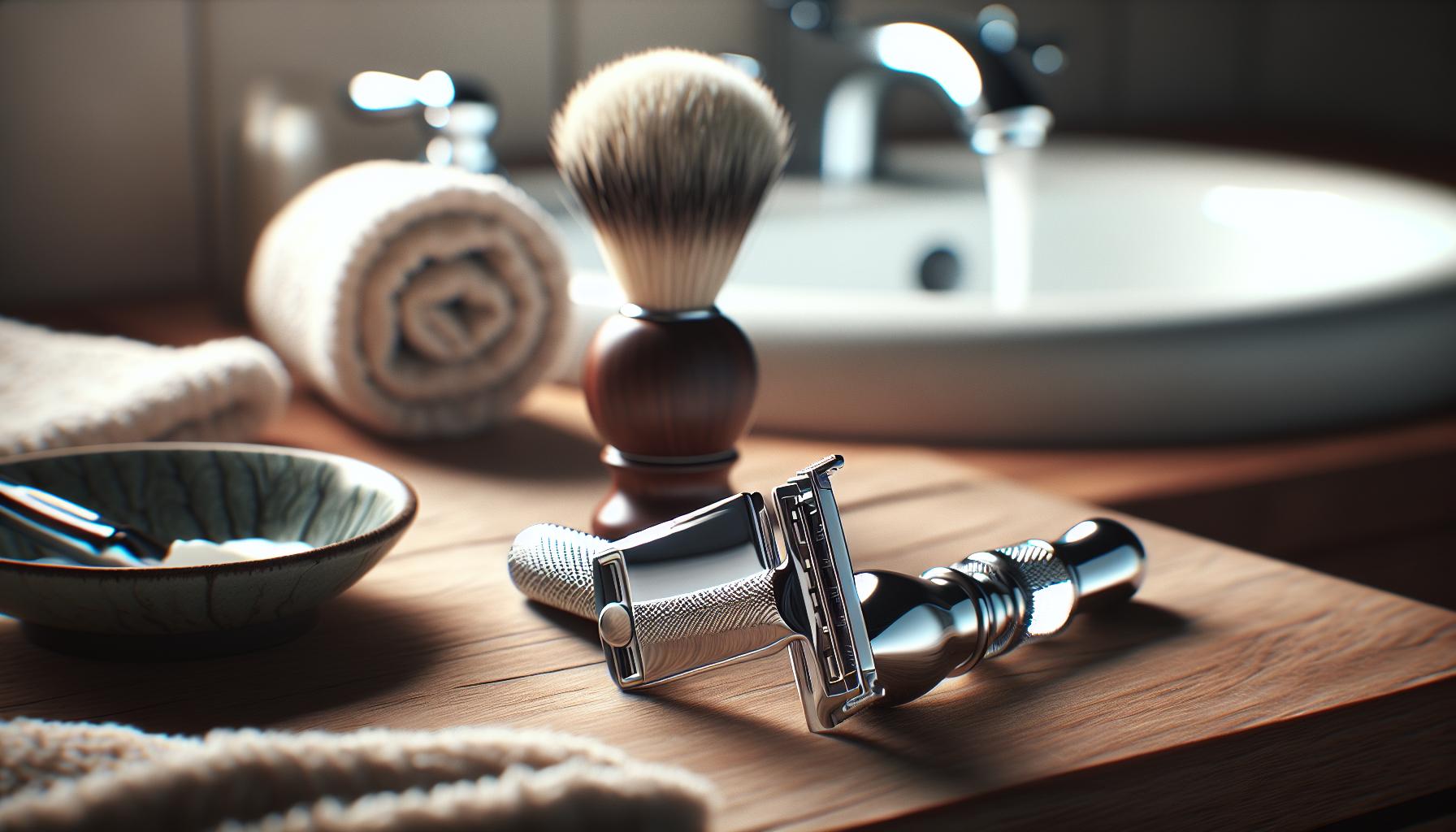
Benefits of Using a Safety Razor for Shaving
Using a safety razor can transform your shaving experience into something more enjoyable and effective. These traditional grooming tools offer several compelling advantages, all contributing to a superior shave and a more sustainable routine. While many marvel at disposable razors for their convenience, the more mindful approach of using a safety razor brings not only a closer shave but also a deeper connection to the act of grooming.
One of the standout benefits is the sheer precision these razors provide. With a single, sharp blade, you’re less likely to experience the irritation commonly associated with multi-blade disposable razors, which can tug at hair or leave you with razor burn. With practice, you’ll find that the safety razor minimizes nicks and cuts, allowing for a smooth finish that often surpasses what you’d achieve with its disposable counterparts. This enhanced control encourages a more careful and enjoyable shaving ritual, making each session feel more like self-care than a chore.
Moreover, the longevity and environmental impact of safety razors make them an appealing choice. Built to last, a well-maintained safety razor can accompany you for years, if not decades, reducing the need for frequent repurchases that disposable razors require. This shift not only means fewer items to toss in the landfill but also aligns with a growing preference for sustainable products. By opting for a reusable safety razor, you’re contributing to a reduction in plastic waste-a simple yet impactful choice in your grooming routine.
On top of these practical benefits, using a safety razor can enhance your grooming journey through community and learning. A wealth of resources and fellow enthusiasts awaits, offering tips, techniques, and counsel that can help you perfect your skills. This camaraderie adds a personal touch to your grooming ritual, turning an everyday task into a shared experience that fosters learning and connection. Embracing the safety razor not only elevates your shaving experience but also encourages mindfulness, sustainability, and a deeper connection to self-care.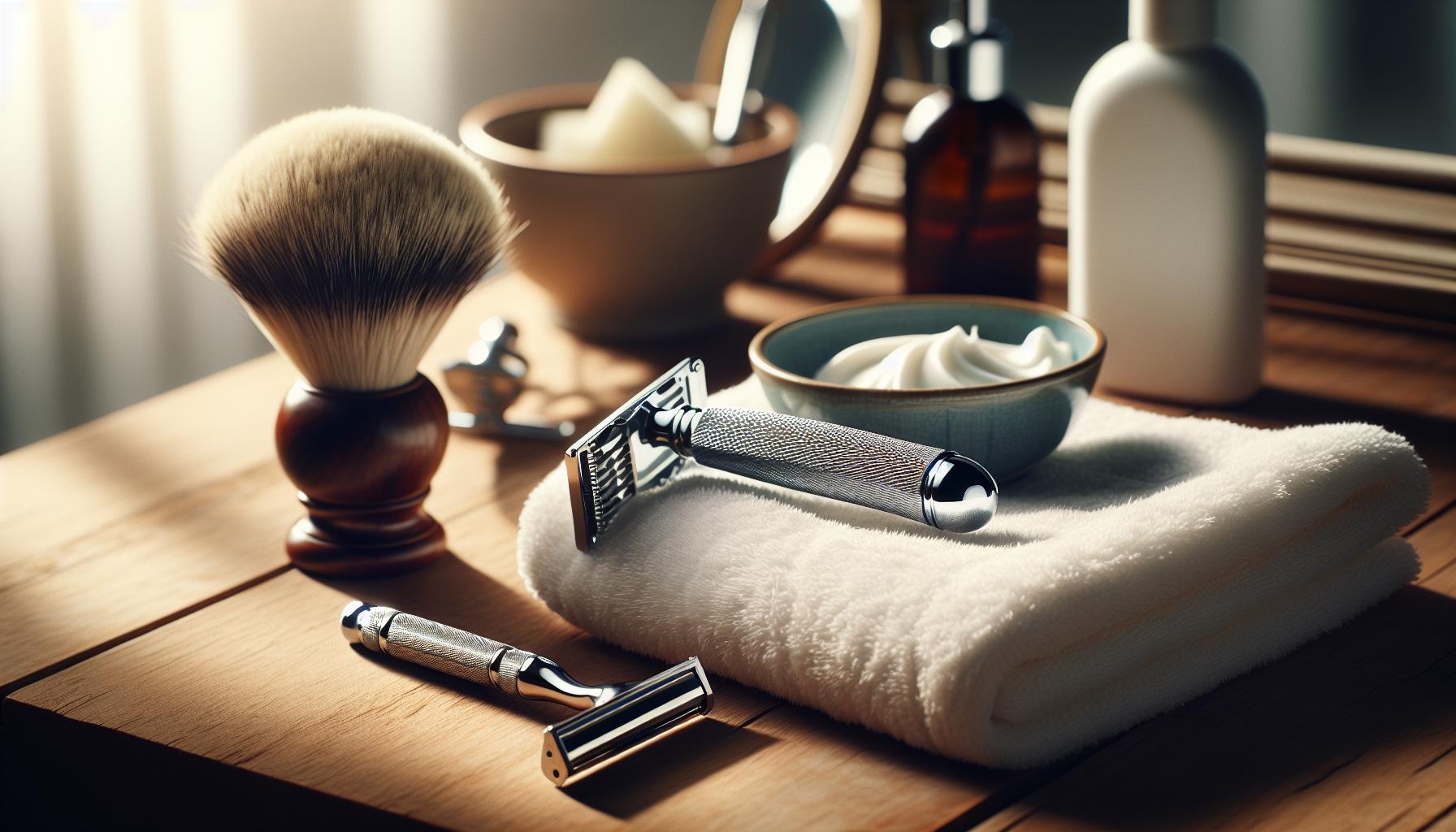
How Safety Razors differ from Disposable Razors
Using a safety razor can significantly transform your shaving experience, particularly when compared to disposable razors. While disposable razors are often touted for their convenience, they come with a host of drawbacks that safety razors effectively address.
One of the most notable distinctions is the type of blade used. Disposable razors typically feature multiple blades set at fixed angles, which can lead to tugging and irritation as they pull hair and skin along with the hairs being cut. In contrast, safety razors use a single, ultra-sharp blade that glides smoothly across the skin, reducing the risk of razor burn and minimizing the chance of nicks and cuts. This single-blade design allows for greater precision, making it easier to maneuver in tight areas such as under the nose or along the jawline.
Another key difference lies in the long-term cost-effectiveness and sustainability of safety razors. Disposable razors are designed for a few uses, often leading to frequent purchases and waste accumulation. In contrast, safety razors are built to last, with many users reporting several years of use from a single razor. The blades used in safety razors are not only less expensive but also made of recyclable materials, allowing for easy disposal once they’ve reached the end of their life. This stands in stark contrast to the plastic components of disposable razors, which contribute significantly to landfill waste.
In addition to environmental benefits, the experience of switching to a safety razor fosters a more intentional grooming routine. Instead of rushing through the process with a throwaway tool, using a safety razor encourages you to slow down and engage in a ritual of self-care. As you learn proper techniques and find the right angle, shaving becomes less about the task of hair removal and more about cultivating a mindful practice that benefits both your skin and the planet.
Overall, while disposable razors may continue to dominate the market due to marketing and perceived convenience, safety razors offer superior performance, style, and sustainability, making them a compelling choice for anyone looking to enhance their shaving experience.
The Environmental Impact of Safety Razors
Switching to a safety razor is not only a smart choice for your skin but also a significant step towards reducing your environmental footprint. One of the most striking advantages is the reduction in waste produced. Disposable razors, unfortunately, contribute massively to landfill waste, with each razor being a mix of plastic and metal that takes years to decompose. In contrast, safety razors can last a lifetime with proper care, and their single-use blades are made from recyclable materials.
When you use a traditional safety razor, the only items you need to replace are the blades. These metal blades are not only economically friendly but can be easily recycled, often simply by placing them in a designated recycling container. This contrasts starkly with disposable razors, which can contain multiple blades and are typically encased in non-recyclable plastic. Thus, by making the switch, you are taking a proactive role in minimizing plastic pollution.
Moreover, the production and distribution of disposable razors are resource-intensive. From the energy used in manufacturing to the emissions produced during transportation, every disposable razor adds to your carbon footprint. Safety razors, being more durable and efficient, require fewer resources over time, significantly lowering the average environmental impact associated with shaving.
In summary, adopting a safety razor is an effective way to support sustainability efforts. It encourages a reduction in plastic waste, promotes recycling practices, and lessens the overall environmental burden associated with your grooming routine. By choosing a safety razor, you’re not just improving your shaving experience; you are also making a positive choice for the planet.
Why Safety Razors Are Gaining Popularity Again
The recent resurgence in the popularity of safety razors can be attributed to a blend of sustainability, grooming efficiency, and a return to traditional practices. As more individuals become conscious of their environmental impact, safety razors offer an appealing alternative to disposable razors that contribute to the growing plastic waste problem. With their durable construction, safety razors not only reduce waste but also empower users to take control of their shaving routine, creating a more personalized and mindful grooming experience.
Many people are also seeking ways to simplify their grooming routines while achieving better skin health. Safety razors, with their single blade, can provide a closer shave with less irritation compared to multi-blade disposable razors. This shift aligns with a broader trend towards minimalism, where individuals are opting for fewer products that deliver better results. The ability to customize safety razors with different handles and blades caters to diverse preferences and skin types, making it easier to find the perfect fit for everyone.
Furthermore, the cultural revival of artisanal and vintage products has fueled interest in safety razors. Consumers today appreciate not just the functionality but also the craftsmanship and nostalgia associated with traditional shaving tools. Brands have embraced this trend, offering beautifully designed safety razors that appeal to aesthetic sensibilities, elevating the daily shave into a curated experience. Engaging with this practice not only provides a more enjoyable grooming ritual but also fosters a sense of connection to past generations’ grooming habits.
In summary, safety razors are making a comeback as individuals embrace sustainable practices, seek simplicity in their grooming routines, and connect with traditional craftsmanship. This growing trend not only benefits users but also supports broader environmental goals by reducing plastic waste. By making the switch, people are not just improving their shaving routine; they’re also becoming part of a larger movement towards conscientious living.
Choosing the Right Safety Razor for Your Needs
When it comes to selecting a safety razor that suits your unique shaving needs, understanding the nuances between different models can make all the difference. Safety razors come in various designs, each catering to different levels of experience, hair types, and skin sensitivities. Imagine stepping into a tool that not only aligns with your grooming routine but also enhances your overall shaving experience.
Types of Safety Razors
There are primarily three types of safety razors you might consider: double-edge, adjustable, and single-edge.
- Double-edge razors are the classic choice, featuring a blade that can be flipped to use both sides. This style is excellent for beginners and experienced shavers alike, offering a close shave while being economical since the blades are affordable.
- Adjustable razors allow users to change the blade exposure, enabling a tailored shaving experience. This feature is particularly beneficial for those with varying hair densities across their face or body.
- Single-edge razors have a different design, often resulting in a smoother glide but may require specialized blades. These are a good option for individuals with sensitive skin or those prone to razor burn.
Factors to Consider
Before making your choice, consider your personal shaving habits and needs. If you typically have sensitive skin, look for razors with a mild blade exposure. Conversely, if you have coarse hair and prefer a more aggressive shave, an adjustable or double-edge razor may work best for you. Additionally, handle design matters; longer handles provide better grip, while shorter handles can facilitate more control for precision shaving.
Budget and Aesthetics
Price can be an essential factor when choosing the right safety razor; there are excellent budget-friendly options as well as high-end models. Don’t shy away from investing in a quality razor that reflects your personal style and feels good in your hand. Some brands incorporate beautiful materials and craftsmanship, making your shaving tool not just functional but also a statement piece in your grooming routine.
Ultimately, the perfect safety razor for you is one that balances functionality, comfort, and aesthetics, catering to your specific skin and hair type while fitting seamlessly into your lifestyle. By taking the time to evaluate your personal grooming preferences, you can select a safety razor that will elevate your shaving experience.
Essential Accessories for Safety Razor Shaving
To ensure a smooth and effective shaving experience with your safety razor, investing in the right accessories can make all the difference. These items not only enhance your grooming ritual but also promote comfort and efficiency, which is essential for both novice and experienced shavers alike. Consider each of these accessories as your allies on the journey to achieving that perfect shave.
Start with a quality shaving cream or soap. A rich, moisturizing product is key to softening hair and providing a protective barrier between the blade and your skin. Look for products that contain natural ingredients, such as shea butter or coconut oil, which can hydrate and nourish your skin while reducing irritation. A shaving brush can elevate your experience further; it helps create a luxurious lather, applies it evenly to your face, and gently exfoliates the skin, preparing it for a closer shave.
Next, don’t overlook the importance of a good aftershave. Applying an alcohol-free aftershave balm can soothe your skin post-shave and minimize any potential irritation. Ingredients like aloe vera or witch hazel are great for reducing redness and promoting recovery. Additionally, having a suitable shaving bowl or mug can enhance your lathering process, making it easier to mix and apply your shaving cream or soap without making a mess.
Lastly, consider a blade bank for safe disposal of used razor blades. This small but practical addition allows you to discard blades responsibly, keeping both your shaving space tidy and the environment protected. As you gather these essential accessories, remember they are here to support your shaving journey, making it smoother and perhaps even a bit more enjoyable!
How to Properly Use a Safety Razor
Using a safety razor can be a transformative experience for your shaving routine, providing a closer and more economical shave while reducing environmental waste. To get started and ensure the best results, following the right steps is essential.
Begin with a properly prepared face. Moisten your skin by washing it with warm water to open up the pores and soften the stubble. You may also use a warm towel for a few minutes to enhance this effect. Next, apply a rich shaving cream or soap, ideally using a brush to create a thick lather. This not only ensures even coverage but also helps lift the hairs for a smoother cut.
When you’re ready to shave, hold the razor at a 30-degree angle. This is crucial as it allows the blade to make contact with your skin without pressing too hard, reducing the risk of nicks and irritation. Start with gentle strokes; let the weight of the razor do the work. Trying to force the blade or using a heavy hand can lead to cuts. You’ll want to use short strokes, particularly in areas with contours, and shave with the grain of your hair growth to minimize discomfort.
After completing your shave, rinse your face with cool water to close the pores and apply your chosen aftershave product. An alcohol-free aftershave balm is ideal to soothe and nourish the skin. Make sure to clean the razor after each use by rinsing under warm water and allowing it to dry completely. This simple maintenance step can extend the life of both your razor and blade, making your shaving experience not only smoother but more sustainable.
Common Mistakes to Avoid When Switching
Switching to a safety razor can be an exciting step towards a more sustainable and precise shaving routine, but it’s easy to make some common missteps along the way. Many newcomers to safety razors expect an immediate flawless experience similar to their previous disposable options, which can lead to frustration. The truth is, adjusting your technique is key to enjoying the full benefits of this classic shaving tool.
One of the biggest mistakes is applying too much pressure while shaving. Safety razors are designed to work with the weight of the razor itself, allowing the blade to glide over your skin. If you press too hard, you risk nicks, cuts, and irritation. Instead, aim for a light touch-focus on letting the razor do the work. Start by tracing along the contours of your face gently, using short strokes and maintaining a 30-degree angle for maximum effectiveness and comfort.
Another common pitfall is neglecting blade maintenance. A dull blade can lead to tugging and discomfort. Ensure you’re changing your blade regularly-ideally, after about 5-7 shaves, depending on your hair type and thickness. Proper cleaning after each use is also vital; rinse the blade thoroughly under warm water and allow it to dry completely to prevent corrosion. This little upkeep can make a significant difference in your overall shaving experience.
Finally, many people underestimate the importance of preparation. Skipping steps like moisturizing your skin or using a quality shaving cream can lead to a less satisfying shave. Always remember the basics: moisten your face with warm water, apply a good lather with a brush, and take your time. These practices not only enhance your shaving experience but also minimize the risk of creating irritation or uneven results. By avoiding these common mistakes and embracing the learning curve, you’ll be well on your way to experiencing the better shave that safety razors offer!
Tips for Maintaining Your Safety Razor
Maintaining your safety razor properly not only enhances your shaving experience but also extends the life of the razor itself, making your grooming routine more economical and sustainable. After each use, it’s crucial to clean the blade thoroughly. Rinse it under warm water to remove any residue and hair; this simple step prevents clogging, which can dull the blade quickly. After rinsing, gently dry the blade with a soft towel, being careful to avoid cutting yourself. A clean blade glides smoothly, reducing the chances of nicks and irritation.
Another essential aspect of maintenance is regularly changing the blade. This will depend on your shaving frequency, hair type, and skin sensitivity. As a rule of thumb, consider changing your blade every 5 to 7 shaves. Dull blades not only increase the risk of cuts but also require more pressure, leading to a less comfortable shave. Hence, recognize the signs-a tugging sensation, or if you’re noticing more irritation than usual, are indicators that it’s time for a new blade.
Storing your razor correctly is just as important. Keep it in a dry area, away from moisture, which can cause rust and corrosion. A razor stand or magnetic holder is a great investment, not only for aesthetics but also for airflow, helping to maintain the blade’s integrity. If you notice any rust developing, treat it immediately by using a little metal polish-just ensure to rinse it thoroughly afterward to remove any residue.
Lastly, don’t overlook the importance of the handle. Depending on the material, handles might collect grime or hair over time. A quick wipe down with a soft, damp cloth after each use will keep it looking fresh. If your handle has intricate designs, consider a soft toothbrush to clean those hard-to-reach spots without damaging the finish. Remember, a well-maintained safety razor not only performs better but also elevates your whole grooming routine, adding a touch of class and intention.
Exploring Safety Razor Blade Options
When it comes to safety razor blades, the options available can genuinely enhance your shaving experience-creating a memorable moment rather than a hurried task. Understanding your blade choices is crucial, as various factors can influence the quality of your shave, such as hair type, skin sensitivity, and personal preference.
Safety razor blades typically come in two main categories: *stainless steel* and *carbon steel*. Stainless steel blades are known for their durability and corrosion resistance. They generally stay sharper longer and can withstand moisture better, making them ideal for daily use. On the other hand, carbon steel blades offer a smoother, sharper edge and can provide an incredibly close shave, although they may require more frequent replacements due to their susceptibility to rust.
Additionally, there are different blade thicknesses and coatings to consider. For example, some blades have a specific coating-like Teflon or platinum-designed to reduce friction and provide a smoother glide. These coatings can significantly improve comfort and decrease the risk of nicks or irritation, especially for those with sensitive skin. It’s worth trying a few different types to see which one suits your skin best.
How to Choose the Right Blade
When selecting a blade, think about your shaving style and needs. If you experience irritation often, you might want to start with a milder blade. Here are some recommendations based on common experiences:
- For sensitive skin: Consider blades with a coating, such as the Astra Platinum or Gillette Silver Blue, which are well-reviewed for their smoothness.
- For a close shave: Look into sharper options like Feather or Derby Extra, acknowledging that they may require a lighter touch.
- For a balance: The Personna or Wilkinson Sword blades often provide a nice middle ground if you’re unsure.
Experiment and Find Your Fit
Every individual’s experience will vary, so trial and error may be necessary. A great way to approach this is to purchase a blade sample pack. Many retailers offer these packs, allowing you to try out different brands and styles without committing to a bulk purchase. Keep a journal of how each blade performs during your shave, noting any irritation or discomfort, and this will help you narrow down which blade works best for your unique grooming needs.
With the right blade in hand, you’re not just effectively shaving-you’re investing in an artful ritual of care that honors your daily grooming routine. So go ahead, explore your options, and take the time to discover the blade that will make your skin feel cared for and your shave feel expert.
Budget-Friendly Safety Razors for Beginners
When it comes to embracing a safety razor, cost can be a major concern for newcomers. Fortunately, there are plenty of budget-friendly options available that allow you to enjoy the benefits of traditional shaving without breaking the bank. Many of these razors not only provide a fantastic shave but also offer durability and style, making them both practical and attractive.
One popular choice for beginners is the Merkur 34C, often regarded as the gold standard for entry-level safety razors. Priced around $40, it offers a comfortable grip and a mild shaving head, making it ideal for those with sensitive skin or those just starting out. Another excellent option is the Edwin Jagger DE89, typically available for the same price range. Renowned for its balance and ease of use, this razor is perfect for achieving a close shave with less irritation.
In addition to these options, consider looking for complete starter kits that can save you money. For instance, brands like Vikings Blade offer kits that include a safety razor, blades, and even a stand for under $30. This is a fantastic way to dip your toes into the world of safety razors without investing heavily in multiple products right away.
Don’t forget to factor in ongoing costs as well. While the initial investment in a razor may seem significant, safety razor blades can often be purchased in bulk for just a few cents each, leading to substantial savings over time compared to disposable razors. This not only supports your wallet but also the environment, as you’ll be generating less waste.
In summary, budget-friendly safety razors abound, providing quality options for newcomers. By choosing a well-reviewed starter razor and considering an all-in-one kit, you’ll not only enhance your shaving experience but do so economically. Your grooming routine can become a more enjoyable ritual, and you might just find yourself embracing the art of shaving with enthusiasm.
Q&A
Q: What is the history of safety razors?
A: Safety razors were invented in the late 19th century to offer a safer alternative to straight razors. They gained immense popularity in the early 20th century due to their ease of use and the introduction of disposable blades. Their resurgence today is fueled by eco-consciousness and a desire for high-quality grooming tools.
Q: Why are safety razors considered better for sensitive skin?
A: Safety razors minimize irritation by providing a closer shave with less pressure compared to multi-blade razors. The single blade reduces the risk of ingrown hairs and razor burn, making them ideal for sensitive skin types. Many users report a noticeable improvement in skin comfort after switching.
Q: Can beginners use safety razors effectively?
A: Yes, beginners can use safety razors effectively with some practice and patience. Starting with a mild razor and watching instructional videos can help. Following proper technique and preparation, such as using quality shaving cream, will improve the overall experience and reduce the learning curve.
Q: What materials are commonly used in safety razors?
A: Safety razors are typically made from high-quality metals, such as stainless steel, brass, or aluminum. Stainless steel is favored for its durability and resistance to rust, while brass offers a classic aesthetic. Each material has its benefits, impacting weight, balance, and price.
Q: How do safety razors compare to straight razors?
A: Safety razors are generally easier to use than straight razors, making them suitable for beginners. While straight razors require regular honing and sharpening, safety razors utilize replaceable blades that offer a consistent shave without extensive maintenance. Both can deliver an excellent shave, but the choice depends on personal preference.
Q: What are the environmental benefits of using safety razors?
A: Safety razors reduce plastic waste significantly, as they use metal blades that can be recycled instead of disposable plastic razors. This shift contributes to a more sustainable grooming routine. Many users appreciate this eco-friendly aspect, especially as awareness of environmental issues grows.
Q: Are safety razors more cost-effective in the long run?
A: Yes, safety razors can be more cost-effective over time. Although the initial investment is higher, replacement blades are inexpensive compared to purchasing disposable razors or cartridge systems. Regular maintenance can extend the life of a safety razor, making it a smart economic choice for grooming.
Q: What should I look for when choosing my first safety razor?
A: When choosing your first safety razor, consider factors like razor aggressiveness, handle length, and weight. A mild razor with a comfortable grip is ideal for beginners. Additionally, pay attention to the blade type and compatibility, as this affects your shaving experience. Explore different models in the “Choosing the Right Safety Razor for Your Needs” section for optimal guidance.
In Summary
As we’ve explored, safety razors are making a significant comeback thanks to their ability to provide a close, comfortable shave while being eco-friendly and cost-effective. If you’re ready to step away from disposable razors and embrace a more sustainable grooming routine, now is the perfect time to make the switch. To help you in this journey, check out our guides on finding the best safety razors for your skin type and hair texture as well as tips on mastering the perfect shave.
Don’t hesitate-try a safety razor today, and experience the difference for yourself! If you have any questions or concerns about the transition, we’d love to hear from you in the comments. For more grooming tips and insights, subscribe to our newsletter or explore our articles on classic grooming techniques and skincare essential for a holistic approach to your self-care routine. Let’s keep the conversation going as you discover the benefits of safety razors!