Did you know that ancient civilizations crafted shaving tools from materials like stone, bronze, and even shells? The evolution of razors is fascinating and mirrors the progress of grooming practices through the ages. Understanding when razors were invented and how they have transformed can greatly enhance your grooming routine today. Whether you’re seeking the perfect shave or simply curious about the history behind these essential tools, this exploration will shed light on key developments that shaped modern shaving. Join us as we uncover the journey of razors, from primitive blades to sophisticated safety razors and electric options, all designed with your comfort and style in mind. Keep reading to discover how these innovations can solve your grooming challenges and help you achieve the smooth results you desire.
The Evolution of Shaving Tools Through History
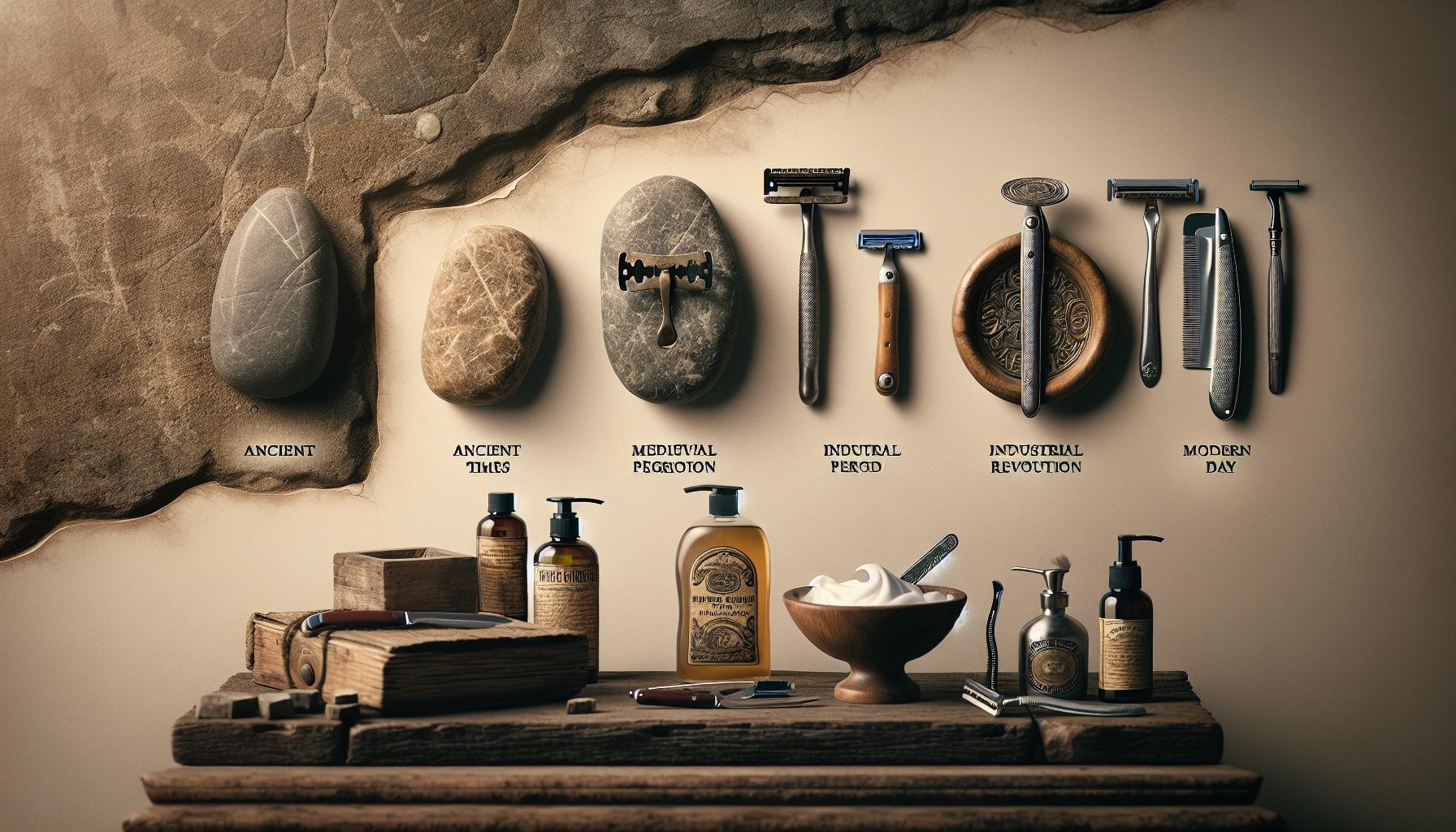
Throughout history, the tools and techniques of shaving have evolved dramatically, reflecting advancements in technology, changes in societal norms, and personal grooming preferences. Dating back to ancient civilizations, early humans used rudimentary tools crafted from sharpened stones, shells, and later, bronze. These primitive instruments were a far cry from today’s precision razors, but they were revolutionary for their time, allowing individuals to maintain personal hygiene and aesthetics.
As time progressed, significant innovations emerged, particularly with the introduction of straight razors in the late 17th century. These razors, often made from high-quality steel, provided a closer and more controlled shave compared to their predecessors. The straight razor’s design, which features a long, flat blade that is sharpened along one edge, remained the primary shaving tool well into the 19th century. Notably, a breakthrough came in 1895 with the invention of the safety razor, designed by King Camp Gillette. This tool featured a protective guard that minimized the risk of cuts, making shaving easier and more accessible for the average person.
The 20th century saw the rise of disposable razors, drastically changing the shaving landscape. These razors allowed users to replace blades conveniently, reducing maintenance while ensuring a clean and hygienic grooming experience. By the 1930s, the market was saturated with disposable options, leading to various designs that catered to different shaving styles and preferences. This era laid the groundwork for today’s innovations, including electric razors that introduced a new level of convenience and speed.
Each evolution in shaving tools has catered to growing demands for convenience, safety, and efficiency. Whether you prefer the nostalgic feel of a straight razor or the modernity of an electric shaver, understanding the history and development of these tools can enhance your personal grooming experience. From ancient stone blades to today’s innovative technology, shaving tools have undergone remarkable transformations that continue to shape how we address grooming needs.
Ancient Shaving Techniques: From Stone Blades to Bronze
The journey of shaving tools begins with our early ancestors who relied on nature’s bounty to groom themselves. Imagine a time when clam shells served as the primary means for early humans to pluck facial hair-a rudimentary yet effective method if combined with patience and skill. These primitive tools laid the groundwork for the innovative equipment we now take for granted. As civilizations flourished, so too did the techniques and materials used in shaving, evolving from simple stone blades to more refined bronze razors.
Early Innovations: From Stone to Bronze
In the early days, men and women utilized sharpened stones, shells, and even animal bones to remove unwanted hair. As humanity progressed into the Bronze Age, shaving tools began to reflect advancements in metallurgy and craftsmanship. The introduction of bronze allowed for sharper, more durable implements. These bronze razors didn’t just improve the shaving experience; they became a symbol of status and self-care. Historical evidence suggests that as shaving became more culturally significant, so did the artistry behind the tools. Crafted by skilled artisans, these tools often featured decorative elements that highlighted their owners’ social standing.
- Stone Razors: Sharpened rocks were the earliest shaving tools. They demanded skill and great caution.
- Shell Tools: Clam shells provided an effective means to pluck hair but were better suited for delicate tasks.
- Bronze Razors: The advent of bronze meant sharper edges and longer-lasting tools, which improved safety and ease of use.
The Cultural Context of Shaving
Shaving practices varied significantly across different cultures. For instance, in Ancient Egypt, smooth shaven heads were often considered a sign of purity and cleanliness, influenced largely by their hot climate. Egyptian priests would shave their entire bodies, while commoners would typically remove facial hair to promote hygiene and social acceptance. Fast forward to Rome, where sources suggest that notable figures like Julius Caesar embraced the trend of grooming, elevating shaving to a daily ritual that symbolized power and civilization.
As you explore the historical evolution of shaving tools, consider the profound impact of these ancient methods on today’s grooming practices. The combination of practicality and artistry in early tools can inspire modern approaches to self-care. Understanding this lineage not only fosters appreciation for the precision tools we have today but also invites you to take a moment and appreciate your own grooming rituals, however simple they may be.
The Rise of Safety Razors: Revolutionizing Men’s Grooming

The introduction of the safety razor marked a significant turning point in the world of shaving, transforming it from a complex, often dangerous ritual into a more accessible and safer daily practice. In 1904, King C. Gillette patented his design for the safety razor, which featured a replaceable blade that could be easily changed, setting the stage for a revolution in men’s grooming. This invention not only enhanced safety and convenience but also democratized grooming by allowing virtually anyone to achieve a clean shave at home, without requiring specialized skills or tools.
Prior to this innovation, shaving often relied on double-edged blades and straight razors that demanded a high level of proficiency and were fraught with risks. Men needed to hone their techniques to avoid nicks, cuts, and irritation. Interestingly, the safety razor featured protective mechanisms that minimized exposure of the blade, making it much less intimidating for newcomers. This paradigm shift was not merely about convenience; it encouraged daily grooming as a routine and subsequently influenced societal standards of appearance and hygiene.
Key Features of Safety Razors:
- Replaceable Blades: The ability to swap out dull blades meant that shavers no longer needed to sharpen their tools, saving time and frustration.
- Design Safety: The protective guard around the blade reduced the likelihood of cuts, making the shaving process much safer for inexperienced users.
- Affordability: With mass production, safety razors became more affordable, enabling wider access to effective grooming tools.
As the safety razor became popular, it shaped not only personal grooming habits but also the marketing landscape. Brands began to target consumers with advertisements that glorified the act of shaving as a vital part of the modern man’s daily regimen. This increase in visibility further entrenched the practice into daily routines and social norms.
In summary, the rise of safety razors significantly transformed men’s grooming habits, making shaving safer, quicker, and more accessible. This innovation laid the groundwork for today’s more advanced shaving technologies, while continually reminding us of the balance between practicality and self-care in our daily lives.
Electric Razors: The Modern Age of Shaving

The emergence of electric razors transformed the landscape of personal grooming, ushering in an era characterized by convenience and speed. Since the first electric shaver was introduced in the 1920s, technology has advanced dramatically, making it easier for people to achieve a close, comfortable shave without the hassles often associated with traditional razors. Electric shavers combine innovation with user-friendly designs, allowing for quick touch-ups or a thorough grooming routine, catering to the busy lifestyles of modern men and women.
One key aspect of electric razors is their diverse range of options-whether you prefer a foil shaver, which provides a close shave for smooth skin, or a rotary shaver that excels in navigating the contours of the face. Electric razors often come equipped with features such as self-sharpening blades, adjustable settings for different hair types, and even built-in trimmers for precision grooming. These tools save time and reduce the risk of nicks and cuts, which are common with traditional blade shaving.
Benefits of Electric Razors
- Speed: An electric razor can shave in a fraction of the time compared to traditional methods, making it ideal for those with busy schedules.
- Convenience: Many electric shavers are cordless and rechargeable, allowing for a quick shave anywhere, whether at home or on the go.
- Skin-Friendly: Designed with protective measures, electric razors minimize irritation and are less likely to cause razor burn, making them suitable for sensitive skin.
To make the most of your electric shaver, it’s essential to follow proper maintenance routines. Regular cleaning of the blades extends their lifespan and keeps them performing at their best. Most models come with cleaning brushes or even automatic cleaning stations that simplify this process. Additionally, using the right pre-shave products, such as gels or oils, can enhance the efficiency of your shaver, providing a smoother glide and better results.
As technology continues to advance, the future looks promising for electric razors, particularly with innovations like AI integration that promises to personalize shaving experiences further. By adapting to individual grooming habits and skin types, future devices may provide optimized settings for a truly customized experience.
In summary, the evolution of electric razors has significantly impacted daily grooming routines, making them safer, quicker, and more user-friendly. With a variety of options available and ongoing technological advancements, there’s never been a better time to explore what electric shaving can offer for your grooming regimen. So, whether you’re a seasoned shaver or new to the practice, an electric razor could be the perfect addition to your self-care toolkit.
Cultural Variations in Shaving Tools and Techniques
Shaving practices vary significantly across cultures, reflecting traditions, aesthetic values, and even religious beliefs. In many African tribes, for example, shaving heads is a rite of passage, symbolizing various stages of life and community standing. In contrast, certain Middle Eastern cultures have embraced the art of grooming facial hair as a sign of masculinity and wisdom. Each culture’s approach to shaving tools and techniques not only showcases their unique histories but also illustrates the diverse meanings attached to personal grooming.
In ancient Egypt, for instance, shaving was both a practical necessity and a cultural statement. Men and women often used razors made from bronze or copper, symbolizing their status and cleanliness. The Egyptians viewed hairlessness as a sign of beauty and a way to combat lice, leading to the widespread use of depilatory tools amongst all social classes. Conversely, among some indigenous peoples in the Americas, body hair was often left untouched as a natural expression of identity and connection to the earth.
Tools and Techniques Across Cultures
The tools used for shaving also distinguish cultural practices. In Japan, for example, traditional *kamiyaki* razors are crafted with precision from high-quality steel, offering a unique philosophy of “less is more” in grooming. These single-blade razors emphasize the craft of shaving, where technique-like using multiple, light strokes-becomes part of a meditative experience. On the other hand, in Western cultures, the rise of multitasking razors equipped with five blades has taken precedence, reflecting a preference for speed and efficiency in modern grooming routines.
Moreover, cultural rituals often shape the shaving experience. In India, for instance, traditional barbership is deeply woven into community life, where full-body shaving is conducted in a public setting, reinforcing communal bonds. The tools used by these barbers can vary widely, from simple straight razors to high-tech electric shavers, depending on the client’s preferences and social standing.
Understanding these not only enriches our knowledge of personal grooming but also invites us to appreciate the intricate connections between identity, society, and history. As you explore your own shaving journey, consider how these traditions might influence your choices, creating a personal routine infused with awareness and respect for the artistry of grooming.
The Science Behind Shaving: Skin Care Considerations
When it comes to shaving, understanding the science behind it can make a significant difference in your overall experience and skin health. Whether you’re a seasoned shaver or a novice, knowing how to care for your skin during this routine is essential to avoid common issues like irritation, razor burn, and ingrown hairs.
First and foremost, preparing your skin and hair is crucial. Always begin by softening the hair with warm water, which helps to open up the pores and reduce resistance during shaving. A warm shower is ideal, but if that’s not possible, splash your face with warm water for at least a minute. Following this, applying a quality shaving cream or gel not only allows the razor to glide effortlessly but also provides a protective layer that hydrates your skin. Look for products that contain soothing ingredients like aloe vera or shea butter to prevent irritation.
During the shaving process, technique matters as much as the tools you use. Use a sharp razor to minimize tugging and pulling on hair, which can lead to unnecessary skin trauma. Shave in the direction of hair growth with gentle, controlled strokes to help reduce the chances of ingrown hairs and irritation. If you’re prone to bumps or redness, consider investing in a single-blade razor or a safety razor, as they typically cause less skin disruption compared to multi-blade systems.
After shaving, don’t skip the aftercare! Rinse your face with cool water to close the pores, and apply a calming aftershave balm or moisturizer tailored for sensitive skin. Look for products without alcohol to prevent dryness and stinging. Ingredients like witch hazel or tea tree oil can soothe post-shave irritation.
In summary, taking thoughtful steps-prepping your skin, choosing the right tools, using proper techniques, and caring for your skin afterward-will not only enhance your shaving experience but also contribute to healthier skin over time. Remember, every individual’s skin reacts differently, so it might take some experimenting to find what truly works best for you. Embrace the process, and your skin will thank you!
Sustainable Shaving: Eco-Friendly Tools and Practices
In today’s world, where sustainability is more important than ever, choosing eco-friendly shaving tools and practices not only benefits your skin but also helps protect our planet. Traditional shaving methods often involve disposable plastic razors and foam cans that contribute to landfill waste. Opting for sustainable alternatives offers an excellent opportunity to reduce your carbon footprint while still enjoying a clean, smooth shave.
One popular sustainable option is the safety razor. Unlike multi-blade disposable razors, safety razors are built to last, with sturdy metal handles that you can use for years. You simply replace the steel blade, which is recyclable, making it a low-waste solution. Brands like Leaf Shave offer premium safety razors designed specifically for effective and gentle shaving, providing comfort while minimizing skin irritation. Additionally, single-blade razors are excellent for those with sensitive skin, as they tend to cause fewer nicks and cuts compared to their multi-blade counterparts.
When it comes to shaving creams and gels, consider products that use eco-friendly ingredients and sustainable packaging. Many brands now offer formulations free from harmful chemicals and plastic packaging. Look for options that come in recyclable or compostable containers, such as glass or metal tins. Natural ingredients such as shea butter and essential oils not only nourish your skin but are also biodegradable, making them better choices for the environment.
After your shave, do not forget about your aftercare routine. Use a natural aftershave balm or moisturizer that minimizes the impact on the environment with eco-friendly packaging. By incorporating sustainable practices into your grooming routine, such as composting organic waste or using reusable towels, you can further contribute to a greener lifestyle.
By making these simple yet impactful changes to your shaving routine, you’re not just caring for your skin; you’re also participating in a larger movement towards sustainability. Every small step counts, and as you embrace these eco-friendly tools and practices, you pave the way for a cleaner, greener future.
The Future of Razors: Innovations and Trends
As we look toward the horizon of shaving technology, it’s clear that the future holds exciting innovations that cater to both efficiency and sustainability. One of the most promising trends is the development of smart razors. These cutting-edge tools are equipped with sensors that analyze skin type and hair thickness, providing personalized shaving recommendations. Imagine a razor that adjusts its angle or vibration based on your unique needs! This not only enhances comfort but also minimizes irritation and ingrown hairs, making for a smoother experience.
Another emerging trend is the integration of sustainable materials in razor design. As eco-consciousness rises, brands are turning to renewable resources like bamboo or recycled metals for razor handles. These sustainable alternatives not only reduce waste but also appeal to consumers seeking environmentally friendly grooming options. In fact, some companies are offering razor recycling programs, where consumers can send back used blades and packaging for proper recycling. This circular approach in shaving not only conserves resources but also fosters a sense of community responsibility.
Customization and Personalization
The future isn’t just about new materials; it’s also about how we customize our grooming routines. Subscription services are on the rise, offering regular deliveries of blades tailored to your shaving schedule. This ensures that you never run out of essential supplies while also reducing overbuying and waste. Furthermore, some brands are beginning to experiment with biodegradable blades, which would significantly cut down on plastic waste typically associated with traditional razors.
High-Tech Innovations
Additionally, innovations in razor technology are paving the way for more effective and enjoyable shaving experiences. For instance, electric razors are becoming increasingly sophisticated, incorporating features such as self-cleaning mechanisms and heated blades for a luxurious, spa-like feel. With advancements in battery technology, these electric options are now more powerful and longer-lasting, catering to a wide range of hair types and lengths.
In conclusion, the evolution of razors is at an exciting juncture, blending technology with sustainability. By embracing these innovations, consumers can look forward to enhancing their grooming routines while also making environmentally responsible choices. As we take strides toward a more sustainable future, these advancements promise to not only better our shaving experiences but also positively impact our planet.
Common Shaving Mistakes to Avoid
Shaving can be a straightforward task, but many people trip up on common pitfalls that can lead to discomfort, skin irritation, or less than stellar results. Here are some frequent mistakes to watch out for, along with practical tips to enhance your shaving experience.
One common mistake is skipping the preparation step. Prepping your skin is crucial for a smooth shave. If you start with dry skin or hair, you’re more likely to experience irritation or nicks. Always hydrate your skin with warm water-this not only makes the hair softer but also opens up your pores for easier cutting. Follow this by applying a generous amount of shaving cream or gel with your fingertips, working it into a rich lather for at least 30 seconds. This creates a protective barrier between the razor and your skin.
Another pitfall is applying too much pressure while shaving. Many believe that pressing harder results in a closer shave, but it often leads to cuts and razor burn. Instead, hold your razor lightly and allow the sharpness of the blade to do the work. Use gentle, short strokes in the direction of hair growth to minimize irritation. A good rule of thumb is to let the weight of the razor guide you, rather than forcing it down against your skin.
A third mistake is overlooking the maintenance of your razor. Dull blades can snag hair rather than cut it cleanly, which can cause discomfort. Change your blade regularly, ideally after five to seven uses, or sooner if you notice it pulling at the hairs. Rinse the blade under warm water after each use, and store it in a dry place to prevent rust and ensure it stays sharp. Investing in a quality razor stand can also aid in keeping your blades dry and prolonging their lifespan.
Lastly, after-shave care is often neglected. Just like prepping is key before your shave, your skin needs attention afterward, too. Rinse your face with cold water to close the pores and apply a soothing aftershave balm or lotion to keep your skin hydrated and reduce any potential irritation. Look for products with soothing ingredients like aloe vera or chamomile to further aid in recovery.
By steering clear of these common shaving mistakes, you can enhance your shaving experience, achieve a closer shave, and promote healthier skin. Being mindful of your preparation, technique, tool care, and aftercare can make all the difference in your routine, helping you feel your best every day.
Choosing the Right Razor for Your Skin Type
can be a game changer in your grooming routine, leading to fewer irritations and a smoother shave. With so many options available, understanding your skin’s unique needs is crucial. For instance, if you have sensitive skin, consider a razor designed to minimize irritation, such as those with multiple blades or a pivoting head that contours to your skin’s shape. These features help to evenly distribute pressure, significantly reducing the risk of nicks and cuts.
If your hair is coarse or thick, you might benefit from a safety razor or a straight razor, which can provide a closer shave with less tugging. While they require more skill and practice, the results can be worth it. Look for razors with sharper blades, as they can cut hair more cleanly, minimizing irritation. Remember to prep your skin properly by exfoliating a day before and using a rich shaving cream to soften the hairs.
For normal skin types, almost any razor will work, but a good quality cartridge razor can offer convenience without sacrificing comfort. Consider those with moisturizing strips that release lubricants as you shave, which helps to protect the skin. Ultimately, it’s essential to experiment with different razors to find the one that suits you best.
Assessing Your Needs
- Sensitive Skin: Look for razors with fewer blades or those that have built-in hydration features.
- Coarse Hair: A safety razor with sharp blades can help tackle thicker stubble.
- Normal Skin: Most razors work, but focus on quality to ensure comfort.
Selecting the right razor based on your skin and hair type not only enhances your shaving experience but also promotes healthier skin. Don’t hesitate to try different types until you find the perfect match. Remember, the goal is a comfortable and effective shave, making the process more enjoyable and less of a chore.
Grooming Regimens: Beyond the Razor for Optimal Care
Achieving the best shave involves more than just selecting the right razor; it’s essential to embrace a comprehensive grooming regimen that ensures optimal skin health and overall grooming satisfaction. Preparing your skin for shaving is the first critical step. Start by cleansing your face thoroughly with a gentle facial cleanser. This not only removes dirt and oil but also opens up your pores, making hair removal more efficient. Following your cleansing routine, consider using a warm towel on your face for a minute or two. The heat and moisture soften the hair and skin, allowing for a smoother shaving experience.
Once your skin is prepped, choosing the right shaving products is crucial. A quality shaving cream or gel creates a protective barrier, reducing friction during shaving. Apply about a quarter-sized amount to damp skin, massaging it in circular motions for a minute. This not only helps in softening the hair further but also allows the shaving product to penetrate your skin, minimizing the risk of cuts and irritation. Remember to use a clean, sharp razor that suits your skin type, whether it’s a multi-blade cartridge, safety razor, or straight razor, as each has its benefits depending on hair thickness and hair type.
After shaving, your skin deserves some extra care. Rinse your face with cool water to close the pores, which helps prevent irritation. Follow with an alcohol-free aftershave balm or moisturizer to hydrate and soothe the skin. Look for products that contain natural ingredients, such as aloe vera or chamomile, that calm and nourish the skin post-shave. It’s also essential to exfoliate your skin regularly, ideally 1-2 times a week, to remove dead skin cells that can build up and lead to ingrown hairs. Products containing salicylic acid or gentle exfoliating beads are excellent options.
Finally, don’t forget the big picture! Healthy living plays a vital role in your skin’s appearance. Staying hydrated, eating a balanced diet rich in vitamins and antioxidants, and getting adequate sleep can profoundly influence your skin’s health, making your grooming regimen even more effective. Embrace these steps as part of a holistic approach to personal care, and you’ll not only enjoy smoother shaves but also nurtured skin.
The Psychology of Shaving: How It Affects Self-Image
While often overlooked, the act of shaving significantly influences our self-image and psychological well-being. For many, a clean shave is more than just grooming; it can be a transformative experience that boosts confidence and impacts how we perceive ourselves in various social situations. The history of shaving tools reflects not only advancements in technology but also evolving societal norms concerning beauty and masculinity.
As shaving evolved-from rudimentary stone blades to sophisticated safety and electric razors-so too did the expectations surrounding it. Historically, men like Julius Caesar were known for their meticulous grooming habits, suggesting that even in ancient times, looks played a vital role in self-presentation and identity. A well-groomed appearance can generate positive feedback from peers, leading to heightened self-esteem. When you step out feeling fresh after a shave, it reflects in your posture, your interaction with others, and, ultimately, your overall mood.
However, the psychological effects of shaving are not universal. For some, the pressure to conform to societal standards can lead to anxiety, particularly if they experience skin irritations or challenges in achieving the desired results. Understanding your skin type and choosing the right tools can mitigate these concerns. For example, sensitive skin may benefit from using a safety razor and ultra-moisturizing shaving creams to reduce irritation. Recognizing that grooming is not just about aesthetics but also about comfort and self-acceptance helps in building a healthier relationship with oneself.
Embracing a grooming routine that aligns with your personal preferences fosters not only physical wellness but also mental clarity. When you take the time to care for your appearance-whether through shaving, skincare, or styling-you’re also investing in your mental health. Celebrating the simple act of shaving as a moment of self-care can empower you to face the day with confidence. As you navigate the world of grooming tools and practices, remember that your approach should serve your needs, not societal pressures. Empower yourself by exploring what makes you feel best and embrace it unapologetically.
Faq
Q: When were the first razors invented?
A: The first razors date back to around 5,000 BC, with early models crafted from flint and obsidian. These primitive tools laid the foundation for shaving techniques and tools that evolved over millennia.
Q: What materials were used in early razor construction?
A: Early razors were typically made from sharp stones, such as flint or obsidian. Later, bronze and iron became popular materials as metallurgy advanced, allowing for more durable and effective shaving tools.
Q: How did safety razors change grooming practices?
A: Introduced in the late 19th century, safety razors revolutionized grooming by providing a safer, more efficient shaving experience. They reduced the risk of cuts and irritation compared to straight razors, making shaving more accessible to the masses.
Q: What influences have shaped modern razor designs?
A: Modern razor designs have been influenced by technological advancements, consumer preferences for convenience, and a growing emphasis on skin care. Features such as flexible heads, multiple blades, and ergonomic handles enhance the shaving experience.
Q: Why is the history of razors important for today’s consumers?
A: Understanding the history of razors allows consumers to appreciate the legacy of shaving tools and make informed decisions when selecting products. It highlights how innovations have addressed common shaving challenges, enhancing comfort and effectiveness.
Q: What are the key differences between straight razors and safety razors?
A: Straight razors offer a traditional, often more skilled shaving method, requiring practice for proper use. In contrast, safety razors feature a protective barrier, making them easier and safer for everyday users, especially beginners.
Q: How have cultural attitudes towards shaving changed over time?
A: Cultural attitudes towards shaving have evolved significantly, often reflecting societal norms and beauty standards. In some cultures, facial hair is embraced, while in others, smooth skin is preferred, showcasing how grooming practices are influenced by societal expectations.
Q: What future trends can we expect in razor technology?
A: Future trends in razor technology may include advancements in eco-friendly materials, smart grooming devices with skin sensors, and enhanced designs that prioritize user experience and sustainability. These innovations will likely focus on efficiency and skin health.
To Conclude
As we’ve explored the fascinating evolution of razors throughout history, we hope you found insights that inspire your own grooming journey. Remember, choosing the right shaving tool is just as important as understanding its origins. If you’re ready to elevate your shaving routine, check out our guides on the best razors for sensitive skin and expert tips for achieving a close shave every time.
Don’t let questions about maintenance or techniques hold you back-browse through our resource section for practical advice that suits your needs. And if you enjoyed this article, consider signing up for our newsletter to stay updated with the latest in grooming and wellness trends!
Your feedback matters-share your thoughts or tips in the comments below. Let’s continue this conversation and make grooming an enjoyable part of our daily lives. Keep exploring, and remember: the right tools can make a world of difference!