
Have you ever wondered why your skin feels tight or irritated after cleansing? You’re not alone! Many people are turning to water-based cleansers for a gentle yet effective way to refresh their skin without stripping it of its natural moisture. Water-based cleansers utilize a hydrating formula that effectively removes dirt and impurities while being incredibly soothing.
This makes them an excellent option for those with sensitive skin or anyone looking for a daily cleanser that supports a healthy glow. As you dive into the nuances of water-based cleansers, you’ll discover how to incorporate them into your beauty routine, who can benefit the most, and why they might just be the game-changer your skin needs. Let’s explore this refreshing solution together!
What Is a Water-Based Cleanser?
A water-based cleanser is a skincare product specifically formulated to cleanse the skin using water as a primary ingredient. This type of cleanser is gentle, effectively removing dirt, oil, and impurities without stripping the skin of its natural moisture. Unlike oil-based cleansers which rely on oils to dissolve makeup and grime, water-based cleansers utilize a combination of water, surfactants, and often soothing agents to create a light, hydrating wash. They are generally suitable for all skin types, particularly those with oily or acne-prone skin, as they provide a thorough cleanse while maintaining skin balance.
These cleansers typically come in various forms, including gels, foams, and creams. The gel cleansers, for instance, can feel refreshing and are often ideal for oily or combination skin types. Foam cleansers, on the other hand, can provide a richer lather that some users find satisfies their cleansing routine. Cream varieties might offer a more hydrating touch, although it’s essential to look for water-based formulas to ensure they fit within the category. When selecting a water-based cleanser, always check the ingredients to ensure they’re free from harsh chemicals that may cause irritation.
Ultimately, the great advantage of a water-based cleanser is that it can be seamlessly integrated into a variety of skincare routines, offering a refreshing and effective way to maintain clean, balanced skin. As you explore your options, think about how your skin responds to different textures and formulas, ensuring you find the perfect match for your unique needs.
The Benefits of Using Water-Based Cleansers
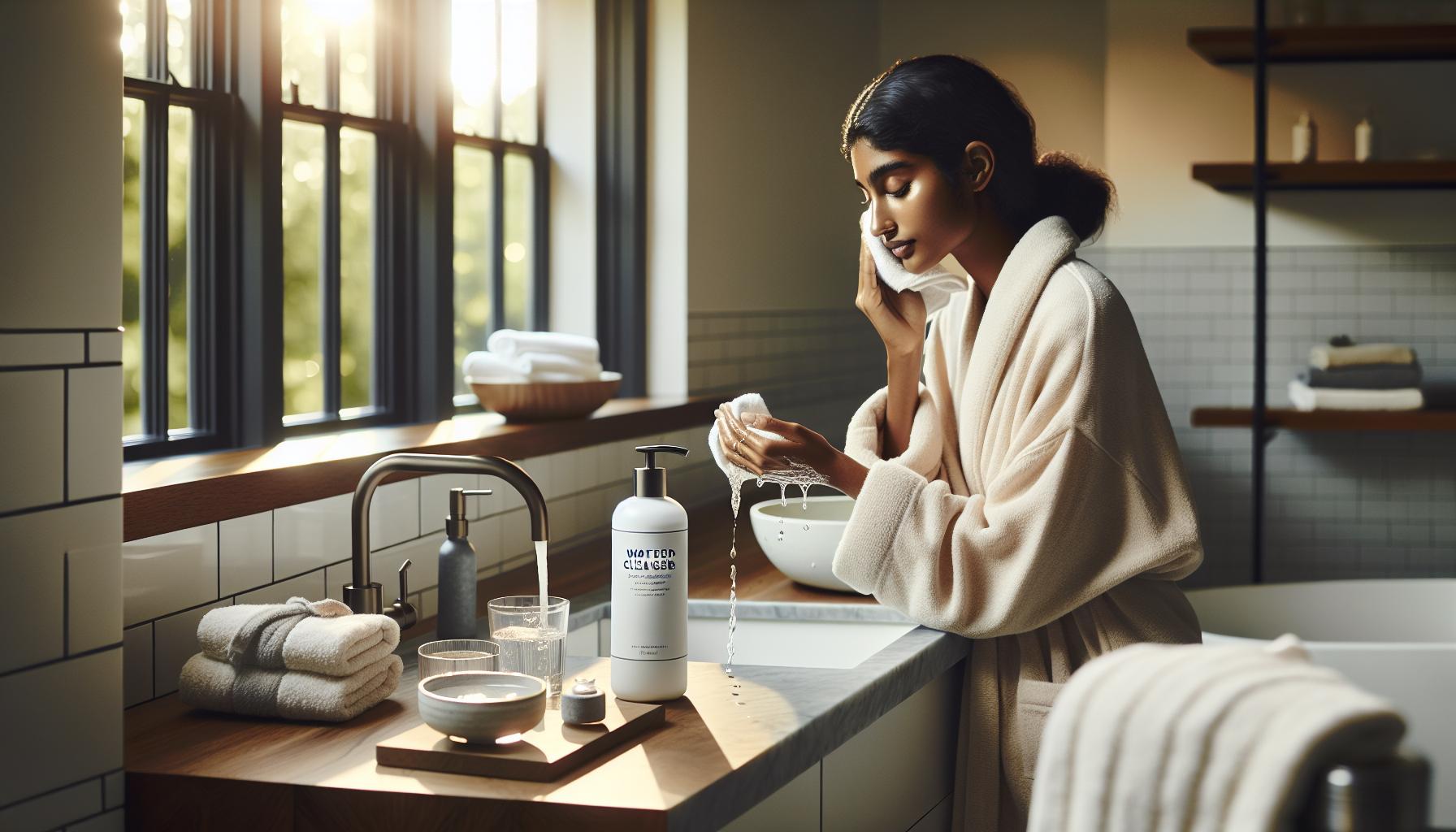
Water-based cleansers offer myriad benefits that can transform your skincare routine into a refreshing and effective ritual. One of the most compelling advantages is their gentle formulation, which allows for deep cleansing without stripping the skin of its natural moisture. This is particularly beneficial for those with sensitive skin or conditions like acne, where harsh ingredients can exacerbate issues. Water-based cleansers effectively remove dirt, makeup, and excess oil while ensuring your skin remains hydrated and balanced.
These cleansers are versatile and can accommodate various skin types. For oily or combination skin, a gel or foam cleanser provides a refreshing cleanse that helps control shine without over-drying. On the other hand, cream-based formulations deliver added hydration, making them perfect for dry or mature skin types. By choosing a water-based cleanser suited to your skin type, you can ensure it performs optimally, addressing your unique skincare needs.
Moreover, incorporating a water-based cleanser into your routine is a simple yet impactful step towards healthier skin. They generally contain fewer harsh chemicals than traditional cleansers, which reduces the risk of irritation and allergic reactions. This invites a more inclusive approach to skincare, where individuals of all genders and skin types can find a suitable product.
In essence, the benefits of water-based cleansers extend beyond basic cleansing. They offer a harmonious blend of efficacy and gentleness, paving the way for improved skin health. By achieving balance in your skincare, you set the foundation for other products to work more effectively, making your entire routine more impactful. So, whether you’re a seasoned skincare enthusiast or just starting, a water-based cleanser can be a simple yet powerful addition to your daily regimen.
Who Should Use Water-Based Cleansers?

Using the right cleanser is a vital step in any skincare routine, and water-based cleansers are often the perfect option for a variety of skin types and concerns. Whether you’re someone who battles oiliness, struggles with dryness, or simply wishes to maintain a healthy glow, these cleansers can cater to your needs.
Individuals with sensitive or acne-prone skin will especially benefit from water-based cleansers. These products are designed to be gentle, effectively cleansing without stripping away natural oils, which can help prevent irritation and breakouts. For example, if your skin feels tight or irritated after cleansing, it could be a sign that your current cleanser is too harsh. Switching to a water-based formula often results in a more balanced and comfortable complexion.
People who wear makeup regularly will also find water-based cleansers advantageous. They can efficiently remove impurities, makeup, and sweat without leaving a residue that can clog pores. For maximum results, those who wear heavy makeup might consider using a water-based cleanser as a second step after an oil-based cleanser. This two-step approach ensures that your skin stays clean and hydrated.
Moreover, those with oily or combination skin should not overlook the benefits of water-based cleansers. Gel or foam formulas can help control excess oil while providing a refreshing cleanse. If you’re worried about shine throughout the day, you might want to incorporate a gel-based water cleanser into your routine.
Lastly, anyone who values sustainability might lean toward water-based options, as they typically contain fewer harsh chemicals and are often more eco-friendly. These cleansers are versatile enough for all genders and skin types, making them a great addition to any skincare arsenal. So, whether your skin is delicate, oily, or somewhere in between, a water-based cleanser could be your new go-to for achieving a flawless complexion.
How to Choose the Right Water-Based Cleanser
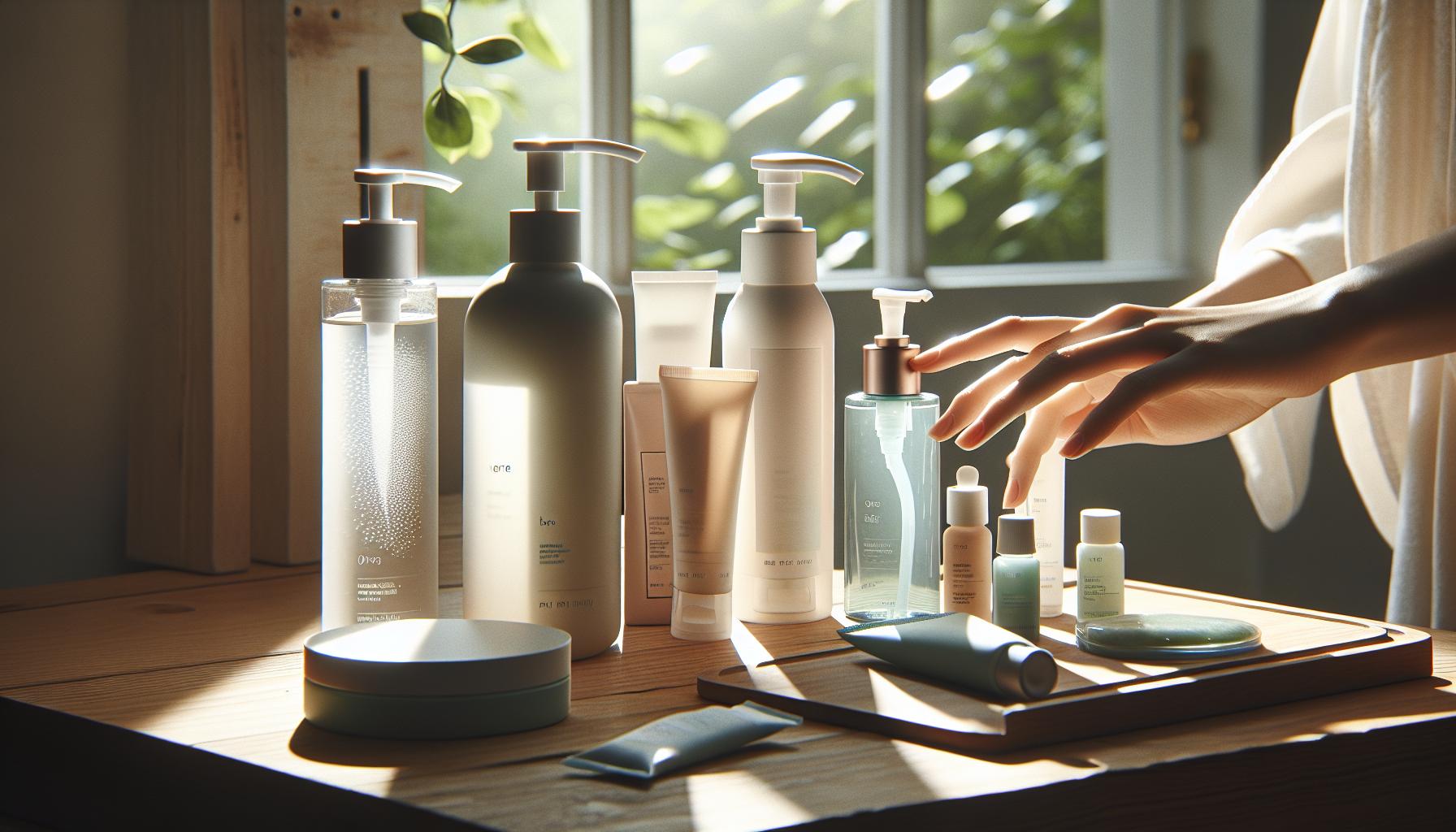
Choosing the right water-based cleanser can transform your skincare routine and help you achieve the healthy, radiant skin you desire. The vast array of products on the market can be overwhelming, but understanding your skin type and specific needs will guide you toward the perfect match. For example, if you have oily skin, look for gel formulas that cleanse deeply without over-drying. On the other hand, if your skin tends to be dry or sensitive, a hydrating lotion or cream cleanser with soothing ingredients can be a better option.
Next, consider the ingredients in your cleanser. Water-based cleansers should typically include gentle surfactants, which cleanse without stripping your skin’s natural oils. You might want to avoid harsh exfoliants if your skin is sensitive. Instead, seek out ingredients like aloe vera or chamomile that calm irritation. Always look for products that are free from artificial fragrances and parabens, which can irritate the skin, especially in sensitive individuals.
It’s also essential to think about your lifestyle and skincare routine. If you’re often exposed to pollution or wear heavy makeup, a cleanser that effectively removes stubborn impurities is crucial. In this case, consider a dual-cleansing method, starting with an oil-based cleanser followed by a water-based one. This combination guarantees a thorough cleanse while keeping your skin hydrated and balanced.
Lastly, don’t forget to patch test any new product before fully integrating it into your routine. Apply a small amount on an inconspicuous area, like your jawline, and watch for any adverse reactions over 24 hours. Choosing the right water-based cleanser is a blend of understanding your skin needs and experimenting with different formulations until you find what works best for you. Remember, your skin is unique, and a little patience often leads to the best outcome!
Common Ingredients in Water-Based Cleansers
The effectiveness of water-based cleansers largely hinges on their unique blend of ingredients, designed to remove impurities while respecting your skin’s natural balance. Understanding these components can help you choose the right product for your skincare routine and address specific skin concerns effectively.
Many formulations include gentle surfactants such as cocamidopropyl betaine or sodium lauryl sulfoacetate, which clean the skin without stripping it of essential oils. These ingredients work by allowing water to mix with oil and dirt, making it easier to rinse them away. If you have sensitive skin, look for cleansers with milder surfactants that won’t irritate. Additionally, ingredients like aloe vera, known for its soothing properties, can help calm any irritation while providing hydration.
You might also come across humectants such as glycerin and sodium hyaluronate in the ingredient list. These attract moisture to the skin, helping to keep it hydrated post-cleansing. For individuals with dry skin, incorporating a cleanser with these ingredients can make a significant difference by preventing that tight feeling after washing.
Lastly, pay attention to botanical extracts like chamomile or green tea. These not only add a pleasing aroma but also offer antioxidant benefits, helping to protect your skin from environmental stressors. As a rule of thumb, steer clear of water-based cleansers that contain harsh additives like artificial fragrances or parabens, especially if you’re prone to allergies or sensitivities. By being mindful of these ingredients and understanding their functions, you can better select a water-based cleanser that aligns with your skin’s needs.
Water-Based Cleanser vs. Oil-Based Cleanser: What’s the Difference?
Choosing between a water-based cleanser and an oil-based cleanser can significantly impact your skincare routine. Both serve the important function of cleaning your skin, but they do so in fundamentally different ways that cater to various skin types and concerns.
Water-based cleansers are formulated primarily with water and gentle surfactants that dissolve dirt, oil, and impurities from the skin’s surface. They rinse off easily with water and are generally lighter on the skin, making them ideal for those with oily or acne-prone skin. If you’re someone who loves a refreshing feel after cleansing, a water-based option might be your best bet. Typically, these cleansers don’t disturb the skin’s natural barrier, which helps maintain hydration while removing excess oil and buildup.
On the other hand, oil-based cleansers excel at breaking down makeup, sunscreen, and other oil-based impurities. They work on the principle of “like dissolves like,” meaning the oils in the cleanser effectively dissolve grime and makeup without harsh scrubbing. This makes them particularly valuable for individuals wearing heavy makeup or those living in urban environments where pollutants are prevalent. Using an oil-based cleanser is often the first step in a two-step cleansing routine, followed by a water-based cleanser to ensure any remaining residue is washed away.
To determine which is best for you, consider your skin type and daily routine. If you find that your skin feels tight or dry after cleansing, a hydrating water-based cleanser may be beneficial. Conversely, if you struggle with stubborn makeup or have dry patches, incorporating an oil-based cleanser might be the solution. Remember, it’s possible to enjoy the best of both worlds by using them sequentially; this approach can ensure a thorough cleanse while preserving your skin’s moisture balance.
The Best Application Techniques for Water-Based Cleansers
Using a water-based cleanser is a refreshing way to maintain your skin’s health, but how you apply it can make all the difference in your skincare routine. The best application techniques not only ensure a thorough cleanse but also enhance the effectiveness of the product. To start, use a clean slate by splashing your face with lukewarm water. This step not only helps to open up your pores but also prepares your skin for the cleanser.
Next, apply a small amount of your chosen water-based cleanser-about the size of a dime-directly onto damp skin. Using gentle, circular motions, massage the cleanser in for about 30 seconds. This technique allows the surfactants in the product to effectively lift dirt and impurities without causing irritation. Remember, there’s no need to scrub aggressively; your fingers are enough to work the product into your skin. If you encounter areas that need extra attention, like around the nose or forehead, spend a few extra moments massaging those spots gently.
Once you’ve thoroughly cleansed, rinse your face with lukewarm water, ensuring all cleanser residue is removed. It’s essential to follow this with a splash of cool water to close your pores and leave your skin feeling refreshed. Pat your face dry with a clean towel-avoid rubbing, as this can cause irritation. For those who are new to this routine, incorporating a water-based cleanser into your regimen 1-2 times daily can significantly benefit your skin, especially if it tends to be oily or prone to breakouts.
By mastering these application techniques, you’re setting the foundation for effective skincare. Regular practice can help maintain a balanced complexion while keeping your skin clean and hydrated. Enjoy the process and always listen to your skin’s needs, adapting your routine as necessary!
Mistakes to Avoid When Using Water-Based Cleansers
Using a water-based cleanser can significantly improve your skincare routine, but there are common pitfalls many people fall into that can diminish its effectiveness. Recognizing and avoiding these mistakes will help you achieve a cleaner, healthier complexion.
One frequent error is not using enough product. It might seem counterintuitive, but skimping on your cleanser can leave dirt and impurities behind. To ensure a thorough cleanse, apply a dime-sized amount to damp skin and focus on regions prone to buildup, like the nose and forehead. Remember, using too little can be just as ineffective as using too much, so find that sweet spot.
Another mistake is over-scrubbing your skin. Many believe that the harder they scrub, the cleaner their skin will be. However, gentle circular motions are more beneficial. This technique allows the active ingredients in your cleanser to work effectively without irritating your skin. Think of it as a gentle massage rather than aggressive scrubbing.
Rinsing with water that’s too hot or too cold is another misstep. Hot water can strip your skin of natural oils, while cold water may not effectively remove the cleanser. Aim for lukewarm water; it opens your pores for a more effective clean and rinses away residues without causing irritation.
Finally, failing to recognize your skin type can lead to using the wrong product. What works for oily skin may not suit dry or sensitive skin. Take the time to understand your unique skin needs when selecting a water-based cleanser. Opt for a soothing formula if your skin is sensitive, or a foaming one if you have oily skin.
By avoiding these common mistakes, you can enhance the benefits of water-based cleansers, ensuring they work effectively in your skincare routine and support your overall skin health.
How Often Should You Use a Water-Based Cleanser?
The frequency with which you should use a water-based cleanser can significantly impact your skin’s health and appearance. Most people will benefit from cleansing twice daily-once in the morning and once at night. This routine helps to effectively remove impurities, excess oil, and any residual makeup from your skin, setting a fresh canvas for any skincare or makeup you apply afterward.
When it comes to cleansing in the morning, think of it as a way to wake up your skin. Overnight, our skin goes through natural processes of repair and rejuvenation, which can lead to the accumulation of dead skin cells and oils. A gentle wash can prepare your skin for the day, ensuring your moisturizer and sunscreen can penetrate and protect properly.
At night, cleansing is crucial. Throughout the day, your skin encounters pollution, dirt, sweat, and makeup that can clog pores if not removed properly. By washing your face before bed, you reduce the risk of breakouts and allow your skin to breathe and rejuvenate overnight without barriers.
However, if you exercise or sweat heavily during the day, consider cleansing afterward as well. Sweat can lead to breakouts if left on the skin, so keep that in mind when determining your ideal cleansing routine.
For those with sensitive or dry skin, it might be sufficient to cleanse just once a day, possibly at night, to avoid over-drying the skin. In these cases, listen to your skin’s needs and adjust your routine as necessary.
Ultimately, finding the right balance is key. Pay attention to how your skin feels; if you notice dryness or irritation, it may be a sign to adjust how often you give your face a thorough wash. Remember, your skincare routine should feel like a nurturing ritual, not a chore!
Can Water-Based Cleansers Help with Acne?
Using a water-based cleanser can be a game-changer, especially for those grappling with acne. These cleansers are specifically formulated to gently remove impurities like dirt, sweat, and excess oil without stripping your skin’s natural moisture barrier. Unlike harsher products that can irritate and potentially worsen breakouts, a thoughtful water-based cleanse can leave your skin feeling refreshed and clean, helping to reduce acne flare-ups.
Water-based cleansers typically contain ingredients that are non-comedogenic, which means they won’t clog your pores – a critical factor for acne-prone skin. Ingredients like glycerin and hyaluronic acid help to maintain hydration while cleansing. For instance, using a gentle water-based cleanser with salicylic acid can specifically target acne by exfoliating inside the pores, helping to prevent future breakouts. When selecting a cleanser, look for formulations labeled as “oil-free” or “non-comedogenic” to ensure you’re nurturing your skin without aggravating it.
Practical Application Tips
When using a water-based cleanser, it’s essential to apply it correctly for optimal results. Start with lukewarm water to help open up your pores. Use a pea-sized amount of cleanser and massage it into your skin in circular motions for about 30 seconds. This not only cleanses but also stimulates blood flow, which can aid in healing. Rinse thoroughly, and follow with a moisturizer suitable for your skin type to lock in moisture, preventing any dryness that could exacerbate acne.
Ultimately, integrating a water-based cleanser into your skincare routine can significantly improve your acne situation by providing the cleanliness and hydration your skin craves without harshness. Regular cleansing prepares your skin to better absorb any subsequent treatments, enhancing their effectiveness. Remember, every individual’s skin is unique, so you may need to experiment a bit to find the perfect product that works for you, but with patience and consistency, your skin can definitely benefit!
Understanding pH Balance: Why It Matters
Understanding the pH balance of your skin is essential for maintaining its health and resilience. The skin’s natural pH is slightly acidic, typically ranging from 4.5 to 5.5. This acidity helps to support the skin’s barrier function, protecting it from harmful bacteria and environmental aggressors. Using a water-based cleanser that respects this delicate balance is crucial-using a cleanser that is too alkaline can disrupt your skin’s barrier, leading to dryness, irritation, and an increase in breakouts.
When selecting a water-based cleanser, look for products that are pH-balanced. This means the formula won’t overly strip your skin of its natural oils while still effectively removing impurities. A balanced cleanser helps your skin maintain optimal hydration levels, which is particularly beneficial for anyone struggling with acne or sensitivity. For instance, incorporating a product with a pH level close to that of your skin can prevent excess oil production that often occurs when the skin feels stripped or dehydrated.
In practice, understanding how pH affects your skin allows you to make informed choices. If you notice your skin feeling tight or dry after cleansing, it might be a sign your cleanser is too harsh or too alkaline. Instead, opt for gentle formulations that include hydrating ingredients like glycerin or aloe vera, which won’t disturb your skin’s natural pH. When your skin’s balance is restored, you’ll likely see improvements not only in texture but also in how well other products absorb and perform.
Ultimately, prioritizing pH balance in your skincare routine fosters a healthier complexion. When your skin is in harmony, it’s better equipped to deal with challenges like acne and irritation, leaving you with a fresh, vibrant appearance. Incorporating a well-formulated water-based cleanser can be a pivotal step in achieving this equilibrium, ensuring your skin feels its best every day.
Combining Water-Based Cleansers with Other Products
Combining different skincare products can seem daunting, but when done right, it can significantly enhance your skincare routine, especially with a water-based cleanser as the foundation. This type of cleanser acts as a gentle yet effective starting point, allowing you to layer additional products that suit your specific skin needs without overwhelming your complexion.
To maximize the benefits, start with your water-based cleanser as the cornerstone of your routine. After cleansing, you might want to incorporate a toner to help restore your skin’s pH balance and prep it for further products. Look for toners that contain soothing ingredients such as rose water or chamomile, which can calm any post-cleansing redness or irritation. This step ensures that your skin feels refreshed and ready to absorb active ingredients.
Next, consider adding targeted treatments such as serums or essences. If your goal is hydration, look for serums that feature hyaluronic acid or vitamin E, which can deeply moisturize and plump the skin. For those dealing with acne or blemishes, ingredients like salicylic acid or niacinamide can work wonders. It’s all about layering your products in order from thinnest to thickest consistency, allowing each formula to penetrate effectively.
Finally, don’t forget to seal in your routine with a good moisturizer, adding a layer of hydration and helping to lock in the benefits of the products underneath. Even if you have oily skin, a lightweight gel-based moisturizer can provide necessary hydration without clogging pores. If it’s daytime, finishing off with a broad-spectrum sunscreen can protect your skin from UV damage, making your clean base truly effective.
Overall, combining water-based cleansers with the right products can create a harmonious routine that caters to your skin’s specific needs. Remember to introduce any new products gradually to avoid irritation, and always patch test when trying something new. This thoughtful approach not only refines your skincare game but also nurtures a vibrant and revitalized complexion.
Q&A
Q: What types of skin can benefit from a water-based cleanser?
A: Water-based cleansers are ideal for all skin types, especially oily and sensitive skin. They effectively remove impurities without stripping the skin’s natural oils, making them a gentle option for those prone to breakouts or irritation. For personalized recommendations, check the “Who Should Use Water-Based Cleansers?” section.
Q: Can water-based cleansers remove makeup effectively?
A: While water-based cleansers can remove light makeup, they may not be sufficient for heavy or waterproof cosmetics. For best results, use them as a part of a double-cleansing routine, pairing with an oil-based cleanser to thoroughly break down makeup and grime. Refer to the “Water-Based Cleanser vs. Oil-Based Cleanser” section for more details.
Q: How do I know if a water-based cleanser is right for me?
A: Consider your skin type and concerns. If you have oily or acne-prone skin, a water-based cleanser can help control oil without causing dryness. It’s also great for sensitive skin. Review the “How to Choose the Right Water-Based Cleanser” section for tips on finding the best match for your needs.
Q: Are there specific ingredients to look for in a water-based cleanser?
A: Look for gentle ingredients like glycerin or aloe vera, which hydrate the skin, and avoid harsh sulfates that can irritate. Effective formulas often include botanical extracts that soothe and nourish. Check the “Common Ingredients in Water-Based Cleansers” section for more in-depth analysis.
Q: How should I properly use a water-based cleanser?
A: To use a water-based cleanser, apply a dime-sized amount to damp skin and massage gently in circular motions for 30 seconds. Rinse thoroughly with lukewarm water. Learn more about application techniques in our “The Best Application Techniques for Water-Based Cleansers” section.
Q: Can I use a water-based cleanser daily?
A: Yes, you can use a water-based cleanser daily, typically twice a day (morning and night). It effectively cleanses without overdrying the skin. For guidance on cleansing frequency, refer to “How Often Should You Use a Water-Based Cleanser?” in the article.
Q: What should I do if my skin feels tight after using a water-based cleanser?
A: If you experience tightness, you may be using a cleanser with strong ingredients or over-cleansing. Opt for a milder formula or limit the frequency of use. Assess your skin’s reaction and consider checking the “Mistakes to Avoid When Using Water-Based Cleansers” section for further tips.
Q: Can I layer other products over a water-based cleanser?
A: Yes, after using a water-based cleanser, you can follow with toners, serums, and moisturizers suitable for your skin type. Combining products correctly can enhance your skincare routine. Dive into “Combining Water-Based Cleansers with Other Products” for effective layering techniques.
Closing Remarks
As you’ve learned, a water-based cleanser can be a game-changer for your skin care routine, especially if you’re looking for a gentle, effective way to remove impurities without stripping your skin’s natural moisture. If you’re still unsure whether it’s right for you, consider trying a sample or reading more about different formulations suitable for various skin types.
Don’t miss out on our guides to exfoliators and moisturizers that complement your cleansing routine perfectly! Check out “How to Choose the Right Moisturizer for Your Skin Type” and “Why Exfoliation is Key for Healthy Skin,” which can help enhance your overall care routine.
Ready to elevate your skin care game? Leave a comment below with your thoughts, questions, or experiences using water-based cleansers. Your voice matters, and it helps build a community of informed users eager to discover effective solutions. Make sure to explore our site for more tips and products to achieve that glowing, radiant complexion you deserve!