Did you know that herpes can survive outside the body for varying lengths of time, potentially posing a risk during personal grooming? Understanding how long herpes can live on a razor is crucial for anyone prioritizing hygiene and safety. Whether you’re managing an existing condition or simply being proactive, it’s essential to know how to protect yourself and others. In this article, we’ll explore the lifespan of the virus on grooming tools, practical tips for safe usage, and best hygiene practices to minimize the risk of transmission. Keep reading to equip yourself with valuable knowledge that can prevent unwarranted stress and ensure your grooming routine remains safe and enjoyable.
How Long Can Herpes Survive on a Razor?
Herpes is notorious for its ability to survive on surfaces, which raises concerns when it comes to personal grooming items like razors. While the herpes virus primarily spreads through direct skin-to-skin contact, studies suggest that it can persist for a limited time on inanimate objects. Generally, the herpes simplex virus can live for a few hours to up to a few days on items like razors, depending on various factors such as the environment and surface type.
To keep your grooming practices safe, it’s essential to be mindful of how you handle your razor. If someone with an active herpes outbreak uses a razor, and you subsequently use that same razor, there is a potential risk of transmission-albeit a rare one. The longer the virus is on the razor and the more favorable the conditions (like moisture), the higher the risk persists. Regularly cleaning your razor and not sharing it are crucial steps in reducing this risk.
When grooming, always remember: cleanliness is key. By maintaining proper hygiene and being aware of the risks associated with personal care items, you can significantly lower the chances of exposure to the herpes virus and protect your skin health. Always prioritize your safety and don’t hesitate to seek ways to improve your razor hygiene practices.
Understanding Herpes: Types and Transmission
Herpes, which is caused by the herpes simplex virus (HSV), is often misunderstood, with many people unaware of its different types and modes of transmission. The two primary strains, HSV-1 and HSV-2, have overlapping but distinct behaviors and locations. Typically, HSV-1 is associated with oral herpes, leading to cold sores, while HSV-2 primarily causes genital herpes. However, both types can infect either area, making awareness especially important in personal grooming contexts, like sharing razors.
Transmission mainly occurs through direct skin-to-skin contact during active outbreaks when sores or lesions are present, but it can also happen when asymptomatic shedding occurs. This means the virus can be transmitted even when no visible symptoms are present, which adds an extra layer of complexity. Razors, though not the primary transmission vector, can harbor the virus for a brief period if someone with an active infection uses one. Under certain conditions, the virus can survive on surfaces like blades for a few hours to a few days, making it vital to maintain strict hygiene practices.
To mitigate risks of transmission through shared grooming items, it’s essential to avoid sharing razors and other personal hygiene tools. Always prioritize your own razor, ensuring that it hasn’t come into contact with anyone else’s grooming products. Regular cleaning and storage methods, including keeping razors dry and clean, can further reduce the chance of viral presence. By understanding the virus’s persistence and modes of transmission, you can take actionable steps to protect yourself and maintain health safety in your personal grooming routine.
The Lifespan of Herpes Virus on Surfaces
The herpes simplex virus (HSV), known for causing oral and genital herpes, can survive on surfaces, including razors, for varying lengths of time. While the specifics can depend on several factors such as humidity and surface type, research suggests that HSV can persist on dry surfaces like razor blades for a few hours to a few days. This makes it crucial to be vigilant about razor hygiene, especially if you share grooming tools.
Understanding how herpes survives on surfaces can help you take effective precautions. The virus can remain viable in dried fluids like blood or saliva for up to 24 hours. Although transmission via razors is not the most common route, it’s important to acknowledge that even a microscopic trace of an infected person’s fluids could potentially harbor the virus. To minimize the risk, avoid sharing razors or any personal grooming items, as this is one of the easiest ways to prevent cross-contamination.
Regular maintenance of your grooming tools is essential. By keeping your razor dry and clean, you can significantly reduce the likelihood of HSV surviving on the blade. Consider storing your razor in a clean, dry location, away from moisture that can create an ideal environment for viral survival. Practicing good hygiene not only protects your health but also extends the lifespan of your grooming tools.
In summary, while the herpes virus can survive on razors for a limited time, it’s certainly manageable with proper hygiene practices. Taking the time to understand how to protect yourself from potential transmission can empower you in your personal grooming routine. Investing in your health and safety today will yield peace of mind tomorrow.
Razor Hygiene: Best Practices for Safety
Keeping your grooming tools clean isn’t just about vanity; it’s a vital part of maintaining your health and safety. Did you know that herpes simplex virus (HSV) can survive on razors for up to a few days? This makes razor hygiene critical to prevent potential infections. Here’s how to adopt best practices that will keep your grooming routine not only effective but also safe.
First and foremost, always use your own razor and never share it with others. Even the smallest amount of infected fluid can carry the virus, so sharing means risking cross-contamination. After each use, rinse your razor thoroughly under hot water to remove hair and skin debris. This simple step minimizes the chances of bacteria and viruses lingering on the blade.
Next, consider investing in a quality razor that features a protective cap or cover. When not in use, always store your razor in a dry, clean area to prevent moisture buildup, which can create an environment conducive to viral survival. If possible, choose a designated spot that doesn’t also house other personal items, reducing any risk of contact with contaminated surfaces.
Regular Cleaning
Cleaning your razor isn’t just about rinsing it off; it’s about ensuring that it’s truly hygienic. Use a disinfectant spray or wipes specifically designed for personal grooming tools. Apply the disinfectant, allow it to sit for at least 10 minutes, then rinse with hot water before use. This thorough cleaning will help eliminate any lingering pathogens, including HSV.
Maintenance Matters
Don’t overlook the importance of replacing your razor regularly. Dull blades not only lead to more irritation and nicks but can also create a higher chance of small cuts where the virus could enter your body. Aim to replace your disposable razor every five to seven shaves or, if you’re using a safety razor, consider changing its blade every couple of weeks. This proactive approach helps ensure that you’re prioritizing both hygiene and sharpness in your grooming routine.
Incorporating these practices can significantly reduce the risk of HSV and other infections. By being mindful of your razor hygiene, you not only protect yourself but also extend the lifespan of your grooming tools, ensuring they perform their best when you need them.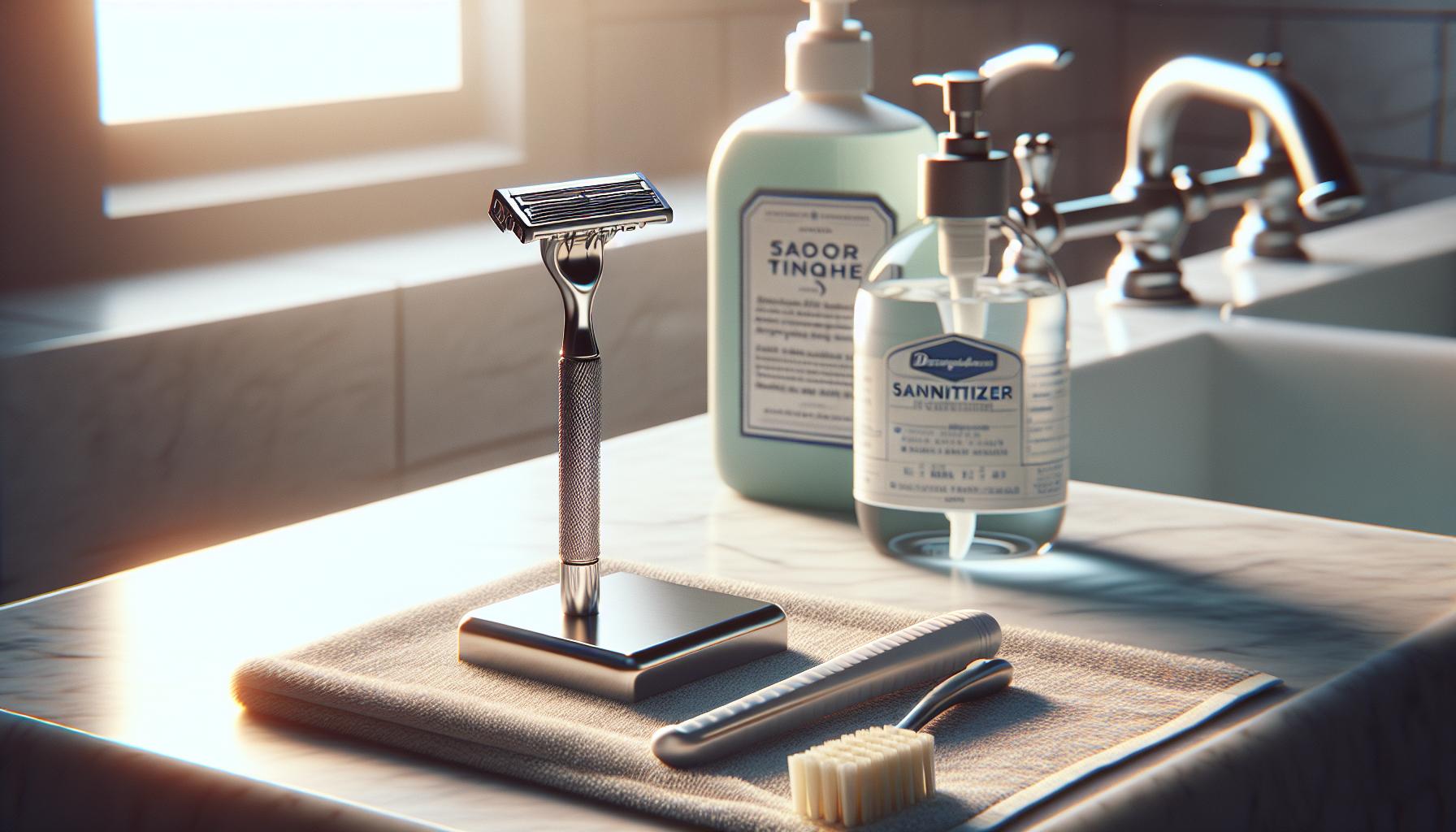
How to Properly Clean Your Razor
Keeping your razor clean is essential for maintaining both hygiene and your skin’s health. Given that the herpes simplex virus (HSV) can survive on razors for a few days, proper cleaning is crucial to prevent potential transmission. Here’s how to ensure your razor stays safe and effective for your grooming routine.
Start by rinsing your razor thoroughly under hot water immediately after use. This simple step removes hair, skin debris, and any shaving cream residue that can harbor bacteria. Consider using a toothbrush to gently scrub the blades if they have product buildup. Be mindful of the blades; ensure you’re not pressing too hard to avoid damaging them.
Next, it’s important to disinfect your razor. Choose a disinfectant spray or wipe designed for personal grooming tools. Follow these steps for effective cleaning:
- Apply the disinfectant: Spray or wipe the blades and handle thoroughly.
- Let it sit: Allow the disinfectant to remain on the razor for at least 10 minutes to kill germs.
- Rinse: After the appropriate time, rinse your razor under hot water to remove any leftover cleaning product.
Storing your razor correctly is another critical aspect of cleanliness. Always keep it in a dry area, preferably in a holder that allows it to air out. Avoid damp places, as moisture can create an environment where viruses thrive. Consider using a razor cover if you need to keep it stored away to prevent any accidental contamination.
Lastly, make it a habit to replace your razor or its blades regularly. Dull blades can cause nicks and cuts, providing an entry point for the herpes virus and other bacteria. For safety razors, replace the blade every two weeks. If you use disposable razors, aim for every five to seven uses.
By following these practical cleaning steps, you not only enhance your grooming experience but also significantly reduce the risk of HSV and other infections. Your skin will thank you for the extra care, and you’ll feel more confident each time you shave.
Preventing Herpes: Essential Hygiene Tips
Maintaining good hygiene is essential in preventing the transmission of herpes and other infections. One crucial aspect is being mindful of your grooming tools, especially razors, which can harbor viruses like the herpes simplex virus (HSV). Given that HSV can survive on surfaces for several days, it’s vital to ensure your razor is not just effective, but also sanitary.
One effective strategy is to always wash your hands before handling your razor. This simple step removes any potential pathogens that could contaminate your blade during use. After shaving, rinse the razor thoroughly under hot water to remove hair, skin cells, and shaving cream, as these can be breeding grounds for bacteria. Follow up with disinfecting the razor with an appropriate solution-alcohol or a dedicated grooming disinfectant works well. Let it sit for about 10 minutes to ensure thorough sanitization, then rinse again to wash away any residue.
In addition to routine cleaning, be mindful of how you store your razor. Keeping it in a damp or enclosed area increases the risk of viral survival and contamination. Instead, store your razor in a dry place where air can circulate freely. Utilizing a holder designed for razors can help keep them dry and prevent accidental touch points that may lead to transmission. Lastly, replace your blades regularly; dull or damaged blades not only lead to poor shaving results but also create more opportunities for nicks and cuts, which can serve as entry points for viruses.
By integrating these essential hygiene practices into your grooming routine, you drastically reduce the risk of spreading herpes and ensure that your shaving experience remains safe and effective. Just think of it as preparing for your best self-every detail counts!
Signs and Symptoms of Herpes Infection
Recognizing the signs and symptoms of a herpes infection is crucial for timely action and management. Typically associated with the herpes simplex virus (HSV), these symptoms may appear in the initial outbreak or during recurrent episodes, making it essential to be informed about what to watch for.
The initial outbreak can often bring flu-like symptoms such as fever, body aches, and swollen lymph nodes. However, localized symptoms at the infection site are what many notice first. This can include:
- Painful blisters or sores: These often manifest around the mouth (oral herpes) or genital area (genital herpes) and usually appear as small, fluid-filled, painful bumps.
- Itching or tingling: Many individuals experience an itching or tingling sensation before the sores develop, which can serve as an early warning sign.
- Discomfort during urination: For those with genital herpes, ulcers can form on the urethra, causing pain or discomfort when urinating.
After the initial outbreak, the frequency of subsequent episodes can vary widely. Some individuals may experience recurrent infections, characterized by milder symptoms that resolve more quickly. These recurrent outbreaks typically manifest with similar symptoms, albeit often less severe than those of the initial episode.
It’s important to know when to consult a healthcare professional. If you suspect a herpes infection due to these signs, seeking advice is vital, especially if you experience debilitating pain, recurrent outbreaks, or if the lesions do not heal within a couple of weeks. Understanding these signs empowers you to take proactive steps in managing your health and reducing the risk of transmission to others.
When to Seek Medical Attention
If you’ve recently had a potential exposure to herpes, it’s essential to be vigilant about your health and know . For many, the anxiety surrounding herpes-coupled with the stigma-can make it difficult to reach out for help. However, being proactive about your health is a key step in managing any potential infections.
You should consult a healthcare professional if you notice any unusual symptoms following grooming or shaving. Look out for painful blisters or sores in the genital area or around the mouth, as these are hallmark signs of herpes outbreaks. Additionally, if you experience persistent itching or a burning sensation during urination, don’t hesitate to reach out for medical advice. Early diagnosis can lead to more effective treatment options, potentially reducing the severity of the symptoms.
Even if you don’t have symptoms, getting tested can provide peace of mind, especially if you have engaged in activities that pose a risk of transmission. Remember, herpes can sometimes be asymptomatic, which means a person may carry the virus without showing any obvious symptoms. Discussing your concerns with a healthcare provider can guide you on the appropriate tests if necessary.
Taking the initiative to seek medical advice not only aids in your own health management but also helps in preventing the spread of the virus to partners. Don’t let fear or embarrassment deter you-your health is a priority, and professional guidance is crucial for navigating any concerns related to herpes.
Myths About Herpes and Personal Grooming
Many misconceptions surround the herpes virus, especially when it comes to personal grooming practices. One common myth suggests that you can easily contract herpes just by using a razor that someone with the virus has used. While it’s true that the herpes simplex virus (HSV) can survive on surfaces for a limited time, the likelihood of transmission through personal grooming items like razors is relatively low, especially if the razor is clean and free from visible lesions or blood.
Understanding how herpes spreads is crucial. The virus primarily spreads through direct skin-to-skin contact, particularly during intimate activities. Although contaminated surfaces or items can harbor the virus for a short period, factors such as moisture and temperature significantly influence its lifespan. Herpes generally doesn’t survive long outside the human body-usually just a few hours-which means that using a razor shortly after someone with an active outbreak has shaven is unlikely to result in transmission, provided proper hygiene practices are followed.
Another prevalent myth is that shaving can trigger an outbreak of herpes. While some people may experience flare-ups due to irritation from shaving, especially in sensitive areas, the act of shaving itself does not cause herpes. If you have a history of outbreaks, consider using a new, clean razor each time and employing gentle techniques to minimize irritation. This can help keep both your skin healthy and your grooming habits worry-free.
Incorporating good hygiene practices is essential for safe grooming. Always sanitize your tools and avoid sharing razors. Regularly dispose of old razors to reduce any risks associated with potential contamination. By understanding these myths and focusing on safe grooming practices, you can maintain your personal care routine without unnecessary anxiety related to herpes. Remember, if you have specific concerns, consulting with a healthcare professional is always a wise decision.
Safe Grooming Practices for Sensitive Skin
Taking care of sensitive skin while grooming is essential for preventing irritation and maintaining overall skin health. If you’re looking to keep your grooming routine comfortable, especially when dealing with potential concerns around herpes and skin irritation, there are effective strategies you can adopt.
Start by choosing the right tools. Always use a fresh, clean razor, as dull blades can increase the risk of nicks and cuts, which may expose your skin to irritants or pathogens. If you have sensitive skin, consider razors specifically designed for it; these often feature protective barriers or moisturizing strips that help glide the razor smoothly over the skin, reducing friction.
Before shaving, preparation is key. Gently exfoliate the area to remove dead skin cells, which can clog the razor and lead to irritation. Use a gentle exfoliant or a soft washcloth in the shower. After exfoliating, apply a lubricant such as a shaving cream or gel formulated for sensitive skin. Look for products with calming ingredients like aloe or chamomile, which soothe and protect the skin as you shave. For a smoother experience, let the shaving cream sit for a minute before starting; this helps soften the hair and prepares your skin for shaving.
When it comes to the actual shaving, use light, gentle strokes rather than pressing down hard. Shaving in the direction of hair growth can help minimize irritation and prevent ingrown hairs. If you notice any signs of discomfort or irritation, stop immediately and apply a calming post-shave balm or a light moisturizer free from synthetic fragrances or alcohol.
For those particularly concerned about hygiene, regularly sanitizing your razor is crucial. After each use, rinse the razor thoroughly and let it dry in a clean, dry place. Avoid sharing razors, as this is a key method of transmitting infections, including herpes. Additionally, regularly replace your razor blades-aim for every 5 to 10 shaves, or whenever you notice the blade becoming dull.
By incorporating these practices into your grooming routine, you’ll not only reduce the risk of skin irritation but also promote a healthier experience overall. Embrace these techniques with confidence, knowing that you’re taking important steps to care for your sensitive skin while staying informed about hygiene and safety.
What to Do if You’re Exposed to Herpes
If you suspect that you’ve come into contact with the herpes virus, either through sharing a razor or another possible exposure, it’s important to know what steps to take. While the herpes virus can survive for a short time on surfaces, including razors, exposure does not guarantee infection. However, acting quickly and sensibly is crucial to managing your health.
First, assess your exposure. If you’ve used a razor that might have come into contact with herpes sores, monitor yourself for symptoms such as itching, burning, or painful sores in the affected area. These symptoms usually appear within a few days to a couple of weeks after exposure. If you notice any of these signs, it’s important to consult a healthcare provider for accurate testing and guidance.
In the meantime, keep your skin clean. Wash the area with mild soap and warm water, and avoid applying any irritants or fragrances. If you do notice symptoms, an over-the-counter antiviral cream may help soothe any discomfort. However, it’s always best to seek a professional diagnosis, especially since herpes can often be confused with other skin irritations or infections.
Moreover, don’t share personal items like razors, towels, or bathing suits to minimize the risk of transmitting the virus or other infections. Practicing good hygiene can greatly reduce the chances of spreading herpes or contracting it. Always sanitize your grooming tools regularly – after each use is ideal – and consider replacing your razor blades frequently, especially if you have sensitive skin or have been exposed to pathogens.
In summary, if you think you’ve been exposed to herpes, monitor for symptoms, maintain hygiene, and consult a healthcare professional for further evaluation and advice. Remember, you’re not alone in navigating these concerns, and taking informed steps can help you manage your grooming routine safely and healthily.
The Importance of Regular Razor Replacement
Using a fresh, clean razor is essential not just for achieving a smooth shave but also for ensuring your health and hygiene. Over time, blades can accumulate bacteria, dead skin cells, and even remnants of products used during shaving, creating a breeding ground for potential infections. If you’ve been thinking about how often to replace your razor, consider this: dull blades not only lead to nicks and irritation but can also increase your risk of introducing harmful pathogens to your skin during grooming.
It’s generally recommended to change disposable razors after about five to seven shaves. For cartridge razors, you might get a bit longer use-typically around five to ten shaves, depending on the coarseness of your hair and skin sensitivity. If you notice any pulling or tugging, that’s your cue to replace the blade. Dull blades are less effective and more likely to cause irritation, making your grooming routine less enjoyable and potentially harmful.
Regularly replacing your razor is especially important if you’re concerned about viruses like herpes that can survive on surfaces for a short time. Although they do not typically live long on dry surfaces, ensuring that you’re using a clean blade minimizes any risk of cross-contamination. Furthermore, keep in mind that razors can become contaminated if left damp or stored improperly. Storing them in a dry area with good airflow can help maintain their condition longer.
In summary, not only does a sharp and clean razor make for a more comfortable shave, but it also protects your skin from unwanted infections and irritations. Prioritize your grooming by regularly replacing your razors and maintaining proper razor hygiene-your skin will thank you!
Frequently asked questions
Q: How long can the herpes virus live on a razor?
A: The herpes virus can survive on surfaces like razors for a limited time, generally a few hours to a few days; however, the exact duration can depend on environmental factors. To ensure safety, always clean your razor thoroughly after use.
Q: Can you contract herpes from using a razor that was previously used by someone infected?
A: It’s unlikely to contract herpes from an unused razor, but there is a slight risk if there are cuts or open wounds on your skin. It’s best to prioritize personal hygiene and avoid sharing personal grooming items altogether.
Q: What are the best practices for razor hygiene to prevent the spread of herpes?
A: To maintain razor hygiene, clean your razor blades with rubbing alcohol before and after use and store them in a dry area. Regularly replace blades to minimize bacteria build-up and reduce any potential risks of transmission.
Q: What should you do if you’ve used a razor that might have come into contact with herpes?
A: If you’ve used a razor that may have been contaminated, wash the area with soap and water immediately. Monitor for any unusual symptoms, and consult a healthcare provider if you notice signs of an infection.
Q: Are there specific types of razors that are safer to use to avoid infections like herpes?
A: Electric razors tend to be safer because they require less direct skin contact and are usually easier to clean than manual razors. Regardless of the type, proper disinfecting practices are crucial to prevent infections.
Q: How can I ensure my electric razor is safe for use?
A: To ensure safety, regularly clean your electric razor according to the manufacturer’s instructions, replace blades and attachments as needed, and store it in a clean, dry environment to prevent the growth of bacteria.
Q: What are common myths about herpes transmission through razors?
A: A common myth is that herpes can be easily spread through shared razors. While it is rare, the risk is heightened in cases of skin lesions or wounds. Understanding this helps in being more cautious in personal grooming practices.
Q: When should I seek medical attention regarding potential herpes exposure?
A: Seek medical attention if you experience unusual symptoms like sores, blisters, or persistent skin irritation after using a razor. Early diagnosis and treatment can help manage the infection effectively.
To Wrap It Up
Understanding the lifespan of herpes on a razor is essential for maintaining your safety and hygiene. Always remember that proper sanitation, like disinfecting razors after use, is crucial for preventing transmission. If you have lingering questions or concerns about grooming safely, don’t hesitate to dive deeper into our related articles, such as “Best Practices for Razor Hygiene” and “How to Disinfect Personal Grooming Tools.”
Your health and well-being are paramount, so take action today by practicing safe grooming habits. For more expert insights and useful tips, consider subscribing to our newsletter, where you’ll get regular updates on personal care. Join our community-share your thoughts, ask questions, and let’s keep the conversation going about health and hygiene. Your proactive steps now can lead to a safer, more confident tomorrow!
Expert Guide: Can Herpes Live On A Razor
When researching can herpes live on a razor, following structured best practices and expert recommendations is essential for achieving optimal grooming, style, and personal care outcomes. Implementing evidence-based methods protects your skin barrier and extends product longevity.
Essential Tips & Key Recommendations:
- Optimal Preparation: Always prepare the target area with proper cleansing, gentle hydration, or targeted skin conditioning before applying active products or styling techniques.
- Application Technique: Use light, controlled pressure and align with your natural skin contours and hair growth patterns to prevent friction and irritation.
- Post-Application Care: Lock in results with nourishing, non-comedogenic moisturizers or protective barriers to maintain balance and hydration.
- Sanitization & Tool Maintenance: Clean and dry all grooming accessories and applicators immediately after use, storing them in a cool, well-ventilated space.
Frequently Asked Questions:
Q: What is the most critical guideline regarding can herpes live on a razor?
A: Prioritize gentle, consistent care using high-grade, hypoallergenic products and sanitized equipment tailored to your personal routine.
Expert Guide: Can Herpes Live On A Razor
When researching can herpes live on a razor, following structured best practices and expert recommendations is essential for achieving optimal grooming, style, and personal care outcomes. Implementing evidence-based methods protects your skin barrier and extends product longevity.
Essential Tips & Key Recommendations:
- Optimal Preparation: Always prepare the target area with proper cleansing, gentle hydration, or targeted skin conditioning before applying active products or styling techniques.
- Application Technique: Use light, controlled pressure and align with your natural skin contours and hair growth patterns to prevent friction and irritation.
- Post-Application Care: Lock in results with nourishing, non-comedogenic moisturizers or protective barriers to maintain balance and hydration.
- Sanitization & Tool Maintenance: Clean and dry all grooming accessories and applicators immediately after use, storing them in a cool, well-ventilated space.
Frequently Asked Questions:
Q: What is the most critical guideline regarding can herpes live on a razor?
A: Prioritize gentle, consistent care using high-grade, hypoallergenic products and sanitized equipment tailored to your personal routine.
Expert Guide: Can Herpes Live On A Razor
When researching can herpes live on a razor, following structured best practices and expert recommendations is essential for achieving optimal grooming, style, and personal care outcomes. Implementing evidence-based methods protects your skin barrier and extends product longevity.
Essential Tips & Key Recommendations:
- Optimal Preparation: Always prepare the target area with proper cleansing, gentle hydration, or targeted skin conditioning before applying active products or styling techniques.
- Application Technique: Use light, controlled pressure and align with your natural skin contours and hair growth patterns to prevent friction and irritation.
- Post-Application Care: Lock in results with nourishing, non-comedogenic moisturizers or protective barriers to maintain balance and hydration.
- Sanitization & Tool Maintenance: Clean and dry all grooming accessories and applicators immediately after use, storing them in a cool, well-ventilated space.
Frequently Asked Questions:
Q: What is the most critical guideline regarding can herpes live on a razor?
A: Prioritize gentle, consistent care using high-grade, hypoallergenic products and sanitized equipment tailored to your personal routine.
Get our latest guides, news, and insights highlighted in your Google Search & AI Overviews.