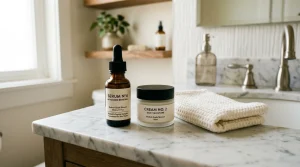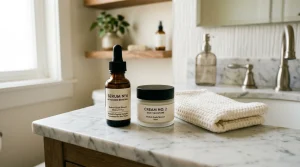
Razor burn is a common yet frustrating issue that can turn a smooth shave into an uncomfortable experience. If you’ve ever felt that irritating burn, you’re not alone-and luckily, there are simple steps you can take to avoid it. Understanding how to shave properly, choose the right products, and prep your skin can greatly enhance your grooming routine. Whether you’re looking to maintain a clean shave or experimenting with different styles, knowing how to prevent irritation will boost your confidence and comfort. Join us as we explore straightforward techniques and expert tips to help you achieve irritation-free shaving every time, ensuring your skin stays smooth and looks its best.
Understanding Razor Burn: Causes and Symptoms
Razor burn is a common issue that many encounter during their shaving routines, often characterized by redness, irritation, and discomfort on the skin. Understanding its causes is the first step in preventing this unpleasant condition, which can affect anyone, regardless of skin type or shaving frequency. The primary culprits behind razor burn include improper technique, inappropriate products, and using dull or unsuitable razors.
When shaving, it’s crucial to go with the grain of the hair to minimize friction and irritation. Shaving against the grain may seem tempting for a closer finish, but it often leads to nicks and skin irritation, triggering that burning sensation. Additionally, creating a rough interaction with the skin can arise from using a razor that’s too old or improperly maintained-dull blades tend to tug at hair rather than cutting it cleanly, increasing the likelihood of irritation.
Symptoms of razor burn can vary but typically include a stinging or burning sensation shortly after shaving, along with visible redness or small, red bumps. In more sensitive individuals, reactionary bumps or itching might develop, signaling an allergic response to shaving products or techniques used. Identifying these reactions early can help in refining your shaving routine to prioritize comfort and safety. By acknowledging and addressing the causes of razor burn, you can take proactive steps toward achieving an irritation-free shaving experience.
Essential Pre-Shave Prep for Smooth Skin

Preparing your skin before shaving is crucial for achieving a smooth, irritation-free experience. Many people underestimate the importance of pre-shave prep, often leading to discomfort and razor burn. A well-prepared canvas not only helps the razor glide seamlessly but also minimizes the risk of nicks and irritation.
Start by hydrating your skin and hair. This can be accomplished by taking a warm shower or applying a warm, damp towel to your face for a few minutes. The heat opens up your pores and softens the hair, making it easier for the razor to cut. Alternatively, if shaving dry, consider using a pre-shave oil. This lightweight oil can create a protective layer, reducing friction and helping the razor glide smoothly over your skin.
Next, choose a high-quality shaving cream or gel specifically formulated for your skin type. Look for products that contain soothing ingredients like aloe vera, chamomile, or coconut oil. These components not only provide lubrication but also hydrate and calm the skin. Apply a generous amount-about the size of a quarter-in gentle, circular motions on damp skin. This helps to lift the hair and create a dense lather that further protects your skin during the shave.
Finally, allow the shaving cream to sit for a few moments before starting to shave. This waiting time ensures that the ingredients have penetrated the hair follicles and skin effectively, maximizing lubrication. By investing a little time in preparation, you set the stage for a much more enjoyable and irritation-free shaving experience.
Choosing the Right Razor: Safety and Types
Choosing the perfect razor can significantly impact your shaving experience and help you avoid the dreaded razor burn. With so many options available today, understanding the differences can make all the difference. Whether you’re a seasoned shaver or a beginner, knowing what type of razor suits your needs is essential for achieving a smooth, irritation-free shave.
Safety razors are a fantastic choice for many shavers. Unlike traditional disposable razors, they use a single, double-edged blade that reduces the number of passes needed over the skin. This not only minimizes irritation but also lessens the chances of nicks and cuts. When using a safety razor, it’s important to angle the blade correctly-typically around 30 degrees-to ensure the best results while maintaining comfort. Many users appreciate the sturdiness and longevity of safety razors, which can also be more environmentally friendly since they reduce plastic waste.
If you prefer a quicker option, cartridge razors might be more your style. They come equipped with multiple blades and often feature pivots that allow for better contour-following. While they can make shaving fast and convenient, they require more caution. The multiple blades can sometimes lead to more tugging on the hair and increased irritation if you’re not careful. Always remember to use a light hand and let the blades do the work. Some users find that lubricating strips help reduce friction, making these razors gentler on the skin.
For those who seek a more traditional approach, straight razors offer an elegant and timeless option. While they require a bit more skill and practice to master, many enthusiasts swear by the close shave they provide. The advantage of a straight razor is the precision it offers, allowing for very controlled movements. However, be mindful that this method can present a steeper learning curve and may increase the risk of cuts if not handled correctly.
Ultimately, the best razor is one that fits your grooming habits and skin sensitivities. Don’t hesitate to try different types until you find your ideal match. It’s all about what feels comfortable for you and what produces the best results while keeping irritation at bay. Remember, the right razor is a key player in your quest for a smooth, irritation-free shave!
How to Apply Shaving Cream for Best Results

Applying shaving cream correctly is an essential step towards achieving a smooth, irritation-free shave. Many people underestimate its importance, but the right technique not only enhances the shaving experience but also helps to prevent razor burn and cuts. The key is to create a rich lather that adequately lubricates your skin and hair, allowing the razor to glide effortlessly.
Start by ensuring your skin is clean and damp. Splash your face with warm water or use a warm, wet towel for about 30 seconds. This helps open up your pores and softens your facial hair, making it easier to shave. Next, take about a dime-sized amount of shaving cream and place it in your palm or shaving bowl. It’s important to choose a high-quality shaving cream formulated for your skin type-look for one that contains moisturizing ingredients like glycerin or aloe vera to soothe and hydrate your skin.
When applying the cream, use either your fingers or a soft shaving brush. A brush is preferable as it can help lift the hairs and create a richer lather. If you’re using a brush, dip it in warm water, shake off any excess, and then use circular motions to apply the cream to your face. Spend about 30 seconds working it into a lather, focusing on areas that are tougher to shave. If you’re applying with your fingers, use gentle circular motions to ensure full coverage and generate a bit of lather. Aim for a thick, creamy layer that stays put on your skin.
Once your face is well-covered, allow the shaving cream to sit for a minute. This waiting period prepares your hair better for cutting and the extra moisture can further soften the hair, reducing the risk of irritation during shaving. After this time, you’re ready to begin shaving, ensuring a smoother and more comfortable experience that minimizes the chances of razor burn.
Remember, the proper application of shaving cream sets the foundation for an irritation-free shave, so don’t rush through this step. Your skin will thank you for it!
Expert Techniques for Irritation-Free Shaving
To achieve an irritation-free shave, incorporating a few expert techniques can significantly enhance your comfort and results. One fundamental approach is to shave with the grain, or in the direction your hair grows. This simple shift reduces the likelihood of hair being pulled or cut unevenly, which can lead to skin irritation and razor burn. For many, this means starting on the cheeks and moving downwards, while on the neck, you might need to follow the hair’s natural growth patterns.
Another important tip is to use a light touch; let the weight of the razor do most of the work. Pressing too hard can irritate the skin and lead to razor burn. A sharp blade is crucial here – dull blades tug at the hair rather than cutting it cleanly, so make sure to replace your razor blades regularly. For cartridge razors, this might mean changing them every 5-7 shaves, while safety razors may require a change after about 3-5 shaves depending on your hair type and thickness.
Prioritizing hydration both before and during your shave is essential. After applying your shaving cream, consider letting it sit for an additional minute or two. This allows the cream to further soften the hair. Additionally, using warm water throughout the process – from washing your face to rinsing the razor – provides a more comfortable experience. If you experience persistent irritation, consider utilizing a pre-shave oil. This products can act as an extra layer of protection, creating a barrier that further lubricates the skin and hair.
Lastly, don’t forget to shave slowly. Rushing through this process often leads to mistakes, which might necessitate additional passes over the same area. Each pass increases friction and irritation. By taking your time to enjoy the act of shaving, you not only improve your results but also turn your grooming routine into a moment of self-care, which can help you feel relaxed and rejuvenated.
Key Takeaways:
- Shave with the grain to minimize irritation.
- Use a light touch and let the razor’s weight do the work.
- Keep your blades sharp and change them regularly.
- Hydrate your skin and hair well before shaving.
- Take your time for each pass to avoid rushing and unnecessary irritation.
Post-Shave Care: Soothing Your Skin

After a close shave, your skin deserves some extra attention to ensure it feels calm and refreshed, reducing the risk of razor burn. This post-shave care routine is crucial for restoring moisture, soothing irritation, and maintaining skin health. You’d be surprised at how a few simple steps can make a significant difference in your skin’s post-shave condition.
To start, rinse your face with cool water. This not only helps remove any remnants of shaving cream or hair but also closes the pores that may have opened during shaving. Following the rinse, gently pat your face dry with a clean towel-avoid rubbing, as that can exacerbate irritation.
Next, consider applying an alcohol-free aftershave balm. Look for options that contain ingredients like aloe vera, chamomile, or witch hazel. These natural components are known for their soothing properties and can significantly decrease redness and inflammation. For example, a balm with aloe vera can hydrate the skin while providing a calming effect. A good rule of thumb is to apply a quarter-sized amount to your palm and then gently massage it onto your face in circular motions until fully absorbed.
Additionally, moisturizing your skin is essential, even if you have oily skin. Use a lightweight, non-comedogenic moisturizer to ensure your skin remains hydrated. This step helps create a barrier that protects your skin throughout the day. Apply it using gentle pats over your face and neck, focusing on any dry areas that need extra care.
Finally, if you do encounter persistent irritation or razor burn, consider incorporating a targeted treatment such as a hydrocortisone cream or a soothing gel that contains calendula. These treatments can help calm inflammation effectively and promote healing. Remember to patch-test any new products to avoid further irritation.
Key Takeaways:
- Rinse with cool water after shaving to close pores.
- Apply an alcohol-free aftershave balm with soothing ingredients.
- Use a lightweight moisturizer to keep skin hydrated.
- Consider targeted treatments for persistent irritation.
By establishing this quick and effective post-shave routine, you can help banish irritation and keep your skin looking and feeling its best, turning your shave into a truly enjoyable experience.
Top Products to Prevent Razor Burn
To achieve a smooth shave without the dreaded razor burn, the right products are essential. These specially formulated items can create a barrier between your skin and the blade, reducing irritation while ensuring comfort. Selecting the best products tailored to your skin type can make a world of difference, allowing you to enjoy your grooming routine rather than dread it.
Start with a pre-shave oil. This product acts as a protective layer that softens hair and hydrates your skin, making it much easier for the razor to glide smoothly. Look for oils containing natural ingredients like jojoba or vitamin E oil. Apply a few drops (about a quarter-sized amount) to damp skin and massage gently in a circular motion for about 30 seconds before proceeding with your shave. This will not only enhance your cutting experience but also help minimize post-shave irritation.
Next, don’t skimp on shaving cream or gel. A good quality cream can drastically change your shave quality. Opt for products that are rich in soothing ingredients such as aloe vera, shea butter, or hyaluronic acid. These components not only provide moisture but also reduce friction, which is crucial for preventing razor burn. Apply a generous amount (around two-to-three pumps) with a brush or your fingers, ensuring it lathers well and coats the skin fully.
Post-shave, using a calming aftershave balm can be transformative. Choose an alcohol-free formula to avoid further irritation; look for options with calming elements like chamomile or witch hazel. A dime-sized amount is typically sufficient. Gently massage it into your skin, focusing on areas that feel particularly sensitive. This not only soothes but also hydrates the skin post-shave, helping to repair any minor abrasions that may have occurred.
Finally, don’t underestimate the power of a good moisturizer. Even if you have oily skin, find a lightweight, non-comedogenic moisturizer that won’t clog pores. This helps maintain your skin’s hydration and provides a protective barrier against environmental irritants throughout the day. Using a product with SPF can be beneficial, especially for those who spend time outdoors, as sun exposure can exacerbate irritation.
By incorporating high-quality pre-shave oils, nourishing shaving creams, soothing aftershaves, and effective moisturizers into your routine, you are well on your way to achieving a comfortable, irritation-free shave. Remember, the right products can help create an enjoyable ritual that enhances your grooming experience while keeping razor burn at bay.
Common Mistakes That Lead to Razor Burn
To achieve a smooth, irritation-free shave, it’s crucial to be aware of common mistakes that can lead to razor burn. Many individuals inadvertently set themselves up for discomfort by overlooking essential steps in their shaving routine. Understanding these pitfalls can make a significant difference in your grooming experience.
One frequent blunder is rushing through the shaving process. When you hurry, you might skip critical steps such as properly hydrating your skin or applying pre-shave products. This can result in the razor tugging at the hair rather than slicing through it cleanly. Always allocate enough time for each part of your routine-ideally, aim for a relaxed, at least 10-15 minute interval that allows for effective prep and post-care.
Another mistake is using a dull or damaged razor blade. Old blades can cause more friction and irritation, leading to cuts and nicks. It’s advisable to change your blade after 5-7 uses or sooner if you notice resistance while shaving. Additionally, ensure you are using the correct type of blade for your skin sensitivity and hair type. Consider experimenting with different razors, such as safety razors for sensitive skin, which can provide a gentler shave.
Improper application of shaving cream is also a common issue. Some people either use too little or apply it too quickly, missing out on the benefits of adequate lathering. Using a good quality shaving brush not only helps to lift the hairs but also creates a thick lather that protects your skin. Spend the extra minute applying a generous amount of cream, ensuring it covers your skin evenly. Your skin will thank you for it!
Lastly, neglecting post-shave care can exacerbate the irritation you’re trying to avoid. Many individuals skip or improperly apply aftershave, thinking it’s merely an optional step. In reality, using a soothing, alcohol-free balm right after shaving is essential to calm and hydrate your skin, reducing redness and discomfort. Make it a habit to include this step in your routine, choosing products with natural calming ingredients like aloe vera or chamomile.
By being mindful of these common missteps-rushing the process, using dull blades, neglecting proper lathering, and skipping aftercare-you can greatly reduce the risk of razor burn. Take your time and invest in quality products tailored to your skin type to make shaving a more enjoyable experience.
Shaving Tips for Sensitive Skin Types
For those with sensitive skin, navigating the shaving routine can often feel like a delicate balancing act between achieving a smooth result and avoiding irritation. Understanding your skin’s specific needs can dramatically improve your shaving experience and reduce the risk of razor burn.
Start with pre-shave hydration. Before you even pick up the razor, it’s crucial to soften your skin and hair. A warm shower is ideal as the steam opens up pores and makes hair easier to cut. If time doesn’t allow for a shower, using a warm, damp towel pressed against your skin for a few minutes can do the trick. This preemptive step not only softens the hair but also helps to soothe the skin, creating a gentler environment for shaving.
When it comes to choosing the right products, opt for shaving creams or gels specifically formulated for sensitive skin. Look for products that are fragrance-free and contain soothing ingredients like aloe vera, chamomile, or calendula. These elements can help reduce inflammation and provide moisture as you shave. Additionally, use a sharp and clean razor blade-dull blades can tug at hair, increasing irritation, particularly for sensitive skin types.
During shaving, take your time. Use light, gentle strokes and avoid going over the same area multiple times. This not only prevents additional irritation but also allows the shave to feel smoother overall. Rinse the blade often to remove hair and cream build-up, reducing the risk of nicks or cuts.
After shaving, prioritize your post-care routine. Finish with a soothing, alcohol-free aftershave balm to hydrate and calm the skin. Look for balms with calming properties to alleviate any post-shave irritation. Ingredients like witch hazel can help tighten pores, and those containing natural oils like jojoba can provide additional moisture.
By implementing these simple yet effective strategies tailored for sensitive skin types, you can transform your shaving routine into a more enjoyable self-care moment while significantly minimizing discomfort.
When to Seek Help: Persistent Razor Burn Issues
If you find that razor burn or irritation persists despite your best efforts to achieve a smooth shave, it might be time to seek professional advice. Persistent razor burn is not just a cosmetic concern; it can indicate underlying skin sensitivities or conditions that require attention. If you frequently experience red, inflamed patches or painful bumps after shaving, especially if these symptoms last longer than a day or two, consider booking an appointment with a dermatologist. They can help diagnose any specific skin problems, such as folliculitis (a common condition where hair follicles become inflamed) or contact dermatitis, which may require targeted treatments or interventions.
Additionally, if you’ve adjusted your shaving routine-experimenting with different razors, creams, or techniques-and still see no improvement, this is a sign that personal trial and error might not be enough. Dermatologists can suggest alternative hair removal methods that may be less irritating for your skin type, like electric razors, which glide over the skin without pulling, or even professional waxing and laser hair removal options, which can provide longer-lasting results with reduced irritation.
Another factor to consider is the role of hygiene. If you’re consistently experiencing irritation, a healthcare professional can help you evaluate your shaving tools and techniques for safety and cleanliness. They can advise on proper blade care, how often to replace blades, and best practices for prepping skin before and after shaving.
Finally, remember that skin health is personal. What works for one person might not work for another. Seeking help does not mean you’ve failed; rather, it’s a proactive step toward understanding your skin better and enhancing your overall grooming experience. Prioritize your well-being by consulting with professionals who can provide tailored advice and solutions. There’s no reason to struggle alone when effective help is available.
Alternative Hair Removal Methods for Sensitive Skin
When traditional shaving methods lead to irritation or razor burn, exploring alternative hair removal options becomes essential, especially for those with sensitive skin. Many individuals find that switching to different techniques not only relieves discomfort but can also provide more effective hair removal results. Here’s a breakdown of some viable alternatives to consider.
Electric Razors
Electric razors are a popular choice for sensitive skin because they typically glide over the surface without tugging at the hair follicles. Unlike traditional razors, which can cause irritation by scraping against the skin, electric shavers often come equipped with protective guards that reduce the chance of cuts and nicks. For the best experience, choose a model designed specifically for sensitive areas, and remember to follow the manufacturer’s guidelines for usage and maintenance to ensure peak performance.
Waxing
Waxing removes hair from the root, which means it can lead to longer-lasting results compared to shaving. Although it can be painful, many people find it less irritating in the long run. For optimal safety, look for gentle wax formulations made for sensitive skin, and consider professional waxing services that specialize in this demographic. An important tip is to exfoliate the skin a day before waxing to help prevent ingrown hairs and prepare your skin for a smoother experience.
Depilatory Creams
Hair removal creams or depilatories work by dissolving hair at the surface. They can be a painless alternative to shaving, although it’s crucial to do a patch test on a small skin area first, as these products can sometimes cause allergic reactions. Read the instructions carefully, and apply the cream on damp skin while adhering to the recommended time frame to avoid irritation. Opt for creams specifically formulated for sensitive skin to minimize better chances of unwanted redness or bumps.
Laser Hair Removal
For those seeking a permanent solution, laser hair removal offers a longer-lasting alternative by targeting hair follicles with concentrated light. Although this method involves a higher upfront cost and multiple sessions, the reduction in hair growth often justifies the investment. Before opting for laser treatments, consult with a licensed practitioner to discuss your skin type and hair color, as these factors significantly affect the treatment’s effectiveness.
Incorporating these methods into your grooming routine can help alleviate the discomfort associated with razor burn and promote smoother skin without sacrificing comfort. Each option has its pros and cons, but ultimately, choosing one that aligns with your skin’s sensitivity and personal preference is key. Always prioritize skin health by experimenting gradually and consulting professionals when necessary to discover what works best for you.
Frequently asked questions
Q: What are the common causes of razor burn?
A: Razor burn is typically caused by improper shaving techniques, like using a dull blade, shaving too closely, or failing to prepare the skin properly. Other factors include dry skin, sensitive skin types, and using harsh products. Understanding these causes helps in preventing irritation during shaving.
Q: How can I prepare my skin before shaving to avoid razor burn?
A: To prepare your skin, start by cleaning your face with warm water to soften hair. Use a pre-shave oil or cream to hydrate and protect the skin. Allow your shaving cream to sit for a few minutes before shaving to ensure optimal hydration and comfort.
Q: What type of razor is best for sensitive skin to prevent razor burn?
A: A safety razor or a cartridge razor with a pivoting head is often best for sensitive skin. These razors generally provide a closer shave with less irritation. Choosing a razor that accommodates your hair type and shaving technique can significantly reduce the likelihood of razor burn.
Q: How important is shaving cream in preventing razor burn?
A: Shaving cream plays a crucial role in preventing razor burn. It creates a protective barrier between the blade and your skin, reducing friction and irritation. Look for creams with moisturizing ingredients, and ensure it is applied generously for the best results.
Q: What techniques can I use during shaving to prevent irritation?
A: Use light pressure when shaving and follow the direction of hair growth. Avoid going over the same area multiple times, and rinse the blade frequently to keep it clean. Employing these techniques minimizes trauma to the skin and helps prevent razor burn.
Q: How should I care for my skin after shaving to soothe irritation?
A: After shaving, rinse your face with cool water to close pores, then pat it dry gently. Apply an alcohol-free aftershave balm or moisturizer to soothe and hydrate the skin. This helps in maintaining skin health and reducing redness after shaving.
Q: Can I use a different shaving method if I’m prone to razor burn?
A: Yes, if you frequently experience razor burn, consider alternative methods such as electric razors, which may be less irritating, or depilatory creams, designed for sensitive skin. Exploring different techniques can help you find a solution that works best for your skin type.
Q: How can I identify if I have a sensitivity to certain shaving products?
A: To identify sensitivity, perform a patch test by applying a small amount of the product on your skin before widespread use. If you notice redness, swelling, or discomfort, discontinue use. Consulting a dermatologist may also provide guidance on suitable products for your skin type.
These FAQs should offer valuable insights while encouraging readers to engage further with your comprehensive shaving guide.
Final Thoughts
Now that you know how to avoid razor burn and achieve irritation-free shaving, it’s time to put these simple steps into action! Remember, prep is key-always hydrate your skin, apply the right shaving cream, and choose a suitable razor. If you have any lingering questions or concerns about your shaving routine, don’t hesitate to check out our detailed guides on selecting the perfect razor and mastering post-shave care.
Ready to take your grooming game to the next level? Don’t miss out on our latest tips and tricks; subscribe to our newsletter for exclusive advice straight to your inbox! By caring for your skin and using the right techniques, you’ll not only enjoy a smoother shave but also boost your confidence. Let’s continue this journey together-explore more of our articles for a complete grooming solution that feels tailored just for you!
Get our latest guides, news, and insights highlighted in your Google Search & AI Overviews.