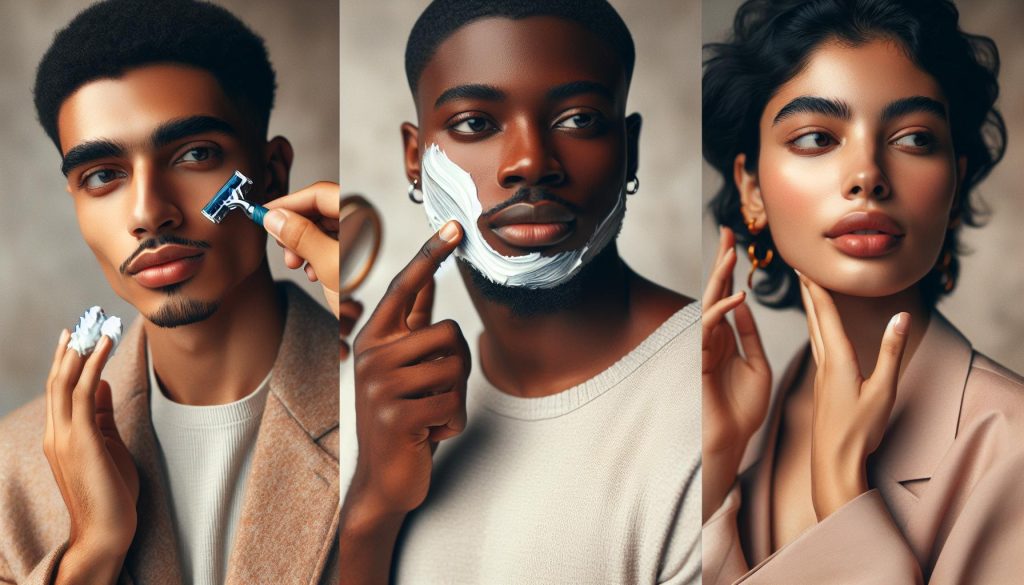
Razor bumps can be a frustrating and uncomfortable issue, affecting individuals of all skin types, especially after shaving. If you’ve ever experienced the irritation and redness that come with these pesky bumps, you’re not alone. Many people seek quick solutions to manage this common grooming challenge, and it’s important to know that effective relief is within reach. In this article, we’ll explore seven proven methods to get rid of razor bumps fast, helping you achieve smoother skin and greater confidence. From simple home remedies to targeted treatments, you’ll learn actionable strategies that can transform your shaving routine and keep those annoying bumps at bay. Let’s dive in and discover how to regain your skin’s natural smoothness!
Identifying Razor Bumps: What They Are and Why They Occur
Razor bumps can be an unwelcome side effect of shaving, often manifesting as small, raised, red bumps on the skin. They occur when hairs grow back into the skin instead of up and out, which can lead to inflammation and irritation. This condition is most common among individuals with curly or coarse hair, as these hair types are more likely to curl back on themselves after shaving. Genetics can play a significant role in how susceptible someone might be to razor bumps, making it essential to identify personal risk factors.
Understanding the signs of razor bumps is crucial for early intervention. Typically, you’ll notice these bumps in areas where you shave, often accompanied by discomfort or itching. It’s important to differentiate razor bumps from other skin irritations such as razor burn, which can occur from improper shaving techniques and typically presents as redness and tenderness rather than raised bumps. Keeping an eye on these symptoms can help you choose the right preventative measures and treatments.
Taking steps to prevent and treat razor bumps requires knowledge about your skin type and grooming habits. For instance, if you often experience razor bumps, consider the method and tools you use for shaving. Opting for a single-blade razor and utilizing proper shaving creams can reduce irritation. Additionally, following a proper skincare routine that includes exfoliation can help to prevent clogged pores and ingrown hairs, allowing your skin a fighting chance against these annoying bumps.
Quick Relief: Ice and Cold Compress Techniques
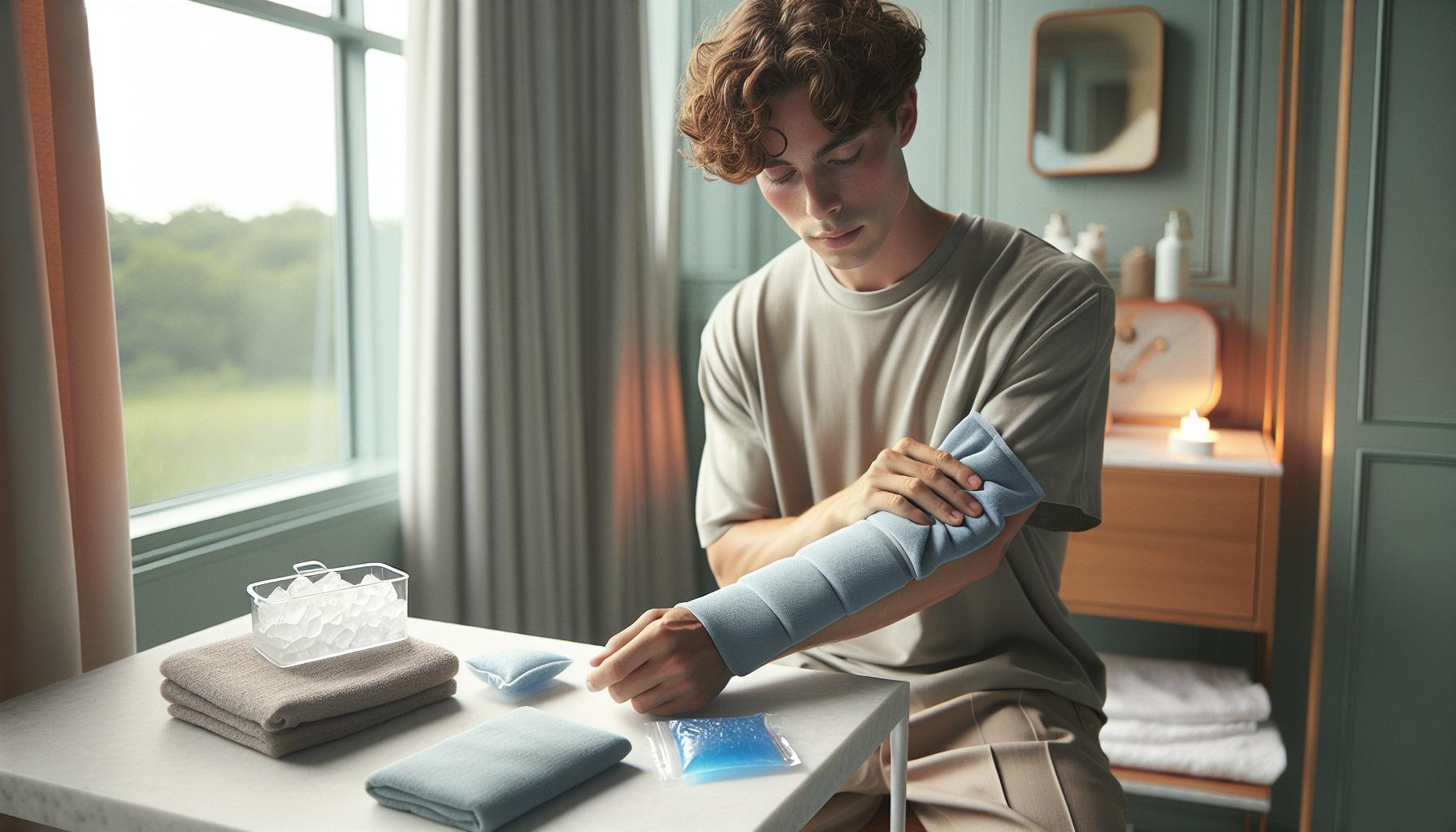
Applying ice or a cold compress is a simple but effective strategy to alleviate the discomfort associated with razor bumps. Cold therapy can reduce inflammation, numb the area, and ease itching-making it a go-to solution for many facing this irritating skin problem. A chilly temperature constricts blood vessels and reduces redness, providing instant relief after shaving or when you feel those pesky bumps rising.
To utilize this technique effectively, start by wrapping ice cubes in a clean cloth or using a cold pack. Avoid placing ice directly on the skin, as this can cause frostbite. Hold the compress against the affected area for about 10 to 15 minutes. You can repeat this several times a day as needed. If you find it’s too cold, just give your skin a short break in between applications to avoid over-cooling.
A warm compress can also be beneficial before shaving, as it helps to open up the pores and loosen hairs, making them easier to cut and less likely to curl back into the skin. Simply soak a clean cloth in warm water, wring it out, and apply it to your skin for a few minutes. This preparation step can greatly reduce your risk of razor bumps appearing after you shave.
Incorporating these cold and warm compress techniques into your post-shave routine empowers you to take control of your skin health. Stay consistent, and don’t hesitate to assess what works best for your skin type and needs. When combined with other preventive measures, these methods can significantly reduce the likelihood and impact of razor bumps, leading to smoother and more comfortable skin after shaving.
Essential Grooming Tips to Prevent Razor Bumps
The journey to smooth skin can often be derailed by the feared razor bump, but with the right grooming techniques, you can minimize their occurrence significantly. Effective grooming starts long before the razor touches your skin. Simple yet powerful habits can help ensure a bump-free experience, allowing you to maintain a fresh and confident appearance.
To prevent razor bumps, it’s essential to prepare your skin adequately. Always wash your face or the area you plan to shave with warm water and a gentle cleanser to remove dirt and oils, which can contribute to irritation. Following this, apply a pre-shave oil or cream full of moisturizing ingredients. These products soften the hair and create a protective layer over the skin, which can prevent blades from tugging and causing micro-cuts. Using a product like shaving cream, rather than soap, can make all the difference.
When it comes time to shave, the technique you use is crucial. Always shave in the direction of hair growth, rather than against it, to reduce irritation and the risk of ingrown hairs. A clean, sharp razor is also non-negotiable; dull blades can lead to more friction, increasing the chance of bumps. It’s wise to change your razor blade after five to seven shaves or when you notice any pulling or tugging during the process.
Post-shave care should not be overlooked. After rinsing your skin, pat it dry gently with a soft towel and apply a soothing aftershave product or a lightweight moisturizer to lock in hydration and calm any irritation. Ingredients like aloe vera, chamomile, or witch hazel can be particularly beneficial in soothing the skin and preventing the formation of bumps. Remember, consistency is key; making these practices part of your grooming routine will yield the best results over time.
Topical Treatments: How to Use Creams and Ointments
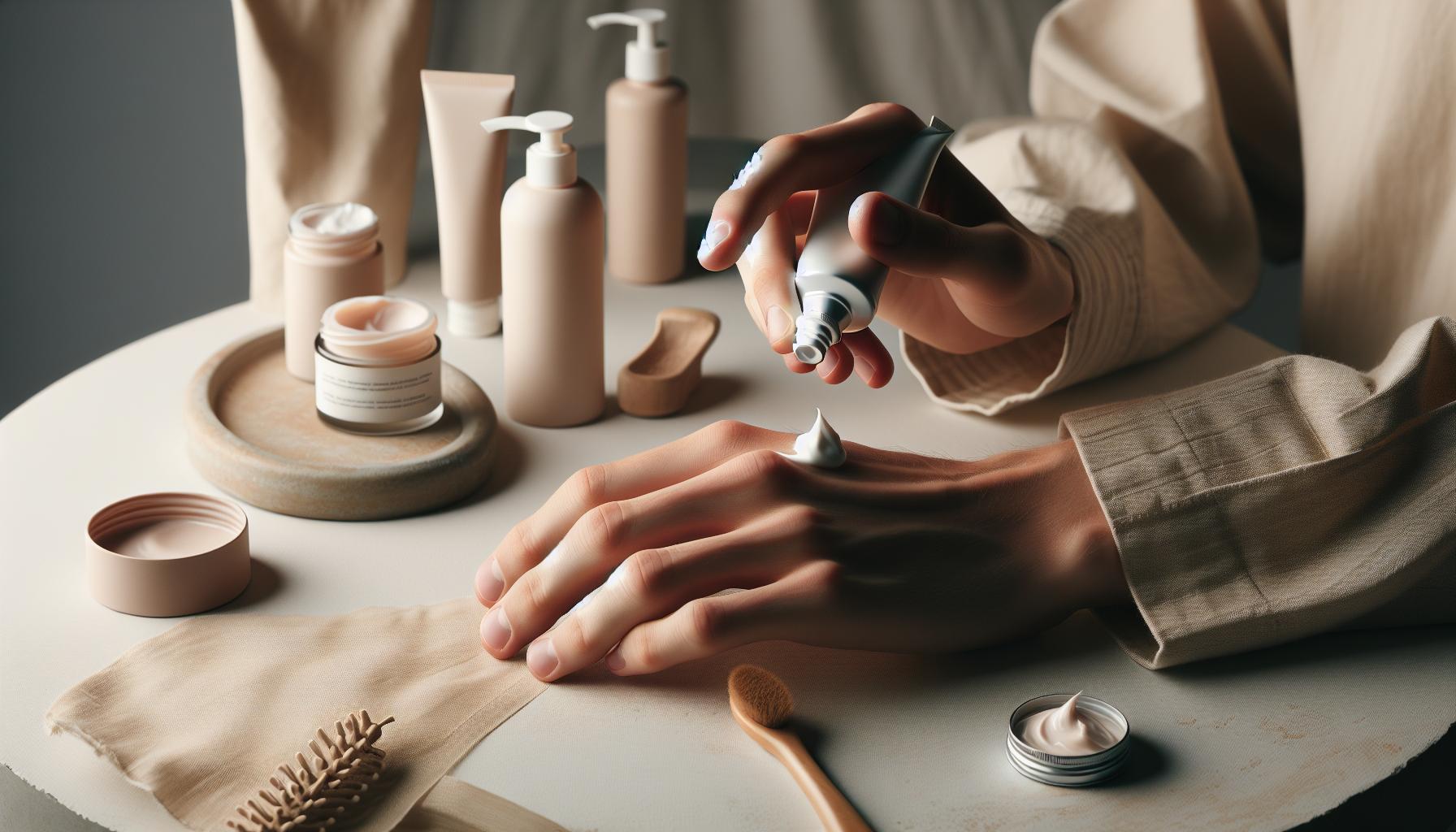
Topical treatments can be your best friends when it comes to tackling razor bumps effectively. Utilizing creams and ointments not only helps soothe irritation but can also prevent future occurrences. Here’s how to make the most out of these products, ensuring you get smooth skin without the dreaded bumps.
To start, look for topical treatments that specifically mention their effectiveness against ingrown hairs and inflammation. These formulations often contain key active ingredients like salicylic acid and glycolic acid, which work to exfoliate the skin and unclog hair follicles. Just remember to use them as directed; for instance, applying a thin layer of salicylic acid lotion to the affected area twice daily can be a game changer in managing bumps.
Here’s a simple routine to follow:
- Cleanse: Wash your skin with a gentle cleanser to remove any dirt and oil.
- Apply Treatment: After patting your skin dry, apply a small amount (about the size of a pea) of your chosen cream or ointment directly onto the bumps. Gently rub it in using circular motions to enhance absorption.
- Moisturize: Follow up with a hydrating moisturizer suitable for your skin type to maintain moisture levels and support healing.
For more severe cases, consider using products that combine anti-inflammatory agents like hydrocortisone with antibiotics to reduce infection risk. If you choose a cream like Tazorac or Retin-A, which contains retinoids, apply it sparingly to avoid excessive dryness and irritation-once every other night is often sufficient, gradually increasing frequency as your skin adjusts.
Don’t forget that consistency is critical. If you incorporate these treatments into your daily routine, you’ll begin to notice improvements in a matter of days. However, if you see no change after a few weeks or if your condition worsens, it may be time to consult a dermatologist. They can offer more tailored advice, including prescription options that guarantee results. Remember, achieving smooth skin is a journey; with the right topical treatments, you’re one step closer to a bump-free experience!
Natural Remedies: Home Solutions for Razor Bumps
Natural remedies can be a gentle yet effective way to address the irritation of razor bumps. Many common household items possess properties that can soothe inflammation or help prevent future irritation, making them fantastic options for those looking to avoid harsher treatments.
One popular home solution is aloe vera, known for its soothing and anti-inflammatory properties. Applying fresh aloe vera gel directly from the plant to the affected area can calm irritation and hydrate the skin simultaneously. Simply slice an aloe leaf and scoop out a tablespoon of the gel, then massage it onto the bumps and leave it on for about 30 minutes before rinsing off. This practice not only helps reduce redness but also supports healing.
Another effective remedy is using tea tree oil, a natural antiseptic that can reduce infection risk associated with ingrown hairs. Dilute a few drops of tea tree oil in a carrier oil like coconut or jojoba oil, then gently apply it to the affected area with a cotton ball. This combination can help diminish the appearance of razor bumps and prevent any further irritation. If you’re trying this for the first time, do a patch test on a small skin area to ensure there’s no adverse reaction.
A warm compress can also be beneficial. It works by loosening hair trapped under the skin, making it easier for them to escape. To make a warm compress, soak a clean washcloth in warm water, wring it out, and place it over the affected area for about 10-15 minutes. This technique not only alleviates discomfort but promotes healing by improving blood flow to the area.
Lastly, consider maintaining a routine that includes exfoliation, which can help prevent razor bumps by lifting dead skin cells and allowing hair to grow out properly. You can create a gentle exfoliating scrub by combining sugar with honey or olive oil. Use this scrub once or twice a week on the affected areas, massaging gently in circular motions before rinsing away.
Incorporating these natural remedies into your skincare routine can enhance your skin health and reduce the occurrence of razor bumps with patience and consistency. Always remember that results can vary, so be kind to yourself as you explore what works best for you.
Shaving Techniques: Mastering the Right Method
When it comes to mastering the art of shaving, the method you choose can make all the difference in preventing annoying razor bumps. Understanding how to properly navigate this daily ritual allows you to achieve a smooth finish while minimizing irritation. One critical tip is to always shave after a warm shower or apply a warm towel to your face for several minutes. This practice opens up your pores and softens hair, making it easier for the razor to glide smoothly across your skin.
Choosing the Right Direction
The direction in which you shave also plays a pivotal role in avoiding bumps. Always shave with the grain of your hair, which means following the natural growth direction. For those with coarser or curlier hair, this may require paying close attention, as the hair may not grow in a uniform direction. Shaving against the grain can cause hair to get trapped beneath the skin, leading to ingrown hairs and razor bumps, so it’s a step best avoided when possible.
Utilizing Quality Shaving Products
Using the right products is equally important. Invest in a high-quality shaving cream or gel that provides a rich lather and lubrication. Products containing soothing ingredients like aloe vera, shea butter, or coconut oil can help calm the skin during and after shaving. Apply a generous amount to the area you’re shaving, using gentle circular motions to ensure even coverage. Consider letting the cream sit for a minute before you start shaving; this extra time allows the ingredients to soften the hair further.
Technique Matters
When you start shaving, use a fresh, sharp razor. Dull blades can tug at your hair instead of cutting it cleanly, which increases irritation. Use light, gentle strokes, and allow the razor to glide over your skin without applying excessive pressure. Rinse the blade frequently to keep it clean and free from hair and cream build-up. After each stroke, tap the razor against the sink to dislodge any debris – this small step will help maintain a better quality shave.
Post-Shave Care
Once you’ve finished shaving, rinse your face with cool water to close your pores, then pat your skin dry with a soft towel-avoid rubbing, as this can cause further irritation. Follow up with a soothing aftershave lotion or balm that is alcohol-free to nourish your skin and reduce redness. Incorporating these tips into your shaving routine can make a world of difference, leading to smoother skin and minimizing the dreaded razor bumps. Remember, practice makes perfect, so take your time to find the method that works best for you.
Choosing the Right Tools: Razors and Shaving Products
Choosing the right tools is fundamental to achieving a smooth shave and minimizing the risk of razor bumps. The right razor and shaving products can mean the difference between irritation and a comfortable experience. Opting for high-quality tools tailored to your skin type and hair texture will not only enhance your shaving technique but also contribute significantly to your overall skincare routine.
Start with a razor that suits your needs. If you have sensitive skin or are prone to irritation, consider a razor designed specifically for sensitive skin, like the Gillette SkinGuard. It features a design that minimizes irritation by positioning the blades at a distance, allowing for a gentler shave [2]. Additionally, choose a razor with multiple blades; more blades often mean a closer shave, reducing the need to go over the same area multiple times, which can irritate the skin further.
When it comes to shaving products, selecting the right cream or gel is crucial for providing the necessary lubrication to glide your razor effortlessly over the skin. Look for products free from alcohol and strong fragrances, as these can contribute to irritation. A shaving cream with soothing ingredients like aloe vera, shea butter, or coconut oil helps to hydrate and protect your skin during the shave. Apply a generous amount of cream by massaging it into wet skin in gentle circular motions for about 30 seconds; this process not only prepares your skin but also further softens the hair [1].
Lastly, don’t overlook the importance of aftercare products. After shaving, use an alcohol-free aftershave balm to calm your skin and reduce redness. Products containing witch hazel or chamomile can be particularly effective in soothing irritation. By investing in the right tools and products, you set yourself on the path to achieving a comfortable shave, free of annoying razor bumps, thereby enhancing your confidence each day.
When to Seek Professional Help for Razor Bumps
When dealing with razor bumps, knowing when to reach out for professional help can save you time, frustration, and potential skin complications. If you’re experiencing persistent or severe razor bumps, it’s essential to take action. You should particularly consider consulting a dermatologist if you notice the following signs:
- Infection: If the bumps are red, swollen, and painful, or if you notice pus or other drainage, you could have an infection. Professionals can prescribe antibiotics to tackle bacterial infections effectively.
- Chronic Bumps: If razor bumps do not improve after trying different shaving techniques or over-the-counter treatments, a dermatologist can provide specialized care. This may include prescription creams or treatments tailored to your skin type.
- Ingrown Hairs: In cases where razor bumps lead to ingrown hairs, especially if they become painful or lead to dark spots, professional intervention may be needed to safely remove them and prevent future occurrences.
- Worsening Condition: If your bumps become inflamed or spread, or if you experience an allergic reaction to shaving products, it’s vital to seek expert advice to determine the underlying cause and appropriate treatments.
A consultation can also be beneficial for long-term management strategies, particularly if you regularly struggle with skin irritation. A dermatologist can help you explore different shaving methods, suggest suitable products for your skin type, and even provide alternatives to shaving if necessary, like laser hair removal.
Remember, it’s not just about treating existing bumps; it’s also about preventing future flare-ups. Regular visits to a skincare professional can empower you with knowledge tailored specifically to your skin’s needs, ensuring you have a comfortable and effective grooming routine. Seeking professional help showcases your commitment to caring for your skin and overall well-being, so don’t hesitate to make that appointment!
The Importance of Post-Shave Care and Hydration
After shaving, your skin can feel vulnerable, making post-shave care crucial for preventing razor bumps and irritation. Many might overlook this essential step, but nurturing your skin right after a shave can significantly reduce the chances of developing those pesky bumps. Did you know that applying the right products immediately after shaving can soothe your skin and promote healing? Choosing the right post-shave routine can make a noticeable difference.
To start, always rinse your face with cool water after shaving to close your pores. This simple act not only helps to minimize irritation but also sets the stage for effective hydration. Following that, consider applying a gentle, fragrance-free aftershave balm or moisturizer. Look for products that contain soothing ingredients such as aloe vera, chamomile, or witch hazel. These compounds help reduce redness and inflammation while hydrating your skin, which is fundamental for recovery and comfort.
Hydration is key after your shave. Applying a lightweight moisturizer can help lock in moisture and prevent dryness. If your skin tends to be on the oily side, a gel-based moisturizer is a fantastic option. On the other hand, if you have dry skin, consider a richer cream that provides deeper hydration. Apply a dime-sized amount to damp skin using gentle, circular motions for about 30 seconds. This technique not only ensures even coverage but also promotes better absorption.
Finally, don’t forget about sunscreen if you’re heading outside after shaving! Freshly shaved skin is often more sensitive to sun exposure. Opt for a broad-spectrum sunscreen with at least SPF 30 and apply it generously to avoid sunburn and further irritation. Remember, taking these post-shave steps doesn’t just help in fighting razor bumps; it also contributes to overall healthier skin. Embracing a dedicated post-shave care routine can transform your shaving experience and keep your skin looking and feeling its best.
Lifestyle Changes to Minimize Razor Bumps
Making a few lifestyle adjustments can significantly reduce the occurrence of razor bumps and improve your overall skin health. One of the most effective changes is to focus on your shaving routine and overall grooming practices. For starters, consider switching to a more gentle shaving method. Instead of traditional razors, you might explore alternatives like electric shavers or safety razors, which can be less irritating for your skin. If you prefer traditional razors, look for ones designed for sensitive skin or those with lubricating strips to promote a smoother glide.
In addition to your shaving tools, the timing and environment of your shave can impact your skin’s comfort. Try shaving after a shower when your pores are open and your hair is soft. This not only makes hair removal easier but can also minimize irritation. Incorporating a pre-shave routine can also yield benefits; applying a warm, damp cloth to the area prior to shaving can help reduce friction and prepare your skin.
Beyond technical changes, your overall skincare regimen matters. Regular exfoliation, at least twice a week, can help prevent hair follicles from becoming clogged and reduce the likelihood of bumps forming. Consider using a gentle scrub or exfoliating pads to help clear away dead skin cells and keep your pores clear. Additionally, maintaining good skincare practices by hydrating your skin daily with moisturizers can fortify the barrier against irritation post-shave. To enhance this, opt for products that incorporate soothing ingredients like chamomile or aloe vera, which can help alleviate redness and promote healing.
Lastly, don’t underestimate the value of a healthy lifestyle. Staying hydrated by drinking sufficient water and eating a balanced diet rich in vitamins can improve skin resilience. Consider supplementing your routine with foods high in omega-3 fatty acids, like salmon or walnuts, which have anti-inflammatory properties. These lifestyle changes, combined with a thoughtful approach to shaving, can make a significant difference in minimizing razor bumps and boost your confidence in your skin’s appearance.
Understanding Skin Types: Tailoring Your Approach
Understanding your skin type is crucial for effectively managing and preventing razor bumps. Different skin types react in unique ways to shaving, products, and environmental factors, so tailoring your approach can make a significant difference. Whether you have oily, dry, sensitive, or combination skin, recognizing your specific needs allows you to select the right products and techniques that minimize irritation and promote a smoother shave.
For those with sensitive skin, it’s essential to prioritize gentle, fragrance-free products to avoid triggering reactions. Look for hypoallergenic shaving creams and lotions that provide hydration without causing inflammation. Always opt for a razor designed specifically for sensitive skin, ensuring fewer nicks and cuts. Incorporating post-shave remedies, such as aloe vera gel or calming ointments, can provide an extra layer of relief.
If your skin is oily, you may find that extra moisture can contribute to breakouts. Consider using oil-free shaving gels and exfoliating regularly to keep pores unclogged. Additionally, after shaving, apply a lightweight moisturizer or a treatment containing salicylic acid to help prevent any potential bumps from developing.
For individuals with dry skin, hydration is critical. Start with a pre-shave oil to soften the hair and moisturize the skin. Follow up with a rich shaving cream that includes emollients to protect your skin barrier. After shaving, indulge in a thick, nourishing moisturizer to soothe any dryness and help prevent razor bumps.
Lastly, those with combination skin can benefit from using different approaches in various areas. For example, use a hydrating formula on drier parts while applying a lighter oil-free product on oilier areas. Be attentive to how your skin reacts and adjust your grooming routine accordingly.
In summary, understanding your skin type and tailoring your shaving routine can significantly influence the occurrence of razor bumps. Selecting the right products, techniques, and aftercare specific to your skin type is key to achieving a healthy, bump-free complexion. Remember, experimentation is part of the process, so take notes on what works for you, and don’t hesitate to adjust your approach as needed.
Faq
Q: What are the main causes of razor bumps?
A: Razor bumps occur when hair curls back into the skin after shaving, irritating the hair follicles. This is often aggravated by sensitive skin, shaving too closely, or using dull blades. Understanding the causes can help you make better grooming choices to avoid them.
Q: How can I quickly soothe irritated skin from razor bumps?
A: To soothe irritated skin, apply a cold compress or ice wrapped in a cloth for 10-15 minutes. This reduces inflammation and redness. Additionally, using a soothing lotion or aloe vera gel can provide relief and hydration.
Q: What is the best way to shave to prevent razor bumps?
A: To prevent razor bumps, shave after a warm shower when hair is soft. Always use a sharp, clean razor and avoid pressing too hard. Shaving in the direction of hair growth can also help minimize irritation.
Q: Are there any specific creams or ointments recommended for razor bumps?
A: Over-the-counter products containing hydrocortisone or azelaic acid can effectively reduce inflammation and redness from razor bumps. Tretinoin cream may also help by preventing hair from growing back into the skin [1].
Q: Can natural remedies effectively treat razor bumps?
A: Yes, natural remedies like apple cider vinegar, green tea bags, and tea tree oil can help reduce the inflammation and redness associated with razor bumps. These ingredients have soothing and antibacterial properties that calm the skin [2].
Q: When should I consider seeking professional help for razor bumps?
A: If razor bumps persist for more than a few days, become painful or infected, or if over-the-counter treatments fail, it’s wise to consult a dermatologist. Early intervention can prevent scarring and chronic skin issues [3].
Q: How can my shaving routine impact the frequency of razor bumps?
A: Your shaving routine can greatly influence the occurrence of razor bumps. Regularly replacing dull blades, adopting proper shaving techniques, and moisturizing post-shaving can significantly reduce irritation and the likelihood of developing bumps [2].
Q: What lifestyle changes can help minimize razor bumps?
A: Incorporating proper hydration, exfoliating regularly, and avoiding tight clothing over freshly shaved skin can help minimize razor bumps. Making these changes allows your skin to breathe and reduces irritation [3].
Feel free to explore more on each topic in the main article for further details and personalized tips!
In Summary
Now that you have discovered 7 proven solutions for getting rid of razor bumps fast, it’s time to put these tips into action! Remember, starting with a proper shaving technique and choosing the right products can make all the difference in preventing those bothersome bumps from returning. If you have lingering questions or want to dive deeper into shaving techniques, check out our guides on how to prevent razor bumps and the best shaving products for sensitive skin.
Don’t forget to share your experience in the comments below-your insights might help others on their journey to smoother skin too! For more expert tips and exclusive updates, sign up for our newsletter. Taking care of your skin not only enhances your appearance but boosts your confidence. So start now, treat your skin right, and explore more ways to achieve that flawless look you deserve!