In today’s world, children are introduced to makeup at increasingly younger ages, sparking a vibrant debate about whether this practice should be embraced or discouraged. Many parents grapple with concerns about self-expression versus societal expectations, wondering what impact early makeup use may have on their children’s self-esteem and identity. Understanding this nuanced conversation is vital, as it touches on children’s autonomy, societal pressures, and the role of beauty in their lives. By exploring the different perspectives on this issue, we can equip ourselves with the knowledge to support our children in making informed choices. So, should we allow children to wear makeup? Let’s dive deeper into the conversation to uncover the benefits and potential drawbacks of this trend.
Should Children Wear Makeup? Understanding the Debate
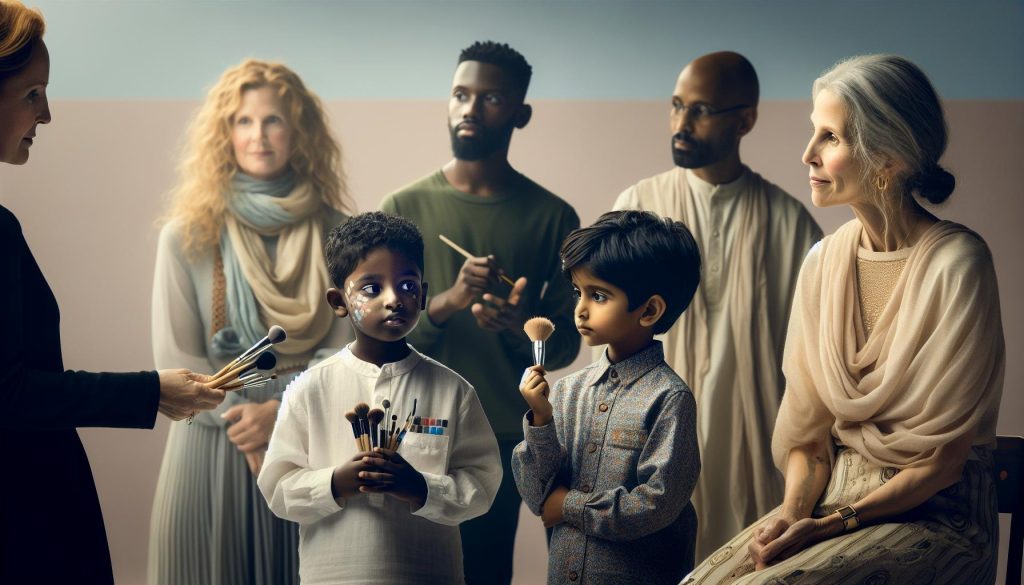
The conversation around whether children should wear makeup is one filled with diverse opinions and strong emotions. For many, makeup serves as a form of self-expression, allowing kids to explore creativity and boost confidence. Young children often view makeup as fun and magical, influenced by media portrayals and the desire to mimic adults. Allowing them to embark on this journey can be beneficial, fostering their individuality and self-esteem. For instance, simple applications like face paint for parties or performances can help children feel part of the action and express themselves in vibrant ways.
However, the counterarguments are significant. Critics raise concerns about the early sexualization of children, where makeup might lead them to enter environments or situations that are not age-appropriate. Additionally, there is a valid worry about the potential effects on children’s body image, especially with the pressures that social media can impose. Exposure to filtered images on platforms like Instagram can create unrealistic standards, potentially leading to self-esteem issues. Parents and guardians must navigate these concerns while considering the development stages and emotional maturity of their children.
Finding a middle ground is essential. Encouraging makeup play during specific occasions, like Halloween or theater productions, allows for creativity while keeping its use age-appropriate. Ultimately, the decision should involve open conversations about self-image, societal expectations, and the importance of feeling comfortable in one’s own skin. By addressing these issues collaboratively, parents can help children appreciate the fun in makeup without letting it define how they see themselves.
The Benefits of Makeup for Children
Allowing children to experiment with makeup can offer a variety of developmental benefits that can positively shape their self-expression and confidence. For many kids, makeup isn’t just about color and cosmetics; it’s an avenue for creativity and individuality. When children engage in playful makeup activities, they have the opportunity to explore different artistic expressions. Whether they’re applying a dash of lipstick or creating fun designs with face paint, this can be a joyful form of self-exploration.
One significant benefit of makeup use is the boost it can provide to a child’s self-esteem. When kids choose to wear makeup for a special event, like a birthday party or a school performance, it can enhance their sense of belonging and participation. For example, during a school play, children often use makeup to transform into their characters, which can help them feel more connected to their role and confident in performing. This connection between makeup and identity can reinforce positive self-image, helping children understand that it’s okay to express themselves in diverse ways.
Additionally, makeup can serve as a valuable teaching tool for children about personal grooming and responsibility. Introducing makeup in a supervised manner allows parents to discuss the importance of skincare, hygiene, and moderation. This can pave the way for conversations about self-care rituals that extend beyond just cosmetic use. Simple practices, like removing makeup before bed or choosing skin-friendly products, can instill lifelong habits that emphasize healthy skincare.
Finally, makeup can help children bond with their peers, as many kids enjoy sharing tips and experimenting together. Setting up a fun makeup session with friends can foster teamwork and enhance social skills while also allowing them to express their unique personalities. By emphasizing the fun and creative aspects of makeup, parents can create a supportive environment that encourages kids to embrace their artistry while maintaining age-appropriate boundaries.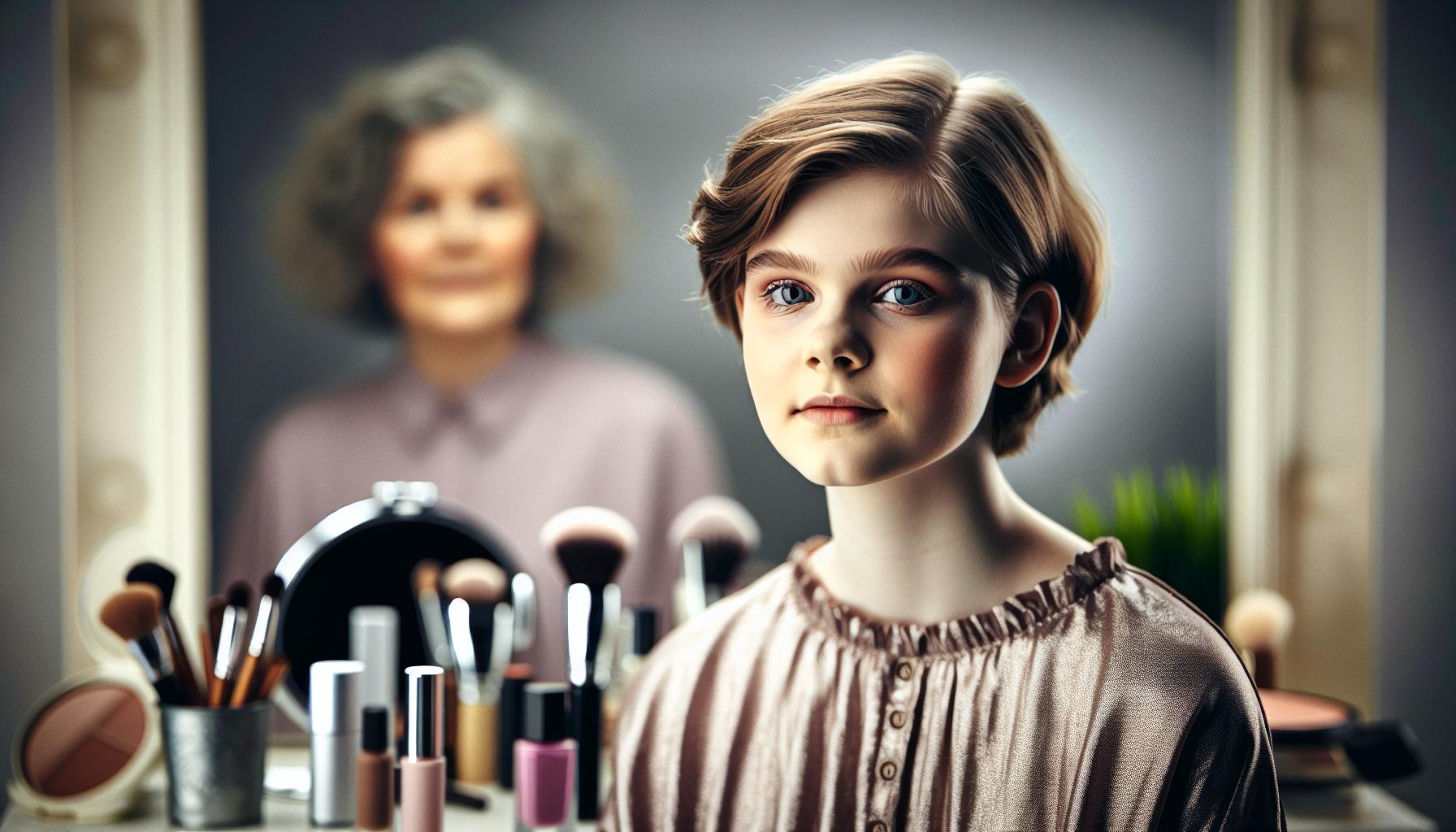
Potential Risks and Concerns of Early Makeup Use
Allowing children to wear makeup can be exciting, but it also comes with potential risks that every parent should consider. Explicitly, skin health should be a primary concern. Children’s skin is often more sensitive than adults’, making them more susceptible to irritation or allergic reactions from certain makeup products. Ingredients like fragrances or alcohol, commonly found in cosmetics, can cause breakouts, rashes, or contact dermatitis. This underscores the importance of choosing hypoallergenic, age-appropriate products designed specifically for younger skin.
In addition to skin health, social dynamics also play a crucial role in the conversation about early makeup use. Kids are often very impressionable, and the early introduction of makeup might inadvertently push them toward unattainable beauty standards or create pressure to conform to peer expectations. This can lead to emotional and psychological issues such as anxiety over appearance or reduced self-esteem if they feel they don’t measure up. It’s essential to foster a healthy image and emphasize that beauty is diverse and personal, helping children understand that self-worth is not tied to cosmetic enhancement.
Furthermore, supervision is vital. Children experimenting with makeup may not fully comprehend techniques, leading to improper application that could damage their skin or even bring about accidents, such as applying makeup in the eye area. Parents should participate in the makeup process-this can be a bonding experience but also ensures safety when introducing new products and techniques.
To create a balanced approach, consider setting clear guidelines and boundaries around makeup use. Encourage children to explore cosmetics in a fun, creative way while discussing the importance of self-care, confidence, and individuality. By framing makeup within the context of creativity and expression rather than necessity, parents can help mitigate the associated risks while still allowing their kids to enjoy this form of self-expression.
In summary, while introducing children to makeup can have advantages in terms of self-expression, it is equally essential to navigate the associated risks with care and awareness. Monitoring product choices, encouraging healthy self-image, and ensuring proper application can help children enjoy their makeup experiences safely and positively.
Age-Appropriate Guidelines for Makeup Application
Introducing makeup to children can be a delightful experience, but it’s essential to set age-appropriate guidelines to ensure a positive and safe journey into the world of cosmetics. Understanding what’s suitable for different age groups can help parents navigate this territory confidently and allow children to express themselves creatively while minimizing risks.
For younger children, such as those under the age of 10, makeup use should be minimal and focused primarily on fun rather than beauty enhancement. Consider allowing simple products like lip gloss or tinted lip balm to add a bit of color and shine without overwhelming their delicate skin. Use products that are hypoallergenic and specifically formulated for kids, avoiding any harmful chemicals. Teaching children about basic skincare, like the importance of removing makeup before bed, can also instill good hygiene habits from an early age.
As kids reach their pre-teen years (ages 10-12), they may become more interested in experimenting with makeup. This is a great time to introduce light foundation or BB cream paired with a subtle blush. Explain how to apply products gently-such as using a pea-sized amount of foundation applied with clean fingers or a sponge, dabbed onto the skin and blended outwards. It’s crucial to emphasize that makeup is not a necessity but a form of self-expression, helping them build a healthy relationship with their appearance.
For teenagers (ages 13 and up), the guidelines can expand further to include more diverse products, but the focus should remain on appropriateness. Encourage them to explore eyeshadows, mascara, and eyeliners, but instill the notion of balance. Offer guidance on choosing colors that suit their skin tone and how to create looks that enhance rather than mask their features. Teach them about makeup removal and skincare routines to keep their skin healthy, including setting aside specific days for deeper cleansing.
Makeup application is as much about creativity as it is about skill, so enable children to make choices that reflect their personality while being mindful of the importance of moderation. Encourage them to ask questions and practice techniques under supervision, reinforcing that the ultimate goal is to have fun with makeup without compromising skin health or self-esteem.
These age-appropriate guidelines help cultivate a positive attitude toward beauty and self-care, ensuring that makeup becomes a tool for creativity rather than pressure. By framing makeup experiences within a context of self-expression and confidence, parents can help their children enjoy this aspect of personal grooming safely and responsibly.
Cultural Perspectives on Children Wearing Makeup
Cultural norms surrounding children wearing makeup vary significantly across the globe, often reflecting deeper societal beliefs about beauty, femininity, masculinity, and self-expression. In many cultures, makeup for children is embraced as an avenue for creativity and play. For example, in regions where vibrant festivals and community celebrations are common, it’s not unusual for children to wear decorative makeup or face paint, allowing them to engage in festive customs. This practice often emphasizes fun and artistic expression, rather than the adult emphasis on beauty or attractiveness.
In contrast, certain cultures view makeup as inappropriate for children, associating it with adult behaviors and sexualization. In these contexts, the idea of children using cosmetics can evoke concerns about innocence and the preservation of childhood. This perspective can lead parents to establish limits on makeup use, prioritizing natural beauty and self-identity over societal standards that, to them, seem unattainable for young children.
Importantly, the increasing influence of social media is reshaping these cultural narratives. Platforms like TikTok and Instagram have made makeup tutorials and challenges widely accessible, introducing younger audiences to makeup concepts earlier than ever. While this democratization of beauty can foster creativity, it also raises questions for parents about when and how to approach makeup conversations.
Navigating these cultural differences requires sensitivity and an understanding of both the benefits and risks associated with children wearing makeup. Encouraging children to explore self-expression through makeup, while respecting familial and cultural values, can help create a balanced approach. Parents might consider setting boundaries that reflect their beliefs while remaining open to the idea that makeup can serve as a tool for creativity and self-confidence, rather than merely adhering to external beauty standards.
Parental Perspectives: What Do Parents Think?
Many parents find themselves navigating a thoughtful debate when it comes to the question of whether their children should wear makeup. There’s no one-size-fits-all answer, as perspectives vary widely based on individual beliefs, cultural backgrounds, and the ages of the children involved. Notably, many parents recognize that makeup can be a form of self-expression and creativity, particularly during playdates or themed events, where it’s seen as a fun activity rather than a beauty necessity.
For some parents, the use of makeup is an opportunity to foster creativity and enhance their child’s self-esteem. They view it as a way for kids to play dress-up, mirroring the experiences found in theater or costume parties. For instance, a parent might encourage their child to experiment with face paint during a holiday like Halloween or a birthday party, allowing them to embrace their imagination while also establishing a context where makeup is linked to fun rather than adult beauty standards. This parent generally believes that as long as makeup application is kept light and context-appropriate, it provides an excellent outlet for artistic expression.
Conversely, other parents express concerns about the implications of children wearing makeup, particularly with the influence of social media. They worry that early exposure may inadvertently fuel unhealthy beauty ideals or sexualization of young children. These parents often prioritize lessons about natural beauty and self-acceptance, seeking to establish boundaries that protect their children’s innocence. They might limit makeup use to specific occasions or set a rule that children can only wear makeup for performances or themed events, thereby attempting to strike a balance between allowing creativity while shielding from societal pressures.
To support both sides, many parents find value in open communication. Engaging in conversations about the purpose of makeup and its role in both fun and culture can help children develop a healthy relationship with self-expression. Parents might ask questions such as, “What do you want to achieve with your look?” or “How does this makeup make you feel?” These discussions can cultivate mindfulness around makeup use and help ensure that it is seen as a playful exploration, rather than a need to meet external expectations.
Being intentional about the makeup discussion offers children essential life skills-understanding beauty norms, recognizing the importance of self-confidence, and engaging with creative expression. In the end, finding harmony between celebrating individuality and maintaining a healthy perspective on beauty can bridge the gap many parents feel in this evolving territory. Whether deciding to allow makeup or not, the conversation itself creates an opportunity for empowerment and reflection, leading to a supportive environment for exploring self-expression responsibly.
Expert Opinions: Dermatologists and Psychologists Weigh In
Navigating the world of makeup for children raises numerous questions, especially regarding its emotional and physical impacts. Experts in dermatology and psychology offer a wealth of insights to help parents understand the nuances of this debate.
Dermatologists often emphasize the importance of product safety, especially considering children’s more sensitive skin. They recommend looking for non-toxic, hypoallergenic products specifically designed for young skin. Products labeled as “fragrance-free” and “non-comedogenic” can help minimize skin reactions and acne breakouts. Regular skin evaluations are crucial, so parents should monitor how their child’s skin responds to makeup, suggesting that any persistent irritation warrants a pause on product use.
From a psychological perspective, the consensus among child psychologists is that allowing makeup can serve as a healthy form of self-expression and creativity, provided that it is done in moderation and within appropriate contexts. Engaging with makeup can help children build their identities, experiment with different looks, and even boost self-esteem. However, psychologists caution that pressure to conform to beauty standards, amplified through social media, can lead to negative self-image issues. Establishing an open dialogue about the reasons for using makeup helps children internalize positive self-worth that’s not solely tied to appearance.
To strike a healthy balance, experts suggest parents set clear guidelines around makeup use. This may include limiting application to creative situations, like costume parties or themed outings, and encouraging children to express themselves through other means, such as art or performance. Engaging in conversations about beauty norms, helping children critically analyze media portrayals, and emphasizing inner beauty can foster resilience against societal pressures. By blending product knowledge with emotional understanding, parents can make informed decisions that nurture their child’s development in this playful arena.
Alternatives to Makeup: Creative Self-Expression for Kids
Exploring creative self-expression alternatives to makeup opens a world of possibilities for children to showcase their individuality without the potential drawbacks associated with cosmetics. Engaging in activities like arts and crafts offers a fantastic outlet for creativity. Consider providing children with a variety of materials such as crayons, markers, face paint, or even clay. These tools not only encourage artistic expression but also allow them to create vibrant and imaginative looks without the permanence of traditional makeup.
Another exciting avenue for self-expression is through costume play. Children can dress up as their favorite characters or invent entirely new personas, using costumes and props to communicate their creativity. This form of play can enhance their storytelling skills and imagination, allowing for hours of interaction and fun. You could organize themed dress-up days at home or even host creative parties where kids can come together to share their costumes and engage in role-playing.
Engaging in performance arts is another wonderful way to express oneself. Encourage children to participate in drama, dance, or music activities. Performing allows them to embody characters, express emotions, and gain confidence. You might consider enrolling them in local classes or community theater productions, where they can explore this form of creative expression more deeply.
Lastly, fostering a space for journaling or storytelling can be equally beneficial. Encourage children to write about their thoughts, dreams, or adventures, allowing them to explore their internal world. You can provide colorful notebooks or encourage them to create scrapbooks filled with photos, drawings, and clippings that inspire them. This not only nurtures their literacy skills but also serves as a personal, evolving narrative that they can reflect upon.
By offering these alternatives, parents can cultivate a nurturing environment where creativity flourishes, all while steering clear of the complexities of makeup use. This approach supports emotional growth and self-identity, helping children celebrate their uniqueness in a safe and fun manner.
The Role of Social Media in Kids’ Makeup Trends
Social media has become a powerful influence in the lives of children and teens, and its impact on makeup trends is significant. Platforms like TikTok and Instagram showcase a myriad of makeup tutorials, viral challenges, and beauty transformations that captivate young audiences. A single viral video can initiate beauty trends that spread like wildfire, often encouraging children to experiment with makeup at a younger age. This can lead to pressure to conform to beauty standards portrayed online, raising important questions about the appropriateness and implications of makeup use among children.
It’s essential to recognize that social media not only introduces children to makeup but also shapes their perceptions of beauty. Many influencers showcase elaborate techniques, which can foster creativity and inspire self-expression. It’s encouraging to see some influencers promote inclusive definitions of beauty, celebrating diversity and encouraging kids to embrace their natural looks. However, the contrast between glamorized beauty filters and real-life images can create unrealistic expectations. Children absorbing these messages may feel inadequate without makeup, leading to self-esteem issues.
To navigate this digital landscape, it’s crucial for parents to engage in open conversations with their children about the content they encounter online. Discussing the difference between social media portrayals and reality can help children develop critical thinking skills about beauty standards. Encourage them to appreciate their individuality rather than striving for often unattainable ideals. Parents can also help by guiding their children towards constructive channels that promote natural beauty and creativity, rather than those focused solely on makeup application.
In addition, it might be helpful to establish boundaries around makeup use that align with the values of the family. Some families might choose to limit the use of makeup to special occasions or allow lighter, more age-appropriate products that can be easily washed off. Whatever the approach, the goal should be to foster healthy self-esteem and a positive body image, helping children navigate the challenges of social media in a supportive environment. By being informed and initiating discussions, parents can safeguard their children from the pressures of social media while allowing room for creativity and expression through makeup where appropriate.
Finding Balance: When Is Makeup Acceptance Healthy?
Finding the right balance with makeup for children can often feel like walking a tightrope, navigating between self-expression and the potential pressures society places on beauty. Embracing makeup in a healthy way can be a means for children to explore their creativity, but it’s crucial to set boundaries that honor their age and development. One essential perspective to consider is that makeup should not become a mask that hides their natural beauty; rather, it can be a fun tool that enhances their features while promoting self-esteem.
To cultivate a positive relationship with makeup, start by encouraging a strong sense of self-worth that isn’t reliant on cosmetics. Emphasize that makeup is just one of many ways to express individuality. For instance, opting for lighter products, such as a tinted lip balm or sheer shimmery lotion, can be a great way to introduce makeup without overwhelming children. These products not only feel fun but also create an environment where makeup acts as an extension of their personality rather than a necessity for beauty.
Communication is invaluable. Foster open conversations about the reasons behind makeup use and the importance of feeling comfortable in one’s skin. Discuss the imagery they see on social media and how it can sometimes be filtered or modified, leading to unrealistic beauty standards. This dialogue encourages critical thinking and helps children discern when makeup is being used for self-expression versus when it feels like a mandate to conform.
When determining what is appropriate, consider age and context. Makeup might be more suitable for special occasions like parties or school events rather than everyday wear. Establish guidelines together, allowing children to feel involved in the decision-making process. This collaborative approach helps them feel empowered rather than restricted. Remember, the aim is to celebrate their uniqueness while ensuring they understand that true beauty radiates from within.
In short, finding balance in makeup acceptance is about promoting creativity while nurturing a positive body image. Encourage kids to view makeup as one of many forms of self-expression, coupled with meaningful conversations about confidence and societal expectations. By cultivating a sense of self that is comfortable in both bare skin and light makeup, we can help children navigate their beauty journey with authenticity and joy.
Tips for Parents: Navigating Makeup Conversations
Navigating conversations about makeup can be challenging for parents, but starting open dialogues is essential. Children often look to adults for guidance, and your insights can help them develop a healthy relationship with makeup. Begin by asking your child what they think about wearing makeup. A simple question like, “What do you like about makeup?” can open the door to discussions about self-expression and creativity. Listening to their thoughts allows you to understand their perspective and address any misconceptions.
When establishing guidelines, it’s important to frame them positively. Instead of prohibiting makeup outright, explain the context in which it’s acceptable. For instance, makeup can be fun for special events like birthdays or school plays, while everyday use might not be necessary. This approach not only encourages responsibility but also empowers your child by involving them in setting the rules. You might say, “How about we try makeup together for special occasions? We can explore fun looks but keep things simple on regular days.”
Discussing the impact of media and social influence is vital as well. Talk about the images they see online and how often they are edited and filtered. Encourage critical thinking by asking questions such as, “How do you think that photo was created?” This can help children recognize that beauty standards often depicted in media are unrealistic. Reinforce the idea that true beauty comes from within while celebrating their unique features.
Lastly, reassuring your child that makeup is just one way to express themselves can help them build confidence without relying solely on cosmetics. Encourage alternative forms of self-expression like art, fashion, or sports. You could suggest activities such as painting, where they can create vibrant looks without makeup, or exploring different styles of clothing that reflect their personality. By promoting a variety of self-expression avenues, you help them develop a well-rounded sense of identity. In summary, open communication, collaborative rule-setting, media literacy discussions, and diversification of self-expression are keys to successfully navigating makeup conversations with your children.
How to Introduce Makeup in a Safe Environment
Introducing makeup to children can be a delightful yet delicate experience, merging creativity with responsibility. To ensure this journey is enjoyable and safe, approaching this introduction thoughtfully is key. Start by creating a comfortable atmosphere where your child feels free to explore and express their curiosity about makeup. With careful planning and open communication, you can help them navigate their first steps in a way that’s fun and secure.
One effective strategy is to organize a makeup “playdate” or tutorial session at home. Gather some age-appropriate products, such as tinted lip balm, gentle blush, or colorful eye pencils, and invite your child to experiment. This encourages creativity and allows you to supervise and guide their choices. Why age-appropriate? Because lighter formulas and non-toxic ingredients can help reduce the risk of skin irritation. It also fosters a sense of responsibility as they learn the importance of using products made for their skin type.
Discussing the mood and purpose of makeup can also set a positive tone. Instead of framing it as a necessity or an ideal of beauty, present makeup as a fun way to enhance their features for special occasions. For instance, considering makeup application for events like holidays, school plays, or family gatherings can create excitement. This allows your child to see makeup not as a daily requirement, but as an enjoyable activity reserved for specific times, which can help mitigate any pressure they might feel from peers or media.
Emphasizing hygiene is equally important in this learning process. Teach your child the importance of cleanliness by establishing habits such as washing their hands before applying makeup. Explain how to choose and store products correctly, such as avoiding sharing with friends and keeping everything tidy and within its shelf life. Each step not only promotes good practices but reinforces a sense of responsibility and care for their belongings.
Lastly, open the line of communication about the images they see in the media. Encourage discussions about realistic beauty standards and the effects of social media on body image. Ask questions like, “What do you think about the makeup looks you see online?” This can provide valuable insight into their thoughts and feelings and allow you to debunk any unrealistic expectations together.
By blending fun, education, and open conversation, introducing makeup to children can be a positive experience that fosters creativity and confidence, paving the way for a healthy relationship with beauty products in the future.
Frequently asked questions
Q: What age is appropriate for children to start wearing makeup?
A: Generally, children can start wearing makeup around the age of 10 to 12, depending on their maturity and the context. It’s important for parents to guide their children, ensuring makeup is used for fun and creativity rather than pressure to conform. Refer to the section on age-appropriate guidelines for more details.
Q: How can parents introduce makeup to their children safely?
A: Parents can introduce makeup safely by starting with simple products like lip balm or tinted moisturizer. Encourage experimentation in a controlled setting and emphasize that makeup should be used for self-expression, not to meet societal standards. Highlight the importance of proper hygiene as discussed in the article.
Q: What are the psychological effects of children wearing makeup?
A: Children wearing makeup can experience both positive boosts in confidence and negative impacts related to self-image. Psychologists emphasize balancing self-expression with building self-esteem independently of appearances. Consider expert opinions in our article for more insights on this topic.
Q: Why do some children want to wear makeup?
A: Many children want to wear makeup to express themselves creatively, emulate role models, or fit in with peers. Understanding this desire allows parents to facilitate healthy discussions about beauty standards, as mentioned in our section on the role of social media.
Q: How can makeup affect children’s social interactions?
A: Makeup can significantly influence children’s social interactions, potentially impacting their confidence and peer acceptance. However, it may also lead to unwanted attention or pressure. Learning to navigate these social dynamics is crucial for healthy development, as discussed in the article.
Q: What are alternatives to makeup for self-expression in kids?
A: Alternatives to makeup include arts and crafts, fashion choices, or hair accessories, allowing children to express themselves without makeup. Encourage your child to explore these options to foster creativity and individuality. For creative self-expression ideas, refer to our alternatives section.
Q: Should makeup be used for special occasions only?
A: Using makeup for special occasions can create a sense of fun and excitement for children. However, incorporating everyday makeup in moderation allows for balanced self-expression. Discussing this approach can help find a comfortable middle ground between fun and practicality.
Q: How do peer influences affect children’s decisions to wear makeup?
A: Peer influences play a significant role in children’s decisions about makeup. Children often look to their friends and popular figures for inspiration. It’s essential for parents to engage in conversations about peer pressure and individuality to help their children make informed choices about beauty and self-presentation.
In Retrospect
As we wrap up the discussion on whether children should be allowed to wear makeup, it’s clear that this topic raises important points about self-expression, self-esteem, and parental guidance. Remember, finding the balance between allowing creativity and setting healthy boundaries is key. If you’re looking for more insights, check out our articles on “Best Makeup Products for Young Skin” and “How to Talk to Kids About Beauty Standards” for practical advice.
Don’t hesitate to share your thoughts in the comments below-how do you feel about children and makeup? Your perspective is invaluable, and we foster a friendly community where everyone can learn from each other. For those eager to dive deeper into personal care, consider signing up for our newsletter, so you never miss an update on the latest trends and tips.
Your journey into mindful beauty choices doesn’t end here! Explore our blog for more tools and resources to support your family’s wellness and self-expression. Remember, every small step you take can empower the next generation. Let’s continue this conversation and uplift each other!
Get our latest guides, news, and insights highlighted in your Google Search & AI Overviews.