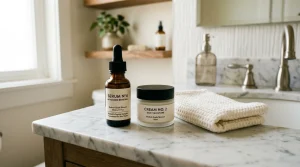
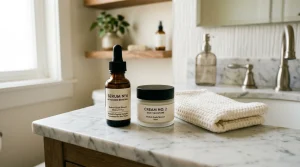
Many people wonder if a toner can replace a cleanser in their skincare routine. While toners offer benefits like prime the skin for better absorption of products and help remove residual impurities, they aren’t designed to cleanse your skin thoroughly. Using toner as a cleanser can leave behind dirt and oil, potentially leading to breakouts or irritation. Understanding the distinct roles of each product is essential for achieving healthy skin. Stay with us as we explore why relying on toner alone is not the best choice for cleansing, and what you should consider instead for optimal skin health.
What’s the Difference Between Toner and Cleanser?
To truly understand how to care for your skin, it’s crucial to differentiate between toners and cleansers, as each serves distinct roles in your skincare routine. Cleansers are designed primarily to remove dirt, oil, makeup, and impurities from the skin’s surface. Their formulations vary-some are gel-based, others creamy or oily, catering to different skin types and preferences. For instance, if your skin is oily, a foaming cleanser might suit you best, while cream cleansers work wonders for dry skin by adding moisture during the cleansing process.
On the other hand, toners are often misunderstood. They’re not intended to replace cleansers; rather, they complement them. Toners help restore the skin’s natural pH balance after cleansing, which is essential for maintaining skin health. Many toners also include additional beneficial ingredients that can hydrate, soothe, or exfoliate the skin lightly.
Key Differences:
- Purpose: Cleansers remove impurities; toners prepare the skin for further products.
- Formulation: Cleansers can be gel, foam, or cream; toners are typically liquid.
- Function in Routine: Cleansers are the first step, while toners come after cleansing.
In summary, while both products are vital for effective skincare, using a toner as a replacement for a cleanser can leave your skin feeling unclean and potentially cause issues over time. It’s better to use them in conjunction to achieve balanced, healthy skin.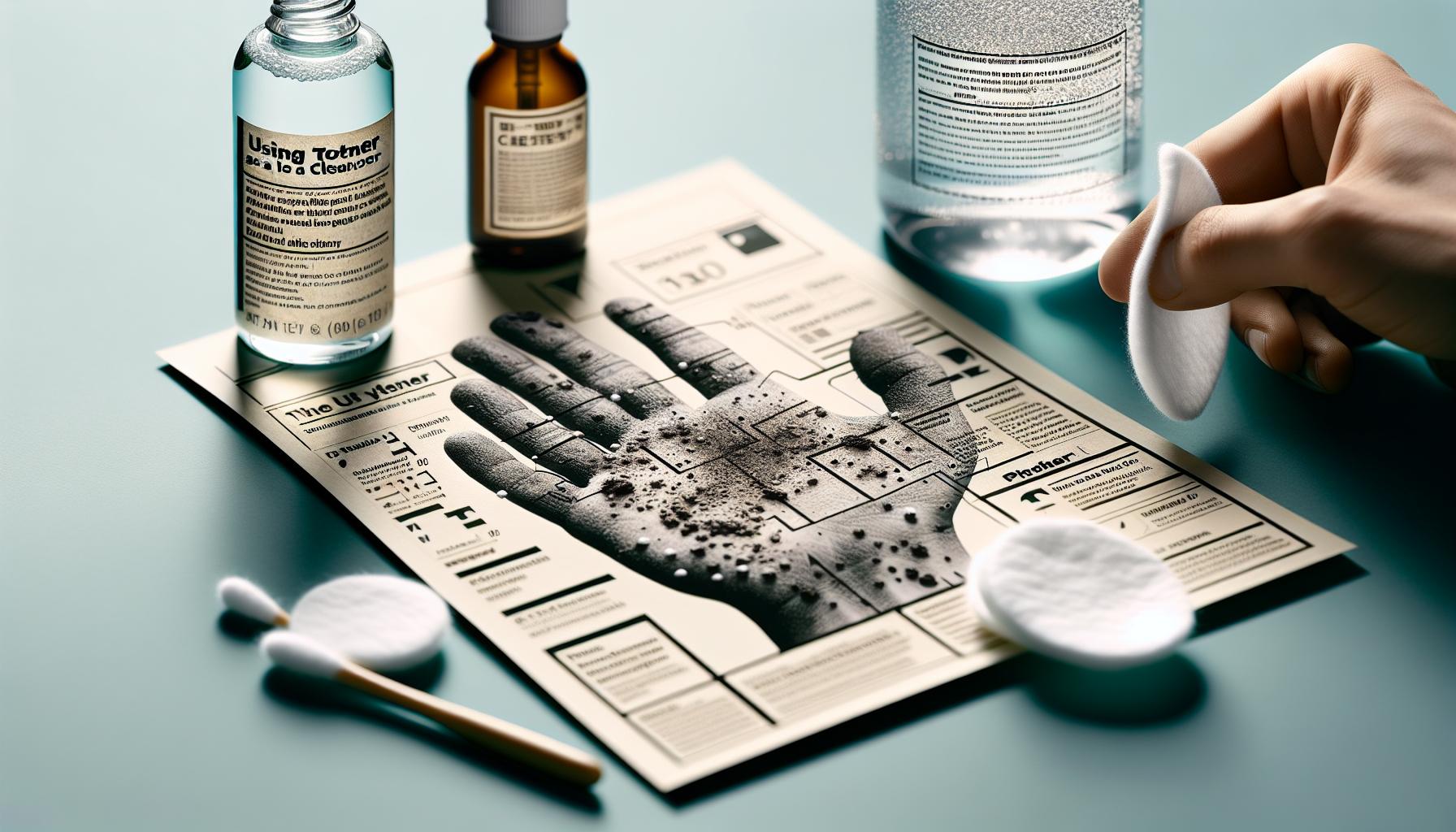
Why Using Toner as a Cleanser Can Backfire
Using toner as a substitute for cleanser might seem like a time-saving hack in your skincare routine, but it can lead to less-than-ideal outcomes for your skin. While toners are designed to complement cleansers by restoring pH balance and preparing the skin for subsequent treatments, relying solely on them for cleansing can leave residues and impurities behind. This is particularly concerning for those with makeup, sunscreen, or even sweat that require diligent removal.
When you skip a proper cleanser, you may be exposing your skin to clogged pores, breakouts, and a dull complexion. Cleansers are formulated to break down oils and makeup, something toners are not designed to do. Even gentle and hydrating facial cleansers can lift dirt and impurities more effectively than a toner ever could. For instance, imagine finishing your skincare routine and still having traces of foundation stuck to your pores; this can lead to issues over time, such as increased acne or irritation.
Moreover, many toners contain astringent properties meant to brighten the skin and minimize the appearance of pores, which can be irritating if used without first properly cleansing the skin. For those with sensitive or dry skin, this misuse can cause excess dryness, stinging, or redness. In short, while toners play an important role in your regimen, they should never replace the fundamental step of cleansing; instead, use a quality cleanser to start with a fresh base before layering in your toner for best results.
The Science Behind Your Skin’s pH Balance
Understanding the pH balance of your skin is essential for maintaining its health and overall appearance. The skin’s natural pH typically hovers around 4.5 to 5.5, categorizing it as mildly acidic. This acidity acts as a barrier, helping to protect against harmful bacteria and environmental toxins while supporting the skin’s moisture retention. When you introduce products into your routine-especially cleansers and toners-it’s crucial to consider how they impact this delicate balance.
Cleansers usually have a higher pH, which can disrupt the skin’s natural acidity if they are too alkaline. If your cleanser throws this balance off, you may notice issues such as dryness, irritation, or increased sensitivity. On the flip side, toners are formulated to be acidic, often containing agents like alpha hydroxy acids or witch hazel that help restore the skin’s pH after cleansing. Using toner as a cleanser could compromise its ability to perform this function, leaving your skin more vulnerable.
Imagine washing your face with a cleanser that disrupts this balance. Your skin may respond by producing excess oil, leading to clogged pores and potential breakouts. A well-formulated toner can help mitigate these effects, but it should be used after a proper cleansing step, not as a replacement. Restoring the pH balance with a toner puts your skin in the ideal state to absorb subsequent products, such as serums or moisturizers, enhancing their efficacy.
Incorporating both a suitable cleanser and toner into your skincare routine allows you to maintain that critical pH balance and address specific skin concerns effectively. By doing so, you empower your skin to function optimally, helping it maintain its protective barrier and overall health.
When to Use Toner in Your Skincare Routine
Using a toner in your skincare routine is more than just a step; it can significantly enhance the health and appearance of your skin. However, timing matters just as much as the products you choose. The optimal moment to apply toner is directly after cleansing your face. This is because toner helps restore your skin’s natural pH balance, which may be disrupted by many cleansers-especially those that are too alkaline.
After washing your face, it’s ideal to use toner while your skin is still slightly damp. This allows the toner to penetrate deeper, delivering its active ingredients effectively. You can apply toner using a cotton pad, gently sweeping it across your face and neck. Alternatively, if you’re using a spray toner, simply mist it on and allow it to air dry or pat it in. This routine not only prepares your skin for further products like serums and moisturizers but also adds a layer of hydration, making your skin feel refreshed.
Understanding the frequency of toner application is also essential; generally, using toner twice a day-morning and evening-works well for most skin types. However, if you have particularly sensitive skin or if your toner contains strong exfoliating acids, you might consider using it once daily or only a few times a week to assess your skin’s tolerance.
Ultimately, incorporating toner at the right moment helps to set the stage for your subsequent skincare steps, ensuring that your skin is conditioned, balanced, and ready to absorb all the benefits of your other products.
The Benefits of Using a Proper Cleanser
Using the right cleanser is essential for maintaining a healthy, balanced complexion. Cleansers are specifically formulated to remove dirt, makeup, excess oil, and impurities from the skin’s surface, providing a clean foundation for your skincare routine. Unlike toners, which offer secondary benefits, a proper cleanser addresses the primary need for thorough cleansing.
When you wash your face with an appropriate cleanser, the formula is designed to lift and wash away debris without stripping away your skin’s natural moisture. This is crucial because your skin’s barrier needs to stay intact to prevent dryness and irritation. For instance, a gentle foaming cleanser can effectively remove makeup and oils while still being kind to your skin, ensuring it feels refreshed and not tight.
Highly effective cleansers also contain ingredients that can cater to specific skin concerns. For example, those with acne-prone skin might benefit from a cleanser containing salicylic acid, which helps to clear pores and reduce breakouts. Conversely, individuals with dry skin may opt for cream-based cleansers infused with hydrating ingredients like glycerin or hyaluronic acid.
Incorporating a proper cleanser into your regimen sets the stage for the rest of your skincare. When your skin is free of impurities, it can better absorb serums, moisturizers, and other treatment products you apply afterward. By prioritizing your cleansing step, you maximize the effectiveness of your skincare routine, paving the way for a healthier, glowing complexion. Remember that the right cleanser can make a world of difference, so consider your skin type and concerns to find a product that truly works for you.
Common Misconceptions About Toners and Cleansers
Many people believe that toners can substitute cleansers, but this misconception can lead to disappointment and skin issues. A common assumption is that a toner, especially if it feels refreshing, accomplishes the same task as a cleanser. The reality is that cleansers are specifically formulated to remove dirt, oil, and makeup thoroughly from the skin’s surface, which toners are not designed to do. Using a toner in place of a cleanser can leave behind remnants of impurities, potentially clogs pores, and lead to breakouts or irritation.
Another misconception is that toners are merely for those with oily skin types. While some toners do help to control oil and minimize shine, many formulations exist for various skin types, including hydrating toners for dry skin or soothing options for sensitive skin. Understanding your skin type is crucial in selecting the right product. If you lean on toner too heavily as your main form of cleansing, you may miss out on the benefits of dedicated products that target your specific skin concerns.
It’s also important to note that toners have their own role in your skincare routine, primarily as a supplemental product after cleansing. They can help balance pH, enhance hydration, and prep the skin for subsequent treatments. However, this doesn’t mean they should replace cleansers. By clearly defining the roles of each product, you can create a more effective skincare regimen that works harmoniously to maintain your skin’s health and clarity.
In summary, while toners serve valuable functions in skincare, they shouldn’t be viewed as alternatives to cleansers. Educating yourself on the proper uses of each product can help clarify your skincare routine and ultimately lead to healthier skin.
The Best Ways to Incorporate Toner in Skincare
Incorporating toner into your skincare routine can elevate your skin’s health and appearance when done correctly. Rather than viewing toner as a substitute for a cleanser, think of it as a valuable enhancement that works best when used after cleansing. This approach allows you to maximize the benefits of both products, giving your skin a refreshed and balanced feel.
To start, use toner immediately after you cleanse your face. This helps remove any lingering impurities that a cleanser might miss and prepares your skin for the products you’ll apply next, like serums and moisturizers. When applying toner, opt for a gentle method: soak a cotton pad with the toner and swipe it over your face, or for a more sustainable approach, use your clean hands to pat it into your skin. This tactile method increases absorption and allows for a more thorough application.
Choosing the right toner for your skin type is crucial. For oily or acne-prone skin, look for a toner with ingredients like salicylic acid or witch hazel to help control oil and minimize pores. For dry or sensitive skin, hydrating toners with hyaluronic acid or rose water can provide soothing benefits without stripping your skin. Also, consider the season; lighter toners may work better in the summer, while richer formulas could be ideal for winter months when your skin tends to be drier.
Lastly, remember that moderation is key. Using toner once or twice daily is generally sufficient. Overuse can lead to irritation, defeating the purpose of this step. After incorporating toner into your routine, monitor how your skin responds and adjust the frequency or type of toner used accordingly. Listening to your skin’s needs will help you find the right balance and ensure a healthy, glowing complexion.
Choosing the Right Products for Your Skin Type
When it comes to skincare, selecting the right products based on your skin type is paramount for achieving that ideal glow. Using toner as a makeshift cleanser is often a tempting option, but it can lead to imbalances and irritation if the product isn’t suited to your skin’s unique needs. Understanding your skin type and how it responds to different ingredients can guide you in choosing the most effective toner.
For those with oily or acne-prone skin, look for toners that contain active ingredients such as salicylic acid or witch hazel. These components help to reduce excess oil and unclog pores, minimizing the likelihood of breakouts. A toner with astringent properties can also assist in tightening pores and controlling shine throughout the day. It’s best to apply such toners after cleansing to prepare your skin for further treatment without stripping it of essential moisture.
If your skin tends to be dry or sensitive, opt for hydrating toners packed with ingredients like hyaluronic acid or rose water. These toners provide a soothing touch without the drying effects found in some formulations. They can help replenish moisture and maintain your skin’s natural barrier, making them perfect for post-cleansing routines. Remember, the key here is to hydrate and calm your skin, preparing it for the next steps in your skincare routine.
For a balanced approach, consider how the seasons affect your skin. During summer months, you might find that a lighter toner feels refreshing, while in winter, a richer toner can alleviate the dryness that often accompanies colder weather. This seasonal adjustment ensures that your skin gets the hydration and support it needs year-round.
In summary, correctly identifying your skin type and understanding what ingredients will benefit it can significantly enhance your skincare routine. Avoid using toner in place of a cleanser; instead, view it as a complementary product that enhances cleansing. This approach not only maximizes the effectiveness of your products but also leads to healthier, more radiant skin.
Signs You’re Using the Wrong Products
Using the right products for your skin can feel like navigating a maze; you want to find the perfect fit, but sometimes you end up with items that just don’t work. One clear sign that you’re not using the right products is if your skin constantly feels irritated or reacts negatively. This might manifest as redness, stinging, or excessive dryness after applying your toner or cleanser. If you’re experiencing any of these symptoms, it’s crucial to reevaluate your choices. For instance, if you have sensitive skin, a toner with harsh acids might be causing irritation, while a hydrating toner could eliminate discomfort.
Another common indication is the presence of breakouts or persistent acne. If you’re using a toner that promises to fight oil but your skin remains oily or breaks out more frequently, it’s likely a mismatch for your skin type. Consider switching to a gentle, alcohol-free formula that contains soothing ingredients like chamomile or aloe vera, which can help balance oil production without stripping your skin of its natural moisture.
You might also notice that your skin feels tight or dry after cleansing. This often signals that your products are too harsh or not suited to your skin’s needs. For example, if you have dry skin and are using a toner intended for oily skin, you may find your skin’s natural barrier compromised. Opting for a hydrating toner rich in ingredients like hyaluronic acid or glycerin can help restore moisture without overwhelming your skin.
Finally, if your makeup doesn’t apply smoothly or your skin feels rough or uneven, it might point to product incompatibility. A pH-balanced toner can help prime your skin for the application of foundation and other cosmetics. If you find that your skin texture hasn’t improved despite a diligent skincare routine, it may be time for a product overhaul. Always remember to adjust your skincare regimen according to the specific needs of your skin type, and don’t hesitate to consult a dermatologist for personalized recommendations.
In summary, be on the lookout for signs like irritation, breakouts, dryness, and texture issues. Recognizing these symptoms is your first step toward achieving healthier, more radiant skin. Trust your instincts and prioritize your skin’s well-being in every choice you make!
Expert Tips for Optimal Skin Health
Using a toner as a cleanser might seem like a clever shortcut, but in reality, it can disrupt your skin’s balance and lead to more problems than it solves. Here are some straightforward tips to help you maintain optimal skin health, especially when it comes to choosing the right cleansing and toning products.
First and foremost, always use a proper cleanser tailored to your skin type. This ensures that your skin is thoroughly cleansed without being stripped of its natural oils. For oily or acne-prone skin, look for gel or foaming cleansers that contain salicylic acid to help clear pores. If you have dry or sensitive skin, opt for cream or oil-based cleansers that provide hydration while cleansing. After cleansing, a toner serves as an excellent second step to further enhance your routine by refining pores and balancing your skin’s pH.
Another important aspect is to be mindful of ingredient labels. Avoid toners that contain high levels of alcohol or astringents, as these can dry out your skin and lead to irritation. Instead, look for hydrating ingredients like witch hazel, rose water, or aloe vera. These will help soothe and refresh your skin without compromising its moisture barrier.
Don’t forget to include sun protection in your regimen! After applying toner, it’s essential to follow up with a moisturizer and a broad-spectrum sunscreen during the day. SPF not only protects your skin from UV rays but also prevents premature aging and maintains your skin’s overall texture.
Finally, allow your skin the time to adapt to new products. When introducing a new toner or cleanser, use it consistently for a few weeks to determine how your skin reacts. Initial redness or dryness may occur, but persistent irritation is a sign that the product isn’t right for you. Feel free to experiment and adjust your routine based on how your skin responds; after all, skincare isn’t one-size-fits-all!
Implementing these expert tips can significantly enhance your skin health, ensuring your routine is effective, safe, and aligned with your unique skin needs. Remember, the right products and practices can lead to a clearer, more radiant complexion.
DIY Cleansing vs. Store-Bought Solutions
When it comes to cleansing your skin, the choice between DIY solutions and store-bought products can be daunting. While homemade cleansers may seem appealing due to their natural ingredients and cost-effectiveness, they often lack the precise formulation needed for effective skincare. It’s important to understand how each option can impact your skin health and why a proper cleanser is essential in your routine.
DIY cleansing solutions may include items like honey, coconut oil, or oatmeal, which can provide mild cleansing benefits. For example, mixing honey with a bit of lemon juice can yield a gentle exfoliating scrub. However, these solutions often do not contain the active ingredients found in commercial cleansers that target specific skin concerns, such as acne, dryness, or sensitivity. Moreover, inconsistently measuring ingredients can lead to inconsistency in results, as homemade mixtures may not adequately remove impurities or makeup, leaving your skin vulnerable to breakouts or irritation.
On the other hand, store-bought cleansers are formulated with precise ingredients designed to address various skin types and conditions. For instance, a gel cleanser containing salicylic acid can effectively penetrate pores to combat acne, while a cream cleanser with hyaluronic acid provides hydration for dry skin. These formulations are tested for safety and efficacy, often providing additional benefits like pH balance and inflammation reduction-all aimed at nurturing your skin.
Why Choose Store-Bought Solutions?
Using a proper store-bought cleanser tailored to your skin type not only ensures enhanced cleansing but also works synergistically with other products in your skincare routine. For best results, follow this simple guide to selecting the right product:
- For Oily or Acne-Prone Skin: Look for ingredients like salicylic acid or tea tree oil to help control excess oil and prevent breakouts.
- For Dry or Sensitive Skin: Choose cream-based cleansers with hydrating properties, such as aloe vera or glycerin, to maintain moisture.
- For Combination Skin: Opt for lightweight foaming cleansers that can remove impurities without leaving skin feeling tight.
Ultimately, while DIY cleansing methods can be fun and occasionally beneficial, they are often not a substitute for a well-formulated store-bought cleanser. For optimal skin health, invest in quality skincare products that cater to your specific needs and effectively prepare your skin for the toning and moisturizing steps that follow. Prioritizing this aspect of your skincare routine will lead to a cleaner, more radiant complexion and fewer concerns down the line.
How to Build an Effective Skincare Regimen
Building an effective skincare regimen starts with understanding the essential steps and products your skin needs, particularly when considering the roles of cleansers and toners. Imagine your skin as a canvas; just like an artist prepares their canvas before creating a masterpiece, you want to ensure your skin is clean, balanced, and nourished. This preparation not only enhances your skin’s overall health but also maximizes the effectiveness of your products, including toners and moisturizers.
To begin, establish a cleansing routine. Choose a cleanser tailored to your skin type-whether it’s a gel for oily skin or a cream for dry skin. Use it twice daily: once in the morning to cleanse away overnight impurities and once at night to remove makeup and dirt accumulated throughout the day. Apply a dime-sized amount onto damp skin and gently massage using circular motions for about 30 seconds before rinsing thoroughly. This step is crucial in removing excess oils and environmental pollutants, setting your skin up for the next phase of your regimen.
After cleansing, it’s time to apply toner. Although some may think that toner can replace a good cleanser, it’s essential to understand that toners serve a different purpose. They help to restore the skin’s pH balance, tighten pores, and enhance the absorption of other skincare products. Apply toner using a cotton pad or your fingertips, gently patting it into the skin. This process not only refreshes the skin but also prepares it to absorb subsequent products like serums and moisturizers more effectively.
Following your toner, consider incorporating serums or treatments that target specific skin concerns. For instance, if you’re dealing with pigmentation, a vitamin C serum can enlighten your complexion. Finish off with a proper moisturizer suitable for your skin type-this will lock in hydration and provide a protective barrier. For daytime, don’t forget to apply a broad-spectrum SPF as your final step to shield your skin from harmful UV rays.
Remember, consistency is key. Adhering to this regimen daily can lead to healthier, more resilient skin over time. Also, be sure to evaluate your skin periodically. As seasons change or as your skin needs evolve, so should your products. By understanding the specific functions of your skincare products and applying them in the right order, you can significantly improve your skin’s health and appearance.
Faq
Q: Can toner be used as a cleanser?
A: No, toner should not be used as a cleanser. Toner is designed to refine pores and restore pH balance after cleansing. Using it in place of a proper cleanser can leave impurities on the skin, potentially leading to breakouts and irritation.
Q: What happens if I use toner instead of cleanser?
A: Using toner instead of a cleanser can result in residual makeup, dirt, and oil remaining on the skin. This can clog pores, disrupt your skin’s natural barrier, and cause acne or other skin issues.
Q: Why is it important to use a proper cleanser?
A: A proper cleanser effectively removes makeup, dirt, and excess oil, which is crucial for maintaining skin health. It prepares the skin for subsequent products, like toner and moisturizer, allowing them to work more effectively.
Q: How should I incorporate toner into my skincare routine?
A: Use toner after cleansing your face. Apply it to a cotton pad and gently sweep it across your skin, or pat it in with your hands. This will help to balance your skin’s pH and prepare it for serums and moisturizers.
Q: Can using toner cause skin irritation?
A: Yes, using toner can cause irritation if it contains alcohol or harsh astringents. It’s vital to choose a toner suited for your skin type, particularly if you have sensitive or dry skin.
Q: Are there any benefits to using toner?
A: Yes, toner can hydrate your skin, minimize the appearance of pores, and provide additional cleanse by removing any leftover impurities after washing. It can also enhance the absorption of other skincare products.
Q: How do I choose the right toner for my skin type?
A: Choose a toner based on your skin’s needs: hydrating toners with glycerin for dry skin, alcohol-free astringents for oily skin, and calming toners with rose or chamomile for sensitive skin. Always check the ingredients label to ensure compatibility.
Q: When should I not use toner?
A: Avoid using toner if you have extremely dry or sensitive skin, as it may exacerbate irritation and dryness. Instead, focus on gentle hydrating products that maintain your skin’s moisture balance.
Closing Remarks
In summary, while toners have their benefits, using them as a cleanser is a common misunderstanding that can lead to less effective skincare routines. Remember, a dedicated cleanser provides crucial cleansing action that toners simply can’t match. If you’re looking for the perfect way to balance your skincare routine, check out our articles on “Best Cleansing Techniques” and “How to Choose the Right Toner for Your Skin Type.”
Don’t miss out on keeping your skin healthy and glowing-explore our comprehensive guides for tips tailored to your skincare needs. If you have any questions or experiences to share about your toner and cleanser journey, leave us a comment below! Your feedback helps us create even better content to assist everyone in their beauty routines. Stay tuned for more insights, and remember, the right skincare choices can transform your daily routine into a delightful experience!
Get our latest guides, news, and insights highlighted in your Google Search & AI Overviews.