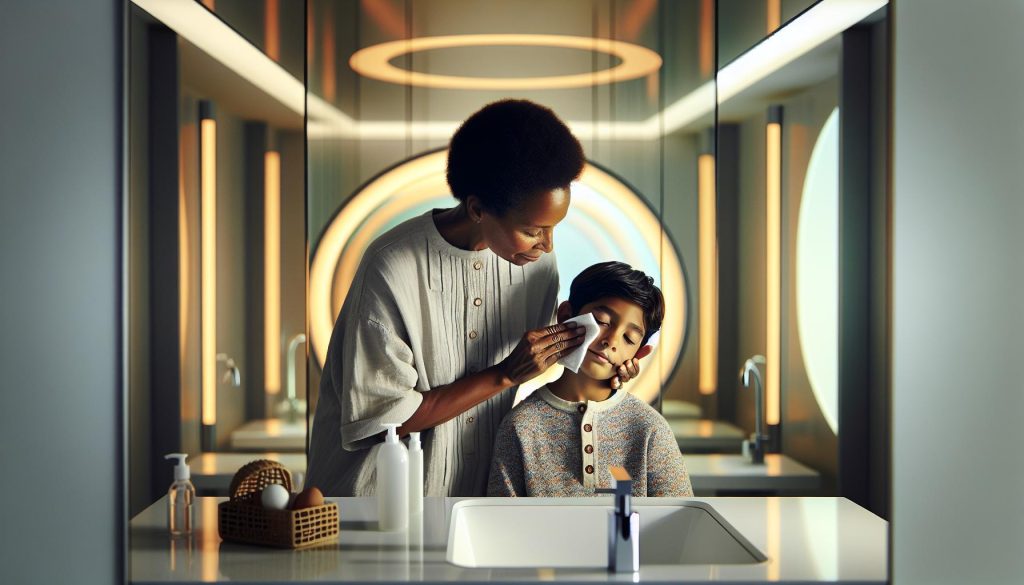
Removing 24-hour makeup from a child’s face is vital for their skin health and comfort, yet it can feel daunting for parents. Kids often don’t enjoy the process, leading to resistance that can make it even tougher. However, understanding how to gently and effectively remove makeup can protect their delicate skin from irritation and breakouts. In this guide, we’ll explore safe methods and tips to make this cleansing ritual easier and more enjoyable for both of you. Say goodbye to stubborn makeup and hello to fresh, happy skin! Keep reading to learn simple, effective techniques that work wonders without all the fuss.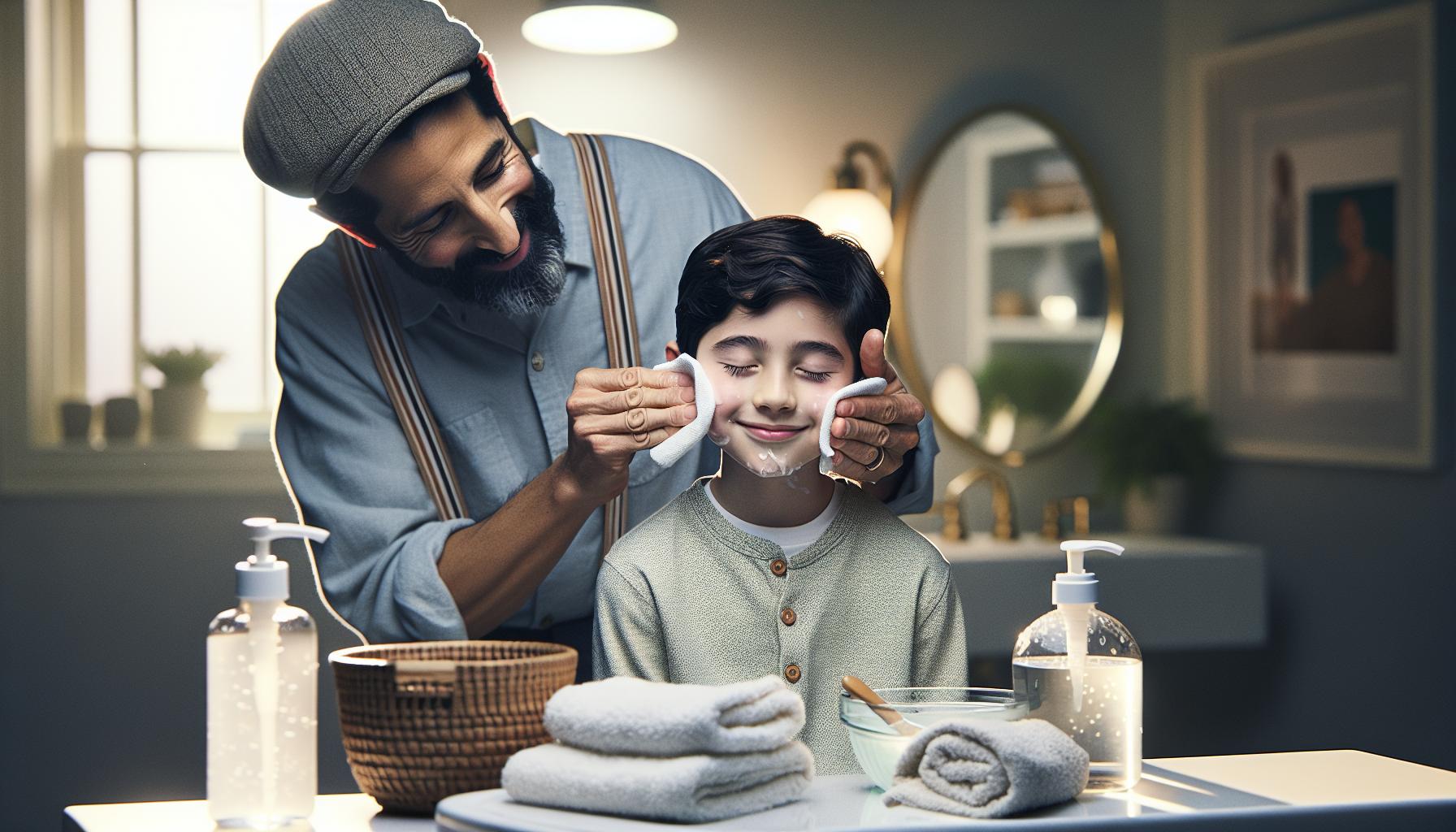
Understanding the Risks of 24-Hour Makeup on Kids
Applying makeup designed for all-day wear on kids can pose significant health risks, primarily due to the sensitive nature of young skin. Children’s skin is thinner and more porous than adult skin, which means it can absorb products more easily, making them susceptible to irritation and allergic reactions. Prolonged exposure to makeup-especially products that are not specifically formulated for children-can lead to clogged pores, acne, and a range of dermatological issues.
Among the concerning ingredients commonly found in adult makeup are harsh chemicals, fragrances, and parabens, which can trigger reactions in children. Skin irritation can manifest as redness, itching, or rashes, which are not only uncomfortable for kids but can also lead to more serious conditions if left untreated. Moreover, leaving makeup on for extended periods can disrupt the skin’s natural barrier, leading to dryness and increased sensitivity. It’s important for parents to be aware of these potential risks and take proactive steps to ensure their child’s skin remains healthy and protected.
To mitigate these risks, consider opting for makeup products that are specifically labeled as hypoallergenic or designed for children’s use. These products typically contain gentler ingredients and undergo rigorous testing to minimize adverse reactions. Setting strict guidelines around how long makeup can be worn, along with regular checks throughout the day, can help maintain skin safety. Encouraging kids to embrace their natural beauty while teaching them about proper skincare routines also fosters healthy habits and prevents reliance on makeup at a young age.
Gentle Ingredients for Safe Makeup Removal
The delicate skin of children requires special attention, especially when it comes to removing makeup designed for all-day wear. Choosing the right products can prevent irritation and maintain skin health. Look for gentle ingredients that are effective yet kind to sensitive skin. For instance, natural oils like coconut or almond oil can break down makeup without harsh scrubbing. These oils not only lift away products but also provide nourishment, leaving the skin moisturized.
Additionally, micellar water is a fantastic option that consists of tiny oil molecules suspended in soft water. It efficiently removes makeup while being gentle enough for a child’s sensitive complexion. When selecting micellar water, ensure it’s free from alcohol, parabens, and synthetic fragrances. Even natural baby wipes can serve as a safe choice for a quick cleanse without the need for rigorous scrubbing, but always check the ingredient list to select those without irritating substances.
Avoid products containing alcohol or sulfates, as these can strip the skin of its natural oils, leading to dryness and irritation. Instead, opt for formulations labeled as hypoallergenic or fragrance-free, which are less likely to cause allergic reactions. And remember, always perform a patch test on a small area of skin before using a new product more widely to gauge any potential sensitivities.
Integrating these gentle products into a daily routine can not only facilitate safe makeup removal but also foster healthy skin practices from a young age. Encourage your child to understand the importance of loving their natural skin, while also nurturing it with the right care. When removing makeup becomes a nurturing ritual rather than a chore, it sets the stage for a greater appreciation of skin health.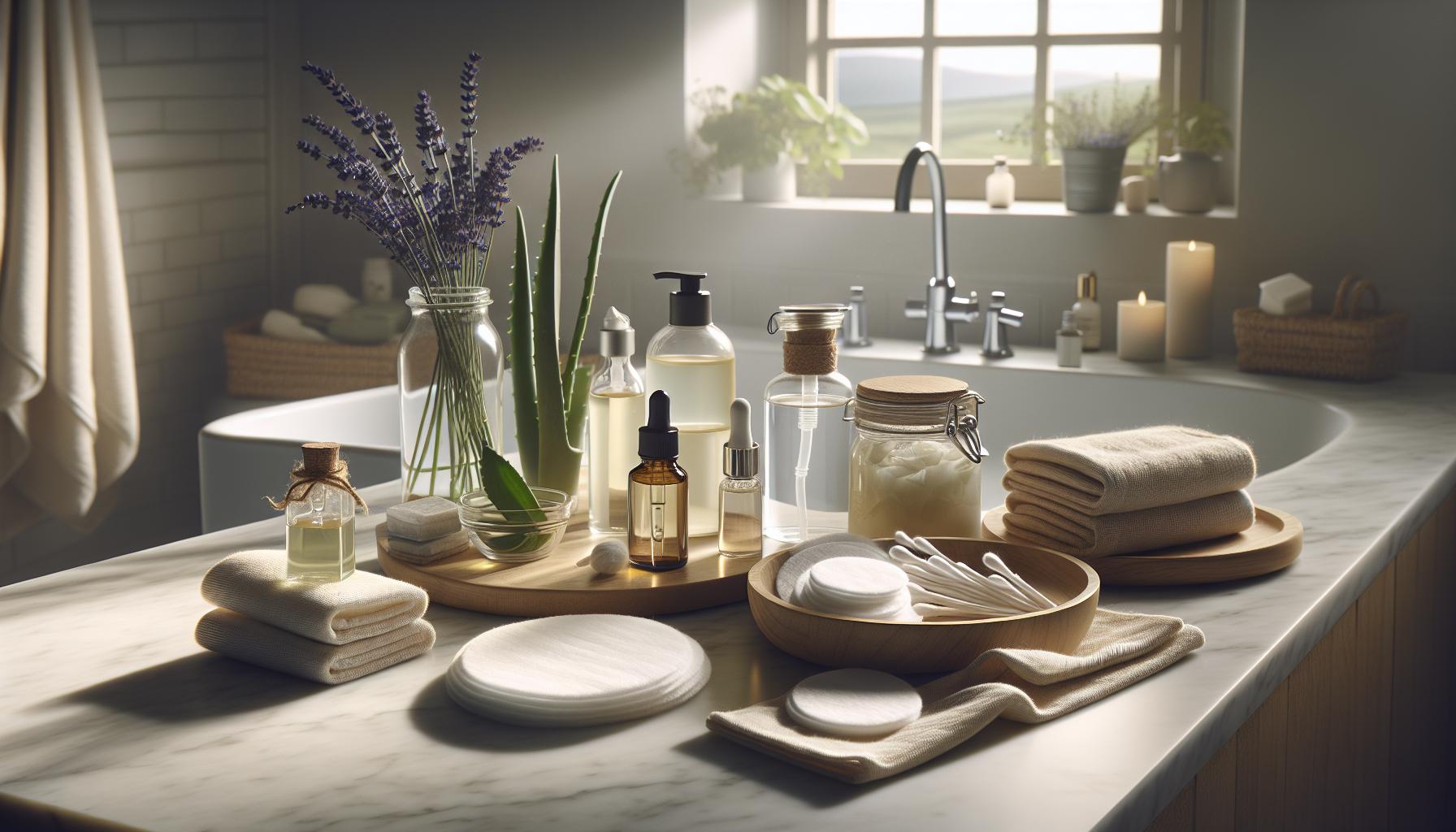
Step-by-Step Guide to Removing Makeup
To effectively remove 24-hour makeup from a child’s face, it’s essential to follow a careful approach that respects their delicate skin. Many cosmetic products designed for long wear can be tough to remove, so using the right techniques and products is crucial. Here’s a simple step-by-step guide that anyone can follow, making this task smoother and more enjoyable for both parent and child.
Start by choosing the right makeup remover, ideally something gentle and child-safe. Micellar water is a fantastic option; it contains tiny molecules that attract and lift makeup away from the skin without harsh scrubbing. Alternatively, natural oils like coconut or almond oil can break down makeup and hydrate the skin simultaneously.
Once you have your product ready, here’s how to proceed:
- Prepare the Skin: Begin by ensuring the child’s face is dry. If needed, splash a little water to dampen the skin without soaking it.
- Apply the Remover: Take a cotton pad or a soft cloth and apply a small amount of your chosen makeup remover-about a dime-sized amount is sufficient.
- Gentle Motions: With the remover-soaked pad, gently wipe the face. Use soft, circular motions to allow the product to dissolve the makeup, spending a few seconds on areas with heavier makeup, like the eyes and lips. It’s crucial to avoid pulling or tugging at the skin.
- Rinse Thoroughly: After most of the makeup is gone, rinse the face with lukewarm water. This helps remove any remaining product and refreshes the skin.
- Double Cleanse if Necessary: If there are still traces of makeup, repeat the process. For stubborn areas, particularly around the eyes, a bit of extra time may be needed, focusing on gentle, careful strokes.
- Moisturize: Finish by applying a gentle moisturizer suitable for a child’s sensitive skin to keep it hydrated and protected.
This method not only clears makeup effectively but also ensures that the child’s skin remains healthy and nourished. Remember to always approach makeup removal as a soothing ritual. Making it fun-like choosing a favorite song to sing together during the process-can ease potential fussiness. By following these steps, you can promote a positive attitude towards skincare from an early age, setting a solid foundation for healthy habits.
Tools You Need for Effective Removal
To remove that stubborn 24-hour makeup from a child’s face safely and effectively, having the right tools on hand is essential. Just like a painter needs the perfect brushes, you need specific items that are gentle and child-friendly. This makes the process not only easier but also helps promote a positive skincare routine.
Start with soft cotton pads or washcloths. These gentle materials won’t irritate your child’s delicate skin and are perfect for applying makeup remover with care. Look for cotton pads that are plush and thick, as they can hold more liquid without tearing. Additionally, using a washcloth that’s clean and soft can help avoid any rough textures that might cause discomfort.
Next, consider a top-quality makeup remover. For children, opt for products specifically formulated for sensitive skin, such as micellar water or gentle cleansing oils. Micellar water is ideal as it utilizes tiny molecules that lift makeup without needing harsh scrubbing. Make sure the product is free of alcohol and fragrances to minimize the risk of irritation. A gentle oil like coconut oil or almond oil can also double as a moisturizer, hydrating the skin while breaking down makeup effectively.
Lastly, it’s wise to have a moisturizer ready after cleansing. A child-safe, hypoallergenic moisturizer helps keep the skin hydrated and soft. Look for formulas that are free of artificial colors and parabens. Keeping these tools in your beauty kit will empower you to tackle makeup removal effortlessly while ensuring that your child’s skin remains healthy and protected.
How to Remove Makeup Without Irritating Skin
To ensure a smooth and irritation-free experience when removing stubborn 24-hour makeup from your child’s delicate skin, it’s essential to take a gentle approach. Kids’ skin is usually more sensitive and can react negatively to harsh products or aggressive techniques. By following these straightforward strategies, you can help maintain your child’s skin health while effectively removing makeup.
Start by soaking a soft cotton pad or washcloth in a gentle, alcohol-free makeup remover. Micellar water, known for its soothing properties, is particularly effective because it draws out the makeup without requiring any scrubbing. Coconut oil is another excellent choice; it not only breaks down resistant makeup but also hydrates the skin. Gently press the pad against the skin for a few moments-this helps dissolve the makeup-before wiping it away with light, sweeping motions. Avoid rubbing or pulling at the skin to minimize discomfort.
After the initial removal, you can follow up with a mild cleansing gel designed for sensitive skin. When applying the cleanser, use your fingertips to create a gentle lather, focusing on areas where makeup tends to linger, like around the eyes and mouth. Rinse thoroughly with lukewarm water to ensure no residue remains. Be cautious not to let water run into your child’s eyes, as even gentle cleansers can be irritating if they get into the eyes.
Finally, always finish your routine by applying a hypoallergenic moisturizer suitable for children. This step not only replenishes lost moisture but also acts as a barrier against potential irritants. A good moisturizer can soothe any possible redness or tightness, leaving the skin soft and nourished. By incorporating these gentle techniques, you’re not only cleaning your child’s face but also teaching them the value of caring for their skin from an early age.
Natural Alternatives for Child-Safe Makeup Removal
When it comes to removing stubborn 24-hour makeup from your child’s face, natural alternatives are both effective and gentle on their delicate skin. Many commercially available makeup removers can contain harsh chemicals, which are often unsuitable for sensitive skin. Instead, turning to everyday natural ingredients can provide a safe and soothing solution.
One of the top choices for child-safe makeup removal is coconut oil. This versatile oil not only breaks down even the most resistant makeup but also moisturizes the skin in the process. To use, simply apply a small amount (about a teaspoon) of coconut oil onto your fingertips and gently massage it onto your child’s face in circular motions for about 30 seconds. Wipe away the oil and makeup with a soft, damp washcloth, which can be rinsed and repeated if necessary.
Another excellent option is aloe vera gel. Known for its calming properties, aloe vera can help soothe any irritation while being light enough for young skin. After applying a small amount to the face, let it sit for a couple of minutes to dissolve the makeup before gently wiping it away with a cotton pad.
Honey is also remarkable for its natural antibacterial properties. Mix a teaspoon of raw honey with a bit of warm water to create a gel-like texture. Spread this mixture over the areas with makeup, allow it to sit for a minute, then gently rinse it off. This not only removes makeup but also nourishes the skin.
Furthermore, using a combination of olive oil and water can make an effective homemade remover. Mix equal parts of olive oil and warm water in a small bowl. Dampen a cotton pad with this mixture and gently wipe away the makeup. Olive oil is incredibly moisturizing, ensuring that your child’s skin doesn’t feel dry after the removal process.
While these natural alternatives can be highly effective, always remember to patch test any new ingredient on a small area of your child’s skin to ensure there are no adverse reactions. By using these gentle, nurturing methods, you can avoid irritation while effectively removing makeup, fostering a healthy skincare routine from an early age.
Tips for Preventing Skin Reactions
When it comes to caring for your child’s sensitive skin, preventing reactions to makeup is key. Makeup can sometimes contain irritants or allergens, so taking a few proactive steps can help keep their skin healthy and irritation-free. One essential tip is to always choose products specifically designed for children or labeled as hypoallergenic. These formulations are often gentler and free from harsh chemicals, which are particularly important for delicate skin.
Regularly patch testing new products is another best practice. Apply a small amount to an inconspicuous area of your child’s skin, such as behind the ear or on the inner arm, and wait 24 hours to check for any signs of redness or irritation. This simple step can save you from potential rashes or allergic reactions. Furthermore, establishing a consistent skincare routine can help strengthen your child’s skin barrier. Cleansing with mild, fragrance-free soap and moisturizing after makeup removal will keep the skin hydrated and healthy.
Pay attention to how your child’s skin reacts over time. Signs like redness, itchiness, or dryness after using a particular makeup product can indicate a sensitivity or rash. If you notice any discomfort or irritation, discontinue use immediately and consult a dermatologist for advice. Lastly, always encourage your child to keep their hands clean and avoid touching their face throughout the day, as dirt and bacteria can provoke unwanted reactions when they combine with makeup products.
By thoughtfully selecting products, patch testing, maintaining a skincare routine, and observing your child’s skin, you can effectively minimize the risk of adverse reactions to makeup. This proactive approach not only ensures a fun and safe beauty experience for your child but also fosters healthy skin habits that will last a lifetime.
Teaching Your Kid the Importance of Skin Care
Caring for one’s skin isn’t just a choice; it’s a lifelong habit that starts early. Instilling an understanding of the importance of skin care in your child can set them on the path to healthy habits that promote not just great-looking skin, but overall wellness too. Children learn best through example, so when you demonstrate a consistent skincare routine, they’re more likely to adopt your practices into their own lives.
Begin by explaining how skin serves to protect the body, like a shield from dirt and harmful elements. Share that just like brushing teeth is important for oral hygiene, cleansing and moisturizing skin is vital for keeping it healthy and vibrant. Simple, engaging lessons about skin anatomy can spark their curiosity. For instance, you could say, “Did you know your skin is the largest organ? It works hard every day to keep you safe!” Fun facts paired with your routine can make skincare more relatable and exciting.
As you guide your child through their makeup removal and skincare process, involve them in choosing products that are safe and suitable for their skin type. You can create a mini “shopping” session at home where you present different options, explaining the ingredients and their benefits. This not only educates them but empowers them to take charge of their skincare decisions. A great activity is to create a “skin care chart” together, where they can check off daily tasks such as cleansing, moisturizing, and any other routines pertinent to keeping their skin healthy, making it feel like a fun game.
Encouragement is key when teaching kids about skincare. Celebrate small successes, whether it’s consistently washing their face before bed or remembering to moisturize afterward. When they experience the benefits firsthand-like smoother skin or fewer breakouts-they’ll feel more motivated to maintain their routine. Remind them of these wins often, reinforcing that their efforts contribute to feeling good, both inside and out. By making skincare a shared journey rather than a chore, you’ll help cultivate a positive mindset about skin care that can last a lifetime.
Best Practices for Storing Makeup Products
Keeping makeup products in the right environment is key to ensuring they remain safe and effective, especially when considering the delicate skin of children. Improper storage can lead to bacterial growth, ingredient degradation, or even skin irritations. Here are some practical tips to help you store makeup products securely, creating a healthy routine for your child.
First and foremost, always store makeup in a cool, dry place. Heat and humidity can lead to the breakdown of product ingredients, particularly for items containing water-based formulas. Aim for a temperature range between 50°F and 70°F, and avoid leaving makeup in a bathroom where moisture levels can fluctuate significantly. Additionally, a closed drawer or a dedicated makeup case can help protect products from direct sunlight, which can also degrade certain ingredients.
It’s equally vital to keep products clean and organized. Use clear containers or makeup organizers to separate different product types-like creams, powders, and tools. This not only makes it easier to find what you need but also prevents contamination. For instance, always use clean brushes or applicators to avoid transferring bacteria from one product to another. Regularly check expiration dates and toss any items that show signs of spoilage, such as changes in smell, texture, or color.
Lastly, consider involving your child in the storage process. Use this as an opportunity to teach them about the importance of hygiene and the life of makeup products. Create a “makeup cabinet” where they can see and choose their products, but emphasize that it’s essential to close containers tightly and store them properly. By making these practices part of their routine, you’ll empower them to take responsibility for their products and reinforce the importance of skincare and hygiene.
Signs of Irritation to Watch For
When it comes to removing 24-hour makeup from kids’ skin, being vigilant about signs of irritation is essential. Children’s skin is generally more sensitive than adults’, making it crucial to watch out for any adverse reactions that might arise from prolonged exposure to makeup.
Key signs to observe include redness, swelling, and itching. If your child exhibits any of these symptoms, it could indicate an allergic reaction or sensitivity to one or more ingredients in the makeup. For example, if you notice that their skin becomes red and warm after application, it could be time to rethink the products being used. Additionally, persistent itching could lead to your child scratching their skin, increasing the risk of infection or further irritation.
Dry patches or flaking skin are also indicators that something isn’t working well for their delicate complexion. These symptoms often arise from makeup that contains alcohol or other harsh chemicals, which can strip moisture from the skin. If your child’s skin feels rough or appears chapped after makeup use, consider switching to gentler, hydrating formulations.
Lastly, pay attention to any unusual breakouts. While it’s common for children to experience occasional pimples, frequently developing rashes or clusters of bumps may signal that the makeup is clogging their pores or provoking a more serious reaction. If you note these signs, it’s not only essential to stop using the offending product but also to remove all makeup gently and thoroughly to give their skin a chance to heal.
To ensure your child has a safe and enjoyable experience with makeup, remain proactive and observant. This not only fosters a healthy relationship with cosmetics but also teaches them about the importance of skincare at a young age.
What to Do If Makeup Won’t Come Off
Sometimes, children’s makeup can feel like it’s cemented to their skin, especially when dealing with long-lasting formulas designed for 24-hour wear. If you find yourself in this situation, don’t fret-there are gentle yet effective strategies to safely remove stubborn makeup without damaging delicate skin.
First and foremost, try using an oil-based cleanser or makeup remover. These products work wonders by breaking down makeup components, making removal much easier. Apply a small amount to a cotton pad and gently rub it over the affected areas. Focus on one section at a time, allowing the oil to dissolve the makeup before wiping it away. This method helps to lessen friction, which can be irritating on sensitive skin.
If the makeup still lingers after the first attempt, consider using warm water with a gentle cleanser. Wet a soft washcloth with warm water and let it sit on the child’s skin for a few moments to soften the makeup. Then, apply a gentle foaming cleanser and massage in circular motions. This not only helps lift the makeup but also provides a soothing sensation for your child.
For particularly stubborn products, such as waterproof formulas, you may need to resort to micellar water. This superhero of makeup removal contains tiny cleansing molecules in water that gently lift makeup away without the need for harsh scrubbing. Use a cotton pad soaked in micellar water and hold it on the area for a few seconds before wiping away. This can significantly reduce residual makeup and is safe for daily use on sensitive skin.
If all else fails, don’t hesitate to reach out for professional help. Sometimes, the makeup may just require an extra delicate touch from a dermatologist or skincare expert, especially if irritation occurs or if there’s uncertainty about the ingredients in the makeup.
In summary, here’s a quick recap of effective strategies:
- Use an oil-based cleanser or makeup remover to dissolve the makeup.
- Apply a warm wet washcloth followed by a gentle foaming cleanser.
- Utilize micellar water for stubborn residue.
- Consult a dermatologist if irritation persists.
With a little patience and the right techniques, you can ensure that your child’s skin remains healthy and happy, free from the remnants of makeup.
When to Consult a Dermatologist
Knowing when to seek professional help can be daunting, especially when it comes to our children’s delicate skin. If after several attempts to remove stubborn makeup-like those long-wear or waterproof formulas-you notice any signs of irritation, it’s time to consult a dermatologist. This could manifest as redness, itching, or rashes that don’t improve with at-home care. Kids’ skin is especially sensitive, and the longer makeup sits on the skin, the greater the risk of adverse reactions, including acne or allergic responses.
Even if your child is not showing immediate signs of irritation, consider a visit if you suspect that the makeup contains unfamiliar or potentially harsh ingredients. Many children’s makeup products are marketed to be gentle, but their chemical compositions can vary widely. If the product label raises concerns-like a long list of unrecognizable ingredients or known irritants-looping in a skincare expert for advice on how to safely manage application and removal will provide peace of mind.
Moreover, if your child complains of discomfort, such as burning or excessive dryness after makeup removal, don’t hesitate. Persistent issues could indicate a deeper sensitivity or even a potential skin condition, which a dermatologist can help diagnose. Regular evaluations with a skincare expert can foster better habits in skincare and help mitigate any future reactions.
In summary, be proactive about your child’s skin health. Monitoring the skin’s response to makeup and erring on the side of caution can lead to better outcomes and a happier little one. When in doubt, it’s always wise to seek professional advice, ensuring that your child’s skin remains healthy and free from unnecessary irritation.
FAQ
Q: How can I safely remove makeup from my child’s sensitive skin?
A: To safely remove makeup from sensitive skin, use a gentle cleanser specifically formulated for children. Look for products with soothing ingredients like chamomile or aloe vera. Apply a small amount on a damp cotton pad and wipe gently, avoiding any harsh scrubbing. For more tips, see our section on Gentle Ingredients for Safe Makeup Removal.
Q: What are the best natural products to remove makeup from kids’ faces?
A: The best natural products for removing makeup from kids include coconut oil, olive oil, and homemade milk cleansers. These options are gentle and moisturizing, making them ideal for child safety. Always patch-test any new product first to ensure your child’s skin reacts well. For more natural alternatives, check our section on Natural Alternatives for Child-Safe Makeup Removal.
Q: Should I consult a dermatologist if my child has a makeup reaction?
A: Yes, you should consult a dermatologist if your child experiences redness, swelling, or prolonged irritation after makeup application. Professional advice is crucial for assessing any skin allergies or sensitivities. Refer to our section on When to Consult a Dermatologist for more guidance.
Q: What should I do if my child’s makeup won’t come off easily?
A: If makeup won’t come off easily, try soaking a cotton pad in warm water with a gentle cleanser, allowing it to sit on the area for a few seconds. Gently wipe away the makeup, repeating as necessary. For detailed removal steps, see our Step-by-Step Guide to Removing Makeup.
Q: How often can my child wear makeup safely?
A: It’s best for children to wear makeup infrequently to prevent skin irritation. When worn, ensure it’s specifically made for kids and is non-toxic. Encourage regular skin care routines afterward to maintain healthy skin. For additional insights, read our section on Teaching Your Kid the Importance of Skin Care.
Q: What are the signs that my child might be having an allergic reaction to makeup?
A: Signs of an allergic reaction include redness, itchiness, swelling, or rash on the skin. If any of these symptoms occur, stop using the product immediately and consult a doctor if they persist. Check our section on Signs of Irritation to Watch For for more details.
Q: How can I prevent skin irritation when removing makeup from my child’s face?
A: Prevent skin irritation by using a gentle, hydrating cleanser and applying it with soft, circular motions. Always perform a patch test before using new products and consider following up with a soothing moisturizer. For more prevention tips, refer to our section on Tips for Preventing Skin Reactions.
Q: Can I use makeup wipes on my child’s face?
A: Yes, but ensure the wipes are fragrance-free and designed for sensitive skin to reduce irritation. Look for wipes with moisturizing properties. Always check the ingredients to confirm they are safe for children. For a full discussion, refer to How to Remove Makeup Without Irritating Skin.
In Conclusion
Removing 24-hour makeup from your child’s face doesn’t have to be a daunting task. Using gentle, effective techniques ensures their skin stays safe and healthy while achieving a clean finish. Remember to apply the remover with soft circular motions and always follow up with a soothing moisturizer to hydrate their skin after cleansing.
If you found this guide helpful, check out our tips on the best hypoallergenic makeup removers for sensitive skin and more about bedtime routines for kids that incorporate skincare. Don’t forget to subscribe to our newsletter for ongoing updates and exclusive content that can further enhance your family’s grooming habits.
Your child’s comfort and safety come first, so take these simple steps to ensure their skin shines free of heavy makeup. Have questions or want to share your experience? Drop a comment below! We love hearing from you and helping each other navigate these common challenges.