As a parent, you may find yourself wondering if it’s safe to let your child experiment with makeup, especially products from brands like Wet n Wild. With so many options available and mounting concerns about skin sensitivity, it’s vital to choose cosmetics wisely. This article dives into the dermatological insights about Wet n Wild products, helping you understand whether they’re appropriate for your little one’s delicate skin. Discover the key ingredients to look for and what to avoid, empowering you to make informed decisions that prioritize your child’s safety while encouraging their creativity. Your peace of mind about cosmetics can foster a fun, imaginative experience for your children. Let’s explore what the experts say!
Is Wet n Wild Makeup Safe for Children? Key Considerations
While introducing children to makeup can seem like a fun bonding experience, choosing the right products is crucial to ensure their safety and skin health. Wet n Wild has gained popularity for its affordable yet colorful makeup range, but many parents question whether these products are safe for younger skin. The key considerations revolve around ingredient safety, potential irritants, and how to apply makeup properly for delicate skin.
First and foremost, it’s essential to understand that children’s skin is thinner and more sensitive than adult skin. This sensitivity makes it more prone to irritation from harsh chemicals or fragrances often found in cosmetics. Fortunately, Wet n Wild products are generally free from certain harmful ingredients like parabens, sulfates, and phthalates, which is a good starting point. However, always review the ingredient list for any potential allergens specific to your child, as each individual’s skin can react differently.
When applying makeup on children, focus on minimalism. A light application of products, like a tinted moisturizer or natural lip balm, can enhance their features without overwhelming their skin. Choosing products labeled as non-comedogenic-as Wet n Wild often does-can also help prevent clogged pores and breakouts. Furthermore, always encourage the practice of patch testing a new product on a small area first, which helps identify any adverse reactions before full application.
By understanding the nuances of skin sensitivity and ingredient safety, parents can make informed decisions about using Wet n Wild products on their children. The balance of fun and safety can empower young ones to express themselves while ensuring their skin remains healthy and protected.
Understanding Skin Sensitivity in Kids
Children’s skin is uniquely delicate, akin to a fresh canvas, making it more vulnerable to irritants and reactions from products designed for adults. As parents and guardians consider introducing makeup to their little ones, understanding this sensitivity is crucial in choosing safe products, like those from Wet n Wild, that can enhance rather than harm. Recognizing that children’s skin has a higher permeability than adult skin can help navigate the cosmetic landscape.
To ensure a positive experience, opt for products with gentler formulations. Ingredients that are well tolerated often include hydrating components such as shea butter or natural oils that soothe without overwhelming. Conversely, be cautious of fragrances and harsh chemicals, which can lead to reactions ranging from mild irritation to allergic responses. It’s beneficial to familiarize yourself with the product’s ingredient list and look for items specifically designed for sensitive skin.
Education on Application is Key: When applying makeup on children’s skin, applying a light touch is essential. For instance, using a soft brush or finger to gently pat on a tinted lip balm allows for a natural look and minimizes any potential discomfort. Remind little ones to wash their faces before and after use to maintain skin health.
By recognizing the distinct qualities of children’s skin and selecting appropriate products carefully, parents can foster a fun, creative outlet while protecting their children’s delicate skin. The ideal approach combines informed choices, gentle handling, and excitement about self-expression, ensuring that beauty routines are just as enjoyable as they are safe.
Expert Insights: What Dermatologists Say
Understanding the nuances of children’s skin is vital, especially when considering the introduction of makeup products like Wet n Wild. Dermatologists universally agree that children’s skin is sensitive, porous, and much more reactive than that of adults. This increased sensitivity necessitates a careful selection of products that not only enhance beauty but also prioritize skin health.
Most dermatologists recommend opting for formulations that are specifically designed for younger skin. Look for products that are labeled as hypoallergenic, fragrance-free, and devoid of harsh chemicals. These features minimize the likelihood of skin irritation and allergic reactions. Products containing soothing ingredients, such as shea butter, aloe vera, or natural oils, can provide nourishment without overwhelming delicate skin.
It’s also important to consider how makeup should be applied. Experts advise using minimal product and gentle techniques. For instance, using a soft applicator or a clean fingertip to lightly dab makeup instead of vigorous rubbing can reduce irritation. Furthermore, dermatologists emphasize the importance of teaching children proper skincare routines, such as cleansing the skin before and after makeup application to prevent clogged pores and infections.
In summary, while Wet n Wild can be a suitable choice for kids, it’s essential to prioritize products that meet gentle formulation criteria and emphasize proper application techniques. By fostering an informed approach, parents can help their children safely explore their creativity through makeup, all while protecting their sensitive skin.
Ingredient Breakdown: Safe vs. Harmful Components
Children’s skin is particularly delicate, making it essential to scrutinize the ingredients in makeup products. When considering Wet n Wild makeup for kids, understanding the difference between safe and harmful components can empower parents to make informed choices. Let’s break down the key ingredients to watch for.
Safe Ingredients
Look for formulations that prioritize gentle, nourishing components. Safe ingredients often include:
- Aloe Vera: Known for its soothing and hydrating properties, aloe vera helps calm irritated skin.
- Shea Butter: This natural fat provides moisturization and has anti-inflammatory benefits, making it an excellent choice for sensitive skin.
- Natural Oils: Oils like jojoba or coconut oil can hydrate the skin without clogging pores, reducing the risk of breakouts.
These ingredients help support skin health while providing the fun of makeup. Products with these components are often labeled hypoallergenic, which means they are formulated to minimize the risk of allergic reactions.
Harmful Ingredients to Avoid
On the flip side, certain ingredients can exacerbate skin sensitivities or trigger allergies. Be cautious of:
- Fragrance: Artificial fragrances can be irritating and are best avoided in products for children’s sensitive skin.
- Parabens: Often used as preservatives, parabens can disrupt hormone function and have been linked to skin irritation.
- Alcohol: Some alcohols can dry out the skin and lead to further irritation.
A good practice is to read labels carefully and opt for products with a shorter ingredient list, which typically translates to fewer potential irritants.
Making Informed Decisions
When selecting makeup for kids, always prioritize brands that emphasize skin safety and transparency about their ingredients. Researching user reviews can also provide insights into how products perform on younger skin. Remember, every child’s skin is unique, and it may be beneficial to consult a pediatric dermatologist if you have specific concerns.
By staying informed about safe versus harmful components, you can help your child enjoy the fun of applying makeup while maintaining their skin’s health and safety.
Common Allergens to Watch Out For
When it comes to selecting makeup for kids, being aware of common allergens is crucial for ensuring their skin stays healthy and irritation-free. Children can be particularly sensitive to certain ingredients, making it essential to check labels carefully. Some of the typical allergens to keep an eye on include fragrance, certain preservatives, and dyes. These can trigger reactions ranging from mild irritation to more severe allergic responses.
Fragrance is often added to products to create a pleasant smell, but in reality, it can cause redness, itching, or even hives in sensitive skin. Opting for fragrance-free products can significantly lower the risk of these reactions. In addition, preservatives like parabens are commonly used to extend shelf life but have been known to cause issues for some children. It’s wise to look for products specifically labeled as paraben-free. Lastly, artificial colors and dyes can also be problematic, as they are frequently derived from irritants that can provoke allergies or reactions.
In some cases, even essential oils-often marketed as natural alternatives-can lead to allergic reactions in sensitive individuals, especially in concentrated forms. For instance, tea tree oil, although beneficial in many contexts, can irritate some children’s skin. It’s best to perform a patch test by applying a small amount of the product on a discreet area of skin and watching for any adverse reactions for 24 hours before fully applying makeup.
Staying informed about these common allergens can empower you to make safer choices for your child’s beauty routine. Always consult product labels and, when in doubt, seek recommendations from a pediatric dermatologist who can provide tailored advice based on your child’s skin type and needs. Fostering a healthy relationship with makeup at a young age begins with prioritizing safety and comfort.
Best Practices for Applying Makeup on Kids
Applying makeup on kids can be a joyful experience that builds confidence and creativity, but it’s essential to do so safely. When guiding younger ones through this process, you want to ensure not only that they’re having fun but also that their skin is protected. Here are some best practices to keep in mind to strike that perfect balance.
First and foremost, always start with a clean canvas. Gently cleanse the child’s face with a mild, fragrance-free cleanser to remove any dirt and oils. This not only helps the makeup adhere better but also reduces the risk of clogged pores and skin irritation. Once their skin is clean, consider applying a light moisturizer suitable for sensitive skin to create a smooth base. This helps makeup glide on easily and can prevent excessive dryness or irritation.
When it comes to applying makeup, small amounts are key. Use just a pea-sized amount for foundation or tinted moisturizer and apply it using your fingers or a sponge, using gentle, circular motions. This allows for an even distribution and helps to avoid overwhelming their delicate skin with too much product at once. Emphasize the importance of blending, especially in areas like the jawline, to create a natural look.
Choosing Safe Products
Opting for kid-friendly products is crucial. Brands like Wet n Wild offer a range of colors and textures, but it’s important to read labels. Look for those labeled as hypoallergenic and free of harsh chemicals. Avoid anything with strong fragrances or artificial dyes, which can irritate sensitive skin. Choosing products with natural ingredients minimizes the risk of allergic reactions.
Lastly, set a fun atmosphere during application. Play some music or let them choose their favorite colors to make it an engaging experience. Remind them that makeup is just a form of self-expression, and they can wash it off whenever they want. Afterward, thoroughly remove all makeup with a gentle cleanser, followed by moisturizing to keep their skin hydrated.
By incorporating these practices, you can ensure that makeup application is a delightful experience that prioritizes safety while allowing kids to explore their creativity.
Age-Appropriate Makeup: Recommendations and Tips
Kids’ makeup can be a fun way for younger ones to express themselves, but it’s important to consider age-appropriate choices that align with their development and skin sensitivity. Starting early with light and playful products can foster creativity while ensuring their delicate skin remains protected.
Understanding the Right Products for Different Ages
For younger kids, think about introducing tinted lip balms and colorful hair chalks instead of full-blown makeup routines. These products offer a chance to explore colors without the heaviness of traditional makeup. For older children, around ages 8-12, you can consider light foundations or BB creams that have moisturizing properties. Brands like Wet n Wild have options that are formulated with gentler ingredients. Look for those that are non-comedogenic (won’t clog pores) and hypoallergenic, to minimize potential skin reactions.
Guidelines for Usage
Even with safe products, the key is moderation. Using a small amount-approximately the size of a pea-will prevent overwhelming their skin and keep the look fresh. Encourage them to apply it themselves, which not only builds confidence but allows for a fun bonding experience. Make it a teaching moment: for example, explain why blending foundation gently into the skin is essential to avoid harsh lines.
Navigating the Application Process
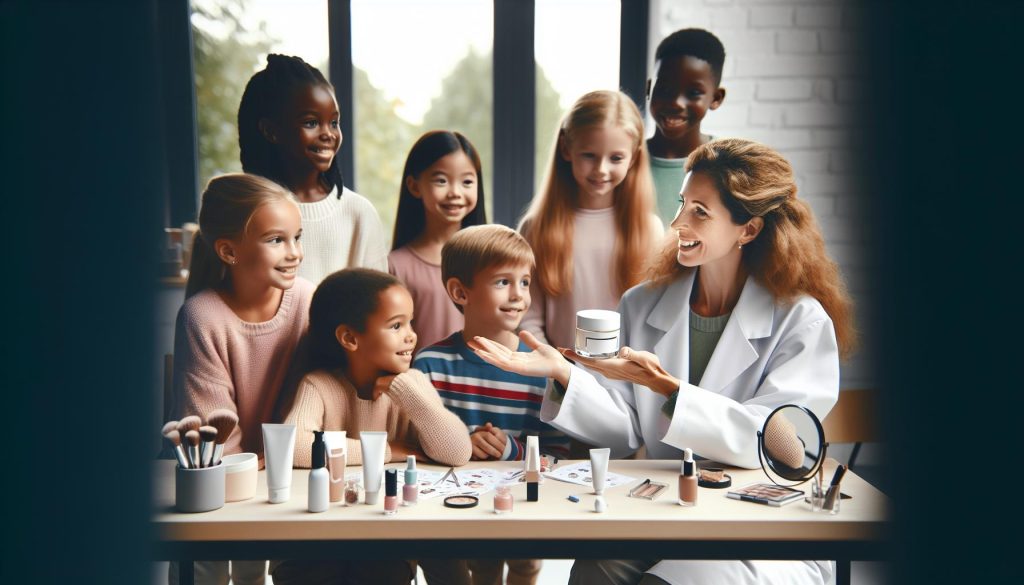
When applying makeup, create a relaxed environment. Playing their favorite music or allowing them to choose the colors will make it enjoyable. Teach them simple techniques, like patting blush along the apples of their cheeks for a natural glow rather than heavy strokes. It’s often helpful to have a mirror at their eye level, so they can see what they are doing while feeling empowered in the process.
Wrapping Up with Safety and Fun
After their fun makeup session, remind them that it’s just for play and can be washed off easily, incorporating a gentle cleansing routine to reinforce good skin habits. This approach not only cultivates a positive attitude toward makeup but also emphasizes the importance of taking care of their skin.
Ultimately, the goal is to balance creativity and fun with safety while guiding young explorers in their beauty journey. Opting for age-appropriate products and techniques helps foster a healthy relationship with makeup that can last a lifetime.
Cruelty-Free and Ethical Practices in Wet n Wild
When searching for kid-friendly makeup options, considering the cruelty-free and ethical practices of brands like Wet n Wild becomes essential. This brand has made significant strides in ensuring its products are not only safe for use but also align with principles of environmental responsibility and kindness to animals. Wet n Wild openly states its commitment to being cruelty-free, meaning they do not test their products on animals. This practice is compelling for parents who want to teach their children about compassion and responsibility in beauty choices.
One of the standout features of Wet n Wild’s mission is its dedication to providing affordable, high-quality products. This approach allows parents to introduce their children to makeup without compromising ethical values. The brand’s cosmetic formulations often exclude harmful ingredients, which is particularly important when considering the sensitive skin of children. Not only are the products designed to be fun and colorful, but they also tend to avoid common irritants, making them accessible for younger users exploring their creativity.
Moreover, Wet n Wild actively participates in initiatives that promote sustainability. For instance, they focus on reducing plastic waste in their packaging and are transparent about their ingredient sourcing. This transparency means parents can make informed decisions about what they’re putting on their child’s skin. By choosing brands committed to ethical practices, parents can instill values of mindfulness and environmental stewardship in their children from an early age.
In addition to choosing cruelty-free products, it’s crucial for parents to set an example by discussing the importance of these values. Engaging your child in conversations about why ethical beauty is vital can help them develop a critical understanding of the products they might use. This not only promotes awareness but also fosters a sense of pride in making choices that contribute positively to the world around them, making makeup a fun and meaningful part of their self-expression journey.
Alternatives for Sensitive Skin: Other Brands to Consider
When choosing makeup for kids, particularly for those with sensitive skin, it’s essential to explore alternatives that prioritize gentle, safe ingredients. Many brands focus on formulating products that cater specifically to children’s delicate skin while avoiding harsh chemicals and irritants. Here are some noteworthy options.
1. Honest Beauty
Honest Beauty is known for its commitment to clean beauty and offers a range of products that are suitable for kids. Their formulations are free from parabens, phthalates, and synthetic fragrances, making them a safe choice for sensitive skin. The brand emphasizes transparency, allowing parents to review ingredient lists carefully. Their colorful lip balms and blushes can be a fun way for kids to explore makeup.
2. BareMinerals
BareMinerals provides mineral-based products that are often milder on the skin than traditional makeup. Their products are formulated without oils, fragrances, or preservatives, making them an excellent alternative for sensitive skin. The brand’s foundations and powders can give kids a touch of color while being gentle and breathable.
3. Ecco Bella
Ecco Bella emphasizes plant-based ingredients and offers makeup options that are both non-toxic and eco-friendly. With a variety of options from eyeshadow to lip colors, Ecco Bella’s products include natural ingredients that help reduce the risk of allergic reactions. This brand is a solid choice for parents who are keen on sustainability and ethical practices alongside safety.
4. Aether Beauty
Aether Beauty stands out for its commitment to sustainable practices and clean ingredients. Their palettes contain neutral colors that can be ideal for children just starting to dabble in makeup. Additionally, the absence of synthetic dyes and harsh chemicals aligns well with a cautious approach to makeup for young users.
5. 100% Pure
100% Pure is celebrated for its fruit-pigmented makeup that uses natural ingredients and offers high-performance products without the harmful additives. Their extensive range includes options suitable for kids, with an emphasis on nourishing formulas that won’t irritate sensitive skin.
When exploring these alternatives, it’s essential to keep an eye on your child’s unique skin sensitivities. Each child is different, and even gentle formulations can sometimes cause reactions. Remember to always patch test any new product before full application by applying a small amount on a discreet area of skin and waiting 24 hours to check for any signs of irritation. This simple step can help prevent discomfort and ensure your child can safely enjoy their foray into makeup.
Parental Guidance: Encouraging Safe Makeup Use
The joy of exploring makeup can be a delightful experience for children, accompanied by thrilling moments of creativity. However, as a caring parent, ensuring safety during their makeup adventures is paramount. It’s important to set clear guidelines and foster an enjoyable yet responsible approach to makeup use. Think of it as not just a fun activity, but also an opportunity to teach essential habits about skincare and product choices.
Start by having an open dialogue with your child about makeup. Discuss the importance of understanding their skin type and sensitivities, helping them to make informed choices about the products they use. Encourage them to recognize the feeling of different textures and colors on their skin, fostering independence in choosing what feels right for them. Be mindful of eye and lip products, as these areas are particularly sensitive-always remind them to apply makeup gently and avoid sharing products with others to prevent irritation or infections.
Establish a routine together for applying makeup that emphasizes cleanliness and safety. For instance, create a simple checklist:
- Start with Clean Skin: Always wash the face before applying any makeup. This helps remove dirt and oil, reducing the risk of breakouts.
- Use the Right Amount: Teach them to use a small amount of product-a dime-sized amount is often sufficient. Less is more, especially for young skin!
- Apply with Care: Show them how to use their fingers or soft brushes to apply makeup gently, emphasizing that the goal is a soft touch-nothing too harsh.
Involve your child in the process of choosing safe, age-appropriate products. Look for brands that focus on gentle ingredients and avoid harsh chemicals. It might even be fun to explore makeup with natural ingredients or hypoallergenic options. Make it an adventure in learning-read labels together and identify what makes a product safe or unsafe. This knowledge not only keeps them safe but also empowers them to make better choices in the future.
Lastly, don’t forget to have fun! Creating makeup looks can be a bonding experience between you and your child. Encourage their creativity while ensuring they understand the importance of using products responsibly. By blending fun with safety, you help them cultivate not only a love for makeup but also a foundational understanding of skincare that will serve them well throughout life.
The Importance of Patch Testing Makeup
Introducing makeup to children can be a delightful journey, but ensuring safety in this new territory is incredibly important. One vital step that should never be overlooked is patch testing. This simple yet effective procedure is your best defense against potential allergic reactions or skin irritations that can arise from cosmetic products, including those from Wet n Wild.
To perform a patch test, choose a small area of skin to apply the product, ideally on the inside of the wrist or behind the ear. Apply a small amount of the makeup-just a dab will do-and wait 24 hours. During this time, monitor for any adverse reactions such as redness, itching, or swelling. If any irritation occurs, it’s best to avoid using that product altogether. Understanding your child’s skin, especially for sensitive types, helps prevent unwanted surprises when applying makeup.
Additionally, when selecting products for patch testing, look for those that are labeled hypoallergenic or specifically designed for sensitive skin; these formulations are often milder and reduce the risk of irritation. It’s also a great teaching moment for your child to understand their own skin and how to be proactive about their well-being.
Incorporating patch testing into your makeup routine reinforces safe practices while allowing your child to explore their creativity confidently. Remind them that it’s not just about avoiding allergic reactions but also about fostering a healthy curiosity about the products they use. By taking these precautionary steps together, you not only ensure a safer experience but also create a foundation for responsible beauty practices that will serve them well as they grow.
Balancing Fun and Safety in Kids’ Beauty Products
Making makeup fun for kids while keeping safety at the forefront is a rewarding yet delicate balance. Children are naturally curious creatures, eager to explore and express themselves. Introducing them to makeup can be a joyful way to foster their creativity-just as long as the process is handled thoughtfully. With brands like Wet n Wild offering accessible products, it’s essential to make informed choices that prioritize skin health alongside the joy of self-expression.
Start by selecting products that cater specifically to younger skin. Look for items that are hypoallergenic and non-comedogenic, meaning they won’t clog pores or irritate delicate skin. Products labeled as “dermatologist-tested” can also be reassuring. Involve your child in the selection process, letting them know that while creating fun looks is exciting, understanding what goes on their skin is crucial. This not only builds awareness but also helps them appreciate the importance of safe practices.
When it comes to application, keep it simple. Guide them on how to use just a small amount, like a dime-sized portion of cream or liquid makeup, and remind them to apply with gentle strokes instead of heavy pressure. This technique minimizes the risk of irritation and helps to ensure they get comfortable with the idea of makeup without overwhelming their skin. Encourage them to wash their face thoroughly after use to avoid product build-up, which can lead to breakouts or irritation.
Entering the world of makeup should be an enriching experience for children. Make it a bonding activity, perhaps by creating fun theme nights where applying makeup is part of a larger craft or costume event. Keep the focus on fun rather than perfection, allowing for playful experimentation with looks. With these practices in mind, you can help your child navigate the world of beauty products safely, instilling not just the skills to enhance their appearance but also the understanding of caring for their skin throughout the journey.
Frequently Asked Questions
Q: Is Wet n Wild makeup hypoallergenic for kids?
A: Wet n Wild products are often affordable and cruelty-free, but they are not specifically marketed as hypoallergenic. Always perform a patch test to check for any allergic reactions, especially if your child has sensitive skin. Check the ingredient list against known allergens to be safe.
Q: What ingredients in Wet n Wild makeup should parents avoid for kids?
A: Parents should avoid makeup with harmful additives like parabens, sulfates, and artificial fragrances. It’s crucial to read the ingredient breakdown in the product labels. For a safe alternative, consider products specifically designed for children with natural ingredients.
Q: How can I tell if Wet n Wild makeup is safe for my child’s skin?
A: To determine if Wet n Wild makeup is safe for your child’s skin, check for dermatologist reviews and ingredients listed. Additionally, conduct a patch test on a small skin area 24 hours before full application to identify any potential allergic reactions.
Q: Are there age recommendations for using Wet n Wild makeup on kids?
A: While there is no official age restriction, it’s advisable to limit makeup use to older children, perhaps around 10 years and up. Focus on minimal application to promote a natural look while discussing skincare and hygiene. The article offers more tips on age-appropriate use.
Q: How should I apply Wet n Wild makeup on kids safely?
A: To apply Wet n Wild makeup safely, use clean brushes or applicators to avoid contamination. Start with a small amount and build up as needed, focusing on a gentle, light touch to prevent skin irritation.
Q: What alternatives to Wet n Wild are better for sensitive skin?
A: Alternatives for sensitive skin include brands like BareMinerals or Tarte Cosmetics, which typically use skin-friendly and natural ingredients. These options are designed to minimize reactions, making them suitable for delicate skin. For more suggestions, refer to our section on alternative brands.
Q: Is makeup for kids considered safe if labeled as cruelty-free?
A: While cruelty-free indicates ethical testing practices, it does not necessarily mean the product is safe for children. Always check the ingredients and conduct patch tests, ensuring the product is free from harmful substances.
Q: Can using makeup on kids lead to skin issues later?
A: Regular use of makeup on kids can lead to skin issues such as irritation or clogged pores, especially if not removed properly. Encouraging a good skincare routine and limited use is essential to prevent long-term problems.
To Conclude
In conclusion, while Wet n Wild makeup offers affordable and fun options for kids, ensuring safety and skin health is paramount. Consider testing the products on a small area first and always supervise young children during application. For more insights on kid-friendly beauty products, check out our guide on the Best Safe Makeup for Kids and read about Skin Care Tips for Sensitive Skin.
Don’t forget to subscribe to our newsletter for more tips and expert reviews! Have questions or experiences to share? Leave a comment below; we love hearing from you and fostering a community of informed beauty enthusiasts. Remember, exploring safe products for your child’s beauty journey can be simple and rewarding-your engagement helps us provide more valuable content, so keep learning and connecting with us!
Get our latest guides, news, and insights highlighted in your Google Search & AI Overviews.