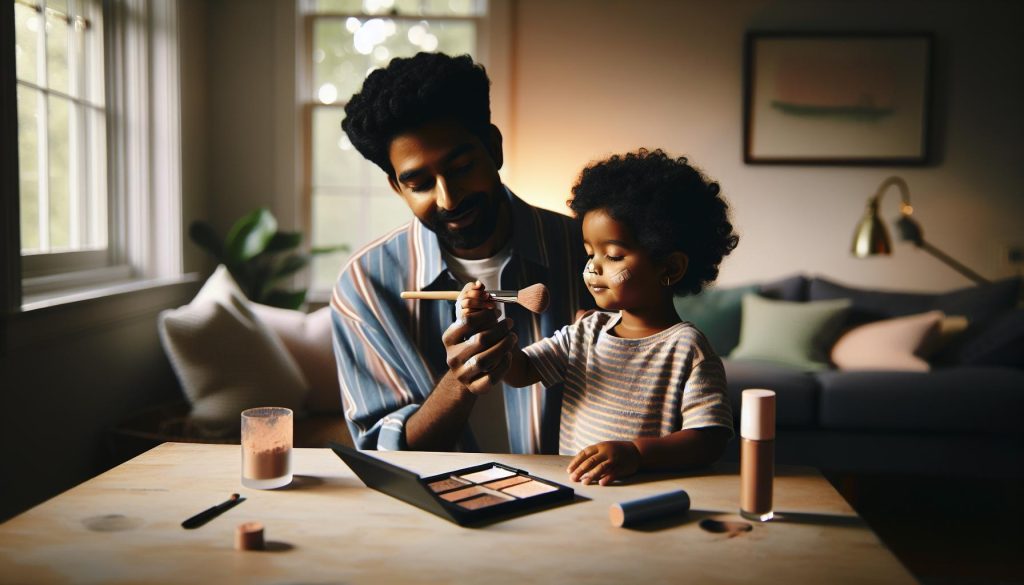
As parents, we often want to ensure our children feel confident and expressive, especially in today’s world where self-image can begin to form at a very young age. While children’s makeup can be a fun way for them to explore their creativity and individuality, safety is a paramount concern. How do we navigate the colorful array of products on the market? Are they all safe for delicate skin? This guide will help you understand the potential risks associated with children’s makeup and provide you with practical advice on choosing the right products. By the end, you’ll feel empowered to make informed decisions that not only support your child’s self-expression but also prioritize their health. Let’s dive in and uncover what you need to know!
Is Children’s Makeup Safe? Understanding Key Ingredients
Many parents grapple with the question of whether makeup is safe for their children. The truth is, the safety of children’s makeup largely hinges on understanding its ingredients. Just like adult cosmetics, children’s makeup can have both benign and harmful components. Therefore, a close examination of what’s inside these products is crucial.
When evaluating children’s makeup, look for products labeled as non-toxic and specifically formulated for sensitive skin. Ingredients such as natural oils, plant-based pigments, and minerals can be safer alternatives compared to synthetic chemicals. For instance, natural mineral makeup avoids petrochemicals and additives, while ingredients like jojoba and coconut oil serve as moisturizing agents without clogging pores.
However, certain common ingredients warrant caution. For example, products containing fragrance may cause allergic reactions in sensitive individuals, and parabens, used as preservatives, have raised concerns about hormonal disruptions. Additionally, always check for gluten or nut-based substances if your child has specific allergies.
As you shop, consider brands that prioritize safety and transparency. Brands that disclose their ingredient lists and have undergone dermatological testing can provide greater peace of mind. Remember, the goal is to create a fun, creative experience without risking skin health. Always patch-test new products on a small area of skin to observe any adverse reactions before applying them widely. By making informed decisions about ingredients, you can choose products that ensure fun without compromising safety.
The Surprising Benefits of Children’s Makeup for Confidence
Many parents may be surprised to learn that children’s makeup can play a significant role in boosting their confidence and self-esteem. When children experiment with makeup, whether it’s a splash of color on their cheeks or a touch of glitter on their eyelids, they often engage in imaginative play that fosters creativity. This kind of self-expression is crucial for their emotional and social development, allowing them to explore different facets of their identity while having fun.
Engaging with makeup can help children feel more comfortable in their own skin. For instance, a child who feels shy or insecure may find that applying a little lip gloss or a fun face glitter before a big event can serve as a confidence booster, much like an actor wearing a costume. They often feel transformed, ready to embrace their personality in public settings. This effect is particularly evident when kids participate in dress-up activities or themed parties, where makeup adds to the overall joy and excitement of the experience.
Moreover, introducing age-appropriate makeup can also present an opportunity for parents to teach valuable lessons about self-care and responsible use of cosmetics. Discussing the importance of choosing safe products encourages kids to make informed choices not only about makeup but about their overall health and wellness. When children understand the significance of ingredients, they begin to develop a mindset of awareness that can extend beyond beauty products into other areas of life.
In this playful environment, makeup becomes more than just an aesthetic tool; it’s a medium for creativity and self-discovery. So, while parental guidance on safety and ingredients is essential, recognizing the benefits of makeup as a source of confidence can illuminate the positive aspects of this often-debated topic. Encouraging children to express themselves through makeup, when done safely, can contribute to their overall happiness and self-acceptance.
Common Concerns: Allergies and Skin Reactions
Many parents naturally worry about the effects of makeup on their child’s delicate skin, especially when it comes to allergies and skin reactions. Understanding what ingredients to avoid and recognizing signs of sensitivity can make a significant difference in ensuring a safe and enjoyable makeup experience for little ones.
To minimize risks, opt for products specifically formulated for children or labeled as hypoallergenic. These products are less likely to contain irritating ingredients like parabens, synthetic fragrances, or harsh chemicals. Always start with a patch test: apply a small amount of the product on a discreet area of skin, such as the inner wrist, and wait for 24 hours to see if any reaction occurs. Signs of irritation may include redness, itching, or a rash, advising caution and close observation.
Educating kids on how to apply makeup gently can also help reduce the risk of reactions. Remind them to avoid areas around the eyes where the skin is particularly sensitive. Emphasizing proper skin care, prior to makeup application, can set the stage for smoother results and minimize potential irritations. For instance, suggest using a light moisturizer before applying makeup, as this creates a barrier between the skin and the product.
Lastly, keeping an eye on expiration dates is crucial. Makeup that has gone bad can harbor bacteria, leading to not only skin irritation but potentially more severe infections. Create a routine for checking products in your child’s makeup kit regularly. If you notice any changes in color, smell, or texture, it’s best to discard those items. By staying informed and proactive, you can ensure that makeup remains a fun and safe form of creative expression for your children.
Age-Appropriate Makeup: What’s Safe for Different Ages?
Understanding what makeup is appropriate for children at various ages can help set realistic expectations and ensure safety. Each stage of childhood comes with different sensitivities and developmental considerations, which makes choosing the right products and techniques essential.
For very young children, typically ages 2 to 5, it’s best to keep things simple. At this age, focus on fun rather than full-on makeup applications. Consider using facial crayons or washable lip tints that allow for playful experimentation without the commitment. Always opt for products that are specifically formulated for young skin, often labeled as hypoallergenic and non-toxic.
As children grow older, particularly between ages 6 and 10, they may start to show an interest in more traditional cosmetics. At this point, you can introduce items such as light tinted moisturizers, blush, and gentle glitter for special occasions. Make sure these products are free from harsh chemicals and always conduct patch tests before full applications. Educate them on the importance of moderation-too much makeup can block pores and lead to skin issues.
For preteens, aged 11 to 13, concerns often shift towards enhancing features rather than masking them. This is a great time to introduce light foundation, mascara, and lip gloss. Encourage them to embrace a natural look; emphasize that makeup is not necessary but can be a fun way to express themselves. It’s crucial to discuss proper hygiene, including removing makeup before bed to prevent breakouts.
Ultimately, your guidance is vital as your child navigates their makeup journey. Always encourage open conversations about their preferences and any concerns they might have regarding makeup. The aim is to foster creativity while ensuring safety, allowing your child to enjoy makeup as a form of self-expression at every stage of their development.
How to Choose Safe Makeup Brands for Kids
When it comes to selecting safe makeup brands for kids, the key is to prioritize their delicate skin by choosing products specifically designed for children’s use. The makeup industry has seen a surge in kid-friendly cosmetics that cater to both fun and safety, but not all products are created equal. This makes it essential for parents to be equipped with the right criteria when evaluating different brands.
Start by reading the labels carefully. Look for products that are labeled hypoallergenic, non-toxic, and free from harsh chemicals. Ingredients such as parabens, phthalates, synthetic fragrances, and animal by-products are best avoided. Brands that emphasize natural ingredients often provide added peace of mind; consider those that use plant-based pigments and organic formulations. For instance, brands like Love, Pop and L.O.L. Surprise! are popular for their kid-friendly makeup lines that meet these safety standards.
Additionally, consider the product types that are suitable for your child’s age. For younger children, opt for playful and easy-to-remove items like washable face crayons or lip gloss created specifically for kids’ skin-these are often less likely to cause irritation or allergic reactions. Always conduct a patch test by applying a small amount of the product to a discreet area of skin and watching for any adverse reactions over 24 hours.
It’s also useful to tap into community insights. Look for reviews from other parents or feedback on social media platforms to gauge the experiences of others with certain brands. This collective wisdom can guide you to safer choices and help you avoid products that may have adverse effects. Ultimately, maintaining an open dialogue with your child about their preferences and concerns can make the process of choosing safe and suitable makeup both fun and educational.
Simple Tips for Safe Application and Removal
When it comes to ensuring that makeup application and removal is safe for children, a few straightforward tips can make the experience enjoyable and worry-free. Recognizing that children have delicate skin, it’s important to approach both application and removal with care. Here are some practical strategies to help you and your child navigate the world of makeup safely.
Begin by adhering to a clean routine. Before applying any makeup, ensure that both your hands and your child’s face are clean. Use a gentle cleanser suitable for children to wash their face, and follow this up with a light moisturizer that won’t clog pores. This step not only helps in creating a smooth canvas for makeup but also prevents any potential skin irritations. For application, opt for soft, clean applicators like brushes or sponges rather than fingers, as these minimize the transfer of bacteria.
For application, start small. Children’s makeup should be fun and playful, so using a light touch allows for creativity without overwhelming them. Encourage your child to select a few simple products-perhaps a lip gloss and a bit of blush-to explore colors without the complexity of a full face of makeup. When applying, use a small amount of product; for instance, a pea-sized amount of lip gloss works well. Gently dab the gloss on the lips with a cotton swab or your fingertip to maintain precision and control.
Equally important is the process of removal. Avoid harsh makeup removers, as they can irritate young skin. Instead, teach your child to use a gentle wipe or a cotton pad soaked with water or a mild cleanser. To remove makeup, demonstrate how to gently swipe the cotton pad across the skin, starting from the forehead and moving downward-this lessens the chance of smudging and ensures thorough removal. Remind them to rinse their face with cool water afterward to refresh their skin.
Finally, keep an eye out for any adverse reactions during application and removal. It’s always wise to conduct a patch test before trying new products. Apply a small amount to an inconspicuous area, like behind the ear, and wait 24 hours to check for any allergic reactions. Teaching kids to notice how their skin feels helps instill lifelong habits of self-care and awareness.
By following these simple tips, you can create a safe and enjoyable makeup experience for your child, fostering their creativity while protecting their skin.
Understanding Regulations: What Parents Should Know
In navigating the world of children’s makeup, understanding regulations is crucial for ensuring that the products you choose are safe and suitable for young skin. Regulations can vary significantly by country, affecting everything from ingredient safety to labeling standards. In the United States, for example, the Food and Drug Administration (FDA) oversees cosmetics but does not specifically regulate children’s makeup as a separate category. This means that many products marketed to children may not have undergone rigorous testing for safety or effectiveness. As a proactive parent, it is essential to research and choose products from reputable brands known for adhering to high safety standards.
When examining labels, look for products that specifically indicate they are designed for children. Many brands will highlight this in their marketing, but always check for certification symbols, such as those from dermatological or pediatric associations. Ingredients should also be your focal point; steer clear of lead, parabens, and synthetic fragrances, which can irritate sensitive skin. Instead, opt for products that contain gentle, natural ingredients and are hypoallergenic and non-comedogenic. Brands that focus on eco-friendly and cruelty-free practices often prioritize safety and transparency, providing parents with peace of mind.
Regularly updated guidelines from organizations like the American Academy of Pediatrics can be beneficial resources as well. They often provide insights into the types of makeup products that are safe for various age groups. Introducing your child to makeup at a younger age comes with its own set of challenges, and many experts suggest limiting both the type and amount of makeup used. This gradual introduction allows children to explore creativity without overwhelming their skin and immune systems.
Lastly, keep informed about any recent updates in cosmetic regulations, as safety standards evolve with ongoing research. Engaging with community groups or online forums focused on parental experiences can also offer valuable insights. By remaining vigilant and informed about makeup regulations, you’ll help create a safe and enjoyable makeup experience for your child while fostering their creativity and self-expression.
Top Myths About Children’s Makeup Debunked
Many parents worry about the safety of children’s makeup, often influenced by common myths that mislead their decisions. Understanding these myths can empower you to make informed choices for your child’s beauty playtime.
One prevalent myth is that all children’s makeup is inherently harmful. In reality, many brands create products specifically formulated for delicate skin, using non-toxic, hypoallergenic ingredients that are gentle and safe. It’s essential to select products from reputable brands that emphasize safety and transparency on their labels. Always check for certifications or dermatological recommendations to find suitable options.
Another misconception is that makeup can cause permanent skin damage or allergies. While it’s true that some children may have sensitivities, the right products can be used safely. Educating yourself about your child’s skin type can help you select products that minimize the risk of adverse reactions. For instance, opting for fragrance-free and paraben-free items can significantly reduce irritation potential.
Many believe that children should only start wearing makeup after a certain age. However, experts suggest that introducing makeup can be age-appropriate if done sensibly. Allowing children to explore their creativity with minimal makeup, like lip balm or light powder, can enhance their self-expression without overwhelming their skin.
Lastly, there’s a myth that children who wear makeup are more likely to become overly concerned with their appearance. In contrast, makeup can foster creativity and enhance confidence when used in a healthy context. Encouraging imaginative play with makeup teaches your child to express themselves artistically without equating beauty with self-worth.
In summary, debunking these myths allows parents to create a fun, safe, and empowering makeup experience for their children. By staying informed and choosing the right products, you can help your child enjoy the playful aspects of makeup safely.
Natural vs. Conventional Makeup: What’s the Difference?
Understanding what goes into children’s makeup can be a daunting task for many parents, especially when navigating the choices between natural and conventional products. Natural makeup is often favored for its simpler ingredient lists and the perception that it’s safer for sensitive skin, while conventional makeup can carry a reputation of being more effective due to its advanced formulations and color payoffs. Here’s what you need to know to make an informed choice.
Natural makeup typically contains plant-based ingredients, minerals, and fewer synthetic additives, making it a suitable choice for children with sensitive skin or allergies. These products are often free from artificial fragrances, parabens, and harsh chemicals that can irritate delicate skin. Ingredients like shea butter, coconut oil, and mineral pigments are common, promoting skin health while providing a light touch of color. However, it’s essential to note that “natural” doesn’t always mean hypoallergenic; some natural ingredients can still cause reactions, so always do a patch test.
On the other hand, conventional makeup frequently utilizes a mix of natural and synthetic components to achieve vibrant colors and long-lasting wear. While these products might have enhanced performance, they can include preservatives and chemical compounds that might not be ideal for sensitive skin. Many parents worry about specific ingredients like phthalates and parabens, which are often avoided in safer formulations. However, there are also high-quality conventional brands that prioritize safety, cruelty-free practices, and transparency in their ingredient labels.
When deciding what’s best for your child, consider these tips:
- Research Brands: Look for brands with a solid reputation for safety and transparency. Certifications like “dermatologically tested” or “hypoallergenic” can also guide your choice.
- Read Labels: Familiarize yourself with common ingredients and their purposes. If you encounter something unfamiliar, a quick search can help clarify its safety and effectiveness.
- Patch Test: Regardless of whether a product is marketed as natural or conventional, always perform a patch test on a small area of skin to check for any allergic reactions.
Ultimately, the choice between natural and conventional makeup for children will depend on their unique skin type, any existing allergies, and personal values regarding safety and ingredients. With careful consideration and research, you can empower your child to explore the fun world of makeup, no matter which route you take.
Alternatives to Conventional Makeup for Sensitive Skin
Finding safe and suitable can significantly enhance your child’s experience with beauty products. Many parents worry about synthetic ingredients and their potential effects, especially for children with allergies or skin sensitivities. Fortunately, there are various options that prioritize gentle formulations without sacrificing fun or creativity.
One of the best alternatives is mineral makeup, which uses finely milled natural minerals to create colors and finishes. Often free from irritating chemicals, dyes, and fragrances, mineral makeup is lightweight and breathable, making it ideal for young, delicate skin. Look for brands that offer a range of shades and textures, such as powders, blushes, and lip tints, all formulated without harsh additives. When applying mineral makeup, start with a small amount-a light dusting is usually sufficient. For instance, a dime-sized amount of powder can be dusted over the skin with a soft brush, enhancing the complexion without overwhelming it.
Homemade options are another great choice, allowing you to control the ingredients and customize colors. For example, a simple tinted lip balm can be made by mixing shea butter with a touch of natural beet juice for a pop of color. This not only provides subtle tinting but also moisturizes and nourishes the lips. Another fun project is creating eye shadow from cocoa powder mixed with a light oil; it’s easy to make and safe while offering a little shimmer for special occasions.
Additionally, many families are discovering the benefits of using products designed specifically for kids. Brands are increasingly catering to young audiences by developing formulations that meet safety standards while being playful. Look for products labeled “children’s makeup” that emphasize natural ingredients and hypoallergenic properties. Ensuring that the products are dermatologically tested can also provide added peace of mind.
In choosing alternatives to conventional makeup, it’s essential to stay educated and engaged with the options available. By selecting products that prioritize safety and sensitivity, you empower your child to enjoy the artistic expression of makeup in a way that respects their skin’s unique needs.
How to Encourage Creativity Through Makeup Play
Encouraging creativity through makeup play can be a delightful experience, transforming the act of getting ready into an artistic journey. Children, in their imaginative worlds, often see makeup as a form of self-expression, allowing them to explore different characters, colors, and styles. By creating a safe and supportive environment, you can foster their creativity while ensuring they’re using products that respect their delicate skin.
Start by setting up a dedicated space for makeup play. A colorful, well-organized area filled with safe, kid-friendly products can spark excitement and inspiration. Include natural options such as mineral makeup, which is typically free from harsh chemicals, and homemade creations like tinted lip balms using shea butter and fruit extracts. This not only assures safety but also encourages your child to think about the ingredients they are using. A small mirror, brushes, and sponges can help them practice techniques, while nearby art supplies-like glitter or stickers-can further stimulate their imagination.
Involve them in themed makeup sessions, which can be a fun way to enhance creativity. For instance, you could have a “princess day” or a “superhero makeover” where everyone dresses up and shares their looks. These activities promote confidence and allow kids to explore their identities in a joyful, supportive setting. Additionally, sharing blankets or capes can transform the space into a magical realm, enhancing the role-playing aspect of makeup use.
It’s crucial to provide guidance on creating looks while allowing plenty of room for your child’s individual expression. Encourage them to experiment with different shades and styles while gently reminding them to be mindful of their skin. This balance nurtures creativity but reinforces the importance of safe practices. As they create, ask open-ended questions about their choices-like, “What inspired this color?”-which can help deepen their understanding and appreciation for the artistic process.
In summary, by creating a whimsical environment, engaging in themed sessions, and encouraging open exploration, you can help your child revel in the creative aspects of makeup play. By prioritizing safety and acceptance, you ensure that their experience is not only fun but also a valuable lesson in self-expression and artistry.
Parental Guidance: Teaching Kids About Safe Makeup Use
Teaching children about safe makeup use is essential in today’s beauty culture, where makeup can be seen as a form of self-expression. It is crucial to establish a foundation that emphasizes safety and enjoyment in makeup application. By introducing the topic in a fun, engaging manner, you can effectively guide your child in making informed decisions about what they put on their skin.
Start by talking to your child about the ingredients found in makeup products. Use simple language to explain how some ingredients can irritate sensitive skin or cause allergic reactions. For example, you might say, “Some makeup can have chemicals that might not be good for our skin. That’s why we choose products with natural ingredients.” Encourage them to read labels together, highlighting safe options like mineral-based makeup or products formulated specifically for kids.
Setting clear guidelines is another vital aspect of instilling safe practices. Show them how to prepare their skin before applying makeup, emphasizing the importance of clean, moisturized skin. A gentle reminder like, “Let’s wash our faces first! Clean skin helps the makeup look its best,” can foster good habits. Additionally, teach them how to apply products, starting with a small amount, such as a pea-sized portion of foundation or blush. Informative tips like, “Dab it on gently and blend so it looks natural,” can help build their confidence and skills.
Lastly, emphasize removing makeup at the end of the day to prevent clogged pores and irritation. Make this process enjoyable by turning it into a fun routine. For instance, you could say, “Let’s wash our face together! We can use a nice cleanser that smells good!” This not only reinforces good habits but also makes the removal process a shared experience.
By using these strategies, you not only empower your child to enjoy makeup safely but also nurture their creativity and self-expression in a mindful way.
Frequently asked questions
Q: What ingredients should I avoid in children’s makeup?
A: Parents should avoid children’s makeup containing harsh chemicals like parabens, phthalates, and synthetic fragrances, as these can irritate sensitive skin. Instead, look for products labeled as hypoallergenic and free from harmful ingredients, ensuring your child’s safety during use. Check the “Understanding Key Ingredients” section for details.
Q: Is it safe for kids to wear makeup every day?
A: While occasional makeup use can be safe, daily application may cause skin irritation or clogged pores. It’s advisable to limit usage to special occasions and encourage breaks to let the skin breathe. For more on age-appropriate guidelines, see the “Age-Appropriate Makeup” section.
Q: How can I tell if my child is having an allergic reaction to makeup?
A: Signs of an allergic reaction include redness, itching, swelling, or rash where the makeup was applied. If you observe these symptoms, discontinue use immediately and consult a healthcare professional. Refer to the “Common Concerns: Allergies and Skin Reactions” section for more information.
Q: What are some safe makeup options for toddlers?
A: For toddlers, consider using non-toxic, water-based cosmetics that are specifically designed for young children. Always choose brands that prioritize safety and have been dermatologically tested for sensitive skin. Check the “How to Choose Safe Makeup Brands for Kids” section for recommendations.
Q: Should I supervise my child while they use makeup?
A: Yes, supervising your child during makeup application ensures they use products correctly and safely. It also provides an opportunity to teach them about proper techniques and hygiene. For tips on guiding your child, explore the “Parental Guidance: Teaching Kids About Safe Makeup Use” section.
Q: How can I effectively remove makeup from my child’s skin?
A: To safely remove makeup, use a gentle makeup remover or a mild cleanser specifically formulated for children’s skin. Apply using soft movements with a cotton pad or cloth, and rinse with lukewarm water. For thorough steps, see the “Simple Tips for Safe Application and Removal” section.
Q: Is all-natural makeup better for children’s skin?
A: All-natural makeup can be gentler on children’s skin, as it typically avoids synthetic chemicals and irritants. However, it’s essential to check for any potentially allergenic natural ingredients. Compare natural and conventional options in the “Natural vs. Conventional Makeup” section for further insights.
Q: Can wearing makeup affect my child’s self-esteem?
A: Yes, wearing makeup can enhance a child’s confidence and self-expression. However, it’s crucial to balance makeup use with messages about inner beauty and self-acceptance. For tips on promoting positive body image through makeup play, refer to “How to Encourage Creativity Through Makeup Play.”
Key Takeaways
As we wrap up our guide on the safety of children’s makeup, it’s crucial to remember that prioritizing your child’s health and well-being is always the best choice. By choosing products that are non-toxic, hypoallergenic, and specially formulated for young skin, you can enjoy fun beauty moments while keeping potential risks at bay. If you have lingering questions or concerns, exploring our articles on “Safe Ingredients to Look for in Children’s Makeup” or “Best Practices for Teaching Kids About Makeup” can provide even more insight.
Ready to empower your little ones while ensuring their safety? Dive deeper into our related resources or consider subscribing to our newsletter for tips and updates on the best skincare practices for kids. Your engagement not only enriches our community; it helps us all stay informed and equipped to make the safest choices for our families. Don’t hesitate to leave a comment or share your experiences below; we’re here to support each other on this journey!
Get our latest guides, news, and insights highlighted in your Google Search & AI Overviews.