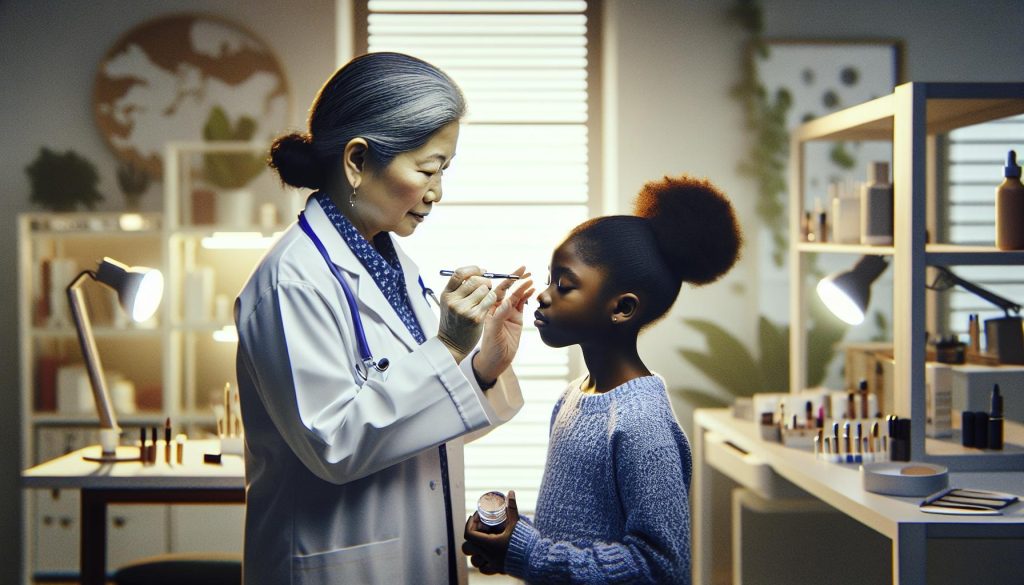
Is makeup bad for children’s skin? This question resonates with many parents who want the best for their young ones. With an increase in kids experimenting with beauty products at younger ages, understanding the potential impacts on delicate skin is crucial. You may worry about breakouts, irritation, or even long-term effects, and those concerns are valid. As a warm and knowledgeable friend, I’m here to shed light on whether makeup is a harmless fun or a serious risk. Join me as we explore expert insights from dermatologists to help you make informed decisions about your child’s beauty routines. Together, we’ll uncover the facts and guidance you need to protect their skin while allowing them to express themselves.
Is Makeup Safe for Children’s Sensitive Skin?
Applying makeup can be a fun and creative expression for kids, but many parents wonder about its safety, especially for sensitive skin. Children’s skin is notably thinner and more delicate than adult skin, making it more prone to irritation and allergic reactions. As such, choosing the right products and understanding how they may affect young skin is essential.
When considering makeup for young ones, opt for products specifically formulated for children or labeled as hypoallergenic and dermatologically tested. These products typically contain fewer harsh chemicals and are designed to minimize irritation. Look for formulations that are free from fragrances, synthetic dyes, and alcohol, as these ingredients are common culprits of skin sensitivity and allergic reactions.
Another key factor is checking for the ingredient list. Natural or organic formulations tend to be gentler options for children’s sensitive skin. Products that include soothing ingredients like aloe vera or chamomile can provide a protective barrier while reducing the risk of irritation. For a safer experience, applying a patch test prior to full application-by applying a small amount of the product to an inconspicuous area-can help identify any potential reactions.
It’s also worth noting that makeup should be applied sparingly. A light touch not only ensures a natural look but also reduces the likelihood of clogged pores or skin irritation. Remember to emphasize the importance of proper makeup removal; always cleanse the skin thoroughly with a gentle cleanser to remove all traces of makeup at the end of the day. This step is crucial in preventing buildup that could lead to breakouts or irritation.
Encouraging a balanced approach to makeup can foster a positive relationship with beauty products while prioritizing skin health. So, while kids can certainly enjoy makeup, prioritizing skin safety is key to keeping their delicate skin happy and healthy.
What Dermatologists Say About Children’s Skin Health
Understanding how to protect children’s delicate skin is crucial, especially when it comes to applying makeup. Dermatologists emphasize that children have skin that is thinner and more sensitive than adults, which makes them more vulnerable to irritation, allergic reactions, and even long-term skin issues. This unique susceptibility highlights the need for careful product selection and application practices.
When considering makeup for kids, dermatologists recommend looking for products that are specifically formulated for children’s skin. These products should ideally be labeled as hypoallergenic and free from harmful additives like fragrances, parabens, and alcohol, which are known irritants. For instance, brands that focus on natural ingredients that are less likely to cause reactions, such as aloe vera or coconut oil, can be safer options. Dermatologists often suggest conducting a patch test before applying any new product, which involves applying a small amount to a discreet area of the skin and observing for any adverse reaction over 24 hours.
The frequency and quantity of makeup application are also critical points. It’s advisable to encourage a lighter application of makeup, which not only ensures a more natural appearance but also minimizes the chances of blockage in pores and potential skin irritation. Many dermatologists also highlight the importance of proper makeup removal; using gentle cleansers at the end of the day helps prevent product build-up that can lead to issues like breakouts or rashes.
In their advice, dermatologists aim to create a balance between letting children express their creativity and ensuring their skin remains healthy. By opting for the right products and methods, parents can foster a positive relationship between kids and makeup while prioritizing skincare. Ultimately, the key takeaway is that with informed choices and mindful practices, children can enjoy makeup without compromising their skin health.
Common Skin Concerns for Children Using Makeup
Using makeup can introduce several skin concerns for children, whose skin is particularly delicate and prone to sensitivities. It’s essential to understand these potential issues to ensure your little ones can enjoy beauty products safely and confidently.
One of the primary concerns is skin irritation, which can manifest as redness, itching, or dry patches. Children’s skin barriers are thinner and less developed than those of adults, making them more susceptible to irritation caused by harsh ingredients or allergens commonly found in makeup. For example, products with artificial fragrances or strong preservatives can trigger these reactions. It’s advisable to always check labels and opt for products labeled as hypoallergenic or dermatologically tested specifically for kids.
Another significant issue is acne breakouts. While acne might not be typical for younger children, starting to use makeup, especially products that are heavy or greasy, can clog pores and lead to breakouts. Encouraging lightweight formulations and teaching proper application techniques can help prevent these concerns. A general rule to follow is to avoid products containing oils and comedogenic ingredients, which can easily block pores.
Moreover, children are at risk of developing allergic reactions to certain ingredients. Common allergens include certain dyes and fragrances found in bright-colored products. For this reason, a patch test is essential before fully applying any product. Simply apply a small amount behind the ear or on the wrist and monitor for any adverse reaction over 24 hours. This preventive measure can uncover potential allergies before applying makeup to more visible areas.
In addition to these concerns, one must consider long-term skin health. Frequent use of makeup without proper cleansing can lead to build-up, which may compromise the skin’s natural moisture balance over time. Establishing a gentle cleansing routine that incorporates child-safe cleansers can help mitigate issues.
By understanding these common skin concerns and taking proactive measures, you can help your child enjoy the world of makeup while keeping their sensitive skin healthy and happy. Remember, the goal is to promote creativity and self-expression without sacrificing skin health.
Ingredients to Avoid in Kids’ Makeup Products
Choosing makeup for children can feel overwhelming, especially with their delicate skin that is prone to irritation and allergies. It’s essential to be vigilant about the ingredients in makeup products. Understanding which components to avoid can significantly reduce the risk of skin issues and promote a safe and enjoyable makeup experience for your little ones.
First and foremost, steer clear of fragrance. Artificial fragrances are a common cause of skin irritation and allergic reactions, particularly on children’s sensitive skin. Instead, look for products labeled as fragrance-free or those that use natural scents derived from fruit or essential oils, which are usually milder.
Another group of ingredients to be cautious about is preservatives, particularly parabens and sulfates. Parabens, often used to extend shelf life, can disrupt hormonal balance and may have links to skin irritation. Sulfates, which create lather in products, can be too harsh and drying. Opt for products that use safer preservation methods or natural preservatives like vitamin E or rosemary extract instead.
Additionally, avoid products with heavy oils or comedogenic compounds. Ingredients like mineral oil and coconut oil might sound harmless but can clog pores, leading to breakouts or discomfort. Instead, choose lightweight formulations that are easily absorbed and non-comedogenic-meaning they won’t block pores.
It’s also prudent to watch out for certain colorants and dyes. Bright colors often come from synthetic dyes, which can trigger allergies in sensitive skin. Look for products that use natural pigments derived from minerals or plants, as they are gentler and usually safer for kids.
In conclusion, by avoiding artificial fragrances, harsh preservatives, heavy oils, and synthetic colorants, you can help ensure that the makeup your child uses is safe and gentle on their delicate skin. Always prioritize products specifically formulated for children and consider conducting a patch test when introducing new items to their routine. This proactive approach will let your child explore their creativity safely while keeping their skin healthy.
The Impact of Makeup on Children’s Skin Development
Makeup can be a fun way for children to express themselves, but the impact it has on their developing skin is an important aspect parents should consider. Children’s skin is not only thinner and more delicate than adults’, but it is also still maturing, meaning it has different needs and vulnerabilities. When makeup is introduced, it can affect skin in several ways, both positive and negative.
The use of makeup can sometimes lead to skin issues such as irritation or allergic reactions. Ingredients in makeup can cause clogged pores, leading to breakouts or even dermatitis, particularly if products are not specifically formulated for children. Moreover, the presence of heavy formulations can impede the skin’s natural ability to breathe. It’s crucial to teach kids the importance of starting with a clean face, ensuring that any makeup used is suitable for their sensitive skin.
Potential Effects on Development
Beyond immediate irritation, the long-term effects of makeup on children’s skin development are still being studied. The skin barrier, which protects against environmental threats while regulating moisture, can be compromised by certain makeup products. If makeup is applied frequently or left on for extended periods, it may hinder the natural maturation of the skin, as children’s skin needs to adapt and grow without the obstruction of occlusive products.
Parental guidance around makeup usage can help mitigate any negative impacts. Limiting the frequency of makeup application and ensuring that products are non-comedogenic and free from harmful substances is essential. Using natural or hypoallergenic products can help foster a positive relationship with makeup while allowing for healthy skin development.
To wrap it up, while makeup can bring joy and creativity to children, it is vital to remain cautious about its effects on their delicate skin. By choosing the right products and establishing healthy routines, children can enjoy their makeup experiences without compromising their skin health.
Best Practices for Applying Makeup on Young Skin
When it comes to applying makeup on delicate young skin, following best practices is essential to ensure their skin stays healthy and irritation-free. The key lies in choosing the right products and applying them with care. Begin with a clean slate by cleansing the face gently with a mild, fragrance-free cleanser suitable for children’s skin. This step removes dirt and excess oil, providing a smooth base for makeup application.
Next, use a light, non-comedogenic moisturizer to hydrate the skin. Look for formulas that are specifically made for sensitive skin, as they are less likely to cause breakouts or irritation. After moisturizing, consider using a primer designed for sensitive skin, which can help create an even canvas while adding an extra layer of protection. Apply a small amount, about the size of a pea, to the cheeks, forehead, and chin with your fingertips for a natural finish.
When it comes to the actual makeup, opt for products labeled as hypoallergenic and gentle. Use soft, clean tools, such as brushes or cosmetic sponges, to apply makeup lightly-start with a small amount and build up as needed for more coverage. This minimizes the risk of clogging pores or causing irritation. For example, when applying blush or eyeshadow, tap off excess product to avoid heavy layering. Remember, less is often more.
Important Tips:
- Avoid heavy formulations: Stick to lightweight, breathable products that are specifically designed for children’s skin.
- Limit application: Reserve makeup for special occasions rather than everyday wear to allow their skin to breathe.
- Encourage breaks: If the makeup is worn for an extended period, prompt a break during the day, allowing for healthy skin recovery.
- Always patch test: Before introducing a new product, test it on a small area of the skin to check for any reactions.
Finally, emphasize the importance of proper makeup removal. Use gentle, alcohol-free wipes or a mild cleanser to remove makeup at the end of the day, ensuring no residue is left on the skin. Encourage your little ones to adopt this routine, fostering healthy skincare habits from a young age. By implementing these practices, you can help your child enjoy the fun of makeup while keeping their skin safe and healthy.
How to Choose Safe Makeup for Kids
Choosing safe makeup for kids is crucial, especially considering their delicate skin, which can be more prone to irritation and allergic reactions. The right products not only enhance their fun but also safeguard their skin health. Start by looking for items specifically labeled as hypoallergenic and non-comedogenic. These terms mean that the products are formulated to minimize the risk of causing allergic reactions and won’t clog pores, which is particularly important for young, sensitive skin.
When selecting makeup, consider the ingredients listed on the packaging. Avoid products that contain common irritants such as fragrances, parabens, and heavy metals, which can aggravate skin conditions. Instead, opt for makeup infused with natural ingredients like aloe vera or chamomile, known for their soothing properties. For example, a gentle mineral foundation can provide a light touch while being less likely to irritate skin compared to traditional formulations. Always look for products that include a seal of approval from dermatologists or pediatricians.
In addition, pay attention to product consistency. Lightweight, breathable formulas are ideal as they allow the skin to ‘breathe’ and reduce the chances of irritation. Creams and liquids can be easier to apply with minimal product, thus preventing heavy layering that could lead to clogged pores. For instance, if opting for a blush, a cream formulation might blend seamlessly and provide a natural flush without overwhelming the skin.
Lastly, remember to teach your child about makeup application and removal. Encourage them to use just a touch of color and to avoid touching their face frequently. Reinforce the importance of removing makeup gently at the end of the day with a safe cleanser to prevent residue buildup that could lead to breakouts or irritation. This not only ensures their skin stays healthy but also helps them build good habits from an early age.
Signs of Skin Irritation from Makeup in Children
Kids’ sensitive skin can react in various ways to makeup, and recognizing the signs of irritation early on is crucial for their comfort and health. If your child starts using makeup, keep an eye out for specific symptoms that could indicate an adverse reaction.
One of the most common signs of skin irritation is redness or inflammation. If your child’s skin appears red, particularly in areas where makeup has been applied, this could signify irritation. Additionally, itching and discomfort are serious indicators-if your child frequently touches their face or complains of itchiness, it’s important to remove the makeup immediately. Dry patches and flaking skin can also occur, suggesting that the makeup is not compatible with your child’s skin type.
Look out for breakouts such as acne or small bumps, as these can signal that the products are clogging pores or causing an allergic reaction. In cases where you notice swelling or hives, seek medical advice promptly as these are more severe reactions that need attention. If your child develops any of these symptoms, it’s best to revert to a minimalist approach with their makeup use and allow their skin some recovery time.
To help safeguard their sensitive skin, always perform a patch test with new products by applying a small amount on a less visible area, like the inner arm, before full application. This step can prevent discomfort and keep makeup fun without risks.
Tips for Teaching Kids Safe Makeup Habits
Teaching kids safe makeup habits can be a fun and educational experience for both parents and children. It’s essential to approach this topic positively, making the learning process engaging rather than restrictive. One of the first lessons to impart is the importance of visibility over heaviness. Encourage your child to enhance their natural features with light applications instead of heavy layers. This not only looks more age-appropriate but is also less likely to irritate sensitive skin. For instance, a tinted lip balm or a little blush can be a perfect start, allowing them to enjoy makeup without overwhelming their skin.
Another key aspect is establishing a consistent cleansing routine. Teach your child the importance of removing makeup at the end of the day. This habit is crucial for preventing breakouts and keeping skin healthy. Use gentle cleansers, preferably formulated for sensitive skin, and make this routine enjoyable-perhaps by incorporating it into a nightly ritual that includes some bonding time. You might say, “Let’s wash our faces together after fun makeup play!”
Understanding and reading product labels can also be a valuable skill. Spend some time with your child going through ingredients in their makeup products to explain which ones are safe and which to avoid, such as fragrances and harsh chemicals. You can make this a game, challenging them to find ingredients they can pronounce versus those that sound too complicated. This not only educates them on safe makeup practices but helps develop critical thinking when selecting products in the future.
Lastly, normalize the conversation around any irritation or discomfort they might experience. Encourage open dialogue about their skin’s needs and reactions. Remind them that it’s okay to step back from makeup if they notice any irritation. By fostering their ability to discuss what feels good or bad for their skin, you’ll help them develop mindful habits that prioritize their skin health over trends.
Creating a playful and informed environment establishes trust, providing a strong foundation for your child to make safe choices when it comes to makeup. With your guidance, they can enjoy makeup playfully while understanding the importance of caring for their skin.
Alternatives to Makeup for Kids’ Special Occasions
For special occasions, it’s natural to want to make your child feel special and confident, but makeup isn’t the only way to achieve that. Fun and safe alternatives can enhance their look while keeping their sensitive skin protected. Instead of reaching for traditional makeup, consider these creative options that allow kids to express themselves without the concerns that often come with cosmetic products.
One popular option is to focus on vibrant accessories. Think colorful hair clips, headbands, or temporary tattoos, which can be easily applied and removed. These accessories not only add a pop of color but also allow children to showcase their personality. For instance, a sparkly headband can make them feel like royalty at a party, while themed hair clips related to their favorite characters can be a fun highlight.
Using face paint is another fantastic alternative for special occasions. Look for hypoallergenic, non-toxic face paints specifically designed for children’s skin. This way, you can create fun designs-like butterfly wings or superhero masks-that are festive yet easily washed off. When applying face paint, use a damp sponge for a soft application, and set it for 15 minutes to ensure longevity during the event without harsh effects on the skin.
On the beauty side, consider natural products that enhance their features without the heavy layers of traditional makeup. Tinted lip balms with natural ingredients can provide a touch of color while keeping their lips moisturized. Moreover, scented body sprays or light lotions with child-friendly fragrances can add that extra festive touch without worrying about skin irritation.
Lastly, create a playful spa experience at home before a special event. This could include a gentle facial with safe, moisturizing cream, followed by a light glitter application on the cheeks using cosmetic-grade sparkling gel-not traditional makeup. This will leave them feeling pampered and special without compromising their skin health.
By selecting these fun, creative options, you can ensure your child’s special occasions are memorable and enjoyable without the risks associated with traditional makeup products. Remember, the goal is to enhance their natural beauty and foster their confidence in a safe and playful manner.
Understanding Makeup Removal for Children’s Skin
It’s crucial to ensure that any makeup applied to a child’s skin is thoroughly removed afterward, as their delicate skin is particularly vulnerable to irritation from residue. Gentle and effective makeup removal can help prevent breakouts or sensitive reactions, making this process an essential part of the routine. Here are some key steps and tips for safely removing makeup from children’s skin.
Start by gathering the right supplies: a mild, child-friendly makeup remover or a gentle cleansing lotion, soft cotton pads, and lukewarm water. Look for products that are specifically designed for sensitive skin and free from harsh chemicals, fragrances, and alcohol. These formulations are less likely to cause irritation and are easier to wash off, which is particularly important for young skin.
To begin the removal process, dampen a cotton pad with the makeup remover or cleansing lotion. Gently press the pad against your child’s skin, allowing it to sit for a few seconds to break down makeup before wiping it away with a light, sweeping motion. This method not only effectively removes makeup but also minimizes the risk of scrubbing, which can irritate sensitive skin. For areas around the eyes, use an even softer touch, as this skin is particularly delicate.
After removing the makeup, it’s essential to cleanse the skin with a gentle soap or cleanser to remove any remaining residue. Use lukewarm water to rinse the face, as hot water can strip natural oils and exacerbate dryness. Follow this with a mild moisturizer to keep their skin hydrated. This final step helps to lock in moisture, ensuring their skin remains soft and smooth.
Lastly, do a quick check for any signs of irritation-redness, itching, or swelling. If any reaction occurs, it’s a good idea to consult with a pediatric dermatologist to find suitable products or remedies for sensitive skin. Remember, encouraging children to be involved in their makeup removal routine not only fosters good habits but also teaches them the importance of caring for their skin. This approach instills a sense of responsibility and autonomy, making the process enjoyable and a bonding moment between you.
Myths and Facts About Kids and Makeup Use
When it comes to kids and makeup, a swirl of myths and facts often clouds parents’ understanding. One common myth is that using makeup will inevitably cause skin problems in children. However, the truth is more nuanced. While children’s skin is sensitive and can react differently to various products, safe and appropriate use of makeup can be harmless, especially if specific precautions are taken.
Many parents worry that any exposure to makeup might lead to long-term damage. In reality, makeup designed specifically for children tends to be formulated without harsh chemicals, making it safe for occasional use. For instance, products labelled as hypoallergenic or free from parabens and fragrances are less likely to irritate delicate skin. It’s crucial to choose products that focus on gentle ingredients, as this not only protects kids but also allows them to explore creativity safely.
Another prevalent myth is that all makeup products are equally harmful. This can lead to a misunderstanding that all cosmetics should be banned for young users. Instead, savvy parents can educate themselves on how to choose safer options. For example, looking for child-friendly brands that emphasize natural ingredients is a step towards ensuring that your child’s skin remains healthy. Reading product labels and understanding ingredients can empower parents to make informed decisions, dispelling fears associated with makeup.
Lastly, there’s the myth that makeup usage fosters vanity or low self-esteem in kids. On the contrary, when approached positively, makeup can serve as a fun activity that encourages self-expression. Teaching children about makeup in a healthy way can help them build confidence and understand the importance of taking care of their skin-long after the makeup comes off. By focusing on education and moderation, makeup can be a joyful part of childhood rather than a source of concern.
Q&A
Q: Is it safe for kids to wear makeup?
A: Yes, it can be safe for children to wear makeup if products are specifically designed for kids’ sensitive skin. Always choose hypoallergenic and non-toxic makeup to minimize the risk of irritation. For detailed tips, check our section on “How to Choose Safe Makeup for Kids.”
Q: What are the signs that makeup is irritating my child’s skin?
A: Signs of skin irritation from makeup in children may include redness, itching, swelling, or a rash. If you notice any of these symptoms, remove the makeup immediately and cleanse the skin gently. For prevention, see our tips on “Signs of Skin Irritation from Makeup in Children.”
Q: How often can children wear makeup safely?
A: Children should wear makeup sparingly to prevent skin issues. Occasional use for special occasions is fine, but daily wear is not recommended as their skin is still developing. Refer to our section on “The Impact of Makeup on Children’s Skin Development” for more insights.
Q: What types of makeup should children avoid?
A: Children should avoid makeup with harsh chemicals, fragrances, and allergens. Look for products labeled as safe, non-toxic, and designed for young users. More information can be found in the “Ingredients to Avoid in Kids’ Makeup Products” section.
Q: Should I teach my child makeup removal techniques?
A: Yes, teaching proper makeup removal is essential to protecting your child’s skin. Use a gentle, kid-safe cleanser and a soft cloth to avoid irritation. Learn more about this in our section on “Understanding Makeup Removal for Children’s Skin.”
Q: What should I do if my child accidentally ingests makeup?
A: If your child ingests makeup, assess the situation and look for symptoms like stomach upset. Contact a medical professional immediately if they show any distress. For safety tips, see our section on “Tips for Teaching Kids Safe Makeup Habits.”
Q: Can makeup affect my child’s skin long-term?
A: Regular use of unsuitable makeup can potentially harm a child’s skin health long-term by clogging pores or causing allergic reactions. To understand more, refer to “What Dermatologists Say About Children’s Skin Health.”
Q: Are there safe alternatives to makeup for kids?
A: Yes, alternatives like face paint, colored gels, or temporary tattoos can be fun and safe for children when made from non-toxic materials. For creative options, explore our section on “Alternatives to Makeup for Kids’ Special Occasions.”
Concluding Remarks
As we’ve explored, the impact of makeup on children’s skin can be significant, and it’s essential to prioritize their health. Always remember, opting for non-toxic, dermatologist-recommended products can make a difference. If you’re still unsure about specific products or have lingering concerns, consider consulting with your pediatric dermatologist for tailored advice.
Want to dive deeper? Check out our detailed guides on “Choosing Safe Skincare for Kids” and “Identifying Hypoallergenic Makeup Options” for expert insights. Don’t forget to subscribe to our newsletter for the latest tips and resources on children’s skincare. Your journey in protecting your child’s skin starts here, so take action today and explore more of our content. We value your thoughts-share your experiences in the comments below, and let’s foster a community where we look out for our children’s well-being together!
Get our latest guides, news, and insights highlighted in your Google Search & AI Overviews.