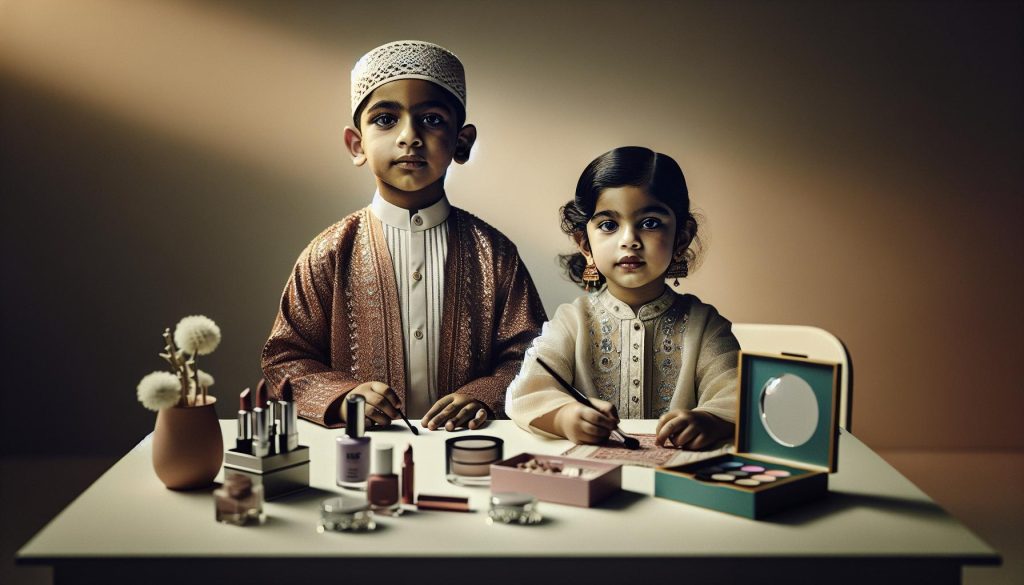
As children explore creativity and self-expression, the question arises: Is makeup bad for kids? With a booming industry offering colorful palettes designed for little hands, many parents are keen to understand the safety implications. While some makeup kits are designed specifically for play, pediatricians often caution about skin sensitivity and potential allergies. In this article, we’ll delve into expert insights, debunk myths, and arm you with knowledge to make informed choices about makeup for your child. So, if you’re wondering how makeup might affect your little one’s skin and well-being, keep reading to uncover valuable guidance that addresses your concerns and supports safe play.
Is Makeup Safe for Kids? Expert Insights
Makeup is a captivating world for many kids, often seen as a fun way to express themselves. However, as enticing as it may be, experts stress the importance of considering safety and health implications. Pediatricians highlight that children’s skin is delicate and more prone to irritation than adult skin. This sensitivity can lead to rashes, allergic reactions, or other skin issues, especially with products that contain harsh chemicals. Therefore, the choice of makeup and how often it’s applied requires careful consideration.
It’s not just about potential skin irritations; the psychological effects of makeup on children also warrant attention. Pediatricians often point out that introducing makeup at an early age might impact self-esteem and body image. Kids can feel pressured to conform to societal beauty standards, which are increasingly promoted through social media. This pressure can lead to anxiety over appearance, potentially skewing their perception of beauty and self-worth.
When navigating this tricky terrain, parents can look for age-appropriate options designed specifically for kids. Many brands now offer makeup that is free from harmful chemicals and suitable for young skin. Educating children on proper skincare and the importance of removing makeup before bed can also mitigate risks. Emphasizing natural beauty and self-confidence over artificial enhancements fosters a healthier mindset around beauty and self-expression.
In summary, while makeup can be a fun outlet for children, it’s essential to approach it with caution. By choosing safe products, setting appropriate boundaries, and encouraging positive self-expression, parents can help their kids navigate the world of makeup without compromising their health or self-esteem.
Why Pediatricians Recommend Caution
It’s exciting to see children wanting to explore the world of beauty and self-expression through makeup. This curiosity is completely natural! However, pediatricians often urge caution when it comes to introducing kids to makeup. One of the primary concerns is that children’s skin is significantly more delicate than adult skin. This sensitivity makes them more susceptible to irritations and allergic reactions from certain ingredients commonly found in makeup products. When kids use products with harsh chemicals, they risk developing rashes, breakouts, or other skin issues, leading to discomfort and potential long-term skin problems.
Moreover, the psychological impact of makeup cannot be overlooked. Pediatricians highlight that early exposure to makeup can shape a child’s self-image and self-esteem. When children start using makeup, they may feel pressured to conform to societal beauty standards often propagated by social media and peer influences. This external pressure can create anxiety around their appearance and may distort their understanding of beauty, making them feel that their worth is tied to looking a certain way. It’s essential for parents to engage in open conversations about self-worth and the value of inner beauty, helping to mitigate any negative effects.
To navigate the world of makeup safely, pediatricians recommend choosing products that are specifically designed for young skin. These products should be free of harmful chemicals and gentle enough for delicate skin. For example, look for brands that highlight hypoallergenic or non-toxic formulas. Educating children about skincare-such as cleansing their face properly and removing makeup at the end of the day-can further reduce risks. By fostering an environment that prioritizes safety and encourages natural beauty, parents can support their children in exploring makeup in a healthy way.
Ultimately, while allowing kids to experiment with makeup can be fun, it’s crucial to approach it with thoughtfulness. This ensures that makeup remains a positive form of self-expression rather than a source of pressure or skin problems. By combining safety, education, and open communication, parents can help their children enjoy the world of makeup responsibly.
The Psychological Effects of Makeup on Children
The fascination with makeup can spark creativity and self-expression in children, but it’s essential to understand the nuances of these early beauty experiences. Research indicates that when children engage with makeup, it can significantly influence their self-image and outlook on beauty. Children, especially during formative years, are highly impressionable. They may begin to associate beauty with physical appearance, which can lead to latent pressures to conform to societal standards. This association might not only affect how they see themselves but also how they interact with peers who may share similar interests.
Pediatricians express concerns that early exposure to makeup might trigger feelings of inadequacy, especially if a child believes they do not meet beauty norms. This can foster anxiety related to their appearance, potentially resulting in a distorted self-image. It’s vital for parents to lay a positive foundation by promoting discussions around inner beauty, emphasizing that worth is not solely tied to looks. For instance, while trying out a new lip gloss or glitter, it could be a great moment for parents to talk about qualities like kindness, intelligence, and strength, helping children internalize a more balanced view of themselves.
Moreover, the social dynamics surrounding makeup cannot be overlooked. As children navigate friendships, they might feel immense pressure to adopt certain beauty practices to fit in, especially with the pervasive influence of social media. Encouraging an attitude of healthy self-expression, where makeup is just one of many tools for creativity, can shift the narrative. Instead of seeing beauty products as must-haves, they can be appreciated as a fun outlet for personal flair, reinforcing that everyone has unique attributes that make them special.
Ultimately, promoting healthy psychological perspectives around makeup in children is about balance. It involves allowing creative exploration while fostering resilience and self-acceptance. By engaging in open dialogues about beauty ideals and focusing on individual strengths, parents can help their children navigate their makeup journey positively, ensuring it remains an enjoyable aspect of self-expression rather than a source of pressure.
Skin Health: Risks of Early Makeup Use
If you’re considering letting your child explore the world of makeup, it’s important to understand the potential risks to their skin health. Children’s skin is generally more sensitive and delicate compared to adult skin, which can leave them vulnerable to various adverse effects. With this in mind, parents should approach early makeup use with caution.
One of the primary concerns is that many makeup products contain harsh chemicals and allergens that may irritate young skin. Ingredients like fragrances, parabens, and certain preservatives can cause allergic reactions, leading to redness, rashes, or breakouts. It’s crucial to read labels carefully and look for products that are hypoallergenic and specifically formulated for children or sensitive skin. For example, opting for natural or organic brands that avoid harmful substances can significantly reduce the risk of adverse skin reactions.
Understanding Breakouts and Skin Sensitivity
Additionally, frequent application of makeup can clog pores, leading to breakouts. Children who begin using makeup at a young age may not have developed a consistent skincare routine, which is essential for maintaining healthy skin. Teaching your child about basic skincare, such as cleansing their face after makeup use, can help prevent issues like acne and skin irritation. Encourage a gentle cleansing routine-using a mild soap and lukewarm water-right after removing makeup. For instance, explain that they should wash their face using a circular motion with their fingertips for about 30 seconds.
Regular Skin Care Rituals
Establishing a skincare routine can empower children and help them understand the importance of maintaining their skin’s health. Here are a few practical tips:
- Start Simple: Teach your child to wash their face daily with a gentle cleanser.
- Moisturize: Introduce a lightweight, non-comedogenic moisturizer to keep their skin hydrated.
- Sun Protection: Make wearing sunscreen a daily habit, especially if makeup includes foundations or tinted moisturizers.
By guiding them through these steps, parents can foster a healthy era of self-expression while minimizing the risks associated with makeup usage. Remember, the key is moderation and education-show them that while makeup can be fun, taking care of their skin is even more important.
Age-Appropriate Makeup Choices for Kids
Introducing makeup to children can be a delightful experience, but choosing the right products is vital. Parents often wonder what constitutes “age-appropriate” makeup and how they can balance fun with safety. The golden rule is to prioritize products specifically designed for younger skin, as these are often formulated without harsh chemicals that can irritate or harm delicate skin.
For young children, consider starting with light, non-toxic options. Products like tinted lip balms and natural cheek stains can provide a hint of color without the complications of full makeup. These products usually contain gentle ingredients that are less likely to cause allergic reactions. As children grow older, you can introduce more variety, such as child-friendly cosmetics that emphasize fun rather than a full glam look. Always check for labels that indicate the product is hypoallergenic and free from harmful additives.
Safe Product Choices
It’s essential to educate your child about the importance of using makeup as a form of self-expression rather than a necessity. Help them understand that less can be more; a touch of sparkle on the eyes or soft blush on the cheeks can help them feel special or creative without overwhelming their features. Opt for brands that cater to kids, which will likely incorporate safe, washable formulas perfect for little hands still learning to apply makeup.
Remember that while makeup can be a lot of fun, encouraging children to experiment with natural beauty is equally important. Teach them to embrace their unique features and emphasize the fun aspects of makeup as an art form. This perspective not only nurtures creativity but also boosts their self-esteem, allowing them to discover their identity in a playful, safe manner.
Tips for Parents: Navigating Kids and Makeup
Introducing makeup to children can open up a world of creativity, but navigating this journey can feel daunting for many parents. The key lies in fostering a positive and safe experience. Here are some strategies to help you approach this topic with thoughtfulness and care.
Start by having open conversations with your child about makeup and its purpose. Explain that it’s a fun way to express themselves, but it isn’t necessary for them to feel beautiful. Encourage them to explore makeup as a form of artistry and creativity. You might say something like, “Makeup can be a fun way to change our looks, but remember, you are beautiful just as you are.”
Safe Choices Matter
When choosing products, prioritize those specifically designed for children’s sensitive skin. Look for labels that mention being hypoallergenic, non-toxic, and dermatologist-tested. Some popular options include light, washable products made with gentle ingredients. Encourage your child to start with simple items, such as lip balm or cheek tint, before moving on to more complex products. This step-by-step introduction helps them learn application while keeping skin health in check.
Be a Guide
Instead of simply allowing unrestricted access to makeup, help your child learn the importance of moderation. Show them how to apply a small amount, such as a dab of blush or a light swipe of lip gloss. You can say, “Let’s try putting on just a little to see how it looks.” This not only makes the experience fun but also teaches them about application techniques and limits.
Understand Social Dynamics
As children grow, they may face pressure from peers to conform to specific beauty standards. Equip them with the confidence to make choices that reflect their values rather than succumbing to trends. Discuss the social aspects of makeup together and encourage them to reframe their perspective: remind them that true beauty comes from within, and makeup is only an accessory.
In summary, navigating kids and makeup involves creating a supportive environment where creativity can flourish without compromising health or self-esteem. By guiding your child with love and knowledge, you help them enjoy makeup while valuing their natural beauty.
How to Encourage Natural Beauty in Children
Encouraging natural beauty in children not only boosts their self-esteem but also fosters a positive self-image that lasts into adulthood. Research shows that children are more likely to embrace their individuality when they grow up in an environment that celebrates their unique traits. One effective way to promote this acceptance is to emphasize the value of self-care rather than superficial changes that makeup might represent.
Start by creating rituals around skincare that prioritize healthy habits. For example, instead of framing it as a “beauty routine,” refer to it as a “self-care routine.” Teach them the basics of skin hygiene such as washing their face gently twice a day and moisturizing with products suited for their skin type. This not only keeps their skin healthy but also instills a sense of responsibility regarding their body. You could say, “Taking care of our skin helps us feel good inside and out!”
Incorporate conversations about inner beauty and character. Engage in discussions about what qualities make someone truly beautiful. Whether it’s kindness, creativity, or confidence, highlight the importance of these traits over physical appearance. You might incorporate examples from books or movies where characters overcome challenges and are celebrated for their strengths. This reinforces the idea that beauty comes in many forms and often shines brightest when we are true to ourselves.
Moreover, involve your child in creative activities that encourage expression without makeup. Activities such as painting, dancing, or crafting provide opportunities for self-expression and build confidence. When children can express their feelings and ideas through art, they learn to appreciate their innate talents and abilities. You could organize theme nights where you do face painting or use colorful markers to create designs rather than relying on traditional makeup.
Ultimately, encouraging natural beauty is about fostering an environment where your child feels valued for who they are. Let them know that everyone has unique features that add to their charm, and reinforce that self-love is the most important form of beauty. When children learn to appreciate themselves without the embellishment of makeup, they grow into individuals who carry that confidence into the world.
Alternatives to Traditional Makeup for Kids
Instead of relying on traditional makeup, which can pose various concerns for children’s skin health and well-being, there are numerous creative and safe alternatives that can allow kids to express themselves. These options not only minimize risks but also promote fun and imaginative play.
Start with face paints, which are specifically designed for children and come in a variety of colors and formulations that are safe for sensitive skin. You can encourage your child to unleash their creativity by transforming their faces into animals, superheroes, or princesses. The key is to look for water-based products that are easy to wash off with soap and water, ensuring that they do not irritate the skin during or after use.
Another excellent option is temporary tattoos. They provide a fun way for kids to decorate their bodies without the permanence or commitment of traditional body art. Look for non-toxic, skin-safe versions that can easily be applied with water and removed. This allows children the excitement of self-expression without any long-term effects or worries about sensitive skin reactions.
For those interested in a bit of sparkle, glitter gels can be an exciting alternative. These gels can be used to enhance cheekbones or add a bit of glam to their playtime adventures. Just make sure the glitter is specifically formulated for skin use-this ensures it’s safe and won’t end up irritating their delicate skin or eyes.
You can also use natural lip balms or tinted lip glosses made from organic ingredients. These can add a splash of color to your child’s lips while keeping them moisturized and protected. Opt for products that are free from harsh chemicals, providing peace of mind that they are gentle on young skin.
Engaging in themed craft projects can encourage creativity without the need for makeup. Activities such as making friendship bracelets, customizing t-shirts, or designing their own accessories allow children to explore their artistic sides in a more hands-on way. This not only fosters self-expression but also cultivates various skills and confidence.
Incorporating these alternatives into playtime offers children the thrill of dressing up and experimenting with their look in a safe and nurturing environment. They’ll enjoy expressing themselves without the complications that traditional makeup can bring, all while fostering their unique sense of style and identity. Remember, the goal is to make the experience joyful and liberating-encouraging children to embrace their individuality in ways that celebrate their natural beauty!
Makeup and Social Pressure: What to Know
When it comes to makeup and children, social pressure can significantly influence young minds, pushing them towards cosmetic use earlier than they might be ready for. Many children are exposed to various media portrayals of beauty that emphasize the use of makeup as a norm. This phenomenon can create unrealistic expectations and lead to a desire to conform to these often unattainable beauty standards. It’s essential to recognize that children might feel the urge to wear makeup simply to fit in with peers, rather than for personal expression, which can add another layer of complexity to the conversation.
To empower kids in the face of social pressure, parents and caregivers should foster open discussions about beauty standards and self-worth. Start by affirming that beauty comes in all forms and varies widely across different cultures. Encourage children to appreciate their natural appearance by naming features they love about themselves, rather than focusing solely on how others perceive them. This approach not only boosts self-esteem but also instills a sense of individuality that can shield them from negative influences.
Additionally, providing a safe space for creative expression without the need for traditional makeup can be incredibly beneficial. Engage children in activities like themed dress-up or crafts, where their creativity can flourish without the constraints of societal expectations. This facilitates a positive outlet for self-expression that doesn’t revolve around external validation through makeup.
Lastly, teaching kids about the implications of makeup can lead to informed choices when they encounter peer pressure. Discuss the potential skin health concerns and the importance of maintaining a genuine self-image that isn’t dependent on cosmetics. Equip them with tools to navigate these pressures by role-playing scenarios where they might feel compelled to wear makeup, allowing them to rehearse responses that align with their values. Such discussions can help them stand firm in their self-acceptance as they grow, ultimately making choices that reflect their true selves rather than succumbing to societal demands.
Setting Boundaries: When Is Makeup Okay?
When considering makeup for kids, establishing clear boundaries is essential for nurturing both their self-esteem and skin health. This serves not only to protect them from potentially harmful products but also to guide them in understanding the differences between self-expression and societal pressure. It’s crucial to approach the topic with a blend of openness and clear guidelines, so children feel safe and valued in their choices.
Firstly, age plays a vital role in determining when makeup can be appropriate. For younger children, allowing them to experiment with safe, non-toxic options during playtime-like face paint or fun lip balms-can be a great way to foster creativity without the risks associated with traditional makeup. As kids approach their tweens, introducing the idea of light makeup-such as tinted lip balm or sheer blush-can help them feel confident, especially during special occasions.
Communication is key in setting these boundaries. Engage your child in conversations about why certain products may not be suitable for their age. Discuss the importance of skin health, emphasizing that their skin is still developing and sensitive. Make it a collaborative experience: involve them in researching products that are gentle and appropriate for young skin, or even in making a list of practical makeup rules. This empowers them to make informed choices.
Moreover, encourage awareness about societal beauty standards. Help them understand that makeup can be fun, but it’s not a necessity for being beautiful. By framing makeup as an option rather than an obligation, you promote a healthier self-image. Regularly affirm their natural beauty and encourage self-expression in forms beyond makeup-such as through art, sports, or any other hobbies they enjoy.
In essence, establishing boundaries around makeup use doesn’t mean restricting expression; rather, it opens the door for meaningful discussions about identity, self-worth, and the importance of taking care of their skin. As they grow, revisiting these guidelines can be beneficial, allowing you to adjust the conversation as they become more interested and informed about beauty norms and personal choices.
Understanding Children’s Self-Expression Through Makeup
Encouraging self-expression in children is vital for their emotional development, and makeup can serve as one of many creative outlets. While some may view makeup as merely a cosmetic tool, it can be a way for kids to explore identity, experiment with colors and styles, and express their personality. Understanding how makeup fits into the broader context of self-expression can help parents guide their children in a balanced and healthy manner.
When children play with makeup, they often mimic role models they admire, whether that’s a parent, celebrity, or character from a favorite show. This imitation can foster a sense of connection and belonging. For young kids, using makeup might resemble the joyous experience of dressing up for a party or engaging in creative play. As they get older, experimenting with makeup can symbolize a transition into new social realms, like school dances or themed events.
It’s important for parents to lean into these moments as opportunities for dialogue rather than outright prohibition. For instance, if a child wants to wear bright lipstick or eyeshadow, start a conversation about their choice. Ask them what they like about their look or what emotions they express through their choice of colors. This not only validates their feelings but also teaches them to articulate their preferences and make informed decisions about self-expression.
Providing guidance on age-appropriate products can also enhance this experience. Encourage kids to use fun, safe, and non-toxic options, such as face paints or lip balms, that allow them to express themselves creatively without the risks associated with traditional makeup. This way, children learn to appreciate makeup as an artistic tool that can be fun and expressive rather than a necessity for beauty.
In summary, understanding and supporting your child’s self-expression through makeup can lead to deeper conversations about identity and creativity. Embrace these moments to foster a healthy relationship with self-image and encourage exploration in a safe and loving environment.
Real Stories: Parents’ Experiences with Kids and Makeup
Some parents find themselves navigating the colorful yet sometimes complicated world of kids and makeup, and their stories provide valuable insights. Take Jessica, a mom of two girls, who found that allowing her daughters to occasionally play with makeup became a cherished bonding experience. She set aside a weekend afternoon for a mini-makeover session. Instead of using traditional products, they opted for kid-friendly cosmetics, like washable face paints and glitter gel. Through this playful activity, they discussed concepts of self-expression and creativity, reinforcing that makeup can be a form of fun, not a necessity.
Others, like Daniel, noticed how makeup opened up dialogues about self-image. His daughter, influenced by social media, expressed a desire to wear mascara for a school event. Instead of a flat “no,” Daniel chose to engage in a conversation. They discussed the intent behind her choice, emphasizing that while makeup can be an enjoyable form of self-expression, it shouldn’t define her worth. This led to setting clear boundaries, allowing his daughter to wear a light, natural look, which made her feel confident without feeling pressured to conform to unrealistic beauty standards.
Real-life experiences often highlight practical points on safety as well. For instance, Emily, whose son loves dressing up like superheroes, found it easy to incorporate makeup into their playtime. She ensured that any makeup used was non-toxic and safe for kids. Her son felt empowered by his costume, and the makeup added a fun visual element. Emily’s approach demonstrated that with proper guidelines, makeup can enhance creative play rather than become a source of anxiety or concern regarding safety and self-image.
Each of these stories underscores a shared theme: navigating makeup for kids requires open communication and clear guidelines. Encouraging children to express themselves through colors and styles can be empowering, but it also comes with responsibilities. Ultimately, engaging in these dialogues helps parents support their children’s exploration while fostering healthy perspectives on beauty and self-worth.
Q&A
Q: What age is appropriate for kids to start wearing makeup?
A: The appropriate age for kids to start wearing makeup varies, but many pediatricians suggest introducing makeup around age 12 or 13. This allows them to explore self-expression while prioritizing skin health. Always choose age-appropriate products and supervise usage for safety. For tips on age-appropriate choices, refer to the “Age-Appropriate Makeup Choices for Kids” section of the article.
Q: Can wearing makeup harm a child’s skin?
A: Yes, wearing makeup can lead to skin issues such as acne or allergic reactions, especially if products are not suited for children’s sensitive skin. It’s essential to choose gentle, non-toxic products and ensure proper removal to minimize risks. Explore more about skin health risks in the article’s “Skin Health: Risks of Early Makeup Use” section.
Q: What should parents know about makeup and social pressures for kids?
A: Parents should be aware that makeup can create social pressures, leading kids to feel they must conform to beauty standards. Encourage open discussions about self-esteem and beauty perceptions. The “Makeup and Social Pressure: What to Know” section offers deeper insights into navigating these challenges.
Q: How can I support my child’s interest in makeup without compromising their wellbeing?
A: Support your child’s interest in makeup by encouraging creativity with natural products and DIY alternatives. Set clear boundaries about when and where makeup can be worn to foster healthy self-expression. Visit the “Tips for Parents: Navigating Kids and Makeup” for more guidance.
Q: What are the psychological effects of makeup on children?
A: Makeup can positively and negatively impact a child’s self-image. It might enhance confidence but also create dependence on appearance for self-worth. Understanding these effects is crucial for parents; learn more in the article’s “The Psychological Effects of Makeup on Children” section.
Q: Are there safe alternatives to traditional makeup for kids?
A: Yes, there are several safe alternatives, such as face paints, natural pigments, and tinted balms. These products can be fun and less harmful to sensitive skin. Check out the “Alternatives to Traditional Makeup for Kids” section for specific product recommendations.
Q: How do pediatricians view the use of makeup by children?
A: Pediatricians generally advise caution with makeup use among children, emphasizing safety and the importance of monitoring product ingredients. They support age-appropriate use that allows for self-expression while minimizing health risks. For more expert insights, refer to the “Why Pediatricians Recommend Caution” section of the article.
Q: What signs indicate that makeup use may be becoming problematic for a child?
A: Signs of problematic makeup use include frequent skin irritations, increased anxiety about appearance, or using makeup to fit in socially. It’s vital for parents to remain observant and discuss any concerns. Explore related discussions in the article to further understand children’s self-expression through makeup.
Wrapping Up
As we’ve explored, the question “Is Makeup Bad for Kids?” reveals a lot about how pediatricians view this issue-it’s less about the makeup itself and more about safe practices and inclusive play. Encouraging your child’s creativity with makeup can be positive when done appropriately. To further educate yourself, check out our article on safe kids’ makeup options or dive into tips for nurturing creativity in children through play.
Feeling unsure about which products are best? Explore our curated guides for the top kids’ makeup kits that are both fun and safe! Your child’s well-being is the priority, and we’re here to help navigate those choices.
Be sure to leave your thoughts below, and don’t forget to subscribe to our newsletter for more insights and tips on healthy beauty practices! Your engagement matters, and together, we can foster a safe environment for our children to express themselves creatively.
Get our latest guides, news, and insights highlighted in your Google Search & AI Overviews.