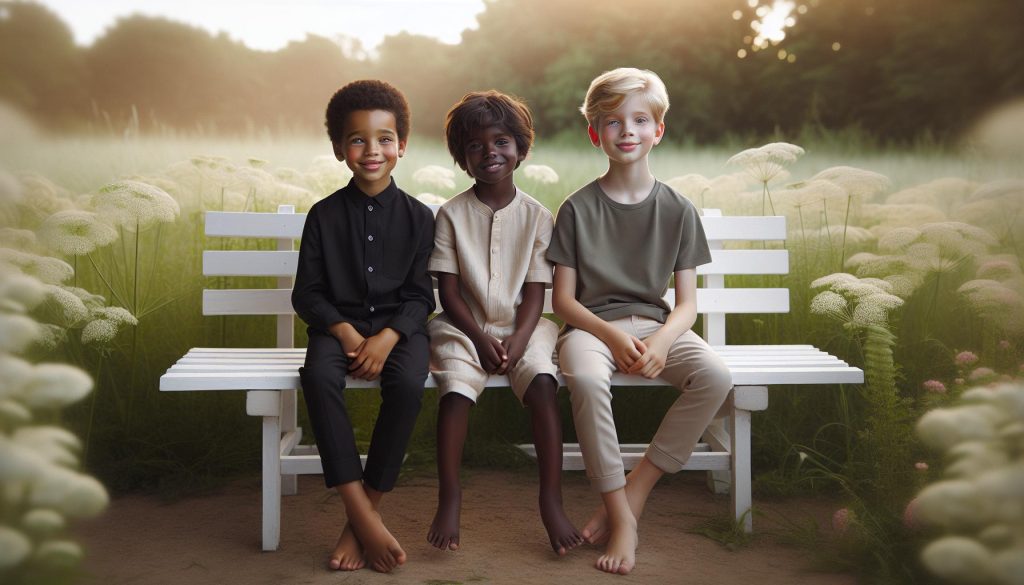
Have you ever noticed how some children bear a striking resemblance to their parents, while others look surprisingly different? It’s a fascinating topic that taps into the complexities of genetics. In “Do Children With the Same Genetic Makeup Look Alike? Explained,” we’ll delve into how genes influence physical appearance and why siblings might look alike or quite distinct. Understanding these genetic intricacies can help demystify common observations and answer burning questions parents often have about their children’s resemblance to family members. Join us as we explore this intriguing intersection of science and family dynamics, and shed light on the many factors at play in how we inherit our looks.
Do Siblings Share Similar Features?
Siblings often share strikingly similar features, a phenomenon that intrigues many. This resemblance stems from genetics, as siblings inherit DNA from their parents, leading to shared physical traits. Interestingly, while siblings statistically share about 50% of their genetic material, this does not imply they will look identical. Instead, they may exhibit a blend of their parents’ characteristics, which creates a unique family resemblance.
The genetics of appearance goes beyond mere surface traits. Facial features, eye color, and even body type can show significant resemblance among siblings. For example, if parents have similar jawlines or eye shapes, their children are likely to inherit these traits, creating a visual connection between siblings. The extent of resemblance can vary, influenced by how genes assort during reproduction. While one sibling may inherit their mother’s nose, another may get their father’s chin, resulting in a familial look grounded in genetic diversity.
However, genetics isn’t the sole player in determining familial appearance. Environmental factors and life experiences can shape how siblings carry their inherited features. For instance, nutrition during childhood or lifestyle choices can lead to differences in height or skin condition, even among siblings with similar genetic backgrounds. This interplay highlights that while genetics lays the foundation, the environment can also significantly influence how those traits are expressed over time.
In conclusion, siblings typically share many features due to their shared genetic blueprint, but individual differences arise through a combination of genetic variability and environmental influences. This unique blend is what makes family resemblances both fascinating and complex, revealing the intricate dance of genes and experiences that shape who we are.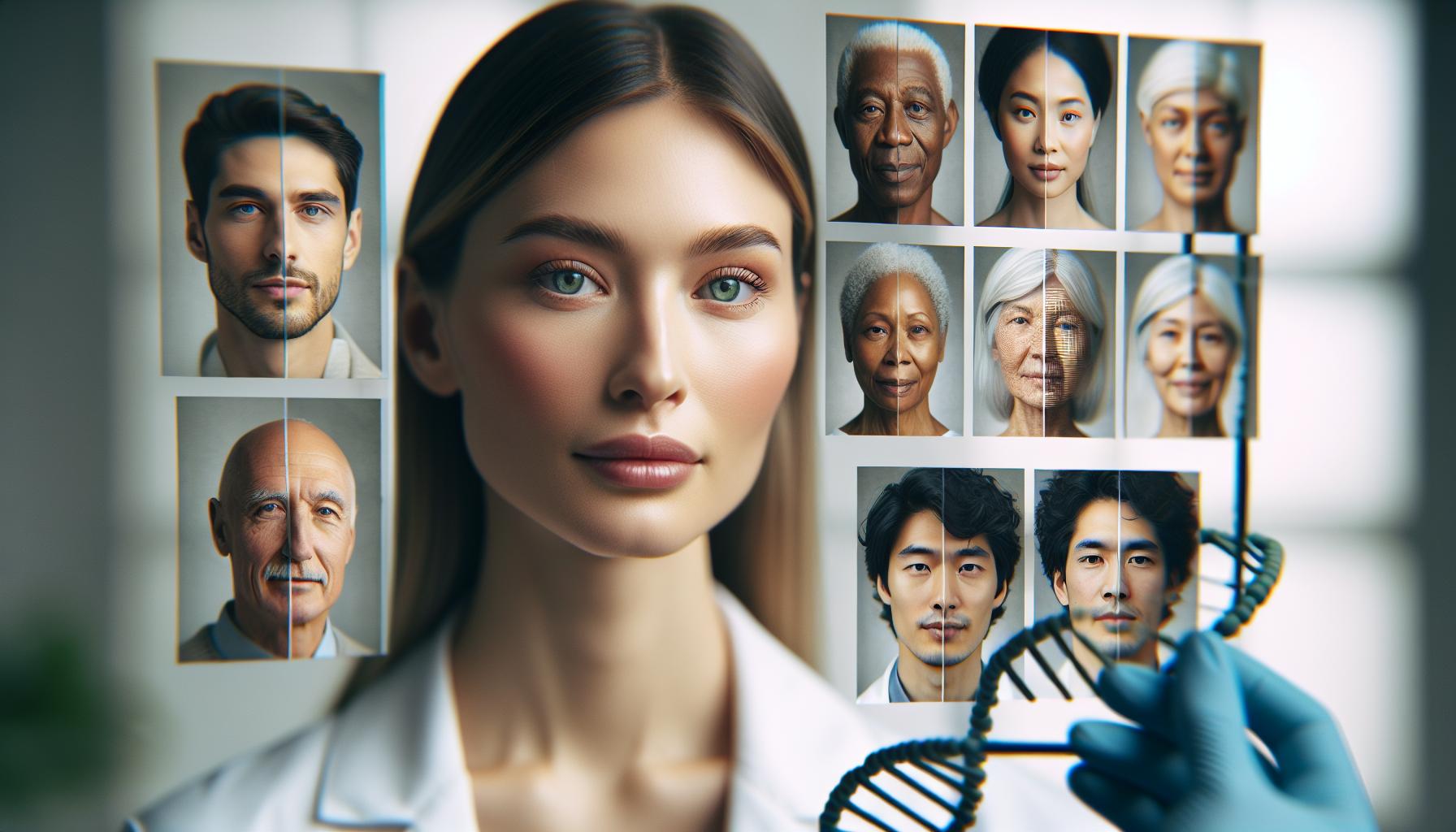
The Role of Genetics in Facial Appearance
Genetics plays a fascinating role in shaping our physical appearance, particularly our facial features. When we look at children with the same genetic makeup, such as siblings or identical twins, it becomes clear how genes can strongly influence traits like eye shape, nose size, and even the contour of one’s face. Research has shown that multiple genetic variants are linked to facial traits, suggesting that our appearance is a mosaic crafted from the specific combination of genes inherited from our parents.
One incredible aspect of this genetic influence is the extent to which certain features are governed by heritable traits. For instance, traits such as the width of the nose or the projection of the chin are influenced by about 440 independent genetic loci identified in genome-wide studies. Each of these loci contributes small effects to our overall facial structure, meaning that while individual genes may exert minor influence, their collective impact can result in striking resemblances among family members. This genetic interplay helps explain why siblings often enjoy notable similarities, even though each child may inherit different combinations from their parents.
While it’s clear genetics is a strong factor in facial appearance, it’s also worth noting that not all attributed features necessarily come from direct inheritance. For example, some traits may exhibit variability due to how genetic information is expressed in each individual. Facial appearance can be influenced by gene interactions and environmental factors as well. If siblings grow up under different conditions, such as varied diets or lifestyles, these can further shape their looks, even when their genetic backgrounds are nearly identical.
Additionally, in cases of identical twins, who share 100% of their DNA, their facial similarities can be striking, often leading people to confuse them. However, even twins can develop unique features over time due to environmental influences or personal choices-like hairstyle or skincare routines-that can set them apart. This highlights the overarching idea that while genetics provides the canvas of our features, the environment acts as the brush that adds depth, color, and uniqueness to the final portrait of our appearance.
In embracing our inherited features, it’s comforting to recognize how much of our identity is shaped by our genes and experiences, allowing us to celebrate our individuality amid shared family traits.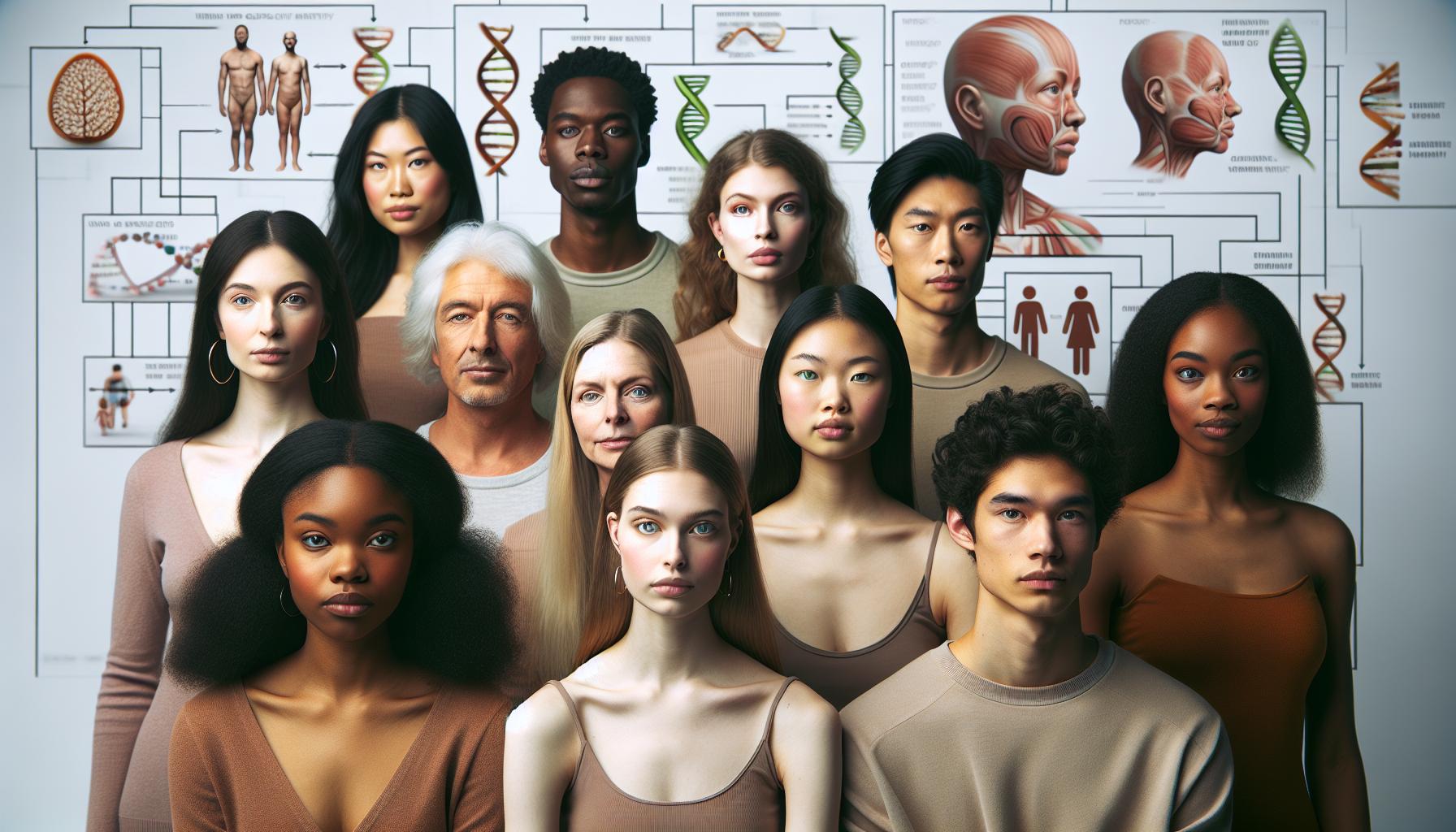
How Genetic Variability Affects Looks
Genetic variability is a compelling factor in understanding how we inherit our physical features. While siblings may share a significant portion of their DNA, the specific combinations of genes they inherit can lead to noticeable differences in appearance. This is because each individual receives a unique assortment of alleles from their parents-these are the different forms of a gene that can influence traits such as hair color, skin tone, and facial features.
One fascinating aspect of this genetic diversity is how multiple genes interact to shape our looks. For instance, studies have highlighted that hundreds of genetic loci contribute to traits like eye shape or nose width. This means that even a slight variation in the alleles inherited can result in distinct physical characteristics. Think of it this way: if genetics were a recipe, each sibling might have a slightly different dish based on the ingredients they received from their parents, leading to variations even within the same family.
Moreover, while genes lay the groundwork for our appearance, environmental factors can dramatically influence how these genetic traits express themselves. Factors such as diet, sun exposure, and overall health during childhood can alter how certain traits develop. For example, a sibling growing up in a sunny climate may have a different skin tone compared to another who lived primarily indoors, despite both sharing the same foundational genetic traits.
Understanding these dynamics can deepen our appreciation for what makes us unique. While the genetic variability among siblings might lead to differing looks, it reinforces the concept that beauty and individuality are complex and multifaceted. Embracing these differences nurtures a positive perspective on family resemblance, celebrating both the inherited traits and those shaped by our unique experiences.
Environmental Influences on Physical Similarity
Environmental factors play a significant role in shaping our physical appearance, often complementing the genetic blueprint we inherit from our parents. While children with the same genetic makeup-like identical twins-may share stunning similarities in features, external influences can create noticeable differences over time. Understanding these elements helps demystify why siblings, despite their shared DNA, might look distinct.
One of the most impactful environmental factors is nutrition. The foods we consume during critical developmental stages can affect everything from skin quality to hair texture. For instance, a diet rich in vitamins and minerals supports healthy skin and hair, while a deficiency can lead to issues such as dryness or dullness. Similarly, a child growing up in a household that emphasizes healthy eating may develop a more vibrant complexion compared to a sibling who has less nutritious options available.
Sun Exposure and Lifestyle Choices
Another important aspect is sun exposure. UV rays can cause skin pigmentation changes, leading to freckles or tans that may not develop in a sibling who spends less time outdoors. Consider the child who plays sports versus the one who prefers indoor activities; the one with greater sun exposure may end up with a noticeably darker skin tone even though they share the same genes.
Furthermore, lifestyle choices such as physical activity and skincare routines can significantly influence appearances. Engaging in regular exercise not only promotes overall health but can also enhance physical attributes, such as muscle tone and skin texture. On the other hand, consistent use of specific skincare products can further refine facial features and improve skin clarity.
Practical Takeaways
To illustrate how you can harness these factors for your benefit, here are some effective tips:
- Maintain a Balanced Diet: Focus on including a variety of fruits and vegetables, lean proteins, and whole grains to promote healthy skin and hair.
- Protect Your Skin: Always apply sunscreen, especially for children, to minimize harmful effects from sun exposure. This can keep the skin looking youthful and even-toned.
- Encourage Active Lifestyles: Engage siblings in activities that promote physical fitness. Outdoor sports or family walks can help them maintain a healthy body and improve skin circulation.
- Be Mindful of Skincare: Teach siblings about suitable skincare routines that match their skin types, focusing on hydration and protection.
In summary, while genetics establish a foundation for our looks, environmental influences can create a canvas that paints individuality. By being aware of these factors, families can foster healthy habits that not only celebrate their unique characteristics but also enhance their shared features, leading to a deeper appreciation for family resemblance.
The Science Behind Identical Twins’ Looks
Identical twins provide a fascinating glimpse into the role genetics plays in physical appearance because they share 100% of their DNA. This shared genetic makeup means that many of their facial features-like eye color, hair texture, and overall body structure-are strikingly similar. For instance, if one twin has curly hair, the other is very likely to have the same texture, highlighting how our genetic code sets the stage for our looks. Yet, even with identical genes, subtle differences can emerge due to a variety of factors, including environmental influences and individual experiences.
One key aspect to consider is the developmental environment before birth. Factors like maternal nutrition and health can influence how genes are expressed, potentially leading to minor variations in appearance even among identical twins. After birth, twins may also experience different environments, whether through differing social interactions, diet, or lifestyle choices. For example, one twin might spend more time outdoors and develop a tan, altering their appearance relative to their sibling. Such factors underscore that while genetics is crucial, it is not the only determinant of an individual’s look.
The phenomenon of epigenetics also plays a vital role. This refers to changes in gene expression that do not involve alterations to the DNA sequence itself. Environmental influences, such as stress, diet, and exposure to toxins, can lead to epigenetic changes that may affect hair color or skin health, creating divergences in appearance over time. This nuanced interaction between our genes and environment explains why identical twins, despite their perfect genetic match, can develop unique features as they grow.
Ultimately, when you observe identical twins, what you’re seeing is a beautiful interplay of genetics and environment. While these twins start with the same genetic foundation, their individual experiences contribute to their unique identities, further enriching our understanding of human diversity.
Can Non-Identical Twins Look Alike?
Non-identical twins, or fraternal twins, can indeed share some striking similarities, even though they only share about 50% of their DNA. This genetic factor allows for a wide range of physical traits to be inherited, which can lead to these siblings looking quite alike in some aspects. For instance, if both twins inherit similar hair color and facial shape from their parents, they may easily be mistaken for each other, especially at a young age.
Factors contributing to their resemblance often include shared environments and upbringing. From similar diets and lifestyles to family interactions, these twins may grow up with influences that can accentuate their shared traits. For example, if both twins play sports and maintain an active lifestyle, they might develop similar physiques. Shared experiences can significantly shape how closely they resemble one another, further blurring the lines of individuality.
Moreover, just as with identical twins, environmental factors can come into play. Elements such as nutrition and health during development-both prenatal and postnatal-can influence their appearances. Epigenetics, the study of changes in gene expression caused by external factors, also suggests that lifestyle choices for each twin can lead to differences over time, despite their genetic similarities. For example, one twin might develop freckles from spending more time outdoors, while the other might have a fairer complexion due to indoor activities.
In summary, while non-identical twins may not have the same level of genetic similarity as identical twins, they can indeed look alike due to shared traits and environmental influences. Celebrating these similarities reminds us that even among differences, the connections and overlaps in appearance can be profound and beautiful.
The Impact of Epigenetics on Appearance
Epigenetics is a fascinating field that reveals how our environment and lifestyle choices can influence how our genes are expressed, affecting our appearance in profound ways. Unlike genetic factors, which are static and handed down from our parents, epigenetics involves dynamic changes that can occur throughout our lives. This means that even siblings with nearly identical DNA can end up looking different based on various external influences.
For instance, consider two siblings who share the same genetic makeup but choose different lifestyles. One might be an outdoor enthusiast, frequently exposed to sunlight and developing a tan or freckles, while the other may prefer indoor activities, leading to a lighter complexion. Such lifestyle choices can modify how genes express features like skin tone or even body composition. This is because epigenetic changes can activate or silence certain genes responsible for traits that influence our physical appearances.
Nutrition plays a critical role in the epigenetic landscape as well. A diet rich in essential vitamins and minerals can positively impact skin health, hair growth, and overall physical appearance-while a poor diet can contribute to blemishes, hair loss, or dull skin. For instance, a sibling who incorporates plenty of fruits, vegetables, and hydration into their regimen may exhibit a more vibrant complexion compared to another sibling consuming a lot of processed foods.
Overall, epigenetics serves as a bridge between our genes and our environment, showing that while DNA lays the groundwork for physical features, external factors play a significant role in how those features ultimately manifest. This dynamic interchange emphasizes the beauty of individuality, even among genetically similar siblings, and reminds us that maintaining a healthy lifestyle can enhance our unique features. By understanding the impact of epigenetics, we can make informed choices that not only benefit our health but also our appearance, celebrating the diverse expressions of who we are.
Exploring the Concept of Genetic Identity
Understanding genetic identity can be a fascinating journey that reveals just how unique or similar we are to our family members, especially siblings. While it’s commonly accepted that siblings share a significant percentage of their genetic makeup, the realization that no two individuals – even those with identical genes – look exactly the same can be eye-opening. This uniqueness arises from the complex interplay of genetics, environment, and individual experiences that shape our identities.
People often ask, “If we share the same genes, why do we look different?” The answer lies in the concept of genetic variability. Siblings inherit a blend of genes from both parents, but due to the random nature of genetic recombination during the formation of sperm and egg cells, they can inherit different combinations of traits. This biological lottery means that even full siblings can exhibit diverse physical attributes, such as height, eye color, and facial features. For instance, while two siblings might share the same curly hair from their mother, one might have their father’s eye shape, altering their overall appearance.
External factors also play a significant role in shaping how our genetic features manifest. Environmental influences, ranging from nutrition to lifestyle choices, can lead to observable differences even among genetically similar individuals. For example, two siblings raised in different climates may develop distinct skin tones or hair textures as a response to their surroundings, making them appear less alike than their genetic makeup would suggest. Therefore, while we can see certain family resemblances due to shared genes, it’s essential to recognize the multifaceted nature of appearance that includes both genetic and environmental variables.
In exploring genetic identity, it also becomes essential to consider the profound impact of epigenetics. This relatively new field studies how our environment can switch genes on or off, effectively modifying how our characteristics are expressed. A sibling’s dietary choices, exercise habits, and even stress levels can create variations in appearance that may seem unrelated at first glance. For instance, one sibling might maintain a healthier lifestyle, showing fewer signs of aging, while another might be more prone to skin issues due to different habits. These examples illustrate how genetic identity isn’t just about the genes we inherit but also about how we live our lives and respond to the world around us.
In summary, while siblings share a significant portion of their genetic material, the truly unique blend of genetic variability, environmental influences, and individual lifestyle choices mold their identities. Embracing these differences can lead to a deeper appreciation of not only what makes us similar but also what defines our individuality within the family tapestry.
What Makes Us Unique Beyond Genes?
Understanding what makes individuals unique extends far beyond just genetic makeup. While genes lay the foundation for many inherited traits, our experiences, environments, and choices significantly influence who we become and how we appear. This intricate blend of factors shapes our identities in ways that are often surprising, even among siblings who might share a significant degree of genetic similarity.
One of the most compelling ways that our uniqueness manifests is through personal experiences. Life events, education, and social interactions contribute to our perspectives and behaviors, impacting how we present ourselves to the world. For instance, one sibling might find passion in sports, developing a physique and style associated with athleticism, while another might focus on artistic pursuits, inspiring a more creative and unique aesthetic. Furthermore, early childhood experiences-such as friendships, educational opportunities, or even family dynamics-can profoundly shape personality traits, influencing how one expresses their individuality.
Cultural environment also plays a key role in defining our unique features. Those raised in different cultural contexts may adopt distinct styles, hairstyles, and even postures that can set them apart visually, despite similar genetic backgrounds. For instance, a sibling living in an urban area may lean toward a fashion that mirrors contemporary trends, while another in a rural setting may favor a more relaxed, nature-oriented style. These choices create a tapestry of diversity even among closely related individuals.
Additionally, the influence of epigenetics cannot be overlooked. This fascinating field examines how lifestyle choices such as diet, exercise, and stress management can alter gene expression. A sibling who prioritizes wellness may display more vitality and energy, while another who struggles with stress may show signs of wear, such as skin issues or fatigue. These lifestyle factors contribute to physical differences that are related not just to genetic inheritance but to how we respond to our environment.
In sum, while genetics is a significant factor in our physical appearance and identity, the layers added by personal experiences, cultural backgrounds, and lifestyle choices create a rich diversity among siblings. Recognizing and celebrating these differences enriches our understanding of individuality, inviting us to appreciate not only our shared traits but also the unique journey that shapes each person.
Practical Tips for Understanding Family Resemblance
Understanding why some siblings look alike while others do not can be a fascinating exploration of genetics, environment, and individual experiences. If you’ve ever wondered how to make sense of family resemblance, consider these practical tips that can help illuminate this complex topic.
To begin, it’s essential to observe family traits. Make a fun family tree and note down distinguishing features-eye color, hair texture, and facial shapes-shared among family members. This visual representation can be helpful in identifying patterns of resemblance. You might be surprised to find that while some traits are dominant, others can skip generations or manifest in unexpected ways due to the vast array of genetic combinations.
Another engaging way to understand family resemblance is to conduct a “look-alike” comparison between siblings. Take photographs at various ages-infancy, childhood, and adolescence. This visual timeline can highlight how similarities and differences evolve over time. You’ll likely notice that while certain features may remain constant, others may become more pronounced due to lifestyle choices, such as fitness activities or skincare routines.
Additionally, consider environmental factors that contribute to appearance. As mentioned previously, cultural background and lifestyle choices can significantly influence how siblings present themselves. Encourage open conversations among family members about personal experiences that shaped their identities. This can foster appreciation for both the genetic and experiential factors that create individual uniqueness, enhancing the bond within the family.
Lastly, explore the concept of epigenetics, which focuses on how environmental influences can impact gene expression. For instance, if one sibling lives a more active lifestyle while another prefers a sedentary routine, their physical appearances may diverge even if their genetic makeup is closely related. Learning about these influences can provide a rich understanding of how we look and feel, promoting a more profound appreciation of both our similarities and differences.
In summary, by actively observing traits, sharing visual comparisons, discussing personal experiences, and understanding environmental impacts, you can gain valuable insights into the complex interplay of genetics and lifestyle that shapes family resemblance. Celebrate the beauty of both shared characteristics and unique identities within your family!
Real-Life Examples of Genetic Similarity
Many people are often intrigued by how closely siblings can resemble each other, and real-life examples can provide fascinating insights into genetic similarity. One well-known case is that of the Bush twins, Barbara and Jenna, who not only share the same blonde hair and blue eyes but also exhibit similar facial structures and expressions. Their resemblance often sparks conversations about whether their shared features are purely due to genetics or a blend of hereditary traits and individual experiences.
In another compelling example, consider well-known identical twins like Mary-Kate and Ashley Olsen. Despite leading very different lifestyles and cultivating distinct personal styles, their genetic similarity is evident in their facial features and body types. Studies have shown that identical twins share nearly identical genetic makeup, which leads to remarkable similarities in appearance. This phenomenon highlights how genetics can play a significant role in the looks of individuals who share the same DNA.
However, it’s important to remember that siblings can exhibit varying degrees of resemblance. For instance, a pair of fraternal twins can look quite different even though they share about 50% of their DNA. Take the example of actors Tia and Tamera Mowry; while they are both twins, they also showcase unique features that make them distinctly individual. This is a testament not only to the power of genetics but also to how individual experiences and environments shape personal identity and appearance.
To further illustrate these points, let’s look at how genetic similarity manifests in everyday families. Consider a family where one sibling has inherited their mother’s curly hair while the other has their father’s straight hair. Both may still share similar eye color and skin tone, showcasing that genetic traits can mix and match in surprising ways. It’s these combinations of genetics that lead to the rich variety of appearances seen even among siblings, striking a balance between shared inheritance and individual differentiation.
In summary, reveal the complex interplay of genetics and environmental factors in shaping appearance. Whether seeing how identical twins mirror each other or observing siblings with distinct yet familiar features, these stories underscore the captivating ways our genetic backgrounds influence how we look and feel.
Myths and Facts About Genetic Appearance
Many assumptions float around how genetics influences our appearance, especially among siblings and identical twins. You might wonder why some siblings look remarkably alike while others seem completely different, despite sharing the same parents. Understanding these myths and facts can clarify what truly affects familial resemblance and how genetic makeup contributes to our looks.
One common myth is that identical twins look exactly alike. While they do share nearly identical DNA, environmental factors, personal experiences, and even epigenetic changes can lead to variations in appearance over time. For instance, different habits, diets, or stress levels can subtly alter how genes are expressed, leading to divergently shaped features or differing skin conditions. This demonstrates that while genetics lays the groundwork for looks, our environment plays a vital role in shaping how those genes are ultimately expressed.
Another misconception is the belief that siblings must always look alike. Genetics is complex and does not guarantee uniformity. Full siblings share about 50% of their DNA, but they can inherit different combinations of genes from their parents. This means one sibling might have their mother’s curly hair and brown eyes, while the other could have their father’s straight hair and blue eyes. Mixed traits can lead to a wide variety of appearances, even among full siblings.
To further understand this, consider the phenomenon of “genetic diversity.” Each child gets a unique combination of alleles (gene variations) from their parents. This genetic shuffling is why one might see familial resemblances that resemble a combination of traits from both parents, making it entirely believable that even siblings can look remarkably different.
Ultimately, understanding the interplay of genetics and environment not only demystifies why siblings can be alike yet distinct but also highlights the beauty of genetic diversity. Emphasizing this complexity can help families appreciate the unique features found within their lineage while acknowledging the shared historical connections that unite them.
FAQ
Q: Do identical twins always look alike?
A: While identical twins share the same genetic makeup and often have similar features, they can still exhibit differences due to environmental factors, lifestyle choices, and epigenetics. These influences can affect their appearance, making them look less alike than one might expect.
Q: How much do genes influence physical appearance?
A: Genes play a significant role in determining physical traits such as hair color, eye color, and facial structure. However, environmental factors like diet, lifestyle, and exposure to sunlight can also modify these traits, resulting in variations even among genetically similar individuals.
Q: Can two siblings look very different despite having the same parents?
A: Yes, siblings can look quite different due to the combination of genes they inherit from each parent. Each child receives a unique mix of genetic material, which can result in significant differences in physical appearance despite sharing the same parents.
Q: What traits are commonly inherited from parents?
A: Children typically inherit a range of traits from their parents, including eye color, hair type, skin tone, and facial features. Dominant and recessive genes influence how these traits manifest, potentially leading to varied appearances among siblings.
Q: Can environment alter how children with similar genetics look?
A: Yes, environmental factors such as nutrition, climate, and lifestyle can alter physical characteristics over time. For instance, exposure to sunlight can darken skin tone, while diet can affect body composition, leading to visible differences among genetically similar individuals.
Q: Why do some siblings resemble one parent more than the other?
A: Siblings may resemble one parent more than the other due to the specific combination of genes inherited from each parent. Genetic traits can express in dominant or recessive patterns, leading to physical similarities with one parent despite shared genetics.
Q: How do epigenetics affect appearance?
A: Epigenetics refers to changes in gene expression that are influenced by environmental factors, such as stress or diet. These changes can lead to variations in physical appearance among siblings, even when they have the same genetic predisposition.
Q: What are the psychological effects of looking similar to family members?
A: Looking similar to family members can strengthen familial bonds and foster a sense of identity. However, it can also lead to comparisons and expectations that may impact self-esteem, especially if individuals feel pressured to conform to a family image.
In Conclusion
Thank you for exploring the fascinating question: “Do Children With the Same Genetic Makeup Look Alike?” It’s clear that while genetics play a significant role in resemblance, environmental factors and individual experiences also shape appearance. If you’re curious about how traits are passed down or the science behind genetics, check out our articles on “How Genetics Influence Physical Traits” and “The Role of Environment in Child Development.”
Before you go, don’t forget to subscribe to our newsletter for more insights and practical tips on genetic traits and parenting! Your journey doesn’t end here; join our community of engaged readers by commenting below your thoughts or questions. Let’s keep the conversation going!
Stay curious and informed, and remember: the beauty of understanding genetics is not just in the science-it’s in how it enriches our appreciation of family and individuality.
Get our latest guides, news, and insights highlighted in your Google Search & AI Overviews.