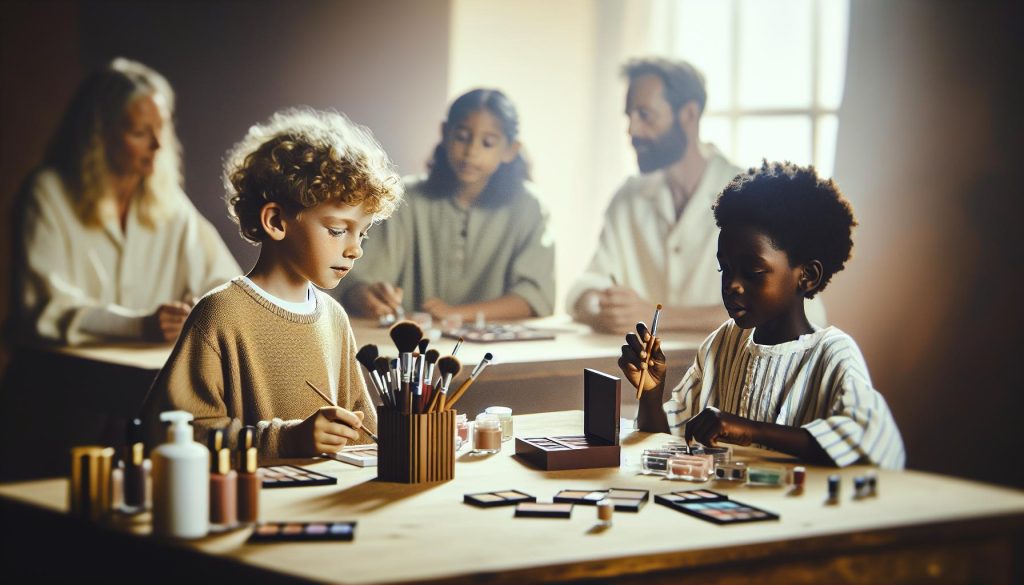
As parents, we often wonder about the appropriateness of kids using adult makeup. While expressing creativity through cosmetics can be an enticing prospect, understanding the safety risks involved is crucial. Adult makeup products may contain harsh chemicals, allergens, or irritants that can harm sensitive young skin. What might seem like harmless fun could lead to unexpected reactions or long-term skin issues. In this guide, we’ll explore the potential dangers of adult makeup for children, helping you make informed choices and protect your child’s delicate skin. Join us as we uncover the facts you need to navigate this colorful world safely and confidently.
Can Kids Use Adult Makeup? Understanding Their Safety Risks
When it comes to makeup, the allure of vibrant colors and sparkling finishes can be overwhelming, especially for children eager to emulate their favorite characters or role models. However, the use of adult makeup by children introduces a range of safety risks that parents need to be aware of. Adult cosmetics often contain a myriad of ingredients that haven’t been tested on sensitive skin and can lead to reactions that are both irritating and hazardous. Understanding these risks is essential for making informed choices.
The primary concern revolves around the ingredients found in adult makeup products. Many cosmetics contain substances like fragrances, parabens, and heavy metals, which can be harsh on delicate skin. For instance, fragrances, while adding pleasant scents, are common irritants that can cause allergic reactions or skin sensitivities, leading to red, itchy patches. Additionally, some adult products might include toxic compounds that could be harmful if ingested, which is a particular concern with younger children who are prone to touching their faces and then putting their hands in their mouths.
In addition to ingredients, the hygiene factors associated with adult makeup pose risks as well. Shared or improperly cleaned products can harbor bacteria, leading to skin infections or other health issues. Children are naturally curious and might not adhere to proper hygiene protocols, further increasing their risk of exposure. Therefore, understanding that kids’ skin is thinner and more susceptible to damage than adult skin is critical in guiding decisions around makeup use.
It is essential for parents to weigh the excitement of letting their children use makeup against these potential safety risks. While eye shadow colors and lip gloss may seem harmless, the possible implications for skin health and safety should not be underestimated. In fostering an environment of responsible beauty exploration, parents can prioritize both creativity and safety, helping their children enjoy makeup in a way that is both fun and safe.
The Dangers of Adult Makeup Ingredients for Children

The allure of adult makeup can be captivating for children, but it’s essential to recognize the potential dangers lurking in those colorful compacts and tubes. Adult cosmetic products often contain complex formulations with ingredients that can be harsh or even harmful to the tender skin of younger users. Understanding what’s in these products not only helps you make informed choices but also protects your child’s skin health.
Many adult makeup products include fragrances, parabens, and heavy metals. Fragrances, although appealing, are a leading cause of allergic reactions and skin irritations, which can manifest as rashes, redness, or itching. Parabens, used as preservatives, have been linked to hormonal imbalances and may disrupt normal bodily functions. Heavy metals, found in some eyeshadows and lip products, can be particularly risky as they pose long-term health concerns and are not safe for ingestion, especially with younger children who are prone to touching their faces and mouths.
Another crucial factor is the risk of skin infections due to hygiene issues associated with adult makeup. Shared brushes or applicators can harbor bacteria, which may lead to infections such as conjunctivitis when used around the eyes. Children can also be less diligent about washing their hands or following application guidelines, increasing their risk of exposure. Moreover, since children’s skin is generally thinner and more sensitive than adult skin, they are at a heightened risk for irritation and reactions.
To navigate these complexities, it’s vital for parents to selectively educate themselves about the products their children wish to use. Encouraging makeup use at an appropriate age, ideally with products designed specifically for kids, can foster creativity without compromising safety. By promoting awareness and understanding of adult makeup ingredients, you can help your child enjoy their beauty exploration responsibly while minimizing health risks.
Age Appropriateness: When Can Kids Start Wearing Makeup?

Introducing makeup to children is a topic that invites both excitement and concern among parents. As kids express interest in mimicking what they see in media or from adults, understanding when it is appropriate for them to start wearing makeup is essential. Typically, age eight to twelve marks a common starting point for many children to experiment with makeup, venturing beyond just lip gloss or nail polish and diving into the fun of blush, eyeshadow, and eyeliner. However, timings can vary significantly based on individual maturity levels and social contexts.
It’s important to note that the emotional and developmental stages of children should guide decisions about their makeup use. A seven-year-old might enjoy a light dab of pink lip balm during a dress-up session, while a pre-teen may express a desire to apply mascara for a school play. Engaging in conversations about makeup can also be a great opportunity to discuss self-expression, confidence, and self-care. For example, rather than focusing solely on beautifying techniques, parents can emphasize makeup as a tool for fun and creativity.
In terms of safety, while the move towards more colorful collections is tempting, it’s crucial to steer children toward age-appropriate products. Many brands now create kid-friendly makeup that omits harmful ingredients often found in adult formulations, such as heavy metals and harsh fragrances. Look for options clearly labeled for children, which not only prioritize safe ingredients but also feature easier-to-use applicators suited for smaller hands.
Lastly, as children begin their makeup journey, consider establishing clear guidelines and boundaries. Discussing what occasions are appropriate for makeup can foster a sense of responsibility and understanding. Most importantly, create an environment where they can explore and express themselves while learning to appreciate their natural beauty, ultimately nurturing their self-esteem in positive ways.
Safe Alternatives: Kid-Friendly Makeup Options

When it comes to makeup for kids, choosing products that are not only fun but also safe is essential. Kids’ skin is delicate and can be more reactive to the harsh chemicals commonly found in adult makeup. Fortunately, there are plenty of kid-friendly alternatives designed specifically for young users, allowing them to express their creativity without the risks associated with traditional cosmetics.
One of the best options is to look for brands that specialize in children’s makeup. These products typically omit harmful ingredients such as parabens, sulfates, and phthalates. For instance, brands like Lip Smacker offer flavor-infused lip balms that appeal to kids without the heavy chemical load. Similarly, 3D Face Paint kits provide safe, non-toxic face paints, perfect for imaginative play and special occasions like parties or Halloween.
Natural ingredients are the hallmark of safe alternatives. Consider products that use plant-based components like coconut oil or shea butter. These ingredients not only reduce the risk of irritation but also hydrate the skin. Brands such as EcoTools provide fun and colorful makeup tools that are gentle on young skin and easy for little hands to use. When applying these products, encourage your child to start small; for example, using a light touch with a sponge or brush can create a soft, natural look that enhances their features without overwhelming them.
It’s also beneficial to involve kids in the selection process. This could mean letting them choose their own lip gloss or eye shadow from a selection of safe options. Teaching them about the importance of reading labels and understanding what makes a product “kid-friendly” can foster a sense of responsibility and awareness toward their cosmetic choices. Providing a fun and engaging way to explore makeup can turn what might seem like a frivolous pastime into a constructive learning experience that embraces creativity and self-expression.
Emphasizing the importance of practicality, remind them to keep their makeup looks appropriate for their age and the occasion. With the right tools and products, children can enjoy experimenting with makeup while keeping their skin safe and healthy.
Common Allergies: Identifying Reactions to Makeup Products
It’s crucial for parents to be aware of the potential allergies that can arise from makeup use, especially when it comes to children. Kids’ skin is more sensitive and reactive than adult skin, making them particularly susceptible to allergic reactions from certain ingredients. Understanding how to identify these reactions can help ensure a safe and enjoyable experience with makeup.
Common symptoms of makeup allergies include redness, itching, swelling, and rash, which may appear shortly after application. In some cases, children could experience more severe reactions like hives or difficulty breathing, which necessitates immediate medical attention. To equip yourself for safe makeup use, consider conducting a simple patch test before allowing your child to apply any new product extensively. For this, apply a small amount of the product to a hidden area of skin, like the inside of the wrist, and wait 24 hours to see if any adverse reactions occur.
Common Allergens in Makeup
Certain ingredients are known to trigger allergic reactions more frequently than others. Keep an eye out for the following common allergens found in many adult makeup products:
- Fragrances: Often added for scent, these can cause irritation and allergic reactions.
- Preservatives: Ingredients like parabens and formaldehyde can trigger skin sensitivities.
- Color additives: Some dyes can lead to contact dermatitis, especially in sensitive individuals.
- Nickel and heavy metals: Found in some cosmetics, these elements may cause allergic reactions.
When choosing makeup for children, consider products that are free from these common allergens. Always check labels for hypoallergenic products, which are formulated to minimize the risk of allergic reactions. Brands that avoid harsh chemicals and utilize natural ingredients often provide safer alternatives.
Being proactive and educated about potential allergies will not only protect your child’s skin but will also enhance their confidence and enjoyment in exploring the world of makeup. Keeping the lines of communication open and encouraging children to express any discomfort can help you navigate these challenges together.
How to Teach Kids About Makeup-Responsibly

Introducing children to the world of makeup can be a fun experience, but it’s essential to approach it responsibly. Ensuring kids understand the various aspects of makeup not only promotes healthy habits but also helps them foster a positive self-image. Teaching kids about makeup should focus on safety, creativity, and self-expression, all while being age-appropriate.
Start by creating an open dialogue about why people wear makeup, emphasizing that it’s a form of self-expression, not a necessity for beauty. Kids should learn to appreciate their natural beauty while exploring how makeup can enhance their features. Discuss the differences between adult products and kid-friendly alternatives, highlighting that many adult makeup products contain ingredients that may be harmful to young, sensitive skin. Encourage kids to ask questions about the products they’re interested in, fostering a sense of curiosity rather than judgment.
Provide practical lessons in makeup application techniques that emphasize safety and creativity. For instance, teach them how to use tools properly and discuss hygiene-like always washing their hands before application and never sharing makeup with others to prevent infections. If they’re eager to try color, start with lighter, non-toxic options like tinted lip balms or blushes made specifically for children. This way, they can experiment with color in a safe manner.
Lastly, encourage responsibility by setting guidelines around makeup use. For example, you could agree on specific occasions for wearing makeup and discuss appropriate amounts. This gives children a sense of independence while also reinforcing the importance of moderation and mindful usage. By approaching makeup education with sensitivity, transparency, and clear guidelines, parents can help their kids navigate this exciting milestone safely and confidently.
Supervision Tips: Ensuring Safe Makeup Application
When kids start exploring makeup, supervision is crucial to ensure their safety and foster a positive experience. One effective method is to create a designated makeup time where you can guide the session. This could be a fun routine like a Saturday “makeup playdate” where you can monitor what’s being used and how it’s applied. By participating in the process, you can teach them about the different products and how to handle them safely.
During makeup application, encourage your children to ask questions about each product they pick up. For instance, if they reach for your adult mascara, explain why it might not be suitable for them, perhaps due to the potential for allergic reactions or irritation. Utilize this time to explain the purpose of each tool and product in their makeup kit, guiding them towards safer, age-appropriate options. Also, always make sure that any products they use are hypoallergenic and free from harmful chemicals, as these are often found in adult makeup.
To make safe makeup application a fun and engaging experience, consider incorporating interactive lessons. For instance, you can demonstrate how to apply blush using gentle, sweeping motions instead of dramatic strokes, which can help them understand the difference between subtle enhancement and over-application. You might also discuss the importance of hygiene by emphasizing that they should always wash their hands before applying makeup and never share their products with friends to prevent infections.
Lastly, set clear boundaries and guidelines together about when and where makeup can be worn. For example, you can agree that makeup is for special occasions or creative play, but not for everyday school wear. This establishes a responsible approach to makeup usage and provides them with the freedom to express themselves while also instilling a sense of accountability. With your guidance, kids can enjoy experimenting with makeup safely and responsibly.
Makeup Application Techniques for Kids-What to Avoid
When it comes to makeup application for kids, there are several techniques and practices to steer clear of to ensure a safe and enjoyable experience. Children typically have more sensitive skin than adults, which means certain methods of application can lead to irritation or adverse reactions. It’s important to set them up for success with a foundation of safe practices.
First and foremost, avoid using heavy or opaque makeup products that can clog pores and overwhelm delicate skin. Instead of thick foundations or concealers, encourage the use of light, breathable products, such as tinted moisturizers or lightweight BB creams, specifically designed for children’s skin. These options allow for a more natural finish without the risk of damaging their skin.
Another technique to be cautious about is the application of eye makeup, especially using products like adult mascaras or eyeliners. These can be harsh and irritating to a child’s eyes. It’s best to steer clear of liquids and instead opt for soft, blendable pencil formulas that are designed for young users. Teaching them to apply makeup gently without tugging at the skin is essential. Always demonstrate proper techniques, such as using short, soft strokes, which can help minimize any discomfort.
Hygiene is also a paramount concern. Avoid sharing makeup products or brushes, as this can lead to the spread of bacteria. Each child should have their own set of tools that remain clean and sanitized. Encourage them to wash their hands before handling makeup and to avoid touching their face during application.
Lastly, skip harsh removal methods. Instead of scrubbing their faces with strong makeup removers or wipes, show them how to gently cleanse with a mild cleanser and water. This not only protects their skin but also instills good skincare habits from an early age.
By emphasizing these precautions and techniques, you can help make the makeup application process enjoyable and safe for children, fostering a positive, creative experience while protecting their sensitive skin.
Caring for Young Skin: Essential Skincare Tips Before Makeup
Before introducing any makeup to young skin, it’s essential to prioritize proper skincare to ensure it remains healthy and vibrant. Kids have more sensitive skin than adults, making it crucial to create a safe foundation for their cosmetic endeavors. With some simple practices and products, parents can prepare their child’s skin without overwhelming it.
First and foremost, always start with cleansing. Use a gentle, hypoallergenic cleanser suitable for young skin. Opt for a product free from harsh chemicals; something like a mild, fragrance-free foaming wash is ideal. Cleanse the skin twice a day, gently massaging a dime-sized amount into their face in soft circular motions for about thirty seconds. This will remove dirt and excess oil without stripping moisture.
Next, moisturizing is key. A lightweight, non-comedogenic moisturizer will hydrate the skin without clogging pores. Look for a product that contains soothing ingredients like aloe vera or chamomile, which can help calm any potential irritation. Apply the moisturizer right after cleansing to lock in hydration, using gentle upwards strokes to promote circulation.
It’s also vital to consider sunscreen as part of the routine, even on cloudy days. Choose a broad-spectrum sunscreen with an SPF of at least 30, which is safe for children’s skin. Apply this as the last step of the skincare routine every morning, using a nickel-sized amount and ensuring it covers all exposed areas, including the ears and neck.
By establishing this simple yet effective skincare routine, children will have a healthy canvas for makeup application while minimizing risks of irritation and breakouts. These steps not only prepare their skin for occasional makeup use but also instill lifelong habits for maintaining skin health.
Parental Guidance: Setting Boundaries for Makeup Use
Establishing boundaries around makeup use for children is crucial in nurturing a healthy relationship with beauty and self-expression. It’s essential to understand that while makeup can be a fun tool for creativity, it also requires a thoughtful approach to ensure safety and appropriateness. Setting these boundaries doesn’t just protect young skin; it also fosters confidence and responsibility in usage.
Start by having open discussions about why they’re interested in makeup. Understanding their motivations-whether it’s for play, creativity, or social influence-can help you guide them towards age-appropriate uses. For younger children, consider allowing play with safe, washable products, while emphasizing that applying makeup is a privilege best suited for special occasions as they grow. Discuss the difference between everyday scenarios and special events, and how makeup can enhance, but shouldn’t define their beauty.
It’s also important to establish rules around the types of products allowed. For instance, steer clear of adult makeup due to potentially harmful ingredients. Instead, curate a collection of kid-friendly products that are specifically designed for sensitive skin. This way, you’re giving them the freedom to express themselves while ensuring their safety. Use this as an opportunity to teach them about reading labels and understanding what goes into the products they use.
Finally, create a positive environment around makeup application that emphasizes fun and creativity rather than perfection. Encourage them to experiment, but remind them about moderation. After all, the goal is to empower your child to feel good about themselves without relying on makeup as a mask. Setting these boundaries not only protects their skin but also cultivates self-esteem and a healthy perspective on beauty as they navigate a world that often holds high expectations.
Expert Opinions: What Dermatologists Recommend for Kids
Understanding the opinions of dermatologists on kids and makeup can provide valuable insights for parents navigating this often-confusing topic. Many dermatologists emphasize that young skin is particularly sensitive and may react negatively to the ingredients usually found in adult makeup products. Common concerns include the potential for skin irritation, allergic reactions, and long-term skin health issues. This is why professionals strongly recommend that if kids express interest in makeup, parents should proactively seek out products that are specifically formulated for children.
Expert consensus suggests starting with very minimal use, focusing on products made from natural ingredients without harsh chemicals. Look for cosmetics labeled as hypoallergenic, fragrance-free, and non-comedogenic. While adult makeup might boast vibrant colors and longevity, the trade-off could be significant when it comes to skin safety. By choosing kid-friendly brands, parents can help their children enjoy the fun of makeup without compromising their skin’s health.
Additionally, dermatologists advise open communication about makeup and skincare practices. Encourage kids to learn how to cleanse their skin properly and understand the importance of removing makeup before bedtime to prevent clogged pores and other skin issues. Creating rituals around skincare and makeup can make them feel special while instilling good habits early on.
In sum, allowing children to explore makeup can be a delightful experience, provided it’s done with caution and education. By using appropriate products and fostering responsible practices, parents can help their children appreciate makeup as a tool for creativity rather than a necessity for beauty. This balanced approach not only protects delicate skin but also nurtures a positive self-image.
Navigating Trends: Makeup Influences on Young Users
With social media driving trends at an unprecedented pace, young users are increasingly influenced by the makeup styles they see online. From TikTok tutorials to Instagram filters, the imagery of glammed-up faces can ignite curiosity and a desire to experiment with makeup. However, it’s essential to recognize that the allure of adult makeup can pose risks for children whose skin is more delicate and sensitive.
To navigate these influences effectively, parents can play a crucial role by encouraging open dialogues about what makeup is and why it’s often used. Rather than outright banning makeup, discussing its potential effects and promoting creativity through safe products can help demystify it. Introduce children to age-appropriate alternatives, like cosmetic crayons or wash-off face paints, which allow them to participate in trends without the harmful effects of adult makeup. These options not only align with current styles but also ensure that their skin is protected from harsh chemicals and irritants.
Moreover, parents can guide their little ones through understanding the difference between “influenced” beauty and self-expression. Emphasize that makeup can be fun and creative, but it should not define their self-worth or beauty. This can help counteract the pressure that social media often places on children. You can engage them in activities that involve makeup application together, focusing on fun, lighthearted exploration rather than perfection.
Lastly, staying informed about the latest trends and children’s reactions to them helps in tailoring discussions and choices accordingly. Share insights about the ingredients in products and how they can affect skin health. This knowledge empowers children to make better choices independently, ensuring they can enjoy the fun of makeup in a safe and healthy way, free from the potentially damaging effects of adult products.
FAQ
Q: Is it safe for kids to use adult makeup?
A: It is generally not safe for kids to use adult makeup due to potential skin sensitivities and harmful ingredients in adult products. Many adult makeup items contain chemicals that can irritate young skin or cause allergic reactions. Opting for kid-friendly makeup specifically designed for their sensitive skin is the best choice.
Q: What ingredients in adult makeup should kids avoid?
A: Kids should avoid adult makeup that contains harsh chemicals, fragrances, parabens, and heavy metals, which can irritate their delicate skin. Ingredients such as talc and synthetic dyes can also pose allergic risks. Always check product labels to ensure safety for children.
Q: When can children start wearing makeup safely?
A: Children can start wearing makeup safely around the age of 8 to 12, depending on their maturity and skin sensitivity. It’s best to introduce light products and prioritize safe, hypoallergenic options. Parental guidance is crucial during this process to ensure proper usage.
Q: How can I teach my child to apply makeup safely?
A: Teach your child to apply makeup safely by demonstrating techniques and emphasizing hygiene. Use clean brushes and tools, apply products in small amounts, and encourage them to remove makeup before bed to prevent clogging pores. Always supervise their application to ensure they use products properly.
Q: What are the signs of an allergic reaction to makeup in kids?
A: Signs of an allergic reaction to makeup in kids include redness, itching, swelling, or hives on the skin. If these symptoms occur, remove the makeup immediately and consult a dermatologist. Patch testing new products on a small skin area can help prevent reactions.
Q: Are there safe makeup alternatives for kids?
A: Yes, there are safe makeup alternatives for kids available in the market. Look for products labeled as non-toxic, hypoallergenic, and free from synthetic dyes. Brands specializing in child-friendly makeup often offer options like face crayons and washable lip glosses designed to be gentle on young skin.
Q: How should kids care for their skin before applying makeup?
A: Kids should care for their skin before applying makeup by cleansing their face and using a gentle moisturizer. This helps maintain healthy skin and creates a smooth canvas for makeup application. Ensure products chosen are suitable for their skin type to avoid irritation.
Q: Should makeup be removed before bedtime?
A: Yes, makeup should always be removed before bedtime to prevent clogged pores and skin irritation. Teach your child proper removal techniques using a gentle cleanser or makeup remover suitable for their skin. Establishing this routine promotes healthy skin habits from a young age.
The Way Forward
As we’ve explored the complexities of whether kids should use adult makeup, remember that understanding safety risks is paramount. Prioritize their delicate skin by choosing hypoallergenic, kid-friendly products whenever possible. If you have lingering concerns or want to know more about navigating the world of makeup safely, check out our detailed guide on “The Best Makeup for Sensitive Skin” and “How to Teach Kids About Makeup Application.”
Don’t hesitate to join our growing community-sign up for our newsletter for more insights and tips tailored for you and your family! Your feedback is invaluable to us, so please drop a comment or share your experiences below. Together, we can make informed choices that keep beauty fun and safe for everyone!
Expert Guide: Can Kids Use Adult Natural Make Up
When researching can kids use adult natural make up, following structured best practices and expert recommendations is essential for achieving optimal grooming, style, and personal care outcomes. Implementing evidence-based methods protects your skin barrier and extends product longevity.
Essential Tips & Key Recommendations:
- Optimal Preparation: Always prepare the target area with proper cleansing, gentle hydration, or targeted skin conditioning before applying active products or styling techniques.
- Application Technique: Use light, controlled pressure and align with your natural skin contours and hair growth patterns to prevent friction and irritation.
- Post-Application Care: Lock in results with nourishing, non-comedogenic moisturizers or protective barriers to maintain balance and hydration.
- Sanitization & Tool Maintenance: Clean and dry all grooming accessories and applicators immediately after use, storing them in a cool, well-ventilated space.
Frequently Asked Questions:
Q: What is the most critical guideline regarding can kids use adult natural make up?
A: Prioritize gentle, consistent care using high-grade, hypoallergenic products and sanitized equipment tailored to your personal routine.
Get our latest guides, news, and insights highlighted in your Google Search & AI Overviews.