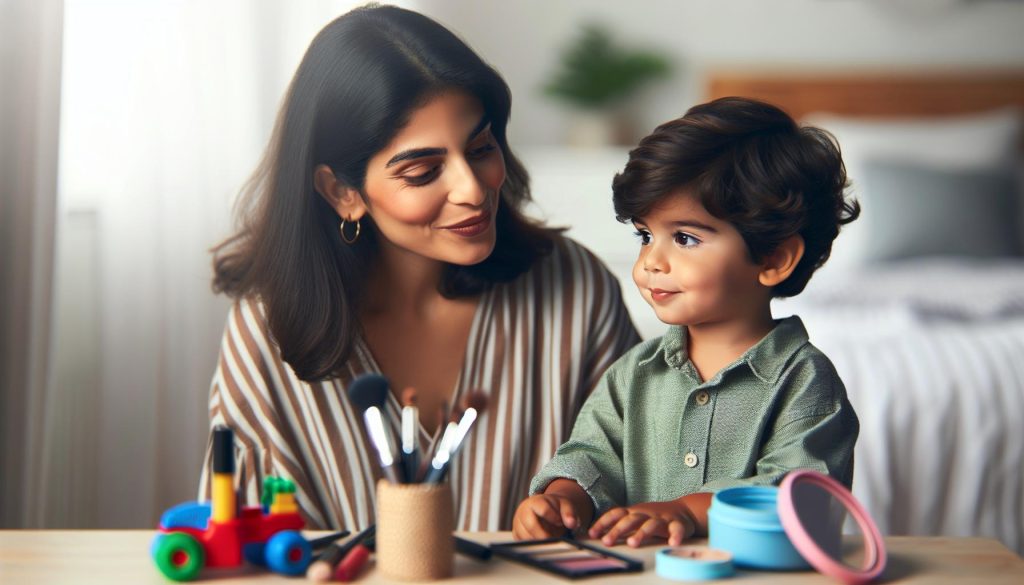
As parents, it’s natural to want our children to express themselves, but a pressing concern arises: does makeup harm their delicate skin? Research shows that children have thinner skin, making them more susceptible to irritation and allergic reactions from cosmetic products. Understanding the impact of makeup on your child’s skin is crucial for their health and well-being. With so many products on the market and varying opinions on what’s safe, it’s essential to know which ingredients to avoid and what steps you can take to protect your child’s skin. This guide will explore the potential risks associated with children’s makeup usage and provide practical advice for parents, ensuring that your little ones can enjoy their beauty playtime without compromising their skin health. Let’s dive in and discover how to navigate this colorful world safely!
Does Makeup Harm Children’s Skin? Understanding the Risks
Makeup can seem like a fun and creative outlet for children, but it’s important to understand the potential risks associated with using cosmetic products on young, delicate skin. Children have thinner skin than adults, which means it can be more susceptible to irritation and damage. Common ingredients in makeup, such as fragrances, dyes, and preservatives, can trigger allergies or cause reactions, particularly for those with sensitive skin. Furthermore, makeup can clog pores, leading to breakouts and other skin issues, making it essential for parents to approach this topic thoughtfully.
Additionally, using makeup improperly can exacerbate skin health problems. If children don’t remove their makeup properly or use products that aren’t designed for their skin type, they might experience irritation, rashes, or even infections. This is particularly concerning when products are shared or borrowed among friends. It’s crucial to educate kids about the importance of hygiene and proper application, which can help mitigate some of these risks.
In light of these considerations, parents should feel empowered to monitor and guide their child’s use of makeup. This includes discussing safe practices, selecting appropriate products, and ensuring that any makeup used is hypoallergenic and specifically formulated for children. By fostering an understanding of skin health, parents can help their children develop a responsible relationship with beauty products while minimizing potential harm.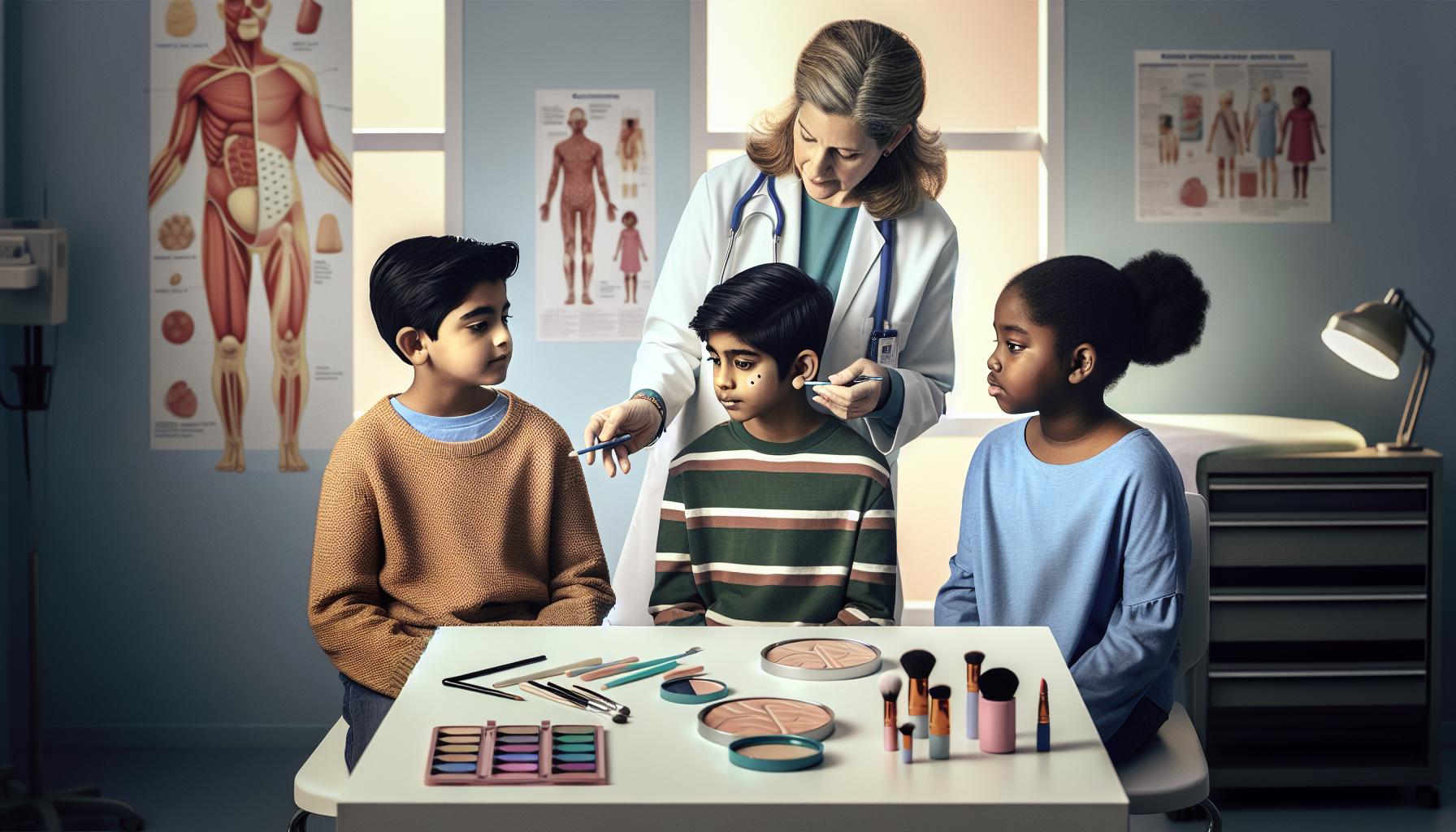
Common Skin Concerns From Makeup Use in Children
Using makeup can be a delightful experience for children, fostering creativity and self-expression. However, it also brings to light several skin health concerns that parents should be aware of to ensure a safe and enjoyable process. Children’s skin is more sensitive than that of adults, making it crucial to understand how various products can affect their delicate skin.
One of the most common issues is skin irritation. Makeup often contains fragrances, dyes, and preservatives that can lead to reactions, particularly in sensitive skin. It’s easy to overlook the fact that a seemingly harmless glittery eyeshadow or scented lip gloss might cause redness or a rash. Parents should keep an eye out for any signs of discomfort after using makeup, which can be as simple as a complaint of itchiness.
Another prevalent concern is breakouts. Makeups that are heavier in texture, like certain foundations and creams, can clog pores, leading to acne and blemishes. Given that children’s skin produces oils differently as they grow, it is essential to choose non-comedogenic products (formulated not to clog pores). For instance, a lightweight tinted moisturizer might be a better option than a heavy foundation, allowing for a more breathable experience.
Moreover, the risk of allergic reactions should not be underestimated. Ingredients like parabens or certain colorants can provoke allergies in some children, resulting in not just irritation but also potentially more severe reactions. Conducting a patch test before allowing full use of a new product is a practical way to minimize such risks. Simply apply a small amount of product to a less visible area of the skin and wait for 24 hours to see if any adverse reactions occur.
Here are a few tips to help mitigate common skin concerns when children use makeup:
- Choose hypoallergenic products: These are less likely to irritate sensitive skin.
- Opt for water-based products: They are generally lighter and easier to remove.
- Prioritize cleaning: Ensure that makeup is removed thoroughly at the end of the day to prevent clogged pores. A gentle cleanser can be a great choice.
By being aware of these potential skin concerns and taking proactive steps to address them, parents can nurture their child’s interest in makeup while safeguarding their skin health.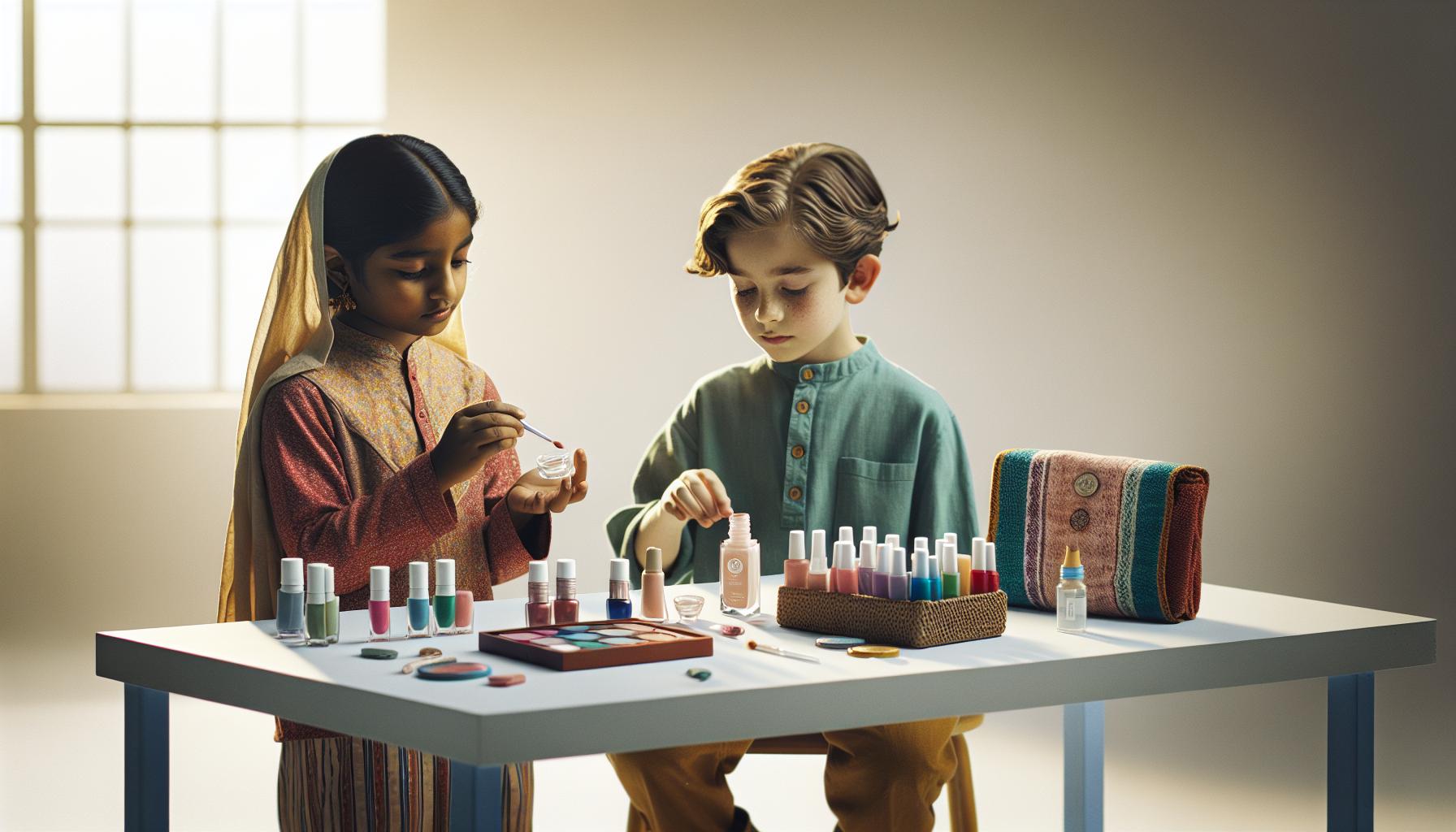
Choosing Safe Makeup Products for Kids
Choosing makeup for children can be both exciting and daunting, especially given how sensitive their skin can be. One important thing to consider is that younger skin, which is still developing, is more susceptible to irritation and allergic reactions compared to adult skin. Therefore, ensuring the products chosen are safe is paramount to fostering a fun and enjoyable experience.
When selecting makeup, start by looking for hypoallergenic and fragrance-free options. These products are formulated to minimize the risk of skin irritation, making them less likely to cause rashes or redness. A brand that is specifically designed for children often includes these safer formulations, so keep an eye out for those labels. Items like cream blushes or lip tints that are marketed as organic or derived from natural ingredients tend to be gentler on delicate skin.
Opting for water-based products is another smart choice. These are lighter in texture and easier to remove than oil-based products, which can often lead to clogged pores and exacerbate acne. For face makeup, consider using a lightweight tinted moisturizer instead of a heavy foundation. This allows the skin to breathe while providing a natural, subtle tint.
It’s also crucial to pay attention to ingredient lists. Products that contain parabens, sulfates, and alcohols should generally be avoided, as these can be harsh on children’s skin. Instead, opt for products with simple, recognizable ingredients. If a product sounds overly complicated or has long chemical names, it’s often better to skip it in favor of something with fewer, more manageable ingredients.
Lastly, make it a practice to conduct a patch test. Before applying new makeup all over your child’s face, do a spot check. Put a small amount of the product on a less visible part of the skin-like the inside of the wrist-and wait for 24 hours to see if there’s any reaction. This precaution can save you from significant discomfort later on.
By taking these careful steps in choosing makeup products, you can help ensure that your child’s exploration into the world of cosmetics is safe and fun!
How to Apply Makeup Safely on Young Skin
Applying makeup on young skin involves a few gentle techniques that help ensure a safe and enjoyable experience. The most important factor is to remember that children’s skin is delicate and requires a gentle touch. Begin by prepping the skin properly, which sets the stage for a smooth application. Start with clean, moisturized skin; using a lightweight, fragrance-free moisturizer can provide a good base. This not only hydrates the skin but also creates a barrier that helps makeup apply more evenly.
When it comes time to apply the makeup, select tools that are soft and easy to clean, like clean brushes or sponges. For instance, using a soft, synthetic brush to apply cream blush can enhance the experience. Dip the brush into the product and apply a small amount-think about the size of a dime-focusing on the apples of the cheeks and blending gently. Always work in light layers; it’s easier to build up coverage than to remove excess product.
Giving Clear Instructions
Educate your child about how to apply makeup safely. Show them how to use their fingers to dab a small amount of tinted moisturizer or blush onto the skin, encouraging them to use gentle, circular motions. This not only feels nice but ensures an even application. It’s a good idea to recommend a total application time of about 5-10 minutes, which makes the process feel manageable and allows room for fun without rushing.
Finally, remind your child always to wash their face after wearing makeup. Use a gentle, alcohol-free cleanser, applying a small amount to damp skin and massaging in gentle circles for about 30 seconds before rinsing. This cleaning routine will help prevent clogged pores and keep their skin healthy. By following these steps, you not only promote a safe makeup application but also create an enjoyable bonding experience for both of you.
Signs of Skin Damage From Makeup in Children
Recognizing the is crucial for maintaining their delicate skin health. Children’s skin is thinner and more sensitive than adult skin, making them particularly susceptible to reactions from cosmetics. If you’ve noticed redness, irritation, or unusual breakouts after your child has used makeup, these could be initial indicators of skin damage.
Common signs to watch for include:
- Redness or Rash: This may appear as small bumps or patches of irritated skin, often indicating an allergic reaction or sensitivity to a specific ingredient.
- Dryness or Flakiness: Excessive makeup use can disrupt the skin’s natural barrier, leading to dehydration and flaky patches.
- Itching or Burning: If your child complains of discomfort, it’s often a sign of an adverse reaction to the makeup.
- Breakouts: The use of comedogenic products can clog pores, leading to acne or pimples.
Monitoring your child’s skin after they use makeup is essential. If you identify any of these signs, it’s important to immediately remove the makeup using a gentle cleanser and apply a soothing moisturizer to help restore hydration. Additionally, consider taking a break from makeup for a while to allow the skin to heal. If symptoms persist or worsen, consulting a dermatologist will provide professional guidance tailored to your child’s unique skin needs.
By being attentive and proactive, you can help ensure that your child maintains healthy skin and enjoys their exploration of makeup safely.
Establishing a Healthy Skincare Routine for Kids
Establishing a consistent skincare routine for your child is one of the most effective ways to maintain their skin’s health, especially if they’re exploring the world of makeup. Children’s skin is naturally sensitive and more susceptible to reactions, making it crucial to create a regimen that nurtures and protects their delicate skin.
Start with the basics: a gentle cleanser, moisturizer, and sunscreen. Cleansing is essential for removing dirt, oil, and any makeup residue. Choose a mild, fragrance-free cleanser specifically formulated for young skin. Encourage your child to wash their face twice a day-once in the morning and once before bedtime-to keep skin clean and fresh.
Following cleansing, apply a moisturizer that hydrates without clogging pores. Look for lightweight, non-comedogenic options, preferably with natural ingredients. Teach your child to apply a dime-sized amount using gentle upward strokes, which not only helps in spreading the product but also promotes blood circulation in the skin.
Don’t underestimate the importance of sunscreen, even on cloudy days. A broad-spectrum SPF of at least 30 should be applied daily, regardless of exposure to makeup. This protects against harmful UV rays that can lead to long-term skin damage. Show your child how to apply it evenly across all exposed skin areas, reapplying every two hours if they’re outdoors.
Lastly, fostering good habits around makeup use is key. Encourage your child to incorporate makeup removal into their nighttime routine. Use a gentle makeup remover or micellar water, followed by cleansing and moisturizing their skin to prevent buildup and irritation. By making these practices enjoyable and routine, you’re helping your child cultivate a healthy relationship with their skin and makeup.
The Role of Allergies in Children’s Makeup Reactions
Makeup can be a fun way for children to express themselves, but it also opens the door to potential skin reactions, particularly due to allergies. It’s important to understand how allergies can impact your child’s experience with cosmetics. Children’s skin is more sensitive than adults’, making them more susceptible to irritants and allergens found in makeup products. Common ingredients like fragrances, preservatives, and certain pigments can cause allergic reactions ranging from mild irritation to severe dermatitis.
When introducing makeup to your child, it’s essential to opt for products specifically designed for sensitive skin. Look for hypoallergenic labels, which indicate that the makeup is less likely to cause an allergic reaction. Brands often formulate these products without harsh chemicals, synthetic fragrances, or allergens known to trigger sensitivities. Testing any new product is a wise step; apply a small amount on a discreet area of skin, like the wrist, and wait 24 hours to see if there’s any reaction.
Some signs that your child may be experiencing an allergic reaction after using makeup include redness, itching, swelling, or even blistering. If you notice these symptoms, stop using the product immediately and cleanse the affected area with a gentle soap and water. Applying a cold compress can help soothe irritation. In cases of severe reactions, such as persistent swelling or hives, consult a pediatrician or dermatologist for further assessment and care.
To foster a safe makeup experience, educate your child about the importance of reading labels and recognizing ingredients that can cause reactions. Encourage them to speak up if they feel any discomfort after applying makeup, reinforcing that it’s perfectly okay to refrain from wearing products that don’t feel right for their skin. This approach not only helps them understand the risks involved but also builds their confidence in managing their personal care in the future.
When to Introduce Makeup to Your Child
Choosing the right moment to introduce makeup to your child involves careful consideration of their maturity, interest, and educational needs regarding skin care. Children are naturally curious and may show interest in makeup early on, often mimicking adults or friends. The key is to ensure that this curiosity is met with guidance rather than simply handed over without context.
Typically, age 8 to 12 is when many children start experimenting with makeup, often at sleepovers or school events. It’s essential to approach this phase as an opportunity for education. Instead of focusing solely on the makeup itself, emphasize the importance of skin care. Teach them about cleansing the skin before makeup application and removing it thoroughly afterward-this will help maintain skin health and prevent potential reactions. A gentle cleanser and moisturizer can form the foundation of a healthy skincare routine, making it easier for them to appreciate the full beauty ritual.
For young ones, consider starting with less intimidating, easier-to-use products. Tinted lip balms, moisturizing tints, or play makeup formulated specifically for children typically contain safer ingredients. Explain why some makeup is suitable while others might contain harsh chemicals, linking this knowledge to the importance of using products designed for sensitive skin. Doing so fosters a sense of responsibility and awareness about their choices.
Ultimately, there’s no one-size-fits-all answer to when to introduce makeup, as each child’s readiness will vary. What matters most is creating an open dialogue about beauty and skin care, helping them feel empowered to make safe and informed choices. Such discussions not only lessen the likelihood of skin issues but also enhance their confidence as they navigate their personal style.
Engaging with Children About Makeup and Skin Safety
Discussing makeup with children isn’t just about the fun of colors and creativity; it’s also a critical opportunity to instill a sense of responsibility regarding skin care. Engaging in an open dialog encourages children to express their thoughts and feelings about beauty, making them feel valued and understood. Begin by asking what they find appealing about makeup. This allows you to gauge their interest and motivations, whether for play, self-expression, or social events.
To cultivate safe practices, emphasize the basics of skin health during these conversations. Explain how makeup should not be seen as just a product but as something that can impact their skin. Highlight the importance of cleansing-before applying products and at the end of the day. Educate them on gentle, age-appropriate products designed for sensitive skin. For example, using a fragrance-free, dermatologist-tested moisturizer can protect young skin and enhance the makeup experience.
Also, share why certain ingredients are preferable and others should be avoided. Encourage children to read labels together, making this an interactive learning experience. Discuss potential reactions and allergies, letting them know it’s okay to ask questions if they notice any discomfort after use. Raising awareness around these issues fosters critical thinking, empowering them to make safer choices.
By creating an ongoing conversation about makeup and skin safety, parents can demystify the experience and turn it into an educational journey. This not only helps safeguard their skin but also builds their confidence in navigating beauty practices responsibly.
Parenting Tips for Responsible Makeup Use
Introducing makeup to children can be a delightful experience, but it also comes with responsibilities. It’s paramount for parents to ensure that their kids approach makeup use safely and thoughtfully. By creating an interactive and educational environment, you can foster healthy habits that protect their delicate skin while letting them explore their creativity.
Start by encouraging open communication about why they’re interested in makeup. Is it for fun, self-expression, or perhaps a special event? Understanding their motivations can help you guide them effectively. When you discuss the importance of skin health, incorporate aspects like the necessity of cleansing before and after makeup application. Teach them to use a gentle, fragrance-free cleanser, explaining that following this routine helps keep their skin healthy and beautiful.
Choosing safe, age-appropriate products is crucial. Look for makeup specifically designed for children that is free from harsh chemicals and allergens. Products labeled as hypoallergenic or non-comedogenic are great options. Inspect ingredients together and explain which ones to avoid, creating a learning moment that empowers them to make informed choices. Additionally, encourage them to do a patch test before trying a new product by applying a small amount on their wrist and waiting for 24 hours to see if any irritation occurs.
While applying makeup, stress the usage of minimal amounts to avoid clogging pores. Help them understand that a little goes a long way, such as using just a pea-sized amount of foundation or colored products. Demonstrate how to apply makeup gently, suggesting techniques like tapping rather than rubbing, so that they learn how to enhance their features without overwhelming their skin.
Lastly, make it a point to check in regularly about their experiences with makeup. Ask them how they feel after using products and if they notice any changes in their skin. This not only gives you the chance to monitor for any signs of irritation but also reinforces their confidence in discussing skin care openly. By fostering a nurturing environment and sharing responsibilities, you equip your child with the knowledge and skills they need for a safe and enjoyable makeup experience.
Alternatives to Traditional Makeup for Kids
While traditional makeup can be fun, many parents are concerned about its effects on children’s delicate skin. Fortunately, there are several creative alternatives that allow kids to explore their passion for beauty without the potential harm of conventional products. These alternatives not only encourage their imagination but also prioritize skin health and safety.
One fantastic option is using natural pigments such as fruit and vegetable juices. For instance, beet juice can create a lovely rosy tint for cheeks, while berries can be used for lip color. These options are gentle on the skin and free of harmful chemicals. Another alternative is using mineral-based cosmetics designed specifically for children; these typically contain fewer irritants and are formulated to minimize the risk of allergic reactions. Brands that focus on all-natural ingredients cater to young skin without compromising on fun or creativity.
For those looking for even safer options, consider face paints made from non-toxic ingredients. These are perfect for special occasions like birthdays or Halloween, allowing kids to express themselves artistically. Always ensure these paints are labeled as safe for skin use, and remember to do a patch test on a small area beforehand. Additionally, DIY beauty recipes can be a great bonding activity. Simple recipes for lip balms using beeswax and coconut oil, or homemade body glitter using sugar and food coloring, allow children to participate in the creation of their makeup, ensuring they know exactly what they’re using.
Engaging children with safer makeup alternatives not only protects their skin but also fosters creativity and confidence. By incorporating these vibrant and gentle options, parents can help their kids enjoy makeup in a way that is both fun and responsible, establishing a foundation for healthy beauty practices as they grow.
Professional Advice: When to Consult a Dermatologist
When navigating the world of children’s makeup, it’s essential to remain vigilant about your child’s skin health. If your child begins to experience signs of discomfort or irritation after using cosmetics, it may be time to consult a dermatologist. Many parents wonder about the threshold for seeking professional help, and understanding the symptoms can guide you in making that decision.
First and foremost, look for physical signs that could indicate skin damage or allergic reactions, such as redness, swelling, itching, or a rash. If your child complains of discomfort or pain in areas where makeup has been applied, this is a clear signal that it’s time to seek advice from a healthcare professional. Persistent issues, such as dry patches or unexplained breakouts, are also good reasons to consult a dermatologist.
In some cases, a child’s sensitive skin may react to specific ingredients commonly found in makeup products. Educating yourself about potential irritants can help identify if a particular product may be the culprit. Ingredients like fragrance, parabens, and alcohol are known to provoke reactions in sensitive skin. When visiting a dermatologist, bringing along the product packaging can help them understand the ingredients and better assess any possible allergies or sensitivities.
Moreover, if your child’s experience with makeup begins to affect their self-esteem or emotional well-being-perhaps due to an uneven skin texture, blemishes, or scarring-it’s worth discussing these concerns with a dermatologist. They can provide solutions tailored to your child’s specific needs and skin type, whether through gentle skincare routines or medicinal options.
Ultimately, being proactive about your child’s skin health encourages a positive relationship with makeup. Remember, professional help is just a consultation away, ensuring that your child can enjoy their exploration in makeup safely and healthily.
Faq
Q: Can using makeup on children cause long-term skin damage?
A: Yes, using makeup on children can lead to long-term skin damage if the products are not suitable for their sensitive skin. Ingredients like fragrances and preservatives can cause irritation or allergies. It’s essential to select hypoallergenic, non-comedogenic products specifically designed for kids to minimize risks. For more details, refer to the section on “Choosing Safe Makeup Products for Kids.”
Q: What should parents look for in makeup products for children?
A: Parents should choose makeup that is labeled as hypoallergenic, fragrance-free, and non-toxic. Look for products specifically formulated for children or those with natural ingredients. Always check for allergens and consult labels to ensure the products don’t contain harsh chemicals.
Q: How can I tell if my child is having a reaction to makeup?
A: Signs of a reaction to makeup can include redness, itching, rashes, or swelling on the skin. If your child experiences these symptoms, remove the makeup immediately and wash the area with gentle soap and water. Consult a dermatologist if symptoms persist or worsen.
Q: When is it appropriate for a child to start using makeup?
A: It’s generally recommended to wait until children are at least 12 years old before allowing them to use makeup regularly. However, occasional use for special events can be permissible. It’s important to discuss with your child about skin safety and makeup’s potential effects.
Q: What are some tips for safe makeup application on children?
A: To apply makeup safely, start with clean hands and a clean face. Use minimal product, focusing on gentle, quality formulations. Avoid applying makeup near the eyes and lips, as these areas are more sensitive. Always remove makeup thoroughly at the end of the day to prevent clogged pores.
Q: Are there safer alternatives to traditional makeup for kids?
A: Yes, safer alternatives to traditional makeup include natural or organic options, face paints, or DIY products using kitchen ingredients like beet juice or cocoa powder for color. These alternatives can be fun for kids without the harmful chemicals often found in conventional makeup.
Q: How often should I have my child’s skin evaluated by a dermatologist if they use makeup?
A: It’s advisable to have your child’s skin evaluated by a dermatologist if they experience any skin issues or after they begin using makeup regularly. A yearly check-up can help monitor skin health and identify any potential allergic reactions early.
Q: What are some important conversations to have with children regarding makeup use?
A: Discuss the importance of skin health, the potential risks of using certain makeup products, and the concept of moderation. Encourage open communication about their feelings towards makeup and peer pressure. Empower them to make informed choices about their beauty routines.
The Way Forward
Understanding whether makeup can damage children’s skin is crucial for every parent concerned about their child’s health and well-being. As we’ve explored, using gentle, age-appropriate products can allow young ones to safely express their creativity without compromising their skin. If you’re considering introducing makeup to your child, opt for hypoallergenic and non-comedogenic options, and always perform a patch test to avoid any adverse reactions.
Don’t stop here-check out our articles on sensitive skin care routines and safe beauty practices for kids to deepen your knowledge. For exclusive tips and valuable resources straight to your inbox, sign up for our newsletter today! We encourage you to share your thoughts or experiences in the comments below; your insights help foster a community of informed parents. Remember, prioritizing healthy skin today sets the stage for a lifetime of beauty and confidence tomorrow. Keep exploring, and let your journey continue!
Get our latest guides, news, and insights highlighted in your Google Search & AI Overviews.