In a world where appearances can seem paramount, it’s easy to understand why kids are drawn to makeup. However, did you know that dermatologists warn against its use at a young age? Children’s skin is delicate and still developing, making it particularly susceptible to irritation and long-term damage from cosmetics. The potential for allergic reactions, clogged pores, and compromised skin health is significant. Moreover, wearing makeup can create unrealistic beauty standards they feel pressured to meet. As a caring adult, it’s important to address these concerns and guide children toward healthy skincare practices instead. This article will explore why avoiding makeup during childhood is crucial for their skin health and overall well-being, ensuring they feel confident in their natural beauty. Let’s dive into the expert insights on how to take care of young skin effectively and thoughtfully.
Understanding the Risks: Why Makeup is Harmful for Kids
Using makeup at a young age may seem harmless, but it can expose children to several risks that can affect their health and well-being. One of the primary concerns is skin irritation. Children’s skin is more delicate and sensitive than adult skin, which makes it more prone to reactions from makeup products. Many cosmetics contain chemicals, fragrances, and preservatives that can lead to rashes, redness, or other adverse effects. In some cases, irritations can lead to longer-term skin problems if not addressed early.
Additionally, there’s the risk of developing allergies to certain makeup ingredients. Children are often more vulnerable to allergens because their immune systems are still developing. It’s not uncommon for seemingly benign products to cause allergic reactions, manifesting as hives, swelling, or itchiness. Teaching kids about the potential dangers of makeup ingredients is crucial, especially since some products may not be fully disclosed on labels.
Moreover, there’s a growing body of evidence linking early makeup use to issues with self-esteem and body image. As children begin to use makeup, they may develop a reliance on these products for validation or confidence, perpetuating a cycle of self-doubt. It’s essential for parents to foster a healthy body image by encouraging children to appreciate their natural features, rather than masking them with cosmetic products.
In summary, while the allure of makeup is strong, particularly in a world heavily influenced by media and peers, it’s vital to consider the inherent risks. By understanding the potential for skin irritation, allergic reactions, and the psychological impacts of makeup, parents can guide their children towards healthier beauty practices that celebrate natural beauty over superficiality.
Skin Sensitivity: The Delicate Nature of Children’s Skin

Using makeup may seem like a fun way for kids to express themselves, but the reality is that their skin is much more delicate and sensitive than adults’. Children’s skin has a thinner epidermis, meaning it can easily absorb chemicals and irritants found in many makeup products. This susceptibility makes them at a higher risk for rashes, redness, and even long-term skin issues if makeup is not used carefully.
The ingredients in many cosmetics, loaded with fragrances, preservatives, and synthetic dyes, can provoke adverse reactions in sensitive skin. For instance, products that adults might find harmless can cause hives or irritation in children. Even hypoallergenic products are not foolproof, as children’s unique skin chemistry can react unpredictably. A simple rule of thumb is to avoid anything with long ingredient lists, as these often contain numerous potential irritants.
If your child is intrigued by the idea of makeup, consider alternatives that celebrate natural beauty without the risks associated with commercial products. Instead of makeup, you can engage in fun activities that enhance their features naturally, such as using a gentle moisturizer to give skin a healthy glow or experimenting with colorful hair clips to express their creativity. This approach not only preserves their delicate skin health but also encourages them to embrace their unique beauty.
Ultimately, prioritizing the health of their skin by minimizing product use and focusing on natural beauty can foster a positive self-image. Teaching children about their skin’s sensitivity helps them make informed choices as they grow and start navigating the world of beauty products on their own.
The Psychological Impact: Makeup and Self-Image in Children
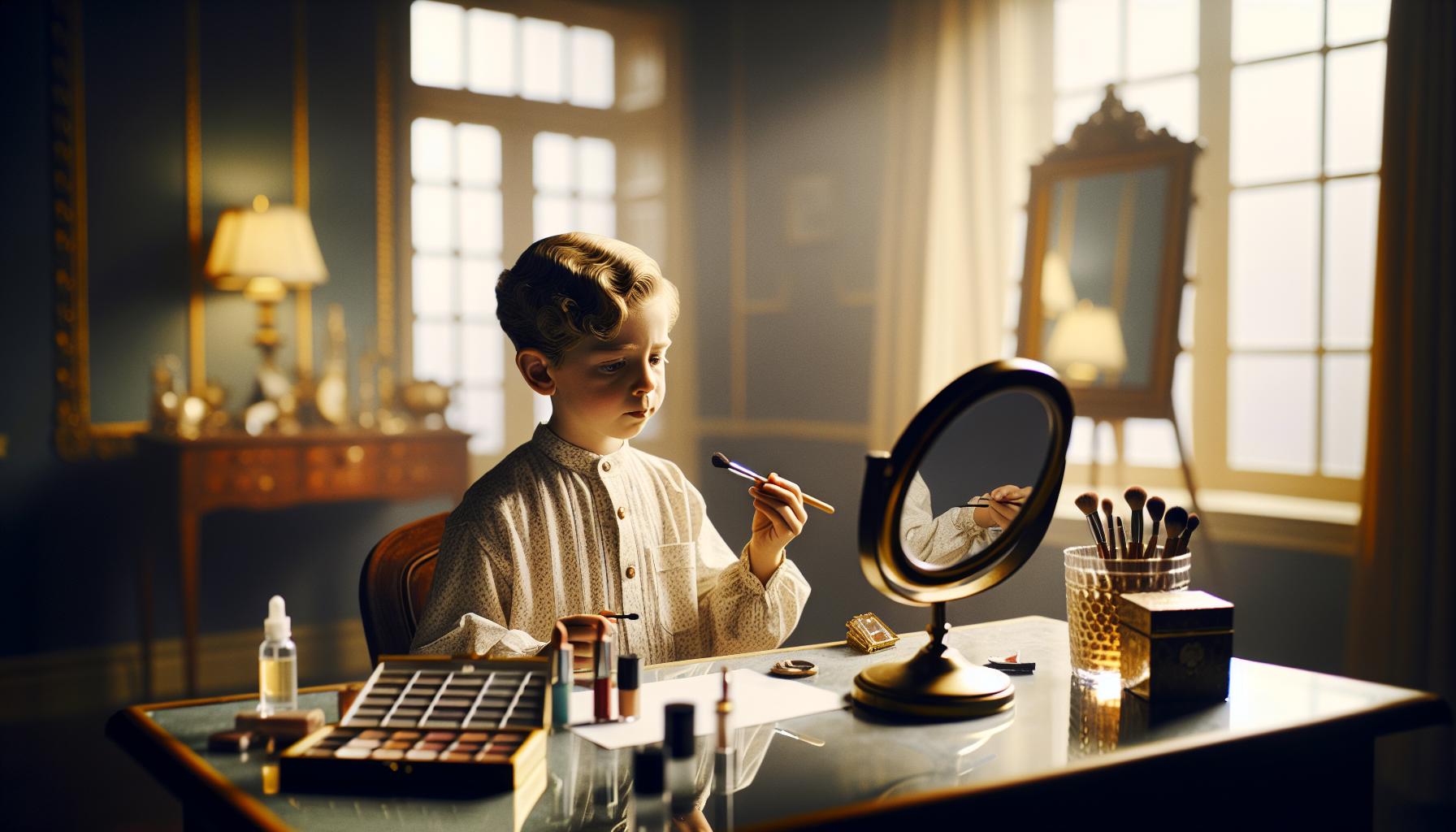
The allure of makeup can have a profound impact on how children perceive themselves. At a young age, they are constantly absorbing messages from media and peers, which often tie beauty and self-worth to physical appearance. This societal pressure can lead to a dangerous cycle where children feel the need to alter their natural looks to fit an idealized standard. It’s essential to understand that while makeup can be seen as a form of self-expression, it may also undermine a child’s confidence and self-image.
When children wear makeup, the feedback they receive-whether positive or negative-can strongly influence their self-esteem. For instance, if a child receives compliments when wearing makeup, they may start to base their self-worth on external validation rather than their inherent qualities. Conversely, negative comments or a lack of attention can lead to feelings of inadequacy or insecurity. This can create a belief that they are only attractive or valued when they conform to certain beauty standards, which can be damaging in the long run.
To foster a healthy self-image, it’s crucial to encourage children to appreciate their natural beauty and unique features. Engaging in activities that boost self-esteem without relying on makeup can help. For example, participating in sports, arts, or other hobbies allows children to shine based on their skills and talents rather than their appearance.
Creating an open dialogue about beauty standards and discussing the importance of inner qualities can empower children to embrace who they are. Talk about real role models-those who break beauty stereotypes or achieve success through their talents and character. This shift in focus helps children learn that true beauty comes from confidence, kindness, and authenticity rather than makeup or external appearances.
To summarize, prioritizing a healthy self-image over superficial beauty can aid in developing children’s confidence and self-worth. By promoting activities that celebrate their personality and achievements, we can help them form a positive self-view that lasts into adulthood.
Common Allergens: Ingredients to Avoid in Kids’ Makeup
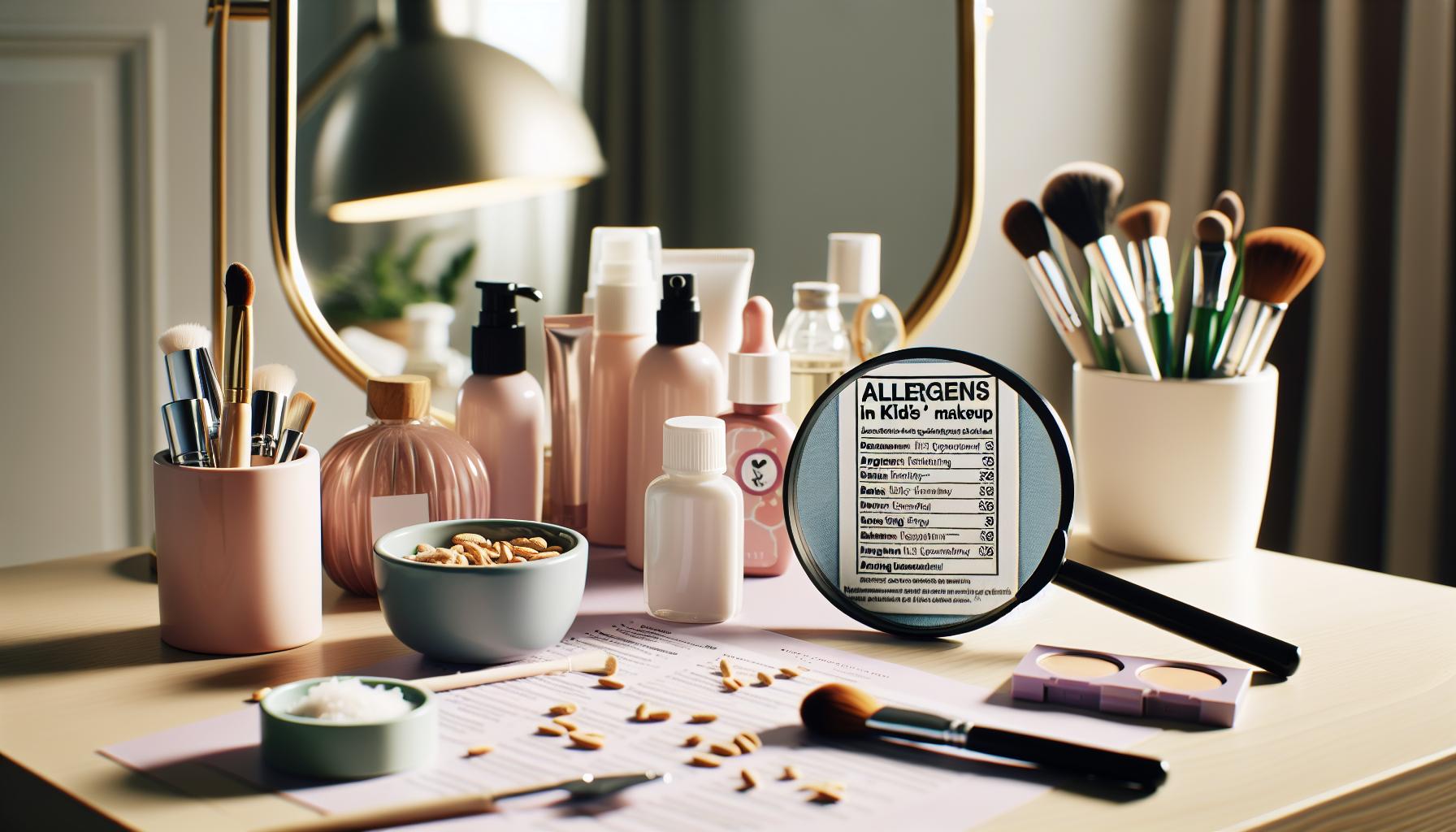
Choosing the right makeup can be a tricky endeavor, especially for children whose skin is particularly sensitive and reactive. A concerning factor in many makeup products are the potential allergens they contain, which can lead to irritations or more severe allergic reactions. Understanding which ingredients to avoid can help safeguard their delicate skin and promote healthier habits.
Some common allergens found in children’s makeup include substances like fragrances, parabens, and certain preservatives. Fragrances, while often appealing, can trigger allergic reactions and skin sensitivities, leading to rashes or itching. It’s best to look for fragrance-free products that minimize these risks. Parabens, used as preservatives to extend shelf life, may also cause irritation for some individuals, so seeking out “paraben-free” labeled products is advisable.
Additionally, many children’s makeup items may contain dyes and colorants, which can be irritating, particularly in sensitive areas like the eyes. Ingredients such as carmine (a dye derived from cochineal insects) and other synthetic dyes can pose allergic reactions. To ensure safety, opt for makeup products with natural colorants or no added color at all when possible.
To further protect their skin, consider checking for dermatologist-tested labels on products, indicating that they’ve gone through evaluations for safety on sensitive skin. You can also do a patch test before applying any new product, applying a small amount on the wrist to see if any irritation develops within 24 hours.
These precautions not only ensure the safe use of makeup for kids but also foster an understanding of the importance of skin health. By being proactive about ingredient awareness, you can help your child enjoy self-expression through makeup without compromising their skin’s wellbeing.
Dermatologist Insights: Expert Opinions on Makeup Use
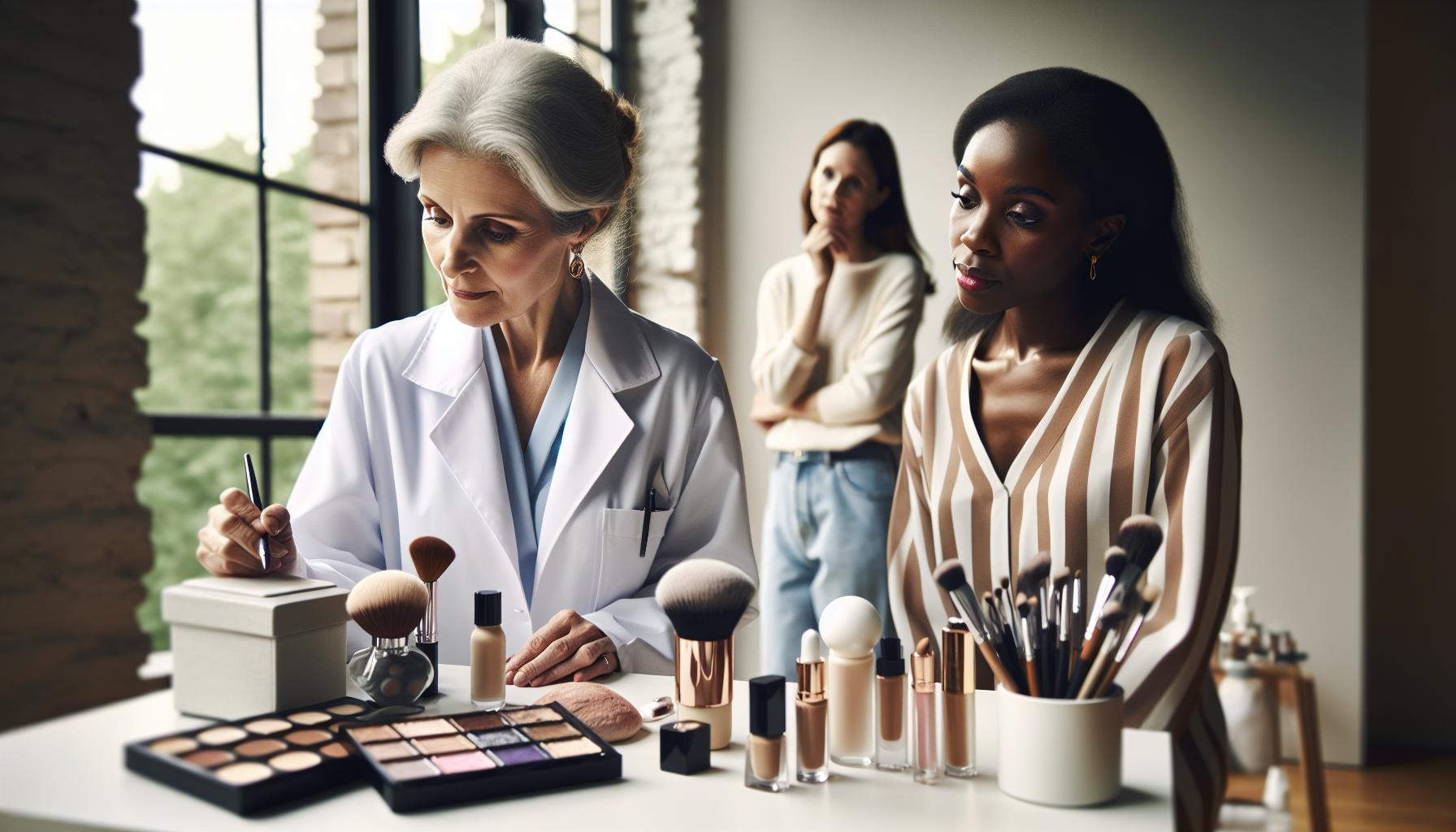
The skin of children is significantly more sensitive and permeable than that of adults, making it crucial to approach the topic of makeup use judiciously. Dermatologists often express concern regarding the application of makeup on young skin, as it can lead to various skin issues including allergies, irritations, and long-term skin damage. Research indicates that children’s skin can absorb chemicals more readily, meaning that exposure to potentially harmful ingredients found in cosmetics can pose higher risks.
In terms of specific ingredients to be wary of, dermatologists frequently highlight the dangers of certain preservatives and fragrances. For instance, many makeup products contain synthetic fragrances which, while appealing, can trigger allergic reactions or exacerbations of conditions like eczema. A gentle alternative is using products labeled as hypoallergenic or dermatologist-tested, though these terms can vary in meaning. Always check the ingredient list for common allergens, such as parabens or sulfates, and choose products that prioritize natural formulas.
Moreover, dermatologists emphasize the importance of promoting natural beauty over cosmetic enhancements for children. Encouraging healthy skincare routines-like regular moisturizing and sun protection-can help establish a foundation for lifelong skin health. For kids who express interest in makeup, consider recommending age-appropriate options designed specifically for young skin, which often feature milder formulations. These alternatives can help fulfill desires for self-expression without the associated risks of traditional makeup.
Finally, it’s essential to have open dialogues with children about beauty standards and self-image. A dermatologist’s perspective often includes a behavioral angle, advocating for teaching kids that their natural appearance is beautiful, and makeup should be a choice made thoughtfully, not an expectation. By focusing on education and awareness, parents can help shape a positive relationship with skincare and beauty that prioritizes health and self-acceptance.
Alternatives to Makeup: Enhancing Natural Beauty for Kids
Fostering a sense of beauty and confidence in children doesn’t have to start with cosmetics. In fact, there are numerous natural ways to enhance their inherent beauty while keeping their delicate skin safe and healthy. Leading by example, parents can cultivate an environment that prioritizes skincare and self-love over the superficial allure of makeup.
One powerful alternative is to emphasize the importance of a solid skincare routine. Teach children to cleanse, moisturize, and protect their skin with gentle, age-appropriate products. For instance, using a fragrance-free gentle cleanser followed by a lightweight moisturizer can impart a fresh, natural glow. Ensure that any sunscreen used is specifically formulated for kids, protecting their skin while encouraging safe outdoor play. This routine not only protects their skin now but also sets the stage for good habits in the future.
To spark creativity and expression, consider incorporating safe and fun alternatives like temporary body art or skin-safe decals. These options allow kids to play with color and design without the risks of traditional makeup. They can express their individuality during special occasions or simply for fun, without compromising their skin health. Natural face paints, made from safe ingredients, can also provide a playful alternative for events like parties or festivals, ensuring that self-expression is both enjoyable and safe.
Another wonderful approach is to engage children in interactive beauty rituals that reinforce their self-esteem. Instead of applying makeup, host a ‘spa day’ at home where you can create DIY face masks using safe, edible ingredients like honey or yogurt. This can be not only a fun bonding activity but also a great way to teach children about the benefits of natural ingredients, highlighting the importance of caring for their skin with love and attention.
In summary, nurturing natural beauty in children encourages a healthy self-image and fosters a positive relationship with skincare. By providing safe alternatives and focusing on self-care practices, parents can help children embrace their uniqueness while minimizing risks associated with makeup. Empowering kids with knowledge about their skincare not only supports their immediate needs but also stands to benefit them throughout their lives.
Building Healthy Habits: Teaching Kids About Skincare
Teaching children about skincare from an early age is essential for fostering healthy habits that last a lifetime. With the prevalence of products marketed towards young ones, it’s easy to overlook the basics of skin health. Did you know that children’s skin is up to 20% thinner than adults, making it more sensitive and susceptible to irritation? Equipping kids with the knowledge and skills to care for their skin can prevent issues down the road and build their confidence.
Start by introducing a simple but effective skincare routine that’s age-appropriate. The foundation of skincare is cleansing, moisturizing, and sun protection. Encourage kids to wash their face with a gentle cleanser designed for their skin type-think fragrance-free and non-comedogenic (meaning it won’t clog pores). A good routine might look like this:
- Cleansing: Use a dime-sized amount of cleanser on damp skin. Gently massage in circular motions for about 30 seconds, then rinse thoroughly.
- Moisturizing: After cleansing, apply a lightweight moisturizer that suits their skin type to keep it hydrated.
- Sun Protection: During sunny days, apply a kid-friendly sunscreen with at least SPF 30 about 15 minutes before going outside, even on cloudy days.
As children grow, discussing the importance of each step in their routine can help them understand why these practices matter. Share fun facts, like how sunscreen protects against harmful UV rays that can cause skin damage over time.
Another vital component is addressing common skincare misconceptions. Many kids might feel their skin needs to be ‘perfect.’ Normalize discussions around skin health and reassure them that occasional breakouts are a natural part of growing up.
Incorporating playful elements into skincare education can further engage children. Consider creative DIY projects, such as making a natural face mask from ingredients like mashed bananas and honey, emphasizing that what goes on their skin should be safe enough to eat!
By instilling these healthy habits early, parents not only enhance their children’s understanding of skin but build their confidence in caring for their bodies responsibly. Remember, the goal is to make skincare enjoyable and educational, setting the stage for them to embrace their natural beauty without the need for makeup.
Parental Guidance: How to Discuss Makeup with Children
Talking to children about makeup can be a delicate topic, especially in a world where social media and advertising constantly promote beauty standards. One effective way to approach this conversation is by emphasizing the fundamental concept that true beauty comes from within. Start by engaging your child in a discussion about what they think beauty means. This can open up a dialogue where you can share that while makeup can be fun, it’s not necessary to enhance their natural beauty.
When your child expresses interest in makeup, it’s a golden opportunity to educate them about skin health and the potential risks of wearing makeup at a young age. Explain how children’s skin is different from adult skin-it’s thinner and more sensitive. You might say, “Did you know that makeup can sometimes irritate our skin? Our skin is special, and we should take good care of it!” This approach helps them see that your concern is rooted in care rather than an outright ban on something they enjoy.
Another helpful strategy is to set age-appropriate guidelines. For instance, you can suggest that experimenting with makeup is more suitable for older kids or teens, while young children can express their creativity through face painting or DIY projects that are safe and skin-friendly. Explain that using simple products like lip balms or colored water-based face paints can be a creative outlet without the harsh chemicals found in traditional makeup.
To foster their sense of identity, encourage your child to embrace their natural look. Reinforce messages about self-acceptance and the idea that makeup is just one form of expression among many. You could suggest family activities, like skincare routines or arts and crafts, that channel their desire for beauty in healthier ways. For instance, making homemade face masks can be a fun way to interact with skin care that emphasizes health over appearance.
Ultimately, the goal is to create an environment where your child feels confident without relying on external validation from makeup. By normalizing discussions about self-esteem and skin health, you empower them to make informed choices about beauty as they grow older. Encourage them to ask questions and share their feelings about beauty standards, nurturing a relationship built on trust and openness.
Age Appropriateness: When is It Okay for Kids to Wear Makeup?
Starting with makeup at a young age can be tempting, especially in a world where beauty trends are constantly showcased in media. However, it’s crucial to establish a foundation of age-appropriate practices when it comes to kids and makeup. Generally, most dermatologists recommend that children under the age of 12 refrain from using traditional makeup products. This caution is largely due to the sensitivity of young skin, which can react adversely to the synthetic chemicals often found in cosmetics.
For younger children, engaging in creative play without makeup is a fantastic way to explore self-expression. Activities like face painting with non-toxic, washable products can provide fun without the risks associated with commercial makeup. If your child is asking to wear makeup, consider allowing them to use safe options like lip balm or light tinted moisturizers designed specifically for kids. These alternatives can give them a taste of the makeup experience without overwhelming their delicate skin.
As kids approach their teenage years, usually around 13 or 14, it may be appropriate to introduce makeup, but with supervision and guidance. Discuss the purpose of makeup and the importance of skincare routines, emphasizing that makeup should enhance rather than mask their natural beauty. Encourage them to experiment with lighter products and to start small, perhaps with lip gloss or a single color of eyeshadow, while teaching them about proper removal methods to take care of their skin health.
Ultimately, the aim is to cultivate a healthy approach to beauty and self-acceptance, enabling kids and teens to make informed choices as they grow. Fostering open communication about beauty standards and the reasons behind your guidelines will help children navigate their feelings about makeup in a way that promotes self-confidence and awareness.
Cultural Trends: The Influence of Social Media on Kids and Makeup
In today’s digital age, social media platforms like Instagram, TikTok, and YouTube serve as major influencers in shaping beauty standards, especially for young audiences. Kids are exposed to an endless stream of images and videos featuring idealized beauty, often showcasing elaborate makeup applications and trending beauty techniques. This exposure can create an overwhelming pressure to conform to these beauty ideals at a young age, leading to a desire for makeup that many parents may find concerning.
The reality is that social media glamorizes makeup, presenting it as a ticket to popularity and acceptance among peers. Many popular influencers and makeup artists boast about their luxurious, flawless looks, and how makeup plays a pivotal role in their confidence. However, this narrative can mislead children into thinking that makeup is necessary for self-expression or worth, overshadowing their natural beauty and self-esteem. Parents should be aware of the content their children are viewing and how it might be affecting their perceptions of beauty and self-worth.
It’s vital to differentiate between creative expression and the commercialized beauty standards set by social media. Encouraging children to admire creative skills demonstrated by makeup artists without equating those skills with personal value is crucial. Instead of portraying makeup as an essential aspect of beauty, teaching kids to appreciate their unique features and the art of self-expression through non-cosmetic means can foster a healthier self-image.
Engaging in discussions about body positivity, the importance of authenticity, and the unrealistic nature of social media portrayals can help frame these conversations. Introduce alternative activities that allow for creativity and self-identity, like arts and crafts, where kids can express themselves without the societal pressures linked to makeup. Providing a balanced perspective will help children understand that real beauty comes from within and that their self-worth is not dictated by the makeup they wear.
Educating Your Child: Creating Awareness About Skin Health
Understanding skin health from a young age is crucial for children, especially in our world where makeup is often seen as an essential part of beauty. Children’s skin is not only more sensitive than adults’, but it is also still developing, making it more susceptible to irritation and damage from harmful products. Teaching kids about skin health can empower them to make informed choices about their own care and aid in fostering a positive body image.
Start by introducing the basics of skincare in a fun and engaging manner. Explain the importance of cleansing and moisturizing, highlighting how these simple steps help keep their skin healthy and vibrant. Use age-appropriate language and examples; for instance, you might say, “Just like we wash our hands to get rid of germs, washing our face helps remove dirt and oil that can cause breakouts.” This not only makes the concept relatable but also helps children understand the reasons behind good skincare practices.
Encourage the use of products that are specifically formulated for children’s skin. These products are often free from harsh chemicals that can lead to reactions or long-term damage. Inform children about common ingredients that should be avoided, such as alcohol and strong fragrances, which can irritate their delicate skin. Establish a routine that includes a gentle cleanser and a lightweight moisturizer, and make it a fun bonding experience by trying different scents and textures together.
Moreover, it’s crucial to instill healthy habits that can prevent skin issues down the line. Teach kids the importance of sun protection by applying sunscreen every day, even when it’s cloudy. Use vibrant stickers or fun bottles to make applying sunscreen a more exciting part of their routine. Discuss how wearing hats and protective clothing when playing outside can also keep their skin safe.
Lastly, engage in open conversations about the misconception that makeup is necessary for beauty. Emphasize that everyone is unique and that their natural beauty is what truly matters. Encourage them to express themselves creatively through art or other hobbies that don’t involve covering up their skin. By nurturing an understanding of skincare and self-acceptance, you can help children derive confidence from their natural appearance rather than a reliance on products.
By fostering an awareness of skin health early, you set a foundation for lifelong habits that prioritize well-being over societal pressures regarding beauty.
Frequently asked questions
Q: What are the main risks of kids wearing makeup?
A: Kids wearing makeup can face several risks, including allergic reactions, skin irritation, and potential long-term skin damage. Children’s skin is more sensitive than adults’, making it important to prioritize their natural beauty and skin health over cosmetic use.
Q: How can parents discuss makeup use with children?
A: Parents should approach the topic of makeup by emphasizing natural beauty and healthy skin habits. Explain the potential risks and have open discussions about body image and self-esteem, guiding them toward positive self-acceptance without the need for cosmetics.
Q: What are some natural alternatives to makeup for kids?
A: Instead of makeup, parents can introduce natural alternatives like tinted moisturizers or mineral powders that contain fewer allergens. Additionally, encouraging skincare routines with gentle products can help enhance their natural beauty without the need for makeup.
Q: When is it appropriate for children to start wearing makeup?
A: Age appropriateness varies, but many dermatologists recommend waiting until children are preteens or teenage years when they can better understand skin care. Focus on educating them about skincare and allowing them to explore makeup responsibly.
Q: What ingredients should be avoided in kids’ makeup?
A: Parents should look for makeup products without harmful chemicals such as parabens, fragrances, and sulfates. Opt for hypoallergenic products that are specifically formulated for sensitive skin to avoid allergic reactions and irritations.
Q: How does wearing makeup affect children’s self-esteem?
A: Wearing makeup can have mixed effects on self-esteem. While some children might feel more confident, excessive reliance on makeup can lead to insecurities about natural appearance. Encouraging self-acceptance and natural beauty is vital for healthy self-esteem.
Q: What should parents teach their children about skin health?
A: Parents should instill good skincare habits early on, including daily cleansing, moisturizing, and sunscreen application. Educating children about the importance of caring for their skin sets a foundation for lifelong healthy habits.
Q: How can social media influence children’s views on makeup?
A: Social media can significantly affect children’s perceptions of beauty and makeup. It often promotes unrealistic standards, leading to a desire for makeup at a young age. Parents should discuss with children how to critically evaluate social media representations of beauty.
The Way Forward
As we wrap up our discussion on “Why Kids Shouldn’t Wear Makeup: Dermatologist’s Warning,” it’s crucial to remember that young skin is delicate and needs to be protected. By prioritizing natural beauty, parents can better safeguard their children’s skin health. If you’re still unsure about makeup choices or skincare routines for your kids, check out our articles on the best children’s skincare products and the importance of sunscreen for young skin.
Don’t wait to make informed decisions-your child’s skin deserves the best care! Subscribe to our newsletter for the latest tips and guidance on nurturing healthy skin. By staying connected, you can access valuable resources tailored to empower your family in making safe choices. Share your thoughts or questions in the comments below, and explore more on how to support your child’s natural beauty journey. Your proactive engagement ensures a healthier, happier skin future for them!
Get our latest guides, news, and insights highlighted in your Google Search & AI Overviews.