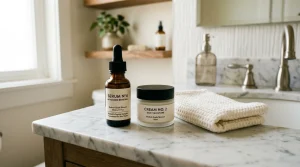
Did you know that exfoliating your skin can transform your appearance by revealing a brighter, smoother complexion? However, there’s a fine line between reaping these benefits and causing harm with over-exfoliation. Many of us wonder if using an exfoliating cleanser daily is the right approach without damaging our skin. Understanding your skin’s needs is crucial-too much exfoliation can lead to irritation, dryness, and even breakouts. As you delve into this topic, you’ll discover effective strategies tailored to your unique skin type and the right balance that can help you achieve that enviable glow safely. Let’s explore how to incorporate exfoliation into your routine wisely, ensuring your skin stays healthy and vibrant.
Can You Exfoliate Every Day Safely?
Exfoliating your skin can work wonders, but many wonder if it’s safe to do it every day. The answer isn’t a simple yes or no; it heavily depends on both your skin type and the products you choose. For many, daily exfoliation can improve skin texture, promote a clear complexion, and enhance the effectiveness of other skincare products by allowing better absorption. However, how you exfoliate is crucial to ensuring you don’t damage your skin in the process.
When considering daily exfoliation, it’s essential to understand that there are two main types: mechanical and chemical. Mechanical exfoliants, like scrubs or brushes, physically slough off dead skin cells, which can be too abrasive if used every day, particularly for sensitive skin. On the other hand, chemical exfoliants, which often include acids like glycolic or salicylic acid, can be gentler and may allow for more frequent use. However, even chemical exfoliants require a careful approach. If your skin feels irritated or sensitive, you might want to reduce the frequency or switch to a milder formulation.
If you decide to exfoliate daily, start with a gentle product specifically formulated for frequent use. Look for products labeled as “gentle” or “daily” exfoliants. Here are some tips to keep in mind:
- Patch Test: Always do a patch test with any new product to see how your skin reacts.
- Listen to Your Skin: If you notice redness, dryness, or irritation, scale back your exfoliation routine.
- Hydrate: Follow up with a good moisturizer to help soothe and hydrate your skin after exfoliating.
Ultimately, the goal is to find a balance that works for you, allowing you to enjoy the benefits of exfoliation without the risks of overdoing it. Regularly assess how your skin responds, and adjust your routine as needed.
Understanding Your Skin Type and Needs

Understanding your skin type is the first step toward an effective exfoliation routine. Skin can generally be categorized as normal, oily, dry, combination, or sensitive, and recognizing your unique characteristics is essential to determine how often you can safely use an exfoliating cleanser.
For those with oily skin, daily exfoliation can help manage excess sebum and prevent breakouts. A gentle chemical exfoliant, such as one with salicylic acid, can be beneficial and may reduce the risks associated with mechanical scrubs, which could potentially irritate the skin if used too frequently. If your skin feels perpetually oily, look for products designed to unclog pores and treat dullness without stripping too much moisture.
Conversely, if you have dry or sensitive skin, daily exfoliation might lead to irritation or redness. In such cases, less is often more. You might opt for gentle exfoliating cleansers that contain hydrating ingredients, like hyaluronic acid or soothing botanical extracts. These options can help maintain your skin’s moisture balance while providing the necessary exfoliation.
Combination skin can be trickier; you may notice dryness in some areas and oiliness in others. Tailoring your routine to address these varying needs can be more effective. Consider a two-three times a week exfoliation combined with targeted treatments-using a gentle scrub on oilier zones while applying a more hydrating formula to drier patches.
Ultimately, understanding your skin’s needs is about trial and error, listening to what your skin is telling you, and not being afraid to adjust your routine as necessary. Start by exfoliating just once or twice a week, then gauge how your skin responds. This approach can help you find a happy medium where your skin feels smooth and vibrant without overdoing it.
The Benefits of Daily Exfoliation

Daily exfoliation can be a game-changer for your skin, unlocking a range of benefits that can enhance your overall complexion and skin health. When done correctly, incorporating an exfoliating cleanser into your daily skincare routine can lead to a brighter, smoother, and more refined appearance. The process removes dead skin cells, which in turn allows your skin to breathe and absorb moisture and nutrients more efficiently. This is particularly significant if you’re aiming for a more radiant look, as it promotes cell turnover and reveals the fresh skin beneath.
One of the key advantages of regular exfoliation is its ability to prevent clogged pores. By sloughing off old skin, you significantly reduce the chances of breakouts and blackheads forming. This is especially beneficial for individuals with oily or acne-prone skin, as a consistent exfoliation routine can help maintain clearer skin over time. Additionally, daily exfoliation can minimize the appearance of fine lines and hyperpigmentation, giving your skin a more youthful glow and an even tone.
Using a gentle exfoliating cleanser daily can also enhance the effectiveness of other skincare products. When your skin is clear of dead cells, serums and moisturizers can penetrate more deeply, maximizing their benefits. For example, applying a vitamin C serum after mild exfoliation can amplify its brightening effects, leading to a healthier complexion. It’s important to approach daily exfoliation with caution and to choose products suited to your skin type, as the right balance is essential for achieving the best results without irritation.
To reap these benefits, consider starting with a gentle formula that may include ingredients like alpha hydroxy acids (AHAs) or beta hydroxy acids (BHAs). These ingredients work effectively to peel away dead skin while being mild enough for regular use, as long as they match your skin’s tolerance and needs. Remember, it’s always a good idea to listen to your skin and adjust your routine based on its responses.
Potential Risks of Over-Exfoliation

Over-exfoliation is a common pitfall in the quest for glowing skin, and it can lead to several adverse effects that many might not associate with their skincare routine. When you exfoliate too frequently, you risk stripping away essential oils and leaving your skin vulnerable. This can result in a disrupted skin barrier, which may manifest as redness, irritation, or increased sensitivity. If your skin feels tight or uncomfortable after exfoliating, it could be a sign that you’re overdoing it.
One of the major risks associated with daily exfoliation is the potential for inflammation. The skin can become inflamed from excessive abrasion-whether from physical scrubs or chemical exfoliants. This unintentional damage can trigger skin conditions such as rosacea or exacerbate existing issues like acne and eczema. It’s essential to pay close attention to how your skin responds after using an exfoliating cleanser. If you notice persistent redness or breakouts, it might be time to adjust your routine.
Another significant concern with over-exfoliation is the accelerated aging of your skin. Sounds counterintuitive, right? While exfoliation can enhance your complexion, doing it excessively can lead to premature fine lines and a loss of elasticity. Your skin needs time to repair itself, and over-exfoliating can hinder this natural process.
To avoid these risks, it’s crucial to gauge your skin’s tolerance and adjust your exfoliation frequency accordingly. For many, exfoliating two to three times a week is sufficient, while others may only need it once a week. Always opt for gentle products that suit your skin type, and when trying a new exfoliating product, start slowly to see how your skin reacts. Prioritizing your skin’s health over aggressive routines will lead to more sustainable, long-term results.
Signs You’re Overdoing It: Red Flags

Overdoing exfoliation can significantly disrupt your skin’s health, making it crucial to recognize the warning signs early. If you’re using an exfoliating cleanser daily, pay attention to how your skin reacts. The first red flag to watch for is increased redness or sensitivity. If your skin appears noticeably inflamed, this can be a signal that it’s reacting negatively to the frequency of exfoliation. A healthy complexion should look fresh and revitalized after exfoliating, not red and irritated.
Another telltale sign of over-exfoliation is persistent dryness or a tight feeling in your skin. When you strip away dead skin cells too often, you can also remove essential oils, leading to a compromised skin barrier. To assess this, try gently touching your cheeks. If your skin feels rough, flaky, or tight, it might be time to scale back your routine. Similarly, if you notice breakouts or a flare-up of conditions like eczema or rosacea, this could indicate that your skin is struggling to cope with the excessive exfoliation.
Additionally, keep an eye out for premature aging signs like fine lines developing at an earlier age than expected. It might sound strange, but over-exfoliation can hinder your skin’s natural repair process, making it more prone to aging. Instead of achieving the radiant glow you seek, over-exfoliating can leave your skin looking weary and less elastic.
Always trust your instincts and prioritize what feels best for your skin. If you identify any of these warning signs, consider reducing the frequency of exfoliation and allow your skin time to recover. Transitioning to a more balanced exfoliation routine-perhaps limiting it to two to three times a week-can help restore your skin’s health while still reaping the benefits. Remember, maintaining your skin’s barrier is essential for a vibrant, youthful appearance.
Choosing the Right Exfoliating Cleanser
Finding the right exfoliating cleanser is crucial for maintaining healthy skin, especially if you aim to incorporate it into your daily routine. Exfoliating cleansers can effectively remove dead skin cells, unclog pores, and reveal a fresh complexion, but the key is in choosing a product that suits your skin type and needs.
Start by identifying your skin type-whether it’s oily, dry, combination, or sensitive. This knowledge will guide you toward formulations that best address your specific concerns. For instance, if you have oily or acne-prone skin, look for exfoliating cleansers that contain salicylic acid or benzoyl peroxide, as these ingredients help clear out excess oil and prevent breakouts. On the other hand, if your skin is dry or sensitive, consider gentler options like lactic acid or mild physical exfoliants that won’t strip your skin of essential moisture.
Consistency and Texture Matters: The texture of the exfoliating cleanser is also important. Creamy formulas can provide more hydration and are often better for drier skin, whereas gel-based cleansers are typically lighter and may suit oilier skin types. When applying, use a dime-sized amount on damp skin, and gently massage it in circular motions for about 30 seconds. This approach ensures you clean without irritating your skin unnecessarily.
Finally, always patch test a new product on a small area of your skin before diving in fully. Apply a small amount to your wrist or behind your ear and wait 24 hours to ensure you don’t experience any adverse reactions. This simple step can save you from potential irritation or breakout issues down the line. Remember, the right cleanser should leave your skin feeling refreshed, not tight or irritated.
What Ingredients to Look For
Choosing the right ingredients is crucial when selecting an exfoliating cleanser, especially if you’re considering incorporating it into your daily routine. Certain components can provide impressive benefits while ensuring your skin remains healthy and balanced.
For those with oily or acne-prone skin, look for exfoliating cleansers containing salicylic acid. This beta hydroxy acid penetrates deeply into the pores, helping to dissolve excess oil and prevent breakouts. Glycolic acid, an alpha hydroxy acid, is another excellent option as it promotes cell turnover and enhances skin texture. If you’re aiming for something gentler, lactic acid is a great choice; it exfoliates while providing hydration, making it ideal for those with sensitive skin.
Physical exfoliants, such as walnut shells or sugar, can be effective but should be used with caution. They can be harsh on the skin, particularly if you have sensitive or reactive skin types. When choosing a physical exfoliant, look for products with finely milled particles that won’t cause micro-tears on the skin. It’s also essential to read labels carefully; avoid scrubs with large or jagged particles that can do more harm than good.
In addition to exfoliating ingredients, look for soothing components such as aloe vera or chamomile, which can help calm the skin post-exfoliation. These soothing agents work well to reduce inflammation and support your skin’s healing process, making daily exfoliation much more feasible. Hyaluronic acid is another beneficial ingredient to keep in mind, as it helps retain moisture and prevents over-drying, especially when using stronger exfoliating products.
Ultimately, the right formulation will depend on your individual skin type and concerns. Always prioritize gentle yet effective ingredients that can enhance your skin’s health without stripping it of its natural moisture. Remember, the goal is to achieve a refreshed and glowing complexion, not irritation or dryness.
How to Exfoliate Without Damage
To ensure your skin stays happy while enjoying the benefits of exfoliation, it’s important to adopt techniques that minimize the risk of damage. Many people worry about over-exfoliation leading to irritation or heightened sensitivity, but with the right methods, you can safely exfoliate even on a daily basis.
Start by choosing a mild exfoliating cleanser that suits your skin type. For example, if you have oily skin, a cleaner with salicylic acid can help clear pores and manage oil production, while those with dry or sensitive skin might benefit from lactic acid, which not only exfoliates but also hydrates. Apply a dime-sized amount to damp skin, using gentle circular motions for about 30 seconds. This approach encourages effective exfoliation without aggressive scrubbing that could harm your skin.
Incorporating this into your routine can be enhanced by being mindful of your skin’s reactions. Pay attention to how your skin feels after exfoliating-if you notice redness or a burning sensation, it may mean your product or method is too harsh. Make sure to follow up with a soothing agent, like aloe vera or a moisturizer containing hyaluronic acid, to help restore hydration and calm any irritation. Also, avoid using exfoliants on days when your skin feels particularly dry or sensitive.
Best practice also involves keeping an eye on the frequency of use. While daily exfoliation could suit some skin types, others might only need it a few times a week. Conduct a patch test for new products to gauge how your skin responds before committing to a new routine. Remember that achieving healthy skin is about balance and observing how your skin reacts over time will help you make the right choices.
Best Practices for Daily Use
To ensure that daily exfoliation is both effective and gentle on your skin, it’s essential to adopt a few best practices that prioritize skin health. By following these strategies, you can achieve a brighter complexion while minimizing the risk of irritation and damage.
Start by incorporating a mild exfoliating cleanser that aligns with your skin type. For oily skin, look for products with salicylic acid, which helps unclog pores and reduce excess oil. If your skin leans towards the dry or sensitive side, a lactic acid cleanser not only exfoliates but also provides hydration. Remember to apply just a dime-sized amount to your damp skin using gentle circular motions for about 30 seconds. This helps ensure that you are exfoliating without applying too much pressure, which can lead to redness or sensitivity.
It’s crucial to pay attention to your skin’s response after each exfoliation. If you notice any irritation, redness, or a burning sensation, it might indicate that the product or frequency of use is too harsh. Following your exfoliation, soothe your skin with a calming moisturizer or an agent like aloe vera. Ingredients that help restore moisture, such as hyaluronic acid, are also excellent choices. Also, consider skipping exfoliation on days when your skin feels particularly sensitive or dry, as this gives your skin crucial time to recover.
Lastly, keep a close eye on how often you exfoliate. While some people may benefit from daily exfoliation, others might find that two to three times a week is sufficient. Conducting a patch test before fully integrating new products into your routine can help gauge how your skin reacts, allowing you to tailor your approach for the best results. Remember, achieving a healthy glow is about balance and listening to your skin’s needs. By being mindful and attentive, you can enjoy all the benefits of exfoliation without the downsides.
When to Skip Daily Exfoliation
Daily exfoliation might seem like a great way to keep your skin glowing, but there are times when it’s best to skip this step. Many factors, including skin type, environmental conditions, and even your current skincare ingredients, can influence whether your skin truly needs that extra scrub today.
If you notice any signs of irritation-such as redness, stinging, or excessive dryness-it’s a clear indication that your skin is overwhelmed. For instance, if you tried a new active ingredient the night before, like a strong retinol or an acid product, it’s wise to give your skin a break from exfoliation the following day. This pause allows your skin to recover and helps maintain its natural barrier.
Moreover, consider hormonal fluctuations. During certain times of the month, some individuals may experience increased sensitivity or breakouts, making it an unsuitable time for exfoliation. If your skin feels particularly sensitive, compromised, or inflamed, these are signals to let your skin rest. It’s not just about what you apply, but also about understanding your skin’s unique rhythms and responding to its needs.
Lastly, if you’re experiencing a sunburn or any specific skin conditions like eczema or rosacea, skip exfoliation altogether until your skin has healed. You might also choose to avoid daily exfoliation during particularly harsh weather-cold winds or intense heat can stress the skin further. Instead, focus on nourishing and hydrating your skin to allow it to bounce back. Your skin will thank you for it!
Alternatives to Daily Exfoliation
Exploring can keep your skin glowing without the risks associated with overdoing it. It’s essential to remember that exfoliation is just one part of your skincare routine, and often, less is more. By incorporating gentler methods, you can still achieve smooth, radiant skin without the daily scrubbing.
One effective alternative is to opt for chemical exfoliants that can be used less frequently, such as once or twice a week. Ingredients like glycolic or lactic acid work by dissolving dead skin cells without the need for physical scrubbing. Start with a lower concentration to see how your skin reacts; a product like a 5-10% glycolic acid toner can offer results without the harshness of daily exfoliation.
Gentle cleansing can also be a fantastic way to renew your skin. Use a mild, hydrating cleanser that contains exfoliating ingredients, such as enzymes from fruits like papaya or pineapple. These ingredients provide a natural exfoliating effect without the abrasive feel of scrubs. Try to cleanse your face twice a day, but focus on being gentle and not aggressive.
Remember that moisturizing plays a crucial role in maintaining a healthy skin barrier. A rich, hydrating moisturizer can keep your skin supple and help with cell turnover. Look for products with ingredients like hyaluronic acid or ceramides. These will nurture your skin while allowing the natural exfoliation process to occur.
Lastly, if you’re seeking to maintain a healthy glow without daily exfoliation, consider incorporating masks or treatments into your routine. Products that offer a combination of hydration and gentle exfoliation can be used once or twice weekly. Look for clay masks with exfoliating properties or overnight masks featuring alpha hydroxy acids (AHAs) for a dose of rejuvenation without the need for daily application.
In summary, there are several effective that can help you achieve beautiful skin while maintaining its health. From using chemical exfoliants sparingly to embracing gentle cleansing and hydrating routines, there are plenty of options to explore that allow your skin to thrive.
How to Identify Your Skin’s Tolerance
Understanding how your skin responds to exfoliation is crucial for maintaining its health and avoiding irritation. Skin tolerance varies from person to person, shaped by factors like skin type, environmental changes, and even the products you use. Identifying your skin’s tolerance towards exfoliation can help you create the most effective and safe routine.
Start by observing how your skin reacts after using an exfoliating cleanser. If your skin feels softer and smoother, you might be on the right track. However, if you notice redness, excessive dryness, or a tight sensation, these could be signs of irritation. Consider keeping a skincare journal to track reactions over time. Note the products you use, frequency of application, and your skin’s response. This can help you identify patterns and determine the right balance for your skin.
Testing Your Limits
A great way to assess your skin’s tolerance is through a patch test. Select a small area of your skin, perhaps on your jaw or behind your ear, and apply a small amount of exfoliant. Wait for 24 hours to see how your skin reacts. If no irritation occurs, you can gradually incorporate it into your routine while still being cautious.
It’s also beneficial to differentiate between physical and chemical exfoliants. Generally, physical exfoliants involve scrubs or brushes and can be more irritating, especially if used too frequently. On the other hand, chemical exfoliants, like AHAs or BHAs, can be gentler alternatives as they work to dissolve dead skin cells rather than scrubbing them away. Start with lower concentrations of chemical exfoliants to gauge tolerance over time.
Guiding Principles
Consider your skin type when determining your exfoliation strategy. For instance:
- Dry or sensitive skin: Aim to exfoliate no more than once a week using gentle, hydrating formulas.
- Oily or acne-prone skin: You may tolerate exfoliating two to three times a week, opting for non-irritating chemical exfoliants.
- Normal skin: A balanced approach-testing formulas and finding a sweet spot between one to two times a week-works best.
By being mindful and responsive to your skin’s signals, you can create a routine that elevates your natural glow rather than compromising your skin’s integrity. Regularly reassess your needs as seasons change or as your skin’s condition evolves, maintaining flexibility to adapt your routine.
Frequently Asked Questions
Q: Can using an exfoliating cleanser every day help with acne?
A: Using an exfoliating cleanser daily can help with acne by removing dead skin cells and preventing clogged pores. However, it’s crucial to monitor your skin’s response and avoid irritation. Consider starting with every other day, especially if you have sensitive skin.
Q: What ingredients in exfoliating cleansers are safest for daily use?
A: Look for gentle ingredients like lactic acid or salicylic acid, which can effectively exfoliate without causing irritation. Avoid harsh physical exfoliants or high concentrations of alpha-hydroxy acids that can damage the skin barrier when used daily.
Q: How do I know if I’m over-exfoliating?
A: Signs of over-exfoliation include redness, irritation, and a tight or sensitive feeling on your skin. If you experience these symptoms, reduce your exfoliation frequency and hydrate your skin to help restore balance.
Q: Is it better to exfoliate in the morning or at night?
A: Both morning and night can be effective, but exfoliating at night may be better as it allows your skin to repair and regenerate while you sleep. Choose a time that fits your routine best and stick to it for consistency.
Q: Can I use an exfoliating cleanser if I have sensitive skin?
A: Yes, but it’s essential to choose a soothing, gentle exfoliating cleanser formulated for sensitive skin. Look for products with calming ingredients like aloe vera or chamomile to minimize irritation.
Q: How long should I wait after using an exfoliating cleanser to apply moisturizer?
A: Wait about 1-2 minutes after cleansing to allow your skin to settle before applying a moisturizer. This ensures optimal absorption and hydration without overwhelming your skin immediately after exfoliation.
Q: What is the best type of exfoliating cleanser for dry skin?
A: Cream-based exfoliating cleansers with hydrating ingredients like glycerin or hyaluronic acid are ideal for dry skin. They provide gentle exfoliation while maintaining moisture, preventing further dryness or irritation.
Q: Should I use sunscreen after daily exfoliation?
A: Yes, applying sunscreen daily is crucial, especially after exfoliation, as freshly exfoliated skin is more sensitive to UV rays. Ensure to use a broad-spectrum SPF of at least 30 for proper protection.
Concluding Remarks
Are you ready to take control of your skincare routine? Remember, while daily exfoliation can boost your glow, balance is key to avoiding irritation. If you’re curious about different exfoliating techniques or looking for recommendations on gentle formulas for sensitive skin, check out our articles on “Gentle Exfoliation Techniques” and “Best Exfoliating Products for All Skin Types.”
Don’t hesitate! Dive deeper into the world of skincare by subscribing to our newsletter for expert tips and product insights straight to your inbox. If you have further questions or need tailored advice, consider reaching out for a personalized consultation. Your skin deserves the best care, and we’re here to help you achieve it! Keep exploring, and let’s keep the conversation going-your perfect skincare routine is just a click away!
Get our latest guides, news, and insights highlighted in your Google Search & AI Overviews.