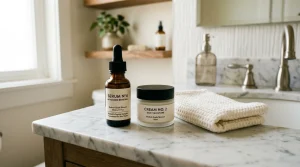
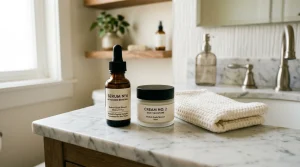
Have you ever wondered whether wetting your face before using an oil cleanser makes a difference? It’s a common question among skincare enthusiasts, and the answer can truly impact how effectively your cleanser works. Oil cleansers are known for their ability to dissolve makeup and impurities, but the way you apply them can enhance or dilute their effectiveness.
Understanding the application process can elevate your skincare routine, allowing you to achieve that coveted clean and fresh feeling. Whether you’re battling stubborn makeup or just want to ensure you’re getting the most out of your product, knowing the right steps to take can make all the difference. So, let’s dive into the details and discover the best practices for using oil cleansers-your skin will thank you!
Do You Need to Wet Your Face First?
When it comes to using an oil cleanser, the question of whether to wet your face first often arises. The good news is that there’s flexibility in how you apply oil cleansers, and understanding the best method for your skin type can make all the difference.
If you choose to wet your face before applying the oil cleanser, it can help to create a more fluid texture, making it easier to spread the product evenly. This method can also provide a refreshing sensation, particularly in the morning or on warm days. However, applying oil cleansers directly to dry skin is a popular approach that many people find effective. This technique allows the oil to more easily bind with dirt, makeup, and excess oil on your skin, which can lead to a more thorough cleanse.
The key takeaway is that both methods can work well, but it’s essential to consider your skin type and personal preference. For instance, if you have oily skin, the direct application of oil on dry skin may help in breaking down oils without adding excess moisture initially. Conversely, if your skin is dry or sensitive, you might find that starting with damp skin reduces any potential heaviness or clogging. Ultimately, experimenting with both techniques can help you discover which feels best for your unique skin and cleansing routine.
Understanding Oil Cleansers: How They Work
Oil cleansers are a game changer in skincare, transforming the way we remove dirt, makeup, and oils from our skin. These products work on a simple yet effective principle: “like dissolves like.” This means that the oils in the cleanser bind to the oils on your skin, effectively breaking down makeup and impurities so they can be rinsed away. Unlike traditional foaming cleansers, which can strip your skin of essential moisture, oil cleansers maintain the skin’s natural hydration, leaving it soft and supple after cleansing.
When using an oil cleanser, the method of application can vary based on personal preference and skin type. If your face is dry, applying the oil directly allows it to penetrate and lift away impurities without excess water interfering. Conversely, dampening your face beforehand can make the oil feel lighter and can enhance its spreadability, which is often appreciated on warmer days or during a refreshing morning routine.
Whatever method you choose, the essence of oil cleansing lies in its ability to provide a deep cleanse without the harshness that can often accompany other methods. Moreover, it’s crucial to select an oil cleanser that suits your skin type-whether you have oily, dry, or combination skin. For example, those with oily skin might benefit from lighter oils like jojoba or grapeseed, while those with dry skin might prefer richer formulations such as avocado or almond oil. This thoughtful approach to cleansing not only helps your skin feel clean but also nourished, paving the way for a healthier, more radiant complexion.
The Science Behind Oil Cleansing
When it comes to , understanding how oils interact with your skin is essential. At the core of this method is the adage “like dissolves like,” which means that oil cleansers effectively dissolve the natural oils and makeup on your skin. This is particularly beneficial for removing stubborn products, such as waterproof mascara or heavy foundations, which can be difficult to eliminate with water-based cleansers alone. By applying oil to your skin, you create a chemical reaction that breaks down these substances, allowing for a deeper cleanse without stripping the skin of its natural moisture.
The lipid layer of your skin acts as a barrier, helping to maintain hydration and protect against environmental aggressors. Regular cleansers, especially foam-based ones, can disrupt this barrier, leading to dryness or irritation. In contrast, oil cleansers help maintain this lipid layer by nourishing it, which is particularly important for those with dry or sensitive skin. Instead of feeling tight and stripped after cleansing, users often report that their skin feels soft and supple, making oil cleansing a more gentle option for daily skincare routines.
When considering whether to wet your face before applying an oil cleanser, the texture and consistency of the oil become significant factors. On dry skin, the oil adheres better and penetrates more deeply, helping to lift impurities more effectively. Alternatively, applying the cleanser to damp skin can dilute its thickness, allowing it to spread easily. If you’re using a heavier oil, this can also help prevent the feeling of heaviness that some might find uncomfortable. Experience tells us that finding the right method depends on personal preferences and skin responses, emphasizing the importance of experimenting to see what feels best for you.
Overall, oil cleansing presents a compelling case for adapting to your unique skin needs. It’s not just about getting your skin clean; it’s about fostering a routine that respects and enhances your skin’s natural health, moisture, and radiance. Whether you opt to use an oil cleanser on its own or with a bit of water, the key is to listen to your skin and adjust as necessary, paving the way for a truly effective cleansing experience.
Benefits of Using an Oil Cleanser
Using oil cleansers can significantly transform your skincare routine, offering a myriad of benefits that cater to various skin types and concerns. One of the key advantages is their ability to effectively dissolve makeup, dirt, and excess sebum without stripping the skin’s natural oils. When you apply an oil cleanser directly to dry skin, it allows the oil to bind with impurities, making them easier to rinse away. This gentle yet thorough cleansing method can leave your skin feeling clean and hydrated rather than tight or dry, which is often a concern with traditional foam cleansers.
Moreover, oil cleansers are rich in beneficial fatty acids and vitamins that nourish your skin. For instance, oils like jojoba or argan can help balance skin tone and improve elasticity. This added hydration is particularly beneficial for individuals with dry or sensitive skin, as it helps protect the skin’s lipid barrier while effectively removing impurities. Regular use of oil cleansers can also promote a more radiant complexion, reducing the appearance of dullness and dryness.
Another significant benefit of oil cleansing is its versatility across different skin types. Whether you have oily, combination, or dry skin, there’s an oil cleanser tailored for you. For oily skin, non-comedogenic oils such as safflower oil can help control excess sebum without clogging pores. On the other hand, heavier oils can provide a hydrating boost for dry skin types. This adaptability allows individuals to select products that fit their unique needs, leading to more personalized skincare routines.
Incorporating an oil cleanser into your regimen can also facilitate a mindful self-care practice. The luxurious feel of the oil on your skin, combined with the soothing ritual of massaging it in, can enhance your overall skincare experience. As you take the time to care for your skin, you may find not only physical benefits but also mental relaxation, making oil cleansing a holistic addition to your daily self-care routine.
Why Wetting Your Face Matters
Wetting your face before using an oil cleanser can significantly enhance the cleansing experience and efficacy. When your skin is damp, the oil cleanser can glide more smoothly, allowing for easier application and a more pleasant texture. This simple step not only transforms the way the product interacts with your skin but also can optimize the removal of impurities.
Many people wonder why wetting the skin first makes a difference. When the skin is slightly moistened, it helps the cleanser emulsify better, particularly for those that are formulated to work with water. As a result, the oil binds with both the oil-based impurities, like makeup and excess sebum, and water-based grime, ensuring a more thorough cleanse. Additionally, applying the oil to wet skin can create a beautifully nourishing mix-allowing beneficial ingredients from the oil to penetrate the skin while washing away debris.
For effective use, apply a dime-sized amount of oil cleanser to your damp face, then massage it in using gentle circular motions for about thirty seconds. This method not only helps to lift away impurities but also provides a mini-facial massage, promoting circulation and relaxation-a wonderful bonus to your cleansing routine. Always remember to rinse thoroughly with warm water after massaging to ensure all residue is removed.
In summary, wetting your face before using an oil cleanser can lead to a more effective and enjoyable cleansing process. It aids in emulsifying the cleanser and enhances the overall skin feel, leaving it both clean and hydrated. If you’re new to this method, give it a try-you might be surprised by how much smoother and more effective your oil cleansing ritual can become!
How to Use an Oil Cleanser Effectively
When it comes to effectively using an oil cleanser, the approach can make a significant difference in how well it works for your skin. One of the first steps to consider is whether to apply the cleanser to wet or dry skin. Most experts agree that applying oil to damp skin is beneficial, allowing for better emulsification and thorough cleansing. Here’s a practical guide to get the most out of your oil cleansing routine.
Start by dampening your face with lukewarm water to enhance the oil’s ability to break down impurities. Use about a dime-sized amount of oil cleanser and warm it between your palms before gently massaging it onto your damp skin in circular motions. This should be done for about 30 seconds; this step is crucial as it not only helps to dissolve makeup and excess sebum but also stimulates blood circulation, providing a mini facial massage experience.
Once you feel that you’ve thoroughly massaged the oil into your skin, it’s time to rinse. Use warm water to help emulsify the oil, turning it into a milky consistency that easily washes away residue. It’s essential to rinse until all traces of the oil are gone; otherwise, you might end up with clogged pores, which defeats the purpose of your cleansing routine. Follow this up with a gentle cleanser if needed, especially if you wear heavy makeup or sunscreen.
Lastly, always listen to your skin’s needs. If you notice any irritation or if the oil does not wash away completely, try adjusting the amount used or the temperature of the water. Remember, everyone’s skin is unique, so it might take a bit of experimentation to find what works best for you. Embrace the journey of discovering your best cleansing routine, as the right technique can not only improve your skin’s clarity but can also enhance your self-care ritual.
Common Mistakes When Using Oil Cleansers
Mistakes can happen in any beauty routine, and oil cleansing is no exception. Here’s a look at some common missteps that can undermine the benefits of using an oil cleanser and how to avoid them.
One frequent error is not properly prepping the skin beforehand. It’s essential to start with a damp face, as this enhances the oil’s ability to emulsify and break down impurities. Skipping this step can lead to ineffective cleansing, leaving residue that clogs pores. Make sure to splash your face with lukewarm water before applying the oil cleanser to maximize its effectiveness.
Another common mistake is using too much product. While it may seem logical that more oil equates to better cleansing, using an excessive amount can actually make rinsing off difficult, resulting in a heavy and greasy residue. Aim for a dime-sized amount; this should be sufficient to cover your face and provide effective cleansing without leaving behind a film.
Additionally, rushing through the cleansing process can lead to unsatisfactory results. It’s important to take your time when massaging the oil into your skin. Allow at least 30 seconds for the oil to break down makeup and impurities. This massage not only helps with cleaning but also stimulates circulation, enhancing the overall effectiveness of your routine.
Finally, many people forget to thoroughly rinse their face post-cleansing. Leaving traces of oil behind can block pores and negate the benefits of cleansing. Always follow with warm water until the oil is fully emulsified and washed away. If you often wear heavy makeup, consider following up with a gentle water-based cleanser for the best results.
By avoiding these pitfalls, you can optimize your oil cleansing routine and enjoy clearer, healthier skin. Embrace the process and pay attention to what your skin needs; it may take some trial and error, but the results will be worth it.
Can You Use Oil Cleansers on Wet Skin?
Using an oil cleanser on wet skin can be a game changer in your skincare routine, but it may come with some nuances that are worth understanding. Many enthusiasts of oil cleansing advocate for starting on dry skin, arguing that this method allows the oil to more effectively dissolve makeup and dirt without water interfering. However, applying oil cleansers to damp skin can also yield excellent results and may even enhance the cleansing process for some users.
When you apply your oil cleanser to wet skin, it can emulsify more quickly, breaking down impurities while also providing immediate hydration. This might make the cleansing feel smoother and less greasy, especially for those who are sensitive to heavier textures. Just be mindful of the type of oil cleanser you’re using; products containing surfactants are generally formulated to work well on wet skin, while thicker oils might be better off applied dry.
For those who prefer to use an oil cleanser on wet skin, here’s how to make it effective: start by splashing your face with lukewarm water to moisten it. Then, dispense a dime-sized amount of oil into your palm and apply it gently to your skin in circular motions for about 30 seconds. This technique helps not only in breaking down makeup but also increases blood circulation, giving your skin a rejuvenating boost. Afterward, rinse thoroughly with warm water to ensure all residues are removed, and consider following up with a gentle water-based cleanser if needed to achieve that fresh, clean feel.
Ultimately, whether you choose to apply oil cleansers on wet or dry skin may come down to personal preference and your specific skin type. If you’re unsure about which method works best for you, try both approaches and see which one makes your skincare routine feel most effective and enjoyable. Remember, the goal is clear, healthy skin, so tailor your routine to what works for your unique needs!
Skin Types and Oil Cleanser Compatibility
Understanding how different skin types interact with oil cleansers can drastically improve your skincare routine and enhance the benefits of your products. No two skin types are alike, and knowing which oil cleanser works best for your unique needs can make all the difference in achieving that healthy glow.
For those with oily or acne-prone skin, using a lighter oil, such as jojoba or grapeseed oil, can help balance sebum production without clogging pores. Lightweight oils have a non-comedogenic property, meaning they won’t lead to breakouts. Start by applying the cleanser to dry skin for about 30 seconds to dissolve excess oil and impurities, then rinse with lukewarm water. If you find that the texture feels too heavy, switching to a damp application method might provide a more refreshing feel.
If your skin tends to be dry or sensitive, opt for richer oils like argan or sweet almond oil. These oils will not only cleanse but also hydrate your skin, leaving it feeling supple and nourished. Apply these oils on either wet or dry skin depending on your personal preference; some may find that wetting their face first helps to create a smoother, more moisturizing experience. Remember, it’s essential to follow up with a gentle water-based cleanser to eradicate any residual oiliness that might otherwise linger.
For those with combination skin, a versatile oil such as sunflower oil serves as a great middle ground. This can effortlessly melt away makeup and impurities while catering to both the oily and dry areas of your face. You might enjoy experimenting with both wet and dry applications to see which method feels more effective for you.
It’s crucial to remember that everyone’s skin reacts differently, and discovering the right oil cleanser may involve a bit of trial and error. Don’t hesitate to test out different oils and application methods to see what best serves your skin’s unique needs. A patch test can also be beneficial to gauge how your skin responds, especially if you’re trying a new oil for the first time.
At the end of the day, the goal is to feel comfortable and confident in your skin, and understanding the compatibility between your skin type and the oil cleanser can pave the way to achieving that goal.
Expert Tips for Choosing the Right Oil Cleanser
Choosing the right oil cleanser can feel overwhelming with the myriad options available, but it’s all about matching the product to your skin’s unique needs. Start by knowing your skin type and concerns-this will give you a solid foundation for making an informed choice. For example, if you have oily or acne-prone skin, look for lighter oils, like jojoba or sunflower, that are non-comedogenic. These oils can effectively break down excess sebum without exacerbating breakouts.
Consider the consistency and formulation of the oil cleanser. Thicker oils might feel too heavy for some, particularly those with oily skin, while thinner oils may not provide enough moisturization for dry skin types. Opt for an oil that feels good on your skin; it should glide smoothly without leaving a greasy residue. If you find yourself unsure, it’s worth trying out a sample size first to see how your skin reacts.
When deciding whether to wet your face or not, think about your personal preference and skincare goals. Some individuals find that wetting their face first makes the experience more comfortable and helps the oil spread more evenly, while others prefer the traditional method of applying oil to dry skin for more thorough cleansing. Experimenting with both methods allows you to discover what feels best for you.
Lastly, don’t underestimate the power of user reviews and ingredient lists. Ingredients like essential oils or added fragrances can irritate sensitive skin, so it’s crucial to read labels carefully. Look for products that are free from harsh chemicals and artificial fragrances, especially if you have reactive skin. Connecting with communities through social media or skincare forums can also provide valuable insights and recommendations tailored to your specific skin issues. By taking the time to explore these aspects, you’ll be well on your way to selecting an oil cleanser that enhances your skincare routine and supports your skin’s health.
Alternatives to Oil Cleansing
Exploring can expand your skincare routine, especially if you find oil-based methods aren’t working for you. Whether you have combination skin or simply prefer lighter products, there are several effective options that can help cleanse your skin thoroughly without the richness of oil cleansers.
One popular alternative is the cream cleanser. These formulas tend to be lighter than oil cleansers yet still effective at removing makeup and impurities. Cream cleansers typically include soothing ingredients like glycerin or aloe vera, perfect for sensitive or dehydrated skin. To use, apply a small amount to dry skin and massage gently before rinsing with lukewarm water-a process that helps lift dirt while leaving the skin feeling hydrated.
Another effective choice is the gel cleanser, ideal for those with oily or acne-prone skin. Gel cleansers are often formulated with salicylic acid or tea tree oil which helps control excess oil and breakouts. When using a gel cleanser, wet your face first, then apply the product with a gentle massage for about 30 seconds before rinsing off. This method not only maintains cleanliness but also refreshes your skin by removing sweat and surface debris.
Micellar water is also gaining popularity as a versatile cleansing solution. It contains tiny micelles that attract dirt and makeup, making it perfect for a quick cleanse without the need for rinsing. Simply soak a cotton pad with micellar water and sweep it across your face-though it’s particularly useful for in-between steps in your routine, it’s not a substitute for thorough cleansing.
Lastly, consider the efficacy of foaming cleansers. While these can be quite effective, it’s important to choose ones that are sulfate-free to avoid stripping the skin of its natural moisture. Using them is simple: apply a small amount to wet skin, lather gently, and rinse. They provide a refreshing clean that’s satisfying without leaving the skin feeling tight.
Each of these alternatives has its own unique benefits and can be tailored to suit your specific skin type and preferences. By exploring these options, you can find a cleansing method that fits seamlessly into your routine while addressing your skin’s needs without the use of an oil cleanser.
User Experiences: Success Stories and Tips
Many people are eager to share their successes and tips when it comes to using oil cleansers, especially regarding the common question of whether to wet your face beforehand. For some, the revelation that oil cleansers can be effectively used on dry skin was a game-changer. Users found that applying the oil directly to dry skin allowed for a thorough breakdown of makeup and impurities, giving them a cleaner feel without the heavy burden of additional moisture.
However, others have shared that wetting their face first seemed to enhance their experience. Dry skin types often reported that a little dampness helped the oil glide smoothly, making it easier to massage in and effectively dissolve stubborn makeup. A good practice is to lightly mist your face with water before applying the oil. This can be especially soothing and allow for a more gentle cleansing process without compromising the efficacy of the oil.
Here are a few practical tips from real users:
- Start Small: Begin with a dime-sized amount of oil to avoid using too much. You can always add more if needed.
- Be Gentle: Apply with soft, circular motions for about 30 seconds, giving the oil time to break down impurities.
- Rinse Thoroughly: Follow up with warm water and a gentle second cleanse to remove any residual oil, particularly if you wear heavy makeup.
Ultimately, every skin type is different. Some people prefer the technique that works best for their individual needs, so don’t hesitate to experiment. Users have learned to trust their skin’s response-if your skin feels oily after cleansing, try adjusting the amount of oil or how wet your face is before application. Remember, what works for one may not work for another, and that’s perfectly normal. Embrace the exploration, and you might find the perfect technique and product that suits you well.
Q&A
Q: Do I need to wet my face before using an oil cleanser?
A: No, you do not need to wet your face before using an oil cleanser. Applying it to dry skin allows the oil to effectively dissolve makeup and impurities. For best results, gently massage the oil onto dry skin before rinsing with water.
Q: Can I use an oil cleanser if my skin is oily?
A: Yes, oil cleansers can be beneficial for oily skin. They help to break down excess oil without stripping the skin’s natural moisture barrier. Look for non-comedogenic oil cleansers to prevent clogging pores.
Q: What happens if I use an oil cleanser on wet skin?
A: Using an oil cleanser on wet skin may dilute the product, making it less effective at breaking down makeup and dirt. For optimal cleansing, apply oil to dry skin first to maximize its benefits.
Q: How do I know if an oil cleanser is right for my skin type?
A: To determine if an oil cleanser suits your skin type, consider your skin’s needs. Those with dry skin may benefit from richer oils, while those with oily or combination skin might prefer lighter formulations. Always patch-test new products to gauge reactions.
Q: Is oil cleansing suitable for sensitive skin?
A: Yes, many oil cleansers are suitable for sensitive skin. Look for products formulated with gentle, natural oils like jojoba or sunflower oil. Always read the ingredient list to avoid potential irritants and test on a small skin area first.
Q: How often should I use an oil cleanser?
A: You can use an oil cleanser daily, either in the morning or evening, depending on your skincare routine. If you wear makeup or sunscreen, using it at night is particularly effective for thorough cleansing.
Q: Can I follow an oil cleanser with another type of cleanser?
A: Yes, this technique is popular and called double cleansing. After using the oil cleanser, follow with a water-based cleanser to ensure all residues are removed, leaving your skin fresh and clean.
Q: What are the common mistakes when using an oil cleanser?
A: Common mistakes include not massaging the oil adequately into the skin, applying it on wet skin, or using too little product. To avoid these, apply a generous amount to dry skin and massage gently for at least 30 seconds for best results.
Wrapping Up
Now that you’ve learned about whether to wet your face before using an oil cleanser, you might be wondering what other skincare practices can transform your routine. Remember, the best results come from achieving the right balance for your skin type, so don’t hesitate to experiment and see what works best for you! For more insights, check out our post on the “Best Steps for an Effective Cleansing Routine” or explore “Understanding Your Skin Type” to tailor your skincare even further.
If you found this information helpful, please share your thoughts in the comments below! We’d love to hear about your experiences or any lingering questions. And don’t forget to subscribe to our newsletter for more expert tips, exclusive content, and early access to our latest articles. Your skin deserves the best care-come back soon to explore more ways to enhance your beauty routine!
Get our latest guides, news, and insights highlighted in your Google Search & AI Overviews.