Have you ever wondered if it’s effective to double cleanse using the same product twice? Double cleansing is a popular skincare technique that involves two distinct types of cleansers, typically an oil-based and a water-based one, to thoroughly remove makeup and impurities. However, many are curious whether repeating the same cleanser can yield the same benefits. This topic is particularly important for those looking to streamline their skincare routine while still achieving a deep clean. In this article, we’ll explore whether using the same cleanser for both steps is a good idea, discuss the science behind cleansing, and offer practical tips tailored to your skin type. Get ready to elevate your skincare game with insights that will help you make informed choices for truly radiant skin!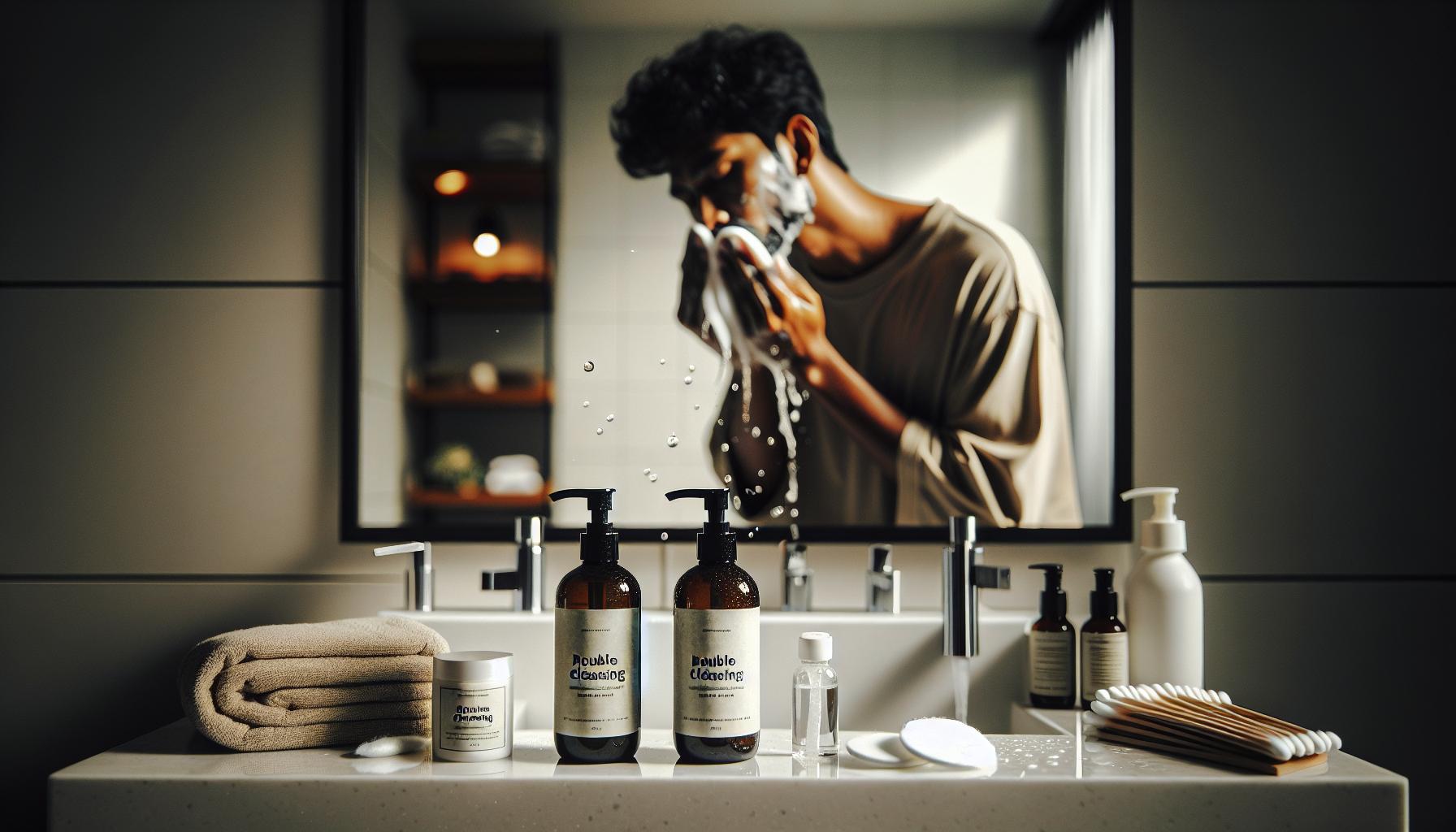
Can You Double Cleanse with the Same Cleanser?
Double cleansing often has people wondering if it’s possible to use the same cleanser twice in one session. The short answer is yes, but with some caveats. Generally, double cleansing is best executed using two different types of cleansers: an oil-based cleanser followed by a water-based one. This method effectively removes makeup, sunscreen, and impurities, providing a deeper clean than using a single product alone. However, if you’re considering using the same cleanser twice, here are some aspects to consider.
When using the same cleanser twice, you’re essentially repeating the same cleansing method. This can be effective if the cleanser is specially formulated to target specific skin concerns and is compatible with your skin type. For example, if you’re using a gentle cream cleanser that effectively helps with makeup removal, following up with it again can further cleanse your skin, especially if you have applied a lot of products throughout the day. Just make sure to rinse thoroughly between applications to avoid residue build-up.
On the downside, using the same cleanser might not provide the full benefits of double cleansing that different formulations can offer. For instance, if your first cleanse breaks down makeup and oil but doesn’t totally cleanse away dirt and sweat, you won’t achieve the same level of cleanliness that an oil and water-based cleanser combo would. Furthermore, over-cleansing with the same product could strip your skin of its natural oils, leading to dryness or irritation, especially if the cleanser contains active ingredients like acids or fragrances.
If you choose to use the same cleanser, aim for a light, hydrating formula that won’t leave your skin feeling tight. Always pay close attention to how your skin reacts; if you notice any discomfort, it’s a sign to switch to a more varied approach. Ultimately, while it’s technically feasible to double cleanse with the same product, a more diverse technique will usually yield better results in maintaining healthy, balanced skin.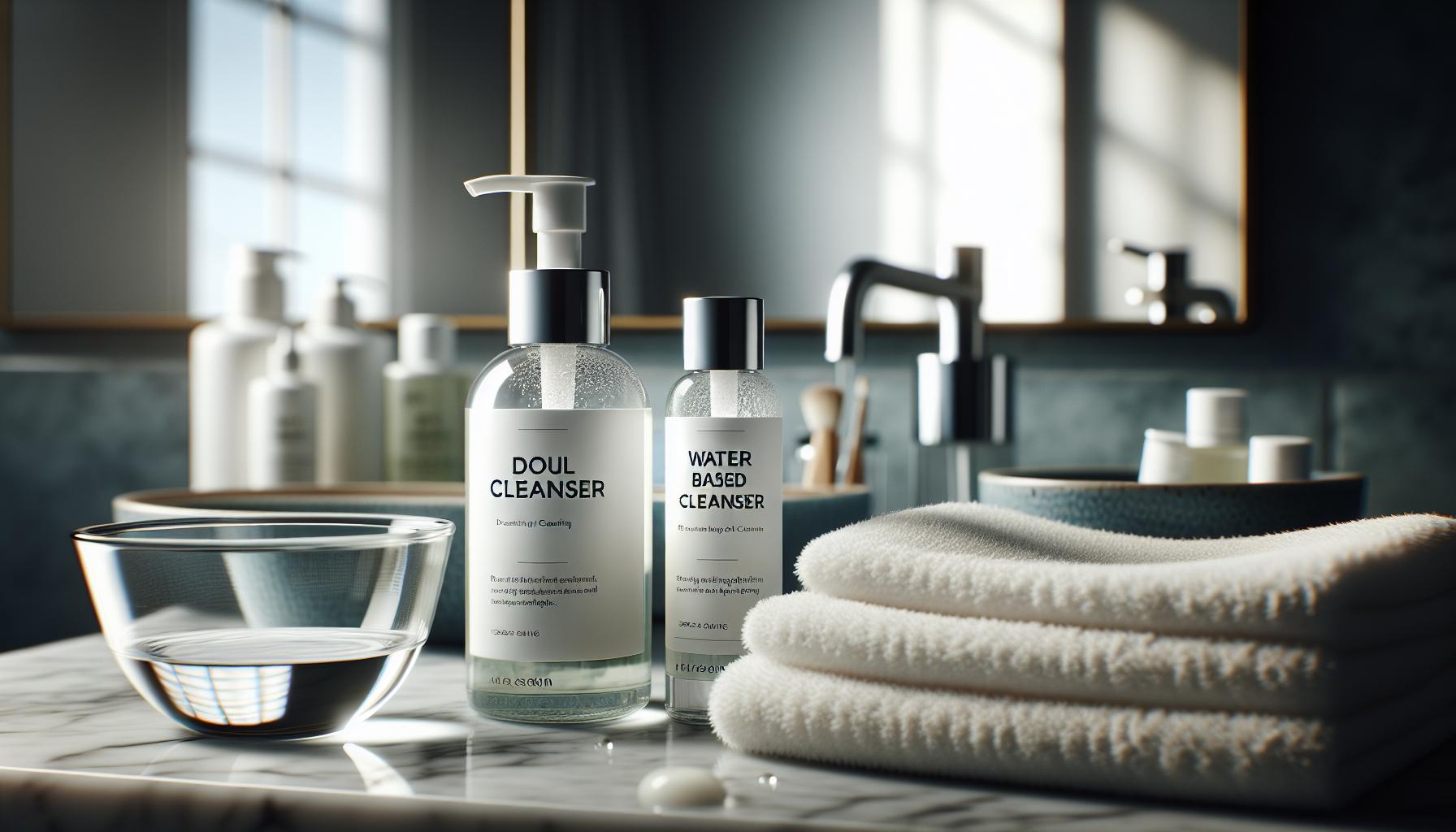
Understanding Double Cleansing: The Basics
Double cleansing has gained tremendous popularity in skincare routines, but what exactly does it involve? This cleansing method entails washing your face twice in a single session: first with an oil-based cleanser to remove makeup, sunscreen, and excess oils, followed by a water-based cleanser to eliminate any remaining impurities and prepare your skin for the next steps in your regimen. This two-step approach effectively ensures that your skin is thoroughly clean, which is especially crucial for those who wear makeup or live in urban environments where pollution can clog pores.
So, why might you be considering using the same cleanser for both steps of a double cleanse? Many might think this is a simpler approach, but there are significant factors to weigh. Using a single cleanser twice can yield good results if the product is designed to remove both makeup and dirt effectively. For instance, a high-quality creamy cleanser might do the trick, particularly if it’s gentle and hydrating. However, the best double cleansing results often come from using two different types of products. This is because an oil-based cleanser is designed to liquefy and dissolve makeup and oils, while a water-based cleanser specializes in removing water-soluble impurities such as sweat and grime.
To get the most out of your cleansing routine, understanding your skin type and concerns is critical. Using the right combination of cleansers can help maintain your skin’s natural balance, avoiding the potential pitfalls of over-drying or irritation. While it’s possible to use the same product twice, expert recommendations generally favor the effectiveness of combining different formulations for optimal cleanliness and skin health. Keeping your skin happy and healthy is the ultimate goal, and double cleansing can be a wonderful way to achieve that, whether you stick to a two-product system or experiment with a single cleanser approach.
The Benefits of Double Cleansing for Skin Health
Using a double cleansing method can significantly enhance the health and appearance of your skin. This two-step process not only ensures that your skin is thoroughly cleaned but also helps to maintain its natural balance. By initially using an oil-based cleanser, you dissolve makeup, sunscreen, and other oily impurities. Following this with a water-based cleanser removes sweat and dirt, preventing clogged pores and breakouts. This two-dimensional approach is particularly beneficial for individuals who wear makeup regularly or reside in polluted urban areas.
One of the key benefits of double cleansing is its ability to reduce the risk of skin irritation. Many individuals find that traditional single cleansers fail to fully remove heavy makeup or sunscreen, leading to residue that can irritate the skin over time. Implementing a dual approach minimizes this friction. By removing heavier products first, you lower the chances of disrupting your skin’s natural barrier, which serves to protect against environmental stressors and moisture loss.
In addition, double cleansing can prepare your skin for better absorption of subsequent skincare products. When your skin is free of impurities, it can more effectively uptake nutrients from serums, moisturizers, and treatments. This is particularly important for people incorporating active ingredients into their routines, such as acids or retinoids, which work best on clean skin. Ultimately, investing time in this cleansing ritual can lead to a more radiant complexion, decreased breakouts, and overall healthier skin.
Lastly, it’s essential to choose the right cleansers for your skin type when practicing double cleansing. A lightweight, non-comedogenic oil-based cleanser is ideal for oily or acne-prone skin, while dry or sensitive skin types might benefit from a moisturizing cleansing oil. Transitioning into a gentle gel or cream for the second cleanse helps ensure that each step complements your skin’s unique needs. By carefully curating your cleansing routine, you empower yourself to achieve the best results tailored to your specific skin concerns.
How to Choose the Right Cleanser for Double Cleansing
Choosing the right cleansers for double cleansing can seem tricky, but breaking it down helps make the process easier and more effective. The fundamental goal of double cleansing is to ensure your skin is perfectly prepped and free from impurities, allowing for better absorption of your favorite skincare products. For the first step, opt for an oil-based cleanser that can dissolve makeup, oil, and sunscreen. This is crucial, especially for those who wear heavy makeup or sunscreen daily. Look for non-comedogenic options that won’t clog pores while effectively breaking down these products.
For your second cleanse, a gentle water-based cleanser is ideal to remove any remaining impurities, sweat, and dirt. If you have oily or acne-prone skin, a foaming or gel cleanser can help control excess oil without stripping your skin’s natural moisture. Conversely, if your skin is dry or sensitive, consider a cream or lotion cleanser designed to hydrate while cleansing. This two-step approach ensures that each cleanse addresses specific needs without overwhelming your skin.
When selecting products, always pay attention to ingredient labels. Ingredients like glycerin and hyaluronic acid in the second cleanser can moisture-boost your skin, leaving it feeling fresh instead of parched post-cleanse. For sensitive skin types, look for fragrance-free formulations that minimize irritation. Testing the cleansers on a small patch of skin can also help prevent adverse reactions, keeping your skincare routine a safe and enjoyable experience.
In summary, a well-curated cleansing routine tailored to your skin type can maximize the benefits of double cleansing. By thoughtfully choosing your cleansers-an effective oil-based product followed by a gentle water-based option-you can enhance your skincare routine, promoting healthier, more radiant skin.
Can You Use the Same Cleanser Twice? Pros and Cons
Using the same cleanser twice for double cleansing is a topic that invites a blend of practicality and personal preference. While many skincare enthusiasts opt for a two-step process involving different types of products-typically an oil-based followed by a water-based cleanser-it’s worth exploring the implications of using a single cleanser for both steps.
On one hand, there are some practical benefits to reusing the same cleanser. If you’re short on time or looking to simplify your routine, sticking with a familiar product can be appealing. This can especially work for lightweight formulas that effectively remove makeup and impurities without overly drying the skin. For example, a gentle cream cleanser could do a decent job at dissolving oils and debris in the first cleanse, while still being effective in the second pass against residual dirt.
However, the downsides can be significant, especially if the chosen cleanser isn’t versatile. Using the same product twice can fail to adequately address different cleansing needs-like removing stubborn makeup in the first step versus cleansing the skin’s surface in the second. Moreover, if your cleanser is primarily formulated as a one-step solution, it might not have the potency to tackle the more demanding job of a first cleanse, which often involves heavy oils and makeup. This could lead to buildup over time, leaving your skin feeling less than fresh.
When considering whether to use the same cleanser twice, ask yourself these questions: Does your cleanser effectively remove makeup and impurities in the first go? Is it suited for your specific skin type? A product that compensates as both an oil and water cleanser can work, but many find that using dedicated products for each step yields the best results for skin clarity and health. In the end, experiment and see what feels best for your skin, but be aware of the unique needs for each part of the cleansing process. Remember, the aim is radiant and healthy skin, so don’t hesitate to switch it up if you notice a lack of freshness or clarity.
Expert Opinions on Reusing Cleanser for Double Cleansing
Using the same cleanser for both steps in a double cleansing routine prompts varied opinions from experts in the skincare community. While some dermatologists suggest that it’s perfectly acceptable to reuse a gentle cleanser if it effectively removes impurities, others emphasize the importance of utilizing different products to maximize cleansing benefits.
One prevailing opinion is that choosing the right formulation matters greatly. Many skincare professionals advocate for the traditional two-step approach, where an oil-based cleanser is followed by a water-based one. This method is particularly effective because the oil-based cleanser dissolves makeup and heavy sunscreen, while the water-based cleanser targets sweat and environmental debris. If your cleanser is multitasking, and effectively performs both roles-removing makeup and cleansing the skin surface-it might suffice for both steps. However, most experts recommend using specialized products for optimal results, especially if you wear heavy makeup or have oily skin.
In terms of practicality, some experts note that reusing the same cleanser can be beneficial for those with sensitive skin. Utilizing a gentle, non-irritating formulation twice reduces the chance of introducing multiple new products, which could cause reactions. However, professionals also warn that using a single cleanser that isn’t formulated for deep cleansing may not fully eradicate all residue, potentially leading to clogged pores over time.
Ultimately, it’s essential to listen to your skin and assess its specific needs. Many suggest experimenting with different methods to discover what feels right for you. Opt for a trial and error approach: if using the same product leaves your skin feeling fresh and clean, you may have found a winner. But if there’s a noticeable residue or your skin appears dull, it could be time to invest in dedicated products for a more effective cleansing routine.
Step-by-Step Guide to Effective Double Cleansing
To achieve the best results from double cleansing, it’s important to follow a structured process that maximizes the effectiveness of the products you use. This method not only ensures that your skin is thoroughly cleaned but also prepares your face for the subsequent skincare steps. Here’s a detailed guide to help you navigate this routine effectively.
Start with an oil-based cleanser, which is crucial for breaking down makeup, oils, and sunscreen. Apply about a quarter-sized amount to dry skin. Use gentle, circular motions all over your face for about 30 seconds. Focus on areas where makeup tends to accumulate, like the eyes and corners of the mouth. Rinse with warm water or use a damp washcloth to wipe it off. This step is vital because oil attracts oil, effectively lifting away impurities without stripping your skin.
Next, follow up with a water-based cleanser. This can be a gel or foam cleanser suitable for your skin type. Apply a dime-sized amount to damp skin and massage gently for another 30 seconds. The water-based cleanser will remove any remaining residue left by the oil cleanser and help clear away sweat and dirt accumulated throughout the day. Rinse thoroughly with lukewarm water to avoid drying out your skin.
After rinsing, it’s crucial to pat your face dry with a clean towel. Do not rub, as this can irritate your skin. If you feel a residue or your skin doesn’t feel completely clean, you might consider adjusting the type of oil or water cleanser you use in the future. For those who prefer using the same cleanser for both steps, make sure it can handle both roles effectively. While a gentle cleanser might work for some, others may benefit from specialized products tailored to their cleansing needs.
Finally, follow your cleansing routine with your regular skincare regimen, including serums and moisturizers, to maximize the benefits of double cleansing. This routine emphasizes preemptive care, ensuring that your skin is not only clean but also ready to absorb the nourishing products you apply afterward. By committing to this two-step method, you are setting a foundation for healthier, more radiant skin over time.
Common Mistakes to Avoid When Double Cleansing
Double cleansing can transform your skincare routine, but mistakes can undermine its effectiveness. One common pitfall is not using the right type of cleanser for each step. For the first cleanse, an oil-based cleanser is essential to break down makeup and impurities, while the second cleanse should be a water-based formula tailored to your skin type. Using the same cleanser for both steps might seem efficient, but it doesn’t always provide the necessary deep clean required for a thorough cleanse.
Another mistake to avoid is neglecting the importance of timing. Rushing through the cleansing process can mean your skin doesn’t receive the full benefits. Allocate at least 30 seconds for each cleanse, allowing the products to work their magic and penetrate your skin effectively. This is especially crucial if you’re tackling heavy makeup or sunscreen, which need a little extra time to dissolve completely.
Over-cleansing is another issue that can lead to irritation and dryness, especially if you’re hitting your skin with harsh ingredients repeatedly. Using an overly strong cleanser or scrubbing too hard can strip your skin of its natural oils, causing a cycle of dryness and irritation. Instead, focus on being gentle and using products that suit your skin type, especially if you decide to use the same cleanser for both steps. A mild, non-stripping formula can help maintain your skin’s balance while still achieving a deep clean.
Lastly, remember to adjust your routine based on the day’s activities or skin condition. On days when you’ve worn heavy makeup or sunscreen, committing to both cleansing steps is vital. However, on low-key days, you may consider simplifying your routine. Being flexible and attuned to your skin’s needs will make your double cleansing approach not only more effective but also enjoyable. Embrace the process, learn from these common mistakes, and enjoy the radiant skin that follows!
Alternate Techniques for Maximizing Cleanser Efficiency
Maximizing the efficiency of your cleanser involves a few creative approaches, particularly if you decide to use the same cleanser during both steps of the double cleansing process. While traditionally it’s recommended to use an oil-based cleanser for the first step and a gel or foam for the second, if you opt for one product, you can still harness its full potential with the right techniques.
Firstly, try warming up your cleanser before application. By rubbing it between your hands for a few seconds, you elevate the product’s temperature, which can enhance its ability to dissolve impurities and makeup. Apply a generous amount-about two pumps or a quarter-sized amount-onto damp skin, using gentle circular motions. This method not only increases circulation but allows the cleanser to penetrate more deeply into the pores.
Another effective technique is to let the cleanser sit on your skin for about 30 seconds after massaging it in. This longer exposure time can ensure it has ample opportunity to break down stubborn makeup or sunscreen. During this time, you can gently massage your face with your fingers or use a soft facial brush, if you have one, to further boost its efficacy. This combined approach can yield satisfactory results even without a designated two-step cleansing routine.
Don’t overlook the power of supplementing your cleansing routine with a toner or micellar water. After your double cleanse, applying a gentle toner can help remove any remaining residue. Look for toners with soothing ingredients like chamomile or aloe vera to further calm the skin and prep it for subsequent skincare products. This addition can be particularly beneficial on days with heavy makeup or if you’ve been outside in pollution or sweat.
Ultimately, whether you opt for a single yet effective cleanser or employ a combination of products, ensuring you’re gentle and attentive to your skin’s needs is key. By adapting these methods, you can stretch the capabilities of your cleanser while still achieving a fresh and clear complexion. Always remember, skincare is a personal journey, so feel free to experiment to find what works best for you!
Skin Types and Their Double Cleansing Needs
Choosing the right approach to double cleansing is crucial for maintaining healthy skin, and it varies significantly based on your skin type. Understanding how your skin reacts to different products and cleansing methods can help you maximize the benefits of your routine. If you’re considering using the same cleanser for both steps, knowing how it interacts with your specific skin type will guide your decision.
For those with oily or acne-prone skin, an oil-based cleanser can help dissolve excess sebum and makeup. Using a gel or foaming cleanser afterwards will help remove any residual oiliness. However, if you choose to double cleanse with the same product, opt for a purifying cleanser that can effectively break down impurities without leaving a greasy feel. Look for ingredients like salicylic acid to combat breakouts while you cleanse.
If your skin is dry or sensitive, you need to be gentle. An oil-based cleanser is an excellent first step, as it won’t strip your skin of its natural oils. Follow up with a mild, hydrating cleanser that doesn’t contain harsh ingredients. When using the same cleanser for both steps, ensure that it’s moisturizing and free from irritants like alcohol or fragrance. This method can help maintain hydration levels while effectively cleansing.
For combination skin, you may want to address different areas with different products. Oilier zones might benefit from a gel cleanser, while drier areas may need something creamier. If you opt for a single cleanser, choose a product designed to balance various skin concerns. Look for multi-tasking cleansers that can adjust to your skin’s needs.
Finally, no matter your skin type, it’s essential to pay attention to how your skin feels post-cleansing. If you notice tightness, irritation, or excessive oil production, it might indicate that the cleanser or technique isn’t working for you. Adjusting your double cleansing method based on what your skin tells you is key to achieving and maintaining a glowing complexion.
In summary, whether you can double cleanse with the same product hinges on understanding your skin’s unique needs, and using appropriate techniques to cater to them. Embrace flexibility in your routine and enjoy the process of finding what works best for you!
When to Avoid Double Cleansing Completely
Double cleansing is a popular skincare method, but it’s not universally beneficial for everyone or in all situations. There are specific scenarios where you might want to skip this two-step cleansing routine altogether. Understanding when to avoid double cleansing can save your skin from unnecessary irritation or imbalance.
For instance, if your skin is already sensitive or reactive, introducing two cleansing products could exacerbate any existing concerns. Over-cleansing can strip natural oils, leading to dryness, redness, or increased sensitivity. If you notice tightness after cleansing, this could be a sign that your skin prefers a gentler approach. In such cases, adopting a single, gentle cleanser that suits your skin type may be more effective.
Heavy makeup or sunscreen users might feel compelled to double cleanse, but if your skin is already congested or experiencing breakouts, this method might not always yield ideal results. Sometimes, using a mild cleanser once, particularly if it contains skin-soothing ingredients, is sufficient. Additionally, on days when your skin feels particularly irritated or inflamed, it’s wise to refrain from your usual routine and instead focus on healing and hydration.
Lastly, if you have limited time, double cleansing can be counterproductive. Cleansing should never feel rushed or burdensome. If you’re pressed for time and know your skin doesn’t require extensive cleansing, sticking to one effective product can streamline your routine and still provide great results. Your Skin feels best when it’s not overwhelmed, and simplifying your skincare can often be the key to maintaining balance and health.
Real-Life Double Cleansing Experiences: What Users Say
Many skincare enthusiasts have taken to social media and forums to share their double cleansing journeys, each offering unique insights on whether using the same cleanser twice can be effective. One user narrated their experience of using a calming, cream-based cleanser for both steps of the routine. They found that this approach worked well for their sensitive skin, as it removed residual makeup and impurities without irritating their complexion. This anecdote highlights that consistency in product formulation can lead to enjoyable results, particularly for those with reactive skin types.
Another individual shared their approach, initially skeptical about the effectiveness of repeating a cleanser. They opted for a gentle gel cleanser during both steps, and to their surprise, they noticed that their skin felt refreshingly clean rather than stripped. They emphasized that while it took some time to adapt to this method, sticking with one product created a soothing ritual that they now look forward to. They learned that as long as the cleanser is hydrating and not overly harsh, using it twice can actually enhance their skincare routine.
Conversely, a user who regularly wore heavy makeup reported less favorable results when trying this technique. They found that while their skin felt clean, they still experienced some residual buildup of products after using the same cleanser twice. They switched to an oil-based cleanser for the first step and their usual gentle cleanser for the second, which dramatically improved their results. This experience underscores the importance of using a dual formulation approach to address specific skincare needs effectively.
In essence, individual experiences with double cleansing using the same product can vary widely. The key takeaway is to pay attention to your skin’s response. If irritation or dryness occurs, it may be wise to reconsider your method. Prioritize cleansers that align with your skin type, and don’t shy away from exploring combinations that cater to your unique skincare needs. This personalized approach can help you find what truly works best for your skin, ensuring that double cleansing is a beneficial part of your routine.
Frequently Asked Questions
Q: Can you double cleanse with the same cleanser?
A: Yes, you can double cleanse with the same cleanser. However, it’s often more effective to use two different types-like an oil-based followed by a water-based cleanser-to target various impurities effectively. Repeating the same cleanser may not fully cleanse your skin, especially if it has heavy makeup or sunscreen on it.
Q: What are the pros and cons of using the same cleanser twice?
A: The pros include convenience and simplicity in your routine. The cons are potentially inadequate removal of all impurities and the possibility of not addressing specific skin concerns effectively. It’s advisable to choose a versatile cleanser if you decide to use the same one for both steps.
Q: Can I use a foaming cleanser for both steps of double cleansing?
A: While you can use a foaming cleanser for both steps, it’s better to pair it with an oil-based cleanser for effective makeup removal in the first step. Foaming cleansers can be drying if used excessively, so balance is key.
Q: Is double cleansing necessary if I don’t wear makeup?
A: Double cleansing can still be beneficial if you don’t wear makeup, as it helps remove sunscreen, dirt, and excess oil. However, it’s essential to choose a gentle cleanser that suits your skin type, especially if you have sensitive skin.
Q: What should I consider when choosing a cleanser for double cleansing?
A: When selecting a cleanser, consider your skin type, concerns, and the product’s formulation. Look for an oil-based cleanser for the first step and a gentle, hydrating water-based one for the second step. This combination will help remove makeup and impurities effectively.
Q: Can using the same cleanser twice cause skin irritations?
A: Yes, using the same cleanser twice might lead to irritation, particularly if it’s a strong formulation. Over-cleansing can strip your skin of natural oils, leading to dryness and sensitivity. It’s best to select a cleanser designed for your skin type.
Q: How often should I double cleanse?
A: Double cleansing is typically recommended in your evening skincare routine, especially if you’ve worn makeup or sunscreen. If you have oily skin or live in polluted areas, you might benefit from it even if you don’t wear makeup during the day.
Q: What happens if I skip the second step of double cleansing?
A: Skipping the second step can leave residues of makeup, oil, or impurities on your skin, potentially leading to clogged pores and breakouts. The second cleanser helps ensure your skin is thoroughly clean and prepped for further skincare products.
Concluding Remarks
Now that we’ve uncovered whether you can double cleanse with the same cleanser, remember that your skincare routine should always prioritize your unique skin needs. If you’re still unsure about the best practices for cleansing, check out our articles on “Choosing the Right Cleanser for Your Skin Type” and “The Benefits of Double Cleansing” for further insights.
Don’t wait-transform your skincare game today! Have questions or personal experiences to share? Drop a comment below; we’d love to hear from you! Also, if you found this information helpful, sign up for our newsletter for more practical beauty tips delivered straight to your inbox. Your journey to healthier skin starts now, so seize the moment and explore our site for more expert advice.
Expert Guide: Can You Double Cleanse With The Same Cleanser
When researching can you double cleanse with the same cleanser, following structured best practices and expert recommendations is essential for achieving optimal grooming, style, and personal care outcomes. Implementing evidence-based methods protects your skin barrier and extends product longevity.
Essential Tips & Key Recommendations:
- Optimal Preparation: Always prepare the target area with proper cleansing, gentle hydration, or targeted skin conditioning before applying active products or styling techniques.
- Application Technique: Use light, controlled pressure and align with your natural skin contours and hair growth patterns to prevent friction and irritation.
- Post-Application Care: Lock in results with nourishing, non-comedogenic moisturizers or protective barriers to maintain balance and hydration.
- Sanitization & Tool Maintenance: Clean and dry all grooming accessories and applicators immediately after use, storing them in a cool, well-ventilated space.
Frequently Asked Questions:
Q: What is the most critical guideline regarding can you double cleanse with the same cleanser?
A: Prioritize gentle, consistent care using high-grade, hypoallergenic products and sanitized equipment tailored to your personal routine.
Get our latest guides, news, and insights highlighted in your Google Search & AI Overviews.