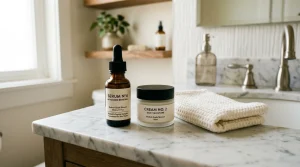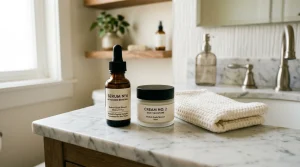
Have you ever struggled with stubborn breakouts or oily skin and wondered if double cleansing could be the solution? Many beauty enthusiasts rave about this method, particularly when using cleansers containing salicylic acid, praised for its acne-fighting properties. However, you may be wondering whether it’s safe to incorporate this powerful ingredient twice in your routine. In this article, we’ll delve into the benefits and potential pitfalls of double cleansing with a salicylic acid cleanser. By the end, you’ll have a clearer understanding of how to effectively and safely utilize this technique to achieve your best skin. Let’s unlock the secrets to clearer, healthier skin together!
Can I Safely Double Cleanse with Salicylic Acid?
You may be wondering if double cleansing with a salicylic acid cleanser is safe for your skin. The good news is that it can be an effective option, especially if you deal with acne or oily skin. Double cleansing involves using an oil-based cleanser first to dissolve makeup and impurities, followed by a water-based cleanser that can include salicylic acid, which is known for its acne-fighting properties.
Salicylic acid is a beta hydroxy acid (BHA) that penetrates into the pores and helps unclog them by exfoliating the inner walls. This makes it particularly beneficial during the second step of double cleansing, as it can further clean your pores while providing additional exfoliation without being overly harsh. However, it’s crucial to approach this method with some caution. Over-cleansing or using multiple exfoliating products can lead to dryness or irritation.
To ensure you’re double cleansing safely with salicylic acid, consider the following tips:
- Start Slowly: If you are new to using salicylic acid, begin with using it once or twice a week as part of your double cleansing routine to see how your skin reacts.
- Patch Test: Always perform a patch test with the salicylic acid product before using it on your entire face-this helps identify any potential reactions.
- Moisturize: Follow your double cleansing routine with a good moisturizer to prevent dryness and maintain your skin’s hydration.
With proper care and attention, double cleansing with a salicylic acid cleanser can be a beneficial practice in your skincare routine, helping to keep your skin clear and healthy.
Understanding Double Cleansing: What It Is

Double cleansing may sound fancy, but it’s a straightforward concept with powerful benefits, especially if you’re looking to enhance your skincare routine. This two-step process starts with an oil-based cleanser, which works to dissolve makeup, sunscreen, and excess oil, allowing for a fresh canvas. The second step involves a water-based cleanser, where salicylic acid can shine, particularly for those with acne-prone or oily skin.
The beauty of double cleansing lies in its effectiveness in thoroughly purging impurities. The oil-based cleanser tackles stubborn residues that traditional face wash often leaves behind. By following up with a salicylic acid cleanser, you can dive deeper into the skin, targeting clogged pores and providing gentle exfoliation. Salicylic acid is a beta hydroxy acid (BHA), which means it’s oil-soluble and can penetrate the pores more easily than other exfoliants, making it ideal for helping to prevent breakouts.
When practicing double cleansing, timing and technique are crucial. It’s best to gently massage the oil-based cleanser into dry skin for about 30 seconds. Then, rinse it off and move on to the water-based cleanser. For that second step, using a dime-sized amount, apply it to damp skin using circular motions, focusing on areas prone to blemishes. This thorough approach not only cleanses but also prepares your skin for better absorption of subsequent products, like serums and moisturizers.
Incorporating double cleansing into your routine may seem like an extra step, but it can drastically improve the clarity and texture of your skin, especially when used with effective ingredients like salicylic acid. Just remember to listen to your skin-if it feels dry or irritated, consider adjusting the frequency or the products you use.
Benefits of Using Salicylic Acid in Cleansers
Incorporating salicylic acid into your cleansing routine can be a game-changer, particularly for those struggling with acne and oily skin. This beta hydroxy acid (BHA) is celebrated for its ability to penetrate pores deeply, helping to dissolve excess sebum and prevent clogged pores. By using a salicylic acid cleanser as part of your double cleansing regimen, you not only clear surface-level impurities but also address underlying issues that lead to breakouts, making it an excellent choice for maintaining clearer skin.
One of the standout benefits of salicylic acid is its gentle exfoliating properties. Unlike harsher exfoliants that can irritate the skin, salicylic acid works to slough away dead skin cells while providing a soothing experience. This means you can achieve smoother, rejuvenated skin without the abrasive effects often associated with physical scrubs. Many users notice that regular use of salicylic acid cleansers can lead to fewer blemishes and an improved overall skin texture, which is both encouraging and motivating for individuals on their skincare journeys.
Additionally, salicylic acid offers anti-inflammatory benefits, making it particularly effective in calming redness and irritation associated with acne. Its ability to reduce swelling can help create a more balanced complexion, promoting skin clarity over time. For those contemplating double cleansing with a salicylic acid option, starting slow-perhaps two to three times a week-is a practical way to gauge your skin’s response. If your skin reacts positively, you can gradually increase usage while monitoring for any signs of dryness or irritation.
Ultimately, the combination of thorough cleansing and the targeted action of salicylic acid can dramatically enhance your skincare routine. As you double cleanse, the initial oil-based cleanser removes makeup and grime, allowing the salicylic acid to work its magic, digging deeper into the pores. By employing this method, you’re not just cleaning your skin-you’re actively working to prevent future breakouts and achieving a healthier, more radiant complexion over time.
Is Salicylic Acid Right for Your Skin Type?

Salicylic acid is a powerhouse ingredient, especially for those who battle with acne or excessively oily skin. If you find yourself wondering whether it’s the right fit for your unique skin type, you’re not alone. Many people want to know how this potent beta hydroxy acid (BHA) can effectively enhance their cleansing routine without causing unwanted side effects.
For oily and acne-prone skin, salicylic acid can be a game-changer. Its ability to penetrate deep into pores allows it to dissolve excess sebum and dead skin cells, reducing the likelihood of breakouts. If you have this skin type, incorporating a salicylic acid cleanser into your double cleansing method can help keep your skin clear and balanced. Aim to use it consistently, starting with a two to three times weekly routine, gradually increasing frequency as your skin adjusts.
Conversely, if your skin is sensitive or dry, you might want to proceed with caution. Salicylic acid can sometimes irritate delicate skin, leading to redness or increased dryness. If you’re unsure, it’s wise to patch-test first. Apply a small amount to a discreet area and wait 24 hours to see how your skin reacts before fully integrating it into your skincare regimen. For those with dry skin, consider using a more hydrating cleanser first and following up with salicylic acid only as needed.
For combination skin, you can enjoy the benefits of salicylic acid while being mindful of your more sensitive areas, like the cheeks. You might choose to apply salicylic acid only to oilier areas, such as the T-zone, while using a gentler cleanser for the drier parts. This tailored approach allows you to maximize the benefits of both products without compromising your skin’s health.
In summary, whether salicylic acid is right for you largely depends on your skin type and concerns. By starting slow and paying close attention to how your skin responds, you can successfully harness its potential for clearer, smoother skin in your double cleansing routine. Always remember, each person’s skin journey is unique, so find what feels best for you!
How to Double Cleanse: Step-by-Step Guide
To effectively incorporate a salicylic acid cleanser into your double cleansing routine, start by understanding the essential steps for this process, which can dramatically improve your skin’s clarity and overall health. Double cleansing typically involves two separate cleansing stages: an oil-based cleanser followed by a water-based cleanser. When adding salicylic acid into this ritual, the approach remains similar but tailored for the skin’s needs, making sure to maximize benefits without over-exposure.
Begin with an oil-based cleanser. This initial step is crucial as it removes makeup, sunscreen, and excess oil without stripping your skin. Apply a generous amount-about a quarter-sized portion-to dry skin, and use gentle circular motions over your face for 30 seconds. Focus particularly on areas with more makeup or oil buildup, like the forehead and nose. Afterward, rinse thoroughly with lukewarm water to ensure all residue is washed away.
Next, it’s time for the water-based cleanse. Use a salicylic acid cleanser to tackle deeper impurities. Apply a dime-sized amount to damp skin, again using circular motions, but this time for about 30 seconds to allow the salicylic acid to penetrate effectively. This step is where you’ll gain salicylic acid’s benefits, helping to unclog pores and mitigate breakouts. Rinse thoroughly again with lukewarm water, ensuring that no product remains.
For best results, follow with a gentle toner and moisturizer compatible with your skin type. Doing this twice a week initially is wise, especially for sensitive or dry skin, gradually increasing frequency depending on how your skin reacts. Always listen to your skin-if you notice excessive dryness or irritation, give your skin a break or reduce the use of the salicylic acid cleanser. This step-by-step approach to double cleansing helps ensure that you’re not only cleaning your skin effectively but also nurturing it, creating a balance that leads to a healthier, clearer complexion.
Potential Skin Reactions: What to Look For
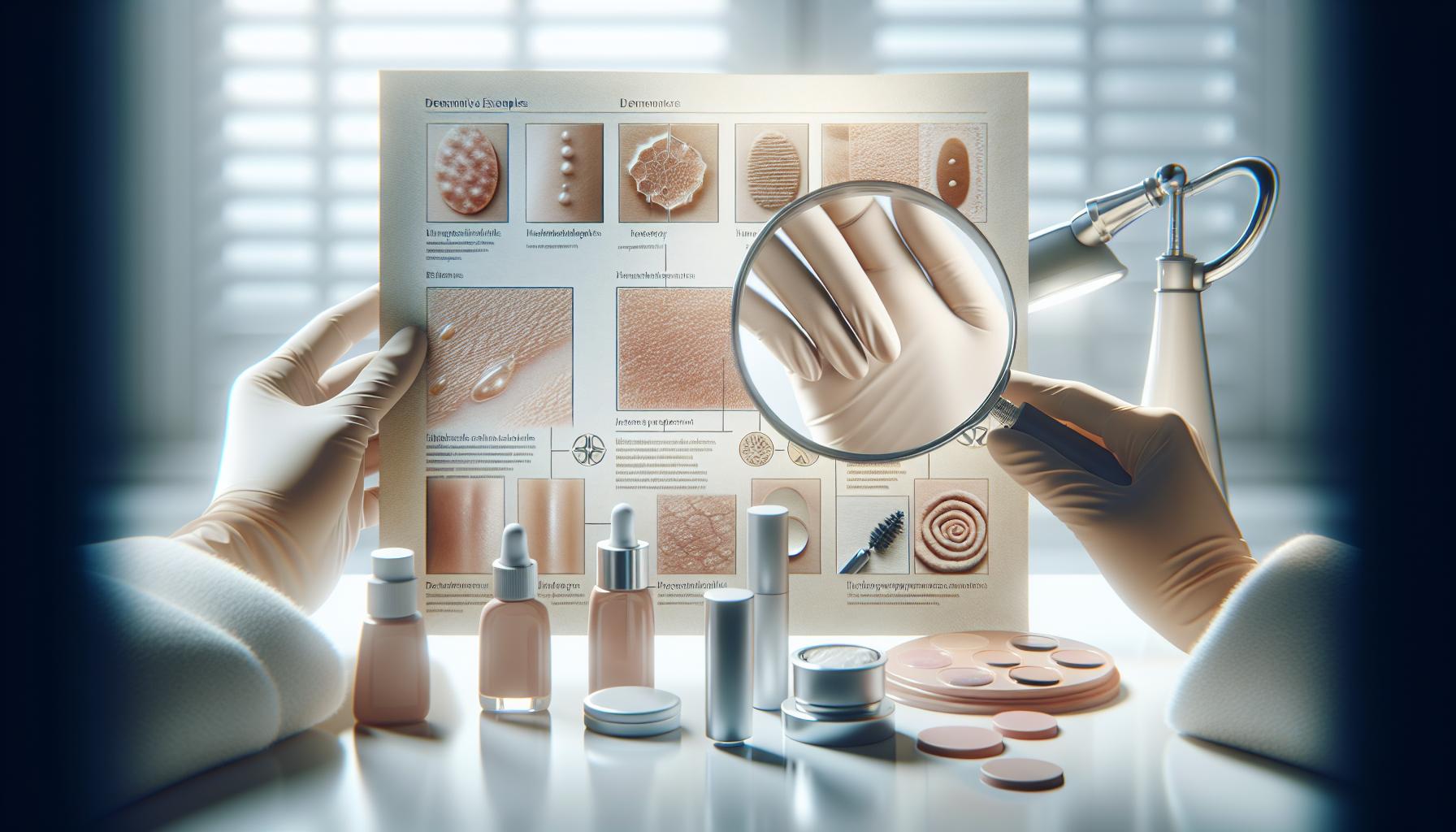
When incorporating a salicylic acid cleanser into your double cleansing routine, it’s essential to stay alert to how your skin reacts, as this will guide you towards safe and effective usage. Salicylic acid is an effective exfoliant that penetrates deep into the pores, helping to clear blockages and reduce breakouts. However, it can also cause reactions if used excessively or inappropriately.
Be vigilant for symptoms like redness, dryness, or irritation. These may indicate that the salicylic acid is too strong for your skin type or is being used too frequently. If you start to notice these signs, consider reducing the frequency of use or switching to a gentler formulation. It’s perfectly normal for skin to initially experience some dryness when introducing a new active ingredient, but persistent discomfort is not a sign of progress.
Another reaction to watch for is peeling or flaking, which indicates over-exfoliation. If you find your skin is peeling excessively, you might need to ease off on the salicylic acid and allow your skin time to rebound. Remember that everyone’s skin is different, and what works for one person might not work for you.
Lastly, keep an eye out for allergic reactions, such as swelling or itching, especially when first introducing a new product. If these occur, it’s wise to discontinue use and consult a dermatologist. A patch test can be beneficial before fully integrating the product into your routine-apply a small amount to your inner arm and wait 24 hours to see how your skin reacts before using it on your face.
Listening to your skin is key, and responding thoughtfully to its needs will help ensure your cleansing routine remains beneficial and safe.
Combining Products: How to Choose the Right Pair
Finding the perfect products to complement your salicylic acid cleanser can seem daunting, but pairing the right items will enhance your double cleansing experience without overstressing your skin. One important aspect to consider is the type of cleanser you choose to use in your first step. An oil-based cleanser is often an excellent place to start. It effectively breaks down makeup, sunscreen, and excess sebum, preparing your skin for the more active salicylic acid cleanser that follows. Look for oils or balms that are non-comedogenic to ensure they don’t clog your pores.
When it comes to the second cleanse, using a salicylic acid-based cleanser is usually beneficial if you have acne-prone skin. However, it’s essential to balance this with gentler formulas, especially if you’re new to active ingredients. Opt for a product with a lower concentration of salicylic acid or consider options that combine it with soothing ingredients like aloe vera or chamomile to minimize irritation. This combination ensures you’re still getting the exfoliating effect while providing hydration and calmness to your skin.
Pay Attention to Ingredients
Always check ingredient lists before combining products. Some active ingredients do not play well together. For instance, combining salicylic acid with products containing ahas or bha can intensify exfoliation beyond what your skin can handle, leading to dryness and irritation. Instead, aim for a holistic approach; for example, pair your salicylic acid cleanser with a hydrating toner post-cleansing. Look for toners with key ingredients like hyaluronic acid or glycerin for moisture, which will help maintain your skin’s barrier function.
Additionally, it’s wise to incorporate moisturizing elements. An oil-free, non-comedogenic moisturizer after cleansing can provide hydration and help restore the skin’s moisture levels post-exfoliation. Products containing ceramides are great since they strengthen the skin’s barrier and lock in moisture, which is especially important after using exfoliating products.
In summary, the combination of a gentle oil-based cleanser followed by a salicylic acid product and a hydrating moisturizer is an effective strategy that can enhance your double cleansing routine while keeping your skin happy and healthy. Always remember to introduce new products gradually and pay attention to how your skin reacts.
Mistakes to Avoid When Double Cleansing
When diving into the world of double cleansing, particularly with a salicylic acid cleanser, it’s easy to stumble into common pitfalls that can disrupt your skin’s balance and effectiveness of your routine. One of the biggest mistakes to avoid is using harsh, stripping cleansers in your first step. Instead of refreshing your skin, these cleansers can compromise your moisture barrier, leading to dryness or irritation, especially when followed by an active ingredient like salicylic acid.
Another critical error is over-exfoliating. While salicylic acid is a fantastic ingredient for treating acne-prone skin, combining it with other exfoliating agents, such as AHAs (alpha hydroxy acids) and BHAs (beta hydroxy acids), can overwhelm your skin. This can result in redness, peeling, and even breakouts rather than the clear complexion you’re striving for. It’s wise to limit the application of multiple actives on the same day; if you enjoy layering products, consider using the exfoliants on alternate days.
You should also be mindful of how often you double cleanse. While this method can be beneficial, overdoing it-especially with an active like salicylic acid-can lead to irritation. Starting with a gradual approach, like once or twice a week, will help your skin adjust. You can increase frequency based on your skin’s tolerance, but always listen to its needs.
Lastly, neglecting moister hydration after cleansing is a mistake often made in the double cleansing process. After using salicylic acid, your skin needs soothing and hydration to restore balance. Following up with a nourishing moisturizer that suits your skin type can help lock in hydration and protect your skin barrier, enhancing the overall results of your cleansing routine.
By avoiding these missteps, you can protect your skin and allow the powerful benefits of salicylic acid to shine through, leaving you with a clearer and healthier complexion.
Maximizing Results: Tips for Effective Use
When using a salicylic acid cleanser in your double cleansing routine, the key to maximizing results lies in technique and product selection. First and foremost, it’s essential to choose the right products for each step of your cleansing process. Start with a gentle oil-based cleanser as your first step. This helps dissolve makeup and excess oil without stripping your skin of its natural moisture. Following that, the salicylic acid cleanser can work its magic in the second step by penetrating pores to target breakouts and reduce inflammation effectively.
To ensure you’re getting the most out of your salicylic acid treatment, consider how you cleanse. Apply a dime-sized amount of your salicylic acid cleanser to damp skin using gentle, circular motions for about 30 seconds. This will allow the product to effectively penetrate your pores and do its job without risking irritation from excessive scrubbing. After cleansing, thoroughly rinse with lukewarm water to remove any residue, but avoid hot water, which can dehydrate your skin.
Once you’ve cleaned your face, follow up with hydration. Salicylic acid can be drying, so applying a soothing serum or a hydrating moisturizer tailored to your skin type is crucial. Look for products containing ingredients such as hyaluronic acid or glycerin, which help lock in moisture and maintain skin balance after the cleansing process.
Lastly, listen to your skin. If you’re just starting with double cleansing using salicylic acid, gradually increase the frequency based on how your skin responds. Begin with once or twice a week, and monitor for any signs of irritation. If your skin tolerates it well, you can gradually increase use, always ensuring to maintain hydration and not overwhelm your skin with too many active ingredients simultaneously. By following these practices, you can harness the power of double cleansing with salicylic acid, leading to a clearer, healthier complexion.
Alternatives to Salicylic Acid for Double Cleansing
When considering , it’s essential to choose ingredients that can effectively purge impurities without causing irritation. If salicylic acid feels too harsh for your skin, or if you simply want to explore other options, there are several gentle yet effective cleansing ingredients to consider.
Gentle Oil-Based Cleansers
Oil-based cleansers are fantastic for the first step of double cleansing. They work to dissolve makeup and sebum effortlessly. Look for oils that are non-comedogenic, such as jojoba oil or sweet almond oil. These oils mimic the skin’s natural oils, making them excellent at breaking down impurities without stripping the skin’s moisture barrier. To use, simply apply a small amount to dry skin, massage gently for about 30 seconds, and rinse with lukewarm water. This ensures a clean slate for your next step.
Gel Cleansers with Natural Exfoliants
If you’re seeking something that still targets acne and excess oil without the potential dryness of salicylic acid, consider gel cleansers formulated with natural exfoliants like fruit enzymes (papaya or pineapple) or mild acids (like lactic acid). These ingredients help to gently slough off dead skin cells and unclog pores. Apply a dime-sized amount to damp skin and gently massage for about 30 seconds before rinsing. This method brightens your complexion and maintains moisture balance.
Creamy Cleansers with Soothing Ingredients
For those with sensitive skin, a creamy cleanser enriched with soothing ingredients such as aloe vera, chamomile, or oat extract can be a great alternative. These cleansers hydrate while removing dirt and makeup, ensuring your skin feels nourished and comfortable after cleansing. Focus on formulas that are free from fragrance and harsh sulfates. Massage the product into damp skin gently, allowing for a cleansing experience that calms rather than aggravates.
Balm Cleansers
Lastly, balm cleansers are an incredible option for a luxurious double cleansing experience. They start as a solid and melt into an oil, effectively breaking down makeup and impurities. Many formulations include moisturizing ingredients like shea butter or essential oils, which help to hydrate the skin as you cleanse. Apply a small amount to dry skin, massage until fully dissolved, and rinse off. The residue often leaves the skin feeling soft and supple, making it ideal for dry or combination skin types.
In summary, while salicylic acid is a powerful ally for clearer skin, there are numerous alternatives that can fit seamlessly into your double cleansing routine. Whether you opt for oils, gels, creams, or balms, each can provide a thorough cleanse while addressing specific skin needs without the drying effects of salicylic acid. Remember to always patch test new products and listen to your skin’s signals for the best results!
When to Consult a Dermatologist for Advice
Determining when to consult a dermatologist can be a pivotal step in your skincare journey, especially if you’re considering incorporating salicylic acid into your double cleansing routine. While this powerful ingredient can deliver excellent results for many, it’s essential to recognize signs that indicate professional guidance might be beneficial.
Persistent or severe irritation after using a salicylic acid cleanser could be a red flag. If your skin becomes overly dry, flaky, or red-even after adjusting application frequency or using it in conjunction with hydrating products-it’s time to seek expert advice. A dermatologist can help you understand your skin type better and recommend tailored solutions that avoid exacerbating your condition. Additionally, if you notice unusual changes in your skin response, such as persistent breakouts, hives, or any swelling, reach out to a professional as these symptoms might indicate an allergic reaction or intolerance.
Moreover, if you’re managing specific skin conditions like acne, psoriasis, or eczema, it’s wise to have a conversation with your dermatologist before introducing salicylic acid into your routine. They can provide insights into whether this ingredient aligns with your treatment plan and recommend the best products for your skincare goals.
Lastly, if you’re uncertain about which products to combine or how to manage potential interactions, a dermatologist can offer clarity on product layering and ensure that your double cleanse is both effective and safe. Remember, your skin is unique-what works for one person may not work for another. Consulting a professional can lead to a personalized plan that enhances your confidence in your skincare practices.
FAQ
Q: Can I double cleanse with a salicylic acid cleanser every day?
A: Yes, you can double cleanse with a salicylic acid cleanser daily, but it’s important to listen to your skin. If you experience excess dryness or irritation, consider reducing the frequency or alternating with a gentler cleanser. Always follow up with a hydrating toner or moisturizer.
Q: What should I use as the first cleanser in a double cleansing routine?
A: For an effective double cleanse, start with an oil-based cleanser or micellar water to remove makeup and impurities. This prepares your skin for the salicylic acid cleanser, which will help clear pores and prevent breakouts.
Q: Are there any skin types that shouldn’t use salicylic acid for double cleansing?
A: Those with very dry, sensitive, or eczema-prone skin should be cautious using salicylic acid in a double cleansing routine. This ingredient can be drying, so it’s best to consult a dermatologist or choose a milder alternative if you have these concerns.
Q: How do I know if a salicylic acid cleanser is causing irritation during double cleansing?
A: Signs of irritation include redness, burning, peeling, or excessive dryness. If you notice these symptoms after using a salicylic acid cleanser, it’s advisable to stop usage and consult your dermatologist to find a suitable product for your skin type.
Q: Can I use other active ingredients with salicylic acid when double cleansing?
A: Yes, but be cautious. Pairing salicylic acid with gentler ingredients like hyaluronic acid or niacinamide can enhance hydration without irritation. Avoid combining it with other strong actives like AHAs or retinoids to prevent over-exfoliation and irritation.
Q: Is double cleansing with salicylic acid effective for oily skin?
A: Absolutely, double cleansing with a salicylic acid cleanser is highly effective for oily skin. It helps to remove excess oil, clear out clogged pores, and reduce acne breakouts. Consider using a hydrating moisturizer afterward to maintain skin balance.
Q: What are some signs that I should stop using salicylic acid in my routine?
A: Stop using salicylic acid if you experience severe dryness, peeling, rash, or persistent redness. Although it’s beneficial for acne-prone skin, each person’s skin reacts differently, so adjust your routine according to your skin’s response.
Q: How long should I wait between using an oil cleanser and a salicylic acid cleanser?
A: After using an oil cleanser, rinse your face thoroughly before applying the salicylic acid cleanser immediately. This ensures that your skin is clean and ready to benefit from the exfoliating properties of salicylic acid without residue from the first cleanser.
The Conclusion
Now that you’re equipped with the knowledge on how to safely double cleanse with a salicylic acid cleanser, it’s time to put it into practice! Remember, this method can effectively clear your skin of excess oil and impurities, but always listen to your skin’s needs. If you have any hesitations or experience irritation, don’t hesitate to adjust your routine or consult a skincare professional.
Before you go, explore our related articles on “The Best Methods for Layering Skin Care Products” and “How to Choose the Right Cleanser for Your Skin Type” for more insights to elevate your skincare game. Also, consider signing up for our newsletter for exclusive tips and product recommendations tailored to your needs!
We’d love to hear how double cleansing works for you-share your experience in the comments below, and don’t forget to follow us on social media for the latest trends in beauty and wellness. Your journey to clearer skin starts now!
Get our latest guides, news, and insights highlighted in your Google Search & AI Overviews.