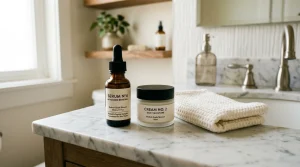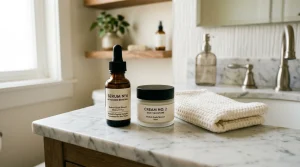
If you have sensitive skin, you know the struggle of finding the right cleanser-one that gently removes impurities without causing irritation or dryness. Did you know that many common ingredients can trigger reactions in sensitive skin types? This is why choosing a gentle cleanser is crucial for maintaining healthy skin that feels comfortable and looks radiant. In this guide, we’ll explore top options specifically formulated for sensitive skin, helping you make informed choices that cater to your unique needs. Whether you experience redness, dryness, or breakouts, there’s a perfect solution out there for you. Continue reading to discover the best gentle cleansers that can transform your skincare routine into a soothing experience.
The Best Sensitive Skin Cleanser: What to Look For
Choosing the right cleanser for sensitive skin can feel overwhelming, especially with so many options available. The best cleansers strike a balance between effectively removing impurities and being gentle on fragile skin. Look for products that are fragrance-free and formulated without harsh chemicals. A mild, hydrating formula is often ideal, as it can cleanse without stripping the skin of its natural oils.
When assessing a cleanser, pay attention to its pH balance; products that are closer to the skin’s natural pH (around 5.5) are less likely to cause irritation. Ingredients like glycerin, aloe vera, and ceramides can provide additional hydration and soothing properties, making them perfect for sensitive skin. Furthermore, opt for cleansers that are dermatologically tested and hypoallergenic, ensuring that they cater specifically to sensitive skin types.
An effective cleansing routine involves more than just the right product. Gentle application is crucial; use your fingertips to massage the cleanser in circular motions on damp skin for about 30 seconds, then rinse thoroughly with lukewarm water. This method minimizes irritation and promotes better absorption of hydrating ingredients. Remember, finding the perfect cleanser may require some trial and error, but with patience, you can discover a gentle option that leaves your skin feeling clean and refreshed without compromising its delicate balance.
Understanding Sensitive Skin Types: Is Yours Sensitive?
Many people struggle to identify sensitive skin, which can lead to frustration in selecting the right products. Sensitive skin can manifest in various ways, and understanding your skin type is the first step toward choosing a gentle, effective cleanser. If your skin frequently feels itchy, stings, or burns after using certain products, you may be dealing with sensitivity. This discomfort might also appear as redness or a general feeling of tightness.
To better understand whether your skin is sensitive, consider your reactions to environmental factors and skincare products. Various triggers, such as temperature changes, UV exposure, or specific ingredients like alcohol and fragrance, can exacerbate sensitivity. For instance, if your skin becomes irritated after a hot shower or feels tight in dry climates, it could indicate sensitivity. Moreover, conditions like eczema or rosacea often accompany sensitive skin, further complicating the diagnosis but highlighting the need for cautious and gentle skincare.
When evaluating your skin’s sensitivity, keeping a journal can help. Track the products you use daily and note any reactions. This not only helps you pinpoint specific irritants but also guides your future purchases. Remember, sensitive skin often requires a tailored approach. It thrives on minimalism, so start by removing harsh ingredients from your routine and gradually introducing new products to determine what suits you best.
Ultimately, being kind to your skin is key. Look for cleansers designed specifically for sensitive skin, free from common irritants. Understanding your unique skin type is empowering and equips you to make informed choices in your skincare journey, ensuring that you can enjoy a comfortable and healthy complexion.
Top Ingredients to Avoid in Sensitive Skin Cleansers

Many people with sensitive skin find themselves on a quest to locate the perfect cleanser, only to be met with irritation from poorly chosen ingredients. The truth is, certain components in skincare products can exacerbate sensitivity and lead to discomfort. Thus, knowing which ingredients to steer clear of is crucial for maintaining skin health and comfort.
Start by avoiding fragrance, even if it’s labeled as “natural” or “essential.” Fragrances are among the top culprits for skin irritation, and are often included in products without clear disclosure of their full composition. This means that even seemingly benign cleansers can harbor potential allergens that trigger reactions. Similarly, alcohol-particularly denatured alcohol-can be excessively drying and irritating. It strips away moisture, leaving your skin feeling tight and inflamed.
Next, keep an eye out for sulphates, such as sodium lauryl sulfate (SLS). These ingredients create lather in products, but they can also disrupt the skin’s natural barrier, leading to increased sensitivity. Opt for sulphate-free cleansers to ensure a gentler wash. Additionally, avoid products with parabens and preservatives that can provoke irritation; many brands now offer parabens-free options, which are often kinder on sensitive skin.
Lastly, be cautious with exfoliating acids or retinoids in cleansers. While effective for many skin types, they can be too harsh on sensitive skin. Instead, look for soothing agents like aloe vera or chamomile, which provide a calming effect without aggravating your skin’s condition.
Arming yourself with this knowledge makes it easier to choose cleansers that align with your skin’s needs. Remember, nurturing sensitive skin means selecting products that prioritize gentleness over aggressive cleansing. Keep your complexion calm, and given the right approach, you’ll soon find the cleansing routine that works best for you.
Gentle Cleansing Techniques for Sensitive Skin

To care for sensitive skin, mastering gentle cleansing techniques is essential for maintaining its health and comfort. Many individuals with sensitive skin often experience discomfort from harsh cleansers that strip away natural oils, leading to irritation or redness. Therefore, employing the right techniques can help soothe your skin while ensuring it gets the clean it needs.
Start your cleansing routine by using lukewarm water, as hot water can exacerbate sensitivity. Wet your skin gently without scrubbing; instead, let the water run over your face to soften impurities. When it’s time to apply your chosen gentle cleanser, remember to dispense a dime-sized amount onto your fingertips. Using your fingertips-not a washcloth or sponge-apply the cleanser to damp skin with soft, circular motions. Spend about thirty seconds on this step to allow the product to break down dirt and makeup effectively without direct friction, which can irritate sensitive areas.
After cleansing, it’s crucial to rinse thoroughly with lukewarm water. Gently splash your face for an even rinse, ensuring no residue remains. To dry your skin, use a soft, clean towel and pat-do not rub-to avoid unnecessary irritation. This method respects the delicate nature of sensitive skin, as rubbing can cause micro-tears and exacerbate redness.
Lastly, consider incorporating hydration into your routine immediately after cleansing. Applying a soothing toner or a lightweight moisturizer while your skin is still slightly damp can help lock in moisture and calm any residual sensitivity. By adopting these gentle techniques, you can create a nurturing cleansing ritual that respects the unique needs of your sensitive skin, helping you maintain a clearer and more comfortable complexion.
Best Sensitive Skin Cleanser Ingredients for Soothing Care

Choosing the right cleanser for sensitive skin can be overwhelming, especially given how easily irritation can occur. The key is to look for ingredients that soothe rather than agitate your skin. A solid understanding of beneficial, soothing components can make your selection process much smoother and more effective.
When searching for a cleanser that caters to sensitive skin, consider these calming ingredients:
- Aloe Vera: Known for its healing properties, aloe vera not only hydrates but also soothes inflammation. Its gel-like consistency allows for gentle application without heavy scrubbing, making it a perfect companion for sensitive skin.
- Chamomile: Rich in antioxidants, chamomile is excellent for calming redness and irritation. Look for cleansers that include chamomile extract or essential oil to harness its anti-inflammatory powers.
- Oat Extract: Colloidal oatmeal is a fabulous ingredient for maintaining the skin’s barrier while providing moisture. It gently cleanses without disrupting the natural oils, helping to alleviate dryness and irritation.
- Glycerin: This powerful humectant draws moisture into the skin and helps keep it hydrated. Glycerin allows cleansers to work effectively without stripping skin of moisture, making it an ideal ingredient for sensitive skin types.
- Shea Butter: An excellent emollient, shea butter nourishes the skin and can help repair its natural barrier. Its rich texture feels luxurious while offering the hydration that sensitive skin craves.
By choosing a cleanser that contains these ingredients, you support your skin’s health while minimizing the risk of irritation. When you use such formulations, you’re not just cleaning your skin-you’re nurturing it. Remember, the best sensitive skin cleansers won’t compromise on effectiveness but will prioritize your skin’s safety and comfort.
Incorporating these soothing ingredients into your daily routine can transform your cleansing ritual from a chore into a delightful experience, leaving your skin feeling refreshed and cared for. Choose wisely, and you’ll reap the benefits of a calmer, more balanced complexion.
Top Rated Sensitive Skin Cleansers: Expert Picks
When navigating the world of sensitive skin cleansers, it’s crucial to find products that not only cleanse effectively but also prioritize skin comfort. Our expert picks feature top-rated gentle options that have won the hearts of both dermatologists and consumers alike. These cleansers are specially formulated to minimize irritation while maintaining the skin’s natural barrier.
One standout choice is CeraVe Hydrating Facial Cleanser. This cleanser is often praised for its creamy texture and inclusion of essential ceramides, which help restore the skin barrier while maintaining moisture. It’s suitable for all skin types, especially those battling dryness and sensitivity. Simply apply a pump to damp skin, massaging gently in circular motions for a thorough cleanse without stripping skin’s hydration.
Another fantastic option is the La Roche-Posay Toleriane Hydrating Gentle Cleanser. This cleanser is known for its soothing properties, thanks to its minimalist formula that’s free from harsh chemicals. Its hydrating ingredients, combined with thermal spring water, leave the skin feeling refreshed and calm. For best results, use it twice daily, ensuring you gently rinse with lukewarm water.
Additionally, the Vichy Pureté Thermale Calming Cleansing Gel is a favorite among those with reactive skin types. Infused with Vichy’s volcanic water, this gel is soothing and refreshing. It effectively removes impurities while reinforcing skin’s defenses. As you cleanse, remember to use gentle, upward strokes to promote circulation and relaxation.
Each of these cleansers is beloved for its ability to cleanse without compromising sensitivity, making them excellent choices for your sensitive skincare routine. Always remember to check your skin’s response when introducing new products, and don’t hesitate to consult with a dermatologist if you have specific concerns or skin conditions. Finding the right balance in your cleansing routine can lead to a more harmonious complexion that feels both clean and nurtured.
DIY Sensitive Skin Cleanser Recipes: Natural Alternatives
There’s something incredibly rewarding about creating your own sensitive skin cleanser, especially when you can use simple, natural ingredients found right in your kitchen. Not only can DIY recipes be gentler on your skin, but they also allow you to avoid harsh chemicals commonly found in commercial products. Here are a few easy and effective recipes that harness the power of natural ingredients while catering specifically to sensitive skin.
One popular option is a Coconut Oil Cleanser. To make this, simply melt a tablespoon of organic coconut oil in your hands and gently massage it onto your dry face using circular motions. Leave it on for a few minutes to allow the oil to break down any makeup or impurities, then rinse with lukewarm water. Coconut oil is a natural moisturizer, and its anti-inflammatory properties can help soothe irritated skin while providing a gentle cleanse.
Another fantastic choice is an Aloe Vera and Oatmeal Cleanser. Mix two tablespoons of finely ground oats with a tablespoon of pure aloe vera gel. Apply the mixture to your damp skin and massage gently for about 30 seconds before rinsing it off. Oats are known for their soothing properties and can help relieve irritation and redness, while aloe vera is hydrating and has anti-inflammatory benefits, making this blend perfect for calming sensitive skin.
For those looking for a refreshing cleanse, try a Honey and Yogurt Cleanser. Combine one tablespoon of plain yogurt with one teaspoon of raw honey. Apply this mix to your face using your fingertips and leave it on for about 10 minutes before rinsing. Honey is a natural antibacterial and helps to lock in moisture, while yogurt contains lactic acid, which gently exfoliates without irritating sensitive skin.
When crafting your own sensitive skin cleansers, it’s essential to tailor the ingredients to your specific needs. Listen to your skin and keep an eye out for any signs of irritation, which can occur if you’re new to certain ingredients. Trying out these easy and natural alternatives can be a fun way to embrace a more gentle skincare routine that nourishes your skin without the worry of harsh irritants. Happy cleansing!
Sensitive Skin Cleansing Routine: Step-by-Step Guide
Creating an effective cleansing routine is essential for anyone with sensitive skin. It not only helps remove impurities but also soothes and maintains the skin barrier. Here’s a straightforward step-by-step guide to help you establish a gentle cleansing routine that respects your skin’s delicate nature.
Start your routine with preparation. Gather your chosen gentle cleanser, a clean towel, and lukewarm water. Make sure your hands are clean before you begin; this sets a hygienic tone for your skincare ritual.
Next, wet your face with lukewarm water. This temperature is ideal because it helps open up your pores without causing irritation, unlike hot water, which can strip away natural oils. After wetting your skin, apply a small amount of your sensitive skin cleanser-about a dime-sized amount-into your hands.
Now it’s time to gently massage the cleanser onto your skin. Use gentle circular motions with your fingertips for about 30 seconds. Be mindful not to scrub or apply too much pressure, as sensitive skin can react negatively to harsh treatment. Focus on areas that may need a little extra care, like around the nose and chin, but always remain gentle.
After massaging, thoroughly rinse your face with lukewarm water. Ensure that all the cleanser is washed away. Leftover product can lead to breakouts or further irritation. Once rinsed, gently pat your face dry with a clean, soft towel. Avoid rubbing, as this can exacerbate sensitivity.
To finish, consider applying a soothing moisturizer to lock in hydration. Look for products that are non-comedogenic (they won’t clog your pores) and free from harsh irritants like fragrances and alcohol. This extra step helps to calm your skin and can provide lasting comfort throughout the day.
Overall, consistency is key! Following this gentle cleansing routine twice daily-once in the morning and once before bed-will reinforce your skin’s health and resilience. Remember, every person’s skin is unique, so listen to your skin and adjust the products and steps according to how your skin responds. If you notice any irritation, don’t hesitate to consult with a dermatologist to find what works best for you. Happy cleansing!
What Makes a Cleanser Gentle? Key Factors Explained
Choosing the right cleanser can transform your skincare routine, especially if you have sensitive skin. The gentleness of a cleanser isn’t just about how it feels; it’s about the ingredients it contains and how they interact with your skin. A quality gentle cleanser works diligently by removing dirt and makeup without compromising the skin’s delicate barrier. Here’s what to consider when determining the gentleness of a cleanser.
First, the formulation plays a critical role. Look for cleansers that are labeled as fragrance-free or non-comedogenic, which means they won’t clog your pores. Additionally, opting for products that prioritize natural ingredients like aloe vera, chamomile, or cucumber extracts can provide soothing effects, minimizing irritation. Avoid harsh surfactants such as sodium lauryl sulfate, which can strip your skin of its natural oils and lead to dryness or sensitivity. Instead, gentle alternatives such as cocamidopropyl betaine are effective in cleansing without the harsh effects.
Another important factor is the pH balance of the cleanser. Your skin has a natural pH ranging from 4.5 to 5.5, which keeps it functioning optimally. A cleanser that is too alkaline can disrupt this balance, resulting in irritation or dryness. Therefore, selecting a cleanser that respects this pH range will help maintain your skin’s barrier, keeping it healthy and more resilient against environmental aggressors.
Lastly, the texture and application method can significantly influence how gentle a cleanser is. Creamy or gel-based cleansers are often more moisturizing compared to foaming cleansers, making them suitable for sensitive skin types. When applying a cleanser, always use lukewarm water and your fingertips, avoiding washcloths or sponges that can create unnecessary friction. This mindful approach not only ensures a gentler cleanse but also enhances absorption of beneficial ingredients.
In summary, a truly gentle cleanser avoids harsh ingredients, respects your skin’s natural pH, and incorporates soothing components, ensuring your skin feels comforted and clean without added irritation. By choosing responsibly, you can help your skin thrive, reducing redness and discomfort while embracing your natural radiance.
Signs You Need a New Sensitive Skin Cleanser
When it comes to sensitive skin, finding the right cleanser is essential for maintaining a healthy complexion. However, even the gentlest products can become ineffective or unsuitable over time. Recognizing the signs that you need to switch your sensitive skin cleanser can save you from discomfort and enhance your skincare routine significantly.
One of the most telling indicators is persistent redness or irritation. If you notice that your skin becomes redder or feels irritated after cleansing, it may be time to reassess your cleanser. This reaction can signal that the formula is too harsh, contains irritating ingredients, or is simply not compatible with your skin anymore. Another sign to watch for is dryness or tightness after washing your face. A good cleanser should leave your skin feeling clean but not stripped. If your skin feels tight or flaky, it could mean that your current cleanser is disrupting your skin’s moisture barrier.
Additionally, breakouts or blemishes can be a sign it’s time for a change. While it’s common for sensitive skin to react to harsh products with redness, a shift in your cleanser could also lead to clogged pores or breakouts if the formulation is too heavy or not suitable. Pay attention to how your skin responds; if you find an uptick in blemishes after using your cleanser, consider trying a different option.
Lastly, if your cleanser no longer feels effective, it might be time for a switch. Skincare routines often need adjustments based on changes in your skin condition, seasonal impacts, or even new stressors in your life. If you feel like your cleanser isn’t delivering the clarity and comfort it once did, explore new formulations that cater specifically to sensitive skin needs, ensuring you pave the way for a refreshing and effective cleansing experience.
In summary, stay attuned to your skin’s signals – persistent redness, dryness, breakouts, or a lack of efficacy are all cues that suggest a new sensitive skin cleanser could be in order. Trust your instincts and be proactive in adjusting your routine to achieve the comfortable, radiant skin you deserve.
Customer Reviews: Real Experiences with Sensitive Skin Cleansers
Sensitive skin can feel like a double-edged sword-while many cleansers promise a gentle touch, only a few truly deliver the soothing experience your skin craves. From various products, real experiences shared by users reveal key insights that can steer fellow sensitive skin warriors toward their ideal cleanser.
One standout observation is that many users rave about cleansers with simple, recognizable ingredients. When users began gravitating toward fragrance-free formulas, they noted a significant reduction in irritation levels. For instance, a user commented, “Switching to a fragrance-free gel cleanser made a world of difference for my redness-what used to leave my face burning is now calming and refreshing.” This illustrates how seemingly small ingredient changes can yield profound effects.
Another common thread in reviews is the importance of texture. Gentle foam or cream cleansers tend to receive high marks for their ability to cleanse without stripping essential moisture. A reader shared, “I loved how soft my skin felt after using a cream cleanser that rinsed clean without residue. It didn’t leave my skin tight but rather comfortable and hydrated.” This emphasizes the relevance of finding a texture that aligns with personal preferences and skin needs for an overall pleasant experience.
Moreover, users often express gratitude for those products that deliver on their promises of gentle cleansing while providing additional soothing benefits. Cleansers infused with calming agents like aloe vera or chamomile tend to earn top praise. One review highlighted, “The addition of chamomile not only smells amazing but also keeps my skin looking calm and clear, even after cleansing.” Such feedback underlines the value of multi-functional products that care for sensitive skin while serving their primary purpose.
In sum, customer reviews highlight the significant impact of ingredient transparency, texture, and soothing properties in the search for the best gentle cleansers. By paying attention to these nuanced experiences, you can navigate your journey towards finding the perfect sensitive skin cleanser with greater ease and confidence. Always remember-your comfort and satisfaction should lead the way!
Frequently Overlooked Tips for Sensitive Skin Care
Sensitive skin requires an extra layer of care and attention, yet many of the best practices can often be overlooked. One key aspect is the environment in which you care for your skin. Factors like temperature and humidity play a significant role. For example, extreme temperatures-whether the heat of summer or the dryness of winter-can exacerbate sensitivity. Consider investing in a humidifier during colder months to maintain moisture in the air, helping to keep your skin balanced and calm.
Another common oversight is the importance of patch testing new products. This simple step can prevent a possible irritation outbreak. Always apply a small amount of a new cleanser on an inconspicuous area, like your wrist or behind your ear, and wait 24 hours to check for any adverse reactions. This approach not only builds your confidence in what you choose but can save your face from a frustrating flare-up.
The Power of Hydration
Staying hydrated is crucial for maintaining healthy skin, yet it’s easy to forget the importance of internal hydration. Aim for at least eight glasses of water a day, or more if you are active. Proper hydration helps your skin retain moisture, making it less prone to irritation. Additionally, incorporating hydrating foods like cucumbers, oranges, and leafy greens can fortify your skin from the inside out.
Mindfulness in Routine
The rhythm of your skincare routine can also influence skin health. Stress can trigger sensitivity, so integrating mindfulness practices can be beneficial. Techniques such as gentle yoga, meditation, or deep breathing can lower stress levels, indirectly supporting your skin’s health. This holistic approach ensures that you care for your skin not just topically, but also emotionally and mentally.
Utilizing these practical tips can make a significant difference in your daily skincare routine. By creating a supportive environment, patch testing, maintaining hydration, and practicing mindfulness, you’re on your way to achieving a soothing and effective skincare regimen tailored for sensitive skin. Your journey to healthy skin is a multi-faceted one; embrace it with confidence!
Faq
Q: What ingredients should I look for in a cleanser for sensitive skin?
A: Look for soothing ingredients such as aloe vera, chamomile, and glycerin. These help calm irritation and maintain moisture. Avoid alcohol and fragrances which can exacerbate sensitivity. For more detailed ingredient advice, check our section on “Best Sensitive Skin Cleanser Ingredients for Soothing Care.”
Q: How often should I wash my face if I have sensitive skin?
A: For sensitive skin, washing your face twice a day is ideal. This helps remove dirt without stripping natural oils. Use lukewarm water and a gentle cleanser to avoid irritation, as outlined in our “Sensitive Skin Cleansing Routine: Step-by-Step Guide.”
Q: Are hypoallergenic cleansers better for sensitive skin?
A: Hypoallergenic cleansers are formulated to reduce allergic reactions, making them suitable for sensitive skin. However, everyone’s skin is unique; it’s best to test a small amount first. Check our “Top Ingredients to Avoid in Sensitive Skin Cleansers” for additional tips.
Q: What are the signs that a cleanser is too harsh for my sensitive skin?
A: If you experience redness, dryness, or a burning sensation after washing, the cleanser may be too harsh. Switching to a gentler option can help. For guidance on identifying when to change your cleanser, refer to our “Signs You Need a New Sensitive Skin Cleanser.”
Q: Can I use makeup remover as my cleanser if I have sensitive skin?
A: Yes, but choose a gentle, skin-friendly makeup remover that’s free from harsh chemicals and fragrances. Always follow up with a soothing cleanser. Our article on “Top Gentle Cleansing Techniques for Sensitive Skin” can provide further insights.
Q: How do I transition to a new cleanser for sensitive skin?
A: Introduce the new cleanser gradually over a week; use it every other day initially. Monitor your skin for any reactions and consider following the routine we suggest under “Sensitive Skin Cleansing Routine: Step-by-Step Guide” for a smoother transition.
Q: What is the best way to test if a new cleanser is suitable for my sensitive skin?
A: Perform a patch test by applying a small amount behind your ear or on your wrist. Wait 24 hours to check for irritation. For further tips on testing products, see our section on “Customer Reviews: Real Experiences with Sensitive Skin Cleansers.”
Q: Can natural ingredients be effective for sensitive skin cleansing?
A: Yes, natural ingredients like oatmeal, honey, and cucumber can soothe and cleanse sensitive skin effectively. Explore our DIY recipes for sensitive skin in the “DIY Sensitive Skin Cleanser Recipes” section for homemade options.
Insights and Conclusions
Choosing the right sensitive skin cleanser is essential for nurturing your skin while avoiding irritation. By exploring the gentle options we discussed, you’re already on the path to a happier, healthier complexion. Remember, the right cleanser can be a game changer, so don’t hesitate to try a few variations to find your perfect match!
As you continue your skincare journey, check out our guides on “Moisturizing Techniques for Sensitive Skin” and “Understanding Skin Types” for even more personalized care tips. If you’re still unsure, consider signing up for our newsletter to receive the latest product reviews and expert advice right in your inbox.
Make this the moment you prioritize your skin’s health-try incorporating a new cleanser today and experience the difference! Feel free to share your experiences in the comments below or reach out with any questions. We’re here to support you every step of the way!
Get our latest guides, news, and insights highlighted in your Google Search & AI Overviews.