When it comes to kids and makeup, safety should always be your top priority. Did you know that some children’s makeup products have been found to contain harmful substances like heavy metals and even asbestos? This important guide will help you navigate the world of kids’ cosmetics, ensuring you choose dermatologist-approved, non-toxic options that are gentle on young, sensitive skin. As a caring parent or guardian, you want to promote creativity and fun without compromising your child’s health. By understanding what makeup is safe, you can confidently allow your little ones to explore their beauty and imagination while keeping safety front and center. Join us as we unveil essential insights and practical tips for selecting the best products, making informed choices easier than ever.
What Makes Makeup Safe for Kids?
Many parents wonder what makes makeup safe for their kids, especially given the various concerns surrounding cosmetics and children’s sensitive skin. The safety of children’s makeup primarily hinges on its ingredients and formulations, which should be free from harsh chemicals, allergens, and irritants. Opting for products labeled as non-toxic, hypoallergenic, and suitable for sensitive skin is essential. When brands prioritize these safe, dermatologist-approved ingredients, they help reduce the risk of adverse reactions while allowing children to express their creativity.
To ensure makeup safety, always choose products formulated without potentially harmful additives. Common culprits to avoid include parabens, synthetic fragrances, and heavy metals, all of which can irritate delicate skin. Instead, look for natural ingredients like sunflower oil, shea butter, and mineral pigments. These not only make for gentler products but also provide nourishing benefits that won’t compromise the skin’s health.
Incorporating safety practices during application further enhances a child’s makeup experience. Encourage gentle application techniques, like using soft brushes or applying with fingertips instead of harsher implements. Parents should also supervise children while they experiment with cosmetics, helping them understand how to create fun looks while maintaining skin health. Over time, this practice will not only teach proper makeup techniques but also emphasize the importance of safety, creating a well-rounded approach to beauty play that kids can learn from and enjoy.
Understanding Kids’ Skin and Its Needs
Children’s skin is remarkably different from adult skin, making it essential to understand its unique needs when considering makeup products. Unlike adult skin, which generally has a more robust barrier, kids’ skin is thinner, more sensitive, and more permeable. This heightened sensitivity means that children’s skin is more susceptible to irritants, allergens, and harmful ingredients that may otherwise be tolerated by adults.
One of the primary concerns is that children’s skin has a higher risk of absorption, which can lead to adverse reactions from potentially harmful substances found in regular cosmetics. For instance, many common makeup products contain synthetic fragrances, artificial dyes, and heavy metals, all of which can cause skin irritation or allergic reactions in vulnerable skin. Therefore, it is crucial to choose products specifically formulated for children, focusing on formulations that avoid such harmful ingredients and instead prioritize skin-friendly, hypoallergenic options.
When selecting makeup for children, look for those containing moisturizing and nourishing ingredients that can also benefit their delicate skin. Ingredients like shea butter, coconut oil, and aloe vera not only provide hydration but also help soothe and protect the skin. Additionally, opt for products that utilize mineral pigments, which are gentler and less likely to cause irritation compared to their synthetic counterparts.
Understanding these fundamental aspects of children’s skin allows parents to make informed choices, ensuring that their kids can enjoy creative play with makeup safely.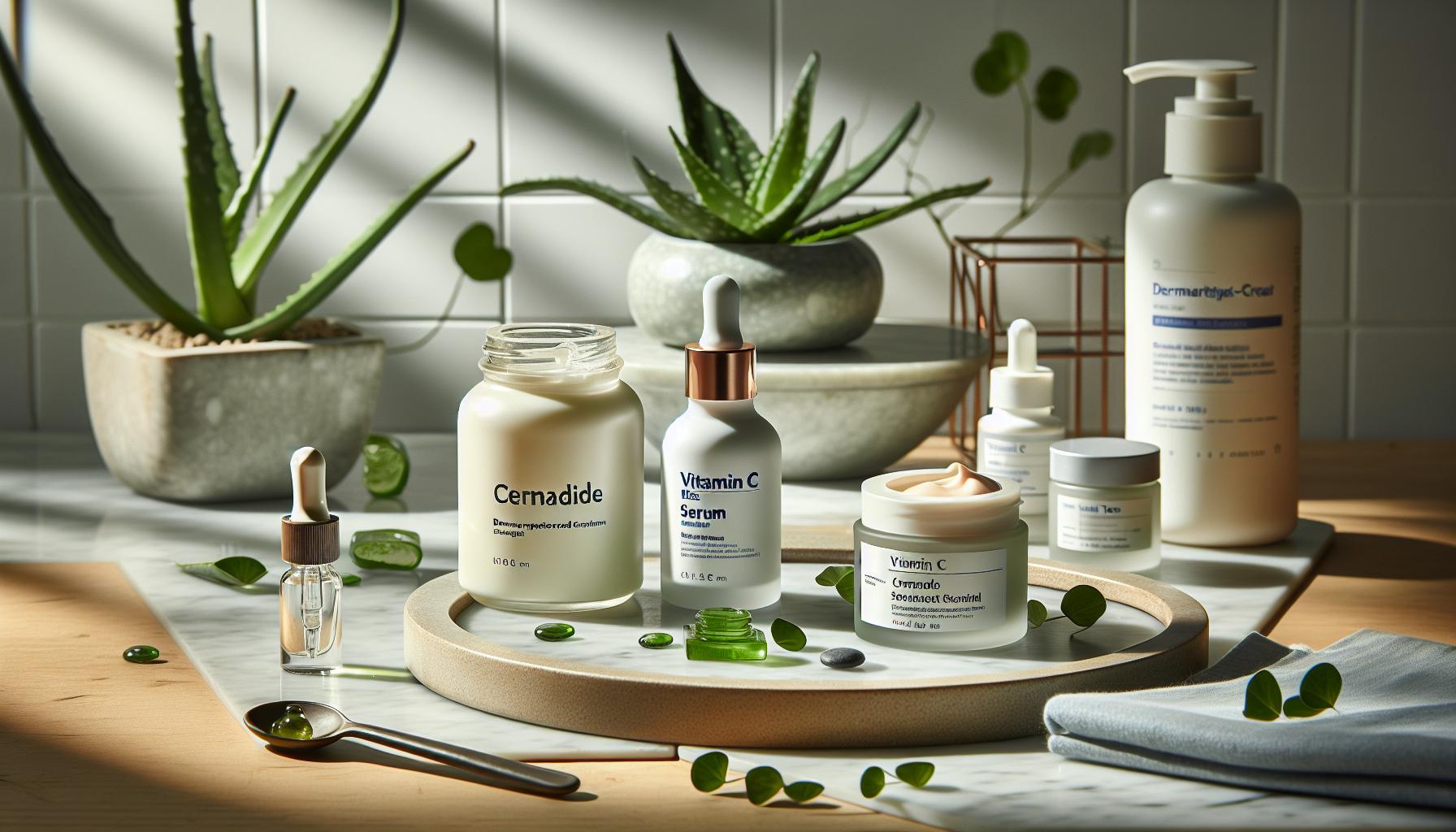
Dermatologist-Approved Ingredients to Look For
When selecting makeup for children, it’s crucial to focus on the ingredients that promote health and safety while allowing for creative expression. Dermatologists recommend specific ingredients that not only aim to avoid irritation but also nourish and protect delicate skin. The following ingredients are not just safer options; they are also beneficial for maintaining a child’s skin health.
Key Ingredients to Look For
- Natural Oils: Ingredients such as coconut oil and shea butter are fantastic choices. They are moisturizing agents that hydrate the skin and help create a protective barrier against potential irritants.
- Aloe Vera: Renowned for its soothing properties, aloe vera can help calm sensitive skin and reduce redness or irritation, making it an excellent addition to any kids’ makeup.
- Mineral Pigments: Unlike synthetic dyes, mineral pigments are less likely to cause allergic reactions. They derived from natural minerals and provide vibrant color without the harmful additives often found in traditional cosmetics.
- Hypoallergenic Formulas: Always look for products labeled as hypoallergenic. These have been specifically formulated to minimize allergic reactions, making them ideal for sensitive skin.
In addition to these beneficial ingredients, it’s wise to steer clear of harsh chemicals such as parabens, synthetic fragrances, and artificial colors. These can cause irritation and allergic reactions, which is particularly concerning given the fragility of children’s skin. Instead, opt for cosmetics that proudly boast their non-toxic and cruelty-free status. Brands like Oh Flossy emphasize safe, natural ingredients designed with children’s unique needs in mind [[1](https://ohflossy.com/?srsltid=AfmBOoqKBTB-bSnZxw6bDMXJt-I7yxO57cMV9mx0n2N7Ara9LTryFLAC)].
Taking the time to examine product labels and understanding the ingredients they contain can go a long way in ensuring your child’s skin remains healthy while enjoying the fun of applying makeup. Keeping these dermatologist-approved ingredients in mind will empower you to make informed decisions, fostering a safe and creative environment for your child’s unique expressions.
Mindful Application Techniques for Kids
When it comes to applying makeup on kids, it’s essential to create a fun yet safe atmosphere that respects their delicate skin. Engaging children in the process can turn it into a delightful experience while ensuring that application techniques are gentle and effective. Here are some mindful techniques to promote healthy makeup practices for your little ones.
Start by setting up a cozy space where your child feels comfortable and excited to explore their creative side. Consider using a light mirror positioned at their eye level and soft, natural lighting to avoid harsh reflections. This setup can make them feel more involved and less intimidated. When you’re ready to begin, always encourage them to wash their hands first. Clean hands will minimize the transfer of unwanted dirt and bacteria onto the makeup products and their skin.
Next, opt for a small amount of product to begin with. For instance, when using a cream or stick product, apply just a pea-sized amount. Gently dab it onto your child’s skin using your fingers or a soft makeup sponge. This method allows for buildable coverage without overwhelming their skin. Explain to them why you’re using small amounts-focusing on maintaining a fresh look while avoiding any irritation. If they want more color, you can always add a little more!
Another effective technique is the “/pat and blend/” approach, especially for eye makeup. Using soft motions, tap the product onto the eyelids and blend it toward the edges with a clean brush or fingertip. This gentle application not only distributes the product evenly but also reduces the risk of dragging the skin. Remind them to keep their eyes closed during this process to make it easier and more comfortable.
Lastly, always finish with a fun twist: encourage your child to express their personality. Whether it’s a sprinkle of glitter or a playful lip gloss, let them make choices that reflect their style. This not only boosts their confidence but reinforces the message that makeup can be a form of self-expression, not just a beauty ritual.
Following these mindful application techniques will help ensure the makeup experience is not just safe but also enjoyable for your child. This balanced approach fosters creativity and a sense of responsibility, while also teaching them the importance of gentle care for their sensitive skin. With these practices, you can create a joyful environment where makeup transforms into a fun playtime activity, not just an ordinary routine.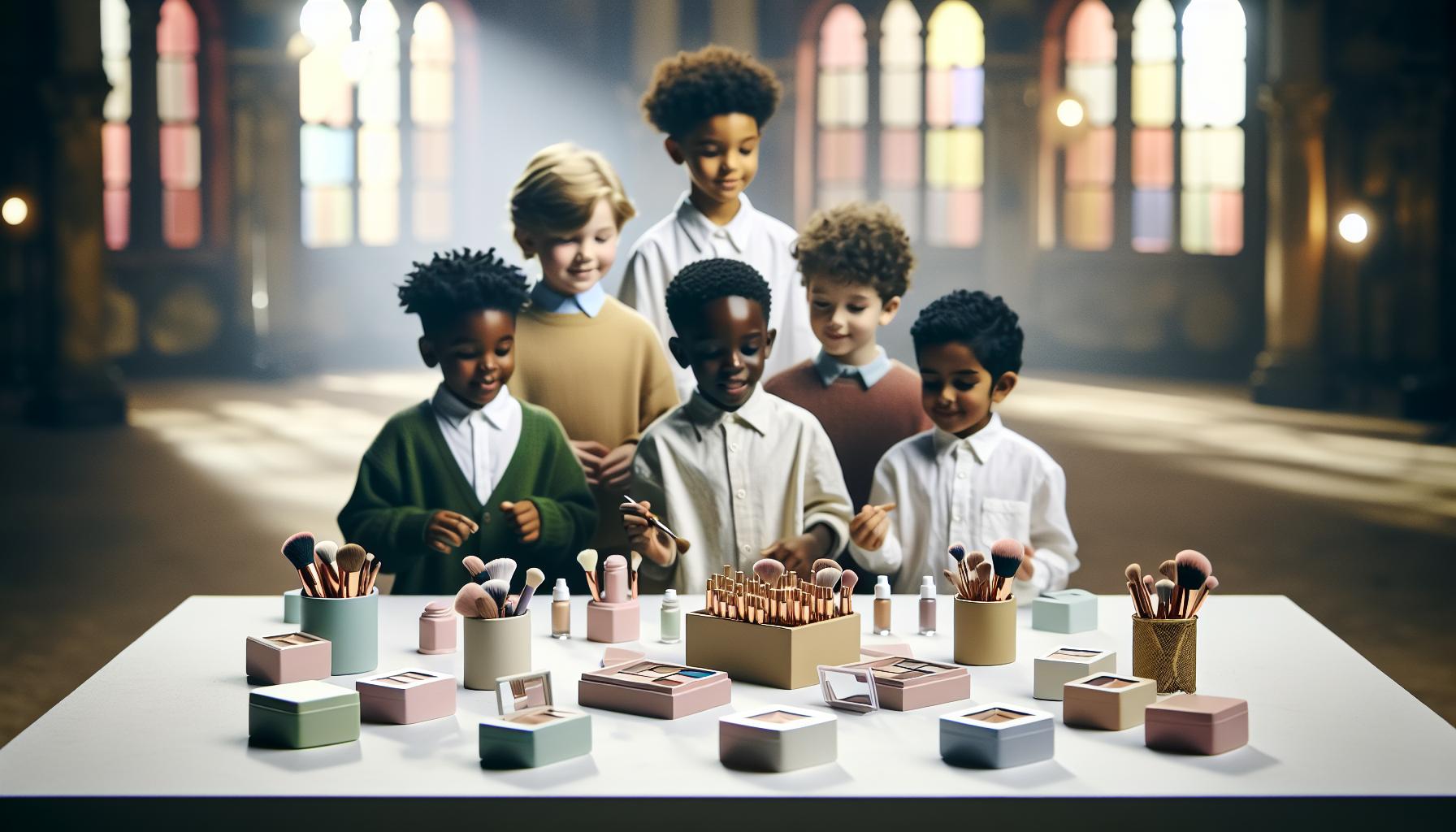
Top Recommended Makeup Brands for Children
When it comes to choosing safe makeup options for children, selecting the right brands is crucial. Several brands specialize in non-toxic, gentle formulations suitable for young skin, ensuring that the makeup fun doesn’t come at the expense of safety. Here are some top recommended brands that cater to kids’ makeup needs while being mindful of their delicate skin.
Evereden
Evereden offers a delightful range of kids’ makeup made from clean, non-toxic ingredients. Their collection includes face paint crayons and lip oils that are designed specifically for children. These products are not only safe but also nourish the skin, providing a combination of playfulness and care. Parents can feel at ease knowing that what goes on their child’s skin is free from harsh chemicals [[1]](https://www.ever-eden.com/collections/at-play?srsltid=AfmBOorGLpWKkD6I1Svsowu5YnLkccDt0Lz7aGeHfP7WBVTqNbbtKT0s).
Jovys
For those who prioritize certifications, Jovy’s products are a great choice. They claim to be the first kids‘ makeup brand that meets all safety certifications. Each product is crafted with safety as a priority, making it an excellent option for parents concerned about potential skin irritations. With a range of fun colors and formulations, kids can enjoy a creative outlet, all while using products that have been verified for safety [[2]](https://www.reddit.com/r/ScienceBasedParenting/comments/s3xmo9/is_nontoxic_kids_makeup_really_nontoxic/).
Oh Flossy
Oh Flossy provides a colorful and vibrant selection of makeup tailored for children. Their products are made from natural ingredients and are completely non-toxic, which means they’re perfect for sensitive skin. Plus, their makeup is easily washable with just water, making cleanup a breeze after playtime. This ease of removal is a key feature that reassures parents and kids alike [[3]](https://ohflossy.com/?srsltid=AfmBOorseBFrea2ujV1qMRKZpMURmpPM8BZldbwsa6QtXDqc7cglXoHB).
- Safety First: Choose brands with clear labels and certifications.
- Ingredient Conscious: Look for natural ingredients that are gentle on the skin.
- Fun and Playful: Brands that incorporate fun colors and designs make the experience enjoyable for kids.
By opting for these trusted brands, parents can ensure their children have access to safe, enjoyable makeup experiences that celebrate creativity while protecting their skin. Remember, it’s not just about cosmetics; it’s about creating joyful memories without compromising safety.
How to Test Makeup Products at Home
Testing makeup products before applying them to your child’s skin can be a crucial step to ensure safety and prevent allergic reactions. A simple patch test can provide valuable insights into how a product will interact with your child’s sensitive skin. Here’s how to do it effectively at home.
Start with a small area of skin, such as the wrist or the inside of the elbow. Apply a tiny amount of the makeup product, roughly the size of a pea. This limited exposure helps you monitor for any immediate reactions. It’s best to wait at least 24 hours before assessing the area for changes. Look for signs of redness, rash, or irritation, as these may indicate an adverse reaction. If any of these occur, wash the area gently with mild soap and water, and discontinue use of the product.
Another aspect to consider is the ingredients list. Familiarize yourself with common allergens or harsh chemicals. Products that are fragrance-free and labeled as hypoallergenic are generally safer options. If you do encounter a product that raises concerns due to certain ingredients, research alternatives that eliminate those specific components. This empowers you to make informed choices tailored to your child’s needs.
When introducing new products, start slowly. Allow your child to use one product at a time, giving ample time to observe how their skin reacts before adding more into their grooming routine. This method not only minimizes risks but also helps you identify which product(s) may be causing any sensitivity.
Regularly reassessing products is a good practice, as formulations can change. Manufacturers sometimes update their ingredients, so what was safe last season may no longer be. Keep the conversation open with your child about how their skin feels whenever they wear makeup, ensuring they feel comfortable sharing any concerns with you.
By following these steps, you create a proactive approach to makeup safety, allowing your child to enjoy their creative expression while keeping their delicate skin protected.
Signs of Skin Reaction: What to Watch For
When it comes to using makeup on kids, the last thing any parent wants to deal with is an allergic reaction. Because children’s skin is delicate and sensitive, it’s essential to be aware of the signs that suggest a product may not be agreeing with them. Recognizing these symptoms early can prevent discomfort and further skin issues.
The most common signs of a skin reaction to makeup include:
- Redness: This is often the first visible sign. If you notice unusual redness or flushing around the area where the makeup was applied, it could indicate irritation.
- Rash or Hives: The development of small, itchy bumps or a rash is a clear indicator that something in the product is not suitable for your child’s skin. Hives may appear suddenly and may become more pronounced when the skin is scratched.
- Itching or Burning Sensation: If your child complains about itching, tingling, or a burning feeling, these sensations often accompany skin irritation. It’s essential to take these complaints seriously.
- Dryness or Flaking: Some products can cause the skin to dry out, leading to flakiness. If you notice this particularly after using certain makeup items, it’s worth checking the ingredients for drying agents.
To help prevent these reactions, always conduct a patch test, as mentioned previously. Monitor how your child reacts not just immediately, but throughout the day. If any of these reactions occur, wash off the makeup gently with mild soap and water, and consult a pediatric dermatologist if symptoms persist. Being attentive and proactive not only helps keep your child comfortable but also instills in them a sense of safety and care regarding their skincare and beauty routines.
Fun and Safe DIY Makeup Recipes
Creating your own DIY makeup can be a delightful and safe alternative for kids, promoting creativity while ensuring you’re aware of the ingredients. Since children’s skin is particularly sensitive, using natural and non-toxic components is essential. Crafting makeup at home not only allows you to have control over what goes on their skin, but it can also be a fun bonding activity!
A simple recipe for tinted lip balm involves just a few ingredients. Combine 1 tablespoon of coconut oil, 1 teaspoon of beeswax, and 1 teaspoon of your choice of natural colorant (like beetroot powder for a pink hue). Melt that together on low heat until fully blended, then pour it into small containers and allow it to cool. This lip balm is moisturizing and safe, using ingredients you can easily find, and it offers a beautiful, soft tint.
For a vibrant face paint that is safe for kids, mix 2 tablespoons of cornstarch, 2 tablespoons of coconut oil, and 3 tablespoons of flour. Add water gradually to achieve a paint-like consistency; you can separate this mixture into different containers and color each one with natural food dye or cocoa powder. This creates colors without the hazards often found in commercial face paints, making it perfect for imaginative play.
Always remember that even natural products can cause irritations in some children, so conduct a patch test before full application. Highlighting the fun of creating DIY projects not only enhances the experience of makeup for kids but also teaches them about being mindful and safe with their beauty routines. Encourage them to personalize their creations by mixing colors or adding scents like vanilla or lavender from natural extracts, turning each session into a joyful, educational adventure.
Tips for Educating Kids About Makeup Safety
Teaching kids about makeup safety is essential in fostering a healthy attitude towards beauty and self-expression. Begin the conversation early by involving them in discussions about why makeup choices matter, emphasizing that not all products are created equal. Explain the importance of using only safe, non-toxic options, which are specifically formulated for children’s sensitive skin. Engaging in hands-on activities, such as checking ingredient labels together on commercial products, can provide a practical understanding of what to look for in makeup safety.
It’s crucial to instill the habit of doing a patch test before any makeup application. Explain that applying a small amount of product to an inconspicuous area of skin, like the inside of the wrist, can help determine if an irritation will occur. For an added layer of safety, use this opportunity to discuss what a reaction might look like-redness, itching, or swelling-and reassure them that being cautious is a way to care for their skin.
Additionally, encourage creativity through safe practices. You might suggest using natural ingredients from the kitchen for DIY projects, turning it into a fun bonding experience. Activities like creating homemade lip balm using coconut oil and beeswax not only teach them about safe ingredients but also encourage them to express their personality through their creations. Celebrate their unique choices in colors and scents to help them develop confidence in their decisions.
Lastly, it’s essential to talk about the importance of supervision during makeup application. Make it a rule that they always ask for your permission before trying out new products, especially if they’re experimenting with makeup for the first time. You can establish a safe space where they feel comfortable asking questions about what’s acceptable and what’s not. This creates a supportive environment where safety and creativity go hand in hand-empowering them to explore their interest in makeup responsibly.
Creative Ways to Encourage Safe Play with Makeup
Encouraging safe play with makeup can transform a typical beauty routine into a fun, educational experience for children. When guided correctly, children can explore their creativity while understanding the importance of safety in the process. Start by introducing makeup as a form of self-expression rather than just a cosmetic product. This paradigm shift can make your child more aware of what they are using and how it affects their skin.
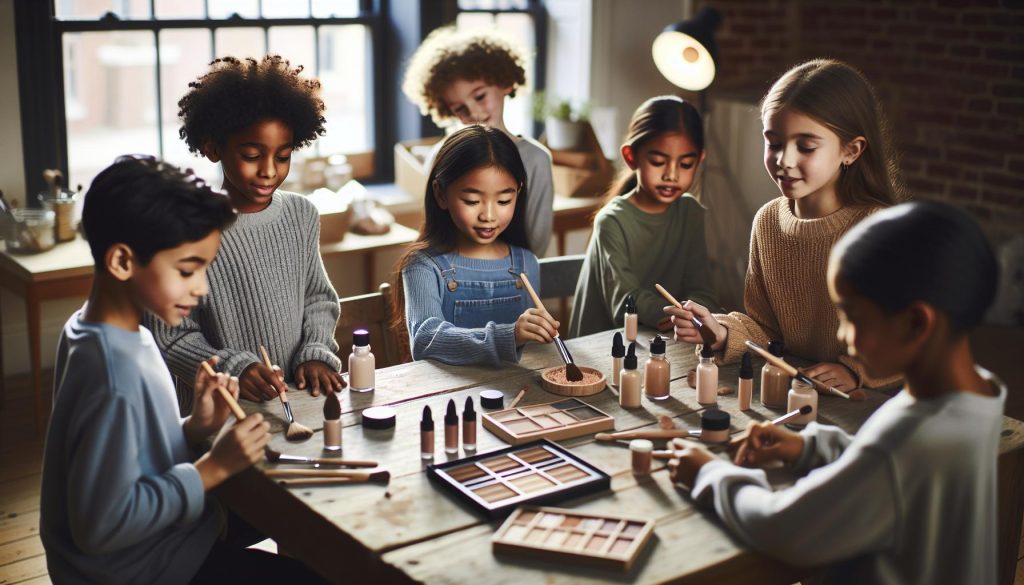
One enjoyable way to foster this safe exploration is through supervised “makeup playdates.” Gather a few friends and create a fun environment where kids can experiment with non-toxic makeup together. Set up a makeup station with a variety of safe products, such as those certified as non-toxic or intended for children’s sensitive skin. You can include items like cosmetic crayons, blush sticks, and child-friendly face paints. This not only allows children to express themselves but also encourages teamwork and sharing, enhancing their social skills.
Another creative approach is organizing DIY makeup sessions where kids can create their own beauty products using kitchen ingredients. Recipes for homemade lip scrubs with brown sugar and honey or berry-tinted lip balms using natural oils can be both fun and educational. As they mix and match ingredients, you can discuss the qualities of each component, underscoring why certain items are safe for skin while others might not be. This hands-on experience instills an understanding of ingredient safety while giving them control over what they apply on their skin.
Lastly, introduce themed makeup days centered around characters from their favorite movies or books. This not only sparks their imagination but also makes the makeup process feel more like play than a chore. Encourage them to recreate the looks of beloved characters while reinforcing the importance of using safe products and correct application techniques. By framing makeup as a creative outlet rather than a glamour activity, you empower them to enjoy makeup responsibly and enthusiastically while ensuring their safety and well-being.
The Importance of Supervision During Application
It’s no secret that children are keen to imitate and explore, and this curiosity often extends to the world of makeup. However, the importance of adult supervision during these playful moments cannot be overstated. Children, with their delicate skin and unrefined judgment, require guidance to ensure their safety while engaging in makeup activities. Supervision allows you to monitor not only the types of products being used but also the techniques applied, ensuring they align with safe practices.
When children experiment with makeup, they may unknowingly misuse products – applying too much, mixing incompatible items, or using tools inappropriately. Being present gives you the opportunity to teach them the right application techniques, such as “start with a small amount of product, like a dime-sized dollop, and build from there.” It also enables you to explain why some ingredients, even in seemingly harmless play products, might cause irritation or allergic reactions. Educating your child about reading labels together can be a fun activity, introducing them to terms like “non-toxic” and “hypoallergenic.”
Moreover, having a supervising adult can help maintain a clean and safe environment. Messy makeup can lead to accidents, such as spills or stains on skin and clothing. You can set up a specific area for makeup play, equipped with wipes and child-friendly cleaning supplies. For instance, a designated table with a colorful tablecloth can serve as the perfect creative space. By encouraging tidiness and safety, you create a positive experience that fosters creativity while safeguarding against potential hazards.
In addition, safety awareness extends beyond the application itself. Children should be taught about hygiene practices, such as using clean brushes and avoiding sharing makeup to prevent the spread of germs. As a guardian, your presence reassures them as they navigate boundaries, culminating in a well-rounded, enjoyable experience. Supervision not only increases safety but enhances the fun, allowing them to explore their creativity while understanding the responsibility that comes with using makeup.
In summary, adult supervision during children’s makeup play is vital for safety education, teaching proper techniques, managing mess, and ensuring hygiene. This watchful presence transforms makeup exploration into a creative and safe learning experience.
Q&A
Q: What types of ingredients should I avoid in kid’s makeup?
A: Avoid makeup products that contain harmful substances such as parabens, phthalates, heavy metals, and fragrances, which can irritate sensitive skin. Check labels for terms like “synthetic,” “chemical,” and “artificial.” Always choose brands that are transparent about their ingredients and prioritize safety.
Q: How can I tell if my child is having a reaction to makeup?
A: Signs of a reaction can include redness, itching, swelling, or a rash on the area where the makeup was applied. If you notice any of these symptoms, remove the product immediately and wash the skin with gentle soap and water. Consult a dermatologist if symptoms persist.
Q: Are there organic makeup options for kids?
A: Yes, many brands offer organic makeup specifically formulated for children. Look for certifications on labels, such as USDA Organic, to ensure the products meet organic standards. Brands like Evereden often emphasize clean, natural ingredients that are safe for children’s skin.
Q: How can I safely apply makeup on my child?
A: Start with clean hands and a clean face. Apply a small amount of product using gentle motions. Consider using makeup tools like brushes or sponges to minimize direct skin contact. Always supervise the application to teach them about safe makeup practices and to handle products properly.
Q: What is the best way to remove makeup from my child’s skin?
A: Use a gentle cleanser and lukewarm water to remove makeup. Alternatively, you can use makeup wipes designed for sensitive skin. Avoid harsh chemicals or alcohol-based products, as they can irritate delicate skin. Follow up with a moisturizer to keep the skin hydrated.
Q: Are there any FDA guidelines for children’s makeup?
A: The FDA does not have specific guidelines solely for children’s makeup; however, it regulates cosmetic safety for all products. Look for brands that comply with safety testing and avoid those with dubious ingredient lists. Consulting trusted, dermatologically tested brands can also help ensure safety.
Q: Can I make homemade makeup for my child?
A: Yes, homemade makeup can be a safe and fun alternative for children. Use natural ingredients like beet juice for coloring or cocoa powder for bronzer. However, always perform a patch test on a small area of skin before applying any homemade product broadly.
Q: What are some fun and safe ways to encourage kids’ creativity with makeup?
A: Set up a designated play area with age-appropriate, non-toxic makeup products. Organize themed makeup playdates where kids can express creativity without fear. Additionally, provide simple tutorials to foster their artistic skills while ensuring safe practices are followed.
To Conclude
As we wrap up our guide on safe makeup for kids, remember: choosing products free from harmful chemicals and allergens is essential for your child’s health and happiness. If you’re looking for reliable options, we recommend exploring brands that prioritize safety, like those mentioned earlier.
Don’t stop here! Check out our articles on safe skin care for kids and fun DIY makeup recipes that you can create together at home. These resources not only help you make informed choices but also add a creative twist to your children’s beauty routines.
Want to stay updated on the latest in safe beauty? Subscribe to our newsletter for more expert tips and special offers. Your child’s well-being comes first, and together we can ensure their beauty adventures are joyful and safe. Share your thoughts and experiences in the comments below-we’d love to hear from you!
Get our latest guides, news, and insights highlighted in your Google Search & AI Overviews.