Have you ever wondered if your cleanser could actually be making your sensitive skin worse? Enter the Korean rice cleanser-an intriguing option that combines traditional ingredients with modern skincare science. Known for its gentle, hydrating properties, rice cleanser aims to soothe irritation while effectively removing impurities. As someone who values their skin’s health, you may have faced the challenge of finding the perfect cleanser that balances effectiveness and gentleness. With the rise in popularity of K-beauty, it’s essential to explore whether a rice cleanser can be the solution you’ve been searching for. Join me as we dive into the benefits of this unique ingredient and discover why it might just be the best-kept secret for your sensitive skin care routine.
Is Rice Cleanser Effective for Sensitive Skin?
Rice cleansers have gained popularity for their gentle yet effective cleansing properties, especially for those with sensitive skin. Users have reported that rice-based products can help maintain moisture levels while removing impurities without causing irritation. This balance is crucial for sensitive skin types, which often struggle with harsh ingredients commonly found in many cleansers.
The effectiveness of a rice cleanser largely hinges on its formulation. Rice is rich in amino acids and antioxidants, which not only cleanse but also soothe and nourish the skin. Products like the Black Rice Moisture Cleansing Gel by Haruharu Wonder are tested for sensitivity and suitable for all skin types, making them a potential go-to for those with delicate skin conditions[3].
However, it’s essential to pay attention to individual reactions. While many find rice cleansers to be a great addition to their routine, others, as shared on forums like Reddit, have reported that some rice-based products can feel too stripping or drying, leading to a tight sensation on their skin [1]. This underscores the need for careful selection based on your specific skin type and needs. Those with sensitive skin should ideally opt for gentle formulations that include hydrating ingredients to ensure their skin barrier remains intact while cleansing.
Understanding Sensitive Skin and Its Needs
Sensitive skin can be a challenge, often characterized by symptoms like redness, irritation, and dryness. If you find that most products leave your skin feeling tight or uncomfortable, you’re not alone. Understanding the unique needs of sensitive skin is essential for choosing the right cleansing products, especially as ancient remedies like rice cleansers gain popularity.
Sensitive skin has a compromised barrier, which makes it vulnerable to environmental aggressors and reactive to harsh ingredients. This underscores the importance of using gentle and hydrating cleansers that don’t strip the skin of its natural oils. When choosing a cleanser, look for products that are formulated specifically for sensitive skin-those that are free from sulfates, artificial fragrances, and other known irritants. Educate yourself about the products you use, and be mindful of how different formulations react with your skin.
Rice is particularly beneficial due to its soothing properties. It contains amino acids and antioxidants that help to calm irritation and nourish the skin. Additionally, rice moisturizers can help maintain hydration levels, creating an effective balance for sensitive skin. It’s also worth noting that not all rice products are created equal; some may contain additional ingredients that could irritate sensitive skin. Always patch-test a new product to gauge your skin’s reaction before fully incorporating it into your routine.
Choosing a rice cleanser could be an excellent addition to your skincare regimen, but understanding your skin’s needs is crucial. Take the time to assess how your skin reacts to different formulations, adjusting as necessary for optimal comfort and health. This mindful approach to cleansing will help you find the perfect balance, ensuring your skin stays calm and radiant.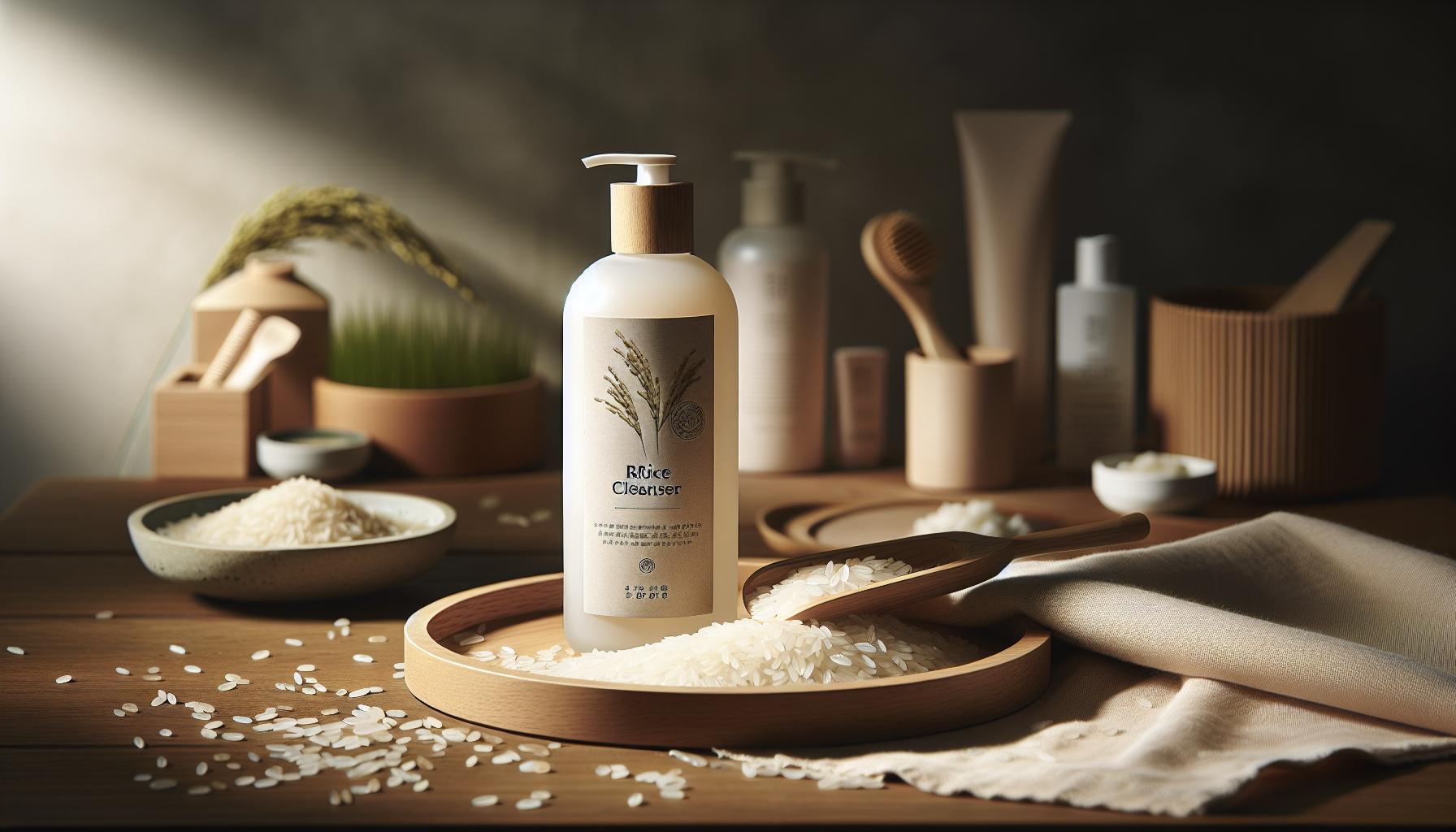
What Makes Rice Cleanser Unique?
The allure of rice cleansers lies in their gentle yet effective formulation, making them especially appealing for those with sensitive skin. Rice has been a cherished ingredient in many cultures, particularly in Korean beauty routines, thanks to its rich content of vitamins and minerals. What sets rice cleansers apart from conventional options is their unique ability to offer gentle exfoliation while nourishing and hydrating the skin. The fine particles of rice help remove dead skin cells and impurities without irritation, providing a softer alternative to harsher scrubs or cleansers.
Moreover, rice is packed with antioxidants, which play a crucial role in protecting the skin from environmental stressors. These antioxidants, combined with natural calming properties, help diminish redness and soothe irritation, making rice cleansers a perfect match for sensitive skin. For instance, products like the Black Rice Moisture 5.5 Soft Cleansing Gel are formulated to maintain a balanced pH level, ensuring that the skin barrier is supported rather than compromised during cleansing [[3]].
Another standout feature of rice cleansers is their hydrating properties. They help lock in moisture, ensuring that skin feels soft and supple post-cleansing rather than tight or stripped. Moreover, many formulations are derived from whole ingredients, free from harsh chemicals, making them suitable for daily use. This aspect is crucial for sensitive skin, where maintaining hydration can significantly impact overall skin health and comfort.
For those exploring cleansing options, the inclusivity of rice cleansers cannot be overlooked. Many brands offer variations, like the Blissoma Organic Rice Facial Cleanser, making it easier to find one that aligns with your skin’s specific needs [[1]]. Ultimately, the unique combination of gentle exfoliation, hydrating properties, and nourishing ingredients positions rice cleansers as a wise choice for anyone seeking to calm and care for their skin, particularly if it’s sensitive or reactive.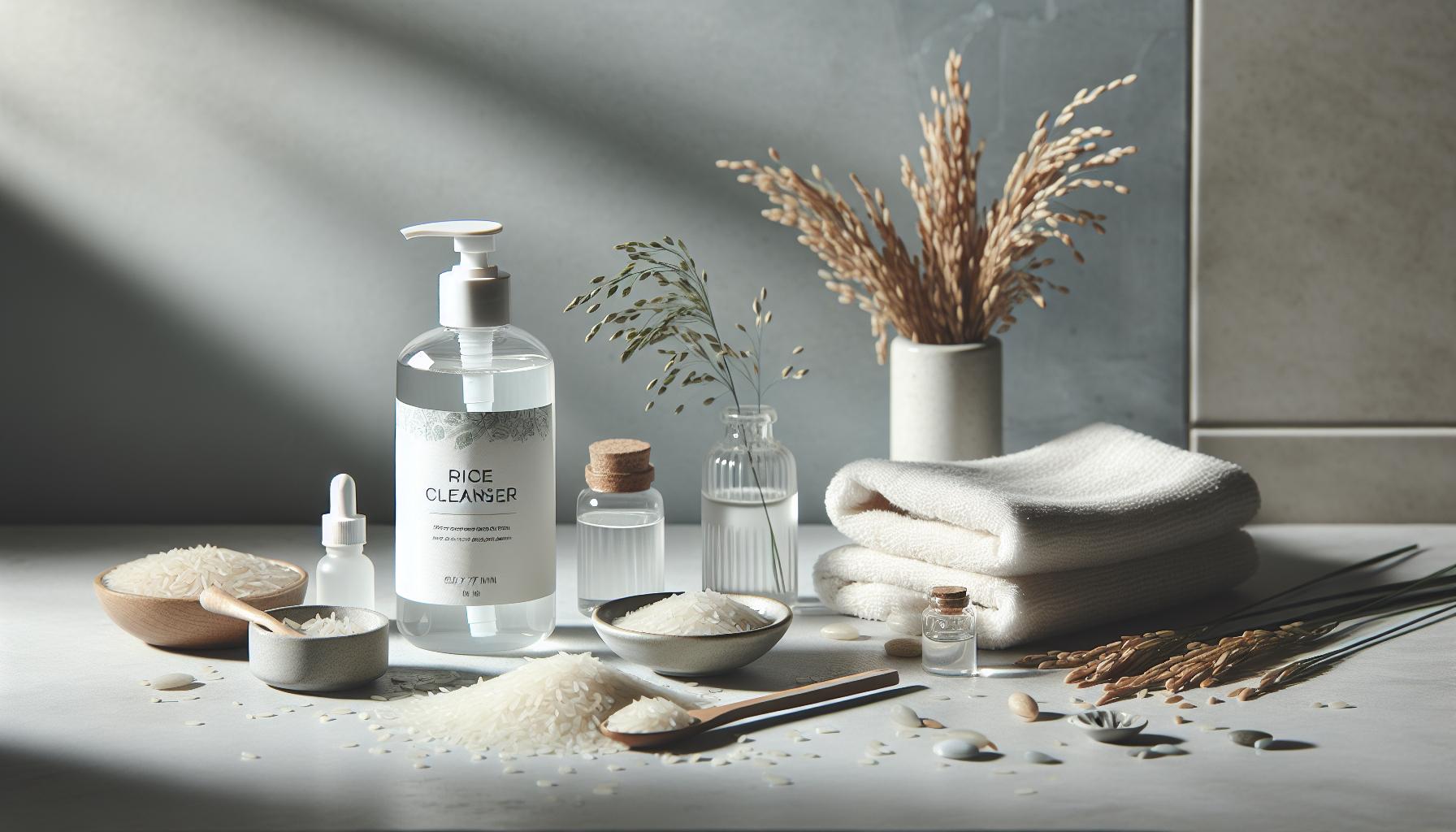
Key Benefits of Rice Cleanser for Sensitive Skin
Sensitive skin requires special care, and this is where rice cleansers shine. They are crafted to offer a unique blend of gentle cleansing and nourishment, making them an ideal choice for anyone prone to irritation or discomfort. The rice extract in these cleansers acts as a natural exfoliant, effectively removing dead skin cells and impurities without the harshness associated with traditional scrubs. This gentle action helps maintain your skin’s barrier, essential for sensitive skin types that can easily become compromised.
One of the standout benefits of rice cleansers is their hydrating properties. Traditional cleansers often strip the skin of natural oils, leaving it feeling dry and tight. In contrast, rice cleansers work to lock in moisture, ensuring your skin remains supple and comfortable after cleansing. For example, the Black Rice Moisture 5.5 Soft Cleansing Gel is formulated to keep your skin balanced and hydrated, providing that essential comfort for sensitive areas [[3]].
Moreover, the antioxidant-rich nature of rice helps soothe and protect your skin from environmental stressors, reducing redness and irritation that often accompany sensitivity. This makes rice cleansers not just a skincare product but a soothing treatment that supports your skin’s health day after day. Brands like Blissoma offer variations tailored for different skin needs, which empowers you to choose a formula that addresses your specific concerns [[1]].
In summary, rice cleansers combine gentle exfoliation and hydration, creating a favorable environment for sensitive skin. By incorporating these cleansers into your routine, you help your skin stay nourished, calm, and healthy. So, if you’re navigating the challenges of sensitive skin, exploring rice-based options may very well be your secret weapon.
How to Choose the Right Rice Cleanser
Choosing the right rice cleanser can have a transformative impact on your skincare routine, especially if you’re dealing with sensitive skin. With various options available, it’s important to focus on the ingredients and formulation to ensure you pick a product that will nourish rather than aggravate your skin.
Start by examining the ingredient list. Look for rice-based ingredients, such as Yeoju rice extract or rice bran extract, as these provide hydration and antioxidant benefits. It’s essential to avoid cleansers that contain harsh sulfates or alcohols, which can strip your skin’s natural oils and cause irritation. Instead, opt for gentle, sulfate-free formulations, particularly those labeled as low pH. A cleanser with a balanced pH can help maintain your skin’s protective barrier and prevent sensitivity flare-ups.
Next, consider your skin type and specific needs. For example, if you have dry or flaky skin, choose a rice cleanser rich in hydrating agents like glycerin or natural oils. On the other hand, if you have oily or combination skin, look for lightweight gel cleansers that won’t clog pores. Additionally, you may want to select products that are fragrance-free or contain calming ingredients like chamomile or aloe vera, which can help soothe sensitive skin.
Lastly, testing for compatibility is key. If possible, apply a small amount of the cleanser on a patch of skin, ideally on your wrist or behind your ear, to check for any adverse reactions before full use. This patch test should be done at least 24 hours in advance to see if any redness, itching, or irritation occurs. Understanding your skin’s response will empower you to make more informed choices about your skincare products and will ultimately lead you to the perfect rice cleanser that nourishes and protects your sensitive skin.
Step-by-Step Guide to Using Rice Cleanser
Using a rice cleanser can be a gentle and refreshing approach to your skincare routine, especially for sensitive skin. Effective yet simple, this cleansing method enhances your skin’s health without causing irritation. Let’s go through a step-by-step guide to utilizing a rice cleanser for optimal results.
Start by preparing your skin and the environment. Begin with clean hands and find a comfortable space for your skincare routine. Before applying the cleanser, splash your face with lukewarm water to help open up pores. This step also facilitates better absorption of the cleanser’s active ingredients.
Next, squeeze a dime-sized amount of your chosen rice cleanser onto your fingertips. If you’re using a gel-based cleanser, it’s best to work it into lather with your hands first. Then, gently massage the cleanser onto your damp skin using soft, circular motions for about 30 seconds. Ensure you’re careful around sensitive areas such as under your eyes. This gentle massaging not only aids in removing dirt and impurities but also stimulates blood circulation, promoting a more radiant complexion.
Rinse your face thoroughly with lukewarm water, ensuring no residue remains. Pat your skin dry with a clean towel-avoid vigorous rubbing, as this can exacerbate sensitivity. After cleansing, consider following up with a soothing toner or moisturizer to lock in hydration and maintain your skin’s moisture barrier.
With this straightforward method, you can fully embrace the soothing benefits of rice cleansers while keeping your sensitive skin happy and healthy. Enjoy the refreshing feel and look of clean skin as part of your daily routine!
Common Ingredients to Avoid for Sensitivity
Sensitive skin can react unpredictably to various ingredients commonly found in skincare products, leading to redness, irritation, or breakouts. Understanding which elements to avoid is essential for maintaining calm and balanced skin. When selecting a rice cleanser, being mindful of certain ingredients can make a significant difference in your skincare routine.
One major group to steer clear of are fragrances, both synthetic and natural. While they might smell delightful, fragrances are notorious for causing irritation and allergic reactions, which can be especially problematic for sensitive skin. Instead, look for fragrance-free products or those formulated specifically for sensitive skin.
Next, consider harsh sulfates, such as sodium lauryl sulfate (SLS), which can strip the skin of its natural oils and disrupt its moisture barrier. This leads to increased dryness and irritation. Opt for milder cleansing agents, like those based on cocamidopropyl betaine or glycerin, which are gentler and more hydrating.
Another ingredient to be wary of is alcohol, particularly those types found in many toners or cleansers. While some forms of alcohol can help with product absorption, others can be excessively drying and aggravate sensitive skin. Always check labels for alcohol denat, isopropyl alcohol, and similar ingredients that do not promote skin health.
Lastly, be cautious with exfoliating acids such as alpha-hydroxy acids (AHAs) and beta-hydroxy acids (BHAs). While they can provide great benefits for many skin types, those with sensitive skin may experience tingling, redness, or peeling. If you wish to incorporate exfoliating ingredients, choose products that deliver these benefits in a milder form, such as fermented ingredients or gentle enzymes.
By carefully avoiding these common irritants and focusing on nourishing, gentle formulations, you can enhance the effectiveness of rice cleansers while keeping your skin balanced and healthy. Remember, maintaining a simple and soothing routine is key to nurturing sensitive skin and achieving the calm, radiant complexion you desire.
User Reviews: Real Experiences with Rice Cleanser
Many users have discovered the transformative benefits of incorporating rice cleansers into their skincare routines, particularly those with sensitive skin. This type of cleanser is often praised for its gentle formulation, providing a soothing alternative to harsher products. For instance, a frequent comment among users is how a rice cleanser effectively removes makeup and impurities without leaving the skin feeling stripped or irritated. According to one user, “I love how my skin feels clean yet hydrated after using it-even with my super sensitive skin!”
One of the standout aspects of rice cleansers is their ability to balance moisture levels while cleansing. Reviewers have noted that they appreciate formulas like the Black Rice Moisture 5.5 Soft Cleansing Gel, which features a lower pH and claims to promote moisture retention. A reviewer reiterated this sentiment, stating, “This cleanser doesn’t dry me out at all! I feel like it helps to keep my skin calm and prevents breakouts-something I really struggle with.”
Another common theme among feedback is the pleasant, lightweight texture of rice cleansers. Users often express satisfaction that these products lather gently, making the cleansing experience feel indulgent without overwhelming the skin. Many have also highlighted that the absence of synthetic fragrances and harsh chemicals further contributes to the overall soothing experience, reiterating the importance of choosing sensitive skin-friendly options.
To truly understand the user experience, it’s beneficial to pay attention to specific ingredients featured in popular rice cleansers. Many users have noted the positive effects of natural ingredients present in these formulations, which often include antioxidants and anti-inflammatory properties. Moreover, those who have transitioned from traditional foaming cleansers to rice-based options report fewer flare-ups and a noticeable improvement in overall skin texture.
In summary, user reviews indicate that rice cleansers can be a gentle yet effective choice for sensitive skin. With positive testimonials highlighting hydration, balance, and a soothing experience, those with similar skincare challenges might find that integrating a rice cleanser into their routine could be a valuable step towards achieving a calm and radiant complexion.
Comparing Rice Cleanser to Other Cleansers
When it comes to choosing a facial cleanser, especially for those with sensitive skin, the options can feel overwhelming. Among various choices, rice cleansers have garnered attention for their gentle yet effective formulations. But how do they stack up against traditional cleansers like foaming or gel-based products? Understanding these differences can help you make an informed decision about what’s best for your skin.
Rice cleansers are often formulated with natural ingredients that provide hydration and soothing benefits. For example, rice bran extract and other natural oils found in these cleansers can help nourish and moisturize the skin as they cleanse. This is especially beneficial for people with sensitive skin, as it minimizes irritation and supports skin barrier function. In contrast, many traditional foaming cleansers use harsh surfactants that can strip the skin of its natural oils, leaving it feeling tight and irritated.
- Foaming Cleansers: These products create a lather that can feel refreshing but may also be too drying for sensitive skin. Common ingredients like sulfates may do a great job at removing makeup and impurities, but they can lead to irritation and exacerbate dryness.
- Gel Cleansers: While often marketed as gentle, some gel formulas contain alcohol or fragrances that can be irritating. They can also disrupt the skin’s natural moisture balance, particularly for delicate skin.
- Rice Cleansers: With their mild formulations, rice cleansers like the Black Rice Moisture 5.5 Soft Cleansing Gel focus on delivering hydration while cleansing. Reviewers have praised their ability to clean without the harshness associated with traditional cleansers, often reporting softer, calmer skin post-use.
Moreover, rice cleansers tend to have a lower pH, which is closer to the skin’s natural state. This is crucial for maintaining healthy skin, as a balanced pH can promote optimal skin function. In comparison, many other cleansers, particularly foaming varieties, can alter the pH balance, leading to increased sensitivity and potential breakouts.
In summary, when comparing rice cleansers to other types, it’s clear that rice formulations offer unique benefits for sensitive skin, focusing on gentleness and hydration. Users often report a more balanced and calm complexion after using these products. If you’re looking to make a switch, consider giving a rice cleanser a try-your skin may thank you for it!
Myths About Rice Cleanser Debunked
Many people have misconceptions about rice cleansers, especially regarding their effectiveness for sensitive skin. One common myth is that rice-based products can leave the skin feeling oily or congested. In reality, many rice cleansers are formulated to be lightweight and hydrating, providing cleansing benefits without clogging pores. They often feature ingredients like rice bran extract, which has been shown to nourish the skin and support its natural barrier function without oversaturating it.
Another myth is that rice cleansers are only suitable for those with oily skin types. While rice extracts do help absorb excess oil, they also hydrate dry or sensitive skin effectively. For instance, the structural composition of rice helps soothe irritation and redness, making it a versatile choice for various skin types. This adaptability means that even if you have dry or sensitive skin, you can enjoy the benefits of using a rice cleanser without worrying about exacerbating your skin’s condition.
People also worry that rice cleansers don’t perform well in removing makeup or impurities compared to traditional cleansers. However, many rice cleansers, such as those featuring exfoliating properties, can effectively remove grime and makeup without the aggressive stripping of natural oils that often accompanies foam or gel-based cleansers. Users often report their skin feels cleaner and calmer after use, proving rice cleansers’ efficacy.
Lastly, some believe that all rice cleansers are created equal, overlooking the importance of formulation. Not all rice-based products will suit every skin type, so it’s essential to check ingredient lists and opt for formulations specifically designed for sensitive skin. Brands like I’m From and Arencia craft rice cleansers with gentle, skin-friendly ingredients while avoiding irritants, making them reliable options for those looking for a soothing cleansing experience.
Expert Tips for Enhancing Your Cleansing Routine
Achieving a balanced cleansing routine is essential, especially for individuals with sensitive skin. One of the most effective ways to enhance your routine is to integrate rice cleansers, renowned for their gentle properties. However, how you use them can significantly impact their efficacy. Consider these expert tips to elevate your cleansing game and nurture your sensitive skin.
Start by selecting the right rice cleanser. Look for formulations specifically designed for sensitive skin, such as those that contain nourishing ingredients like rice bran extract. Products like the Arencia Rice Mochi Cleanser are particularly beneficial, as they are crafted with gentle, skin-safe ingredients that help cleanse without stripping your skin’s natural oils [1]. Reading reviews and checking for dermatological testing can also guide you in finding a suitable product.
When applying your rice cleanser, take the time to establish a calming routine. Use a dime-sized amount on damp skin, applying it using gentle circular motions for about 30 seconds. This technique not only assists in deep cleansing but also promotes blood circulation, which can soothe irritation and redness commonly associated with sensitive skin. Rinse thoroughly with lukewarm water to ensure all residue is removed, leaving your skin feeling refreshed and clean.
Consider the importance of your cleansing environment, too. Using a clean, soft washcloth can help apply the cleanser more gently. Avoid abrasive scrubs or sponges, as they can exacerbate sensitivity. Also, be mindful of your water temperature; excessively hot or cold water can shock the skin. A lukewarm temperature is ideal for maintaining comfort while cleansing.
Lastly, after cleansing, pamper your skin with a suitable moisturizer to lock in hydration. Sensitive skin often requires extra care post-cleansing, so look for products that contain calming ingredients, such as aloe or chamomile. Following up with a gentle toner can also provide an additional layer of soothing care, preparing your skin for the rest of your skincare routine.
By following these simple yet effective techniques, you can maximize the benefits of rice cleansers, ensuring your sensitive skin remains healthy and balanced. Embrace these expert tips to cultivate a skincare routine that works harmoniously with your skin’s needs.
Frequently asked questions
Q: Can rice cleanser irritate sensitive skin?
A: Generally, rice cleanser is gentle and nourishing, making it suitable for sensitive skin. However, individuals should perform a patch test before full use to ensure it doesn’t cause irritation. If irritation occurs, discontinue use and consult a dermatologist.
Q: How does rice cleanser compare to other cleansers for sensitive skin?
A: Rice cleanser is often milder than traditional foaming cleansers. It hydrates while cleansing, which helps maintain the skin’s natural moisture barrier. For sensitive skin, it’s typically less likely to cause dryness or irritation compared to harsher formulations.
Q: What ingredients should I look for in a rice cleanser for sensitive skin?
A: Look for rice extract, hyaluronic acid, and glycerin in rice cleansers. These ingredients offer hydration and soothe the skin. It’s also essential to avoid alcohol and synthetic fragrances which can trigger sensitivity.
Q: How can I integrate rice cleanser into my skincare routine?
A: Use rice cleanser twice daily, morning and night. Apply a dime-sized amount to damp skin and gently massage in circular motions for 30 seconds before rinsing. This ensures effective cleansing without disrupting the skin’s natural barrier.
Q: Are there any drawbacks to using rice cleanser for sensitive skin?
A: While rice cleansers are generally safe, they may not remove heavy makeup or sunscreen effectively. For those with severe makeup use, a double cleansing routine might be necessary. Consider following with an oil-based cleanser for thorough removal.
Q: How often should I use rice cleanser on sensitive skin?
A: For sensitive skin, using a rice cleanser twice a day is ideal. This frequency helps maintain skin hydration while effectively removing impurities without causing irritation.
Q: What is the best way to apply rice cleanser for sensitive skin?
A: To apply rice cleanser, use gentle circular motions on damp skin for about 30 seconds. This technique promotes effective cleansing while being kind to the skin.
Q: Can rice cleanser help with redness and inflammation in sensitive skin?
A: Yes, rice cleanser can soothe redness and inflammation due to its anti-inflammatory properties. Regular use may help calm sensitive skin over time, promoting a more even complexion.
Future Outlook
Now that you’ve discovered the benefits of rice cleansers for sensitive skin, it’s time to take action. Remember, these gentle yet effective formulas can hydrate and soothe, making them a fantastic choice for your skincare routine. If you’re still on the fence, consider testing a sample first to see how your skin reacts.
Explore our related articles on pH-balanced skincare and Korean beauty routines to deepen your knowledge and refine your regimen. Don’t forget to check out our top recommendations for sensitive skin cleansers to find the perfect match for your unique needs.
Join our community by subscribing to our newsletter for weekly tips and exclusive content tailored just for you. We’re here to help you navigate your beauty journey confidently. Your skin deserves the best-start your rice cleanser journey today!
Get our latest guides, news, and insights highlighted in your Google Search & AI Overviews.