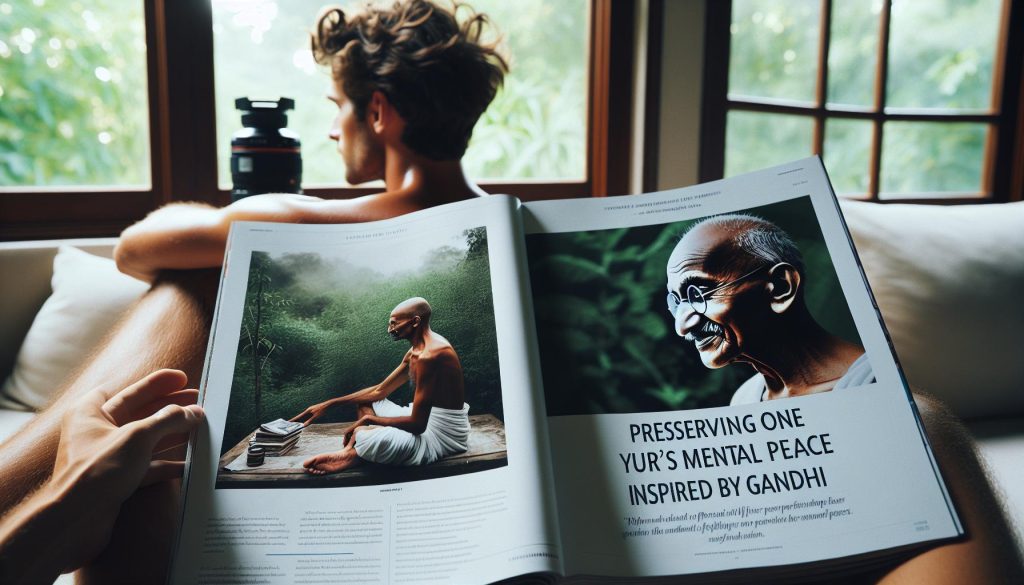
In today’s fast-paced world, mental peace often feels elusive, yet it’s essential for our overall well-being. “Never Let Anyone Walk Through My Mind: Gandhi – Mental Peace Guide” offers profound insights into achieving tranquility amidst the chaos. This guide draws from Mahatma Gandhi’s philosophies to empower you with practical techniques to declutter your mind and foster serenity.
Imagine feeling less stressed and more in control, transforming your thoughts into a source of strength rather than overwhelm. Whether you’re struggling with anxiety, seeking clarity, or simply wanting to enhance your daily mindfulness practices, this guide is your companion in navigating life’s challenges. With every page, you’ll discover actionable steps and encourage yourself to cultivate a peaceful mindset. Dive in to unlock the tools for a calmer, more focused you, and start your journey toward mental peace today.
Understanding Gandhi’s Philosophy on Mental Peace
Understanding the essence of peace from Gandhi’s perspective reveals profound insights that resonate deeply in today’s fast-paced world. Gandhi believed that true mental peace stems from the harmony between one’s thoughts and actions. He famously stated, “A peaceful mind generates peaceful thoughts,” highlighting how our internal dialogues influence our emotional state and overall well-being. For Gandhi, maintaining inner tranquility wasn’t just personal; it was essential for enacting social change and fostering community harmony.
Central to Gandhi’s philosophy is the practice of self-discipline and self-reflection. He advocated for individuals to cultivate a holistic approach to peace, combining ethical living, mindfulness, and active engagement with the world around them. By understanding oneself and embracing simplicity, individuals can clear mental clutter and develop clarity. Engaging in daily practices such as journaling or mindful breathing can help in this endeavor, fostering a deeper awareness of thoughts and emotions.
Moreover, Gandhi’s teachings emphasize the importance of compassion and forgiveness as vital components of mental peace. He believed that holding onto anger and resentment only exacerbates inner turmoil. Embracing forgiveness-both towards others and oneself-can liberate the mind and promote emotional healing. By alleviating burdens of resentment, one can create space for positivity and constructive thoughts, reinforcing Gandhi’s message that peace begins within.
By incorporating these principles into daily life, individuals can cultivate a mindset rooted in understanding, compassion, and resilience, crafting a personal path toward mental peace that draws on the timeless wisdom of Gandhi’s teachings.
Key Techniques for Achieving Inner Calm
Discovering effective techniques to cultivate inner calm can transform your experience of daily life, opening pathways to deeper peace and contentment. One powerful method is to incorporate mindful practices into your routine. Mindfulness encourages you to stay present and observe your thoughts without judgment. Start by dedicating just five minutes each day to focused breathing: inhale deeply for four counts, hold for four, and exhale slowly for six. Over time, this simple exercise can enhance your awareness and reduce anxiety.
Another effective technique is to create a designated space for self-reflection. This could be a cozy corner of your home where you can sit quietly with a journal. Take a few moments to jot down your thoughts, feelings, or even a list of things you are grateful for. Regular journaling helps clear mental clutter and reinforces positivity. Consider setting aside a specific time each day for this practice, whether in the morning to set a positive tone or at night to reflect on the day’s events.
Integrating physical activity into your day is also a crucial technique for achieving inner calm. Activities like yoga, walking, or dancing not only uplift your mood but also release endorphins that combat stress. Aim for at least 30 minutes of moderate exercise a day-this doesn’t have to be overwhelming; even a brisk walk around your neighborhood can work wonders.
Lastly, nurture your body with adequate nutrition and hydration. Foods rich in omega-3 fatty acids, such as salmon or walnuts, can promote brain health and improve mood. Ensure you drink enough water throughout the day, as dehydration can lead to increased irritability and anxiety. Adopting these key techniques can help you foster a lasting sense of inner calm, allowing you to meet life’s challenges with resilience and serenity.
The Impact of Mindfulness in Daily Life
Embracing mindfulness can significantly influence our daily lives, creating a more profound sense of peace and clarity. When we actively practice mindfulness, we train our minds to focus on the present moment, which reduces stress and enhances our ability to respond to life’s challenges with grace. The key is to cultivate a habit of being aware-paying attention to our thoughts, feelings, and surroundings without judgment.
Start by integrating short mindfulness moments into your day. For instance, during your morning routine, take a minute to notice the sensations of brushing your teeth or enjoy the aroma of your coffee. These small acts of mindfulness help ground you and can set a positive tone for the day. Aim for a consistent practice. You might allocate five minutes each day for focused breathing, where you simply observe your breaths coming in and out. This practice can promote emotional regulation and reduce anxiety levels over time.
Another impactful way to weave mindfulness into your daily routine is through mindful eating. Instead of multitasking during meals, dedicate time to truly savor each bite. Notice the flavors, textures, and how the meal makes you feel. This practice can lead to improved digestion and greater enjoyment of your food, plus it can help curb overeating.
Cultivating a mindfulness practice doesn’t require extensive time commitments or special tools; it simply involves a willingness to engage fully with the present moment. Over time, these practices can lead to transformative changes in your mental landscape. Enhance your emotional resilience by choosing to be present, which empowers you to navigate both the calm and stormy days with greater ease.
Overcoming Negative Thoughts with Positive Affirmations
Negative thoughts can feel like an uninvited guest that overstays their welcome. Learning to challenge and reframe these thoughts with positive affirmations can transform your mental landscape. Gandhi believed in the power of words and thoughts, and integrating this philosophy into your life can create a profound shift in your mindset.
To start overcoming negativity, identify a few common negative thoughts that often infiltrate your mind. For example, if you frequently think, “I am not good enough,” try to reframe this with a positive affirmation such as, “I am worthy, and I have the capability to achieve my goals.” Repeating these affirmations daily can help build a new narrative in your mind, gradually replacing self-doubt with confidence.
Another effective technique is to create a list of affirmations tailored to your specific circumstances and aspirations. Consider including statements like “I embrace challenges as opportunities for growth” or “I attract positivity and abundance.” You can write these affirmations on sticky notes placed around your living space or set reminders on your phone to prompt you throughout the day. Visualization can also enhance the impact of affirmations; picture yourself fully embodying these positive beliefs during moments of doubt.
Affirmations are most effective when practiced consistently. Set aside a few minutes each day to repeat your affirmations aloud or write them down. Engaging with them daily helps solidify these positive beliefs in your subconscious, gradually diminishing the power of those negative thoughts. By strengthening your mental resilience through this practice, you not only mitigate negative self-talk but also foster a more peaceful and affirming internal dialogue.
Building Emotional Resilience: Strategies Inspired by Gandhi
Building emotional resilience is akin to fortifying a mental fortress against the challenges life throws our way. Inspired by Gandhi’s teachings, we can cultivate resilience through introspection and action. One of Gandhi’s core beliefs was the importance of self-discipline and inner strength, which can serve as powerful tools in our journey towards emotional health.
To begin, start by practicing acceptance. Embrace the reality of your feelings and experiences instead of denying or fighting against them. Recognizing that discomfort is a part of life can be liberating. As Gandhi said, “You must be the change you wish to see in the world.” That means fostering a sense of inner peace to change your external reactions. Acknowledging your emotions lays a solid foundation for resilience, allowing you to process situations without becoming overwhelmed.
Another effective strategy is to engage in purposeful reflection. Set aside time each week to think about the challenges you faced, how you responded, and what you learned from those experiences. Journaling can be an excellent tool for this purpose. It helps in identifying patterns in your thoughts and feelings, enabling you to strategize on better responses in the future. This practice not only enhances your understanding of yourself but also empowers you to approach future hardships with a well-informed mindset.
Building a supportive community is also paramount. Gandhi emphasized the strength in unity and collective support. Surround yourself with people who uplift and inspire you. Engage in shared activities that promote positivity, such as group meditations or constructive discussions. These connections not only provide encouragement but also create a network that fosters resilience through shared experiences and mutual growth.
Finally, practice self-compassion. Gandhi’s philosophy underscores kindness, not just towards others but towards oneself. Challenge the inner critic that may fuel feelings of inadequacy, as this is counterproductive to resilience. Treat yourself with the same kindness you would offer a friend in difficult times. Techniques such as positive affirmations and mindfulness can significantly support this endeavor, reinforcing the belief that you are deserving of peace and happiness.
Incorporating these strategies into your life can significantly strengthen your emotional resilience, making it easier to navigate life’s inevitable ups and downs with grace and determination.
The Role of Meditation in Mental Wellness
Meditation serves as a robust tool for fostering mental wellness, embodying a practice that Gandhi himself valued for its power to facilitate inner peace and clarity. Engaging in meditation regularly can significantly enhance your ability to manage stress and promote emotional resilience. This ancient technique allows us to tap into our inner landscape, creating a sanctuary of tranquility amidst the chaos of daily life.
One of the most compelling aspects of meditation is its capacity to cultivate awareness. When you meditate, you’re not just quieting your mind; you’re also training your brain to observe thoughts without judgment. This is crucial because it helps in acknowledging rather than suppressing feelings, allowing you to process them more effectively. Studies have shown that regular meditation can increase the size of the hippocampus, the part of the brain associated with memory and emotional regulation, enhancing your overall mental health.
To start a meditation practice, consider the following actionable steps:
- Choose a Quiet Space: Find a comfortable, quiet environment where you can sit without disturbances. This could be a cozy corner in your home or a peaceful spot in a local park.
- Set a Time Limit: If you’re a beginner, start with just five to ten minutes. Gradually lengthen your sessions as you become more accustomed to the practice.
- Focus on Your Breath: Close your eyes and pay attention to your breathing. Inhale deeply through your nose, feel your chest rise, and then exhale slowly through your mouth. This rhythmic process helps center your thoughts.
- Mindful Observation: As thoughts arise, instead of trying to eliminate them, acknowledge their presence and gently bring your focus back to your breath. This practice builds a non-reactive presence in daily situations.
Incorporating meditation into your routine can also serve as a form of self-care that extends beyond the mat. For instance, you can practice mindful breathing during stressful moments at work or right before bed to help clear your mind. By making it a habit, you’ll likely notice a gradual increase in your overall sense of calmness and emotional stability.
Key takeaway: Meditation not only provides immediate relief from anxiety but also equips you with tools to respond to life’s challenges more constructively. By committing to this peaceful practice, you can carve out a mental space that promotes enduring serenity, aligning beautifully with Gandhi’s vision of a peaceful mind. Embrace meditation as a journey, and allow its simplicity to enhance your mental wellness over time.
Practical Steps to Maintain Mental Clarity
To maintain mental clarity amidst the noise of daily life, it’s essential to cultivate practices that simplify your mental process and enhance focus. A clear mind is not just a pleasant state but a foundation for making sound decisions, fostering creativity, and nurturing emotional health. Here are some practical steps you can integrate into your routine to support mental clarity.
First, establish a daily routine that includes specific times for work, relaxation, and self-care. A structured day can reduce decision fatigue and help you allocate appropriate time blocks for various tasks, minimizing distractions. In these dedicated time slots, consider using tools like digital timers or apps that promote focus, allowing you to stay concentrated on the current task without the temptation to multitask.
Embrace Mindfulness
Mindfulness techniques are powerful allies in preserving mental clarity. Set aside a few minutes each day to practice mindfulness meditation. This involves sitting in a comfortable position, closing your eyes, and focusing solely on your breath. When thoughts intrude, which they will, gently acknowledge them and bring your focus back to your breathing. Doing this for just ten minutes can create a calmer mental landscape, sharpening your focus throughout the day.
Organize Your Space
Your physical environment plays a significant role in your mental clarity. A cluttered workspace can mirror and enhance mental chaos. Take time each week to declutter your surroundings. Streamline your desk: keep only essential items within reach, and store others away. Implement organizational systems such as folders, labels, or digital tools that keep your tasks and materials easy to find. This not only reduces distractions but also fosters a sense of control.
Limit Information Overload
In our hyper-connected world, constant exposure to information can overwhelm your mind. To preserve clarity, consciously limit your intake of news and social media. Designate specific times during the day for checking updates, and stick to them. This practice helps prevent information overload and keeps your mental space free for more critical reflections and decisions.
Maintain a Healthy Lifestyle
Your diet, exercise, and sleep have profound effects on mental clarity. Aim for a balanced diet rich in fruits, vegetables, and whole grains, which supply essential nutrients for brain health. Regular physical activity-such as a daily walk, yoga, or even brief exercise sessions-stimulates brain function and reduces stress. Adequate sleep, ideally seven to nine hours per night, is vital for cognitive processes and emotional regulation.
Incorporating these strategies into your life not only helps maintain mental clarity but also fosters a more peaceful, organized state of mind. Remember, small, consistent changes can lead to significant improvements in how you navigate your daily life, helping you make decisions from a place of calm and focus.
Creating a Personal Peace Routine
Creating a routine that fosters a sense of personal peace is crucial for navigating the stresses of modern life. By intentionally setting aside time for peace-related activities, you can cultivate a sanctuary within yourself that helps you cope with challenges more effectively. The concept of a personal peace routine is about establishing a series of small, consistent practices that ground you and enhance your mental well-being.
To start, identify what brings you calm. This could be anything from reading a few pages of an inspiring book to taking a leisurely walk in nature. Once you’ve pinpointed these activities, schedule them into your daily life. Aim for at least 30 minutes each day dedicated exclusively to these calming practices. For example, if you find serenity in writing, plan a daily journaling session at the same time each day to form a habit.
Incorporate Mindfulness Techniques
In addition to personal activities, incorporating mindfulness into your routine can profoundly impact your sense of peace. Begin or end your day with a few minutes of mindfulness meditation. Sit quietly, close your eyes, and focus on your breathing. If your mind starts to wander, gently redirect your attention back to your breath. This practice can help clear mental clutter and sharpen your focus throughout the day.
Create a Comfortable Space
Your environment can significantly affect your mental state. Designate a specific area in your home as a peace corner. Fill it with items that bring you joy or comfort, such as plants, books, or calming art. Even a comfortable chair in a quiet corner can serve as a retreat where you can unwind. Make this space your go-to location for practicing mindfulness, reading, or simply enjoying a moment of silence.
Practice Gratitude
Another essential element of a personal peace routine is adopting a gratitude practice. Each evening, take a moment to reflect on three things you’re grateful for that day. This simple act shifts your focus from stressors to the positive aspects of your life. Not only does it enhance your mood, but it also encourages a more optimistic outlook.
By thoughtfully crafting and consistently engaging in your personal peace routine, you’ll create a powerful counterbalance to the chaos of everyday life. These practices are not only about finding tranquility; they are about building resilience, enabling you to respond to life’s challenges with a calm demeanor and a positive mindset.
Cultivating Gratitude for Enhanced Emotional Health
Developing a habit of gratitude can be transformative for your emotional health, enabling you to shift your focus from what’s wrong to what is good in your life. By consciously recognizing and appreciating the positive aspects of your daily experiences, you can cultivate a mindset that enhances your overall mental well-being. Research has shown that individuals who regularly practice gratitude report higher levels of happiness and lower levels of depression, making it a powerful tool for emotional resilience.
One of the simplest ways to incorporate gratitude into your life is through a daily gratitude journal. Each evening, take a few moments to write down three things you are thankful for that day. These can be as simple as appreciating the warm cup of coffee you enjoyed in the morning or the kindness of a stranger. This practice not only encourages mindfulness but also trains your brain to notice the positive moments amid life’s challenges.
Another impactful method is to express gratitude directly to others. Consider writing a letter or making a phone call to someone who has made a difference in your life. Share how their actions have positively impacted you, and watch as your connection deepens while brightening their day. This practice reinforces your own feelings of gratitude and fosters stronger relationships, both of which contribute significantly to your emotional health.
Incorporating gratitude apps or reminders into your phone can also help maintain this positive habit. Set a daily reminder to pause and reflect on what you are grateful for, transforming a fleeting thought into a mindful practice. Whether through journaling, declaration, or using technology, gratitude can quickly become integrated into your life, providing you with a steady foundation of positivity and emotional strength.
By embracing gratitude as a core component of your routine, you’ll find it easier to navigate the ups and downs of life. This not only creates a mental landscape filled with positivity but also empowers you to share that joy with others, ultimately creating a ripple effect of goodwill and emotional health in both your life and the lives of those around you.
How to Apply Gandhi’s Lessons to Modern Life
One of Gandhi’s most enduring lessons is the importance of maintaining peace in our minds amidst the chaos of modern life. This can feel particularly challenging in a fast-paced world filled with pressure and distractions, but incorporating Gandhi’s philosophy into your daily routine can foster a sense of mental tranquility and resilience.
To start, evaluate your surroundings and the influences within them. Gandhi emphasized the power of self-control and self-awareness; therefore, reduce exposure to negativity-both from media and interpersonal relationships. Simple actions like curating your social media feeds to include only positive, inspiring content can help. Surround yourself with people who uplift and support you, as their energy can significantly impact your own mental state.
Next, embrace the practice of mindfulness, which Gandhi linked closely to spiritual awareness. Set aside a few moments each day to engage in mindful breathing or meditation. This can be as brief as five minutes, where you focus solely on your breath, letting go of distractions and thoughts. During this time, aim to reflect on your values and intentions for the day. Ask yourself how you can embody peace and positivity in your actions. This not only centers your mind but also aligns your daily behaviors with your deeper principles.
It’s also crucial to act with intention, as Gandhi did, by aligning your actions with your beliefs. Identify at least one small, positive action you can take each day that reflects your values. Whether it’s helping a neighbor, volunteering, or simply spreading kindness, these actions reinforce a mindset of goodness and can create a ripple effect in your community.
Finally, cultivate gratitude by recognizing the good in your life every day. Consider starting or ending your day with a brief reflection on three things you are grateful for. This doesn’t need to be grand-appreciating a warm cup of tea or a friendly conversation can be enough. This practice enhances your mental well-being and aligns with Gandhi’s belief in the power of love and appreciation.
By weaving these practices into your daily life, you create a personal framework of peace that not only honors Gandhi’s teachings but also enhances your overall mental clarity and emotional resilience.
Transforming Unproductive Thoughts into Positive Action
Transforming negative thoughts into positive actions is a vital step toward cultivating mental peace, aligned with teachings attributed to Gandhi. When you find yourself caught in a cycle of unproductive thinking-whether it’s self-doubt, anxiety about the future, or regrets about the past-recognizing this pattern is the first move toward change.
To start this transformation, practice identifying the specific thoughts that weigh you down. Keep a journal where you jot down these thoughts as they arise, perhaps during moments of stress or discomfort. For instance, if you catch yourself thinking, “I’ll never be good enough,” write it down. This act of acknowledgment is powerful; it takes the thought from your mind and places it onto paper, where it can be examined more objectively.
Next, challenge these negative thoughts by reframing them. Ask yourself, “What evidence do I have that this thought is true?” Often, you’ll find that the negative belief lacks support or is an exaggeration. Replace it with a positive affirmation that reflects your intention. For example, if you initially wrote, “I’ll never be good enough,” transform it into, “I am capable of growth and improvement.” Regularly reciting affirmations helps in reinforcing this new mindset, integrating positivity into your self-dialogue.
To engage further with this transformation, take action that aligns with your newly reframed thoughts. For instance, if your negative thought stemmed from self-doubt about your skills, dedicate time each week to practice or learn something new related to that area. This could be through online courses, workshops, or community groups. Not only does taking action counteract negative thoughts, but it also builds confidence and a sense of accomplishment.
Remember, it’s essential to celebrate small victories. Acknowledging progress-no matter how minor-serves as a powerful motivator. After completing a task you’ve set out to conquer, take a moment to reflect on your achievements and the positive shift in your mindset. This positive reinforcement encourages you to continue this cycle of transforming negativity into constructive action, creating a pathway to lasting mental peace.
By actively engaging in this transformational process, you empower yourself to reclaim your thoughts, turning them into actions that lead to a more peaceful and gratifying life.
FAQ
Q: What does “Never Let Anyone Walk Through My Mind” mean in the context of mental peace?
A: “Never Let Anyone Walk Through My Mind” emphasizes the importance of protecting your thoughts and emotions from external influences. It encourages individuals to cultivate inner peace by maintaining mental boundaries and prioritizing self-awareness.
Q: How can I implement Gandhi’s teachings on mental peace in my daily routine?
A: Implementing Gandhi’s teachings involves daily practices such as mindful meditation, journaling reflective thoughts, and engaging in positive affirmations. Establishing a personal peace routine can promote emotional clarity and help manage stress.
Q: What role does gratitude play in achieving mental peace according to Gandhi?
A: Gratitude plays a crucial role in achieving mental peace by shifting focus from negative thoughts to positive experiences. Practicing gratitude helps foster resilience, enhancing emotional health and overall well-being.
Q: How can mindfulness practices enhance mental clarity?
A: Mindfulness practices, such as focused breathing and present-moment awareness, enhance mental clarity by reducing distractions and calming the mind. Incorporating these techniques can improve decision-making and emotional stability.
Q: What are some effective techniques for overcoming negative thoughts?
A: Effective techniques include using positive affirmations, reframing negative situations, and practicing cognitive behavioral strategies. These practices help in transforming unproductive thoughts into constructive actions.
Q: Why is meditation important for emotional wellness?
A: Meditation is vital for emotional wellness as it promotes relaxation, reduces anxiety, and cultivates self-awareness. Regular meditation helps individuals connect with their inner selves, fostering lasting peace and resilience.
Q: How can I build emotional resilience inspired by Gandhi’s philosophy?
A: To build emotional resilience, practice self-reflection, develop a strong support system, and focus on personal growth. Embracing challenges as learning opportunities, as inspired by Gandhi, enhances your ability to cope with life’s difficulties.
Q: What practical steps can I take to create a personal peace routine?
A: To create a personal peace routine, start by setting aside time each day for meditation or quiet reflection. Include activities like journaling, mindful walking, or yoga to foster a sense of tranquility and balance.
To Conclude
Now that you’ve discovered the valuable insights in “Never Let Anyone Walk Through My Mind: Gandhi – Mental Peace Guide,” remember that mental peace is not just a destination; it’s a journey you undertake daily. To further empower your path, explore our sections on mindfulness practices and stress management techniques. Trust us, these resources can enhance your understanding and bring actionable strategies into your life.
Don’t let the quest for tranquility pause here. Join our community by signing up for our newsletter, where you’ll receive the latest tips and inspiration for maintaining your mental well-being. If you have questions or need support, leave a comment below-your journey matters to us, and we’re here to help navigate it together.
As you continue to embrace the principles of peace and mindfulness, revisit our blog regularly for more enriching content that supports your personal growth. Together, let’s cultivate a sanctuary within our minds, making it a safe and empowering place for us all.
Get our latest guides, news, and insights highlighted in your Google Search & AI Overviews.