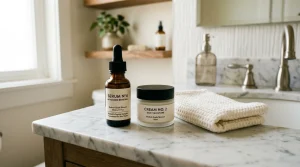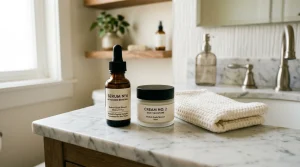
If you have oily skin, you might think the last thing you need is an oil cleanser. But what if we told you that using oil on oily skin might actually be beneficial? Many people shy away from oils, fearing they’ll exacerbate breakouts or make their skin feel greasier. However, the right oil cleanser can effectively dissolve excess sebum and makeup without stripping your skin of its natural moisture. In this article, we’ll debunk common myths around oil cleansing and explore how it can transform your skincare routine. Get ready to discover the surprising truth that could change how you approach cleansing once and for all!
Understanding Oily Skin: What You Need to Know
Oily skin often feels like a not-so-welcome guest, showing up uninvited and wreaking havoc with shine and breakouts. Understanding the nature of oily skin is crucial in order to tackle it effectively. Essentially, oily skin is caused by the overproduction of sebum, a natural oil produced by the sebaceous glands. Factors like genetics, hormones, and environmental conditions can all play a role in increasing oil production. Many people with oily skin may feel compelled to strip their skin of its oils, but this can actually lead to more oil production as the skin responds to dryness.
The term “oily skin” isn’t just about shine; it can also encompass a range of other concerns, such as enlarged pores and acne. When sebum mixes with dead skin cells and dirt, it can clog pores, leading to breakouts. Understanding your skin type is not just about recognizing the shine, but also about identifying your unique needs. For instance, individuals with oily skin often react differently to products compared to those with dry or combination skin. Addressing these specific needs without over-drying or irritating the skin is key.
It’s also important to recognize that oily skin can be influenced by lifestyle choices. Diet, stress, and skincare routines all play a role in how oily your skin feels and appears. Instead of resorting to harsh cleansers that may strip away natural oils, consider a more balanced approach-this is where an oil cleanser can actually benefit oily skin, helping to dissolve excess sebum while maintaining skin’s natural moisture levels. By approaching oily skin with understanding and the right products, you can achieve a more balanced and healthier complexion.
Remember, finding the right balance for oily skin may take some experimentation, but learning about your skin’s specific characteristics and needs is the first step towards effective care.
How Oil Cleansers Work: The Science Behind It
The magic of oil cleansers lies in their ability to bind with the excess oils and impurities on your skin, effectively dissolving them without stripping away its natural moisture. This might sound counterintuitive to those battling oily skin, but understanding the science behind oil cleansing can transform your skincare routine. When you apply an oil-based cleanser, the oils blend with the sebum and makeup on your skin, making it easy to wipe away all that grime. This process is known as “like dissolves like.” The oil in the cleanser attaches to the oils on your skin, creating a solution that’s easy to rinse off, revealing a cleaner, healthier canvas beneath.
Using an oil cleanser can also enhance your skin’s overall balance. Many commercial cleansers contain harsh surfactants that can disrupt your skin’s natural barrier, leading to increased oil production as your skin compensates for that loss. In contrast, oil cleansers help maintain hydration and can even help regulate sebum production over time. Ingredients like jojoba oil, which closely resembles the skin’s own sebum, can further help trick your skin into producing less oil, creating a harmonious balance.
When integrating oil cleansing into your routine, consider the following steps to maximize effectiveness:
- Apply on dry skin: Use a dime-sized amount of the oil cleanser on dry skin. This is crucial as it ensures optimal binding with both dirt and excess oil.
- Gentle massage: Massage the oil in with gentle circular motions for about 30 seconds. This not only helps dissolve any impurities but also stimulates circulation.
- Emulsify: Add a little water to your hands and continue massaging; this creates an emulsion that lifts the oils and impurities.
- Rinse thoroughly: Wash with warm water or a damp cloth to remove the cleanser completely. This ensures that all debris is washed away while keeping the skin soft and hydrated.
In sum, oil cleansers can be a game-changer for those with oily skin when used correctly. They work in harmony with your skin’s natural properties, providing a gentle yet effective way to cleanse without over-drying or irritating your complexion.
Debunking the Oil Cleansing Myth: Facts vs. Fiction
Many people with oily skin wonder if using an oil-based cleanser will just exacerbate their issues. This concern is rooted in a common myth: the notion that applying oil on oily skin will lead to more breakouts and shine. However, this couldn’t be further from the truth. In fact, the right oil cleanser can actually help balance your skin, removing excess oil without stripping away the natural moisture your skin needs to stay healthy.
First, let’s clarify how oil cleansing works. The principle of “like dissolves like” means that oil can effectively break down and dissolve the excess sebum and impurities on your skin. When you use an oil cleanser, the oils in the product bind to the oils on your skin, lifting away dirt, makeup, and other unwanted residues. This is particularly beneficial for oily skin types because water-based cleansers can often leave behind residues that lead to clogged pores.
A crucial part of debunking this myth is addressing the fear of clogged pores. While it’s true that some oils can clog pores, the beauty of oil cleansing lies in choosing the right oils. Non-comedogenic oils, such as jojoba oil, mimic the skin’s natural sebum, helping to regulate oil production. This means that rather than causing breakouts, a quality oil cleanser can help decrease the amount of oil your skin produces over time.
It’s also essential to use your oil cleanser correctly. Start with dry skin and apply a dime-sized amount, massaging gently in circular motions. This process helps emulsify the oil and impurities. By adding a small amount of water later, you turn it into a milky emulsion that you can rinse away, leaving your skin clean, soft, and ready for the next steps in your skincare routine.
In summary, embracing oil cleansing doesn’t mean surrendering to more oil or breakouts; rather, it can be a strategic move towards healthier, balanced skin. By breaking free from the myth that oil cleansers are detrimental for oily skin, you can discover a powerful tool that makes cleansing not only effective but also enjoyable. Consider giving it a try, as the right product and method can work wonders for achieving a fresher, clearer complexion.
Benefits of Oil Cleansing for Oily Skin Types
Many people assume that oil and oily skin don’t mix, but using an oil cleanser can actually lead to clearer, healthier skin. One of the major benefits of oil cleansing is its ability to effectively remove excess sebum and impurities while maintaining your skin’s natural moisture balance. By using an oil cleanser, you’re not just clearing away dirt and makeup; you’re also helping your skin adjust its own oil production. When you remove impurities without harsh ingredients, your skin often responds by producing less oil, leading to a more balanced complexion.
Another significant advantage is how gentle oil cleansers are compared to traditional foaming cleansers. The latter can sometimes strip the skin of its natural oils, triggering reactions that leave the skin feeling tight and parched. Oil cleansers, particularly non-comedogenic options like grapeseed or jojoba oil, work to dissolve makeup and grime without disrupting your skin’s delicate barrier. This gentler approach can be especially beneficial for those with sensitive or acne-prone skin, as it minimizes irritation and the risk of breakouts associated with harsher cleansing methods.
Using oil cleansers can also enhance your overall skincare routine. They offer a dual cleansing method when combined with a traditional cleanser, known as the “double cleansing” technique. Start with your oil cleanser on dry skin to lift off impurities, followed by a water-based cleanser to ensure a deep clean. This method can help prevent clogged pores and promote a refreshed, luminous appearance.
Incorporating an oil cleanser into your routine can also be a moment of self-care. The experience of massaging oil onto your face can be soothing and grounding, making it a nourishing addition to your daily rituals. With all these benefits, it’s clear that oil cleansing isn’t just for dry skin; it’s a powerful option for those with oily skin, helping you achieve a fresh, clear, and balanced complexion.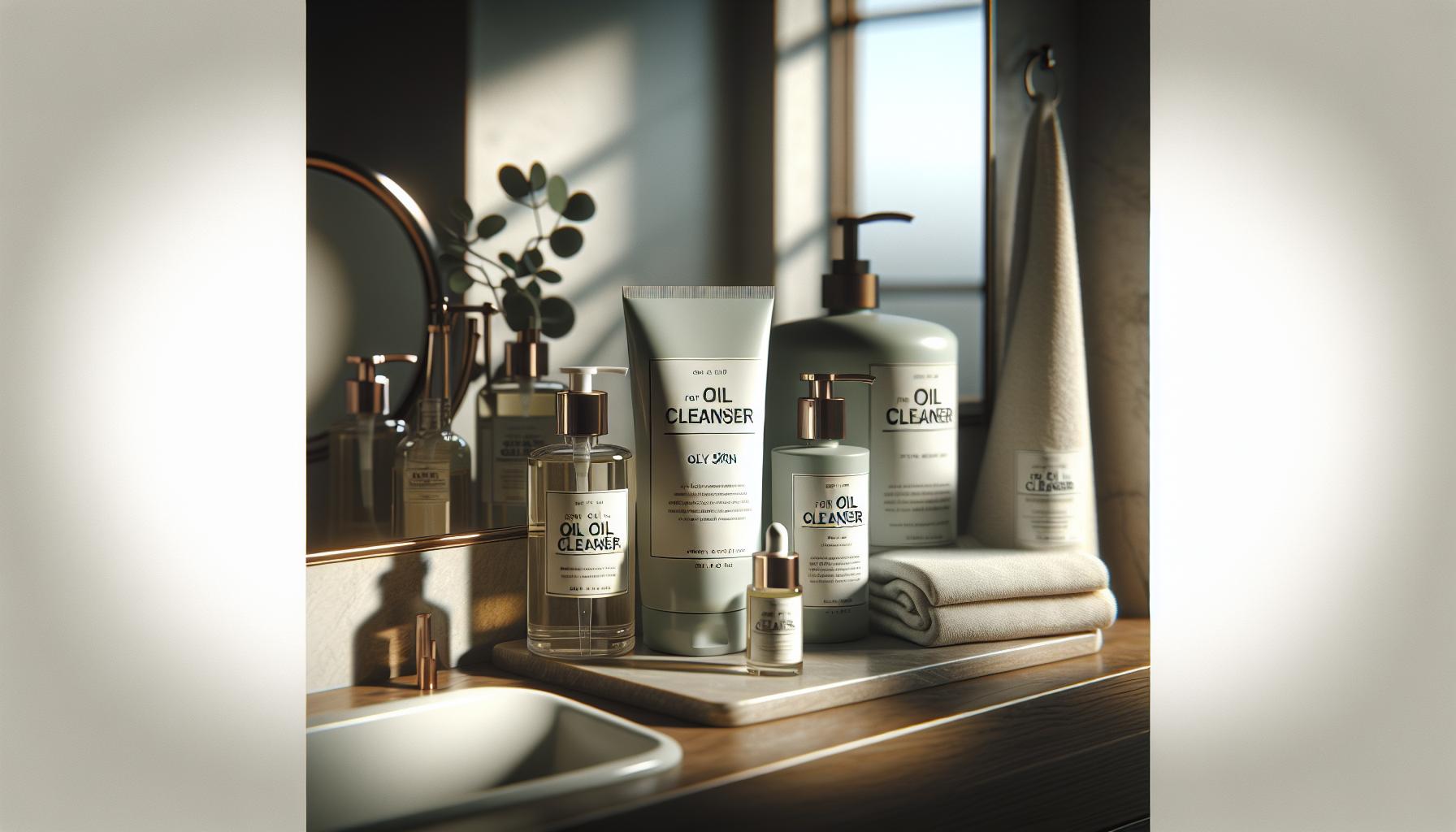
Choosing the Right Oil Cleanser for Oily Skin
When selecting an oil cleanser for oily skin, it’s crucial to focus on formulations that strike the right balance between cleansing and nourishing without exacerbating oiliness. The good news is that many oils can effectively dissolve dirt and sebum while helping your skin maintain its natural moisture barrier. Look for non-comedogenic oils, which are less likely to clog pores, such as jojoba oil, grapeseed oil, or sunflower oil. These lightweight oils mimic the natural sebum your skin produces, making them an excellent choice for individuals with oily skin.
What to Consider in an Oil Cleanser
When choosing an oil cleanser, consider the following key aspects:
- Ingredients: Avoid heavy oils like coconut oil, which can be too occlusive for oily skin. Instead, opt for lighter options that offer hydration without the heaviness.
- Fragrance-Free Options: Many oil cleansers contain added fragrances which can irritate sensitive or acne-prone skin. Look for products labeled “fragrance-free.” This will help minimize potential irritation while ensuring you cleanse effectively.
- Skin Type Specifications: Some products are explicitly formulated for oily or acne-prone skin. These will often include additional beneficial ingredients like salicylic acid to help prevent breakouts while you cleanse.
How to Test an Oil Cleanser
Even after narrowing down your options, the best way to find the right oil cleanser is through a patch test. Apply a small amount on a discrete area of your skin, such as your jawline or neck, for a couple of days to see how it reacts. If you experience no adverse reactions, you can confidently incorporate it into your routine. Remember, oil cleansing should leave your skin feeling clean, soft, and not tight or greasy after use.
In summary, choosing the right oil cleanser involves looking for non-comedogenic, lightweight oils combined with fragrances that cater to your unique skin needs. This thoughtful approach can transform your cleansing routine, offering balance rather than excess oil. With the right choice in hand, you can effectively manage your oily skin while enjoying the nourishing benefits of an oil cleanser.
How to Incorporate Oil Cleansing into Your Routine
Incorporating oil cleansing into your skincare routine can feel like a game-changer, especially if you have oily skin. This method, while seemingly counterintuitive, is about attracting and dissolving the excess oils on your skin rather than adding more greasiness. To get started, you don’t need to overhaul your entire regimen; instead, consider oil cleansing as a mindful addition that works in harmony with your existing steps.
Begin your routine by using an oil cleanser in the evening when the day’s grime, makeup, and excess oil have built up on your skin. Start by applying a dime-sized amount of your chosen oil cleanser to dry, clean hands. Gently massage it onto your dry face-don’t worry about wetting your skin beforehand-as this ensures the oil can properly interact with any impurities. Work in circular motions for about 30 seconds, focusing on areas prone to oiliness or breakouts. This method not only cleanses but also offers a mini-massage that can stimulate circulation.
After massaging, rinse off the oil with warm water. For a deeper clean, you may want to follow this step with a gentle foaming or gel cleanser to ensure no residue remains. This two-step cleansing method, often referred to as double cleansing, can leave your skin feeling refreshed and clean without stripping it of necessary moisture. If it’s morning, a quick splash of water and a light moisturizer may suffice.
It’s essential to listen to your skin throughout this process. If you find any irritation or increased breakouts after introducing oil cleansing, it may be wise to reassess the type of oil you are using or the frequency of cleansing. Generally, starting with this method 2-3 times a week allows your skin to adjust. Over time, you’ll find the balance that works best. Remember, every skin type is unique; finding your perfect routine may take a bit of experimentation.
Common Mistakes When Using Oil Cleanser
Using an oil cleanser may seem unconventional for oily skin, but it can significantly benefit your skincare routine. However, there are common pitfalls that many newcomers experience, which can prevent them from enjoying these advantages. Avoiding these mistakes can make your oil cleansing experience more effective and enjoyable, ultimately leading to healthier, clearer skin.
One prevalent mistake is applying too much product. Many people assume that a larger amount of oil will yield a better clean, but this can actually lead to clogged pores and an uncomfortably greasy feel. Instead, start with a dime-sized amount on dry skin. This is usually sufficient to dissolve makeup and excess oil. It’s important to massage the oil gently but thoroughly-spend about 30 seconds working it into your skin in circular motions. If your skin still feels overly oily afterwards, it might be a sign that you need to adjust your amount or switch to a lighter oil.
Another misunderstanding involves not rinsing properly. Rinsing with water alone may leave a residue that can contribute to breakouts and oily feelings. After massaging, it’s best to follow up with warm water and, if needed, a gentle foaming cleanser to ensure all traces of the oil are removed. This post-cleansing step is crucial to achieving a truly clean feeling.
Lastly, many users fail to give their skin time to adapt. It’s perfectly normal for your skin to react initially with some breakouts or oiliness when you first introduce oil cleansing. The key is patience and monitoring how your skin responds. If irritation occurs, reduce the frequency to two to three times a week initially, then increase as your skin adjusts. By being mindful of these common mistakes-using too much product, insufficient rinsing, and lack of patience-you can enhance your oil cleansing routine and ultimately embrace the benefits it offers for oily skin.
Skin Concerns: Is Oil Cleansing Right for You?
Oil cleansing may sound counterintuitive for those with oily skin, but understanding your skin’s needs can truly change your skincare game. Many people believe that using oils will exacerbate their existing oiliness, but in reality, the right oil cleanser can actually help balance and clarify your complexion. Oil cleansing operates on the principle of “like dissolves like,” meaning that oils effectively break down not only makeup and impurities but also the excess sebum that your skin produces.
It’s natural to have hesitations when changing your routine, especially if you’ve spent years battling oiliness and breakouts. However, the key here is choosing the appropriate oil cleanser. Lightweight oils, such as grape seed or sunflower oil, are usually excellent options for oily skin. These oils won’t clog pores and can help stabilize your skin’s oil production over time. Additionally, if your complexion often becomes sensitive or reactive, look for oil cleansers infused with calming ingredients, like chamomile or lavender, to soothe irritation.
Before diving into oil cleansing, consider conducting a patch test. Apply a small amount of the selected oil on a discreet area of your skin to see how it reacts. If you experience discomfort or severe breakouts, it might be prudent to stick to your regular cleansing method or opt for a gentler formula. Remember, patience is vital; your skin may need time to adjust to a new cleansing routine. Adopting oil cleansing two to three times a week initially is a sensible way to gauge its effects without overwhelming your skin.
Ultimately, the decision to use an oil cleanser should be based on your unique skin type and concerns. With the right products and a little trial and error, you may discover that oil cleansing not only keeps your skin clean but also nourished and balanced, turning what was once a concern into a soothing ritual.
Real Success Stories: Users Share Their Results
Giving oil cleansing a chance can lead to transformative experiences for many individuals, debunking the myths surrounding oily skin. Take Lily, for example, a beauty enthusiast who had battled acne for years. Initially skeptical of oil cleansing, she decided to try a lightweight jojoba oil cleanser after reading about its non-comedogenic properties. Within two weeks, Lily noticed a significant reduction in breakouts and an overall improvement in her skin’s texture. Her friends began to notice the change too, often asking what her secret was. This success left her excited to delve deeper into her skincare routine, finding that not only did oil cleansing work, but it also allowed her skin to feel nourished rather than stripped.
Another inspiring story comes from Jordan, who struggled with oily skin and large pores. He began using an oil cleanser infused with tea tree oil, known for its antibacterial qualities. After incorporating this into his routine, he shared that he experienced a remarkable decrease in excess oil production and fewer blackheads. Jordan appreciated how his skin felt cleaner and healthier without the harsh chemicals found in traditional foaming cleansers. “It felt like I was finally giving my skin what it needed instead of fighting it,” he wrote in a skincare forum post, encouraging others to embrace the oil cleansing method.
It’s also important to note that some individuals found it necessary to adjust their oil cleanser choice. Mia, for instance, initially tried a heavier oil blend and experienced breakouts. After switching to a grapeseed oil-based cleanser, her complexion cleared significantly. She emphasized the importance of finding the right oil for your skin type, stating, “Not all oils are created equal; lightweight oils really helped me achieve that balance I was looking for.”
These personal stories only highlight the diverse experiences people have with oil cleansing for oily skin and how it can effectively combat their skincare challenges. Adopting a new method can feel daunting, but these successes remind us that with the right product and a little patience, oil cleansing can not only cleanse but also nourish, leading to healthier skin over time.
Alternative Cleansing Methods for Oily Skin
Finding the right cleansing method for oily skin can be a game-changer, especially with so many options available. If you’re not convinced that oil cleansers are for you, don’t worry! There are several alternative methods you can try that might better suit your preferences and skin type.
One popular option is gel cleansers. These water-based solutions are often formulated with ingredients like salicylic acid, which can help to penetrate deep into pores and tackle excess oil and acne. When using a gel cleanser, apply a nickel-sized amount to damp skin, massaging gently in circular motions for about 30 seconds before rinsing with lukewarm water. This method is effective for removing impurities without stripping your skin’s natural oils.
Another great alternative is micellar water. This gentle yet effective cleaning solution contains tiny oil molecules suspended in water, making it perfect for oily skin types. It’s simple to use: just soak a cotton pad with micellar water and wipe it across your face. There’s no need to rinse afterward, making it a convenient option for those busy days. This method can efficiently lift away makeup and dirt without over-drying your skin.
If you prefer a more natural approach, look into using clay masks once or twice a week. Clay is renowned for its oil-absorbing properties and can help detoxify the skin. To use, mix a tablespoon of clay powder with water until it forms a paste, apply it to clean skin, and let it sit for about 10-15 minutes before rinsing off. This not only helps control oil but can also minimize the appearance of pores.
Lastly, consider incorporating exfoliating wipes or pads into your routine. These often contain glycolic or lactic acid, which can exfoliate dead skin cells and prevent clogged pores. Use them after cleansing for added benefit, and ensure you follow up with a good moisturizer to keep your skin balanced.
Embracing a new cleansing method doesn’t have to be intimidating. Experiment with these alternatives to find the best fit for your oily skin, and remember that consistency is key. Each skin type is unique, so you may need to try a few options before landing on your perfect match!
DIY Oil Cleanser Recipes for Oily Skin Types
Creating your own oil cleanser at home can be both a fun and effective way to manage oily skin without breaking the bank. By using natural ingredients, you can tailor the formula to suit your unique skin needs while enjoying the process of making something just for you. Below are a few simple DIY oil cleanser recipes that can help nourish your skin and combat excess oil.
Start with a castor oil and jojoba oil blend. Castor oil is known for its deep cleansing properties, making it perfect for removing dirt and makeup, while jojoba oil closely resembles your skin’s natural sebum, helping to balance oil production. To make this cleanser, combine 1 tablespoon of castor oil with 2 tablespoons of jojoba oil in a small bottle. Shake well before each use. Simply apply a small amount to your dry face, massaging it gently in circular motions for about 30 seconds. Rinse with warm water and pat dry.
Another great option is a coconut oil and tea tree oil cleanser. Coconut oil has moisturizing properties, while tea tree oil is renowned for its antibacterial qualities, making it excellent for preventing breakouts. For this blend, mix 2 tablespoons of coconut oil with 5 drops of tea tree oil. Warm the mixture slightly in your hands and apply it to your face, massaging it in for about a minute. Rinse off with warm water to reveal clean and refreshed skin.
For a lighter option, consider a grapeseed oil and essential oil cleanser. Grapeseed oil is not only lightweight but also rich in vitamins and antioxidants. Combine 3 tablespoons of grapeseed oil with 3 drops of lavender essential oil for a soothing effect. Apply the mixture on dry skin and massage it gently, then remove it with a warm washcloth for a refreshing cleanse.
When making these recipes, remember that you can always adjust the ratios based on your skin’s response. It’s also essential to patch-test any new ingredients, especially essential oils, to ensure no allergic reactions occur. Using these DIY oil cleansers consistently can not only help with oil control but also support overall skin health-plus, they smell fantastic! Embrace the journey of customizing your skincare routine to find what feels best for you.
Expert Tips for the Best Oil Cleansing Experience
To fully embrace the benefits of oil cleansing for oily skin, consider a few expert tips that can elevate your skincare routine. One important aspect is understanding the relationship between oil and your skin. Despite common misconceptions, oil cleansers can actually help balance your skin’s natural oils. This process, known as “like dissolves like,” allows the oil in your cleanser to effectively lift away excess sebum and impurities, preventing the dreaded greasy feeling.
Start by selecting the right oil cleanser tailored to your skin’s needs. Look for ingredients like jojoba oil or grapeseed oil that closely mimic your skin’s natural oil, making them less likely to clog pores. Always remember to perform a patch test before applying any new product on your face. This simple step can save you from potential allergic reactions and ensure that the cleanser is a match for your skin type.
Application technique matters greatly; using a gentle touch is key. Apply a dime-sized amount of your oil cleanser on dry skin. Work it into your skin using gentle circular motions for about 30 seconds. This not only helps in effectively breaking down makeup and dirt but also stimulates blood circulation. After massaging, rinse with warm water, ensuring all the oil is washed away, and follow up with a light water-based cleanser if desired-this step can help remove any residual oil and leave your skin feeling fresh.
Lastly, be mindful of your cleansing routine frequency. For most people with oily skin, cleansing with oil two to three times a week can be sufficient. Overdoing it can lead to an imbalance in your skin’s oil production, making it produce more oil in response. Remember, oil cleansing is about nurturing your skin, not stripping it; listen to what your skin tells you and adjust your routine as needed. By incorporating these expert tips, you’re well on your way to enjoying the improved health and balance of your skin through oil cleansing.
FAQ
Q: Can oil cleansers worsen oily skin?
A: No, oil cleansers do not worsen oily skin. In fact, they can help balance oil production by dissolving excess sebum without stripping the skin’s natural moisture. When used correctly, they can reduce breakouts and improve overall skin texture.
Q: How often should I use an oil cleanser if I have oily skin?
A: For oily skin, using an oil cleanser 1-2 times a day is ideal. Morning and evening applications can help maintain skin balance and effectively remove impurities. Be sure to follow up with a water-based cleanser for optimal results.
Q: What ingredients should I look for in an oil cleanser for oily skin?
A: Look for light, non-comedogenic oils like jojoba, grapeseed, or sunflower oil. These ingredients clean without clogging pores and can help regulate sebum production, making them ideal for oily skin types.
Q: Are there any downsides to using oil cleansers on oily skin?
A: One potential downside is the risk of over-cleansing, which can lead to dryness and irritation. It’s important to choose the right product and monitor how your skin reacts. Always integrate oil cleansing gradually into your routine.
Q: Should I still moisturize after using an oil cleanser on oily skin?
A: Yes, you should still moisturize after using an oil cleanser. Oily skin can also be dehydrated, so using a lightweight, non-comedogenic moisturizer post-cleansing helps maintain skin hydration and balance.
Q: Can oil cleansing help with acne-prone skin?
A: Yes, oil cleansing can be beneficial for acne-prone skin. It helps dissolve pore-clogging dirt and oils without drying out the skin, potentially reducing breakouts and promoting clearer skin.
Q: Is oil cleansing suitable for all skin types?
A: While oil cleansing is beneficial for many skin types, it’s particularly good for oily and combination skin. Those with dry skin can also benefit, but they should choose richer oils and possibly limit frequency to prevent over-drying.
Q: What is the best way to apply an oil cleanser for oily skin?
A: To effectively use an oil cleanser, apply a dime-sized amount to dry skin with gentle circular motions for about 30 seconds. This method allows the oil to emulsify dirt and excess sebum before rinsing it off with warm water for a thorough cleanse.
To Wrap It Up
Now that we’ve debunked the myth surrounding oil cleansers and their place in oily skincare routines, it’s time to take action! If you’re curious about the best oil cleansers for your skin, check out our guide on “Top Oil Cleansers for Oily Skin” to discover perfect options tailored to your needs. Remember, using an oil cleanser can actually help balance your skin’s oil production, counterintuitive as it may seem!
Have questions or experiences to share? Join our community in the comments below! And don’t forget to subscribe to our newsletter for more insightful tips and personalized advice on all things skincare. Dive deeper into your skincare journey with our related articles on managing oily skin and building a solid cleansing routine. Your skin deserves the best care, so start exploring today!
Expert Guide: Can I Use Oil Cleanser If I Have Oily Skin
When researching can i use oil cleanser if i have oily skin, following structured best practices and expert recommendations is essential for achieving optimal grooming, style, and personal care outcomes. Implementing evidence-based methods protects your skin barrier and extends product longevity.
Essential Tips & Key Recommendations:
- Optimal Preparation: Always prepare the target area with proper cleansing, gentle hydration, or targeted skin conditioning before applying active products or styling techniques.
- Application Technique: Use light, controlled pressure and align with your natural skin contours and hair growth patterns to prevent friction and irritation.
- Post-Application Care: Lock in results with nourishing, non-comedogenic moisturizers or protective barriers to maintain balance and hydration.
- Sanitization & Tool Maintenance: Clean and dry all grooming accessories and applicators immediately after use, storing them in a cool, well-ventilated space.
Frequently Asked Questions:
Q: What is the most critical guideline regarding can i use oil cleanser if i have oily skin?
A: Prioritize gentle, consistent care using high-grade, hypoallergenic products and sanitized equipment tailored to your personal routine.
Get our latest guides, news, and insights highlighted in your Google Search & AI Overviews.