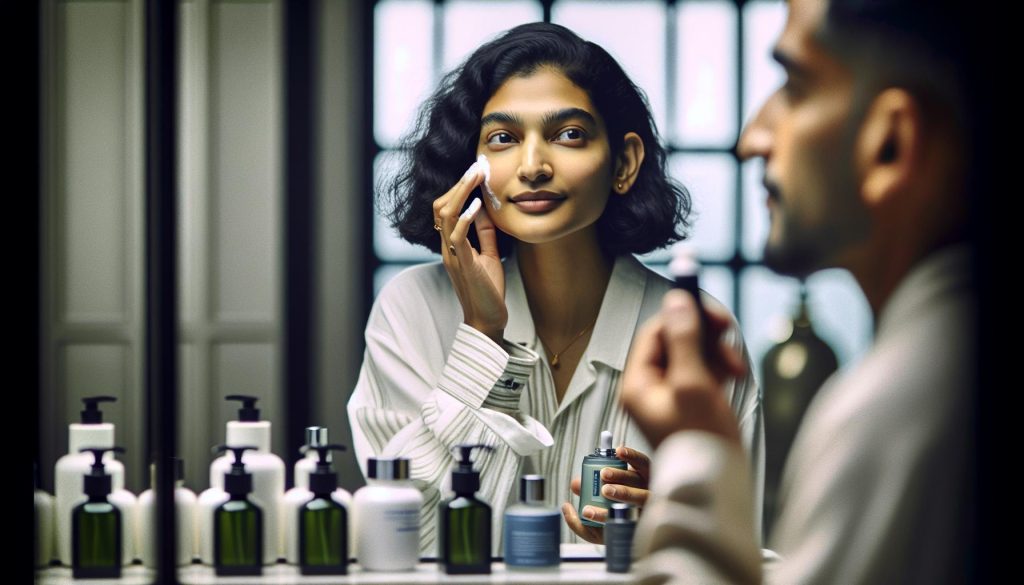
When it comes to your skincare routine, understanding the correct sequence of applying products can make a significant difference in your skin’s health and appearance. Many people wonder whether to apply moisturizer or cleanser first, which can lead to confusion and frustration. Cleanser should always come first, as it clears away dirt and impurities, allowing your skin to truly absorb the benefits of subsequent products, like moisturizer. But why does this matter? Using the correct order not only enhances the effectiveness of your products but also sets the stage for a glowing complexion. Curious about how to maximize your skincare routine for radiant skin? Let’s dive deeper into the importance of the right sequence and how it can transform your daily regimen!
What Is the Correct Order for Skincare?

Start your skincare journey with an understanding that the order in which you apply your products can make a significant difference in their effectiveness. For many, the natural assumption might be to cleanse first, followed by moisturizing, and this is indeed the correct sequence. However, layering your skincare regimen goes beyond this simple order and is essential for achieving that coveted, healthy glow.
In a standard routine, begin with a gentle cleanser that targets your specific skin type-whether oily, dry, or combination. This step removes dirt, makeup, and excess oils, paving the way for your skin to absorb the following products efficiently. After cleaning your face, it’s time to layer on your moisturizer; this step helps to lock in hydration. Remember, the goal is to apply products from the lightest to heaviest consistency, allowing lighter formulations to penetrate the skin before heavier creams seal in moisture.
When considering additions like serums, toners, or treatments, integrate them based on their texture; for instance, apply serums before moisturizer since they typically have a thinner consistency. The proper execution of this order ensures that each product can do its job without obstruction, maximizing their benefits. This thoughtful approach not only supports your skin’s health but can also enhance the overall efficacy of your skincare products, making your routine feel like a luxurious self-care ritual.
By establishing a consistent order for applying your skincare, you create an effective routine that is easy to follow. With time, you’ll notice how this practice can lead to better skin health and radiance, reinforcing the importance of respecting the right sequence in your daily regimen.
Understanding the Difference: Cleanser vs. Moisturizer
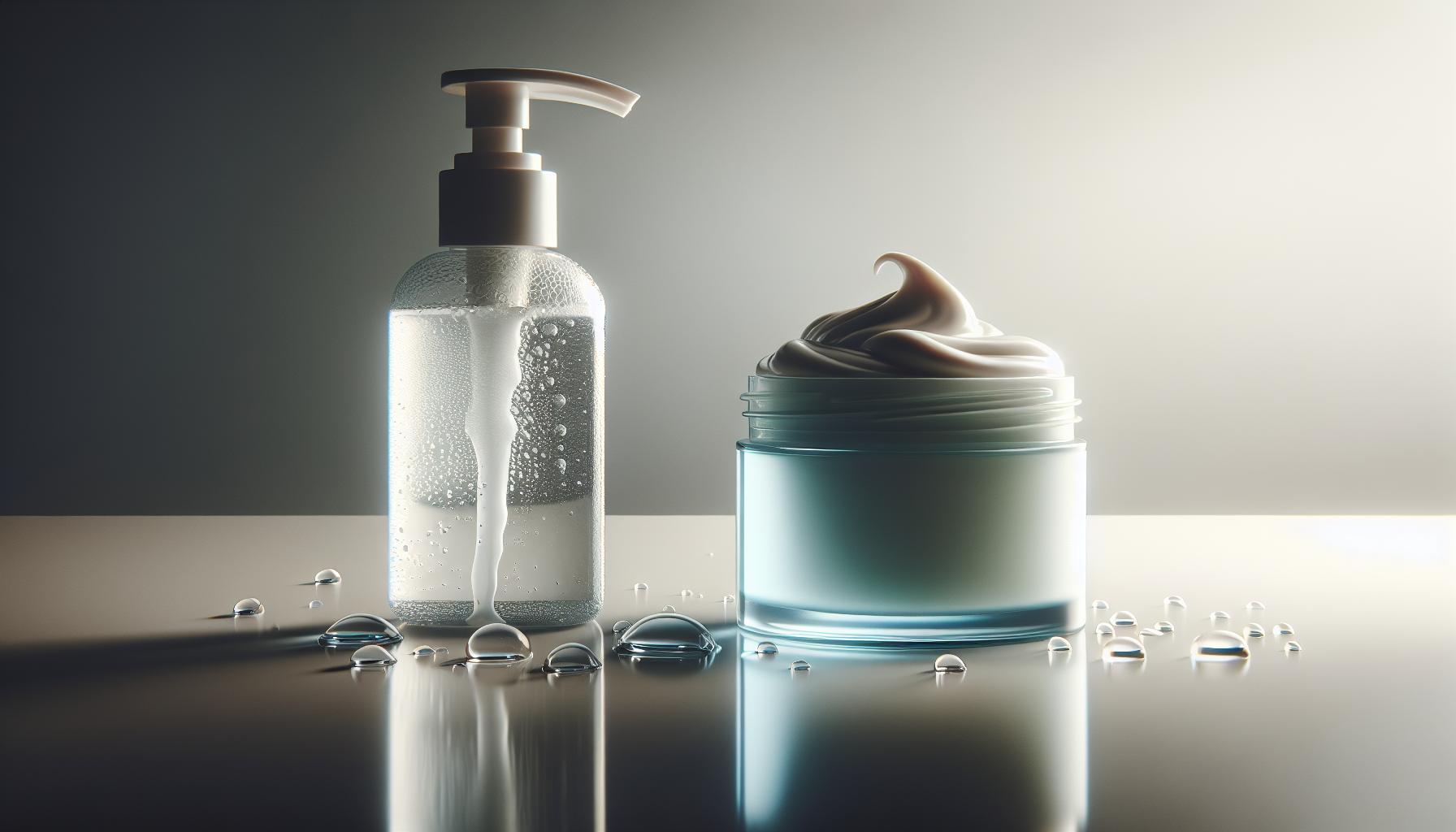
To effectively care for your skin, understanding the roles of a cleanser and a moisturizer is crucial. The cleanser is your skin’s first line of defense, designed to remove dirt, excess oil, and makeup, which if left on the skin, could lead to breakouts and dullness. Think of it as a refreshing cleanse that prepares your skin for the rest of your skincare regimen. A good cleanser should be suited to your skin type-whether that’s a gentle gel for oily skin or a creamy option for drier skin. For best results, use it twice daily, in the morning and evening, to keep your skin clean and balanced.
In contrast, moisturizer acts as a protective barrier that helps retain hydration and lock in moisture after cleansing. It combats dryness, making your skin feel softer and more supple. Regardless of your skin type, everyone can benefit from moisturizing. For oily skin, consider a lightweight, oil-free gel or lotion, whereas those with dry skin may opt for cream-based formulas that provide deeper hydration. Applying moisturizer on damp skin can enhance absorption, allowing the ingredients to penetrate more effectively.
By recognizing these differences, you can ensure you’re using each product to its fullest potential. Cleansers clear the way for your skin while moisturizers hydrate and protect, making the sequence of application-cleanser first, then moisturizer-both logical and effective for maintaining a healthy, radiant complexion.
Why Your Skincare Routine Matters
A well-structured skincare routine can be the difference between skin that glows and skin that feels rough or looks dull. This routine is not just about slathering on products; it’s about understanding how to effectively prepare, treat, and nourish your skin. Each step serves a purpose, and the sequence matters significantly because using products in the wrong order can negate their benefits, leaving your skin feeling unbalanced or irritated.
The cleansing step is especially crucial, as it removes impurities and prepares your skin to absorb the products that follow. If you skip this stage or neglect it, any hydrating products applied afterward, like moisturizers, won’t perform as effectively because they can’t penetrate deeply through a layer of dirt or oil. Think of cleansing as preparing a fresh canvas; only then can the moisturizer truly hydrate and protect your skin.
Furthermore, establishing a consistent routine sends a message to your skin that you care for it, resulting in improved texture and overall health. Regular cleansing and moisturizing can help maintain the skin’s barrier function, keeping it balanced-not too oily or too dry. Most importantly, understanding the rationale behind your skincare routine allows you to adapt it based on your skin’s changing needs, whether due to weather, hormonal shifts, or skin concerns. It’s not just a habit; it’s a crucial practice for fostering long-term skin health and confidence.
Step-by-Step: How to Apply Cleanser
Cleansing is the foundation of any effective skincare routine, and applying your cleanser correctly can make a world of difference in achieving healthy, radiant skin. Here’s how to do it step-by-step, simplifying the process so you can easily integrate it into your daily routine.
Begin by gathering your materials: a gentle cleanser suited for your skin type (whether it’s gel, cream, or foam), a clean washcloth or your fingertips, and lukewarm water. It’s crucial to use lukewarm water rather than hot, as hot water can strip the skin of its natural oils, leaving it dry and prone to irritation.
Next, wet your face with lukewarm water. This step not only prepares your skin but also helps the cleanser to emulsify, making it more effective. Now, dispense a dime-sized amount of your cleanser into your palm. You don’t need much-just enough to cover your entire face. If you’re using a foam or gel cleanser, lather it between your hands first to activate its cleansing properties.
Gently massage the cleanser onto your damp skin using circular motions. Focus on key areas where dirt and oil tend to accumulate, such as the forehead, nose, and chin. Spend about 30 seconds to a minute on this step, ensuring you’re giving your skin the time it needs to shed impurities. Knowing this technique not only helps remove makeup and grime but also stimulates blood flow, benefiting your skin’s overall health.
Finally, rinse your face thoroughly with lukewarm water, ensuring no residue remains. After rinsing, pat your skin dry with a clean towel-avoid rubbing harshly as this can irritate sensitive skin. It’s now time for your next skincare step, such as applying a toner or moisturizer, which can penetrate better on freshly cleansed skin.
By following these steps, you set a strong foundation for your moisturizer and other products to work their magic. Remember, consistency is key; establishing a gentle yet effective cleansing routine will pave the way for healthier skin in the long run.
The Right Way to Use Moisturizer
Incorporating moisturizer into your skincare routine is essential for maintaining healthy, hydrated skin. Moisturizers help to lock in moisture, preventing dryness and enhancing your skin’s natural barrier. The key to maximizing their effectiveness lies in how and when you apply them, making the steps you take after cleansing crucial.
To start, always apply moisturizer on damp skin. After cleansing, your skin should still have some moisture from washing, which helps the moisturizer absorb better. Aim for a dime-sized amount of your chosen product. For creams, this usually means a thicker texture, while serums may require less due to their concentrated formula. Gently warm the product between your palms to make application smoother and more enjoyable.
Next, apply the moisturizer using gentle, upward strokes and circular motions. Focus on areas that often feel tight or dry, such as the forehead, cheeks, and chin. Don’t forget your neck, as it can show signs of aging just like your face. Spend about 30 seconds massaging the product into your skin. This not only ensures better absorption but can also stimulate blood circulation, giving your skin a healthy glow.
For those with specific skin concerns, choosing the right moisturizer is key. If you have oily skin, consider a lightweight, gel-based formula that hydrates without clogging pores. For dry or mature skin, a richer cream with nourishing ingredients, such as hyaluronic acid or glycerin, will offer that needed hydration. Remember, the goal is to create a protective layer that seals in moisture without feeling heavy or greasy on your skin.
By following these simple steps, you can ensure that your moisturizer works effectively, resulting in softer, more balanced skin. Consistency is crucial; make moisturizer a non-negotiable part of your morning and evening routines for lasting benefits.
Common Mistakes in Skincare Routine
Many people want to achieve healthy, glowing skin but often overlook crucial steps in their skincare routine. Common mistakes can lead to ineffective products and lackluster results. Awareness of these errors is essential for those seeking the perfect balance between cleanser and moisturizer.
One widespread mistake is using products in the wrong order. For instance, applying moisturizer without cleansing first can trap dirt and oil, preventing your skin from reaping the full benefits of hydration. Always start with a cleanser to remove impurities, followed by a moisturizer to lock in moisture. Remember, applying moisturizer on damp skin enhances absorption, but if your skin is still dirty, this can lead to breakouts or irritation.
Another pitfall is overusing products. Many believe that layering multiple serums or treatments will yield better results, but this can actually cause skin irritation or overwhelm. Instead, prioritize quality over quantity. Focus on essential products: a gentle cleanser, a nourishing moisturizer, and SPF during the day. Give your skin time to adjust to new products and layer them slowly, paying attention to how your skin responds.
Also, don’t underestimate the importance of matching products to your skin type. For instance, someone with oily skin might mistakenly choose a heavy cream, leading to clogged pores and breakouts. Instead, opt for a lightweight, oil-free moisturizer that hydrates without overwhelming your complexion. For dry skin, look for richer creams with ingredients like hyaluronic acid or glycerin, which offer optimal hydration.
By understanding these common mistakes and rectifying them, you can significantly improve your skincare routine. A simple, well-structured regimen tailored to your skin’s needs can lead to a brighter, healthier complexion.
Skincare Sequence for Different Skin Types
Finding the right skincare routine tailored to your skin type is essential for achieving that healthy glow everyone desires. Each skin type has unique characteristics that influence the products and application methods you should choose. Knowing what sequence works best is key to maximizing the effectiveness of your cleanser and moisturizer.
For oily skin, it’s important to start with a cleanser that helps balance oil without stripping the skin. Look for gel-based or foaming cleansers containing salicylic acid or tea tree oil, which can help reduce excess oil and prevent breakouts. After cleansing, apply a lightweight, oil-free moisturizer. These moisturizers hydrate without overwhelming your skin, often containing ingredients like hyaluronic acid that lock in moisture without adding grease.
If your skin is on the dryer side, a creamy or hydrating cleanser is ideal. It helps maintain moisture levels while cleansing. Follow this up with a thicker, richer moisturizer that contains emollients like shea butter or ceramides. These ingredients create a protective barrier that locks in hydration, giving your skin the nourishment it craves.
For those with combination skin, the best approach is to treat each area according to its needs. Start with a gentle cleanser that won’t overly dry out dry patches or exacerbate oiliness in the T-zone. After cleansing, apply a lightweight moisturizer to the oily areas, while using a richer formula on the drier regions. This targeted approach allows you to balance your unique skin landscape effectively.
Finally, if you’re dealing with sensitive skin, opt for a mild, unscented cleanser to avoid irritation. Follow up with a fragrance-free moisturizer that helps strengthen your skin’s barrier. Ingredients like aloe vera and chamomile can provide soothing effects, reducing the likelihood of redness and inflammation.
In summary, understanding your skin type and the right order of applying your products can significantly impact their effectiveness. A well-structured routine not only caters to your skin’s unique needs but also enhances your overall skincare experience, leaving you with a brighter, more radiant complexion.
How to Layer Products for Maximum Benefit
To maximize the benefits of your skincare products, understanding the correct layering technique is essential. Each product serves a unique purpose and works best when applied in a particular sequence. By following a strategic order, you enhance the efficacy of active ingredients, allowing your skin to absorb them more effectively.
Begin with your cleanser to remove impurities and prepare your skin. It’s crucial to cleanse gently, as this sets the stage for subsequent products. After cleansing, it’s time to consider your toner (if you use one). Toners can help balance your skin’s pH and further remove any lingering traces of makeup or dirt. Once your skin is clean and prepped, apply serums next. These concentrated formulas are designed to target specific issues like hydration, brightness, or aging. Apply a small amount-usually a pea-sized amount will suffice-and gently press it into the skin for optimal absorption.
Next in line are moisturizers. They create a barrier to lock in the benefits of everything you’ve applied prior. Remember, the general rule is to apply products from thinnest to thickest consistency: start with light, water-based formulations and gradually build up to oils and creams. Finally, if you’re using them, finish off with a broad-spectrum sunscreen during the day to protect your skin from harmful UV rays.
Avoid common layering mistakes, like mixing products that contain conflicting ingredients (for example, combining retinol with vitamin C). It’s also worth noting that while layering is important, don’t overwhelm your skin. Stick to a few key products that align with your specific skin type and concerns. In summary, thoughtful application of your skincare products not only enhances their effectiveness but also contributes to healthier, more radiant skin.
Adapting Your Routine with Seasonal Changes
As the seasons change, so do the needs of your skin. Just like you adjust your wardrobe to suit the weather, your skincare routine should evolve to address the different challenges each season presents. In colder months, for instance, skin tends to lose moisture more rapidly due to lower humidity levels. This often results in dryness and irritation, making it crucial to switch to richer, more hydrating moisturizers. Look for products that contain ingredients like hyaluronic acid or glycerin, which draw moisture into the skin, and consider incorporating a nourishing oil for an extra barrier against the elements.
When summer rolls around, the increase in heat and humidity can lead to excess oil production and breakouts. During this time, lighter, gel-based moisturizers may be your best bet. Opt for formulations that are non-comedogenic (won’t clog pores) and include ingredients like salicylic acid to help control blemishes. Additionally, ensure you use sunscreen daily to protect your skin from harmful UV rays, as the sun’s intensity peaks in warmer months.
Transitioning your routine with the seasons goes beyond just moisturizers. Spring and fall can be transitional periods where your skin may require a balance between hydration and oil control. This might mean using a lighter cleanser in spring and switching to a more nourishing formula in fall as your skin begins to feel drier. If you notice that your serums or treatments aren’t performing as well during a certain season, don’t hesitate to adjust their frequencies or formulations as needed.
To summarize, listening to your skin and observing how it reacts to seasonal changes can lead to healthier, more resilient skin. Regularly evaluate your products and don’t be afraid to experiment until you find the combinations that suit your needs throughout the year. Ultimately, a tailored approach based on seasonal needs can greatly enhance the effectiveness of your routine and the overall appearance of your skin.
Recommended Products for Cleanser and Moisturizer
Choosing the right cleanser and moisturizer can transform your skincare routine and elevate your skin’s health. Understanding what to look for in each can make all the difference. Here are some recommended products tailored for various skin types and concerns.
### Best Cleansers
When selecting a cleanser, consider your skin type and the specific concerns you want to address. Here are a few standout options:
- CeraVe Hydrating Cleanser: Ideal for dry and sensitive skin, this cleanser contains essential ceramides and hyaluronic acid to maintain moisture balance while effectively cleansing the skin.
- La Roche-Posay Effaclar Purifying Foaming Gel: Perfect for oily and acne-prone skin, this gel cleanser removes excess oil without stripping the skin’s natural barrier.
- Neutrogena Ultra Gentle Daily Cleanser: Suitable for all skin types, this fragrance-free formula effectively removes makeup and impurities without irritation.
### Top Moisturizers
Moisturizers should lock in hydration and address any specific needs your skin may have. Here’s a selection you might find beneficial:
- Neutrogena Hydro Boost Gel-Cream: A crowd favorite for oily skin, this lightweight gel-cream formula uses hyaluronic acid to deliver intense hydration without feeling heavy.
- First Aid Beauty Ultra Repair Cream: Perfect for those with dry or sensitive skin, this rich cream offers instant relief and hydration with colloidal oatmeal and shea butter.
- Drunk Elephant Protini Polypeptide Cream: This moisturizer is great for aging skin and contains a blend of peptides and amino acids to improve skin texture and firmness.
### Putting It All Together
Choosing products that align with your skin type is crucial. For instance, if you have oily skin, you might start with the Neutrogena Ultra Gentle Daily Cleanser followed by the Hydro Boost Gel-Cream for lightweight hydration. In contrast, those with dry skin should lean towards the CeraVe Hydrating Cleanser paired with the First Aid Beauty Ultra Repair Cream to restore moisture effectively.
By selecting the right combinations of cleansers and moisturizers, you’ll allow your skin to breathe, hydrate, and thrive. Remember to observe how your skin reacts to products, and don’t hesitate to make changes or ask for recommendations as needed. Each skin type is unique, so what works for one person may not work for another, and that’s completely normal!
Signs You Need to Change Your Skincare Order
When your skin starts sending mixed signals – such as a sudden increase in breakouts, dryness, or a dull complexion – it may be time to reassess the order in which you apply your skincare products. The standard routine advocates for cleansing first and moisturizing after, but even minor shifts can significantly impact how your products perform and how your skin reacts. Here are some key signs that indicate it might be time to tweak your application sequence.
If you notice your skin feels oily or congested, despite a regular cleansing routine, it could be a sign that your cleansing method isn’t effective enough for your current skin condition. In this case, consider introducing your cleanser earlier in the routine or even opting for a more targeted cleansing product. Conversely, if your skin consistently feels tight or shows signs of irritation, your moisturizer might not be providing adequate hydration, or you could be applying it improperly. Try layering the moisturizer sooner after cleansing while your skin is still damp to help lock in moisture.
Environmental changes, like moving to a hotter or dryer climate, can also necessitate adjustments in your skincare order. For instance, during dry seasons, applying a heavier moisturizer post-cleansing can create a barrier that prevents moisture loss throughout the day. On the other hand, if you’re in a more humid environment, incorporating lighter products and adjusting the timing-such as applying your cleanser before a serum-might help maintain your skin’s balance without making it feel greasy.
Another common scenario involves layering products with active ingredients. If you’re using serums or treatments that require a specific order for efficacy, you may need to shift when you apply your cleanser. For example, exfoliating acids should typically come before moisturizers but after cleansing. Being mindful of how individual products interact and their purpose can guide you to a more effective skincare routine.
Overall, paying attention to how your skin reacts can offer valuable insights into your routine. Don’t hesitate to experiment with the order of your products or the types you’re using. Keeping a skincare diary to track changes and outcomes from various routines can also help tailor the best sequence for your unique skin needs. Remember, skincare is personal – what works perfectly for one person may need tweaking for another!
FAQ
Q: What order should I apply my skincare products?
A: The correct order for skincare application typically starts with cleanser, followed by toner, serums, moisturizer, and finally sunscreen. This sequence maximizes absorption and effectiveness, ensuring each product works optimally. For more details, check the section on “What Is the Correct Order for Skincare?”
Q: Can I skip moisturizer if I have oily skin?
A: Even if you have oily skin, it’s important to apply a lightweight moisturizer after cleansing. Moisturizers help maintain skin hydration and balance oil production. Look for non-comedogenic options that hydrate without clogging pores-refer to “The Right Way to Use Moisturizer” for tips.
Q: Do I need to wash my face before using moisturizer?
A: Yes, always cleanse your face before applying moisturizer. Cleansing removes dirt and excess oils, allowing the moisturizer to penetrate effectively. This vital step ensures that your skin benefits from the moisturizing ingredients.
Q: What happens if I apply moisturizer before cleanser?
A: Applying moisturizer before cleanser can trap dirt and oils on your skin, leading to clogged pores and potential breakouts. Always start with a clean face to ensure that the products you use afterward are effective.
Q: Is it better to use a gel or cream moisturizer?
A: The choice between gel and cream moisturizers depends on your skin type. Gel moisturizers are lightweight and ideal for oily skin, whereas cream-based moisturizers provide richer hydration, suitable for dry skin. Check out “Recommended Products for Cleanser and Moisturizer” for specific suggestions.
Q: How long should I wait between applying moisturizer and other products?
A: Allow about one to two minutes between applying moisturizer and other products. This wait time helps the moisturizer absorb into your skin effectively, preventing any potential interactions with subsequent layers.
Q: Can I mix my moisturizer with other products?
A: While some people mix moisturizer with serums or oils for added benefits, it’s essential to ensure compatibility. Testing on a small area first can help avoid adverse reactions. For layering techniques, see “How to Layer Products for Maximum Benefit.”
Q: Should I use moisturizer in the morning or night?
A: Moisturizer should be used both in the morning and at night. Morning application protects and hydrates your skin for daily exposure, while nighttime use allows skin recovery during sleep. This routine supports overall skin health throughout the day.
The Conclusion
Understanding the correct order of your skincare routine-especially whether to apply moisturizer or cleanser first-can significantly impact your skin’s health and appearance. Remember, cleansing comes before moisturizing to ensure that your skin is free from dirt and oils, allowing your moisturizer to penetrate deeply. If you’re ready to elevate your skincare game, why not check out our detailed guide on building a complete skincare routine here.
If you have any lingering questions or concerns, drop a comment below! Your skincare journey deserves to be supported, and we’re here to help. Don’t forget to sign up for our newsletter for more tips, tricks, and product recommendations to ensure your skin always looks its best. Trust us; your skin will thank you!