Dry skin can be an unyielding problem, leaving your complexion feeling tight, flaky, and dull. Finding the best cleanser for your unique skin type is essential, as the right product not only clears away dirt and makeup but also nourishes and hydrates. Cleansers designed specifically for dry skin should soothe irritation while providing the hydration necessary to maintain a healthy moisture barrier. In this guide, we’ll explore top hydrating picks that can transform your cleansing routine and restore your skin’s radiance. Whether you’re battling dryness caused by seasonal changes or looking for everyday hydration solutions, we’ve got you covered with carefully curated options and practical advice to help you achieve that coveted glow. Keep reading to discover the perfect cleanser that feels like a gentle hug for your skin!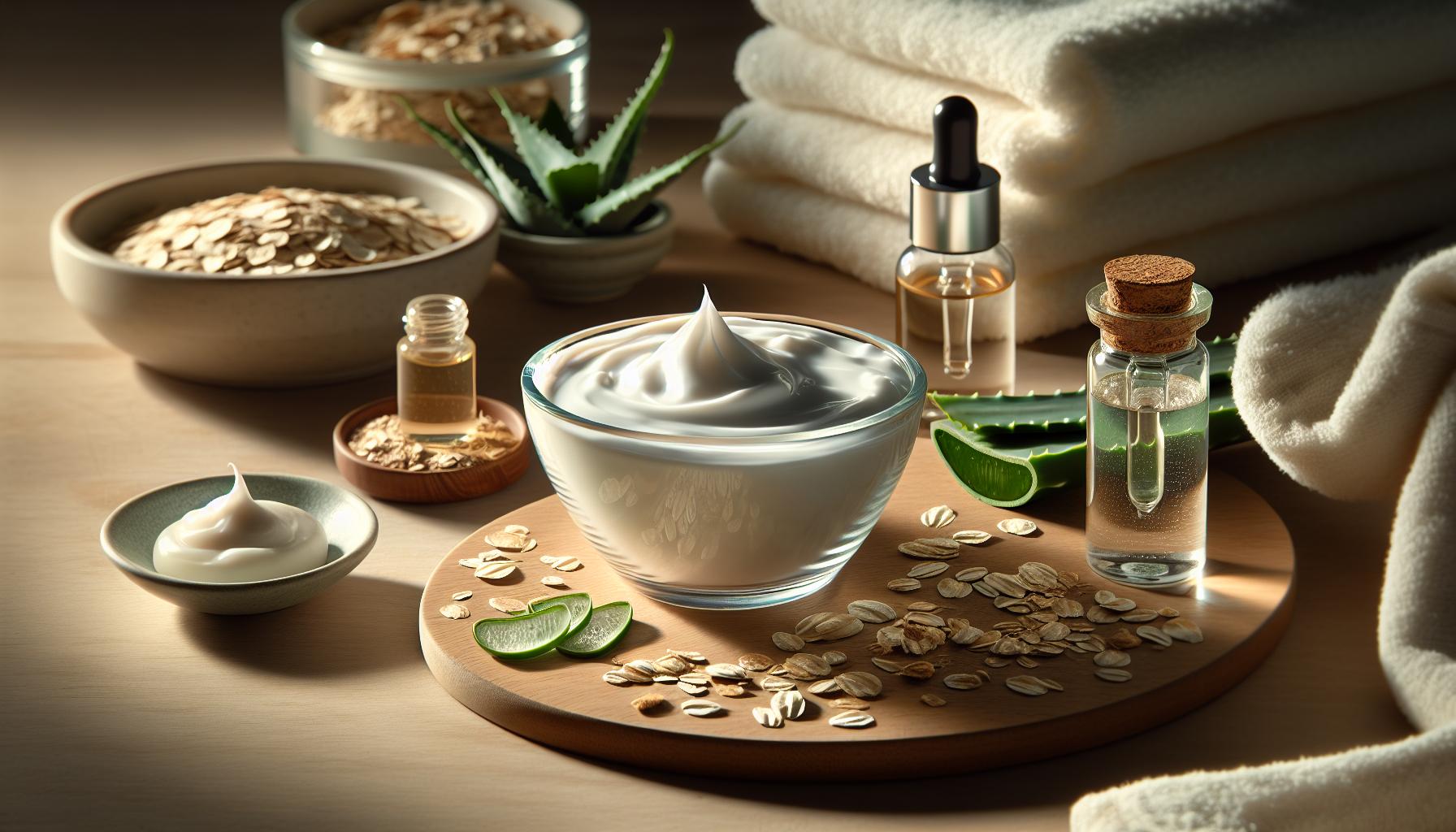
What Makes a Cleanser Ideal for Dry Skin?
For those with dry skin, choosing the right cleanser can make all the difference between a radiant, hydrated complexion and a parched, irritated one. An ideal cleanser for dry skin is formulated to gently remove impurities without stripping away essential moisture. The key lies in opting for hydrating ingredients that not only cleanse but also nourish the skin.
First and foremost, creamy or oil-based cleansers are excellent choices. They offer a soft, rich texture that helps to lock in moisture while effectively dissolving makeup and debris. Look for cleansers containing natural oils such as jojoba, almond, or coconut oil, which can hydrate the skin while cleansing. Additionally, cleansers with humectants like glycerin or hyaluronic acid can draw moisture into the skin, providing a boost of hydration that’s essential for dry skin types.
Another essential aspect is how the cleanser is applied. Use lukewarm water when rinsing instead of hot water, which can further dehydrate your skin. Gently massage the cleanser onto your face in circular motions for about 30 seconds, allowing the ingredients to do their magic without harsh scrubbing.
Incorporating a pH-balanced cleanser is also vital, as cleansers that are too alkaline or too acidic can disrupt the skin’s protective barrier, leading to increased dryness. Overall, an ideal cleanser for dry skin not only cleanses effectively but also respects the skin’s natural moisture levels, leaving it feeling soft, supple, and rejuvenated.
Key Ingredients for Ultimate Hydration
Choosing a cleanser for dry skin can feel overwhelming, especially with the myriad of options available. However, focusing on key ingredients can make your selection much clearer. The ideal cleanser for dry skin should not only cleanse but also hydrate and soothe, helping to combat the discomfort that often accompanies dryness.
One of the most beneficial ingredients to look for is glycerin. This powerful humectant attracts moisture from the environment and helps retain it in the skin, making your complexion appear plumper and more hydrated. Pairing glycerin with hyaluronic acid can amplify this effect, as hyaluronic acid can hold up to 1,000 times its weight in water, efficiently boosting skin hydration and elasticity.
Additionally, opt for natural oils such as jojoba oil, sweet almond oil, or coconut oil. These oils not only help to dislodge makeup and impurities but also create a barrier that locks in moisture. They are also rich in essential fatty acids and vitamins that nourish the skin, preventing the stripping effect that harsher cleansers can have. When combined in creamy formulas, these oils result in a luxurious cleansing experience that leaves your skin feeling soft rather than tight or irritated.
Ceramides are another essential component for those with dry skin. They play a pivotal role in reinforcing the skin barrier, helping to prevent moisture loss while also soothing any inflammation. Look for cleansers that contain these skin-identical lipids, as they provide the perfect balance of cleansing and hydration.
In short, selecting a cleanser that combines these key hydrating ingredients ensures that your skin remains nourished, maintaining its natural moisture balance while effectively cleansing away impurities. By focusing on these elements, you can enjoy a refreshing cleansing routine that sets the stage for an overall healthier complexion.
Gentle vs. Exfoliating Cleansers: Which One to Choose?
Choosing between gentle and exfoliating cleansers can feel like navigating a complex puzzle, especially when you have dry skin. Both types serve important functions, but understanding their distinct benefits will empower you to make the right choice for your unique skincare needs.
Gentle cleansers are typically formulated to hydrate and soothe the skin, making them an excellent choice for those with dry or sensitive skin. These cleansers often contain moisturizing agents like glycerin or botanical oils that help maintain the skin’s moisture balance while effectively removing dirt and makeup. Look for creamy formulations that leave the skin feeling soft rather than tight after use.
On the other hand, exfoliating cleansers can be beneficial, but they require a more cautious approach. These products are designed to slough off dead skin cells and promote cell turnover, which can help to improve texture and enhance absorption of hydrating ingredients. However, for dry skin, it’s crucial to choose exfoliants that are gentle and not overly abrasive; look for those with chemical exfoliants such as alpha-hydroxy acids (AHAs) rather than gritty physical exfoliants which may cause irritation. It’s advisable to use these sparingly-perhaps once or twice a week-to avoid compromising the skin barrier and exacerbating dryness.
Ultimately, the best approach may involve integrating both types. Start with a gentle cleanser daily to keep skin hydrated and use an exfoliating cleanser as a periodic treatment. Just be sure to follow up with a soothing moisturizer, especially after exfoliating, to replenish any lost hydration and maintain your skin’s health. This balanced strategy can lead you to achieve a smoother, more radiant complexion while minimizing the discomfort that often accompanies dry skin.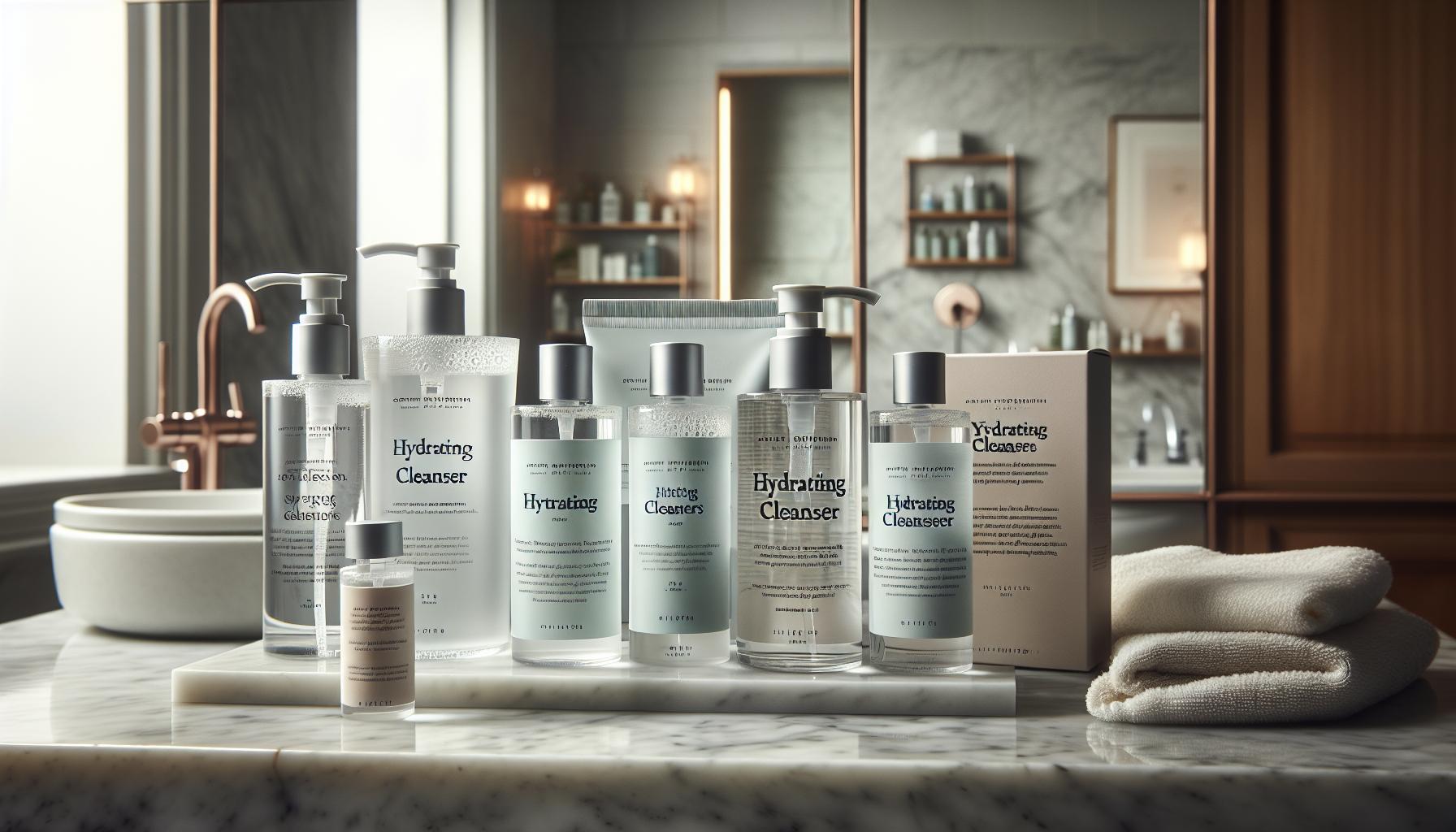
Top Hydrating Cleansers for Every Budget
Finding the right hydrating cleanser can make all the difference when it comes to caring for dry skin. It’s essential to choose products that not only cleanse effectively but also nourish and retain moisture. Don’t worry; you don’t need to break the bank to find a great cleanser! Here are some top hydrating cleansers across various price points that will leave your skin feeling soft and supple.
Budget-Friendly Options
For those seeking effective yet economical solutions, consider these affordable hydrating cleansers:
- CeraVe Hydrating Facial Cleanser – This formula is packed with essential ceramides and hyaluronic acid, making it excellent for dry skin without stripping moisture. It’s gentle on the skin and fragrance-free, ideal for everyday use.
- Neutrogena Hydro Boost Water Gel Cleanser – This cleanser utilizes hyaluronic acid to provide a refreshing clean that leaves skin feeling hydrated. It’s lightweight, easy to apply, and perfect for dry or normal skin types.
- Simple Kind to Skin Moisturizing Facial Wash – A no-fuss option that’s perfect for sensitive skin. It contains pro-vitamin B5 and is free from harsh chemicals and artificial fragrances, helping to maintain the skin’s natural balance.
Mid-Range Favorites
For those willing to invest a little more, these mid-range options provide fantastic hydration benefits:
- First Aid Beauty Pure Skin Face Cleanser – This cream-based cleanser removes makeup and dirt while soothing inflammation. Infused with aloe and glycerin, it delivers a boost of hydration.
- Fresh Soy Face Cleanser – Gentle enough for sensitive skin, this cleanser features amino acid-rich soy proteins that condition skin while effectively cleansing. It has a lovely natural scent and leaves skin feeling balanced.
High-End Picks
If you’re ready to splurge on something special for your skin, consider these luxurious cleansers:
- La Mer The Cleansing Foam – This luxurious formula transforms into a soft foam, removing impurities without stripping moisture. Infused with La Mer’s proprietary ingredients, it’s an indulgent treat for your skin.
- Drunk Elephant Beste No. 9 Jelly Cleanser – A fan favorite, this jelly cleanser is sulfate-free and packed with antioxidants, making it ideal for all skin types. It gently dissolves makeup and grime without leaving your skin tight or dry.
No matter your budget, there’s a hydrating cleanser out there for you. Look for products with moisturizing ingredients like glycerin, hyaluronic acid, or oils, and be sure to test a patch if you have sensitive skin. Remember, proper cleansing followed by a nourishing moisturizer can transform dry skin into a radiant and healthy canvas.
How to Properly Use a Cleanser for Dry Skin
Using a cleanser properly can significantly enhance the hydration levels of your dry skin. First and foremost, always begin by washing your hands to remove any dirt and oils. This simple step ensures you’re not transferring any unwanted residue onto your face. When you’re ready to cleanse, apply a dime-sized amount of your chosen hydrating cleanser to damp skin. This is key because dry skin can become more irritated when cleansers are applied to completely dry surfaces.
Gently massage the cleanser into your skin using circular motions for about 30 seconds. This not only helps to lift away impurities but also stimulates circulation, promoting a healthier complexion. Remember to be kind to your skin; avoid rubbing or scrubbing too harshly, which can strip away essential moisture.
After cleansing, thoroughly rinse your face with lukewarm water. Hot water can be too harsh and may exacerbate dryness, while cold water doesn’t effectively cleanse your skin. Pat your face dry with a soft, clean towel instead of rubbing it, as this helps retain some of the moisture on your skin’s surface.
To maximize hydration, follow your cleansing routine with a nourishing moisturizer while your skin is still slightly damp. This locks in the moisture and helps to maintain your skin’s natural barrier. Regularly using your hydrating cleanser twice a day-once in the morning and once at night-will ensure your skin stays clean, refreshed, and ready to absorb the products you apply afterward. Being consistent with your routine is essential; it can lead to visibly improved hydration and overall skin health over time.
Understanding pH Balance in Skin Care
Understanding the balance of pH in your skincare routine is essential for maintaining healthy skin, especially when dealing with dryness. The pH scale ranges from 0 to 14, with 7 being neutral. Skin typically has a pH around 4.5 to 5.5, making it slightly acidic. This acidity helps create a protective barrier called the acid mantle, which keeps harmful bacteria out and moisture in. When choosing a cleanser for dry skin, it’s crucial to select one that respects and maintains this natural pH balance.
Using a cleanser with an appropriate pH level-ideally between 5 and 6-will help prevent the disruption of your skin’s barrier. Harsh cleansers, especially those with high alkalinity (pH above 7), can strip your skin of its natural oils, leading to increased dryness and irritation. In contrast, a mild, hydrating cleanser that lowers the pH can enhance your skin’s moisture retention and soothe any discomfort.
To assess the pH of your products, you can look for specific labels or use pH test strips, which are widely available. By ensuring that your cleanser aligns with your skin’s natural pH levels, you not only cleanse effectively but also contribute positively to your skin’s overall hydration and health.
In summary, prioritizing pH balance in your choice of cleanser is key to nurturing your dry skin. By opting for a gentle, pH-balanced formula, you can ensure effective cleansing without compromising your skin’s protective barrier. This small change can lead to significant improvements in hydration and overall skin resilience.
The Role of Moisturizers After Cleansing
To keep your skin feeling comfortable and looking its best after cleansing, applying a moisturizer is an essential step, especially for those with dry skin. Cleansing removes impurities and excess oils, but it can also strip vital moisture from the skin. Here’s where a good moisturizer comes in, acting as the final layer of protection against dehydration and environmental stressors.
A moisturizer works by creating a barrier that locks in hydration. Look for products that contain ingredients like glycerin, hyaluronic acid, and ceramides. These ingredients not only draw moisture into the skin but also help to repair and enhance the skin barrier. For dry skin, it’s best to use a moisturizer that’s rich in emollients and oils, such as jojoba, shea butter, or squalane, which provide an extra cushion of hydration. Apply your moisturizer on slightly damp skin for maximum effectiveness, as this helps seal in the moisture left from cleansing.
Regular use of a moisturizer helps prevent the skin from becoming too dry or irritated, which is especially important during the colder months or in dry climates. Additionally, don’t overlook the delicate skin around your eyes; a specialized eye cream can further nourish this area, which often shows signs of dryness first. For daytime use, consider a moisturizer with SPF to protect your skin from UV damage, while a richer formulation can be perfect for your nighttime routine.
In summary, incorporating a high-quality moisturizer into your skincare regime after cleansing is vital for maintaining hydration and overall skin health. Select a product that suits your skin type and needs, and enjoy the benefits of plump, healthy skin every day.
Seasonal Tips for Maintaining Hydration
As the seasons change, so do the conditions that your skin faces, making it essential to adapt your skincare routine accordingly. The transition from warm to cooler temperatures, especially in fall and winter, can lead to increased dryness due to lower humidity levels and harsh winds. This is the time to ensure that your cleansing routine not only removes impurities but also retains the moisture your skin desperately needs.
To maintain optimal hydration throughout the year, it’s crucial to choose a cleanser that complements your skin’s needs. For instance, in colder months, consider switching to a cream-based cleanser or a hydrating cleanser rich in oils. These cleansers help to soften and soothe dry skin without stripping its natural oils. Look for ingredients like shea butter or ceramides, which are excellent for forming a barrier that locks in moisture. Conversely, during warmer months, when humidity is higher, a gentle gel cleanser may suffice to cleanse without overwhelming your skin.
Adjusting Your Routine
Incorporating a humidifier in your home can significantly boost moisture levels in the air, which can be especially beneficial at night while you sleep. This small investment can make a massive difference in how hydrated your skin feels upon waking. Additionally, drinking adequate water is crucial in every season; however, it becomes even more vital during winter when you may not feel as thirsty. Aim for at least eight glasses a day, and pair this with water-rich foods like cucumbers and watermelon.
Also, remember to adjust the frequency of your cleansing. If you find your skin feeling particularly dry during winter, consider cleansing just once a day, preferably at night, to allow your skin to recuperate and maintain its natural moisture barrier. By morning, a simple splash of water may be enough to refresh your face before applying your moisturizer.
In summary, by being attuned to seasonal changes and adjusting your cleansing methods accordingly, you can maintain smooth, hydrated skin all year round. Remember, hydration is not just about the products you use but also about maintaining a coherent routine that considers external factors affecting your skin.
Common Cleansing Mistakes to Avoid
When it comes to cleansing dry skin, small mistakes can lead to significant setbacks in your skincare routine. Many believe that a vigorous scrub equates to a thorough clean, but this couldn’t be further from the truth. Over-cleansing or using harsh products can strip essential oils, leaving your skin feeling tight and even more dehydrated. Instead, aim for gentle cleansers that respect your skin’s natural barrier. Always choose cleansers that are free from alcohol and strong sulfates, as these can exacerbate dryness.
Another common pitfall is neglecting the importance of application techniques. Splashing water on your face and applying cleanser randomly is not sufficient for effective cleansing. Instead, use a dime-sized amount of cleanser on damp skin, massaging it gently in circular motions for at least thirty seconds. This allows the product to work effectively without disrupting your skin’s natural moisture.
Failing to follow up with moisturizer right after cleansing is another mistake that can worsen dry skin. After rinsing off your cleanser, pat your face dry with a soft towel and apply your moisturizer while your skin is still slightly damp. This practice helps lock in moisture, creating a barrier that keeps your skin hydrated longer. Consider using a fragrance-free, hydrating moisturizer with ingredients like hyaluronic acid or glycerin for the best results.
Lastly, don’t underestimate the importance of seasonal adjustments. Just because a product worked well in summer doesn’t mean it’s effective in winter. Keep an eye on how your skin feels with changes in temperature and humidity, and adapt your cleansing routine accordingly. In colder months, a rich cream-based cleanser may be more appropriate than your usual gel formula, which could leave your skin feeling parched. Being mindful of these common cleansing mistakes can lead to healthier, more hydrated skin all year round.
DIY Cleansers for Dry Skin You Can Try
Creating your own cleansers at home can be a rewarding way to ensure your skincare routine matches your specific needs, especially for dry skin. Simple, natural ingredients often provide the gentle touch your skin craves while effectively cleansing away impurities. Here are some easy DIY cleansers you can whip up with items you might already have in your kitchen.
One excellent option is an Oatmeal Cleanser. Oats have soothing properties and can help relieve dry skin. To make this cleanser, blend 1/4 cup of rolled oats into a fine powder. Mix it with 1/2 cup of warm water to form a paste. Apply this mixture to your face in circular motions for about 30 seconds, then rinse with lukewarm water. This gentle exfoliant will leave your skin feeling soft and hydrated.
Another fantastic choice is a Honey and Aloe Vera Cleanser. Honey is a natural humectant, meaning it helps to retain moisture, while aloe vera provides soothing benefits. Combine 2 tablespoons of raw honey with 1 tablespoon of aloe vera gel. Massage the mixture onto your damp face for 1-2 minutes, then rinse off thoroughly. This blend not only cleanses but also nourishes your skin, making it ideal for those with dryness.
If you’re looking for something that offers deep nourishment, try a Coconut Milk Cleanser. Coconut milk is rich in fatty acids and vitamins, making it perfect for restoring hydration. Simply mix 1/2 cup of coconut milk with a few drops of olive oil or almond oil. Use this creamy mixture to cleanse your face, allowing it to sit for a few minutes before rinsing to let the nutrients absorb into your skin.
These DIY cleansers are simple, effective, and can be tailored to meet your skin’s needs. Just remember to patch-test any new ingredient if you’re uncertain how your skin might react. Happy cleansing!
Expert Recommendations: What Dermatologists Say
When it comes to caring for dry skin, dermatologists have invaluable insights that can dramatically improve your cleansing routine. Many experts emphasize the importance of selecting cleansers that don’t just remove dirt and impurities but also retain moisture. Look for products labeled as “hydrating” or “cream-based,” as these often contain nourishing oils and emollients that help maintain your skin’s moisture barrier. For instance, cleansers with ingredients like glycerin, hyaluronic acid, or ceramides can help attract and lock in hydration, offering that extra boost your skin craves.
Dermatologists often recommend gentle, non-foaming cleansers for dry skin types. These formulas are less likely to strip away the skin’s natural oils compared to traditional soaps or foaming cleansers, which can leave your skin feeling tight and uncomfortable. For optimal results, apply a coin-sized amount of your chosen cleanser to damp skin, using gentle, circular motions for about 30 seconds. This will ensure effective cleansing without harsh scrubbing, which can exacerbate dryness.
Additionally, it’s important to pay attention to how you use your cleansing products. Many dermatologists advise cleansing twice a day-morning and night-while being mindful of water temperature; lukewarm water is ideal, as hot water can further dehydrate your skin. After cleansing, pairing your routine with a high-quality moisturizer that contains occlusives, such as petrolatum or shea butter, can lock in that much-needed moisture.
Incorporating these recommendations can not only help mitigate dryness but also promote an overall healthier complexion. Remember, the key is to be gentle and consistent with your routine, making adjustments as needed based on the changing needs of your skin. By following expert advice, you can transform your cleansing experience into a nourishing ritual that leaves your skin feeling soft, refreshed, and revitalized.
Frequently asked questions
Q: What ingredients should I look for in a cleanser for dry skin?
A: When choosing a cleanser for dry skin, look for hydrating ingredients like glycerin, hyaluronic acid, ceramides, and shea butter. These help retain moisture and prevent stripping the skin’s natural oils. It’s also beneficial to choose a fragrance-free formula to minimize irritation.
Q: How often should I cleanse my dry skin?
A: For dry skin, it’s best to cleanse twice a day-once in the morning and once at night. However, if your skin feels tightly pulled or irritated, consider cleansing only once a day, ideally in the evening, to remove impurities without over-drying.
Q: Are micellar waters good for dry skin?
A: Yes, micellar waters can be suitable for dry skin as they gently cleanse without harsh ingredients. Look for variants specifically labeled for sensitive or dry skin, which often include moisturizing agents to help maintain hydration.
Q: How can I tell if my cleanser is too harsh for my skin?
A: Signs that your cleanser might be harsh include a tight, itchy feeling after washing, redness, or flakiness. If you experience these symptoms, consider switching to a more gentle, hydrating cleanser designed for dry skin.
Q: Can using a toner help with dry skin post-cleansing?
A: Yes, using a hydrating toner can be beneficial after cleansing. Choose a toner that is alcohol-free and contains humectants like glycerin or hyaluronic acid to help replenish moisture and prep your skin for subsequent products.
Q: What is the best method to apply cleanser for dry skin?
A: Apply a dime-sized amount of your chosen cleanser to damp skin using gentle circular motions for about 30 seconds. Ensure to rinse thoroughly with lukewarm water, as hot water can exacerbate dryness.
Q: Is it necessary to double cleanse for dry skin?
A: Double cleansing isn’t imperative for dry skin but can be helpful if you wear makeup or sunscreen. Start with an oil-based cleanser to dissolve makeup followed by a gentle hydrating cleanser to clean the skin without stripping moisture.
Q: How can seasonal changes affect my dry skin and cleansing routine?
A: Seasonal changes can impact your skin’s hydration levels, particularly in winter when the air is drier. You may need to switch to a richer, creamier cleanser during colder months and consider adding additional hydrating products to your routine.
In Conclusion
Choosing the right cleanser for dry skin is crucial to maintaining a healthy, hydrated complexion. Remember, a gentle, hydrating cleanser not only removes impurities but also helps retain your skin’s natural moisture. If you found your perfect match among our top hydrating picks, be sure to incorporate it into your daily routine for optimal results!
For more tips on achieving radiant skin, explore our articles on Best Moisturizers for Dry Skin and Top Ingredients for Hydration. Don’t hesitate to share your favorites or any questions you have in the comments below-we love hearing from you! And if you want to stay updated with the latest in skincare and wellness, sign up for our newsletter.
Now is the perfect time to take action! Dive into your skincare journey today and enjoy the confidence that comes with a nourished, glowing complexion. Your skin deserves the best-let’s make it happen together!
Get our latest guides, news, and insights highlighted in your Google Search & AI Overviews.