When it comes to skincare, properly removing sunscreen is a critical step many overlook. A common concern among beauty enthusiasts is whether everyday cleansers, like CeraVe Hydrating Cleanser, can effectively break down and wash away sunscreen residue without leaving anything behind. Understanding this not only helps maintain clear, healthy skin but also ensures your other skincare products can work effectively. In this article, we will dive into the effectiveness of CeraVe Hydrating Cleanser in removing sunscreen, discuss additional methods to enhance your cleansing routine, and explore tips to keep your skin fresh and breathable. Let’s uncover the truth together and ensure your skincare regimen is as effective as possible!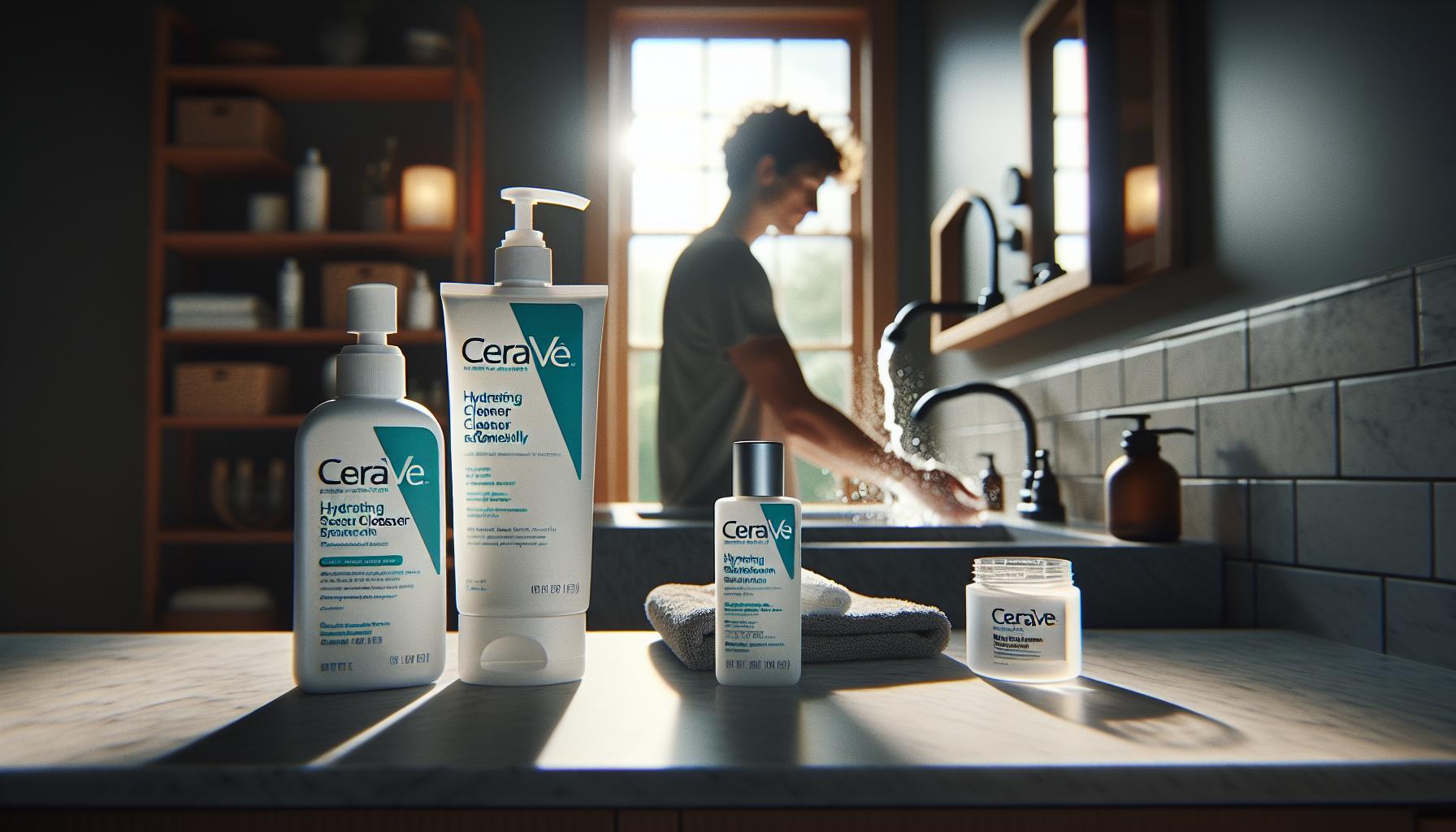
Can CeraVe Hydrating Cleanser Remove Sunscreen Effectively?
When it comes to effectively removing sunscreen, the CeraVe Hydrating Cream-to-Foam Cleanser is often put to the test. Formulated to gently cleanse while respecting your skin’s barrier, this cleanser uses a creamy texture that transforms into a foam upon contact with water. It’s designed to remove daily dirt, oil, and makeup, and it also claims to tackle sunscreen effectively. However, it’s important to set realistic expectations, especially when the sunscreen is water-resistant or heavy-duty.
Although many users report positive experiences with the CeraVe Hydrating Cleanser, it’s worth noting that it may not completely eliminate all sunscreen types, particularly those that are resistant or formulated with oils. According to various discussions and user experiences, while the cleanser does a commendable job on regular, daily sunscreen formulations, more robust options may require additional steps for thorough removal. An oil-based cleanser or micellar water can be especially helpful for breaking down these tougher formulas before you follow up with the CeraVe cleanser for a double-cleansing approach.
For those who are concerned about how well the product performs, it can be beneficial to integrate it with a microfiber washcloth. This combination can enhance the cleansing process, ensuring that remnants of sunscreen don’t linger on your skin. This method not only promotes a deeper clean but also gently exfoliates the skin without harsh scrubbing. In summary, while CeraVe’s Hydrating Cleanser is a great starting point for sunscreen removal, pairing it with an additional cleansing step might yield the best results, ensuring your skin remains clean and healthy.
Understanding Sunscreen: Why Proper Removal Matters
Effective removal of sunscreen is essential for maintaining healthy skin. When sunscreen is not properly cleansed from the skin, it can lead to a host of skin issues, including breakouts, clogged pores, and irritation. Sunscreen is formulated to be long-lasting and resistant to water, which makes it effective for protection against UV rays, but also makes it challenging to remove at the end of the day. It’s crucial to address the residue it leaves behind, as lingering products can interfere with your skin’s natural regeneration process during the night.
Moreover, neglecting to remove sunscreen thoroughly can hinder the effectiveness of other skincare products. If your skin is not cleared of residual sunscreen, your moisturizers and treatments won’t penetrate effectively, which can diminish their potential benefits. To avoid these issues, consider implementing a comprehensive cleansing routine that prioritizes the removal of sunscreen.
When choosing a cleanser, look for products that are designed for effective removal of makeup and sunscreen. The texture and formulation can significantly impact their efficacy. For instance, oil-based cleansers are particularly effective because they break down the formulation of mineral and chemical sunscreens. Pairing these with lighter cleansers, such as the CeraVe Hydrating Cleanser, can ensure that your skin remains clean and hydrated, eliminating the risk of long-term damage from residual products.
Key takeaways for successful sunscreen removal include:
- Always cleanse your face thoroughly to avoid clogging pores.
- Consider using an oil-based cleanser to break down these challenging products.
- Follow up with a gentle cleanser like CeraVe to ensure your skin is clean and refreshed.
- Adopt a consistent skincare routine to enhance skin health and appearance.
By giving proper attention to how you remove sunscreen, you promote a healthier complexion and prepare your skin for the nourishment it deserves.
CeraVe Hydrating Cleanser Ingredients Breakdown
The effectiveness of the CeraVe Hydrating Cleanser in removing sunscreen comes down to its carefully chosen ingredients, which are designed to gently cleanse while maintaining the skin’s natural barrier. This cleanser features a combination of essential components, including ceramides, hyaluronic acid, and glycerin, that work in harmony to provide thorough cleansing without stripping the skin of its moisture.
Ceramides are pivotal in replenishing the skin’s barrier, which can be compromised by environmental stressors, including sunscreen. By helping to lock in moisture, ceramides ensure that your skin remains hydrated even after cleansing. This is particularly important after a day in the sun when your skin needs to recover from UV exposure.
Hyaluronic Acid is another key ingredient that draws moisture into the skin. It can hold up to 1,000 times its weight in water, making it excellent for hydration. This feature is crucial when you’re using a product to remove stubborn substances like sunscreen, as it prevents over-drying, allowing your skin to feel fresh and plump afterwards.
In addition, the cleanser contains glycerin, which further aids in attracting water to the skin, contributing to its hydrating properties. This means that while the cleanser works to lift away sunscreen, it does so gently, ensuring that your skin is not left feeling tight or irritated-an experience many users encounter with harsher products.
For optimal results, it’s beneficial to follow up the CeraVe Hydrating Cleanser with an oil-based cleanser if you’ve used water-resistant or heavy-duty sunscreens. Oil-based cleansers can break down and remove these tough formulations more effectively, while CeraVe provides the final touch by hydrating and soothing your skin.
By understanding the ingredients, you can make informed choices about how to cleanse your skin thoroughly and gently, especially after a day under the sun.
How CeraVe Hydrating Cleanser Works with Sunscreen
The ability of CeraVe Hydrating Cleanser to effectively remove sunscreen can be significantly enhanced by understanding how it interacts with the various formulations of sunscreen. Sunscreens come in different types-some are water-soluble and easily removed, while others, especially those that are water-resistant, can be more stubborn. CeraVe Hydrating Cleanser is primarily designed to cleanse without disturbing the skin’s natural barrier, thanks to its gentle ingredients like ceramides, hyaluronic acid, and glycerin.
To maximize the effectiveness of this cleanser, consider the type of sunscreen you’ve applied. For lighter, water-soluble sunscreens, applying a dime-sized amount of CeraVe to damp skin and massaging it in using gentle circular motions for about 30 seconds should suffice. This helps emulsify and lift away the product. However, for thicker or water-resistant sunscreens, the cleansing process might require a little more effort. In such cases, it’s beneficial to add an oil-based cleanser first to break down the stubborn formulations, followed by the CeraVe cleanser for a thorough rinse. This two-step process not only ensures complete removal but also keeps your skin hydrated and healthy.
Real user experiences suggest similar approaches, with some finding that using a washcloth or a cleansing tool post-application can yield better results, especially after a long day in the sun. If you find traces of sunscreen remaining-particularly on makeup remover pads-it may indicate that your routine needs a minor tweak.
Ultimately, the key is to tailor your cleansing routine based on your sunscreen habits, ensuring you effectively remove products while treating your skin gently. By doing so, you foster both cleanliness and skin health, leading to a more effective skincare routine overall.
Comparing CeraVe Hydrating Cleanser to Other Cleansers
When evaluating how CeraVe Hydrating Cleanser stacks up against other cleansing options for sunscreen removal, it’s important to consider the unique features and formulations of each type. CeraVe’s Hydrating Cleanser is lauded for its gentle yet effective cleansing action. It contains skin-loving ingredients like ceramides and hyaluronic acid, which help retain moisture while cleansing, making it ideal for normal to dry skin types. However, it may not be the top choice for everyone, especially those who consistently use heavier, waterproof sunscreens.
In comparison, oil-based cleansers can be a game changer for thorough sunscreen removal. These cleansers work on the principle of “like dissolves like,” meaning they effectively break down the oils and waxes in water-resistant sunscreens. By following up with CeraVe, you can ensure that any remaining residue is cleansed away without stripping the skin’s moisture. For instance, if you wear a high-SPF or heavy makeup sunscreen, starting with an oil cleanser allows for easier removal without excessive scrubbing that might irritate the skin.
Another category worth mentioning is foaming cleansers. While some users appreciate the refreshing feel of a foaming wash, studies and user experiences suggest that they may be overly harsh on the skin, particularly when removing mineral or waterproof sunscreens. These types of cleansers often contain harsher surfactants that can lead to dryness or irritation for those with sensitive skin.
Ultimately, the choice of cleanser may depend on your specific skin type and daily products used. CeraVe Hydrating Cleanser works well as a part of a double cleansing routine, combined with oil-based cleansers for optimal results. This offers a great balance of effective sunscreen removal and hydration, ensuring your skin stays healthy and nourished. Always remember to tailor your cleansing method to your specific needs-for instance, lightweight sunscreens can be easily managed with a single cleanse, while thicker formulations may necessitate that extra step for absolute assurance that your skin is clean.
Real User Experiences: Removing Sunscreen with CeraVe
Many users have shared their experiences with CeraVe Hydrating Cleanser, particularly regarding its ability to effectively remove sunscreen. This cleanser is often praised for its gentle, hydrating formula, but opinions vary on its efficacy against water-resistant or heavier sunscreen products.
One common theme among users is that while the Hydrating Cleanser can effectively tackle lighter, water-soluble sunscreens, it may struggle with thicker or waterproof formulations. For example, one user reported that despite its soothing texture, they noticed residue left behind after using a tinted sunscreen. They found that switching to an oil-based cleanser initially helped break down the sunscreen better, followed by the CeraVe cleanser to ensure all residue was removed.
Interestingly, many users advocate for a double cleansing method, especially for those who wear SPF regularly. Those employing an oil cleanser first experienced significantly clearer skin after following up with CeraVe. This combination ranges from an oil cleanser or cleansing balm to the Hydrating Cleanser, which leaves the skin feeling soft and not stripped of moisture.
Another insightful perspective comes from users who noted varying skin reactions. For those with oily or acne-prone skin, solely using the CeraVe Hydrating Cleanser for heavier sunscreens sometimes led to breakouts. These users found that integrating a dedicated makeup removing balm prior to their CeraVe cleanse significantly improved their overall cleansing routine.
To summarize, while the CeraVe Hydrating Cleanser is a great addition to any skincare routine, especially for normal to dry skin types, its effectiveness can be maximized when paired with other cleansing products. The takeaway is clear: if your sunscreen is on the heavier side, consider incorporating an oil-based cleanser into your routine to achieve optimal results.
Best Practices for Using CeraVe Hydrating Cleanser
To get the most out of CeraVe Hydrating Cleanser, especially when it comes to removing sunscreen, it’s important to adopt a few best practices tailored to your skin type and the products you use. A key starting point is to apply the cleanser correctly: dispense a dime-sized amount onto your fingertips and gently massage it into damp skin using circular motions for about 30 seconds. This technique not only ensures even distribution but also allows the formula to effectively dissolve makeup and sunscreen residue.
When you’re facing heavy or waterproof sunscreens, consider incorporating a double cleansing method into your routine. Begin with an oil-based cleanser or cleansing balm to break down the sun protection product thoroughly. After rinsing, follow up with the CeraVe Hydrating Cleanser. This two-step process maximizes cleanliness and is particularly beneficial for those who wear makeup frequently or have oily skin, as it helps prevent clogged pores and breakouts.
Another important consideration is the temperature of the water used during your cleansing routine. Opt for lukewarm water-it’s gentle on the skin and helps to open pores, facilitating better removal of grime and makeup. After rinsing off the cleanser, always finish with a splash of cold water to close the pores again, which can help minimize their appearance.
Lastly, don’t underestimate the power of patting your skin dry with a soft, clean towel after cleansing. This approach helps retain moisture without irritating the skin. If you’re regularly exposed to sunscreen, consider setting a reminder to cleanse your face at the end of the day. Consistency is key for maintaining healthy skin and preventing any imbalances caused by leftover products.
By combining these practices with an understanding of how your specific products interact with your skin, you’ll set yourself up for a glowing, healthy complexion free from the effects of residual sunscreen.
Expert Tips for a Thorough Cleanse Post-Sun
After a day spent under the sun, ensuring your skin is thoroughly cleansed is more than a simple skincare step; it’s an essential act of self-care. Properly removing sunscreen is critical not just for aesthetic reasons, but for maintaining overall skin health. Sunscreen can create a barrier that, if left on too long, may lead to clogged pores, breakouts, and irritation. Here’s how to effectively cleanse your skin using CeraVe Hydrating Cleanser, complemented by expert tips for the best results.
First, start with lukewarm water to gently open your pores. This helps the CeraVe Hydrating Cleanser work more effectively at dissolving sunscreen and impurities. Apply a dime-sized amount of the cleanser onto your damp skin; gently massage it in using circular motions for 30 seconds. The creamy formula, infused with ceramides and hyaluronic acid, not only cleanses but also hydrates the skin.
If you’ve been wearing waterproof sunscreen, you might want to incorporate a double cleansing method into your routine. Begin with an oil-based cleanser to break down the stubborn sunscreen thoroughly. After rinsing, follow up with the CeraVe cleanser for a complete cleanse. This technique not only ensures the removal of all residues but also helps maintain your skin’s moisture barrier, which can be crucial after sun exposure.
Additionally, don’t underestimate the importance of patting your skin dry with a clean towel. Rubbing can irritate sensitive skin, while gentle patting helps retain moisture. After cleansing, consider finishing with a splash of cold water to close your pores and prep your skin for any nighttime skincare products. By making these practices a regular part of your routine, you’ll be well on your way to healthy, radiant skin that feels fresh and clean, free from the remnants of sun protection.
Common Mistakes to Avoid When Cleansing
When it comes to cleansing your skin after a day in the sun, many people make a few simple mistakes that can hinder the effectiveness of products like CeraVe Hydrating Cleanser. One common error is not properly preparing the skin before applying the cleanser. Starting with lukewarm water is essential, as it helps open up the pores, allowing for a deeper cleanse. Skipping this step can leave residues trapped on your skin, especially if you’re using products like sunscreen that are designed to stay in place.
Another misstep is using too little cleanser. A dime-sized amount may seem sufficient, but if you’re not getting the creamy lather that CeraVe provides, you might not be effectively breaking down the sunscreen and other impurities. It’s important to massage the cleanser into your skin for about thirty seconds. This not only ensures that the product is evenly distributed but also activates the hydrating ingredients, providing a thorough clean without stripping your skin.
A frequent oversight is neglecting to incorporate a double cleansing method when necessary. While CeraVe Hydrating Cleanser works well for light make-up and regular sunscreens, additional methods, such as using an oil-based cleanser first, are often required for waterproof or heavy-duty sunscreens. This two-step process helps lift the stubborn residues that a single cleanser might leave behind, ensuring that your skin is thoroughly clean and ready for the next skincare steps.
Finally, be mindful of how you dry your face after cleansing. Rubbing your skin with a towel can cause irritation, especially if your skin is already sensitive from sun exposure. Instead, gently pat your face dry with a clean towel and consider rinsing with cool water afterward. This closes the pores and helps your skin retain its natural moisture-both crucial for maintaining skin health after sun exposure. By avoiding these common cleansing mistakes, you can ensure that your skin feels fresh, clean, and well-cared for.
Is Double Cleansing Necessary for Sunscreen Removal?
Properly removing sunscreen is crucial for maintaining healthy skin, as residue left on the skin can clog pores, leading to breakouts and irritation. This leads to the question of whether a single product, like CeraVe Hydrating Cleanser, can effectively handle the task on its own, or if double cleansing is necessary.
When it comes to daily sunscreens, particularly those that are not waterproof, CeraVe Hydrating Cleanser is often sufficient. However, for heavier formulations such as water-resistant or physical sunscreens, a single cleanse may leave behind stubborn residues. Double cleansing-a method involving two different types of cleansers-is a great way to ensure all traces of sunscreen are removed effectively. The first step usually involves an oil-based cleanser or cleansing balm, which breaks down the sunscreen and any makeup. Following this, CeraVe’s hydrating cleanser can be used to ensure the skin is thoroughly clean and moisturized.
Here are some key benefits of adopting a double cleansing routine, especially if you use sunscreen regularly:
- Thorough Removal: Oil-based cleansers are excellent at breaking down products that are designed to be long-lasting, such as waterproof sunscreens. By using an oil-based cleanser first, you can significantly reduce the likelihood of residue.
- Enhanced Hydration: The second step, using CeraVe Hydrating Cleanser, not only cleans but also provides skin with essential hydrating ingredients, helping maintain moisture levels.
- Prevention of Breakouts: Ensuring that all sunscreen is removed helps prevent pores from clogging, which can lead to acne and other skin concerns.
In summary, while CeraVe Hydrating Cleanser is effective for lightweight sunscreens, incorporating a double cleansing method can enhance your cleansing routine, leading to cleaner, healthier skin. This approach is particularly beneficial if you frequently use heavy-duty sunscreens or have issues with breakouts.
How to Choose the Right Cleanser for Your Skin Type
Choosing the right cleanser for your skin type is fundamental to achieving a clean and healthy complexion, especially when it comes to tackling sunscreen removal. Not all cleansers are created equal, and finding the right one can make a significant difference in how well you remove products like sunscreen, makeup, and impurities without stripping your skin of its natural oils.
If you have oily or acne-prone skin, look for a foaming cleanser that contains salicylic acid or other gentle exfoliants. These ingredients help unclog pores and reduce excess oil, making them effective for removing heavy sunscreen formulations. CeraVe Hydrating Cleanser, while a fantastic option for its hydrating properties, might feel too heavy for those with oily skin. In such cases, consider a gel-based cleanser that provides a deeper clean and helps control shine.
For dry or sensitive skin, selecting a creamy or hydrating cleanser is key. Look for formulas enriched with ceramides or hyaluronic acid, which will cleanse the skin without stripping essential moisture. CeraVe Hydrating Cleanser fits perfectly in this category. It offers the added benefit of moisturizing as you cleanse, ensuring your skin feels soft and supple rather than tight and parched.
If you have combination skin, a balance is essential. A mild gel or cream-based cleanser that effectively brightens and cleanses without being overly harsh can work wonders. In this case, you might opt for CeraVe’s Hydrating Cleanser as a primary choice while keeping an exfoliating cleanser on hand for days when you need a deeper cleanse or on areas that feel oilier.
When it comes to skincare routines, considering your specific needs and lifestyle will guide you in picking a cleanser that not only effectively removes sunscreen but also nurtures your skin. Tools like cotton pads or cleansing brushes can enhance the process, particularly for tough-to-remove sunscreen. Remember to apply your cleanser properly: a dime-sized amount on damp skin, using gentle circular motions for about 30 seconds can maximize its efficacy.
Ultimately, it’s essential to choose a cleanser that aligns with your skin’s unique requirements, ensuring that your cleansing routine contributes to overall skin health and enhances your sunscreen removal process.
Final Thoughts on Sunscreen Removal and Skin Health
Ensuring that your skin is free of sunscreen at the end of the day is crucial for maintaining its health and appearance. Leaving sunscreen, especially water-resistant or heavy formulations, on your skin can lead to clogged pores, breakouts, and irritation. Understanding how to effectively remove sunscreen allows your skin to breathe and recover overnight, while also preparing it for the next day’s protection.
CeraVe Hydrating Cleanser can be a solid choice for many, particularly those with dry or sensitive skin. Its formulation is designed to cleanse without stripping essential moisture, thanks to ingredients like ceramides and hyaluronic acid. However, keep in mind that it may not be adequate for removing all types of sunscreen, particularly those designed to be long-lasting or waterproof. For complete removal, especially when using heavy sunscreens, you might need to incorporate a dedicated makeup remover or cleansing oil into your routine first.
To maximize the effectiveness of your cleansing routine, consider these practices:
- Use proper technique: Apply a dime-sized amount of CeraVe Hydrating Cleanser to damp skin, massaging gently for about 30 seconds. This ensures you give it enough time to properly break down dirt and sunscreen.
- Follow with water: Rinse thoroughly with lukewarm water to remove any residue completely. Hot water can strip your skin, while cold water may not effectively wash away the cleanser.
- Consider double cleansing: If you regularly wear heavy sunscreen or makeup, double cleansing-starting with an oil-based cleanser followed by your CeraVe Hydrating Cleanser-can provide a deeper clean.
In summary, achieving effective sunscreen removal requires understanding your skin’s needs and potentially adapting your cleansing routine. Whether you choose the CeraVe Hydrating Cleanser alone or pair it with other products, integrating these practices into your skincare regime will help keep your skin fresh, clear, and healthy, reinforcing the importance of diligent cleansing for overall skin wellness.
Frequently Asked Questions
Q: How does CeraVe Hydrating Cleanser compare to other cleansers for removing sunscreen?
A: CeraVe Hydrating Cleanser is effective in removing water-soluble sunscreen but may struggle with heavy or waterproof formulas. Its creamy-to-foam texture aids in gentle cleansing, making it a suitable choice for those looking for hydration alongside cleansing. Consider pairing it with an oil-based cleanser for thorough removal of all sunscreen types.
Q: Is double cleansing necessary when using CeraVe Hydrating Cleanser for sunscreen?
A: While CeraVe Hydrating Cleanser can effectively remove some sunscreen, double cleansing is recommended, especially for heavier or waterproof products. Start with an oil-based cleanser to break down the sunscreen, then follow up with the CeraVe cleanser to ensure all residues are removed for clean, refreshed skin.
Q: Can I use CeraVe Hydrating Cleanser every day?
A: Yes, CeraVe Hydrating Cleanser is gentle enough for daily use, morning and night. Its hydrating formula helps maintain skin moisture, making it an excellent choice for all skin types. However, if your skin becomes excessively dry or irritated, consider adjusting frequency or incorporating a more hydrating cleanser.
Q: What skin types benefit most from using CeraVe Hydrating Cleanser?
A: CeraVe Hydrating Cleanser is beneficial for dry, sensitive, and normal skin types due to its moisturizing ingredients like ceramides and hyaluronic acid. Oily and combination skin types might also find it useful, especially when used as part of a double cleansing routine to address all skin concerns effectively.
Q: Are there any common mistakes to avoid when using CeraVe Hydrating Cleanser?
A: Yes, common mistakes include using too much product and not rinsing thoroughly. Use a dime-sized amount and gently massage it onto damp skin. Ensure to rinse well with lukewarm water to avoid residue buildup, which can lead to clogged pores or irritation.
Q: How long should I leave CeraVe Hydrating Cleanser on my skin?
A: Generally, you should apply CeraVe Hydrating Cleanser to damp skin and massage it gently for about 30 seconds. This allows the cleanser to break down impurities effectively. There’s no need to leave it on longer, as rinsing promptly will still yield great results.
Q: Can CeraVe Hydrating Cleanser help with acne-prone skin?
A: While CeraVe Hydrating Cleanser is not specifically formulated for acne treatment, its gentle, non-irritating formula can be beneficial. For acne-prone skin, pairing it with targeted treatments can enhance effectiveness without stripping the skin of essential moisture.
Q: How does the ingredient list of CeraVe Hydrating Cleanser support sunscreen removal?
A: CeraVe Hydrating Cleanser contains key ingredients like ceramides and hyaluronic acid that help retain moisture and support the skin barrier while cleansing. These components help dissolve impurities, including sunscreen, providing a gentle yet effective cleansing experience without compromising skin health.
In Summary
In conclusion, CeraVe Hydrating Cleanser is a reliable choice for effortlessly removing sunscreen while keeping your skin hydrated and balanced. By incorporating this gentle cleanser into your daily routine, you can effectively wash away impurities and product buildup, making it an essential step post-sun exposure. If you’re curious about the best practices for incorporating CeraVe into your skincare regimen, check out our articles on “Choosing the Right Cleanser for Your Skin Type” and “Understanding the Importance of Sunscreen Daily”.
Don’t wait-experience the benefits of clean, refreshed skin today! If you have questions or want to share your experience with CeraVe, drop a comment below. For more skincare tips and to stay updated, consider subscribing to our newsletter for exclusive content. Remember, your skincare journey matters, and we’re here to guide you every step of the way!
Get our latest guides, news, and insights highlighted in your Google Search & AI Overviews.