
Navigating the costs of skincare can be frustrating, especially when you’re trying to maintain a healthy routine without breaking the bank. Did you know that some skincare products, like CeraVe cleansers, may be eligible for Flexible Spending Accounts (FSA)? This means you could potentially save money while investing in your skin’s health. In this article, we’ll explore whether CeraVe cleansers qualify for FSA reimbursement, helping you make informed choices that align with both your skincare goals and budget. So, if you’ve been wondering how to stretch your skincare dollars further, keep reading to uncover valuable insights that can enhance your routine without the added expense.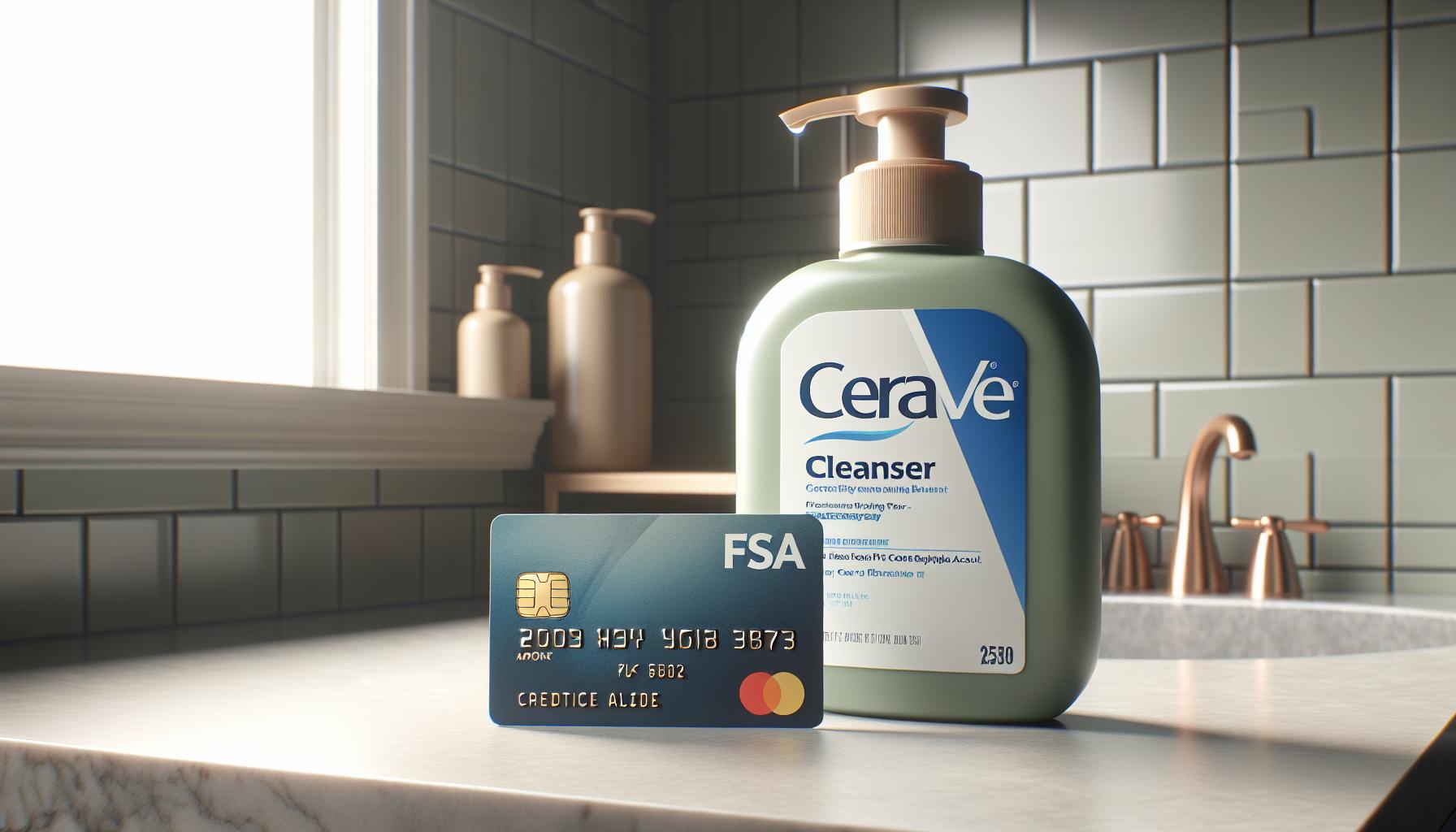
Is CeraVe Cleanser FSA Eligible? Understanding Reimbursement Guidelines
Insurance plans can be tricky, but when it comes to using your Flexible Spending Account (FSA) for skincare products like CeraVe Cleanser, understanding eligibility can save you money while ensuring your skin stays healthy. FSAs allow you to use pre-tax dollars for qualified medical expenses, but not all skincare products fall under this category.
To determine if a product is FSA-eligible, the key factor is whether it’s considered necessary for the treatment of a medical condition. Typically, cleansers are not automatically eligible unless they are specifically prescribed by a dermatologist for a skin condition, such as acne or eczema. If your use of CeraVe Cleanser is part of a treatment plan prescribed by a healthcare provider, you may be able to claim it.
It’s crucial to keep thorough records. Save your receipts and any relevant medical documentation to support your claims. If unsure, you can always check with your FSA provider for guidance on specific products. Remember, navigating reimbursement guidelines may take some effort, but the savings can be worth it!
The Benefits of Using CeraVe Cleanser for Your Skin
Using CeraVe Cleanser can significantly enhance your skincare routine, particularly for those with specific skin concerns. This cleanser is formulated with skin-loving ingredients that cater to various needs, making it a popular choice for people seeking effective solutions without the worry of irritation.
One of the standout benefits of CeraVe Cleanser is its inclusion of ceramides, which play a vital role in restoring and maintaining the skin’s natural barrier. This feature is especially important for individuals with dry or sensitive skin, as a healthy skin barrier helps retain moisture and protects against environmental stressors. If you’re dealing with conditions like eczema or rosacea, a gentle yet effective cleanser like CeraVe can aid in soothing the skin while removing impurities.
Furthermore, CeraVe offers options like the foaming cleanser that works well for oily skin types. It effectively removes excess oil and makeup without stripping the skin of its essential moisture. For those concerned about acne, using a product that reaches deep into the pores can help prevent breakouts, making the CeraVe Foaming Cleanser a smart choice in your routine.
Finally, this cleanser is free of fragrances and harsh sulfates, making it suitable for all skin types, including sensitive skin. You can apply a dime-sized amount to damp skin and massage gently for about thirty seconds for optimal results. This simple step not only ensures your skin is clean but also prepares it to better absorb the active ingredients in subsequent products like moisturizers and serums.
In summary, choosing CeraVe Cleanser can lead to noticeable improvements in your skin’s texture and overall health while ensuring you have a product that works harmoniously within a medically recommended skincare regimen. This can be especially useful when considering the eligibility of certain products under your FSA, as a well-maintained complexion can support broader skincare goals.
How to Check Your FSA Eligibility for Skincare Products
Determining the eligibility of skincare products, such as CeraVe Cleanser, for your Flexible Spending Account (FSA) can be a breeze once you know the right steps to take. A good starting point is to consult the official FSA website or your plan’s guidelines, as they often provide specifics on what items can be reimbursed. Generally, items must be used for a medical purpose, meaning you should be able to demonstrate that the product is for the treatment of a specific skin condition like eczema, acne, or rosacea.
Another useful method is to gather documentation that supports your claim. This includes medical records, prescriptions, or notes from a healthcare provider that clearly state the necessity of using a product like CeraVe Cleanser in managing your skin condition. For instance, if your dermatologist recommends a gentle cleanser for your sensitive skin, that recommendation might help reinforce your case.
A quick tip to check eligibility is to look for products labeled as “medical-grade” or intended for the treatment of skin conditions. Most health plans have a list of approved products, which can serve as a guideline. If in doubt, consider reaching out to FSA customer service for clarification on specific products, as they can help you navigate your options and ensure you’re making the most of your benefits.
Additionally, keep detailed receipts and records of your purchases. When filing for reimbursement, clear documentation makes the process smoother. Include the date of purchase, the price, and information about the item purchased. Doing this not only helps simplify future claims but also protects you in case of any discrepancies. Remember, staying informed will empower you to maximize your FSA for your skincare needs effectively.
Maximizing Your FSA: Tips for Smart Skincare Spending
Maximizing the use of your Flexible Spending Account (FSA) for skincare can feel overwhelming, but with a few smart strategies, you can make the most of your benefits. One of the key points to remember is that only products deemed necessary for treating specific skin conditions are eligible for reimbursement. To get started, consider organizing your skincare purchases into clear categories based on medical necessity, such as cleansers, moisturizers, and treatments for conditions like acne or eczema.
Next, leverage your healthcare provider’s expertise. If you’re considering a product like CeraVe Cleanser, ask your dermatologist about its role in treating your skin issues. A formal recommendation or prescription can significantly bolster your case when submitting for reimbursement. Additionally, keeping thorough records-like receipts and documentation showing the connection between your prescribed treatments and purchases-will simplify your filing process.
Don’t forget to take advantage of your FSA’s spending limits and deadlines. As these funds are typically “use it or lose it,” plan your purchases to make sure you don’t leave any money on the table. Create a list of FSA-eligible products, which may include popular items like CeraVe’s hydrating cleansers or moisturizing lotions, to help you stay focused when shopping.
Finally, consider joining online communities or forums related to skincare and FSAs. Here, you can exchange tips, learn about new products, and discover lesser-known strategies for maximizing your skincare budget. By advocating for your skin’s health smartly, you can enjoy the benefits of effective products while ensuring your budget remains intact. Remember, taking care of your skin is an investment, and using your FSA wisely gives you the confidence to maintain a healthy routine without breaking the bank.
Top FSA-Eligible Skincare Products You Should Consider
Skincare can feel like a luxury, but it doesn’t have to break the bank, especially when you utilize your Flexible Spending Account (FSA). While navigating the world of FSA-eligible products, it’s essential to zero in on those that effectively cater to your skin needs while being eligible for reimbursement. Brands like CeraVe offer cleansers and moisturizers that align not only with good skincare practices but also with FSA requirements.
One standout option is the CeraVe Hydrating Cleanser. Formulated with ceramides and hyaluronic acid, this cleanser gently removes impurities without stripping the skin of its natural moisture. It’s especially great for those with dry or sensitive skin, making it a top pick for effective skincare routines. Another excellent FSA-eligible product is the CeraVe Foaming Facial Cleanser, which is ideal for normal to oily skin types. This cleanser lathers up nicely to eliminate excess oil and dirt, helping to prevent breakouts while ensuring the skin remains hydrated.
When considering skincare products for FSA spending, also look for treatment-specific items, such as those targeting acne or eczema. For instance, CeraVe offers a range of treatment products, such as creams containing salicylic acid, which can promote clear skin. Such products are often classified as eligible because they are formulated to address specific skin conditions, making them a smart addition to your regimen.
Be sure to keep all receipts and check for documentation requirements from your FSA administrator to ensure a smooth reimbursement process. By selecting the right products and being mindful of your skincare routine, you can take full advantage of your FSA benefits-keeping your skin healthy while also saving money!
Navigating Ingredient Lists: What Makes CeraVe Cleanser Special
Selecting the right cleanser can make all the difference in your skincare routine, and CeraVe cleansers stand out due to their thoughtful ingredient formulations. One of the key aspects that set CeraVe apart is its incorporation of essential ingredients like ceramides, hyaluronic acid, and niacinamide, which collectively aim to maintain the skin’s natural barrier while providing crucial hydration.
CeraVe cleansers typically contain ceramides, which are fats naturally found in your skin. These lipids help restore and maintain the skin’s protective barrier, preventing moisture loss and offering long-lasting hydration. This is particularly beneficial for people with dry or sensitive skin, as it ensures a gentle cleanse without the harsh stripping commonly associated with some other cleansers.
Another standout ingredient is hyaluronic acid. This powerful humectant attracts moisture from the environment into the skin, effectively plumping and hydrating it. Using CeraVe cleansers with hyaluronic acid can help to keep your complexion looking fresh and youthful, regardless of your skin type.
Additionally, many CeraVe products include niacinamide, known for its soothing properties. Niacinamide can help reduce redness and irritation while enhancing the overall texture of the skin. This ingredient works particularly well for those dealing with acne, as it can mitigate the skin’s response to breakouts.
In conclusion, when you choose a CeraVe cleanser, you’re not just selecting a simple soap. You’re opting for a product backed by effective, dermatologist-recommended ingredients that not only clean the skin but also support its health and hydration. This thoughtful combination of ingredients makes CeraVe a smart choice for anyone looking to maximize their FSA spending on skincare while achieving clean, healthy skin.
How to Claim Skincare Expenses on Your FSA
Navigating the process of claiming skincare expenses on your Flexible Spending Account (FSA) can feel a bit daunting at first, but with the right information, you can easily make the most of your eligible purchases, including popular products like CeraVe cleansers. To start, it’s essential to understand that your FSA is designed to help you manage health-related expenses, which may include certain skincare products when they are deemed medically necessary. This means that items addressing specific skin conditions, such as acne or eczema, are often eligible.
To claim your expenses, begin by keeping meticulous records of your purchases. This includes receipts showing the product names, costs, and where you bought them. Most FSAs will require these receipts to process your claims. If the CeraVe cleanser or any other skincare product you’ve purchased is intended for a specific skin condition, you may also need to provide a supporting letter from your healthcare provider, detailing the necessity of the product for your treatment.
Once you have your documentation ready, log into your FSA account, where you can submit your claim online, or you might need to fill out a paper claim form depending on your FSA plan. Remember to include all relevant details, such as the dates of purchase and the total amounts spent. Don’t forget to double-check the specific rules of your plan, as they can vary significantly. Some FSAs allow for direct payment at certain retailers, which could save you time and hassle when shopping.
For a smoother experience in claiming your expenses, consider familiarizing yourself with your FSA’s policies regarding skincare products. Resources are often provided through your FSA administrator, or you can check guidelines on the IRS website about eligible items. Taking these steps can maximize your benefits from your FSA, allowing you to use your funds for essential skin health without breaking the bank.
Common Myths About FSA and Skincare Expenses
Many people assume that only prescription skincare products qualify for reimbursement through a Flexible Spending Account (FSA), but that’s a common misconception. Over-the-counter (OTC) products, including many popular cleansers like CeraVe, can indeed be eligible under specific circumstances. For example, if you’re using a CeraVe cleanser to treat a condition such as acne or eczema, you’re likely to meet the criteria for FSA reimbursement. It’s essential to keep in mind that simply purchasing a product does not automatically guarantee eligibility; the product must be necessary for managing a medical condition.
Another myth is that all skincare products are reimbursable. While many are, the key lies in whether the product is considered medically necessary. For instance, general moisturizers or cosmetic items typically aren’t eligible. Similarly, some individuals think they need a doctor’s note for every skincare item they wish to claim, which is not the case for all products. A note may only be necessary for those that treat specific conditions or symptoms. To streamline the process, always check with your FSA administrator for their specific requirements and exemptions.
Additionally, some mistakenly believe that invoices alone are sufficient for claims. While it’s good practice to keep them, FSAs often require detailed receipts that specify what the product is, where it was purchased, and its cost. This means having clear documentation is crucial for a smooth reimbursement process.
Understanding these myths not only helps you save more when using your FSA but also empowers you to make informed choices about your skincare routine. Start by looking closely at your needs and whether your skincare purchases can qualify for reimbursement-it’s a step that can lead to significant savings while prioritizing your skin health.
The Importance of a Good Cleanser in Your Routine
A good cleanser is the cornerstone of any effective skincare routine, often underestimated yet pivotal in achieving and maintaining healthy skin. By effectively removing dirt, oil, and makeup, a quality cleanser prepares your skin for the next steps in your regimen, such as moisturizers and treatments. Think of cleansing as a reset button for your skin, creating a clean canvas that allows other products to work more efficiently.
When considering the benefits, a cleanser like CeraVe, which is formulated with essential ceramides, not only cleanses but also hydrates the skin. This dual action helps to maintain the skin’s moisture barrier while delivering essential nutrients right from the start. Many skin concerns, such as acne or dryness, can be exacerbated by improper cleansing. Using a gentle, effective cleanser can alleviate these issues and promote overall skin health.
It’s essential to choose a cleanser suited to your skin type. For example, those with oily or acne-prone skin might benefit from a foaming cleanser, while individuals with dry or sensitive skin may prefer a creamier formula that offers additional moisture. Look for terms like “non-comedogenic” and “fragrance-free” on the label to avoid irritating ingredients. A good rule of thumb is to apply a dime-sized amount of cleanser to damp skin, using gentle circular motions for about thirty seconds before rinsing to ensure effectiveness.
By prioritizing a good cleanser in your skincare routine, you’re not only doing your skin a favor but also making smart choices that could potentially lead to FSA eligibility. Remember, taking a holistic approach to skincare-starting from the cleansing step-can pave the way for healthier, more radiant skin.
Affordable Alternatives to CeraVe Cleanser for FSA Users
When looking for affordable alternatives to CeraVe Cleanser that are eligible for Health Savings Accounts (HSAs) or Flexible Spending Accounts (FSAs), it’s crucial to find products that effectively cleanse while also being gentle on the skin. There are plenty of options available that feature similar formulations without breaking the bank.
One popular choice is the Neutrogena Hydro Boost Cleansing Gel. This gel-based cleanser is infused with hyaluronic acid, which helps to lock in moisture while effectively removing impurities. It’s especially great for those with dry skin who want hydration alongside cleansing. Another solid option is the Cetaphil Daily Hydrating Cleanser. Known for its gentle formulation, it’s ideal for sensitive skin and contains skin-loving ingredients that prevent over-drying.
For those who enjoy natural skincare, the Burt’s Bees Cleansing Oil is a fantastic alternative that combines the benefits of a cleansing oil with the gentle touch of natural ingredients. It’s especially useful for makeup removal, retaining the skin’s moisture barrier without leaving an oily residue.
If you’re focused on finding products that are FSA-eligible, make sure to keep an eye out for labels indicating both medical relevance and suitability for dermatological use. Many skin care brands provide a list of products that qualify for HSA and FSA reimbursement on their websites, which can help simplify your shopping process.
When purchasing these alternatives, always review the ingredient list to ensure they align with your skin type. Look for terms like “non-comedogenic” and “fragrance-free” to avoid irritation. With the right choices, it’s possible to maintain a thorough cleansing routine while saving money, enabling you to take control of both your skincare and budget effectively.
Understanding FSA vs. HSA: What You Need to Know
Understanding the differences between Flexible Spending Accounts (FSAs) and Health Savings Accounts (HSAs) can help you make informed decisions about your skincare expenses, especially when considering products like CeraVe Cleanser. Both accounts can save you money on eligible medical expenses, but they operate quite differently and cater to varying needs.
FSAs are employer-sponsored accounts that allow you to set aside pre-tax dollars for eligible healthcare expenses. This means you can save on taxes while paying for out-of-pocket costs such as specific skincare products deemed necessary for medical treatment, like those targeting skin conditions. However, it’s important to note that FSAs are “use-it-or-lose-it” accounts-any funds not used by the end of the plan year may be forfeited unless your employer offers a grace period or option to carry over a limited amount.
On the other hand, HSAs are available for individuals enrolled in high-deductible health plans (HDHPs) and provide a triple tax advantage: contributions are tax-deductible, the account grows tax-free, and withdrawals for qualified medical expenses are also tax-free. HSAs are more flexible in that funds roll over from year to year, allowing you to save for future healthcare needs, which can include skincare products if they are proven to treat or alleviate medical conditions.
When shopping for eligible products, you may encounter variations in coverage. Skincare items labeled as medically necessary for treating conditions like eczema or psoriasis might qualify under both account types. However, for general beauty products, like CeraVe Cleanser, it’s essential to verify with your FSA or HSA provider regarding their specific guidelines. Keeping both FSAs and HSAs in mind can empower you to make the most of your skincare spending while maximizing your savings.
Faq
Q: What types of skincare products are FSA eligible?
A: Generally, FSA-eligible skincare products include those used for specific medical conditions, like acne treatments or prescribed creams. Common cleansers, including CeraVe, may qualify if they are deemed medically necessary and supported by your FSA plan. Always check your plan’s guidelines for specifics.
Q: How can I determine if CeraVe Cleanser is reimbursable by my FSA?
A: To check if CeraVe Cleanser is reimbursable, review your FSA’s list of eligible products or consult with your benefits administrator. If it’s classified as a necessary treatment for a specific skin condition, it may qualify for reimbursement.
Q: Are all CeraVe products covered by FSA?
A: Not all CeraVe products are covered by FSA. Only those deemed necessary for treating a medical condition are eligible. Always verify with your FSA guidelines to confirm coverage for each product.
Q: Can I use my FSA on skincare products not prescribed by a doctor?
A: Typically, you can only use FSA funds on skincare products that are medically necessary. Over-the-counter products without a prescription may not be eligible unless they treat specific skin issues, such as acne or eczema.
Q: What’s the best way to maximize my FSA for skincare?
A: To maximize your FSA for skincare, prioritize purchasing products that are both necessary for your skin condition and FSA-eligible. Keep receipts and any required documentation to streamline the reimbursement process and ensure compliance.
Q: How do I file a claim for CeraVe Cleanser through my FSA?
A: To file a claim for CeraVe Cleanser, fill out the claims form provided by your FSA, attach your receipt, and include any necessary documentation that shows the product’s medical necessity. Submit it through your FSA’s claims portal or by mail, as per their instructions.
Q: Is there a time limit for FSA claims on skincare products?
A: Yes, FSA claims typically have a time limit. Generally, you must submit claims by the end of the plan year, sometimes with a grace period for additional expenses. Always check your specific FSA plan for exact timelines.
Q: Can I use my HSA for CeraVe Cleanser like I can with FSA?
A: Yes, you can use HSA funds for CeraVe Cleanser if it is deemed necessary for a medical condition. Both HSA and FSA have similar eligibility requirements for skin care, but check specific guidelines to ensure compliance.
In Retrospect
In conclusion, navigating FSA eligibility for CeraVe cleansers can significantly enhance your skincare routine without breaking the bank. By leveraging your FSA funds on effective products, you can invest in your skin without the added financial strain. To dive deeper into your skincare journey, consider exploring our guides on CeraVe’s anti-aging solutions or their best moisturizers for every skin type.
Don’t miss out on maximizing your skincare budget. Act now and see how easy it is to achieve your beauty goals while saving money! If you still have questions or want personalized recommendations, feel free to leave a comment or subscribe to our newsletter for the latest tips and product insights. Your skin will thank you!
Get our latest guides, news, and insights highlighted in your Google Search & AI Overviews.