When it comes to sequels, expectations can run high, especially when the original, like “The Mask,” became a cult classic. “Son of the Mask,” however, is often overshadowed by its predecessor, leaving many viewers wondering if it’s worth their time. In this review, we’ll dive into whether this follow-up delivers the same blend of humor and heart, or if it falls flat. With a mix of nostalgia and curiosity, you might find yourself eager to revisit this quirky world where laughter and chaos reign. So, let’s explore what makes “Son of the Mask” a topic of discussion and whether it deserves a place in your watchlist.
Son of the Mask: A Fresh Look at the Sequel

In revisiting the sequel to the beloved 1994 classic “The Mask,” “Son of the Mask” offers a fresh yet controversial take on the franchise. Released in 2005, this film diverges significantly from its predecessor, primarily through its narrative and visual style. While the original starred Jim Carrey as a man who transforms into a chaotic green hero with cartoonish powers, the sequel shifts focus onto a new lead, Tim Avery, and the comedic mishaps that ensue when he becomes a father.
Notably, “Son of the Mask” embraces a different comedic style, often leaning toward slapstick humor and exaggerated CGI effects. This change has led to mixed reactions among fans of the original. While some appreciate the vibrant visuals and the playful take on parenthood, others feel it lacks the charm and wit that made “The Mask” a cult favorite. The decision to center the story around the offspring of the mask’s powers introduces a whimsical narrative that may appeal to younger audiences more than the original’s adult humor.
Additionally, the film’s approach to family dynamics and parenting adds a new layer to the story. Tim’s struggle to juggle parenthood while dealing with the unpredictable powers of the Mask leads to both hilarious and chaotic moments. This aspect provides a relatable dimension for viewers who can empathize with the comedic challenges of raising children, even amidst the fantastical elements.
Ultimately, “Son of the Mask” stands as a testament to how sequels can reimagine beloved stories. While opinions vary on whether it captures the essence of the original, it’s a film that aims to entertain through its distinct humorous lens. If you’re in the mood for lighthearted fun that deviates from its predecessor while exploring the trials of fatherhood, this sequel could be worth your time.
Plot Overview: What Happens in Son of the Mask?
In “Son of the Mask,” the storyline pivots from the wild adventures of the original film to introduce us to Tim Avery, an aspiring cartoonist played by Jamie Kennedy. Tim’s life takes a surreal turn when he discovers the fabled Mask of Loki, a mythical artifact that grants extraordinary powers. The twist? This time, the mask’s chaotic abilities are inherited by his newborn son, Alvey. As a result, viewers are treated to a series of comedic escapades fueled by Alvey’s unpredictable transformations, much to the chagrin of Tim and his wife, Tonya.
The plot thickens with the introduction of a secondary antagonist, a dog named Otis, who also gets entangled in the mask’s wild antics. Otis serves as both comic relief and a catalyst for many slapstick moments, further enriching the film’s humorous tone. The family dynamic becomes a key focus as Tim grapples with his responsibilities as a father alongside the overwhelming chaos brought about by the Mask. The narrative juxtaposes the whimsical escapades of fatherhood with the outlandish effects of the Mask, making for a series of lighthearted yet chaotic events.
Unsurprisingly, these comedic elements stem from the slapstick genre, with exaggerated physical comedy and vibrant CGI animations that appeal to younger audiences. This stark departure from the witty one-liners and adult humor that defined the original “The Mask” invites a fresh interpretation of the franchise. Viewers might find themselves either laughing with or at the outlandish sequences, as Tim learns to navigate not only parenting but also the colorful disasters that arise from wielding the Mask’s powers.
Overall, the film’s narrative is about embracing the unpredictability of family life while indulging in an over-the-top, fantastical scenario. “Son of the Mask” ultimately brings a new perspective to the beloved franchise, making it a unique entry that resonates with the joys and challenges of parenthood, albeit in a wildly exaggerated fashion.
Key Differences Between Son of the Mask and The Mask
The transition from “The Mask” to its sequel, “Son of the Mask,” reveals significant differences that influence how each film resonates with audiences. While both movies feature the iconic Mask of Loki, the central themes and tones diverge sharply, catering to different demographics and storytelling approaches.
In the original “The Mask,” starring Jim Carrey, the narrative is infused with a blend of adult humor, romance, and sharp wit, underpinned by Carrey’s iconic physical comedy and improvisational talent. The film explores the juxtaposition of an ordinary man’s peaceful existence with the chaos unleashed by the Mask, creating a rich tapestry of humor that appeals to both children and adult viewers. The incorporation of romantic elements between Stanley Ipkiss and Tina Carlyle adds depth, making the story not just about the zany hijinks but also about personal relationships and self-discovery.
In contrast, “Son of the Mask” shifts its focus toward family-friendly slapstick comedy, primarily targeting a younger audience. The main character, Tim Avery, played by Jamie Kennedy, faces the daily challenges of parenthood with a fantastical twist, as the chaos of the Mask manifests through his baby, Alvey. This pivot leads to the film leaning heavily on visual effects and CGI to showcase the bizarre antics of a child wielding the Mask’s powers, resulting in a whimsical but often over-the-top comedic style. The humor is less about clever wordplay and more about physical slapstick, reminiscent of cartoon antics, which may leave adult viewers longing for the nuanced humor of its predecessor.
One of the starkest contrasts lies in the overall character development and emotional depth. While “The Mask” explores Stanley’s transformation and his quest for love and self-acceptance, “Son of the Mask” simplifies character arcs in favor of spectacle and absurdity. The introduction of supporting characters, like the dog Otis, adds to the slapstick feel; however, it arguably detracts from the relational dynamics that made the first film engaging.
Ultimately, the differences are not just thematic but also stylistic, shaping the viewer’s experience and expectations. Where “The Mask” offers a nuanced, adult-oriented comedy that intertwines romance with wild antics, “Son of the Mask” embraces a purely whimsical approach, attracting younger viewers who relish cartoonish physical comedy over sophisticated wit. Understanding these key differences can help audiences decide whether to revisit the original film’s charm or dive into the more chaotic, family-friendly escapades of the sequel.
Main Cast: Who Returns and Who are the New Faces?

Bringing together a mix of familiar faces and fresh talent, the cast of “Son of the Mask” offers a delightful exploration into the absurdities of parenthood, balancing comedy with animated antics that resonate with a younger audience. While Jim Carrey’s iconic Stanley Ipkiss is notably absent, his character’s legacy continues to influence the narrative, establishing a connection to the original film.
The main character, Tim Avery, is played by Jamie Kennedy, who steps into the shoes of a new, overwhelmed dad managing the unpredictable antics of his child under the whimsy of the Mask’s powers. Kennedy’s comedic timing and energy are essential as he navigates Tim’s chaotic world, balancing fatherhood with the slapstick moments the Mask is known for.
Joining him is the talented Alan Cumming, who portrays the mischievous Loki, adding a layer of supernatural mischief to the proceedings. Cumming’s portrayal brings a fresh and engaging energy that complements the film’s lighter tone while providing a humorous connection to the chaotic nature of the Mask. Meanwhile, actress Traylor Howard plays Tim’s partner, who faces the absurdities of their new parenting journey with a spirited charm, portraying strong emotional reactions amidst the chaos.
The ensemble cast also includes notable supporting characters that enhance the slapstick comedy, such as the dog Otis, who embodies the chaos and fun reminiscent of classic animated sidekicks. Each cast member contributes to the film’s family-friendly spirit, presenting a comedic alternative to the darker humor of its predecessor.
In essence, “Son of the Mask” treats viewers to a mix of nostalgia and novel comedy. Although it may not feature some of the original’s iconic faces, the new cast members provide a refreshing take that appeals to a younger audience, effectively encapsulating the essence of slapstick humor in a contemporary family setting. This blend of returning themes with new personalities creates a unique cinematic experience, inviting audiences into the playful world of the Mask with both familiarity and fresh energy.
Visual Effects: How Does It Compare to the Original?
The visual effects in “Son of the Mask” take a different approach compared to its predecessor, leveraging advancements in CGI technology while also offering a distinct stylistic flair. While the original “The Mask” (1994) is praised for its innovative use of practical effects and animation techniques, particularly Jim Carrey’s transformative performance combined with traditional animation, the sequel escalates the effects game with a heavier reliance on computer-generated imagery. This shift aims to match the heightened absurdity of the new story, where Tim Avery’s child, under the influence of the Mask, can manifest fantastical powers.
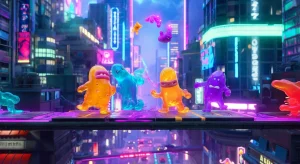
One of the notable elements in “Son of the Mask” is how the visual effects enhance slapstick moments and over-the-top humor. For example, the scenes where characters undergo exaggerated transformations or face outlandish scenarios demonstrate a vivid visual style that appeals to younger audiences. The CGI creates a more immersive, playful environment, but it also sometimes feels less grounded than the original’s mix of practical effects and real-world interactions. This approach can lead to moments that, while visually spectacular, lack the weight and charm found in the tangible effects of the first film.
Furthermore, one has to consider the tone that these visuals convey. The original “The Mask” expertly blended comedic elements with a sense of reality, making the absurdities feel relatable. In contrast, “Son of the Mask” leans heavily into a whimsical aesthetic that makes it charming but can distance some viewers who may prefer a tighter connection to the physical world. The vibrant colors, dynamic character animations, and exaggerated physics result in a visually stimulating spectacle that aligns with contemporary animated features but may not resonate with all fans of the original.
Overall, while the visual effects in “Son of the Mask” reflect advancements in technology and aim to captivate a younger audience, they evoke mixed feelings compared to the practical charm of the original. Fans of striking visuals may appreciate the modern flair, but those who cherished the grounded humor and effects of “The Mask” might find themselves longing for the originality of the earlier film. The sequel presents a bold visual narrative that is undeniably entertaining, albeit in a different context.
Humor and Tone: Is It Still Family-Friendly Fun?
The humor in “Son of the Mask” takes a decidedly different approach compared to its predecessor, aiming to engage a new generation of viewers while still appealing to families. While the original film featured a sharp blend of adult humor and slapstick that resonated with audiences of all ages, the sequel leans more into whimsical and absurd situations that cater to younger children. For instance, the antics of Tim Avery’s child, who inherits mask powers, allow for exaggerated transformations and cartoonish chaos, reminiscent of a Saturday morning cartoon.
Despite this shift, the film tries to maintain a family-friendly tone. The humor often revolves around exaggerated physical comedy and playful scenarios rather than the more mature undertones seen in “The Mask.” For example, scenes where characters find themselves in comically surreal situations are designed to evoke laughter without veering into inappropriate territory. This aspect makes it accessible for parents watching with their kids, though the humor may not connect as fluently with older audiences who fondly remember the original’s clever wit.
One concern for viewers is whether this lighter, whimsical tone sacrifices comedic depth. While some may appreciate the straightforward, goofy humor, others might find it lacking the cleverness and charm that made Jim Carrey’s original performance memorable. The absence of more adult-oriented jokes could leave some older viewers feeling uninspired. Nevertheless, the film’s attempt to create a playful atmosphere can still captivate younger audiences, making it an entertaining yet lighter experience overall.
In essence, while “Son of the Mask” promises family-friendly fun, it chooses to cater primarily to a younger demographic with its humor. Whether this shift is a hit or miss may vary from viewer to viewer, but it remains a film that aims to engage families without crossing inappropriate lines. If you’re considering a viewing with kids, the whimsical antics and colorful characters certainly provide enough entertainment to keep them laughing.
Critical Reception: What Do Critics Say About It?
The reception of Son of the Mask has generally swung towards the negative, with critics pointing out a significant drop in quality compared to its predecessor. The movie’s departure from the edgy humor that characterized The Mask is often cited as a primary reason for the backlash. Many reviews highlight that the film feels overly aimed at a younger audience, which sacrifices both depth and the cleverness that Jim Carrey’s original brought to the screen.
Critics have noted that the visual effects, while colorful and imaginative, often seem to lack the polish and innovation that made The Mask visually engaging. Instead of enhancing the story, some segments of the sequel feel more like a barrage of chaotic stunts than cohesive storytelling. This disconnect led to comments about its heavy reliance on slapstick and absurdity, which, while entertaining for children, may leave adults feeling disappointed.
If you’re considering whether the film is worth your time, it can be helpful to acknowledge that viewers looking for a straightforward family film may find enjoyment in its silliness. However, those expecting a sequel that recaptures the charm and wit of the original may find Son of the Mask wanting. In summary, the film generally struggles to meet the criteria set by its iconic predecessor, leaving many to recommend a rewatch of The Mask for a more fulfilling viewing experience.
Audience Reactions: Viewer Reviews and Ratings
Viewer reactions to Son of the Mask reveal a diverse range of opinions that highlight the chasm between audience expectations and the film’s execution. While some viewers appreciate the sequel’s quirky humor and vibrant visuals, many feel it falls short of capturing the charm and wit of its predecessor. This split in audience response can provide valuable insights for anyone considering a viewing.
For families with young children, Son of the Mask offers a playful viewing experience, with many parents noting their kids enjoyed the slapstick comedy and colorful effects. These viewers often highlight moments of genuine laughter and light-hearted fun, emphasizing that the film caters well to its target demographic. However, adults familiar with the original The Mask often express disappointment, feeling that the sequel’s humor is too juvenile and lacks the cleverness that made the first film memorable.
Viewer ratings also reflect this divide. Many platforms feature user reviews scoring the film significantly lower than its iconic predecessor, with common complaints focusing on weak storytelling and underdeveloped characters. Some fans of the original found themselves frustrated by the sequel’s inability to deliver the same level of character depth and engaging narrative. Nonetheless, there are also those who argue that, when viewed through the lens of a family comedy, Son of the Mask can still be an entertaining option for a light movie night.
In summary, audience reactions suggest that if you’re looking for a film that recaptures the edgy humor of Jim Carrey’s The Mask, you might end up disheartened. However, if your aim is to find a silly, family-friendly movie that can entertain younger viewers, Son of the Mask may just fit the bill. Ultimately, it seems best to approach the film with an understanding of what it aims to offer-a fun, albeit different, experience from the original.
Is Son of the Mask Worth Your Time?
Whether you’re a self-proclaimed fan of ridiculous family comedies or simply curious about how sequels measure up to their originals, Son of the Mask raises an important question: is it worth your time? While the film has faced criticism and is often overshadowed by its predecessor, it still manages to carve out a niche as a colorful, whimsical experience that might just entertain a specific audience.
For fans of the original The Mask, expectations can be a double-edged sword. This sequel doesn’t attempt to replicate Jim Carrey’s iconic portrayal or the sharp wit that defined the first movie. Instead, it focuses on a more playful, slapstick approach that resonates well with younger viewers. Parents have noted that kids tend to enjoy the zany antics, vibrant visuals, and playful humor, providing a viewing experience that’s suitable for family movie nights. If your aim is to watch something for light-hearted giggles rather than profound storytelling, Son of the Mask may fit the bill.
That said, it’s crucial to approach this film with the right mindset. While some may find the humor simplistic or juvenile, recognizing its target demographic can enhance your viewing experience. This film doesn’t grapple with serious themes or complex narratives; it’s all about lighthearted fun and escapism. For adults looking for nostalgia and depth in a sequel, disappointment may loom large. Nonetheless, when viewed purely as family entertainment, Son of the Mask presents a level of enjoyment that could cater to those seeking something different, particularly if sharing it with younger audiences.
In summary, if you’re hoping for a straight continuation of The Mask, you might leave the experience unsatisfied. However, if you’re looking for a whimsical, family-friendly film that offers a break from reality while keeping the kids entertained, it might be worth giving Son of the Mask a chance. Adjust your expectations, and you might just find yourself appreciating its quirky charm!
Comparative Analysis: Sequels That Surprised Us
While most sequels struggle to capture the magic of their originals, some films take bold risks that lead to unexpected triumphs. When discussing “Son of the Mask,” it’s worth exploring how this sequel differs and draws comparisons to other surprising follow-ups in cinema history.
One notable example is “Mad Max: Fury Road,” which diverged significantly from its predecessors by embracing a fresh narrative and visual style. Aimed at both fans of the original films and a new generation, it was lauded for its high-octane action and robust feminist themes. Similarly, “Son of the Mask” diverges from the comedic approach of “The Mask” by lowering the stakes and adopting a family-friendly vibe that resonates with children. Instead of Jim Carrey’s sharp humor, it leans heavily on slapstick and bright animation, providing a different experience that appeals to a younger audience.
Another surprising sequel is “Toy Story 3,” which managed to elevate the emotional stakes while maintaining the charm of its predecessors. The formula worked seamlessly as it tapped into nostalgia while introducing relevant themes for both kids and adults. In contrast, “Son of the Mask” opts for a more simplistic narrative that may not resonate as deeply with older viewers but is effective for younger audiences seeking light entertainment. Recognizing this dynamic is crucial for viewers wanting to understand the film’s appeal.
Ultimately, sequels like “Son of the Mask” remind us that diverging from a beloved original can lead to a unique experience. This film offers a playful escape rather than a direct continuation of existing narratives. While it may not satisfy every fan of the original, its family-friendly focus does carve out a space for itself in the comedy genre, much like other surprising sequels that broke the mold. Embracing the film for its intended purpose can result in an entertaining viewing experience for those who approach it with the right mindset.
Where to Watch: Streaming Options and Availability
Finding the right platform to watch “Son of the Mask” can enhance your viewing experience, especially if you’re diving into this sequel for a bit of family-friendly fun. Luckily, there are several streaming options available depending on your location and subscription preferences.
As of now, you can watch “Son of the Mask” on popular streaming services such as Netflix and Amazon Prime Video. If you’re subscribed to these services, simply search for the film, and you can enjoy it at your convenience. Amazon Prime also offers rent or purchase options for those who may not have a subscription, allowing you to access the film without additional commitments.
For those who prefer physical media, “Son of the Mask” is widely available in Blu-ray and DVD formats. Purchasing or renting through Netflix DVD (where available) or local retailers can provide a great option if you’re building a collection or prefer the tactile experience of watching a DVD.
If you’re interested in alternative streaming platforms, check out services like Hulu or Google Play Movies where the film may occasionally rotate into their libraries. It’s always a good idea to keep an eye on promotions or free trials that can make accessing these films even easier.
In summary, whether you choose to stream, rent, or buy, “Son of the Mask” is accessible through multiple platforms, making it easy to enjoy this unique sequel at your leisure. Don’t forget to check your preferred streaming service first, as availability can vary greatly depending on your region!
Q&A
Q: What is the main premise of Son of the Mask?
A: Son of the Mask follows Tim Avery, a cartoonist who accidentally unleashes the titular mask’s powers when it’s discovered by his baby, who inherits the mask’s magical abilities. The story revolves around their comedic adventures as they navigate the chaos created by the mask while trying to control its influence.
Q: How does Son of the Mask compare in humor to The Mask?
A: While The Mask features a more adult-oriented humor and Jim Carrey’s iconic slapstick style, Son of the Mask adopts a lighter, more family-friendly approach. The sequel leans on absurdity and cartoonish antics that resonate with a younger audience, potentially sacrificing the original’s comedic depth for broader appeal.
Q: Is the animation style in Son of the Mask different from The Mask?
A: Yes, Son of the Mask incorporates extensive CGI and animation, making it visually distinct from the live-action original. The animated segments aim to enhance the fantastical elements, but some viewers feel it detracts from the charm of the original’s practical effects.
Q: Who plays the lead roles in Son of the Mask?
A: The lead roles are filled by Jamie Kennedy as Tim Avery and Bob Hoskins as the villain, while Alan Cumming plays the mischievous Loki. This cast introduces new dynamics compared to the first film, where Jim Carrey and Cameron Diaz were the leads.
Q: What are some criticisms that Son of the Mask received?
A: Many critics found Son of the Mask disappointing due to its weaker plot and lack of character depth compared to its predecessor. The film was often labeled as lacking the originality and comedic brilliance that made The Mask a classic.
Q: Can children enjoy Son of the Mask?
A: Yes, Son of the Mask is designed to be family-friendly, featuring humorous and whimsical situations that children may find entertaining. However, parents should be aware of its frantic pace and humorous elements that are exaggerated for comedic effect.
Q: Are there any standout scenes in Son of the Mask?
A: One standout scene features Tim Avery using the mask’s powers during a community event, leading to a series of slapstick mishaps. This scene exemplifies the film’s energetic tone and visual gags, making it memorable despite the overall mixed reception.
Q: Is there a message or moral in Son of the Mask?
A: Yes, Son of the Mask conveys themes about the importance of family and responsibility. As Tim grapples with his newfound parenthood and the mask’s chaos, he learns to balance his desires with his duties, ultimately emphasizing family values amidst the antics.
Concluding Remarks
In conclusion, the “Son of the Mask” sequel offers a unique experience that may surprise you, blending whimsical elements with memorable characters. While it may not capture the magic of the original, it brings plenty of fun and laughs that could delight die-hard fans and newcomers alike. If you’re still unsure, consider checking out our deeper dive into the original “Mask” movie or our guide on must-watch sequels that actually stand the test of time.
Before you go, don’t miss the chance to explore our movie reviews section for more insights and perhaps join our community of film enthusiasts. Share your thoughts in the comments below-did this sequel meet your expectations? And if you found value in our review, sign up for our newsletter to stay updated on all things cinema and enjoy exclusive content curated just for you. Your next movie night could be just around the corner, so let’s make it a great one!
Get our latest guides, news, and insights highlighted in your Google Search & AI Overviews.