When it comes to comedies that leave an unforgettable mark, Jim Carrey’s “The Mask” stands out as a timeless classic. Released in 1994, this film not only showcases Carrey’s unmatched comedic talent but also dives into themes of identity, transformation, and the liberating power of self-expression. As viewers, we often grapple with our own masks-those personas we wear to navigate the world. This film invites us to explore what happens when the real and the masked selves collide, blending humor and heart in a way that resonates even today. Join us as we delve deeper into this cinematic gem, uncovering the reasons why “The Mask” remains a vital part of our cultural landscape and why it continues to captivate audiences decades later. Get ready for a journey filled with laughter, nostalgia, and a bit of self-reflection!
The Cultural Impact of “The Mask”: A Deep Dive
The 1994 film “The Mask” stands as a significant cultural marker of the 90s, intertwining comedy and fantasy in a way that resonated deeply with audiences and left a lasting impact on popular culture. Jim Carrey’s portrayal of Stanley Ipkiss, a meek bank clerk who transforms into a zany green-faced figure when donning a mysterious mask, is not merely a significant performance; it encapsulates the shifting attitudes towards self-expression and identity during that era. The film skillfully navigates themes of repression, liberation, and the idea that anyone can break free from societal norms.
The use of the mask itself serves as a powerful symbol for many. It reflects the duality of human nature-the conflict between one’s true self and societal expectations. This concept found a wide range of interpretations in the years that followed, inspiring discussions about authenticity and the masks we wear in our daily lives. The film influenced fashion and slang, introducing phrases like “Ssssmokin’!” which became iconic catchphrases often referenced in various media.
Moreover, “The Mask” played a pivotal role in the evolution of visual effects technology, showcasing groundbreaking techniques that paved the way for future films. Its vibrant, comic book-inspired aesthetic captured the imagination of viewers and contributed to the rise of a new genre blending animated effects with live-action performances. As a result, films that followed drew inspiration from its unique style and humor, influencing countless productions.
As we reflect on its legacy, it’s clear that “The Mask” didn’t just entertain-it ignited conversations about identity, freedom, and the creative possibilities of cinema. The film’s cultural significance endures, reminding us that the masks we choose to wear can be both a playful escape and a profound statement about who we really are.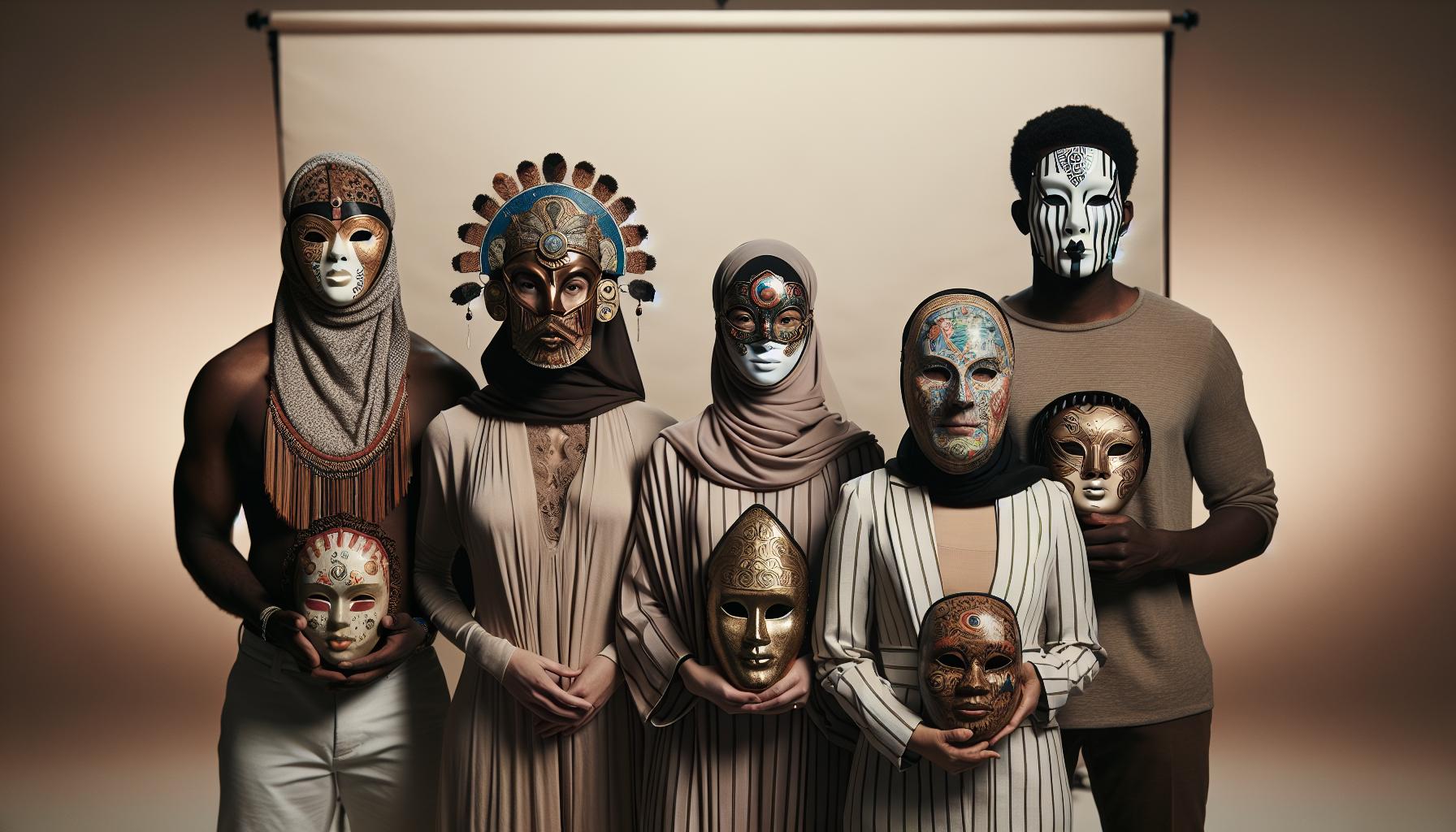
Jim Carrey’s Performance: The Heart of the Film
Jim Carrey’s performance in “The Mask” is nothing short of iconic, anchoring the film’s blend of comedy and fantasy with an unforgettable portrayal of Stanley Ipkiss. Carrey’s ability to oscillate between the timid, insecure bank clerk and the outlandish, uninhibited figure that emerges once the mask is donned showcases his remarkable range as an actor. His physicality and expressive features breathe life into the character, making the transformation not just a visual spectacle but also a profound commentary on self-discovery and liberation.
At the heart of Carrey’s performance lies a commitment to exaggeration that perfectly matches the film’s animated style. With his trademark rubbery expressions and exaggerated movements, he captures the essence of the mask’s chaotic power. For example, scenes of him dancing wildly or delivering lines with perfect comedic timing are testaments to his talent. The blend of slapstick and subtle nuances in his performance allows audiences to feel both the joy and the struggles of Stanley’s dual existence. This juxtaposition not only entertains but also invites viewers to reflect on their own masks.
Moreover, Carrey brilliantly infuses his character with a sense of vulnerability that resonates beyond the laughter. Stanley’s insecurities mirror a universal struggle with identity and acceptance, allowing audiences to connect with him on a deeper level. Moments where he grapples with the dichotomy of his life-stricken with self-doubt yet flamboyantly free as the Mask-highlight this emotional complexity. Carrey’s ability to convey this internal conflict anchors the film’s narrative, ensuring it is more than just a comedy; it becomes a story about finding one’s true self.
In summary, Carrey’s performance is the magic ingredient that elevates “The Mask” from a simple comedy to a multifaceted exploration of identity. His unique combination of humor, physicality, and emotional depth not only entertains but also leaves a lasting impression, making it a cornerstone of his career and a beloved classic in cinematic history.
Themes and Messages Explored in “The Mask
The exploration of themes in “The Mask” invites viewers to reflect on deeper aspects of identity, self-expression, and the consequences of unchecked desires. At its core, the film juxtaposes the mundane reality of Stanley Ipkiss with the chaotic freedom provided by the mask, symbolizing the broader human experience of duality. This narrative cleverly questions what it means to adhere to societal norms versus the liberation found in embracing one’s true self, which resonates strongly across various audiences.
One major theme is the struggle between conformity and individuality. Stanley’s initial life as a timid, rule-abiding bank clerk represents societal expectations, whereas the mask allows him to break free from these restrictions. The transformation he undergoes highlights a universal yearning to express one’s true self, often suppressed by societal constraints. This liberation, however, comes with a price, as the mask amplifies not only Stanley’s playful side but also his darker impulses, illustrating that self-discovery can lead to unintended consequences.
Moreover, “The Mask” delves into the concept of performance and the roles we play in our everyday lives. The notion of wearing a mask-both literally and metaphorically-reflects how individuals often present curated versions of themselves to the world. This theme raises important questions about authenticity: How much of our behavior is genuinely ours, and how much is influenced by societal pressures? Through Stanley’s chaotic adventures, the film suggests that embracing our complexities and embracing vulnerability can lead to a richer, more fulfilling existence.
In essence, the film cleverly intertwines humor with poignant social commentary, allowing viewers to engage with its themes on multiple levels. “The Mask” thus stands out not only as a comedic masterpiece but also as a thoughtful exploration of identity, desire, and the inherent conflicts that arise when we seek to be true to ourselves amidst the chaos of societal expectations.
A Look at the Unique Visual Style of “The Mask
The vibrant and chaotic visual style of “The Mask” is one of the film’s most captivating elements, blending live-action with cartoonish animation to create a unique cinematic experience. This combination allows the film to push the boundaries of reality, reflecting the surreal transformation that occurs when the main character, Stanley Ipkiss, dons the magical mask. The playful aesthetic captures the essence of comic books and animation, drawing viewers into a world where the laws of physics are whimsically bent and exaggerated.
Colors play a significant role in the film’s design. The mask itself glows a striking green, symbolizing not just its supernatural origins but also the intense, unrestrained emotions it unlocks within Stanley. This vibrant palette is contrasted with the more muted tones of Stanley’s everyday life, emphasizing the dramatic shift that occurs when he transitions into his masked persona. The film uses bold, exaggerated expressions and movements-characteristic of animated features-especially through Jim Carrey’s performance, which brings the mask’s quirks and capers to life. These design choices ensure that every scene is visually engaging and keeps the audience on their toes.
Moreover, the film cleverly incorporates visual effects to illustrate Stanley’s extraordinary antics while wearing the mask. Scenes where he stretches, morphs, or defies gravity showcase groundbreaking techniques for the time. For instance, the famous dance sequence in the nightclub is a perfect example of visual flair, where live-action elements integrate seamlessly with animated enhancements. Such sequences not only serve as comedic highs but also reinforce the movie’s central theme: the liberating power of self-expression, often at the expense of chaos.
As “The Mask” unfolds, its unique visual language invites viewers to embrace the absurdity and humor of the narrative. This distinctive blending of styles has influenced countless films and remains a testament to the creativity of the filmmakers. The visual style is not just eye-catching but deeply woven into the film’s storytelling, engaging audiences in a whimsical exploration of identity and freedom that still resonates today.
Memorable Quotes and Moments That Define the Film
The brilliance of “The Mask” isn’t just in its vibrant visual style and slapstick humor; it also shines through its unforgettable quotes and iconic moments that have earned a cherished place in pop culture. One of the most memorable lines, “Somebody stop me!”, perfectly encapsulates Stanley Ipkiss’s zany transformation after he dons the mask. This catchphrase allows audiences to revel in the chaos he unleashes, highlighting the liberating yet reckless embrace of one’s true self-an invitation to let loose and enjoy the moment, no matter how absurd.
Equally iconic is the scene in which Jim Carrey’s character performs a high-energy dance number in a nightclub, transforming the mundane into the extraordinary. The vibrant colors, exaggerated movements, and exaggerated expressions showcase Carrey’s unique comedic style, catching both the characters and the audience off-guard. The unforgettable moment blends physical comedy with a sense of freedom and joy, elevating it to a legendary status in cinematic history.
Another standout quote, “You can’t make me! I’m not a bad guy!”, resonates as a powerful reminder of the conflict between self-perception and how others view us. This line invites reflection on identity and the impact of societal expectations, making it more profound than a mere comedic throwaway.
In culmination, the humor, memorable lines, and defining moments of “The Mask” resonate long after the credits roll. Each quote and scene serves as a testament to the film’s ability to weave humor with heart, allowing viewers to embrace the playful chaos of life. Whether it’s “The Mask” tackling serious themes or delivering gut-busting laughter, this timeless classic continues to inspire and entertain audiences across generations.
The Evolution of Comedy Through “The Mask
The groundbreaking style of “The Mask” not only dazzled audiences with its visual flair but also marked a significant evolutionary step in the realm of comedy. Released in 1994, this film redefined what comedic storytelling could look like by successfully merging live-action with cutting-edge special effects. Jim Carrey’s performance as Stanley Ipkiss, who transforms into the anarchic Mask, showcased the limitless possibilities of physical comedy while utilizing innovative digital effects that were ahead of their time.
Carrey’s unique approach blended traditional slapstick-think exaggerated facial expressions and frenetic movements-with a narrative that pushed the boundaries of character development in comedies. The ability to channel the chaos of the Mask allowed Carrey to explore a range of comedic styles, from surrealism to dark humor. This approach not only entertained but also resonated with audiences who recognized the Mask as a figurative expression of their suppressed identities, an idea that would influence future comedic performances. Comedians who followed often referenced Carrey’s balancing act of humor with deeper themes of self-discovery and liberation.
Moreover, the film’s approach to comedy paved the way for a new generation of comedic artists. The success of “The Mask” demonstrated that comedies could incorporate visually stunning elements and be more than just laugh-out-loud sequences; they could also engage audiences emotionally. The utilization of fantastical elements blended seamlessly with Carrey’s character-driven humor influenced later films that employed similar strategies, showcasing the evolution from simple joke delivery to narratives that delved into character depth and motivation.
Through its vibrant characters and imaginative world, “The Mask” played a pivotal role in shifting comedy towards a more multifaceted medium, paving the way for future films that would adopt the same blend of humor, innovation, and emotional resonance. Jim Carrey’s performance became a touchstone for comics, establishing a new language in comedy that can still be felt in contemporary films today.
Behind-the-Scenes Secrets from the Making of “The Mask
The making of “The Mask” was as dynamic and imaginative as the film itself, filled with fascinating behind-the-scenes stories that contributed to its magic. One of the most intriguing aspects was the revolutionary techniques used in visual effects, which brought the titular character, the Mask, to vibrant life. The production team employed a combination of traditional puppetry and groundbreaking CGI that was cutting-edge for the time. For instance, they used a special blend of practical effects and animation to create the exaggerated features and movements that made Jim Carrey’s performance even more memorable. This hybrid approach set a new standard in the film industry for blending live-action with animated elements.
Carrey’s dedication to embodying the zany persona of the Mask went beyond traditional acting. To fully inhabit the character, he embraced a rigorous physicality that involved intense rehearsal sessions and a specific regimen of exercises to enhance his flexibility. He drew inspiration from a variety of sources, including cartoon characters like Tex Avery’s creations and the silent film legends, making his performance not just an act, but a physical transformation. The character’s high-energy antics were achieved through careful choreography and Carrey’s willingness to push his body to the limits, often in elaborate costumes that added to the challenge.
Another noteworthy behind-the-scenes detail is the role of costume designer and makeup artist, Rick Baker. His expertise in special effects makeup allowed for the transformation of Carrey into the green-skinned Mask. Baker’s design work involved hours of meticulous application and fitting; Carrey often spent several hours in the makeup chair to achieve the iconic look. This commitment is a testament to the lengths the team went to enhance the film’s unique aesthetic, as the bright colors and exaggerated features played a crucial role in immersing audiences in the fantastical world of “The Mask.”
Lastly, the atmosphere on set was filled with improvisation, driven largely by Carrey’s spontaneous comedic style. Many of the film’s funniest lines and moments emerged from Carrey’s improvisational genius, capturing the essence of the character in ways the script might not have predicted. This creative freedom allowed the film to evolve during production, making it a collaborative effort that led to its lasting appeal. The synergy between the cast, crew, and innovative approaches established “The Mask” as a timeless classic that not only entertained but also redefined comedic filmmaking.
Comparing “The Mask” to Other Jim Carrey Classics
The dazzling impact of “The Mask” can be seen when comparing it with other legendary performances by Jim Carrey, a master of physical comedy and emotional depth. While films like “Ace Ventura: Pet Detective” and “Dumb and Dumber” showcase Carrey’s comedic range through outrageous situations and memorable characters, “The Mask” stands out for its unique blend of humor and heart. Carrey’s ability to balance the zany antics of Stanley Ipkiss with a poignant exploration of identity and self-worth sets this film apart.
In “Ace Ventura,” Carrey plays a quirky animal detective whose exaggerated mannerisms and vocal inflections create unforgettable moments. However, the narrative primarily leans on comedy, with less emphasis on character development. Conversely, “The Mask” allows Carrey to delve deeper into the psyche of a timid bank employee who transforms into a chaotic alter ego upon donning a magical mask. This duality brings a richness that resonates with audiences as they witness Stanley’s journey not just into madness, but also toward self-acceptance.
“Dumb and Dumber” further showcases Carrey’s undeniable comedic talent, featuring slapstick humor and absurdity that solidify its status as a classic. Yet, like “Ace Ventura,” it skims the surface of deeper themes. In contrast, “The Mask” utilizes the costume’s transformative powers to explore significant issues like repression, empowerment, and the struggle between one’s true self and societal expectations. The mask serves as a metaphor for liberation, reflecting the movie’s message that embracing one’s true nature can lead to genuine happiness.
Ultimately, while each film highlights Carrey’s extraordinary gifts as a comedian, “The Mask” excels in merging comedy with a meaningful narrative. It showcases the actor’s range not just as a joyously exaggerated comedian, but as a profound storyteller capable of anchoring a fantastical plot in real-world emotions and struggles. For fans of Carrey’s work, this film encapsulates the essence of his comedic genius while also inviting viewers to reflect on the deeper aspects of identity and self-expression.
Fan Theories and Interpretations of “The Mask
The world of “The Mask” is rich with layers and interpretations that have sparked numerous fan theories since its release. What makes this film enduringly captivating is how audiences connect with the underlying themes and the transformative power of the titular mask. Some theories suggest that the mask is not merely a magical artifact but a reflection of the repressed desires and personality traits of its wearer, Stanley Ipkiss. This idea aligns with the film’s exploration of self-acceptance and liberation, emphasizing how societal norms often suppress individuality.
Another popular theory posits that the mask represents duality-the struggle between one’s authentic self and the self that conforms to societal expectations. Fans have pointed out that when Stanley dons the mask, he embodies characteristics that he initially lacks: charisma, confidence, and a carefree attitude. This duality leads to the question of whether the “true” Stanley exists only when the mask is worn, suggesting that perhaps many people suppress their true identities in daily life, mirroring the mask’s transformative effects.
Moreover, some interpretations delve into the relationship dynamics portrayed in the film, particularly between Stanley and the femme fatale, Tina Carlyle. Fans have speculated whether Tina is genuinely attracted to Stanley or whether she’s merely drawn to the charisma that emerges when he’s masked. This ambivalence has led to discussions about the authenticity of relationships formed under false pretenses, adding yet another layer to the narrative’s complexity.
Lastly, there’s the theory linking the mask’s origins to ancient rituals or folklore, suggesting that it may possess powers beyond mere transformation-potentially serving as a commentary on the human psyche and the masks we all wear in society. This concept has resonated with viewers, prompting them to reflect on their own lives and the personas they create in different social scenarios.
These fan theories and interpretations not only enhance the viewing experience but also keep the conversation around “The Mask” alive, inviting both new and returning audiences to engage with its themes on a deeper level. Whether seeing the film as a simple comedy or a profound exploration of identity, the discussions it inspires underline its status as Jim Carrey’s timeless classic.
Legacy of “The Mask”: Influences on Future Films
The lasting impact of “The Mask” on the film industry is undeniable, as it introduced a unique blend of live-action and animation that influenced many subsequent films. Jim Carrey’s exuberant performance set a new benchmark for comic portrayals, inspiring a generation of actors to explore exaggerated character transformations. The film’s use of visual effects to bring the mask’s magical properties to life paved the way for filmmakers to experiment with CGI in ways that weren’t previously standard in comedy.
The blueprint laid by “The Mask” for combining slapstick humor with emotional depth has resonated in various genres beyond comedy, influencing movies like “Who Framed Roger Rabbit,” which similarly melds live action with animation and plays with the visual representation of characters’ thoughts and emotions. This technique can be seen in recent animated films that incorporate live-action elements, such as “Space Jam: A New Legacy,” showcasing how “The Mask” helped popularize such hybrid formats.
Moreover, the themes of identity and transformation explored in “The Mask” continue to find relevance in current cinema. Films like “Deadpool” and “Shrek” draw on similar ideas of subverting traditional roles and characteristics through humor and fantastical elements. These movies, much like Carrey’s character Stanley Ipkiss, grapple with the chaos and freedom of embracing one’s true self versus conforming to societal norms, underscoring the ongoing dialogue initiated by “The Mask.”
Furthermore, the film’s iconic visual style, with its vibrant colors and comic book aesthetics, has inspired numerous productions, prompting filmmakers to adopt similar techniques to create visually engaging narratives. This stylistic legacy can be seen in contemporary projects that strive to convey emotional weight while also entertaining with flamboyant visuals, demonstrating how “The Mask” remains a touchstone for creativity in film.
In summary, the influence of “The Mask” extends far beyond its release in 1994; it has actively shaped the evolution of comedy and animated storytelling in cinema, encouraging filmmakers to embrace bold, imaginative styles and explore the complexities of identity with humor and heart. Its legacy continues to inspire new generations of creators, ensuring that Stanley Ipkiss’s escapades resonate even today.
How “The Mask” Shaped 90s Pop Culture
The release of “The Mask” in 1994 marked a pivotal moment in 90s pop culture, redefining how humor, animation, and live-action could blend seamlessly on the silver screen. Jim Carrey’s iconic portrayal of Stanley Ipkiss instantly introduced a new breed of comedy, characterized by over-the-top antics and manic energy that resonated with audiences. Carrey’s ability to morph into the zany alter ego, fueled by the magical mask, captured the imagination of viewers and became a defining element of 90s cinema.
The film’s vibrant aesthetic and expressive visual effects brought a comic book quality to life, popularizing a style that influenced countless productions. This visual flair was not just a mere backdrop but set the tone for an era where films began to experiment more with artistic styles. Shows like “Batman: The Animated Series” and later animated features such as “Space Jam” embraced similar visual narratives, utilizing bright colors and striking animations that appealed to both children and adults alike. The combination of humor with bold visuals became a hallmark of 90s entertainment, intertwined with its slapstick roots.
Moreover, “The Mask” contributed significantly to fashion trends during the decade. The playful yet edgy style of the characters inspired a wave of merchandise-from masks to vibrant clothing reminiscent of Carrey’s looks. The film’s influence extended beyond merchandise; phrases like “smokin’!” became part of 90s vernacular, showcasing how a film could reshape cultural language and trends. The energetic catchphrases and memorable exchanges spurred a wave of quote-sharing among friends, reinforcing the film’s place in popular culture.
As we reflect on the legacy of “The Mask,” it’s clear that its impact on 90s pop culture endures. The film not only entertained but also set a precedent for how humor could flourish in unique visual landscapes. The blend of heartfelt stories, comedic exaggeration, and groundbreaking visuals paved the way for future generations of filmmakers, who continue to draw inspiration from Carrey’s unforgettable performance and the whimsical world he brought to life.
Revisiting “The Mask”: Does it Hold Up Today?
The vibrant world of “The Mask” continues to resonate with audiences, even more than three decades since its release. Jim Carrey’s larger-than-life portrayal of Stanley Ipkiss not only captured hearts in the 90s but has also cemented itself as a cherished classic. The film presents a unique mix of comedy, fantasy, and visual creativity that remains engaging for both new viewers and those revisiting it.
When revisiting “The Mask,” it’s essential to reflect on its blend of nostalgic charm and cultural commentary. The film’s humor, often seen through a lens of slapstick and exaggeration, remains infectious. Carrey’s physical comedy showcases an acting style that many contend is unparalleled, filled with manic energy and absurd scenarios that evoke genuine laughter. The film’s catchphrases, like “smokin’!”, still resonate today, demonstrating how effective punchlines can transcend time and become a part of popular lingo.
Moreover, the visual effects and artistic direction of “The Mask” stand the test of time. The combination of CGI and practical effects was pioneering for its era, creating a whimsical environment that brought the comic book aesthetic to life. These elements contribute significantly to its appeal, allowing it to remain visually arresting even in the age of advanced graphic technologies. The fashion inspired by the film, particularly the bold colors and eccentric styles, also sparked trends that are fun to look back on, showcasing the film’s impact on both cinema and culture.
In conclusion, “The Mask” does hold up today, providing a delightful mix of laughs, artistry, and cultural significance. Its ability to entertain across generations speaks to the timeless magic of Jim Carrey’s performance and the innovative filmmaking of the early ’90s. For anyone curious about how this iconic film fits into modern conversations about comedy and creativity, revisiting it offers insights that remain relevant and engaging.
Q&A
Q: What are the main themes explored in “The Mask”?
A: “The Mask” delves into themes of identity, liberation, and the duality of human nature. It showcases how the protagonist’s transformation reflects deeper desires and the consequences of embracing one’s true self. Explore these themes further in the section on “Themes and Messages Explored in ‘The Mask'” in the article.
Q: How does Jim Carrey’s performance elevate “The Mask”?
A: Jim Carrey’s energetic and versatile portrayal of Stanley Ipkiss transforms the character from a shy bank clerk to a confident, zany figure. His physical comedy and improvisation skills bring the character’s duality to life, making it a hallmark of his career. For insights on his performance, check the article’s section dedicated to it.
Q: How did “The Mask” influence 90s pop culture?
A: “The Mask” had a significant impact on 90s pop culture, introducing iconic catchphrases and influencing the stylistic choices in comedy films that followed. Its unique visual effects and memorable scenes continue to echo in contemporary media. For a detailed look, refer to the “How ‘The Mask’ Shaped 90s Pop Culture” section.
Q: Are there any notable behind-the-scenes facts about “The Mask”?
A: Yes, the making of “The Mask” involved innovative special effects techniques that were groundbreaking at the time. The film utilized cutting-edge digital technology to blend live action with animation, which has influenced future films significantly. For more behind-the-scenes secrets, see the relevant section in the article.
Q: What is the legacy of “The Mask”?
A: The legacy of “The Mask” lies in its lasting influence on both comedy and the superhero genre. It set a precedent for character-driven stories that combine humor with heartfelt moments, and it continues to inspire filmmakers today. To delve deeper, view the section on its legacy in the article.
Q: How does “The Mask” compare to other Jim Carrey films?
A: “The Mask” stands out among Jim Carrey’s films for its blend of slapstick humor and a deeper emotional narrative. While films like “Ace Ventura” focus on pure comedy, “The Mask” presents a more complex character arc. For a full comparison, refer to the segment that discusses this in detail.
Q: Why do viewers still enjoy “The Mask” today?
A: Viewers continue to enjoy “The Mask” due to its timeless humor, relatable themes of self-discovery, and Carrey’s charismatic performance. Its vibrant visual style and memorable quotes make it engaging for both new and old audiences. For a discussion on its lasting appeal, check the “Revisiting ‘The Mask’: Does it Hold Up Today?” section.
Q: What fan theories exist about “The Mask”?
A: Fans have developed various theories about “The Mask,” including interpretations of its symbolism regarding freedom and constraint. Some suggest deeper connections to issues like consumerism and identity. For an exploration of these theories, see the article’s section dedicated to fan theories.
In Conclusion
As we wrap up our exploration of Jim Carrey’s “The Mask,” remember that this film is more than just a hilarious romp; it’s a timeless reminder of the transformative power of self-expression. If you’re inspired by the blend of humor and heart, consider diving into our reviews of other classic comedies, or check out our tips on how to find humor in everyday life. Don’t miss out on our latest articles that break down essential comedy skills for aspiring entertainers-your next laughs are just a click away!
If you enjoyed this review, share your thoughts in the comments below and let us know your favorite moments from “The Mask.” Also, subscribe to our newsletter for more engaging content and exclusive insights delivered right to your inbox. Stay curious and keep exploring-your next favorite movie is waiting!
Get our latest guides, news, and insights highlighted in your Google Search & AI Overviews.