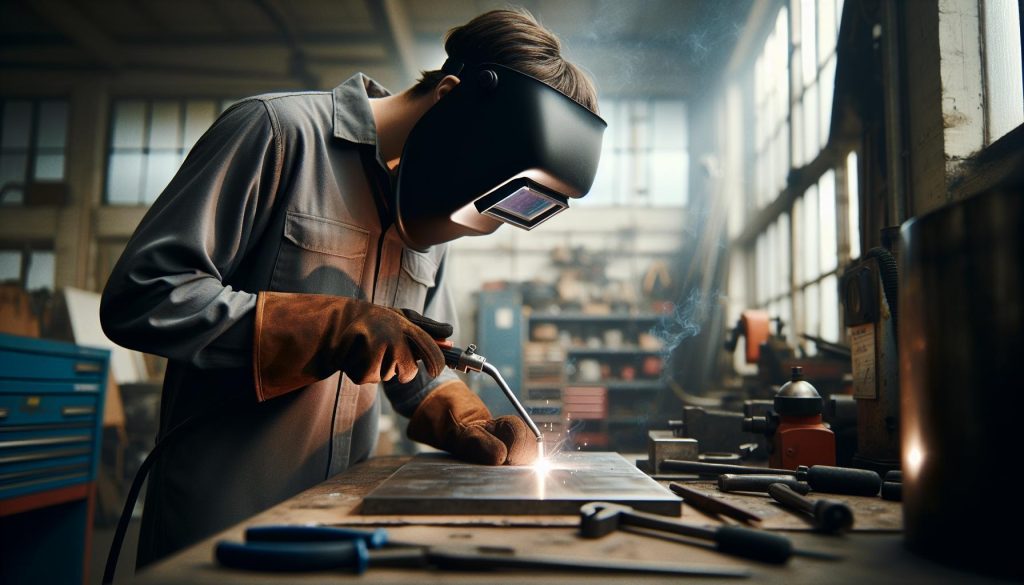
Did you know that nearly 40% of welding injuries are eye-related? As essential as welding is, protecting your eyes from sparks, UV light, and intense heat is crucial. In “Welding Mask Review: Best Protection for Your Eyes,” we’ll explore the top welding masks on the market, helping you understand what features to look for to keep your eyes safe and comfortable. Whether you’re a seasoned welder or just starting out, finding the right mask can greatly enhance your safety and performance. With so many options available, you might feel overwhelmed, but don’t worry-we’ll break down the key features and benefits, so you can confidently choose the perfect protection for your welding needs. Let’s dive in and ensure your eyes are safeguarded while you create incredible metalwork!
Welding Mask Essentials: Why You Need One
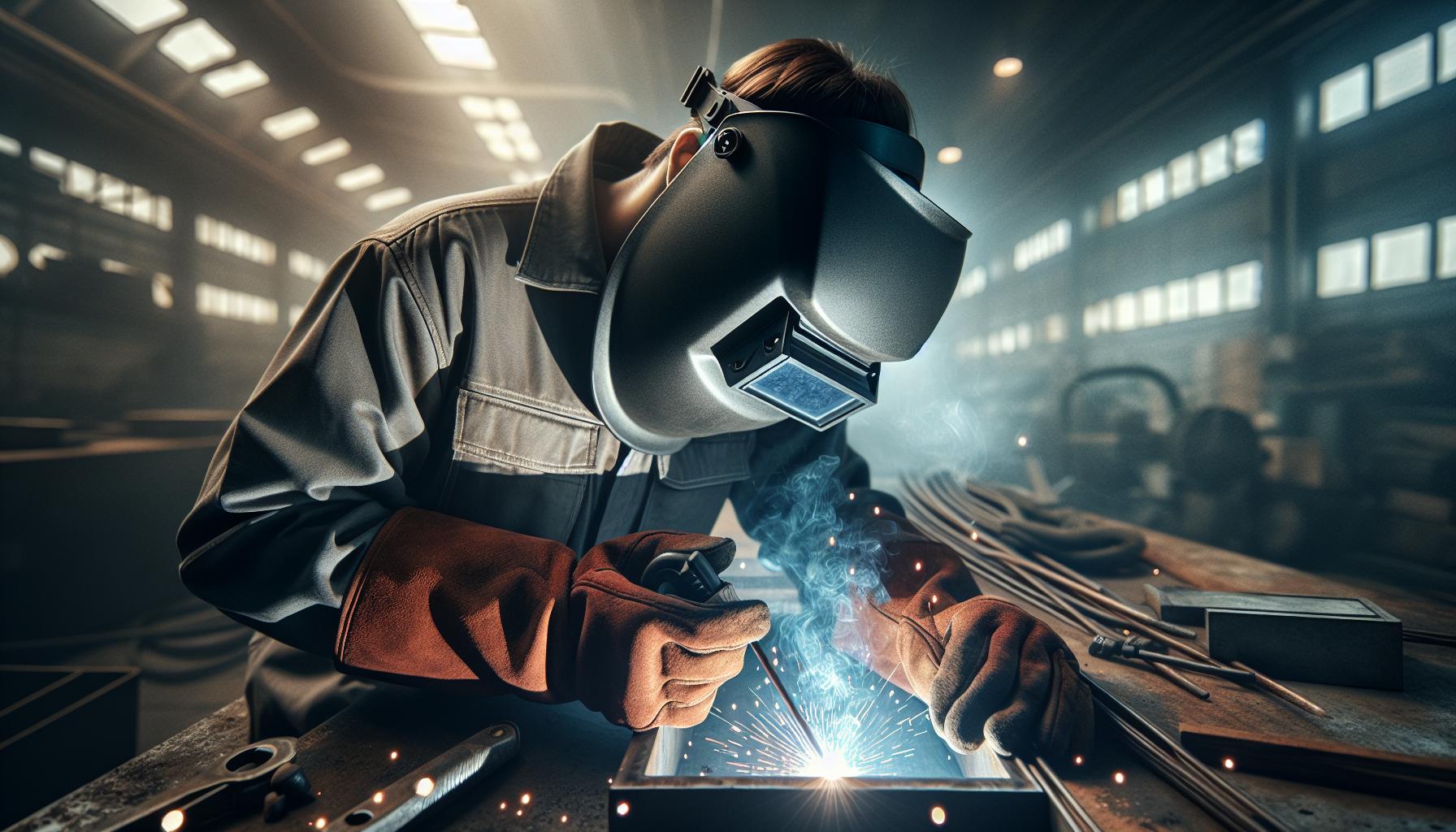
In the world of welding, protecting your eyes is not just a safety measure; it’s an absolute necessity. Exposure to bright light, intense heat, and harmful rays such as ultraviolet (UV) and infrared (IR) can lead to serious eye injuries or long-term vision problems. Whether you’re a professional welder or a DIY enthusiast, a welding mask is your first line of defense against these hazards. Not only do welding masks shield your eyes from the glaring arc and sparks, but they also provide essential protection against flying debris and harmful particles.
A high-quality welding mask is designed with features that enhance safety and comfort. For example, the lens should have the appropriate shading for the type of welding you’ll be doing, which helps to filter harmful rays while allowing you to see your work clearly. Many modern masks also offer auto-darkening features that adjust the lens tint based on the brightness of the arc. This allows for smoother transitions between light and dark, reducing eye strain. Furthermore, with designs that prioritize comfort, effective masks can fit securely without feeling heavy on your head, allowing you to focus on the task at hand rather than adjusting your gear.
Choosing the right welding mask is crucial for ensuring your safety and maintaining optimal visibility. It’s important to consider various factors, such as the type of welding, the duration of use, and individual comfort preferences when selecting your mask. Investing in a quality welding mask not only protects your vision but can also lead to better performance in your welding projects, as you will have a clearer view of your work. In short, a reliable welding mask is indispensable for anyone serious about welding.
Understanding Welding Mask Types: Which is Best?
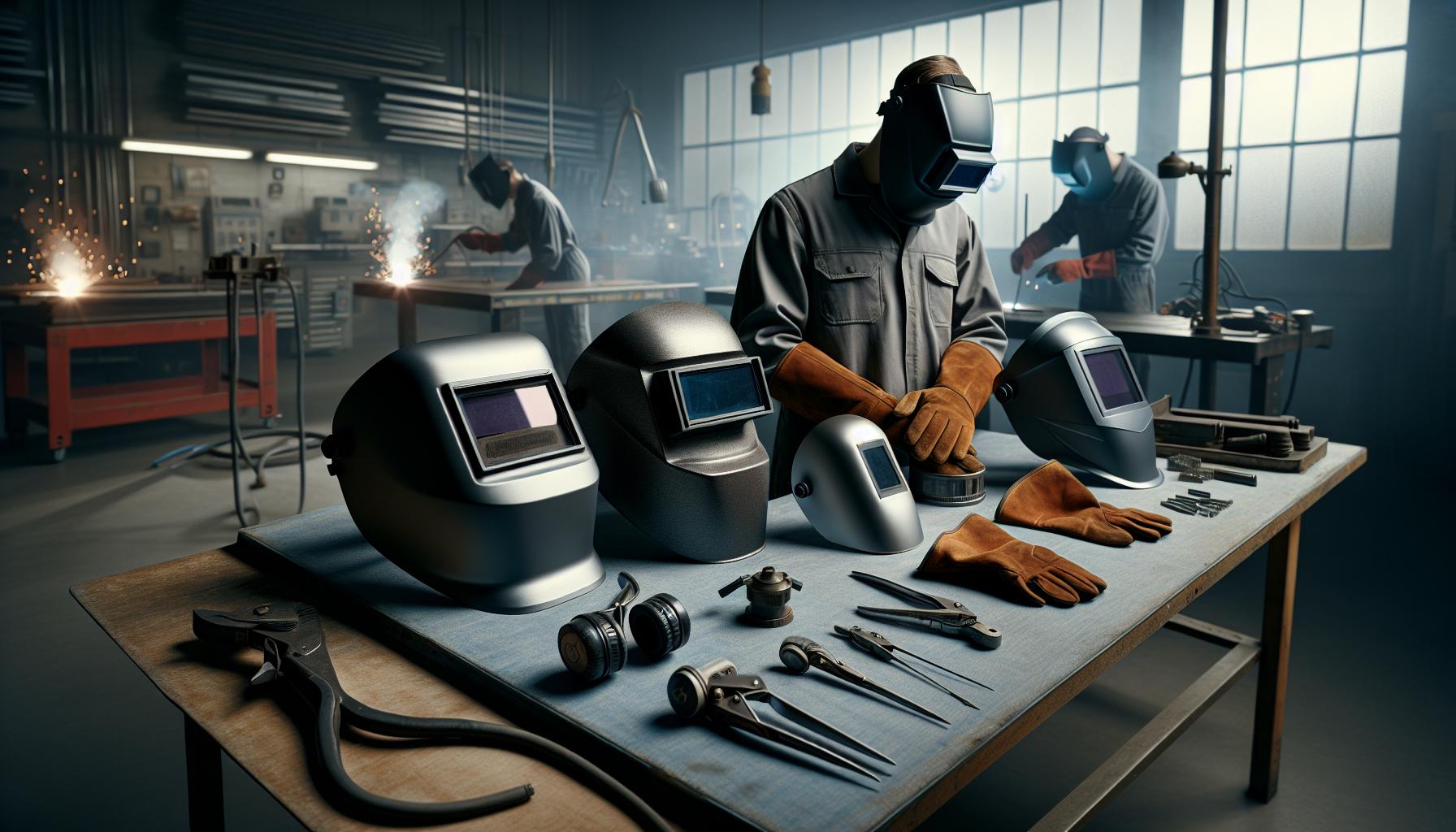
Selecting the right welding mask can significantly impact your safety and comfort while working. The variety of welding masks available can be overwhelming, but understanding the different types will help you make an informed choice. The primary categories include passive, auto-darkening, and noise-cancelling masks, each designed for specific welding needs and personal preferences.
Passive welding masks are the traditional choice, featuring a fixed lens shade. While these masks are budget-friendly, they require the welder to lift the mask to see the work area clearly, which can be inconvenient and potentially expose your eyes to harmful light. They are often adequate for beginners or those who do light, occasional welding.
In contrast, auto-darkening welding masks offer a much more sophisticated solution. These masks use sensors to automatically adjust the lens shade based on the brightness of the welding arc. This feature not only enhances visibility but also reduces eye strain, allowing you to see your work area clearly both when you’re welding and during setup. This type is especially beneficial for professionals who spend long hours on various projects, as it contributes to maintaining focus and comfort over extended periods.
Another innovative option to consider is the noise-cancelling welding mask, ideal for environments where sound levels can be distracting. By incorporating sound-dampening materials, these masks allow for clear communication while still providing optimum eye protection. This type is valuable in team settings where interaction is necessary but can be more challenging in noisy environments.
Ultimately, the best type of welding mask for you depends on the specific tasks you’ll be performing, your budget, and your comfort preferences. With any choice, ensure that the mask fits comfortably, provides adequate protection, and allows for a clear line of sight during your welding projects. Remember, investing in the right mask is an investment in your safety and effectiveness as a welder.
Top Features to Look for in a Welding Mask
When selecting a welding mask, key features can significantly enhance both your safety and comfort while working. One crucial aspect is the lens technology. Masks equipped with auto-darkening lenses provide seamless transitions between various lighting conditions, allowing for unhindered visibility while you work. This means you won’t have to constantly lift your mask to see your workspace clearly, reducing eye strain and improving focus. If you’re a professional welder or someone who spends considerable time welding, prioritizing this feature can make a world of difference.
Another important feature to consider is the adjustability of the helmet. Many modern masks offer customizable settings for the lens shade, sensitivity, and delay time, which adapts to different welding processes and environments. This means you can fine-tune your welding mask according to the specific job at hand. A well-fitted mask not only enhances safety but also boosts comfort during long hours of use.
Weight and design also play a pivotal role. Lightweight masks can alleviate neck strain during extended use, while ergonomic designs ensure a snug fit that won’t slip or cause discomfort. Additionally, look for replaceable lenses and filters; this feature allows you to easily maintain your mask and ensure that your vision remains clear and unobstructed.
Lastly, don’t overlook certifications and safety ratings on your mask. Masks that meet the ANSI Z87.1 standards provide reassurance that they’re designed to withstand the demands of various welding applications. By paying attention to these features, you can select a welding mask that not only meets your needs but also prioritizes your safety and comfort, allowing you to work confidently in any project.
How to Choose the Right Welding Mask for Your Needs
Choosing the right welding mask can feel overwhelming, especially with the plethora of options available today. But understanding your specific needs can simplify this process tremendously. First, consider the type of welding you’ll be doing. Different welding processes-TIG, MIG, or stick welding-produce varying levels of brightness and sparks, and this will dictate your lens requirement. For instance, a mask with a higher shade number is recommended for brighter applications like TIG welding, while a lower shade might suffice for stick welding.
Next, comfort is crucial, especially if you’re working on long projects. Look for masks that offer adjustable headbands and a lightweight design. A snug yet comfortable fit can prevent fatigue during extended use. Additionally, features like a padded interior can enhance comfort levels significantly. If you wear glasses, ensure the mask accommodates them without pushing them against your face too tightly.
Let’s not forget about lens technology. If visibility is a concern, masks with auto-darkening lenses can adapt to different lighting conditions, providing optimal visibility at all times. This means fewer interruptions to make adjustments, allowing you to focus on your work instead of fiddling with your gear. Furthermore, check for replaceable lenses-this can save you money down the line and prolong the life of your mask.
Ultimately, safety ratings are your final checkpoint. Look for masks that meet industrial safety standards such as ANSI Z87.1. This certification denotes that the mask has been rigorously tested for impact resistance and UV protection. By carefully considering these facets-welding type, comfort, lens technology, and safety standards-you’ll be well-equipped to select a welding mask that not only fits your needs but enhances your overall welding experience.
Welding Mask Safety Ratings: What Do They Mean?
Understanding the safety ratings of welding masks is crucial for anyone involved in welding, whether as a hobby or as a profession. A welding mask’s safety rating provides insight into its effectiveness in protecting your eyes and face from the myriad hazards associated with welding processes. Knowing what these ratings mean can help you make an informed decision when selecting the right gear for your needs.
One of the most recognized standards is ANSI Z87.1, issued by the American National Standards Institute (ANSI). This certification indicates that the mask has undergone rigorous testing to ensure it provides adequate protection against impact and hazardous light exposure. A mask that meets this standard will effectively shield your eyes from harmful UV rays and intense brightness created during welding. Additionally, look for masks with ratings for specific hazards like low-light visibility or spark resistance, which can further enhance your protection in various working environments.
In addition to industry standards, safety ratings often include shade numbers, which denote the level of darkness offered by the mask’s lens. For welding applications, shade numbers typically range from 5 to 14, with higher numbers providing more protection against intense light from arcs. For example, a shade 10 lens is suitable for MIG and stick welding, while a shade 14 lens is ideal for high-intensity processes like TIG welding. Understanding these gradations can help you select a mask that not only fits your welding processes but also safeguards your eyesight against potential damage.
Ultimately, when choosing a welding mask, prioritize those that meet or exceed safety ratings like ANSI Z87.1 and pay attention to shade numbers tailored to your specific welding techniques. By doing so, you can confidently enhance your safety while engaging in welding tasks, protecting not just your eyes, but your overall well-being in such a potentially hazardous field.
Review of the Best Welding Masks on the Market
The right welding mask can make a world of difference in your experience, comfort, and safety while working. With countless options on the market, ranging from budget-friendly to high-end models loaded with features, it’s essential to choose one that meets your specific needs without compromising on protection. Below, we explore some of the best welding masks available, highlighting their features, pros, and cons to help you make an informed choice.
Top Picks for Welding Masks
- Lincoln Electric VIKING 3350: Renowned for its visibility and comfort, this mask boasts a 1/1/1/1 optical clarity rating, meaning you’ll enjoy clearer viewing during your projects. The adjustable headgear ensures a snug fit, while its X-mode greatly reduces interference from sunlight and bright ambient lights.
- 3M Speedglas 9100: This model is a favorite among professionals thanks to its high-quality auto-darkening feature. The 9100 series provides excellent protection and advanced optics, with multiple shade settings suitable for various welding processes. Its lightweight design also adds to the comfort for long hours of use.
- Jackson Safety BH3: Combining style and function, the BH3 offers digital controls for shade adjustments and is designed to withstand heavy use. It has a large viewing area, providing clear visibility of the weld puddle and surrounding area, making it ideal for intricate work.
- ESAB Sentinel A50: A modern option featuring a sleek design, this helmet comes with a wide viewing area and multiple arc sensors. The A50 offers enhanced comfort with its adjustable headband and can be adjusted for best fit. Its color display allows users to see more detail in the welding environment.
What Makes a Welding Mask Exceptional?
When choosing a welding mask, look for essential features like the auto-darkening filter, which adjusts the lens shade automatically when an arc is struck. This feature not only protects your eyes but improves your concentration on welding tasks. Additionally, consider the weight and comfort of the mask, especially if you plan to wear it for extended periods. Masks with padded headgear and lightweight designs can significantly reduce fatigue.
Another key aspect is the lens quality and optical rating. Typically, a lens with a 1/1/1/1 rating indicates excellent clarity and minimal distortion – crucial factors for precise work. Lastly, pay attention to versatility with respect to different welding techniques; some masks are better suited for MIG, TIG, or stick welding based on their shade options.
Selecting the right welding mask is not just about price or brand; it’s about ensuring safety while enhancing your welding skills. By considering these top picks and key features, you’re well on your way to finding a mask that suits your needs, allowing you to focus on your craft with confidence.
User Experiences: Real Reviews and Feedback
User feedback on welding masks often highlights the critical balance between comfort, visibility, and protection, all of which significantly impact the welding experience. Many users appreciate auto-darkening features, which allow for immediate adjustments to light levels, as this not only enhances safety but also keeps focus on intricate tasks. For example, welders have shared experiences of setting the mask’s sensitivity to low when working outdoors to avoid interference from sunlight, which can be a game-changer in maintaining concentration and accuracy.
Reviewers frequently note the importance of comfort, especially for long sessions. A common sentiment is that models like the 3M Speedglas 9100 are favored for their lightweight design and comfortable fit. Many users express that extended wear is manageable due to the padded headgear and breathable materials. In contrast, other masks sometimes receive criticism for being too heavy or causing neck strain after prolonged use, illustrating that comfort should be a top priority when making a selection.
Additionally, many real-life users highlight the clarity of vision provided by high-quality lenses. Those using masks with a 1/1/1/1 optical clarity rating, such as the Lincoln Electric VIKING 3350, often report feeling more confident in their work due to reduced distortion. This clarity helps in accurately monitoring the weld pool, leading to better results. On forums and review sites, testimonials reveal how such masks improved their overall productivity and work quality.
Overall, the feedback paints a clear picture: selecting a welding mask is not merely about protection; it’s also about enhancing the quality of the welding experience. The right choice empowers users to focus on their work with confidence, effectively minimizing fatigue while maximizing both safety and performance.
Maintenance Tips for Long-Lasting Welding Masks
Proper care of your welding mask is essential not just for longevity but also for maintaining safety and performance during your welding projects. By following some straightforward maintenance tips, you can ensure your gear serves you well over countless jobs, keeping your eyes protected and your work effective.
Start with regular cleaning. After each use, wipe down the outside of the lens with a soft microfiber cloth to remove any grime or spatter. It’s crucial to use a cleaner specifically designed for welding masks or a mixture of mild soap and water, as harsh chemicals can damage the lens coating. For the inside of the mask, where sweat and particles may accumulate, a damp cloth suffices. This minimizes fogging and enhances visibility, allowing you to perform at your best.
In addition to cleaning, check the headgear and other adjustable parts frequently. If your mask shifts during use, it can be distracting and unsafe. Adjust straps for a snug yet comfortable fit to avoid movement. Replace any worn-out parts if you notice them losing tension or if they start to break down. Many manufacturers sell replacement components, making it easy to keep your mask in top condition.
Lastly, always store your welding mask properly when not in use. Keep it in a cool, dry place away from direct sunlight, as prolonged exposure can warp or damage the materials. Consider using a protective bag or case to prevent scratches and ensure all components remain intact.
Fostering these habits will not only prolong the life of your welding mask but also enhance your safety and comfort while working. Regular maintenance is a small effort that pays off significantly in performance. With just a few simple steps, you can keep your gear in prime condition, allowing you to concentrate on your welding without distractions.
Common Mistakes to Avoid When Using a Welding Mask
Using a welding mask is essential for protecting your eyes and face from harmful sparks, intense light, and UV radiation. However, many welders, whether seasoned professionals or newcomers, unknowingly make mistakes that can compromise safety and effectiveness. Recognizing these pitfalls is vital for ensuring a safe and successful welding experience.
One common mistake is failing to select the right shade for the lens. Each welding process-MIG, TIG, or stick welding-generates different levels of brightness. Using a lens that is too dark can hinder visibility, making it difficult to see your work, while a lens that is too light can expose your eyes to harmful brightness. Make sure to consult the American National Standards Institute (ANSI) guidelines to find the appropriate shade for your specific welding type.
Another frequent error is neglecting fit and comfort. A mask that doesn’t fit properly can shift or allow harmful light to enter, rendering it ineffective. Take the time to adjust the headgear and ensure the mask sits snugly. Additionally, consider the weight of the mask; a heavy mask can lead to fatigue and discomfort, making it more challenging to concentrate on your work.
It’s also important to remember that visibility goes beyond just lens opacity. Some welders forget to keep the lens clean. A dirty lens can scatter light and reduce clarity, leading to frustration and potential accidents. Regularly wipe down both the inside and outside of the lens with a soft cloth designed for this purpose, ensuring that you maintain a clear view throughout your welding tasks.
Finally, it’s easy to overlook the importance of taking breaks. Welding can be an intense process, and a long stint without rest can lead to eye strain, fatigue, and errors. Set intervals for brief pauses to rest your eyes, relieving some of the tension built up during continuous work. Prioritizing these breaks will not only help maintain your focus but also enhance your overall comfort while welding.
By being mindful of these common mistakes, you can significantly improve both your safety and effectiveness while using a welding mask, allowing you to focus on perfecting your craft.
Upgrading Your Welding Gear: When to Invest in a New Mask
Investing in a new welding mask is not just about aesthetics; it’s a vital step in ensuring your safety and comfort while working. Over time, even the best masks can wear out or become less effective, prompting you to consider an upgrade. If your welding mask shows signs of wear, such as cracks, rust, or issues with the lenses, it’s definitely time for a new one. Ignoring these issues can compromise your vision and safety, leading to accidents or improper welds.
Another reason to invest in a new mask is the advancement in technology. Modern welding masks come equipped with features that greatly enhance protection and usability. For instance, auto-darkening lenses now offer faster response times and wider viewing angles, which improve not only safety but also precision in your work. If your current mask lacks these features and you’re frequently experiencing strain or discomfort, upgrading could significantly enhance your welding experience.
Consider your personal needs and the type of welding you perform. If you’ve transitioned to a new welding technique or if your work has evolved-say from occasional projects to professional welding-upgrading your mask to match your current demands is essential. This ensures you’re equipped with the level of protection that meets industry standards.
To summarize, keep an eye on the condition of your welding gear, stay updated with technological advancements, and evaluate your personal needs regularly. Investing in a new welding mask at the right time not only enhances your performance but also safeguards your most important asset-your vision.
Welding Mask Care: Cleaning and Storage Tips
Taking care of your welding mask is just as crucial as choosing the right one; after all, its primary role is to protect your eyes from intense light and harmful sparks. Regular maintenance not only extends the life of your gear but also ensures that your vision remains uncompromised while you work. A clean and well-stored welding mask performs better-it’s an investment in your safety.
To start, always clean your mask after every use to prevent residue from building up. Use a soft cloth or a microfiber towel with gentle soap and water solution. Avoid abrasive cleaners or scrubbing pads, as these can scratch and damage the lens coating. Pay close attention to the auto-darkening lens, ensuring it’s free of contaminants for optimal clarity. Tip: Always check the manufacturer’s recommendations for cleaning products, as some materials can be sensitive.
Storage is equally important. When not in use, store your welding mask in a protective case or pouch. This keeps it safe from dust, debris, and accidental damage. Ideally, you should keep it in a cool, dry place, away from direct sunlight. Extreme temperatures can warp the mask and affect its performance. To ensure it’s always ready for your next project, do a quick visual inspection before each use to check for any signs of wear or damage, especially on the lens or headband.
In summary, prioritize regular cleaning and thoughtful storage to maximize the lifespan and effectiveness of your welding mask. By treating your gear with care, you ensure that it protects you as intended, allowing you to focus on your work confidently and safely.
Enhancing Comfort: Customizing Your Welding Mask Experience
Finding the right welding mask can significantly enhance your comfort during long sessions of welding. A well-fitted and thoughtfully customized mask not only protects your eyes and face but also reduces fatigue and distractions, allowing you to concentrate on your craft. Customization goes beyond selecting a mask with the right specs; it involves adjusting the mask to fit your unique needs and incorporating features that can enhance your overall experience.
To achieve optimal comfort, start with proper fit. Look for a welding mask that features adjustable headgear. Many modern masks offer multiple adjustment points, which allow you to secure the mask snugly to your head without tightness. This prevents unnecessary pressure on your forehead and around your temples. If you’re working long hours, consider investing in a welding mask with additional padding. Soft, moisture-wicking materials can make a remarkable difference by absorbing sweat and reducing irritation over time.
Another key aspect to consider is the lens and viewing area. Choosing a mask with an adequate viewing size and the appropriate lens shade for your specific welding activity can enhance visibility and decrease eye strain. Auto-darkening filters are a game-changer, offering a quicker transition from light to dark states. This feature helps prevent your pupils from constricting too much, allowing for a more comfortable and natural sight, especially in varying ambient light conditions.
It’s also essential to consider the weight of the mask. Lightweight models are often more comfortable for prolonged use as they reduce neck strain. If you’re frequently switching between different tasks, look for masks that allow you to easily swap out lenses or replace the headgear. Lastly, don’t forget about ventilation; masks that provide air circulation can significantly improve comfort, particularly in hot conditions.
In summary, customizing your welding mask experience focuses on achieving the right fit, selecting an appropriate lens, ensuring the weight is manageable, and maximizing comfort through proper ventilation. By taking these steps, you can create a comfortable welding environment that lets you focus on what you do best-welding.
Faq
Q: What features should I look for in a welding mask for eye protection?
A: When choosing a welding mask for eye protection, prioritize features like auto-darkening filters, UV/IR protection rating, adjustable sensitivity, and a comfortable fit. These ensure safety and comfort during welding tasks. Additionally, consider lightweight designs for prolonged use and adequate coverage to shield your face and neck.
Q: How do I know if my welding mask is safe for my eyes?
A: To determine if your welding mask is safe, check its safety ratings and standards, such as ANSI Z87.1 for eye protection. Ensure it has adequate UV and IR protection and that the lenses meet or exceed industry requirements. Regularly inspect the mask for signs of damage or wear to maintain eye safety.
Q: Why is it important to wear a welding mask while working?
A: Wearing a welding mask is crucial for preventing serious eye injuries, such as burns and vision loss from harmful light exposure. It also protects your face and skin from flying sparks and hot metal, ensuring a safer working environment. Always use a mask designed for your specific welding application.
Q: When should I replace my welding mask?
A: Replace your welding mask when you notice any signs of damage, such as cracked lenses, malfunctioning auto-darkening features, or if it’s no longer comfortable to wear. Regular checks help maintain optimal eye protection and safety performance, ensuring you’re always protected during welding tasks.
Q: What is the difference between passive and auto-darkening welding masks?
A: Passive welding masks have fixed shade lenses that require the welder to flip the mask down to protect their eyes. In contrast, auto-darkening masks automatically adjust the lens shade when exposed to bright light, allowing for continuous visibility before and after striking an arc, increasing convenience and efficiency.
Q: How do I maintain my welding mask for optimal performance?
A: To maintain your welding mask, regularly clean the lenses with a soft cloth and a gentle cleaner. Check the headgear for wear and ensure proper adjustments for comfort. Store your mask in a dry, safe place away from extreme temperatures to prolong its lifespan and functionality.
Q: Where can I buy the best welding masks for eye protection?
A: The best welding masks for eye protection can be found at local hardware stores, dedicated welding suppliers, or online marketplaces like Amazon or specialized welding websites. Look for brands with high customer ratings and comprehensive features suited for your specific welding needs.
Q: What are some common mistakes to avoid when using a welding mask?
A: Common mistakes include failing to adjust the mask for a comfortable fit, neglecting to inspect it for damage, and not using the correct shade for the type of welding being performed. Avoid these oversights to ensure effective protection and enhance your welding experience.
Future Outlook
As we wrap up our exploration of the best welding masks for protecting your eyes, remember that choosing the right protective gear is crucial for your safety and comfort while welding. We’ve highlighted the top features to look for, such as UV protection and lens clarity, so you can make an informed choice based on your specific needs. Don’t wait until it’s too late-invest in a quality welding mask today to ensure your eyes stay safe during your projects.
Interested in learning more about maintaining your welding equipment? Check out our guides on “Welding Safety Tips” and “How to Choose the Right Welding Gear” for comprehensive insights. If you found this review helpful, consider subscribing to our newsletter for the latest tips and product reviews straight to your inbox. Your safety matters, so take these next steps to protect yourself and enhance your welding experience! Feel free to share your thoughts and questions in the comments below-we’d love to hear from you!