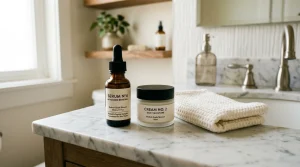
Did you know that nearly 60% of individuals experience sensitive skin at some point in their lives? If you’re among them, you understand the importance of calm, soothed skin. Soothing serums have emerged as essential allies in your skincare routine, designed to alleviate irritation, redness, and discomfort. This complete guide will uncover what soothing serums are, how they work, and why they are vital for maintaining healthy skin. By addressing common concerns and goals, such as battling inflammation or dryness, you’ll learn how these powerful products can transform your skincare regimen. Ready to discover the calming benefits and find the perfect soothing serum for your needs? Let’s delve in and explore your path to serene skin!
What Is a Soothing Serum and How Does It Work?
Soothing serums are concentrated formulations designed to calm and hydrate irritated or sensitive skin. They work by delivering active ingredients that target inflammation, redness, and discomfort. Most people experience occasional skin sensitivity due to environmental factors, stress, or using harsh products. This is where soothing serums come into play, offering a gentle yet effective solution to restore balance.
The key to their effectiveness lies in the combination of ingredients specifically chosen for their calming properties. Soothing serums typically contain anti-inflammatory agents, botanical extracts, and hydrating substances that help to reinforce the skin’s barrier. For example, ingredients like aloe vera, chamomile, or calendula can reduce redness and irritation, while hyaluronic acid provides much-needed moisture to plump up the skin. By applying a soothing serum, you’re not just masking discomfort; you’re nourishing your skin with essential elements that promote healing and resilience.
Using a soothing serum as part of your skincare routine can yield significant benefits. You’ll not only notice immediate relief but also long-term improvements in your skin’s overall health. Regular application can help to maintain your skin’s moisture levels, reduce the frequency of flare-ups, and provide a foundational layer of defense against daily environmental stressors. Ultimately, understanding what soothing serums do and how they function empowers you to make better choices for your skin.
Key Ingredients to Look For in Soothing Serums
When exploring options for soothing serums, knowing which ingredients to look for can significantly enhance your skincare routine. Ingredients that are renowned for their calming properties not only provide immediate relief from irritation but also work on a deeper level to improve your skin’s overall health.
Some of the most effective ingredients in soothing serums include:
- Aloe Vera: Known for its hydrating and healing properties, aloe vera helps to cool the skin and reduce inflammation, making it a must-have in any soothing serum.
- Chamomile: This gentle flower extract is packed with antioxidants and anti-inflammatory benefits, helping to calm irritated skin and reduce redness.
- Calendula Extract: Rich in healing properties, calendula can soothe and soften the skin, making it ideal for those with sensitive skin types.
- Hyaluronic Acid: A powerful humectant, this ingredient attracts moisture to the skin, providing a plumping effect and ensuring hydration, which helps maintain the skin’s barrier.
- Niacinamide (Vitamin B3): This versatile ingredient can improve skin texture and tone while also reducing redness and irritation.
- Panthenol (Vitamin B5): Known for its hydration properties, panthenol helps repair the skin and enhances its moisture retention.
- Green Tea Extract: With its antioxidant-rich profile, green tea helps protect the skin from environmental damage while also reducing inflammation and irritation.
Look for serums that contain a combination of these ingredients for a more balanced approach to skincare. When choosing a soothing serum, consider your skin type and specific concerns. For example, if you experience redness or have sensitive skin, a serum with chamomile or calendula can be very effective. If hydration is your main concern, opt for those enriched with hyaluronic acid.
By selecting the right soothing serum based on these key ingredients, you can ensure that you’re not only addressing immediate irritation but also promoting a healthier complexion in the long run.
The Benefits of Using Soothing Serums Daily
Daily use of soothing serums can transform your skin, turning irritation and redness into a healthier, more luminous complexion. These serums, packed with skin-loving ingredients, offer a plethora of benefits that extend far beyond immediate relief. Regular application can lead to long-lasting improvements, making a noticeable difference in how your skin feels and looks over time.
One of the most significant advantages is the reduction of inflammation and redness. Ingredients like chamomile and calendula work continually to calm your skin, creating an even tone and relieving discomfort. This is especially beneficial for individuals with sensitive or reactive skin, as soothing serums provide a daily shield against irritants. Moreover, consistency is key; using soothing serums every day helps maintain your skin barrier, ensuring it remains resilient against environmental stressors.
Hydration is another vital benefit. Many soothing serums include hyaluronic acid, which draws moisture into the skin and keeps it supple throughout the day. By incorporating a soothing serum into your routine, you’re not just addressing immediate dryness; you’re building a long-term strategy for maintaining optimal skin moisture levels. Plus, as your skin becomes more hydrated, it appears plumper and healthier, giving you that coveted glow.
Lastly, these serums can enhance the overall effectiveness of your skincare regimen. When your skin is soothed and calm, it absorbs other products-like moisturizers and treatments-more effectively. This synergistic effect leads to improved results from your entire routine, maximizing the benefits of each product you use. By committing to a daily soothing serum, you’re setting the foundation for healthier, happier skin that stands the test of time.
How to Choose the Right Soothing Serum for Your Skin Type
Choosing the right soothing serum can feel overwhelming with the myriad of options available, but focusing on your specific skin type makes the process much simpler. Each skin type-whether oily, dry, combination, or sensitive-has unique needs, and understanding these can help you find a serum that truly caters to your skin’s requirements.
For oily skin, look for lightweight, non-comedogenic formulas that won’t clog pores. Ingredients like niacinamide, which helps regulate oil production, and salicylic acid that can penetrate deep into pores to reduce breakouts, are excellent choices. A serum that offers hydration without heaviness can keep your skin balanced and clear.
If your skin tends to be dry or dehydrated, prioritize serums rich in humectants like hyaluronic acid and glycerin. These ingredients attract moisture to the skin, helping to restore hydration and improve elasticity. Additionally, look for soothing botanicals such as aloe vera and chamomile to calm irritation and provide a comforting effect.
Individuals with combination skin may want to opt for a balancing serum. Seek formulations that hydrate dry areas while controlling shine in oilier regions. Serums containing both hydrating ingredients and mild exfoliants can help achieve this equilibrium. Aim for a lighter texture that absorbs quickly without leaving greasy residue.
For those with sensitive or reactive skin, soothing serums should include calming ingredients like calendula or green tea extract. These are known for their anti-inflammatory properties and can help reduce redness and irritation. Avoid potential allergens or harsh ingredients like alcohol and synthetic fragrances, as they can exacerbate sensitivity.
Remember to patch test any new product on a small area of skin before incorporating it into your routine. This ensures that your chosen serum is truly compatible with your skin type and helps you avoid any adverse reactions. Ultimately, understanding your skin’s needs allows you to select a soothing serum that enhances your daily skincare routine, bringing you steps closer to the calm, healthy skin you seek.
Step-by-Step Guide: Applying Soothing Serum Correctly
Applying a soothing serum can significantly enhance your skincare routine, providing your skin with the calming and hydrating benefits it craves. The following steps will guide you through the process, ensuring you get the most out of your product and achieve the best results.
Before application, ensure your skin is clean and slightly damp. This is crucial because applying serum to damp skin helps to lock in moisture more effectively. Start by cleansing your face with a gentle cleanser, then pat your skin dry, leaving it a bit moist.
Next, pour a small amount of soothing serum into the palm of your hand-about a pea-sized amount is usually sufficient. Use your fingers to gently apply the serum by first warming it up between your fingertips. This can activate the serum’s ingredients and makes for a more pleasant application.
Now, gently massage the serum onto your face using circular motions. Focus on areas that are prone to dryness or irritation, but avoid pulling on your skin. Aim for a light hand; you want to work the product in without tugging at the skin, which could cause more irritation. Make sure to cover your entire face, including your neck, as this area often gets neglected in skincare routines.
Lastly, allow the serum a few moments to absorb fully into your skin before moving on to the next step in your skincare routine, whether that’s applying a moisturizer or sunscreen. This waiting time is essential for the serum to penetrate the skin effectively, maximizing its calming and hydrating benefits.
By following these steps, you’ll set yourself up for success in nurturing your skin with a soothing serum, helping to keep it healthy, calm, and well-hydrated!
Common Skin Concerns Addressed by Soothing Serums
Common skin concerns can often leave us feeling frustrated and unsure of how to ease discomfort. Thankfully, soothing serums offer targeted relief for a variety of skin issues, making them a valuable addition to your skincare routine. Whether your skin feels dry, irritated, or even reactive, a well-formulated soothing serum can provide the hydration and calming that your skin craves.
Many skin conditions, such as redness, sensitivity, and inflammation, can be effectively addressed with the right soothing ingredients. For instance, conditions like rosacea and eczema can benefit significantly from serums containing ingredients like aloe vera and chamomile, both known for their anti-inflammatory properties. These soothing agents help to calm redness and irritation, providing relief from the discomfort associated with these conditions.
Another common concern is dryness and dehydration, which can lead to peeling and a tight feeling on the skin. Serums enriched with hyaluronic acid act as a humectant, attracting moisture to the skin and keeping it hydrated. This not only improves the skin’s texture but also helps in maintaining its natural barrier, promoting overall skin health.
For those dealing with allergies or reactions, soothing serums formulated with anti-itch ingredients, such as colloidal oatmeal, can alleviate discomfort and restore skin balance. These ingredients provide gentle care without the harsh additives that may exacerbate skin issues.
In summary, whether you’re facing redness, dryness, or sensitivity, there’s likely a soothing serum designed specifically to target these issues, helping you achieve a calmer and healthier complexion. Remember, the key is to choose a serum that aligns with your specific skin needs, ensuring you get the most effective care possible.
DIY Soothing Serum Recipes for Sensitive Skin
Creating your own soothing serum at home can be both rewarding and beneficial for sensitive skin. With just a few simple, natural ingredients, you can craft a formula tailored to your unique skincare needs, easing irritation and enhancing your complexion. Here’s how to make effective DIY soothing serums using ingredients that are gentle and calming.
Start with a base oil that hydrates while being lightweight on the skin. Jojoba oil closely mimics the skin’s natural sebum, making it an ideal choice. Alternatively, sweet almond oil is excellent for soothing dryness and irritation. For a blend that provides superior hydration, consider mixing these oils in a 1:1 ratio. This base will nourish your skin while allowing the active ingredients to penetrate effectively.
Next, infuse your serum with calming agents. Aloe vera gel is well-known for its soothing properties-it’s both hydrating and anti-inflammatory. You can incorporate about 1 tablespoon of pure aloe vera gel into your oil blend. Additionally, chamomile essential oil works wonders for reducing redness and promoting skin healing. Use just 2-3 drops, as a little goes a long way. If you have lavender essential oil, it can also be added for its calming scent and additional soothing properties-again, just 2-3 drops to avoid overwhelming your skin.
To maximize your serum’s effectiveness, remember that preservation is key. Store your homemade serum in a dark glass bottle and keep it in a cool, dark place to prevent oxidation. Before applying, shake the bottle gently to mix the ingredients, and apply a small amount onto clean, damp skin for best results. Use gentle, circular motions for about 30 seconds to help the serum absorb adequately.
With consistent use, you should start to see improvements in skin hydration and a reduction in irritation. Not only does creating a DIY soothing serum give you control over what you apply to your skin, but it also connects you with the natural ingredients that support your skincare journey, making it a truly empowering experience.
Top-Rated Soothing Serums: Our Picks and Reviews
Finding the perfect soothing serum can transform your skincare routine, especially if you struggle with sensitive or irritated skin. Here’s a curated list of some top-rated soothing serums, along with a brief review of each to help you make an informed choice.
Top-Rated Soothing Serums
- La Roche-Posay Hydraphase Intense Serum
This serum features hyaluronic acid to boost hydration and minimize irritation. Ideal for dry and sensitive skin, it absorbs quickly without leaving a greasy residue, making it perfect for use in combination with other products. - SkinCeuticals Phyto Corrective Gel
Infused with botanical extracts like cucumber and thyme, this gel-based serum is excellent for calming redness and irritation. Its lightweight formula helps reduce the appearance of blemishes while soothing the skin, making it ideal for post-treatment care. - Vichy Aqualia Thermal Serum
This serum contains Vichy Mineralizing Water and hyaluronic acid, delivering intense hydration and comfort to dry skin. It’s particularly effective for those exposed to harsh environmental factors and is suitable for all skin types. - First Aid Beauty Ultra Repair Hydrating Serum
Packed with colloidal oatmeal and hyaluronic acid, this serum helps to instantly calm and hydrate distressed skin. Its simplicity makes it an excellent choice for those prone to irritation, and it can be layered under other products. - Dr. Jart+ Cicapair Tiger Grass Re.Pair Serum
Designed to target redness and irritation, this serum is infused with Centella Asiatica, known for its healing properties. It’s great for sensitive skin types and helps enhance the skin’s barrier function over time.
When choosing a soothing serum, consider your specific skin concerns and the ingredients that work best for you. For example, if you have highly sensitive or reactive skin, opt for products with calming agents like chamomile or aloe vera. On the other hand, if hydration is your primary concern, look for serums rich in hyaluronic acid.
Things to Remember
Selecting the right soothing serum can require some trial and error, so pay attention to how your skin responds. Start with sample sizes or travel packs where available, and always patch test new products to avoid adverse reactions. With consistent use, you’ll likely notice improvements in both comfort and appearance, making these serums worthy allies in your skincare arsenal.
Soothing Serum vs. Other Skin Calming Products
When it comes to calming irritated skin, the options can be overwhelming. Soothing serums stand out among skin-calming products like moisturizers, toners, and masks due to their concentrated formulation and targeted action. Unlike traditional moisturizers that primarily hydrate the skin, soothing serums are rich in active ingredients designed to directly address inflammation, redness, and sensitivity. For instance, a soothing serum often contains ingredients like Centella Asiatica or niacinamide, which have proven anti-inflammatory properties, making them particularly effective for reactive skin types.
Comparatively, creams and lotions might incorporate soothing components but lack the same potency and rapid absorption that serums provide. If you’ve ever applied a rich moisturizer only to feel like your skin remains parched or irritated, this is a common experience. Moisturizers tend to create a barrier, while serums penetrate deeper layers of the skin, delivering active ingredients where they’re needed most. This means if you’re dealing with conditions like rosacea or eczema, a soothing serum can complement your skincare routine more effectively than a basic moisturizer.
When thinking about toners and masks, it’s important to note their roles in skincare. Toners can help balance the skin’s pH and provide light hydration but may not offer the same soothing effect as a well-formulated serum. Masks, while beneficial for a weekly treatment, often contain heavier occlusives that might not be suitable for sensitive skin types. A soothing serum can be used daily as part of your routine, making it a versatile ally to alleviate discomfort consistently rather than episodically.
In essence, while all these products serve to enhance your skincare regimen, incorporating a soothing serum can provide specific relief for irritation and sensitivity. Each has its place, but for daily use and concentrated benefits, soothing serums are often the clear frontrunners.
When to Use a Soothing Serum in Your Skincare Routine
Using a soothing serum in your skincare routine can significantly enhance the way your skin feels and looks, especially if you’re dealing with irritation or sensitivity. Timing is crucial when it comes to applying soothing serums to maximize their benefits. Ideally, these serums should be applied right after cleansing and toning your skin, while it’s still slightly damp. This helps to lock in moisture and allows the active ingredients to penetrate more effectively.
It’s particularly beneficial to use a soothing serum during moments of skin distress, such as after sun exposure, harsh weather, or following a more aggressive skincare treatment like exfoliation. If you’ve recently tried a new product that seems to irritate your skin, introducing a soothing serum can provide immediate relief. Many people find that applying it both morning and night enhances its calming effects, especially those with conditions like rosacea or eczema.
Consider using a soothing serum as part of a broader skin recovery routine. For instance, if you’re using a targeted treatment for acne, applying the soothing serum afterward can help mitigate any redness or irritation caused by those treatments. The key is to layer products wisely: after cleansing, tone, apply your soothing serum, and follow it with a moisturizer to seal in the benefits. This structured approach will ensure your skin receives the intention and care it needs throughout your routine.
Finally, keep an eye on how your skin reacts. If you find that irritation resurfaces regularly, this could be a sign to incorporate your soothing serum more frequently or even after specific triggers. By tuning in to what your skin needs, you can create a resilient routine that not only addresses current concerns but also helps prevent future flare-ups.
Expert Tips for Maximizing Your Soothing Serum Results
Using a soothing serum can be a game-changer for your skincare arsenal, but to truly unlock its potential, there are a few expert tips that can help you maximize your results. Start with the basics: ensure your skin is clean and slightly damp before application. This is crucial as it helps the serum absorb more effectively. Instead of rubbing it into your skin, try patting it on gently-this will reduce irritation and encourage better absorption of the product.
Consistency is key when it comes to incorporating a soothing serum into your routine. Aim to apply your serum twice daily, once in the morning and once at night. This routine not only reinforces your skin’s barrier but also allows the active ingredients time to work. For extra hydration, consider following up with a moisturizer that complements your soothing serum. Remember, combining products that target similar concerns can amplify their effectiveness. For instance, if your serum contains aloe vera for redness, pair it with a moisturizer rich in ceramides to lock in moisture.
It’s equally important to listen to your skin’s needs. If you notice increased sensitivity or irritation, try scaling back on how often you apply it, or assess whether the other products in your routine might be causing a reaction. Sometimes, skin can be temperamental, and a little trial and error can lead you to the perfect balance. Keeping a skincare journal can be beneficial-it allows you to track any changes in your skin’s condition alongside changes to your routine.
Lastly, always pay attention to the ingredients in your soothing serum. Look for clinically proven ingredients like niacinamide, which helps reduce inflammation, or hyaluronic acid to boost hydration. Understanding what works for your skin type-whether it’s oily, dry, or combination-will help you choose the right product. By tailoring your routine and being mindful of your skin’s reactions, you’ll not only maximize the benefits of your soothing serum, but also nurture a healthier, happier complexion.
Signs You Need to Switch Your Soothing Serum
Understanding when to switch your soothing serum can make a significant difference in your skincare journey. Your skin is constantly changing, influenced by factors like climate, hormonal fluctuations, and stress. Paying attention to specific signs can help you determine if your current serum is still meeting your needs or if it’s time for a change.
One clear indicator that you may need to switch your serum is persistent irritation. If you notice redness, stinging, or a burning sensation after applying your product, it could be a sign that your skin is reacting negatively to certain ingredients. Even if these symptoms were not present initially, they may develop over time as your skin changes. Another telltale sign is a lack of improvement in your skin’s condition. If you find that your serum isn’t providing the calming effects or hydration you initially experienced, or if dryness, sensitivity, or breakouts persist after consistent use, it’s worth reevaluating your choice.
In addition to physical reactions, consider how your serum fits into your overall skincare routine. If you’re introducing new products or changing your skincare goals-such as shifting from hydration to anti-aging-you may find that your current soothing serum no longer complements your other products effectively. For instance, a serum rich in heavy oils might not provide the same benefits when layered with other moisturizing treatments targeting different concerns.
Lastly, always trust your instincts. If you sense that your skin feels different, changing its texture or resilience, your current serum may not be right for you anymore. Don’t hesitate to try something new that aligns better with your evolving skincare needs. By staying attuned to your skin’s signals, you can ensure that you are using a soothing serum that truly nurtures and enhances your natural glow.
FAQ
Q: What are the signs you might need a soothing serum?
A: Signs that you might need a soothing serum include redness, irritation, dryness, or sensitivity in your skin. If your skin frequently feels tight, itchy, or inflamed, incorporating a soothing serum can help alleviate these symptoms and restore skin balance. For more details, check the “Signs You Need to Switch Your Soothing Serum” section of the article.
Q: Can soothing serums help with acne?
A: Yes, soothing serums can help with acne by reducing inflammation and calming irritated skin. Look for serums with ingredients like salicylic acid or niacinamide, which can also promote healing and prevent further breakouts. Explore the “Common Skin Concerns Addressed by Soothing Serums” section for more information.
Q: How do I layer a soothing serum in my skincare routine?
A: To layer a soothing serum, apply it after cleansing and toning but before your moisturizer. Use a small amount, gently pressing it into your skin to enhance absorption. For a step-by-step guide, refer to the “Step-by-Step Guide: Applying Soothing Serum Correctly” in the article.
Q: Are there natural alternatives to commercial soothing serums?
A: Yes, natural alternatives to soothing serums include aloe vera gel, chamomile extract, and oatmeal-based products. These ingredients are known for their calming properties and can provide effective soothing for sensitive skin. Check the “DIY Soothing Serum Recipes for Sensitive Skin” section for recipes you can make at home.
Q: How often should I use a soothing serum for best results?
A: For best results, it’s typically recommended to use a soothing serum daily, both morning and night. This regular use helps maintain skin hydration and calmness. Explore the “When to Use a Soothing Serum in Your Skincare Routine” section to find the best schedule for your skin type.
Q: What should I avoid in soothing serums if I have sensitive skin?
A: If you have sensitive skin, avoid serums with alcohol, fragrance, or harsh exfoliants, as these can exacerbate irritation. Instead, opt for soothing serums with gentle, hydrating ingredients like hyaluronic acid or calendula. For ingredient recommendations, refer to the “Key Ingredients to Look For in Soothing Serums” section.
Q: Can you use a soothing serum on all skin types?
A: Yes, soothing serums can be used on all skin types, but choosing the right formula is crucial. Those with dry skin should look for hydrating ingredients, while oily or acne-prone skin types may benefit from lightweight, non-comedogenic options. Review the “How to Choose the Right Soothing Serum for Your Skin Type” section for personalized recommendations.
The Way Forward
As we wrap up our deep dive into soothing serums, remember that these powerful formulas can greatly enhance your skincare routine by calming irritation and promoting hydration. If you’re ready to experience the benefits firsthand, why not explore some of our highly recommended options? Check out our guide on “Top 5 Soothing Serums for Sensitive Skin” and discover which product might be your new go-to.
Don’t hesitate to take the next step towards healthier skin! Try incorporating a soothing serum into your daily routine-just a few drops can make a world of difference. And if you still have questions, feel free to reach out in the comments; we love hearing from you and are here to help demystify your skincare journey. For more tips and tricks, subscribe to our newsletter to stay updated on everything skincare! Your path to calm, radiant skin starts today!
Get our latest guides, news, and insights highlighted in your Google Search & AI Overviews.