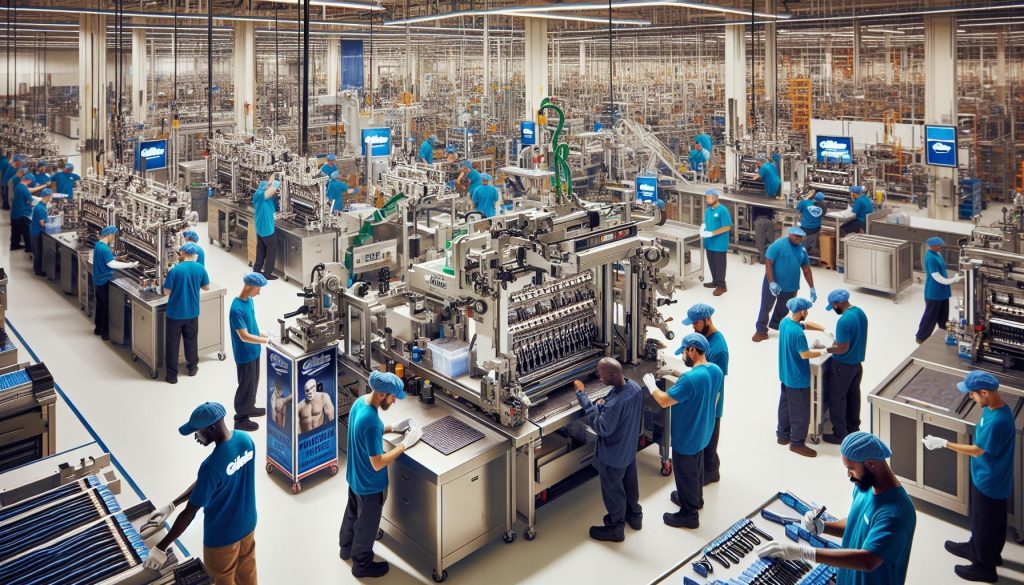
Did you know that the quality and performance of your shaving experience can be influenced by where your razor is made? Understanding the manufacturing locations of Gillette razors not only satisfies your curiosity but also helps you make informed choices about the products you use every day. As you seek the perfect shave, knowing the journey of your razor from factory floor to your bathroom can empower you to choose brands that align with your values, whether that’s sustainability, quality, or ethical practices. Join us as we dive into the world of Gillette razors, uncovering where they are made and what it means for your grooming routine. Your path to a better understanding begins here!
Where Are Gillette Razors Manufactured?
Gillette razors are produced in various countries around the globe, reflecting a commitment to efficiency and quality in manufacturing. The most significant production facilities are situated in the United States, Poland, and Brazil. These locations are strategically chosen for their advanced manufacturing technologies and proximity to key markets, allowing Gillette to meet consumer demand effectively.
In the United States, particularly in South Carolina, Gillette operates modern factories that focus on high-volume production, ensuring that their popular products, like the Mach3 and Fusion lines, are readily available. Poland serves as a key European manufacturing site, leveraging skilled labor and technological advancement to produce a vast array of products for distribution throughout the continent. Brazil’s manufacturing facilities complement these international operations by catering to the growing South American market.
Additionally, the evolution of Gillette’s manufacturing locations has been shaped by both consumer preferences and global trade dynamics. Initially focused predominantly in North America, the company has expanded its footprint to improve accessibility, control costs, and enhance production capabilities. This global approach not only helps in maintaining competitive pricing but also allows Gillette to adapt quickly to changing market trends and consumer demands.
Overall, understanding where Gillette razors are manufactured provides insight into the brand’s global strategy, emphasizing quality, accessibility, and a commitment to satisfying the diverse needs of its customers. This international manufacturing network supports ongoing innovation and sustainability efforts, making it a crucial aspect of Gillette’s brand identity.
A Deep Dive into Gillette’s Global Manufacturing
Gillette’s commitment to quality and efficiency in razor manufacturing is evident in its strategic global presence. The company operates in key manufacturing hubs such as the United States, Poland, and Brazil, each chosen for its technological capabilities and market accessibility. This diverse manufacturing network ensures that Gillette can meet the varying demands of consumers around the world effectively.
In the U.S., the South Carolina facilities are notable for their high-volume production of popular lines like Mach3 and Fusion. This location leverages advanced manufacturing technologies to produce razors swiftly and maintain consistent quality. Poland plays a crucial role as well, serving the European market with a skilled workforce and state-of-the-art machinery that allows for rapid adaptation to consumer needs. Meanwhile, Brazil’s operations are focused on catering to the increasing demand in South America, reflecting the brand’s ability to respond to regional market trends.
This international footprint is not just about geographical spread. It enables Gillette to optimize its production processes and reduce costs, which is crucial in maintaining competitive pricing. The global supply chain also fosters innovation, as best practices and new technologies can be integrated across different facilities. Overall, understanding Gillette’s manufacturing locations highlights the brand’s dedication to quality and its responsiveness to the global marketplace.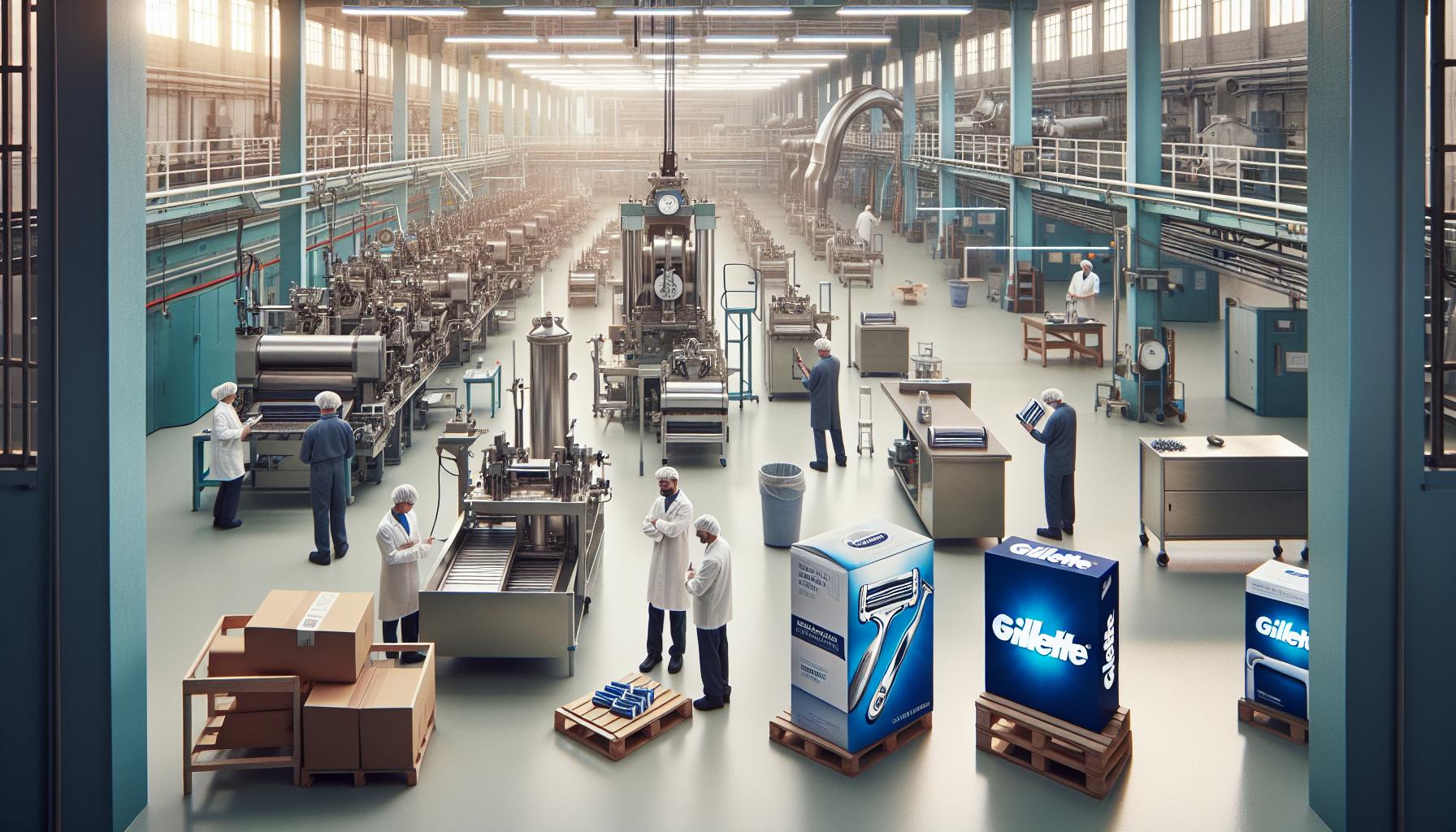
Key Countries Producing Gillette Razors
Gillette razors are crafted in several key locations around the globe, each chosen for its unique advantages in manufacturing capabilities and market accessibility. This strategic approach not only allows Gillette to maintain high standards of production but also ensures that their products can be adapted to meet the varying preferences of consumers worldwide.
In the United States, Gillette’s facility in South Carolina is a notable hub for the production of its most popular razor lines, including the Mach3 and Fusion. This plant employs advanced manufacturing technologies, enabling efficient mass production while ensuring consistent quality. The use of cutting-edge equipment and processes contributes to Gillette’s reputation for reliability and innovation in shaving technology.
Europe is served by production facilities in Poland, where a skilled workforce and state-of-the-art machinery help to rapidly adapt to changing consumer demands. Poland’s strategic location within Europe not only facilitates distribution to various markets but also allows for the integration of the latest manufacturing practices. Such flexibility is crucial for meeting the diverse shaving needs across different countries.
Brazil operates as a vital location for Gillette’s operations, particularly aimed at the South American market. The Brazilian manufacturing facilities focus on local consumer preferences, ensuring that products reflect regional grooming trends. This commitment to understanding consumer behavior helps Gillette maintain relevance in rapidly evolving markets.
By diversifying its manufacturing locations, Gillette enhances its ability to optimize production processes and reduce costs. This global footprint supports the brand’s commitment to quality and innovation, allowing it to remain competitive in the shaving industry. In essence, the key manufacturing countries-United States, Poland, and Brazil-play a crucial role in delivering the high-quality razors consumers have come to trust, while also demonstrating Gillette’s adaptability in the face of global market dynamics.
The Evolution of Gillette’s Manufacturing Locations
As shaving technology has evolved, so too have the manufacturing locations for Gillette razors, reflecting a dynamic response to global market demands and economic shifts. The journey began with the brand’s foundation in the early 20th century, predominantly producing razors in the United States. Over the decades, favorable developments like technological advancements, access to skilled labor, and the push for market penetration in emerging economies led to the establishment of manufacturing facilities beyond American shores.
Today, Gillette operates major production hubs in three key countries: the United States, Poland, and Brazil. Each location has been strategically chosen to align with regional consumer needs and preferences. In the United States, the company’s facility in South Carolina leverages cutting-edge technology to produce popular lines such as the Mach3 and Fusion, ensuring consistently high quality. Poland, with its robust workforce and efficient logistics, plays a crucial role in servicing the European market, adapting quickly to those consumers’ evolving expectations. Meanwhile, Brazil’s operations focus on local trends, highlighting Gillette’s commitment to understanding varied grooming habits across different cultures.
This evolution is not merely a matter of shifting factories; it illustrates Gillette’s adaptability and forward-thinking approach in a global economy. Each manufacturing site is designed to optimize production efficiency while reducing costs, allowing for agile responses to market changes. As consumer preferences continue to change with greater emphasis on personalized grooming products, Gillette’s diversification of manufacturing locations positions it to effectively meet these challenges. Ultimately, looking forward, the brand is likely to continue reevaluating its manufacturing strategies to integrate sustainability practices and technological innovations, ensuring that it remains at the forefront of the shaving industry while catering to the diverse needs of its customers worldwide.
Exploring Gillette’s Sustainable Manufacturing Practices
Gillette is committed to sustainable manufacturing practices, striving to minimize its environmental impact while focusing on efficiency and innovation. A notable aspect of its approach includes the considerable investment in energy-efficient technologies across its production facilities, with many plants sourcing renewable energy to power operations. For instance, the facility in South Carolina operates on a substantial percentage of renewable energy, significantly reducing its carbon footprint.
Moreover, Gillette emphasizes waste reduction and recycling throughout its manufacturing processes. By adopting a circular economy model, the company works diligently to recycle materials and repurpose production waste. For example, steel from discarded razor blades is often recycled, contributing to the conservation of natural resources. This not only helps in reducing landfill waste but also sets a standard for similar industries to follow in terms of responsible manufacturing.
The brand is also incorporating sustainable materials into its product lines, designing packaging made from recycled materials. This initiative aligns with consumer preference for eco-friendly products, showing Gillette’s responsiveness to market demands. Additionally, they are continually researching biodegradable materials for razors and packaging, indicating a forward-thinking approach to sustainability in grooming products.
In summary, Gillette’s sustainable practices in manufacturing involve energy efficiency, waste reduction, and the use of eco-friendly materials, thereby reinforcing its commitment to environmental stewardship while meeting consumer needs. As they continue to evolve, Gillette aims to lead by example within the grooming industry, inspiring other brands to adopt similar responsible practices.
Behind the Scenes: How Gillette Razors Are Made
Crafting a Gillette razor is a meticulous blend of advanced technology, skilled craftsmanship, and innovative design, ensuring that each product meets the high standards consumers expect. The journey begins with raw materials, primarily steel, selected for their quality and performance. Once sourced, these materials are transformed into razor components through several precision engineering processes.
The initial steps include stamping blades from steel sheets. This process is carefully controlled to ensure each blade has the perfect edge for a smooth shave. The blades are treated and coated with specific materials that reduce friction and enhance durability. After the blades are prepared, they undergo a rigorous sharpening process to ensure optimum performance. This sharpening technique not only shapes the blades but also helps maintain their sharpness for longer periods, ultimately delivering a superior shaving experience.
Quality Checks and Assembly
Before the razors are fully assembled, each component undergoes strict quality assurance checks. Multiple inspections are performed to ensure that every blade is manufactured to the exact specifications. Tests for sharpness, performance, and even ergonomics are conducted. Once the components pass these checks, they are assembled. This can take place in various global manufacturing locations, including factories in the USA and other countries, where skilled workers carefully piece together the razors, ensuring consistency in quality and performance.
After assembly, additional tests, such as durability and comfort for users, are conducted on the finished products. Gillette emphasizes consumer feedback during these evaluations, continually using insights to refine products further. This focus on detail at every production stage not only guarantees that you receive a reliable product but also reflects the company’s commitment to innovation and customer satisfaction.
Global Manufacturing Locations
The production of Gillette razors takes place in several countries, leveraging different technologies and workforce expertise. Facilities in South Carolina are noteworthy for utilizing a high percentage of renewable energy, aligning with Gillette’s commitment to sustainability. Each manufacturing site is strategically chosen to optimize logistics and reduce environmental impact, allowing Gillette to deliver products efficiently while maintaining sustainability standards.
In summary, the process of making Gillette razors is a sophisticated combination of technology and craftsmanship, ensuring that every razor not only meets but exceeds your expectations for quality and comfort. With rigorous quality checks and strategic global manufacturing, Gillette remains a leader in the shaving industry, committed to providing users with the best possible grooming experience.
Quality Assurance in Gillette’s Production Process
Quality assurance plays a vital role in ensuring that each Gillette razor meets the high expectations of consumers around the world. The company employs a thorough and precise process to verify that every product is safe, effective, and comfortable to use. This dedication to quality not only enhances performance but also builds trust between Gillette and its customers.
Before any razor leaves the production line, individual components undergo multiple quality checks. This includes rigorous testing for sharpness, performance, and ergonomics. For instance, the blades are inspected using specialized tools to ensure they are sharpened to perfection; sharp blades are crucial for a comfortable shave that minimizes irritation. Ergonomic tests assess how the handle feels during use, confirming it provides a secure grip that does not slip, contributing to a safer shaving experience.
After assembly, finished razors face additional scrutiny. Each unit is subjected to durability tests, simulating real-world use to guarantee long-lasting performance. This includes stress testing, where razors are subjected to conditions that mimic daily use over extended periods. Feedback from these evaluations helps refine product design and performance, embracing continuous improvement based on consumer insights.
In every factory-from the advanced facilities in South Carolina to locations across the globe-Gillette emphasizes sustainable practices alongside quality. This commitment is reflected in their use of renewable energy sources and efficient manufacturing techniques, ensuring that quality assurance is not only about the product but also about the environmental impact. Through such rigorous quality assurance processes, Gillette reassures consumers that they are investing in a product that consistently delivers outstanding results.
Impact of Global Supply Chains on Gillette’s Products
The production of Gillette razors is influenced significantly by global supply chains, which dictate where materials are sourced, how products are manufactured, and ultimately, how they reach consumers. Understanding this complex network reveals not just the geographical distribution of manufacturing plants but also the broader implications for quality, price, and availability.
Gillette operates factories in various locations worldwide, including the United States, Europe, and Asia. This geographical diversity allows the brand to optimize production costs and adapt to market demands. For instance, manufacturing in regions with advanced technology can enhance efficiency and product quality, while locations with lower labor costs can reduce overall production expenses. These strategic choices often result in competitive pricing for consumers while maintaining product standards.
Moreover, the raw materials used in razor production, such as stainless steel and plastics, may come from different parts of the world. This reliance on global suppliers means that any disruptions-be they logistical challenges, political instability, or natural disasters-can impact production timelines. This becomes particularly relevant in today’s economic climate, where supply chain resilience is critical. Gillette, like many companies, needs to be agile, adapting quickly to ensure the steady flow of products to shelves.
The effect of these supply chains extends to how consumers perceive the products. Many shoppers prefer locally made items due to beliefs about quality and support for domestic economies. This perception can vary significantly from country to country, influencing brand loyalty and purchasing decisions. Therefore, while Global Manufacturing may lower costs, it also requires careful management of consumer expectations and experiences to maintain confidence and trust in the Gillette brand.
In conclusion, the global supply chains that support Gillette’s production not only facilitate the efficient manufacture of razors but also play a crucial role in product availability, cost, and consumer perception. Understanding these dynamics can help users appreciate the complexity behind the brands they rely on for their grooming needs.
Consumer Perceptions of Imported vs. Locally Made Razors
The debate between imported and locally made razors often hinges on perceptions of quality, supporting local economies, and environmental considerations. For many consumers, the thought of purchasing locally made razors evokes a sense of trust and commitment to community. Products produced nearby are frequently associated with better craftsmanship and more stringent quality controls because they’re made under local regulations that consumers understand and are familiar with.
However, it’s important to recognize that globally produced razors, such as those made by Gillette, can offer advantages as well. For instance, Gillette’s manufacturing facilities utilize advanced technologies that enhance precision and product durability. The intricate processes involved in producing their razors often require specialized machinery and manufacturing techniques that not all local producers can match. Thus, while a locally made option might appeal to some, the performance and quality of imported razors can be equally compelling.
Another critical aspect of this discussion is the environmental impact of manufacturing locations. Some consumers prefer buying locally made products to reduce their carbon footprint, believing it supports a more sustainable model by minimizing transportation emissions. On the other hand, large companies like Gillette may implement sustainable practices at their international production sites, utilizing eco-friendly materials and energy-efficient manufacturing methods, which can mitigate environmental concerns.
Ultimately, when choosing between imported and locally made razors, consider what matters most to you as a consumer. Whether it’s the perceived quality, support for local economies, or environmental impact, finding a balance that resonates with your values will help shape your grooming choices. It’s always beneficial to research brands and their practices, ensuring that your purchase aligns with your personal philosophy while providing you the best shaving experience possible.
How Manufacturing Locations Affect Pricing
The cost of a razor can vary widely, influenced significantly by where it’s manufactured. Understanding the pricing dynamics behind Gillette razors is not just about the raw costs; it also encompasses factors like production methods, labor costs, and logistics associated with each manufacturing location.
Two primary factors affect pricing based on manufacturing locations: labor costs and import tariffs. Countries with lower labor costs can produce goods more affordably. For instance, if Gillette manufactures razors in a country where wages are lower, the production cost can decrease, resulting in more competitive retail prices for consumers. Conversely, products made in countries with higher wages may come with a premium price, reflecting those increased costs.
Logistics and Distribution
Another critical factor in pricing is logistics. Transportation costs play a crucial role when products are manufactured far from their target markets. For example, razors produced in Asia might incur substantial shipping expenses to reach North America, which could increase the final retail price. Shipping delays or increased fuel costs can further amplify these expenses. Therefore, products manufactured closer to their markets tend to have lower delivery costs, making them more price-competitive.
Quality Perception vs. Cost
Consumers often navigate the balance between perceived quality and price. Many believe that locally manufactured products, such as those made in the U.S. or Europe, carry a higher quality due to perceived strict manufacturing standards. Yet, Gillette maintains high-quality controls across all its production facilities worldwide, ensuring that regardless of where their razors are made, customers receive a consistent and effective product.
In conclusion, when you consider purchasing Gillette razors, it’s essential to recognize how these various factors intertwine to influence pricing. Labor costs, logistics, and quality perceptions are all critical in shaping the final price you see. To ensure you’re making an informed decision, consider both the origin of the product and the overall value it provides as part of your grooming routine.
The Future of Gillette’s Manufacturing Strategy
Gillette is poised at the forefront of innovation in manufacturing, with its eyes set on adapting to the evolving landscape of global markets and consumer demands. As the world grows increasingly interconnected, Gillette recognizes the importance of agility and responsiveness in its production processes. This proactive stance means we might see enhanced local production capabilities and improved supply chain efficiencies, ultimately delivering better products to users quickly and reliably.
Investing in Technology and Automation
To create high-quality razors efficiently, Gillette is investing heavily in automation and cutting-edge manufacturing technology. This shift not only increases production capacity but also allows for greater precision in product quality. Imagine a factory where robots assist in assembling razors with impeccable accuracy, resulting in a consistently superior product. Such advancements can significantly lower operational costs, which may translate to more competitive pricing for consumers.
Sustainability and Ethical Sourcing
Sustainability is also a cornerstone of Gillette’s future manufacturing strategy. The company is increasingly focusing on sourcing materials responsibly and reducing its carbon footprint. Efforts include using recycled materials for packaging and ensuring that suppliers adhere to ethical labor practices. By adopting these eco-friendly practices, Gillette not only appeals to environmentally conscious consumers but also sets a precedent in the grooming industry for sustainability.
Localized Production for Global Impact
Finally, we can expect Gillette to continue refining its global footprint by localizing production where feasible. By establishing manufacturing plants closer to key markets, Gillette can significantly reduce transit times and costs. For example, additional facilities in emerging markets could help cater to rising demand while also supporting local economies. This strategy not only enhances efficiency but allows for more bespoke products tailored to regional preferences.
In conclusion, Gillette’s future manufacturing strategy combines technological innovation, sustainability, and localization, ensuring that the brand remains competitive while delivering high-quality products that meet consumer needs. As these strategies unfold, we can look forward to an exciting era of grooming products that are not only effective but also responsibly made.
Navigating Gillette’s Product Lines and Their Origins
Understanding where Gillette razors are manufactured can provide valuable insight into the brand’s global operations and the quality of the products you use every day. Gillette is not just a household name; it symbolizes innovation and precision in grooming. With a vast range of razors tailored to diverse customer needs, each product line often has specific manufacturing locations that ensure quality and efficiency.
Gillette razors are produced in various countries including the United States, Brazil, Germany, and India. Each manufacturing site plays a pivotal role in producing different models or types of razors. For example, high-end blades like the Gillette Fusion ProGlide may be crafted in advanced facilities with cutting-edge technology for maximum precision, while other models may be produced in emerging markets to cater specifically to local consumer preferences. This strategic distribution allows Gillette to maintain its competitive edge by reducing production costs and improving turnaround times.
When exploring Gillette’s product lines, it’s crucial to note that they are designed not only with your shaving needs in mind but also reflect regional preferences. For instance, the Mach3 line, known for its three ultra-sharp blades, may find its origins in specific facilities that focus on quality and durability. By understanding where each product comes from, you can appreciate the nuances that go into their making, from material sourcing to the meticulous assembly processes.
Gillette’s commitment to sustainability and quality assurance further influences its manufacturing choices. The company emphasizes responsible practices, ensuring that products are made with materials that not only perform but also align with evolving consumer values regarding sustainability. By localizing production in various regions and implementing sustainable practices, Gillette aims to reduce its carbon footprint and improve efficiency, ultimately making a positive impact on both the environment and your shaving experience.
When choosing a Gillette razor, knowing its origins might heighten your appreciation for the craftsmanship involved. Each line, from the simple yet effective Mach3 to the advanced ProGlide, reflects a combination of technological prowess and a deep understanding of user needs, ensuring you have the best edge for your grooming routine.
Faq
Q: Where are Gillette razors manufactured?
A: Gillette razors are manufactured in several countries, including the United States, Germany, Brazil, and China. Each location is selected for its advanced manufacturing capabilities and quality standards to ensure a consistent and effective shaving experience.
Q: What does Gillette’s manufacturing process entail?
A: Gillette’s manufacturing process includes advanced technology for precision cutting, quality testing, and stringent quality control measures. The process is designed to ensure that each razor delivers a close and comfortable shave, meeting global standards.
Q: Are all Gillette razors made in the same country?
A: No, not all Gillette razors are made in the same country. Different models may be produced in various locations, leveraging local manufacturing efficiencies and expertise to meet global demands.
Q: How does Gillette ensure the quality of its razors across different manufacturing locations?
A: Gillette ensures quality through rigorous testing and standardized manufacturing processes across all locations. Each site adheres to strict quality assurance protocols to maintain the high standards associated with the Gillette brand.
Q: Why does Gillette manufacture razors in multiple countries?
A: Gillette manufactures razors in multiple countries to optimize production efficiency, reduce shipping costs, and cater to local markets. This strategy allows Gillette to be more adaptable to global supply and demand while maintaining quality.
Q: Have Gillette’s manufacturing locations changed over time?
A: Yes, Gillette’s manufacturing locations have evolved over time due to technological advancements, globalization, and shifts in production strategies. The company continuously assesses its operations to remain competitive.
Q: How do Gillette’s manufacturing practices support sustainability?
A: Gillette’s manufacturing practices incorporate sustainable methods, such as reducing waste, using eco-friendly materials, and implementing energy-efficient processes, reflecting the company’s commitment to environmental responsibility.
Q: Are any Gillette razors made in the USA?
A: Yes, some Gillette razors are manufactured in the USA. Gillette maintains facilities in the country that contribute to producing certain razor lines, ensuring a blend of quality and local craftsmanship.
Closing Remarks
Now that you know where Gillette razors are made and the quality standards behind them, it’s time to experience the difference for yourself. Whether you’re searching for a precision razor or exploring the innovative GilletteLabs Exfoliating Bar Razor, you have the opportunity to elevate your grooming routine today. Don’t forget to check out our comprehensive guide on men’s body products and discover starter kits that make shaving a breeze, especially for beginners [3].
Have questions or experiences to share? We’d love to hear from you in the comments below! Your feedback can help others make informed choices. For ongoing tips, tricks, and exclusive insights, consider signing up for our newsletter. Dive into better grooming with confidence, and remember: a smooth shave is just the beginning. Happy shaving!
Where Are Gillette Razors Made? Global Factory Locations
Consumers seeking high-quality grooming tools often ask: where are gillette razors made? As a subsidiary of Procter & Gamble (P&G), Gillette operates a highly specialized global manufacturing network across North America, Europe, and Asia to produce billions of razor blades and handles annually.
| Manufacturing Facility | Location | Primary Production Scope |
|---|---|---|
| World Shaving Headquarters | Boston, Massachusetts, USA | High-precision blade grinding, diamond-like carbon coating (DLC), R&D innovation. |
| Berlin Plant | Berlin, Germany | European blade manufacturing for Mach3 and Fusion cartridges. |
| Łódź Manufacturing Center | Łódź, Poland | Largest global facility for razor handle molding, packaging, and European distribution. |
| Irapuato Facility | Guanajuato, Mexico | Disposable razor assembly (Sensor3, CustomPlus) for Latin and North America. |
Get our latest guides, news, and insights highlighted in your Google Search & AI Overviews.