When it comes to enjoying the ocean’s bounty, razor clams can be a delicious and rewarding treat. However, there’s a crucial safety factor to consider: hazardous levels of naturally occurring domoic acid can pose serious health risks. As you navigate tasty recipes and your next seaside adventure, understanding the potential dangers and proper consumption guidelines is essential for your well-being. This article will uncover vital safety facts about razor clams, addressing common concerns and empowering you to make informed choices. Let’s dive in and ensure your clam-loving adventures are both enjoyable and safe!
What Are Razor Clams and Where to Find Them?

Razor clams are a fascinating type of bivalve shellfish known for their elongated, razor-like shells. Found primarily along the Pacific Northwest coast, these clams thrive in sandy or muddy tidal flats where they bury themselves just beneath the surface. Their habitat stretches from southern California up to Alaska, making them a popular target for recreational harvesters during low tide. If you’re eager to find razor clams, it’s best to head out when the tide recedes, allowing you to spot the small holes they leave in the sand, which indicates their presence underneath.
These shellfish live in a dynamic coastal environment, where they feed by siphoning water to extract phytoplankton and organic matter. Their unique adaptations, such as the ability to swiftly burrow into sand when threatened, make them intriguing to observe but require careful harvesting methods. If you’re planning a clam digging adventure, it’s recommended to look for them on a wet, sandy beach after a high tide; typically, the best times for harvesting are during specific seasonal windows designated by local regulations, which can often be found on state wildlife or fisheries websites.
Be sure to check local guidelines for harvesting regulations, as these are crucial for maintaining sustainable populations and ensuring a responsible collection that doesn’t disrupt the ecosystem. Engaging in safe and legal razor clam harvesting not only contributes to the enjoyment of this activity but also supports conservation efforts, ensuring future generations can enjoy these delicious shellfish.
Understanding the Risks: Are Razor Clams Safe to Eat?
Razor clams are a delightful seafood choice, but their safety for consumption can raise valid concerns. It’s essential to understand the risks associated with eating these shellfish, especially since they can accumulate harmful toxins from their environment. One of the most notorious is domoic acid, which can produce serious health effects if ingested in high concentrations. This neurotoxin is often linked to harmful algal blooms, which can occur along the Pacific coast where razor clams are commonly harvested.
To ensure that razor clams are safe to eat, always pay attention to local advisories and harvesting guidelines issued by health and wildlife authorities. These organizations regularly test clams for toxins, and they provide updates on safe consumption limits. For example, if there are warnings about elevated levels of domoic acid or other toxins, it’s crucial to refrain from harvesting or consuming clams during that period. The Oregon Department of Fish & Wildlife and other state agencies are excellent resources for up-to-date information on shellfish safety. [[1]].
Furthermore, it’s a good practice to inspect the clams you gather. If a clam cannot fully close its shell, it’s best to avoid it, as this could indicate distress or contamination. Safe harvesting not only protects your health but also helps maintain the delicate balance of marine ecosystems. [[3]]. Taking these precautions allows you to enjoy the culinary delights of razor clams while minimizing health risks. Remember, knowledge is key; staying informed and following safety protocols can turn your clam digging experience into a delicious and worry-free adventure.
Signs of Toxicity: Identifying Dangerous Razor Clams

Razor clams are a culinary delight, but being able to identify signs of toxicity is crucial for safe consumption. One of the most significant concerns is domoic acid, a potent neurotoxin that can accumulate in razor clams. The presence of this toxin is typically linked to harmful algal blooms in coastal waters, making it imperative to stay aware of local advisories regarding clam harvesting.
To keep yourself safe, always look for clear signs of healthy razor clams. Healthy clams will tightly seal their shells when disturbed. If you notice any clams that remain open or are unusually slow to close, it may indicate distress or contamination. Also, be cautious of clams that have an off-putting odor. Fresh razor clams should have a sea-like smell; any strong or foul odors could be a red flag.
Additionally, pay attention to public health warnings regarding toxin levels in local waters. Agencies frequently monitor and report on the levels of domoic acid and other harmful toxins. If harvesting is prohibited during specific periods, it’s a sign that levels are unsafe, and consuming the clams could pose serious health risks.
In short, being vigilant and informed about the condition of the clams you gather, as well as monitoring local health advisories, can significantly reduce the risks associated with razor clam consumption. Always err on the side of caution, and when in doubt, it’s better to steer clear of potential hazards for a safer and more enjoyable experience.
How to Prepare Razor Clams for Safe Consumption
To ensure safe and delicious consumption of razor clams, proper preparation is key. These prized shellfish can harbor toxins, like domoic acid, which makes understanding how to handle and prepare them essential. Start by cleaning your clams as soon as possible after harvesting. Rinse them thoroughly in cold water to remove sand and grit, ensuring you get in between the shell’s grooves. You may need to scrub the shells gently with a brush for any stubborn particles.
Once cleaned, you can soak the razor clams in a bowl of cold, salted water for about 30 minutes. This helps the clams expel any remaining sand inside, which not only improves the taste but also enhances their texture. After soaking, rinse them again under cold running water. At this stage, inspect the clams for freshness: discard any that remain open after a gentle tap or show signs of a foul odor.
When it comes to cooking, aim for methods that retain moisture and flavor while effectively eliminating any potential toxins. Steaming or sautéing razor clams is a superb choice. If steaming, place them in a pot with a small amount of water and cover tightly, allowing them to cook for just a few minutes until their shells open. This quick cooking maintains their natural brininess and prevents rubbery texture.
If you’re uncertain about the safety of consuming razor clams, consider cooking them in a manner that allows for a thorough heat treatment, such as frying or including them in soups where they simmer. Remember, achieving an internal temperature of at least 145°F (63°C) is crucial, as it significantly reduces health risks associated with consuming contaminated shellfish. Enjoy your culinary adventure with razor clams while being mindful of safety!
Best Practices for Harvesting Razor Clams Safely
To ensure a successful and safe razor clam harvesting experience, it’s essential to approach the task with the right knowledge and tools. Not only do you want to maximize your catch, but you also want to minimize risks associated with toxicity and local regulations. Understanding the optimal times and methods for harvesting can make all the difference.
Timing is crucial when it comes to harvesting razor clams. They are best collected during low tides, which typically occur on spring tides-roughly every two weeks. This is when the clams are most accessible and where you’ll have the best chance of finding them in shallow waters. Make sure to check tide charts and plan your trip accordingly. Additionally, keep an eye on local advisories regarding shellfish safety, particularly warnings about toxins like domoic acid, which can accumulate in these shellfish.
Equipping yourself with the right tools is also vital. A clam shovel or a digging fork will help you pry them from the sand, while a bucket or basket is necessary for transporting them home. When harvesting, dig about six inches into the sand where you see the small breathing holes. This allows you to reach the clams without disturbing the area excessively. Always discard any clams that are open and don’t close when you tap them, as these are likely dead and unsafe to eat.
Lastly, remember that sustainable practices are important. Harvest only what you plan to eat, adhering to local limits on the number of clams you can take. This helps preserve the population for future harvesting and keeps the ecosystem balanced. Following these best practices not only enhances your experience but also supports healthy marine environments for generations to come.
Potential Health Risks from Razor Clams
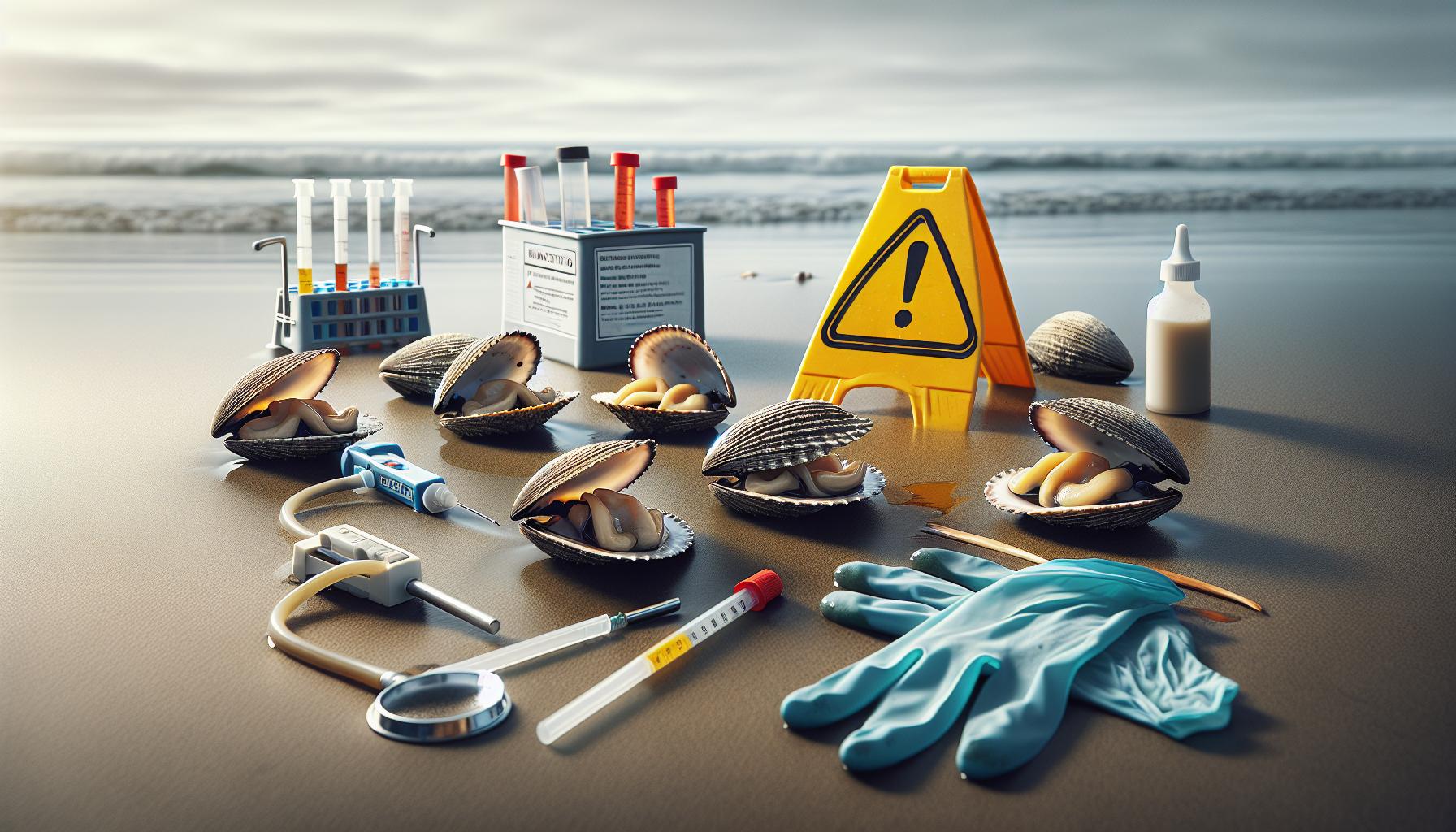
Razor clams are a culinary delight, but before diving into this tasty treat, it’s essential to be aware of the potential health risks associated with consuming them. One of the main concerns is the accumulation of toxins within these shellfish, particularly domoic acid, which can lead to serious health issues if ingested in significant amounts. This acid, which is produced by certain algae blooms, can cause harmful effects such as neurological symptoms and gastrointestinal distress. Therefore, understanding when and where to harvest is key to minimizing these risks.
When foraging for razor clams, always pay attention to local advisories regarding toxin levels. These warnings are crucial, especially during warmer months, when the risk of toxin buildup is higher. Eating clams harvested during closure periods or from contaminated waters can lead to foodborne illnesses. Signs of toxicity may include nausea, vomiting, and even severe neurological symptoms, so it’s vital to be vigilant and selective about your harvest. Only consume razor clams that have been collected from approved, safe locations.
Additionally, handling and preparing razor clams with care can mitigate some health risks. As you prepare them for cooking, discard any that remain open when tapped; these clams may be dead and unsafe for consumption. Proper cooking also plays a significant role in safety. Cooking razor clams thoroughly can help eliminate some pathogens, making them safer to eat. Always ensure that they reach an internal temperature of at least 145°F (63°C) to kill harmful bacteria.
By staying informed and following safety guidelines, you can enjoy the delightful taste of razor clams while minimizing your health risks. Engaging in responsible harvesting practices not only enhances your culinary experience but also supports the sustainability of marine life. The key takeaway is to always prioritize safety by keeping up-to-date with local regulations and advisories.
Cooking Tips to Reduce Health Risks

To enjoy razor clams safely, following proper cooking techniques is essential. Not only do these methods enhance flavor, but they also significantly reduce health risks associated with potential toxins. It’s important to remember that thorough cooking not only improves taste but also kills harmful bacteria and reduces the chances of foodborne illness.
Begin by ensuring that all clams are fresh. Discard any that do not close when tapped; these are likely dead and could pose health risks. Once you’ve selected your clams, rinse them under cold water to remove any sand or grit. For a delightful flavor and safe consumption, cook them until they open completely. The general rule of thumb is to cook razor clams for about 5-10 minutes in boiling water or until they reach an internal temperature of 145°F (63°C), which is crucial for killing harmful bacteria.
Another effective method to enhance safety is to steam or sauté your razor clams. Steam them in a pot with a small amount of water or broth, allowing them to cook for about 3-5 minutes until they open. If you opt to sauté, use a splash of your favorite oil or butter, adding residual moisture to keep them juicy while achieving a crispy texture on the outside. Adding aromatics like garlic and parsley not only elevates flavor but also provides additional nutrients.
Finally, be cautious with leftovers. Store any unused clams in an airtight container and refrigerate them immediately. Consume within 1-2 days for optimal safety and quality. Always reheat thoroughly before serving them again, ensuring they reach the recommended internal temperature.
By adhering to these cooking tips, you can savor the deliciousness of razor clams while effectively minimizing health risks. Remember, the key is not just in the enjoyment but also in ensuring that your meal maintains the highest safety standards.
How to Handle Razor Clams Correctly
Handling razor clams correctly is crucial to ensuring your safety and maximizing the enjoyment of these delicious bivalves. When you bring razor clams home from your harvest, treating them with care preserves their freshness and minimizes potential health risks associated with improper handling.
First, keep your clams cool and moist. Store them in the refrigerator if you’re not cooking them right away. Place them in a breathable container like a mesh bag or a bowl covered with a damp cloth. This helps to maintain humidity without suffocating the clams, as they need air. Under no circumstances should you store them in an airtight container, as this can lead to spoilage and increase the risk of illness.
Before cooking, it’s essential to clean your razor clams properly. Rinse them under cold water to remove any sand and debris. Take special care with clams that won’t close when tapped, as these may be dead and unfit for consumption. If a clam remains open, discard it, as eating dead shellfish can pose serious health risks.
Once your clams are cleaned and prepped, thoroughly cook them to kill any harmful bacteria or parasites. Cooking them until they open is an excellent visual cue; if a clam doesn’t open during cooking, it should also be discarded. Aim for an internal cooking temperature of at least 145°F (63°C) to ensure all harmful organisms are neutralized. Following these steps not only minimizes health risks but also contributes to a delicious dish that highlights the sweet flavor of razor clams.
Lastly, don’t forget about leftovers. If you’ve cooked a batch but have some clams remaining uneaten, store them in an airtight container in the fridge and consume them within 1-2 days. When reheating, ensure they reach that same safe internal temperature before enjoying them again. By adhering to these handling tips, you can enjoy razor clams safely while appreciating their unique taste!
Razor Clams vs. Other Shellfish: Safety Comparisons
When considering food safety in the realm of shellfish, it’s vital to understand how razor clams stack up against other varieties. Razor clams are delicious and sought after, but they come with specific safety concerns that can differ significantly from those associated with other shellfish, such as mussels or oysters.
One of the main risks associated with razor clams is the potential for harmful algal blooms producing toxins like domoic acid. This neurotoxin can accumulate within these clams when they feed on contaminated algae, leading to serious health risks if consumed. In contrast, while other shellfish, like oysters, can also filter feed harmful organisms, they are more frequently monitored for levels of Vibrio bacteria, which can lead to foodborne illness, particularly in warmer months. Therefore, it is essential to be aware of local advisories and closures for razor clams specifically, which are often issued to protect public health due to domoic acid concerns, especially in the warmer months or when algal blooms are detected.
Key Differences in Safety Practices
- Harvesting and Monitoring: Razor clam harvesting tends to be subject to stricter guidelines due to their susceptibility to toxin accumulation. It’s important to check local regulations regularly, as the authorities frequently update public health advisories in real-time. In contrast, while other shellfish also require monitoring, they might have less frequent closures, assuming stable conditions.
- Preparation and Cooking: Razor clams should be kept cool and consumed fresh as they can spoil quickly. When preparing them, it’s crucial to discard those that do not close upon tapping, indicating they may be dead and unsafe to eat. Other shellfish, such as oysters, are often consumed raw but should also be sourced from reputable suppliers to minimize risk. Cooking both types of shellfish thoroughly minimizes health risks, though the specific cooking temperatures may vary slightly; a guideline for razor clams is to ensure they reach at least 145°F (63°C).
- Health Risks: Understanding the specific toxins related to each type of shellfish is crucial. Razor clams primarily pose risks associated with toxin accumulation, while other shellfish like mussels and scallops may also carry risks from bacterial contamination.
To enjoy razor clams safely, it’s essential not only to follow best practices for harvesting and preparation but also to stay informed about environmental conditions that can affect shellfish safety. This proactive approach helps ensure that your culinary experience with these delightful creatures remains both delicious and safe.
Local Regulations and Safety Guidelines for Razor Clams
When venturing out to harvest razor clams, knowing and understanding local regulations and safety guidelines is essential for ensuring both your safety and the health of the marine ecosystem. Specific regulations often determine when and where you can harvest, addressing concerns about toxic algae blooms and the presence of domoic acid, which can pose serious health risks.
It’s crucial to regularly check with local wildlife and fisheries management agencies before heading out. Many regions implement seasonal closures or updates regarding water quality and safety advisories. Staying informed can keep you updated on any current restrictions that may affect your harvesting plans. For instance, if there’s a report of elevated domoic acid levels, areas may be temporarily closed to protect public health. In Oregon, for example, the Oregon Department of Agriculture provides information on safe handling and consumption guidelines for harvested shellfish, including razor clams [[3]](https://www.oregon.gov/oda/food-safety/shellfish/pages/safe-handling-consumption.aspx).
Moreover, when collecting razor clams, always carry the appropriate permits if required and observe daily limits to promote sustainable harvesting. Be sure to only take clams from open areas, clearly marked by local authorities, to avoid legal repercussions and to ensure that you’re harvesting from safe, clean waters. Remember that your personal safety is just as important; wear proper gear and be cautious of tides and weather conditions.
Lastly, be educated about the identification of safe versus potentially dangerous clams. Razor clams that cannot close their shells may not be safe to eat. Always inspect your catch carefully and familiarize yourself with signs of toxicity so you can make informed decisions before preparation. These simple yet effective guidelines can help ensure that your experience with razor clams is enjoyable and safe.
What to Do If You Experience Symptoms After Eating Razor Clams
Experiencing symptoms after consuming razor clams can be alarming, especially if you’re unsure whether it’s related to toxins like domoic acid. If you feel unwell, it’s important to act promptly and know what steps to take. Domoic acid poisoning can lead to serious health issues, so recognizing the signs early is crucial.
If you begin to experience symptoms such as nausea, vomiting, abdominal cramps, diarrhea, or even neurological symptoms like confusion or seizures, the first step is to stop eating any more razor clams immediately. It’s vital to keep track of what you’ve consumed and any specific symptoms you’re experiencing.
Once you’ve identified these symptoms, seeking medical attention is essential – especially if symptoms worsen or are severe. Your healthcare provider may ask for details about your consumption and symptoms to guide their treatment. In many cases, they can provide symptomatic relief and monitor any adverse reactions.
Keep in mind that time is of the essence. Prompt reporting of your symptoms might also help local health officials track potential outbreaks and make necessary warnings or closures for shellfish harvesting. So, keep the lines of communication open with your healthcare team and local public health authorities.
Being proactive about your health includes educating yourself on the risks associated with razor clams. Remember, awareness and quick action can dramatically improve your recovery and help keep you and others safe.
Resources for Learning More About Razor Clam Safety
To ensure your safety when it comes to consuming razor clams, it’s vital to stay informed about potential risks and best practices. One of the best resources to consult is your local public health department. They provide updates on shellfish advisories, including instances of elevated domoic acid levels which can render razor clams unsafe to eat, especially in areas like Humboldt County where the recreational fishery remains closed due to these concerns [[1]](https://www.cdph.ca.gov/Programs/OPA/Pages/SN23-013.aspx).
Engaging with community groups, whether through Facebook or local forums, can also be helpful. These platforms often share timely information about harvesting zones, safety alerts, and personal experiences that can deepen your understanding of razor clam safety [[2]](https://www.facebook.com/groups/991205675051332/posts/1821241932047698/).
For a more scientific perspective, websites from wildlife and environmental protection agencies are invaluable. These sources detail health advisories and closures associated with shellfish consumption, helping you make informed decisions based on current data [[3]](https://wildlife.ca.gov/Fishing/Ocean/Health-Advisories).
Being proactive about safety includes regular checks of these resources and understanding local regulations, which can vary significantly by region. Through these channels, you can keep abreast of the latest findings, safety recommendations, and best practices for razor clam consumption and harvesting, empowering you to enjoy this delicacy with confidence.
Frequently Asked Questions
Q: Are there health risks associated with eating razor clams?
A: Yes, razor clams can pose health risks if they accumulate toxins like domoic acid, which can cause Amnesic Shellfish Poisoning. Always check for local advisories about shellfish safety before consuming them to ensure they are safe to eat.
Q: How can I tell if a razor clam is toxic?
A: There are no visual signs indicating toxicity in razor clams; therefore, it’s crucial to rely on local health advisories and testing data. Toxicity levels can vary, so checking the latest reports is essential for safe consumption.
Q: What should I do if I experience symptoms after eating razor clams?
A: If you experience symptoms like nausea, vomiting, or confusion after eating razor clams, seek medical attention immediately. These could be signs of shellfish poisoning, and timely care is vital for recovery.
Q: Are there any specific warnings about razor clam consumption?
A: Yes, consumers are often warned not to eat sport-harvested razor clams due to dangerous levels of domoic acid, especially during certain seasons. Always check health department notices to stay informed about current risks [1].
Q: Is it safe to harvest razor clams in warmer months?
A: While razor clams can be harvested year-round, they are more likely to contain high toxin levels during warmer months. It’s critical to adhere to local guidelines and testing results during these periods.
Q: Can cooking reduce the health risks of razor clams?
A: Cooking does not eliminate all toxins present in razor clams, particularly domoic acid. The best method to ensure safety is to avoid harvesting clams from contaminated areas and to stay updated on local health advisories.
Q: How does domoic acid affect razor clams?
A: Domoic acid accumulates in razor clams from their diet and can lead to severe health risks for humans if consumed. Regular testing by health authorities helps monitor toxin levels and protect public health [2].
Q: What regulations exist regarding razor clam harvesting?
A: Local regulations often include restrictions on where and how many razor clams you can harvest. Always check with local wildlife agencies to ensure compliance and to protect public safety.
Key Takeaways
As we wrap up our exploration of razor clam safety, remember that knowledge is your best ally. While they are a delicious find when properly harvested, be aware of warnings about domoic acid, which can pose serious health risks if consumed. Stay informed about local advisories, as these can change rapidly depending on water conditions and seasonal factors. For more insights on safe clam harvesting, check out our guide on Safe Handling and Consumption of Shellfish.
If you’re curious about the techniques for digging and preparing these clams, don’t miss our tips on How to Dig for Razor Clams! Dive into these resources to further enrich your clam foraging adventures. Don’t forget to sign up for our newsletter for the latest updates on seafood safety and more practical tips that empower your culinary journeys. Your next delicious meal awaits-be safe, be smart, and enjoy every bite!
Expert Guide: Can Razor Clams Harm Humans
When researching can razor clams harm humans, following structured best practices and expert recommendations is essential for achieving optimal grooming, style, and personal care outcomes. Implementing evidence-based methods protects your skin barrier and extends product longevity.
Essential Tips & Key Recommendations:
- Optimal Preparation: Always prepare the target area with proper cleansing, gentle hydration, or targeted skin conditioning before applying active products or styling techniques.
- Application Technique: Use light, controlled pressure and align with your natural skin contours and hair growth patterns to prevent friction and irritation.
- Post-Application Care: Lock in results with nourishing, non-comedogenic moisturizers or protective barriers to maintain balance and hydration.
- Sanitization & Tool Maintenance: Clean and dry all grooming accessories and applicators immediately after use, storing them in a cool, well-ventilated space.
Frequently Asked Questions:
Q: What is the most critical guideline regarding can razor clams harm humans?
A: Prioritize gentle, consistent care using high-grade, hypoallergenic products and sanitized equipment tailored to your personal routine.
Get our latest guides, news, and insights highlighted in your Google Search & AI Overviews.