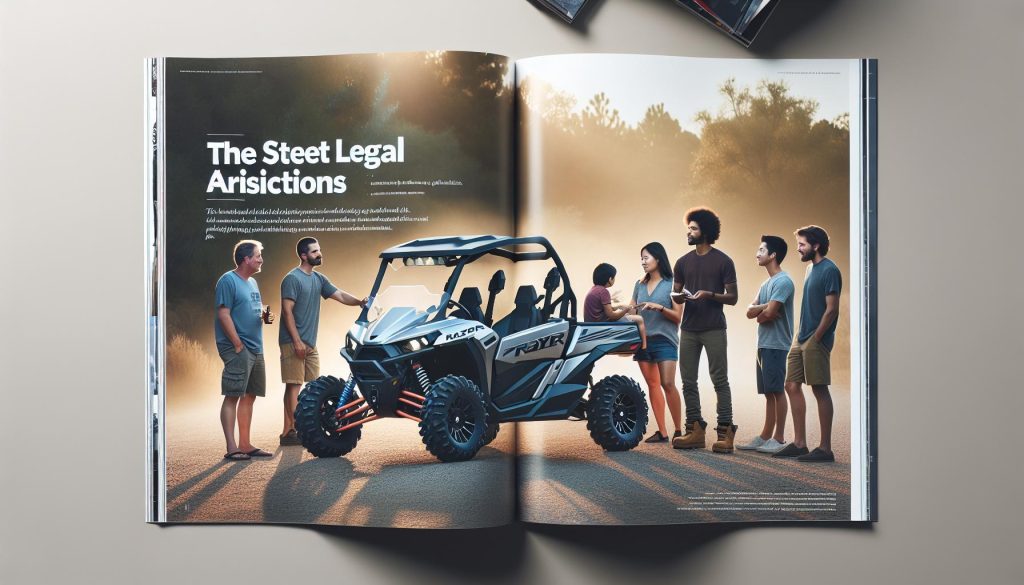
Are you considering hitting the road in a razor or UTV (Utility Task Vehicle)? Understanding the street legality of these vehicles is crucial, as regulations vary widely from state to state. Knowing the rules not only helps you avoid fines but also ensures a safer ride for you and your passengers. This guide will break down everything you need to know about the legal requirements for operating razors and UTVs on public roads. By understanding these regulations, you can confidently enjoy your off-road adventures while staying compliant with the law. So, let’s get into the essential information that will keep you informed and ready for your next journey!
Understanding UTV Regulations: What You Need to Know
Understanding the regulations surrounding UTVs (Utility Task Vehicles) can feel daunting, especially for those eager to hit the trails or navigate local roads. UTV laws vary significantly from state to state, impacting everything from where you can operate your vehicle to what safety measures you must take. It’s essential to have a grasp of these regulations to avoid fines and ensure safe, responsible driving.
First and foremost, it’s important to recognize that a UTV might not be street-legal in every state. Many states require UTVs to meet specific criteria concerning their construction and safety features before they can be legally operated on public roads. Each state often has its own registration process and may mandate insurance coverage as well. For instance, some states allow UTVs to be driven on public roads if they are equipped with certain safety gear and have been registered as street-legal vehicles. On the contrary, other states may restrict UTVs to off-road usage unless they are modified to comply with street regulations.
Given the landscape of UTV regulations, you need to familiarize yourself with your local laws. This can include a state-by-state breakdown of age requirements for drivers, safety gear mandates, and potential local ordinances that can affect where you can legally ride. Additionally, many misconceptions exist around the topic; a common belief is that UTVs are automatically street-legal if they have headlights and taillights. However, there may be additional requirements, such as mirrors, windshields, and seat belts, to fulfill legal standing for road use.
Staying compliant with UTV laws isn’t just about following regulations; it’s about ensuring safety for everyone on the road. Understanding what’s required can enhance your experience and keep you and your passengers safe. As you prepare to operate a UTV, consider checking the specific regulations pertaining to your state for the most accurate and current information. Doing so not only keeps you informed but can also lead to a much more enjoyable ride, free from legal concerns.
State-by-State Breakdown of UTV Laws
Navigating the intricate world of UTV regulations can be particularly challenging as they vary greatly from state to state. Understanding these differences is crucial for anyone looking to operate a UTV, such as a Razor, on public roads. Each state has its own set of rules concerning what makes a UTV street-legal, and these rules often dictate the necessary safety requirements, equipment, and licenses.
In many states, a UTV must be adequately equipped to be considered street-legal. Common requirements include having functioning headlights, brake lights, turn signals, a rearview mirror, and a windshield, among others. Some states also mandate features like seat belts and specific registration processes. For example, in Michigan, a UTV can be operated on designated state roads if it meets certain criteria and is registered for road use. Conversely, in other states, such as California, UTVs are primarily restricted to off-road usage, unless specifically modified and registered for on-road use.
Another significant aspect to keep in mind is age restrictions for drivers. Some states have strict regulations on the minimum age a person can be to legally operate a UTV on public roads, often requiring that drivers be of a certain age or hold an appropriate license. For instance, in Texas, drivers must be at least 15 years old and possess a valid driver’s license, while in Wisconsin, those under 16 years of age must be accompanied by an adult.
Understanding local ordinances is also essential. Some municipalities may have additional restrictions on UTV use, independent of state law. Always check with local authorities to ensure compliance. By being aware of the specific UTV regulations in your state and community, you can enjoy the thrill of operating your vehicle legally and safely.
Ultimately, staying informed about these regulations enhances your riding experience and ensures you can navigate local terrains without legal issues. Always prioritize checking the relevant statutes in your state or seeking guidance from local motor vehicle departments to ensure you’re complying with the latest laws.
Are Razors Considered Street Legal?
Determining whether a Razor-or any UTV, for that matter-is street legal hinges on a multitude of factors including state laws, vehicle specifications, and local ordinances. Razors, known for their performance and versatility, can certainly be modified to meet street legality in some states, but the process often involves a careful consideration of various requirements.
Most states require UTVs, including Razors, to be equipped with specific safety features to be deemed street legal. These generally include functioning headlights, brake lights, turn signals, a rearview mirror, a windshield, and seat belts. For example, in Michigan, a Razor can be registered for on-road use if it meets certain criteria and has been issued a street-legal title. Conversely, states like California have strict limitations, primarily restricting use to off-road environments unless significant modifications and approvals are obtained.
Furthermore, local laws can complicate this issue. Even if a state allows Razors to be street legal, certain municipalities might enforce additional restrictions. It’s crucial to research local ordinances before hitting the road. To navigate these regulations effectively, consider reaching out to your state’s Department of Motor Vehicles (DMV) or local motor vehicle departments for clarification on specific requirements.
Remember, being informed is your best ally in ensuring compliance. If you successfully navigate the regulations and equip your Razor properly, you can enjoy a versatile driving experience that includes both trails and roads, maximizing your outdoor adventures.
Difference Between UTVs and ATVs: Legal Implications
Knowing the distinctions between UTVs (Utility Task Vehicles) and ATVs (All-Terrain Vehicles) is crucial not just for choosing the right vehicle for your adventures, but also for understanding the legal implications of using these vehicles on public roads or trails. UTVs, commonly referred to as side-by-sides, are designed for multiple passengers and generally feature larger frames, seat belts, and a steering wheel, while ATVs are typically smaller, designed for single riders, and operated via handlebars.
From a legal standpoint, the regulations governing each vehicle can differ significantly, particularly when it comes to street legality. For instance, many states have stringent requirements for UTVs to be considered street legal, often including specific safety features such as headlights, turn signals, and even certain emissions standards. In contrast, ATVs are often more restricted in where they can be driven; many are limited to off-road environments by default unless specific approvals and modifications are made.
Another important aspect is registration and insurance. UTVs may require a title and registration similar to cars in some jurisdictions, while ATVs might have different or lighter requirements, depending on state laws. For example, while Michigans’ regulations might allow UTVs to be street-legal with proper modifications, many states would require ATVs to remain off-road unless they meet a separate set of criteria.
It’s critical to familiarize yourself with local laws related to both UTVs and ATVs, as municipalities may enforce additional regulations that further dictate what can and cannot be done with these vehicles. Understanding these differences not only helps in compliance but can enhance your riding experience by keeping you informed about where and how you can legally enjoy your adventures. Staying compliant with these laws will allow you to make the most out of your UTV or ATV experience, ensuring safety for yourself and those around you.
Common Misconceptions About UTV Street Legality
Despite their popularity, UTVs often face a variety of misunderstandings regarding their legality on public streets. One common myth is that any UTV, including popular models like the Polaris RZR, is inherently street legal. However, many states enforce strict requirements that must be met for a UTV to be considered roadworthy. For instance, vehicles may need to possess certain safety features such as adequate lighting, mirrors, seat belts, and specific exhaust systems to meet emissions standards.
Moreover, there’s a misconception that once a UTV is registered as a vehicle in one state, it will enjoy the same legal status everywhere. In reality, UTV regulations vary significantly from state to state. Some regions may allow limited use on public roads, while others may restrict UTVs to off-road trails. It’s crucial to research and understand the particular requirements in your area-what’s permissible in one state might result in penalties in another.
Another frequent belief is that UTVs can easily transition from recreational use to street use without modification. While many manufacturers provide guides on how to prepare your UTV for road use, simply purchasing a model does not mean it’s ready for the highway. Owners often need to invest in upgrades related to safety and compliance, which can be both time-consuming and costly.
To avoid issues, consider these actionable steps:
- Research local laws: Check your state’s DMV website for specific UTV regulations.
- Consult local authorities: Reach out to local law enforcement or the DMV to get clarification on what’s permissible.
- Plan modifications carefully: If you plan to make your UTV street legal, ensure that all modifications meet local safety standards.
By staying informed and prepared, you can enjoy your UTV while ensuring you adhere to all necessary laws and regulations.
Age Regulations for UTV Drivers by State
Age requirements for operating UTVs, such as the popular Polaris RZR models, vary widely by state, making it essential for users to be aware of local laws. While many states allow minors to drive UTVs, specific age restrictions and regulations regarding supervision can differ significantly. For instance, some states may demand that operators be at least 16 years old, while others permit younger drivers to operate under certain conditions, like being supervised by an adult.
Understanding these regulations is crucial for responsible UTV use. Here’s a brief overview of typical requirements:
- 16 Years or Older: In many states, individuals must be at least 16 years old to operate a UTV independently. These states may require a valid driver’s license.
- 14 to 15 Years: Some states allow younger drivers, specifically those aged 14 or 15, to operate a UTV, typically under adult supervision.
- Under 14 Years: A few states may permit minors under 14 to ride as passengers on UTVs operated by licensed adults, though some restrict these younger individuals from driving entirely.
To navigate these regulations effectively, younger riders and their guardians should check their specific state’s Department of Motor Vehicles (DMV) or recreation website. For example, in states like Texas and Florida, various age stipulations apply, adding to the complexity of UTV use. Furthermore, training courses may be mandated for younger drivers to ensure safety and compliance.
Understanding age regulations not only keeps young drivers safe but also helps them become responsible operators. Always verify your state’s rules before hitting the trails, as local authorities can enforce fines for non-compliance. This proactive approach ensures that everyone can enjoy the thrill of UTVs responsibly and safely.
Safety Gear Requirements for UTV Operation
When it comes to operating UTVs (Utility Task Vehicles), safety should always be a paramount concern. Wearing the appropriate safety gear not only enhances your protection but also ensures compliance with regulations that vary by state. As you prepare for your UTV adventures, consider the essential safety equipment that can significantly reduce the risk of injury in case of an accident.
A well-fitted helmet is one of the most critical pieces of gear. While some states mandate helmet use for all UTV operators and passengers, others only require them in certain scenarios, such as when riding on public roads. Look for helmets that meet safety standards like DOT (Department of Transportation) or Snell certification to ensure maximum protection.
In addition to helmets, other protective equipment is highly recommended. Here are some essential items to consider:
- Eye Protection: Goggles or glasses protect your eyes from dust, debris, and UV rays, improving visibility and overall safety.
- Gloves: Durable gloves provide grip on the steering wheel and protect your hands in case of an accident.
- Long Pants and Sturdy Boots: Wearing long pants and closed-toe boots helps shield your skin from scrapes and supports your ankles in uneven terrain.
- Protective Jackets: A sturdy jacket made from abrasion-resistant materials can protect your upper body. Some models even come equipped with armor for additional safety.
Always remember to check the specific safety gear laws in your state. Some places may have more stringent requirements than others. By prioritizing the right equipment before you hit the trails, you’re not just preparing for a ride-you’re safeguarding your adventure and ensuring a fun experience for everyone in your UTV.
Registration and Insurance: What’s Needed?
Navigating the world of UTV regulations can be daunting, especially when it comes to understanding the requirements for registration and insurance. Each state has its own specific laws, often making it challenging to keep track of what’s needed for legal operation on public roads or trails. In many areas, UTVs must be registered with the state’s motor vehicle department, similar to cars and trucks. This process typically involves submitting proof of purchase, a vehicle identification number (VIN), and sometimes a safety certificate, which confirms that the UTV meets local safety standards.
Insurance is another critical component for UTV owners. Most states require a minimum amount of liability coverage, which protects you financially in case of accidents that cause injury or property damage to others. A common question is whether standard automobile insurance policies cover UTVs; often, they do not, so you may need to purchase a specific off-road vehicle policy. Comprehensive coverage options can also include theft, vandalism, and damage from unforeseen events, providing an extra layer of security during your adventures.
To make compliance easier, here are a few actionable steps to consider:
- Check Local Regulations: Before registering your UTV, verify the specific requirements in your state, as they can vary widely.
- Gather Documentation: Make sure you have all required documents ready, such as your bill of sale and identification details.
- Research Insurance Options: Explore multiple insurance providers to find a policy that suits your needs, and look for specialized UTV insurance for the best coverage.
- Stay Informed: Regulations can change, so it’s wise to stay updated on any new laws that may affect the registration or insurance of your UTV.
By taking these proactive steps, you not only ensure your UTV is legally registered and insured but also enhance your peace of mind as you explore the great outdoors. Remember that a well-informed journey can lead to safer and more enjoyable rides, allowing you to focus on the adventure rather than legal concerns.
Local Ordinances Affecting UTV Use
Understanding the local ordinances related to UTV use can save you from legal headaches and enhance your riding experience. Unlike broader state laws that apply uniformly, local regulations can significantly differ from one municipality to another. For instance, while some towns allow UTVs on public roads, others may restrict them to private property or designated trails.
In many areas, you’ll find that local ordinances dictate specific rules about UTV use, including noise restrictions, the types of vehicles allowed, and required permits. Some communities may also have age restrictions or safety gear mandates beyond what state law dictates. For example, places with heavy traffic may limit UTV usage to certain hours to reduce congestion or noise at night. Familiarizing yourself with these local rules is essential, especially if you plan to ride in new areas during your adventures.
To navigate local ordinances effectively, consider these practical steps:
- Visit Local Government Websites: Municipalities often post their regulations online. Look for sections dedicated to vehicle use or off-road vehicles for specific guidelines.
- Contact Local Law Enforcement: If the information online is unclear, a quick call to your local police department can clarify what’s permissible for UTVs in your area.
- Join Local UTV Clubs or Forums: Engaging with fellow UTV enthusiasts can provide you with insider tips on navigating local laws and finding the best places to ride.
By taking these steps, not only will you ensure compliance with local laws, but you’ll also enhance your enjoyment of UTV riding while contributing to community safety and convenience. Remember, being informed helps you avoid penalties and fosters a positive relationship between riders and local communities, paving the way for future enjoyment of recreational vehicles.
Penalties for Illegal UTV Operation
Operating a UTV (Utility Task Vehicle) without adhering to legal regulations can lead to significant consequences, which vary widely by state and locality. Whether you’re cruising down a public road that permits UTVs or maneuvering through designated off-road trails, understanding the potential penalties for illegal operation is essential to ensure a safe and enjoyable experience.
If you’re caught riding a UTV illegally, the penalties could range from hefty fines to more severe consequences such as license suspension or even the impounding of the vehicle. For instance, in some states, fines for illegal operation can exceed $500 for first-time offenders. Additionally, repeat offenders may face escalating fines or mandatory court appearances that could complicate your schedule and finances.
Beyond monetary penalties, illegal UTV operation can lead to civil liabilities in the case of accidents. If an accident occurs while you’re riding illegally, you may be held liable for damages incurred, which could involve steep compensatory costs. Furthermore, insurance companies are likely to deny claims if they determine that the UTV was being operated unlawfully, leaving you vulnerable to covering those costs out-of-pocket.
To avoid these negative repercussions, it’s crucial to familiarize yourself with specific local laws regarding UTVs before taking to the trails. Ensure your vehicle is registered, equipped with necessary safety gear, and that you’re adhering to age and permit regulations. Taking the time to educate yourself will not only keep you compliant but also enhance your overall experience, allowing for worry-free enjoyment in your outdoor adventures.
Tips for Staying Compliant with UTV Laws
Understanding the ins and outs of UTV (Utility Task Vehicle) regulations can seem daunting, especially with the varying laws across states. A few thoughtful steps can make compliance much easier and help you enjoy your off-road adventures without any legal complications.
First and foremost, research local laws. Each state has different regulations regarding UTV usage, including where they can be driven, how to register them, and what safety equipment is required. Websites provided by state motor vehicle departments are a great resource for this kind of information. Additionally, you can often find guides and forums where fellow UTV enthusiasts share their experiences and advice.
Next, ensure that your UTV is properly equipped. In many states, specific safety gear like helmets, seat belts, and even certain lighting features are mandatory. Check the state laws to see what is required and tailor your UTV to meet these standards. This not only keeps you compliant but also enhances safety for you and your passengers.
Don’t overlook insurance and registration. Some states require UTVs to be registered like traditional vehicles, and having liability insurance can protect you financially in case of accidents. Obtaining the right coverage tailored for UTV operation is crucial, as it can be a lifesaver if incidents occur.
Lastly, stay informed about any local ordinances, especially if you plan to travel across state lines. Some areas have unique rules regarding UTV use on public roads or designated trails. To prevent unintentional violations, consider reaching out to local authorities or off-road clubs for the most current information.
By staying proactive and informed about UTV laws, you can ride worry-free, knowing you’re adhering to regulations while enjoying the thrill of the outdoors.
Preparing for UTV Use in Different States
When planning to use a UTV, or Utility Task Vehicle, in different states, several crucial factors require your attention to ensure compliance and safety. Each state has unique regulations regarding UTV use, so understanding these laws can greatly enhance your off-road experience while minimizing legal complications.
Start by familiarizing yourself with the specific laws in the states you plan to visit. For instance, some states allow UTVs on public roads, but others strictly prohibit it. It’s essential to check if you need to obtain a special permit or if there are designated trails for UTV use. Local state motor vehicle department websites often provide detailed information about UTV regulations, including operating hours and geographic restrictions.
Equipping your UTV to meet safety standards is equally important. Depending on the state, safety equipment requirements can vary significantly. While some states may require basic safety gear like helmets and seat belts, others might mandate more specialized equipment such as roll cages or additional lighting. Always consult the state laws to ensure your vehicle is correctly outfitted to comply with local regulations.
Additionally, understanding registration requirements is crucial before hitting the trails. Many states require UTVs to be registered, similar to traditional vehicles. It’s wise to obtain the necessary documents well in advance of your travels. Some states may also have insurance requirements, so looking into coverage options that protect you in case of accidents or property damage can save you from unexpected financial burdens.
Finally, be aware of local ordinances that might impose additional restrictions. Some towns or counties could have specific rules about UTV use that differ from state laws. It’s a helpful practice to reach out to local law enforcement or off-road clubs, as they can provide insights into current regulations and any pertinent ordinances that could affect your UTV usage.
By taking these proactive steps-researching state laws, ensuring your UTV meets safety standards, and understanding registration and local ordinances-you can enjoy your off-road adventures while staying compliant with regulations across varying states.
Frequently asked questions
Q: Are Razors street legal everywhere in the U.S.?
A: No, Razors (a type of UTV) are not universally street legal across the U.S. Each state has different regulations regarding UTVs on public roads. It’s essential to check your specific state’s laws for requirements or restrictions on operation to ensure compliance.
Q: What modifications are needed for Razors to be street legal?
A: To make Razors street legal, they often require modifications such as headlights, taillights, turn signals, a rearview mirror, and sometimes even a horn. Additionally, they may need to meet specific safety standards and be registered according to state requirements.
Q: How do I find out my state’s UTV regulations?
A: You can find your state’s UTV regulations by visiting your state’s department of motor vehicles or transportation website. They typically provide comprehensive information on registration, safety requirements, and street legality.
Q: What are the common penalties for illegal UTV operation?
A: Penalties for illegal UTV operation can vary significantly by state and may include fines, points on your driving record, or even impoundment of the vehicle. Always consult local laws to understand potential consequences of operating a UTV illegally.
Q: Where can I find local ordinances related to UTV use?
A: Local ordinances regarding UTV use can typically be found on your city or county government’s website. These rules may specify where UTVs can be operated and any additional local requirements that apply beyond state laws.
Q: What insurance do I need for a street-legal Razor?
A: To operate a street-legal Razor, you usually need liability insurance, which covers damages to other people and property. Some states may also require additional coverage like personal injury protection or collision insurance. Check with local insurance providers for specific requirements.
Q: Can I drive a Razor on public highways?
A: Whether you can drive a Razor on public highways depends on the state. Many states allow UTVs on specific roads or highways designated for such vehicles, provided they meet safety and registration requirements. Always verify local laws to avoid violations.
Q: How do I register my Razor for street use?
A: To register your Razor for street use, you typically need to visit your local department of motor vehicles with documents proving ownership, proof of insurance, and compliance with any necessary modifications. Check your state’s DMV website for specific procedures and requirements.
Key Takeaways
As we wrap up our exploration of UTV regulations and the street legality of razors, remember that understanding your local laws is crucial for safe and enjoyable driving. If you’re still uncertain about specific regulations in your state, don’t hesitate to check out our detailed guides on UTV buying tips and maintenance advice to keep your vehicle in top shape.
Now’s the perfect time to dive deeper! Consider subscribing to our newsletter for the latest updates and insights directly in your inbox. Have questions or experiences to share? Join the conversation in the comments below-your input not only helps us but also builds a community of engaged enthusiasts. Stay informed and make sure you’re riding with confidence; explore more about UTV options and accessories to elevate your off-road adventures today!
Get our latest guides, news, and insights highlighted in your Google Search & AI Overviews.