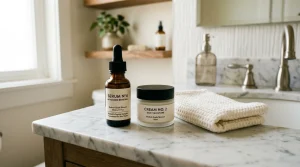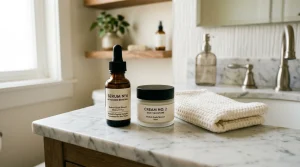
Many people worry that using oil cleansers might clog their pores, leading to breakouts and skin concerns. However, understanding how oil cleansers work can alleviate these fears. In fact, when formulated properly, oil cleansers can dissolve makeup and dirt without compromising your skin’s barrier, helping to maintain a balanced complexion.
If you’ve ever felt confused about incorporating oil into your skincare routine, you’re not alone. This article will demystify the relationship between oil cleansers and clogged pores, addressing your concerns and providing clarity on this popular product. Stick with us to uncover the truth, empowering you to make informed decisions for your skin care journey.
What Is an Oil Cleanser and How Does It Work?
Oil cleansers have gained a loyal following in recent years, and for good reason. They work using a simple yet effective principle: like dissolves like. This means that the oil in the cleanser will effectively break down makeup, sunscreen, and excess sebum from your skin without stripping away its natural moisture. When you apply an oil cleanser, it attracts all the oils on your skin, breaking them down and allowing for gentle removal with water or a soft cloth.
Many people may worry that using an oil cleanser could lead to clogged pores and breakouts. However, when chosen wisely and used correctly, oil cleansers can actually help balance your skin. They dissolve the impurities without causing irritation, especially for those with sensitive or dry skin. Ingredients like jojoba oil or sunflower seed oil are particularly beneficial, as they are non-comedogenic, meaning they won’t clog your pores.
To maximize the effectiveness of an oil cleanser, massage it onto dry skin in gentle, circular motions. Start with a dime-sized amount and increase if needed. This process not only enhances the breakdown of oils but also improves circulation and promotes relaxation. Follow up by rinsing thoroughly with warm water or a damp cloth to fully remove the product along with the impurities. This two-step approach ensures your skin is left clean, fresh, and hydrated, setting a solid foundation for the rest of your skincare routine.
Debunking the Clogging Myth: Understanding Pore Obstruction

Using oil cleansers can feel daunting, especially if you’re worried about clogged pores. It’s a common misconception that using oils on your face will lead to breakouts. In reality, the right oil cleansers can actually help keep your skin clear and healthy. The key lies in understanding how oil interacts with your skin and the science behind skin health.
Firstly, many oil cleansers are formulated with non-comedogenic ingredients. This means they’re designed not to clog pores. For instance, oils like jojoba and sunflower seed mimic the skin’s natural oils, allowing them to cleanse impurities without overwhelming your pores. When you apply an oil cleanser, it binds to makeup, dirt, and excess sebum, effectively lifting them away without harsh scrubbing. The process is gentle and doesn’t strip away the skin’s natural moisture, which is essential for maintaining a healthy skin barrier.
It’s also important to note that everyone’s skin is unique. Factors such as skin type, environmental conditions, and personal reactions can influence how your skin responds to oils. For acne-prone individuals, choosing lighter oils or formulations that include acne-fighting ingredients, like tea tree oil or salicylic acid, can provide additional benefits while preventing potential clogging. Remember, just because a product contains oil doesn’t mean it will clog your pores – it’s all about the formulation and your individual skin response.
To maximize the benefits of your oil cleanser, use it as a part of a double cleansing routine. Begin with the oil to remove makeup and impurities, then follow with a gentle water-based cleanser to further cleanse your skin. This method not only ensures your pores are clean, but it also allows your skin to breathe and regenerate effectively. So, if you’re hesitant about oil cleansers, remember: with the right products and techniques, you can enjoy a clear, hydrated complexion without the worry of clogged pores.
The Science Behind Oil Cleansing: Ingredients That Matter

Using an oil cleanser might seem counterintuitive, especially if you’re worried about clogged pores. However, the secret to effective oil cleansing lies in understanding the specific ingredients that cater to different skin needs. Certain oils possess remarkable properties that not only cleanse but also provide nourishment without compromising your skin’s health.
Key ingredients in oil cleansers can include a variety of botanical oils, each bringing unique benefits. For instance, jojoba oil is often highlighted for its non-comedogenic qualities, meaning it won’t clog pores. It functions similarly to the skin’s natural sebum, which helps balance oil production. On the other hand, sunflower seed oil is rich in vitamin E and acts as a gentle emollient, which can soothe and hydrate the skin. These oils work by binding to makeup and impurities, allowing for a smooth and effective cleansing process without stripping away essential moisture.
It’s also important to consider the inclusion of skin-friendly additives. Many formulations incorporate ingredients like tea tree oil or salicylic acid, which can positively impact acne-prone skin. These not only assist in the cleansing process but also offer additional acne-fighting properties that reduce breakouts. Look for terms like “non-comedogenic” or check ingredient lists for lighter oils if you’re concerned about breakouts.
When selecting an oil cleanser, knowing your skin type is vital to ensure compatibility. If you have oily or acne-prone skin, stick to lighter oils such as grapeseed or hazelnut oil. For dry or mature skin, richer oils like argan oil or avocado oil can provide needed hydration. By choosing the right oil based on your individual skin needs, you can enjoy the benefits of oil cleansing without the fear of clogged pores.
Incorporating oil cleansing into your routine can be a game changer, helping to maintain clear and healthy skin. The key takeaway? Focus on the ingredients, understand your skin’s needs, and choose non-comedogenic options to reap the full benefits of this cleansing method without compromising your skin’s integrity.
What Types of Oil Cleansers Are Best for Different Skin Types?

Using an oil cleanser can be transformative for your skincare routine, but selecting the right one for your skin type is essential to maximize its benefits. Different oils have unique properties that cater to specific skin needs, and understanding these nuances can help you achieve clear, healthy skin without the worry of clogged pores.
For those with oily or acne-prone skin, lightweight oils like grapeseed oil and hazelnut oil are excellent choices. These oils are non-comedogenic, meaning they won’t block your pores. Grapeseed oil is rich in linoleic acid and is known for its ability to balance oil production and reduce acne. Hazel oil, with its astringent properties, can help minimize the appearance of pores while keeping the skin hydrated without clogging.
If your skin falls on the drier side, opt for more nourishing oils. Jojoba oil is an ideal candidate; it closely resembles your skin’s natural sebum and helps moisturize without leaving a heavy residue. Argan oil is another stellar option, packed with antioxidants and fatty acids that deeply hydrate and repair the skin barrier. For those with mature skin, oils rich in vitamins, such as avocado oil, provide the nourishment needed for elasticity and youthful appearance.
Lastly, sensitive skin types can benefit from sunflower seed oil, known for its calming effects and ability to reduce inflammation. This oil is often recommended for its nourishing qualities and potential to soothe irritation, making it a safe choice for delicate skin. Always patch test a new product before making it a staple in your routine, as individual reactions can vary.
When choosing your oil cleanser, remember to consider how your skin feels and behaves. Your skin type may change with the seasons or due to different factors like stress or diet, so it’s okay to adapt your choices over time. By selecting the right oil for your skin type and being attentive to its needs, you’re well on your way to enjoying the many benefits of oil cleansing-without the fear of clogged pores.
How to Use Oil Cleansers Effectively for Clear Skin
Using an oil cleanser effectively can be a game changer in your skincare routine, especially if you’re concerned about clogged pores. Many people mistakenly believe that oil cleansers will exacerbate oily or acne-prone skin, but when used correctly, they can actually help to clear impurities without leaving a greasy residue. Here’s how to get the best results from your oil cleansing routine.
To start, it’s important to choose the right oil cleanser for your skin type. Look for lightweight, non-comedogenic options, particularly if you have oily or acne-prone skin. Oils like grapeseed or hazelnut are excellent choices because they help balance oil production. For dry skin, opt for more hydrating oils, such as jojoba or argan oil. These types of oils nourish the skin while still effectively removing makeup and dirt.
Here’s a step-by-step guide to maximize the benefits of oil cleansing:
- Prep Your Skin: Begin with dry hands and a dry face. Applying an oil cleanser to damp skin can dilute its effectiveness, so ensure your skin is completely dry.
- Dispense the Right Amount: Use about a quarter-sized amount of the oil cleanser. This is enough to cover your entire face without over-saturating it.
- Massage Gently: Using your fingertips, apply the oil to your face in gentle circular motions for about 30 seconds. Be sure to focus on areas where makeup and impurities tend to build up, such as around the nose and forehead. This gentle motion not only helps the cleanser break down makeup but also encourages circulation.
- Emulsify: After massaging, wet your hands with warm water and continue to massage your face. This will help to emulsify the oil, turning it into a milky consistency that more effectively lifts away impurities.
- Rinse Thoroughly: Finish by rinsing your face thoroughly with warm water. Make sure all residue is removed to prevent any oil from lingering on your skin, which could potentially clog pores.
- Follow Up: For a complete cleanse, you could follow with a gentle foaming cleanser to remove any remaining debris and ensure your skin is clean and ready for the next steps in your skincare routine.
Remember, when incorporating oil cleansers into your routine, consistency is key. Regular use (2-3 times a week, depending on your skin type) can significantly improve your skin’s clarity and texture.
In summary, the use of oil cleansers isn’t just for those with dry skin. By choosing the right product and applying it thoughtfully, you can enjoy clean, clear skin without the worry of clogged pores. Embrace this method, and you may find it a beneficial addition to your skincare regimen!
Common Concerns: Allergies, Irritations, and Breakouts
Using oil cleansers can sometimes raise concerns about allergies, irritations, and breakouts, especially if you’re new to this method of skincare. However, understanding how to choose and use these products can help alleviate these worries, allowing you to enjoy the benefits of oil cleansing without the negative side effects.
First, consider your skin’s unique needs. If you know you have allergies or sensitivities, it’s wise to read ingredient labels carefully. Look for cleansers that are free from common irritants like fragrances and certain preservatives. Products labeled as non-comedogenic are formulated to not clog pores, making them a safer choice for sensitive or acne-prone skin. Natural oils such as jojoba oil or sunflower oil are often well-tolerated, providing cleansing and hydration without harsh chemicals. Performing a patch test-applying a small amount of the cleanser on your inner arm and waiting 24 hours-can also help identify potential reactions before full-face application.
Irritation can occur if the cleansing routine isn’t executed properly. Using too much product or applying it too roughly can compromise your skin barrier. Remember to gently massage the oil for about 30 seconds in circular motions, allowing it to break down makeup and impurities effectively. Follow that with emulsifying the oil with water, which converts it to a milky consistency that rinses off cleanly. This method not only ensures thorough cleansing but also minimizes the likelihood of breakouts or irritation.
For those who frequently experience breakouts, it’s important to find a cleanser that suits your particular skin type. Products with lightweight oils like grapeseed or hemp seed oil can help balance sebum production, often reducing the occurrence of breakouts. Keeping a consistent skincare routine, such as using the oil cleanser 2-3 times a week, will assist in maintaining clarity and promoting a healthy skin barrier without over-drying or irritating your complexion.
In summary, by selecting the right oil cleanser for your skin type, using it gently, and maintaining a consistent routine, you can mitigate concerns about allergies, irritation, and breakouts. The results can be rewarding, as many people find their skin becomes clearer, more hydrated, and balanced with regular oil cleansing.
Expert Opinions: Dermatologists Weigh In on Oil Cleansers
Many people wonder if using an oil cleanser can actually clog their pores, and the good news is that sufficient research and expert opinions suggest that it doesn’t have to be a concern when you choose the right products. Dermatologists emphasize that non-comedogenic oils-those specifically formulated not to clog pores-can actually help improve skin clarity rather than detract from it. In fact, these oils can dissolve excess sebum and remove makeup, leading to cleaner pores and reducing the likelihood of breakouts.
When considering oil cleansers, dermatologists recommend looking for lightweight oils. For example, j jojoba oil is favored for its similarity to the skin’s natural sebum, making it great for both oily and dry skin types. Other oils, like grapeseed and hemp seed oil, are praised for their non-greasy feel and ability to balance oil production. It’s also helpful to consult with a dermatologist if you have concerns about specific allergies or skin sensitivities. They can guide you towards formulations that can be safely integrated into your regimen without triggering flare-ups.
Moreover, it’s crucial to apply oil cleansers correctly to maximize their benefits. Dermatologists suggest using a dime-sized amount on damp skin and massaging it in with gentle, circular motions for about 30 seconds. Following that, emulsifying the oil with a little water helps it rinse off cleanly, ensuring that no residue remains that could potentially clog your pores. Consistency is key here; regular use 2-3 times a week can lead to better results.
The overarching conclusion from skincare experts is clear: when used properly and combined with suitable products, oil cleansing is not only safe but can be a beneficial addition to your skincare routine. Remember, every skin type is unique, so what works beautifully for one person might not work the same for another. Don’t hesitate to experiment and find what feels right for your skin while trusting in the guidance of professionals when needed.
Comparing Oil Cleansers: Which Ones Are Most Recommended?
Understanding the various options in oil cleansers can be an enlightening journey, especially since the right choice can make all the difference in your skincare routine. When it comes to selecting an oil cleanser, it’s essential to differentiate between types that can effectively cleanse without clogging your pores and those that might not suit your skin’s unique needs.
Start by considering your skin type. For oily or acne-prone skin, look for oil cleansers that contain jojoba oil or grapeseed oil. These oils are lightweight, won’t clog pores, and have properties that can help balance oil production. On the other hand, if you have dry or mature skin, richer oils like avocado oil or rosehip oil are fantastic choices as they provide deep hydration and nourishment while still effectively removing impurities.
It’s also worth noting the importance of ingredients beyond the base oils. Look for oil cleansers infused with beneficial additions, such as essential fatty acids or antioxidants like vitamin E. These can enhance the cleansing experience while providing added skin benefits. Always check labels for the term “non-comedogenic,” which indicates that the product is formulated to avoid blocking pores.
Another factor to consider is the product’s texture and application method. Some may prefer a traditional oil that feels rich and luxurious, while others might opt for lighter cleansing balms that melt effortlessly on the skin. The latter can be particularly effective for a quick cleanse, as they often emulsify with water, ensuring that they rinse away cleanly.
When you find a few contenders, test them out. A simple patch test on a small skin area can reveal how your skin reacts. Armed with this knowledge, you can confidently embrace oil cleansing as a part of your skincare routine, ensuring clear and healthy skin without the fear of clogging your pores.
User Experiences: Real Stories and Results with Oil Cleansers
Many individuals are initially hesitant about incorporating oil cleansers into their routines, primarily due to the popular belief that oils can clog pores and exacerbate skin issues. However, a multitude of user experiences reveals a different story. Take Sarah, for example, who has oily, acne-prone skin. After doing extensive research, she decided to try a cleansing oil formulated with jojoba oil. To her surprise, not only did it cleanse her skin thoroughly, but it also seemed to balance her oil production. She found that after a few weeks of consistent use, her breakouts had reduced significantly, debunking the myth she had long believed.
Another user, Alex, shares his experience with a botanical-based cleansing balm that includes grapeseed oil. Initially skeptical, he found that rather than causing congestion, the oil effectively dissolved stubborn sunscreen and impurities without compromising his skin’s clarity. “I remember applying a dime-sized amount in gentle circular motions,” he recalls. “After rinsing, my skin felt clean but not stripped, and I didn’t break out, which was my biggest worry.” His journey highlights an essential aspect of oil cleansing: when using the right formulation for your skin type, you can enjoy all the benefits of deep cleansing without the added fear of clogging pores.
The diversity of oils is another significant factor that users like Emily have embraced. With dry and sensitive skin, she sought out a luxurious avocado oil cleanser. Emily reported a dramatic transformation in her skin’s hydration levels and found that it not only cleansed without irritations but also left her skin softer. By combining effectiveness with nourishment, she demonstrated that for those with different skin types, finding the right oil product can lead to glowing results.
In summary, real-life experiences confirm that when chosen wisely based on individual skin types and concerns, oil cleansers can be allies in achieving clearer, healthier skin rather than enemies. It’s essential to focus on quality ingredients and formulations labeled as “non-comedogenic” to truly enjoy the benefits without fear. If you’re still unsure, don’t hesitate to conduct a patch test to see how your skin responds-many users have found this simple step leads to newfound confidence in their skincare routines.
Maintaining Clear Skin: Tips Post Oil Cleansing Routine
After using an oil cleanser, it’s essential to maintain clear skin by adopting a well-rounded skincare routine that nourishes and protects your complexion. Oil cleansing is all about effectively breaking down makeup, dirt, and impurities, but what comes next is just as crucial. Here are some practical tips to keep your skin healthy and radiant after you wash away the grime.
Start with a gentle water-based cleanser. Following your oil cleanse with a gentle foaming or gel cleanser is a great way to ensure all residues are removed. Choose a pH-balanced cleanser that suits your skin type-look for ingredients like glycerin or aloe vera if you have dry skin, or tea tree oil for oily skin. This two-step cleansing method helps to prevent any leftover oil from clogging your pores, leaving your skin fresh and ready to absorb serums and moisturizers.
Hydration is key. After cleansing, apply a hydrating serum or moisturizer to lock in moisture. Look for products containing hyaluronic acid or niacinamide, as these ingredients offer hydration while also helping to balance your skin’s oil production. Remember, hydrated skin is less likely to overcompensate by producing excess oil, thereby maintaining a clearer complexion.
Don’t forget about SPF! If you’re cleansing in the morning, make applying a broad-spectrum sunscreen your top priority. Protecting your skin from harmful UV rays is essential for preventing premature aging and breakouts. Opt for non-comedogenic formulas, especially if you have acne-prone skin. This will ensure that your sunscreen doesn’t contribute to clogged pores.
Finally, consider incorporating a weekly exfoliating treatment. Exfoliation helps to remove dead skin cells that can lead to breakouts if left to accumulate. A gentle chemical exfoliant with ingredients like salicylic acid or glycolic acid is often more effective and less abrasive than physical scrubs. Aim for exfoliating 1-2 times a week to maintain a smooth and even skin texture without irritating your skin.
By adopting these steps, you can support your skin in recovering from oil cleansing, reducing concerns about clogged pores while enhancing your overall skin health. Embrace this routine as a part of your skincare journey, and you’ll be well on your way to enjoying the full benefits of oil cleansing.
Frequently Asked Questions About Oil Cleansing
Many people wonder if an oil cleanser can really clog their pores, and it’s completely understandable to have such concerns. The good news is that when used correctly, oil cleansers can actually support healthier skin. Unlike traditional cleansers, which can strip your skin of natural oils, oil cleansers dissolve impurities, makeup, and excess sebum without causing blockages in your pores. The key is to choose the right oil for your skin type and to use it as part of a comprehensive cleansing routine.
When asking if oil cleansers lead to clogged pores, it’s helpful to consider the type of oils being used. Generally, non-comedogenic oils, such as jojoba, sunflower, and squalane, are less likely to clog pores. These oils mimic your skin’s natural sebum and can help to balance oil production. In contrast, heavier oils like coconut oil may cause problems for those prone to breakouts. Therefore, always check the ingredient list and avoid oils known to cause congestion for your skin type.
Moreover, the technique used during cleansing matters significantly. To effectively use an oil cleanser, apply a dime-sized amount to dry skin and massage it with gentle, circular motions for about 30 seconds. This helps to break down makeup and impurities. Follow up with a water-based cleanser to remove any leftover residue. This two-step method ensures that your skin is thoroughly cleansed without the risk of clogged pores.
It’s also important to listen to your skin. If you notice increased breakouts after switching to an oil cleanser, consider adjusting your application frequency or the type of oil. As everyone’s skin is unique, what works wonders for one person may not suit another. Hence, a bit of experimentation can help you find a routine that promotes clear, healthy skin without the worry of pore obstruction.
Frequently asked questions
Q: Can oil cleansers cause acne?
A: Oil cleansers generally do not cause acne; in fact, they can help remove impurities without stripping your skin. Look for non-comedogenic oils if you’re worried about breakouts. It’s essential to follow up with a water-based cleanser to ensure all residue is removed.
Q: What ingredients should I avoid in oil cleansers if I have sensitive skin?
A: If you have sensitive skin, avoid oil cleansers containing essential oils, fragrances, or high amounts of mineral oil, as these can irritate your skin. Opt for gentle oils like jojoba or avocado, which provide nourishment without causing irritation.
Q: How do I know if an oil cleanser is right for my skin type?
A: Choosing the right oil cleanser depends on your skin type. For oily skin, select lighter oils like grapeseed or sunflower. For dry skin, heavier, moisturizing oils like coconut or olive oil are more suitable. Always test a small amount first!
Q: Should I use an oil cleanser every day?
A: Yes, using an oil cleanser daily is generally safe and can be beneficial for your skin. However, adjust the frequency based on your skin’s response. If you notice excessive oiliness or breakouts, reduce use or consult a dermatologist.
Q: Are oil cleansers suitable for humid climates?
A: Yes, oil cleansers can be suitable for humid climates. They help dissolve sweat and impurities without drying out your skin. Just make sure to choose lightweight oils and follow with a gentle cleanser to maintain clear skin.
Q: How do oil cleansers differ from balm cleansers?
A: Oil cleansers are liquid and blend easily with skin, while balm cleansers are thicker and solid, typically melting into oil upon application. Both can remove makeup effectively; choose based on personal preference and skin response.
Q: Can I layer oil cleansers under makeup?
A: Yes, you can layer oil cleansers under makeup. Using an oil product as a primer can create a natural glow. Just ensure you cleanse thoroughly after makeup removal to avoid clogged pores.
Q: What should I do if my skin feels greasy after using an oil cleanser?
A: If your skin feels greasy post-application, it’s essential to follow up with a water or gel-based cleanser to remove any leftover oil. Adjust the amount of oil used and consider lighter formulations for a better finish.
These Q&A pairs can help clear common misconceptions and guide users on best practices for oil cleansing. For more detailed information, check out sections like “Common Concerns: Allergies, Irritations, and Breakouts” in our article.
To Conclude
Now that we’ve debunked the myth surrounding oil cleansers and clogged pores, you can confidently incorporate them into your skincare routine without fear! Remember, the right oil-based cleanser can actually help balance your skin and remove impurities without causing breakouts. If you’re curious about how to choose the ideal product for your skin type, check out our guide on selecting the best skincare for oily skin or dive into the benefits of double cleansing.
Don’t forget to share your thoughts in the comments below-have you had success with oil cleansers? Join our community for more tips and expert insights on skincare. If you found this article helpful, why not subscribe to our newsletter for the latest updates and exclusive content? Embrace your skincare journey; your healthy glow is just a click away!
Get our latest guides, news, and insights highlighted in your Google Search & AI Overviews.