
Are you struggling with dry skin and still searching for the perfect cleanser? You’re not alone-many people face the challenge of finding a product that effectively removes makeup and impurities while maintaining moisture. Enter oil cleansers, which might just be the solution you need. Despite their oily texture, they can work wonders for dry skin by nourishing while cleansing, leaving your complexion feeling soft and hydrated. Curious about how oil cleansers can transform your skincare routine? Let’s delve into the surprising benefits that could change the way you approach your cleansing ritual and help you achieve that healthy glow you desire.
Is Oil Cleanser Ideal for Dry Skin?
Many people with dry skin feel trapped in a cycle of irritation and discomfort, constantly searching for products that provide hydration without overwhelming their sensitive skin. Oil cleansing is often misunderstood, but it can actually be a game-changer for those dealing with dryness. The concept of oil cleansing is simple: using oils to dissolve dirt, makeup, and impurities while also nourishing and hydrating your skin. This method can soothe dry skin, leaving it less prone to flakiness and irritation.
One of the key advantages of oil cleansing for dry skin is that it maintains the skin’s natural moisture barrier. Unlike foaming cleansers that can strip your skin of its natural oils, oil cleansers maintain this balance-drawing out impurities while leaving beneficial oils behind. When using an oil cleanser, the process often involves applying it directly to dry skin and massaging gently, allowing the oils to penetrate and hydrate. This can be particularly beneficial for those with conditions like eczema or rosacea, where traditional cleansers might exacerbate dryness or irritation.
Additionally, many oil cleansers are formulated with hydrating ingredients-like jojoba oil, sweet almond oil, or argan oil-known for their nourishing properties. These oils can help replenish lost moisture and improve the overall texture of dry skin. When selecting an oil cleanser, opt for one that includes a blend of these nourishing oils tailored specifically for hydration. Remember, the right oil cleanser not only cleans but also nourishes, making each washing ritual a moment of pampering and care for your skin’s health.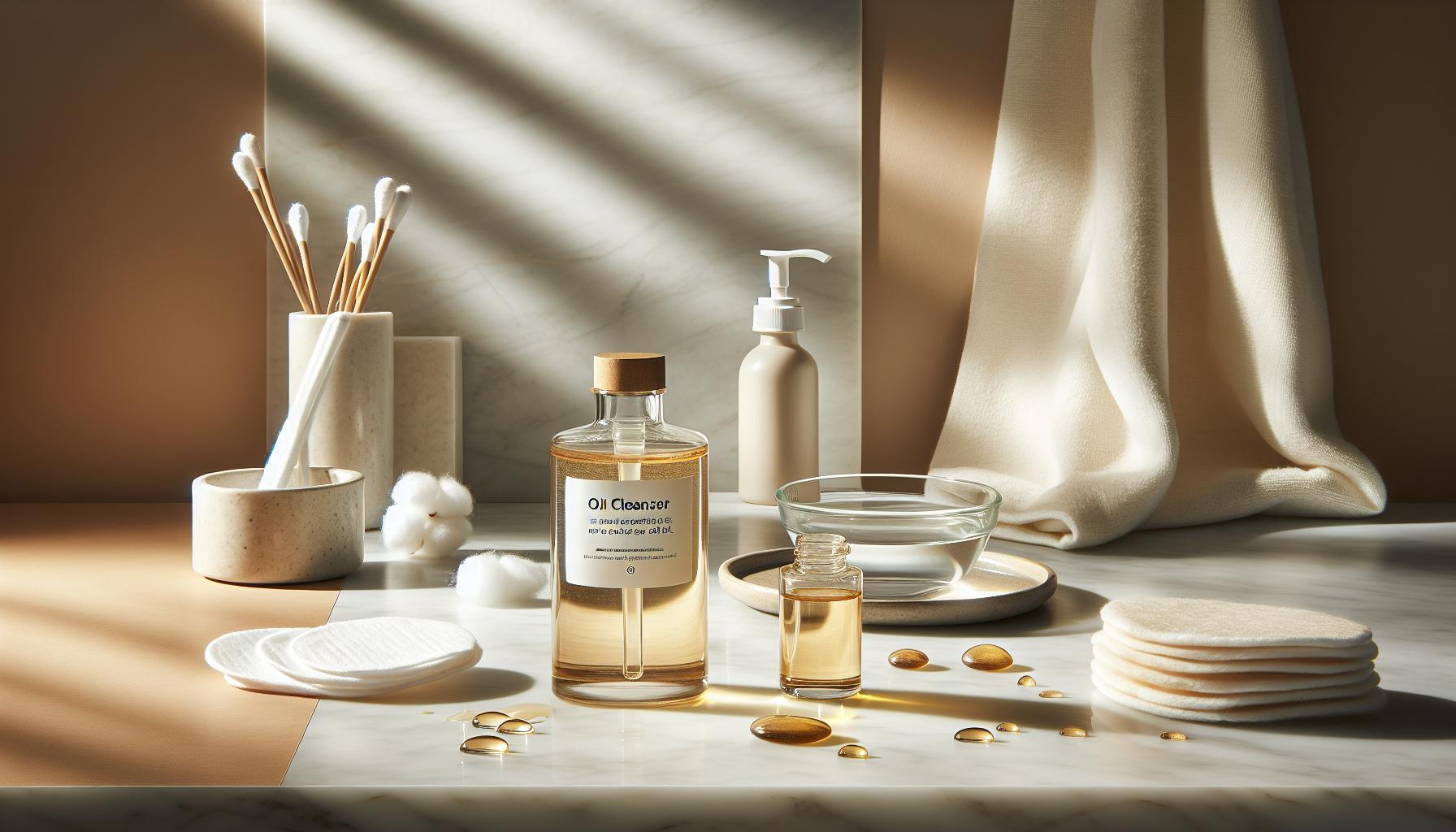
Understanding the Basics of Oil Cleansing
Oil cleansing might feel like a beauty trend that leaves you questioning its necessity, but it’s a method deeply rooted in the philosophy of skin health and balance. The principle behind oil cleansing is simple: oils effectively dissolve other oils. This means that the dirt, makeup, and impurities that cling to your skin-often laden with oils and grease-can be gently removed without stripping your skin of its natural moisture. This is particularly beneficial for those grappling with dry or sensitive skin, as traditional cleansers may exacerbate their concerns by removing essential oils and further dehydrating the skin.
During the oil cleansing process, you introduce nourishing oils directly onto your skin, allowing them to penetrate and hydrate. The common practice involves massaging the oil in using gentle circular motions-typically for about 30 seconds-to enhance absorption and effectively lift away the gunk on your skin’s surface. This massage not only facilitates the cleansing but also promotes circulation, providing an added boost of vibrancy to your complexion. As a bonus, oil cleansing can be an enjoyable, self-care ritual that allows you to take a moment for yourself at the end of a long day.
Choosing the right type of oil is essential to reaping the benefits of this cleansing method. Common oils used in formulations include jojoba oil, which closely resembles the skin’s natural sebum, and sweet almond oil, known for its antioxidant properties. These oils help form a protective barrier, preventing moisture loss and supporting your skin’s natural repair processes.
Ultimately, embracing oil cleansing is all about learning to trust the soothing powers of oils. By incorporating this technique into your skincare routine, you might just find that achieving a hydrated, balanced complexion is simpler than you thought. This method offers an opportunity to step away from aggressive cleaning techniques and enhance your routine with a gentler, more effective approach to skin health.
How Oil Cleansers Benefit Dry Skin
When it comes to treating dry skin, oil cleansers can be a game-changer. Unlike traditional foaming cleansers that can strip away moisture, oil cleansers work by attracting and dissolving dirt and makeup while leaving your skin’s natural oils intact. This is particularly important for those with dry skin, as many conventional products can exacerbate flakiness and discomfort by removing essential hydration.
One of the standout benefits of using oil cleansers for dry skin is their ability to provide deep hydration. The nourishing oils penetrate the skin, helping to maintain its moisture barrier and prevent transepidermal water loss. Oils like avocado and rosehip not only cleanse but also nourish the skin with vitamins and essential fatty acids, contributing to a plump, radiant complexion. For instance, using a few drops of jojoba oil can mimic the skin’s own sebum and help balance oil production, making it less likely for skin to feel tight or dry after cleansing.
Moreover, oil cleansing can be a soothing ritual that promotes relaxation and self-care. The gentle massage involved in the process does more than cleanse; it stimulates circulation and enhances the skin’s overall health. Applying the oil in gentle circular motions not only aids the cleansing process but also gives you a moment to unwind, which is essential for your mental well-being.
Incorporating an oil cleanser into your routine can also help combat environmental stressors. By forming a protective layer on the skin, oils help guard against pollutants and free radicals that can further compromise skin health. For dry skin types, this combination of cleansing and protective benefits can lead to noticeable improvements in texture and tone over time.
Overall, if you have dry skin and longing for a more effective and hydrating cleansing method, stepping into the world of oil cleansing may very well deliver surprising benefits to your skincare routine. Make the choice to nourish rather than strip your skin, and you’ll likely notice a shift toward a healthier, more hydrated complexion.
The Best Ingredients for Hydrating Oil Cleansers
To truly reap the benefits of oil cleansing for dry skin, selecting the right ingredients is essential. Not all oils are created equal-some offer more hydration and nourishment than others, making a significant difference in your cleansing routine. The ideal hydrating oil cleansers should not only clean but also pamper your skin with vitamins, fatty acids, and antioxidants.
One standout ingredient is jojoba oil, which closely resembles the skin’s natural sebum. This means it can moisturize without clogging pores, making it perfect for balancing oil production. Using jojoba oil can lead to improved skin texture and suppleness, alleviating tightness often associated with dryness.
Another powerhouse is argan oil. Packed with vitamin E and essential fatty acids, it hydrates deeply while also providing anti-inflammatory benefits. Individuals with dry skin might find that argan oil helps soothe redness and irritation, leaving their skin feeling calm and rejuvenated after cleansing.
Additionally, avocado oil deserves a mention for its rich vitamins and omega fatty acids. This oil not only hydrates but also helps maintain the skin’s moisture barrier, making it especially beneficial for those suffering from chronic dryness. A simple way to include it in your routine is by selecting oil cleansers that list avocado oil as a primary ingredient or creating your own blend.
Lastly, don’t overlook rosehip oil. Renowned for its regenerative properties, it’s high in vitamins A and C, promoting collagen production and skin renewal. It can be particularly effective in combating dryness while reducing the appearance of fine lines and uneven texture.
In summary, when choosing an oil cleanser, look for those that include oils like jojoba, argan, avocado, and rosehip. These ingredients not only cleanse effectively but also provide substantial hydration and nourishment, enhancing your overall skincare routine while accommodating your dry skin’s unique needs. Consider patch-testing to ensure compatibility, and enjoy the soothing ritual of oil cleansing!
Common Misconceptions About Oil Cleansers
When it comes to choosing an oil cleanser, many people are hesitant due to misconceptions that simply aren’t true. One significant misunderstanding is that oil cleansers will make your skin feel greasy or lead to breakouts. In reality, oil cleansers can be a miracle for dry skin, as they help dissolve and remove impurities while retaining the moisture your skin craves. The right oils can actually balance your skin’s natural oils, meaning they can cleanse deeply without stripping away essential moisture.
Another common myth is that oil cleansing is only suitable for those with oily or combination skin. In fact, oil cleansing is particularly beneficial for dry skin types! By using oils that closely resemble your skin’s natural barrier, such as jojoba or argan oil, you can effectively cleanse without over-drying. This method nourishes the skin rather than depletes it, ensuring hydration and softness.
Some might also think that oil cleansers are complicated to use. However, oil cleansing is straightforward and can fit easily into any skincare routine. Simply massage a small amount of oil onto dry skin, letting it work its magic for about 30 seconds, then rinse with warm water or a damp cloth. This method not only feels luxurious but leaves your skin clean and supple.
Lastly, many people fear that using an oil cleanser means they must abandon their other skincare products or routines. This simply isn’t true. Oil cleansing can be integrated into your regular skincare regimen, serving as a gentle first step in your cleansing routine, especially before a foaming or gel cleanser. It’s about finding the right balance to keep your skin happy!
In summary, don’t let these misconceptions hold you back from experiencing the benefits of oil cleansing, particularly if you have dry skin. By focusing on the right oils and application methods, you can enjoy a cleaner, more hydrated complexion.
Step-by-Step Guide: Using Oil Cleanser Effectively
Using an oil cleanser can feel luxurious and effective, especially for those with dry skin. It not only removes impurities but also helps maintain the skin’s moisture balance. Here’s a straightforward guide to ensure you’re using your oil cleanser effectively, maximizing its benefits for a smooth, hydrated complexion.
Start by choosing the right amount of oil. Generally, about a quarter-sized amount should suffice for most faces. If you’re focusing on the eye area as well, a smaller amount will do the trick. Known oils like jojoba, sweet almond, or argan oil are excellent selections as they mimic skin’s natural oils.
Next, ensure your skin is dry before application. Apply the oil directly onto dry skin using gentle, circular motions. Focus on areas that tend to hold more makeup or impurities, like the forehead, nose, and chin. Spend around 30 seconds massaging the oil in-this allows the oil to bind with dirt and makeup effectively.
After this initial massage, rinse your face with warm water, or use a damp washcloth to gently remove the oil and any dislodged impurities. The key is to avoid using hot water, which can strip your skin of moisture. If needed, follow up with your regular cleanser to ensure all residues are gone, particularly if you wear heavy makeup or sunscreen.
Finally, after cleansing, gently pat your face dry with a soft towel, and don’t hesitate to follow up with your favorite hydrating moisturizer. This ensures that your skin remains nourished and soft. With this routine, oil cleansing can transform your skincare regimen, providing deep cleaning and hydration for dry skin types. Enjoy the new glow of your complexion!
Tips for Choosing the Right Oil Cleanser
Choosing the right oil cleanser is essential for keeping your dry skin nourished and hydrated. With so many options on the market, it can be overwhelming to find the perfect fit for your needs. A key factor to consider is the composition of the oil-look for oils that are lightweight and absorb easily without leaving a greasy residue. Ingredients like jojoba oil, which closely resembles the skin’s natural sebum, or argan oil, known for its high vitamin E content, can be excellent choices for delivering moisture without clogging pores.
It’s also important to pay attention to the texture of the oil cleanser. A thicker, more viscous oil might provide additional hydration, but if your skin tends to feel oily or heavy, you might fare better with a lighter formulation. Many brands offer oil cleansers labeled “for dry skin,” which can guide you in making a selection. Always check the ingredient list for added nourishing ingredients like squalane or vitamin E that can enhance hydration.
When testing potential cleansers, consider conducting a patch test on a small area of your skin to check for any irritation. This is especially crucial if you have sensitive skin or any known allergies. Apply a small amount of product to the inside of your wrist or behind your ear and wait 24 hours to see how your skin reacts.
Lastly, don’t overlook fragrance. While some may enjoy scented products, those with dry or sensitive skin might prefer fragrance-free options to avoid potential irritation. Opting for non-comedogenic and hypoallergenic labels can also be a wise move. Experiment with a few different cleansers until you find one that leaves your skin feeling clean, soft, and hydrated without any tightness or dryness.
Expert Recommendations: Top Oil Cleansers for Dry Skin
When it comes to choosing the right oil cleanser for dry skin, the options can be delightful yet daunting. Certain formulations stand out for their exceptional ability to hydrate while effectively cleansing. Here are some top recommendations that have garnered a loyal following among those with dry skin.
One standout product is DHC Deep Cleansing Oil. Enriched with olive oil, this cleanser effortlessly dissolves makeup and impurities while providing deep hydration. Its lightweight texture leaves the skin feeling soft, not greasy, making it an ideal choice for dry skin types.
Another excellent option is Burt’s Bees Cleansing Oil with coconut and argan oils. This cleanser works to nourish your skin while washing away dirt and makeup. The combination of moisturizing oils, rich in fatty acids, provides a comforting barrier that prevents moisture loss, making it perfect for those chilly, dry months.
For a luxurious treat, consider Kiehl’s Midnight Recovery Botanical Cleansing Oil. Infused with evening primrose and lavender oils, this cleanser not only hydrates but also soothes the skin. It’s particularly beneficial if your skin tends to feel sensitive or compromised, as it promotes a balanced and calm complexion.
It’s essential to consider the ingredient list when selecting an oil cleanser. Look for products featuring squalane, which mimics the skin’s natural oils and provides outstanding moisture retention. Jojoba oil is another fantastic ingredient as it closely resembles skin sebum, helping to keep your skin naturally hydrated and healthy.
When experimenting with new cleansers, it’s a good idea to patch-test first, especially if you have very sensitive skin or allergies. Apply a small amount to an inconspicuous area and monitor for any adverse reactions. Remember, everyone’s skin is different, so finding the perfect match may take a little trial and error, but your skin will thank you for the effort in the long run.
DIY Oil Cleanser Recipes You Can Try
Creating your own oil cleanser at home can be both satisfying and tailored perfectly to your skin’s needs, especially for those dealing with dryness. Unlike commercial products packed with preservatives, DIY oil cleansers allow you to choose natural, nourishing ingredients that hydrate while effectively cleansing your skin. Here are some simple recipes you can try to give your skin a loving boost.
Simple Olive Oil Cleanser
Using olive oil as a base is fantastic for dry skin due to its rich emollient properties. This cleanser not only removes makeup and impurities but also deeply hydrates.
Ingredients:
- 1/2 cup extra virgin olive oil
- 2 tablespoons castor oil (helps draw out impurities)
- 5-10 drops of essential oil (like lavender or chamomile for soothing effects)
Instructions:
- In a small bottle, combine the olive oil and castor oil.
- Add in your chosen essential oil, and shake gently to mix.
- To use, apply a dime-sized amount to damp skin using gentle circular motions for about 30 seconds. Rinse off with a warm, damp cloth.
Coconut and Jojoba Oil Cleanser
Coconut oil is known for its antibacterial and moisturizing properties, while jojoba closely mimics the skin’s natural sebum.
Ingredients:
- 1/4 cup coconut oil (solid form)
- 1/4 cup jojoba oil
Instructions:
- In a mixing bowl, combine the coconut oil and jojoba oil until melted and blended well.
- Transfer the mixture to a clean dropper or pump bottle.
- Use a small amount on dry skin, massaging gently for 1-2 minutes before rinsing with warm water.
Avocado Oil Cleanser
Avocado oil is rich in fatty acids and vitamins, making it especially beneficial for dry, sensitive skin.
Ingredients:
- 1/4 cup avocado oil
- 1/4 cup grapeseed oil (lightweight and helps balance oil production)
- 5 drops of tea tree oil (antimicrobial for those prone to breakouts)
Instructions:
- Blend the avocado and grapeseed oils in a bottle.
- Add tea tree oil and mix well.
- Apply a quarter-sized amount, massaging into the skin for 1-2 minutes, then rinse off thoroughly.
Key Tips for DIY Oil Cleansers
- Patch Test: Always perform a patch test on a small area of skin to check for allergies to any oils you’re using.
- Storage: Store your cleansers in a dark, cool place to extend their shelf life, as natural oils can become rancid.
- Consistency: If you find the texture too heavy, feel free to adjust the ratios by incorporating more lighter oils like grapeseed or almond oil.
Making your own oil cleanser is a straightforward, rewarding process that allows you to nurture your skin with nourishing ingredients. Embrace the customization and pamper your skin with these homemade recipes!
Signs It’s Time to Switch to Oil Cleansing
If you’ve been struggling with dry skin, it might be time to consider a switch to oil cleansing. This method not only cleanses but also nourishes your skin, offering benefits that traditional cleansers often fail to provide. Here are the key signs that indicate it’s time for you to give oil cleansing a try.
One clear sign is persistent dryness, even after moisturizing. If your skin feels tight and flaky, it probably means that your current cleansing routine is stripping away natural oils, making hydration futile. Additionally, if you’ve noticed an increase in skin irritation or sensitivity, oil cleansing could help. The gentle, lipid-based action of oil cleansers can reduce inflammation and soothe discomfort.
Another indicator is if your skin feels congested, leading to breakouts or blemishes. While it might seem counterintuitive to use oil on oily or acne-prone skin, oil cleansing can help dissolve excess sebum and impurities without leaving skin feeling overly dry. If you’ve tried numerous products without success, consider this method a fresh start.
Lastly, if you desire a more simplified skincare routine, oil cleansing can streamline your process. Many oil cleansers need only one step to remove makeup, dirt, and pollutants while providing hydration. Embracing oil cleansing not only transforms your skin care but also invites you to savor a moment of self-care every day.
Choosing oil cleansing can revitalize your skin and foster a healthier glow, especially for those battling dryness. If these signs resonate with your experience, diving into the world of oil cleansers might just be the upgrade your skincare routine needs.
Maintaining Healthy Skin After Cleansing
After adopting an oil cleansing routine, maintaining healthy skin is essential to maximize the benefits you’ve started to enjoy. Oil cleansers are excellent for removing impurities while preserving essential moisture, but your skin still needs the right follow-up care to thrive. Hydration and nourishment become paramount after cleansing, especially for dry skin.
To maintain your skin’s health post-cleansing, start with a gentle pat-dry of your face using a soft towel. Avoid rubbing the skin, as that can lead to irritation. This is the moment to lock in moisture. Applying a hydrating toner or essence right after cleansing can be a game changer; look for ingredients like rose water or aloe vera. They help to hydrate and soothe the skin, preparing it for the next steps in your routine.
Follow this with a nourishing moisturizer. Choose one that contains hyaluronic acid or glycerin, as they attract water to the skin. If you enjoy richer textures, consider creams that include ingredients like shea butter or ceramides, which can provide a protective barrier and prevent moisture loss. For daytime protection, don’t forget to apply a broad-spectrum sunscreen to shield your skin from UV damage and maintain its health.
Lastly, listen to your skin’s needs. If it feels dry or tight after cleansing, adjust your routine by applying your moisturizer more generously or integrate a hydrating serum. Regularly assess the condition of your skin, and be flexible in adapting your products. Remember, your skin is unique, and finding what works best may take a little experimenting. With this holistic approach, you’ll keep your skin glowing and healthy long after the cleansing ritual.
Real User Experiences: Oil Cleansing Success Stories
Many individuals have discovered transformative benefits from switching to oil cleansing, especially those with dry skin. One user, Jenna, recalled her struggle with persistent dryness and irritation even after trying numerous products. After transitioning to an oil cleanser featuring jojoba and sweet almond oil, she noticed a remarkable improvement. “It felt like my skin finally met its match,” she shared. Jenna highlighted that her skin not only felt softer but also looked healthier and more radiant within weeks.
Another user, Alex, had been hesitant to try oil cleansing due to a long history of breakouts. After some research, he decided to give it a chance with a light, non-comedogenic oil blend. He pointed out that he was surprised at how well it worked: “I was initially worried it would make my skin worse, but it actually helped clear up old acne while keeping my skin moisturized.” Over time, Alex found that his skin became less reactive and more balanced.
It’s not just about personal stories; anecdotal evidence from various forums indicates that many users appreciate how oil cleansing can loosen makeup and impurities while preserving skin moisture. Users often recommend pairing oil cleansing with gentle cotton pads to help remove stubborn makeup seamlessly. This technique not only simplifies the process but allows for a more soothing experience, which is especially beneficial for those with sensitive skin.
If you’re curious about giving oil cleansing a try, consider starting with a small trial on a patch of skin first. Based on the positive experiences shared by others, this could be a step towards achieving your skin goals with moisture and balance.
Frequently asked questions
Q: What is an oil cleanser and how does it work?
A: An oil cleanser is a cleansing product formulated with various oils designed to dissolve makeup, dirt, and excess sebum on the skin. When massaged onto dry skin, it binds with impurities, making it easy to remove them when rinsed, leaving the skin clean and hydrated.
Q: Can oil cleansers clog pores?
A: Generally, oil cleansers are non-comedogenic, meaning they shouldn’t clog pores. Choosing the right oil-based cleanser with beneficial ingredients for your skin type can mitigate the risk. Look for formulations that contain lighter oils like jojoba or grapeseed, which are less likely to cause breakouts.
Q: How often should I use an oil cleanser for dry skin?
A: If you have dry skin, using an oil cleanser once daily is sufficient. It’s often best to incorporate it into your nighttime routine to effectively remove makeup and impurities without stripping natural oils from your skin.
Q: What are common misconceptions about oil cleansing for dry skin?
A: A common misconception is that oil cleansers will make dry skin greasier. In reality, oil cleansers can replenish hydration and support the skin barrier. They effectively clean without over-drying, making them ideal for dry skin types when used correctly.
Q: Are there any side effects to using oil cleansers?
A: While oil cleansers are safe for most skin types, possible side effects include irritation or breakouts if improper products are used. It’s important to select a cleanser suited for your skin type and to patch test new products if you have sensitive skin.
Q: How do I choose the right oil cleanser for my skin type?
A: To choose the right oil cleanser for dry skin, look for products containing nourishing oils like almond or sunflower oil, and avoid formulations with fragrance or harsh additives. Check the ingredient list for beneficial additives like vitamins or antioxidants.
Q: Can I use oil cleansers with other skincare products?
A: Yes, oil cleansers can be used alongside other skincare products. Following up with a gentle second cleanser allows for thorough cleaning. This two-step method enhances moisture retention while effectively removing all impurities.
Q: What should I do if my skin feels oily after using an oil cleanser?
A: If your skin feels oily after using an oil cleanser, you may be using too much product or not rinsing thoroughly. Adjust the amount, and consider following up with a gentle foaming cleanser to balance the skin without over-drying.
Feel free to explore the sections on Understanding the Basics of Oil Cleansing and Tips for Choosing the Right Oil Cleanser for more insights on selecting and using oil cleansers effectively!
Closing Remarks
If you’re wondering whether an oil cleanser is the right match for your dry skin, the surprising benefits outlined in this guide can help you make an informed choice. Remember, using oil cleansers can not only hydrate and nourish your skin, but they also gently remove stubborn makeup and impurities without stripping your natural moisture. Embracing this cleansing method could be a game-changer in your skincare routine!
Ready to give it a try? Consider exploring our related articles on the best oil cleansers for dry skin and tips for maximizing your cleansing routine. Don’t forget to share your experiences in the comments below; your insights can help others in our community. If you’re looking for personalized recommendations, sign up for our newsletter to receive tailored content directly to your inbox. Your journey to healthier skin starts here, so take action today and unlock the full potential of your skincare routine!
Get our latest guides, news, and insights highlighted in your Google Search & AI Overviews.