
When it comes to skincare, many of us are searching for the perfect product to keep our skin fresh and clean. However, a common question arises: can a cleanser be used as a face wash? While both serve the purpose of cleansing, understanding their differences is crucial to tailoring your skincare routine effectively. Using the right product for your skin’s needs can enhance your routine and address specific concerns, from dryness to breakouts. In this article, we’ll delve into the distinctions between cleansers and face washes, helping you make informed choices that promote healthier, more radiant skin. Read on to discover how selecting the right product can transform your skincare game and why knowing the difference truly matters.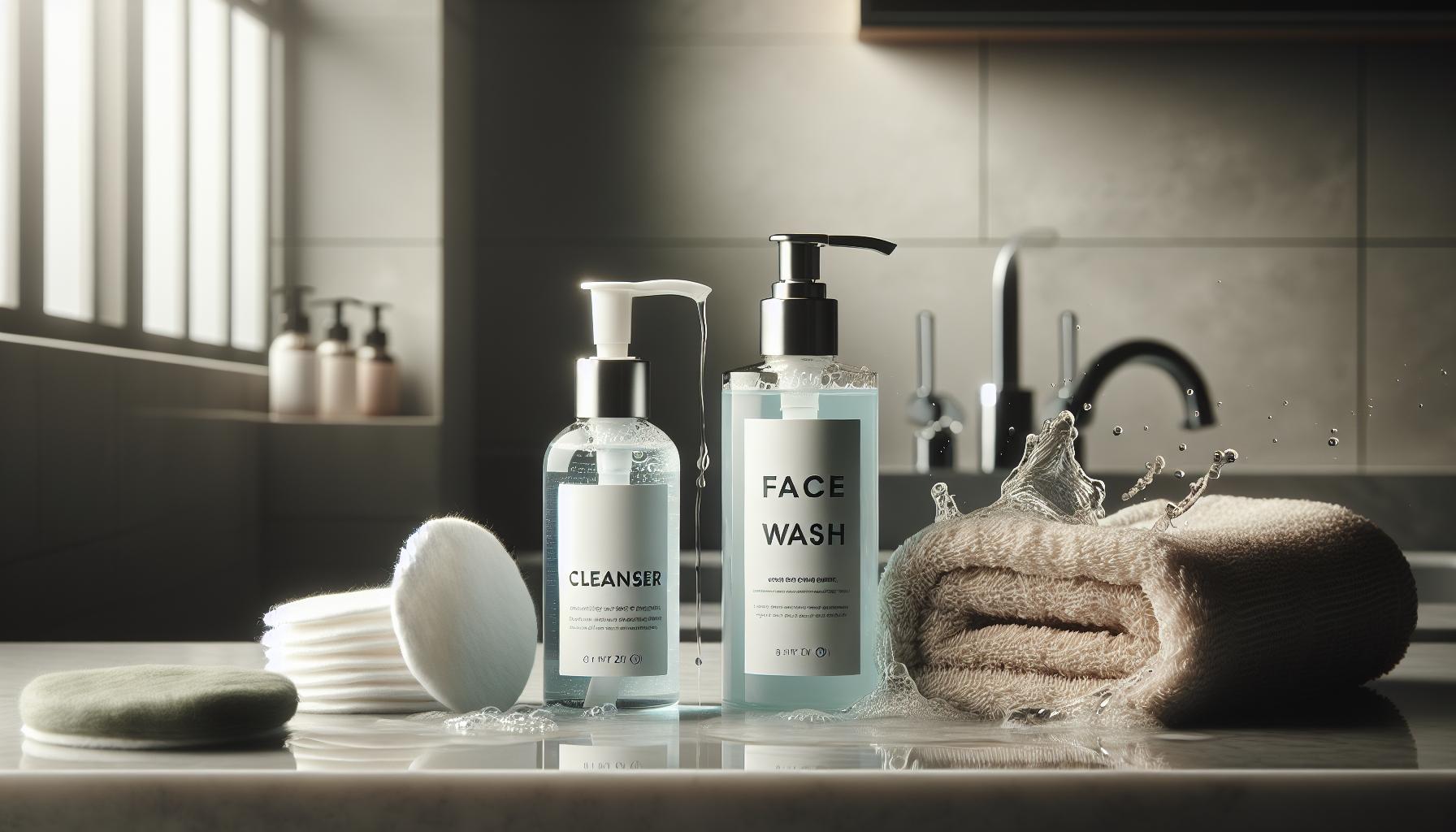
What Is the Difference Between Cleanser and Face Wash?
Understanding the distinction between cleansers and face washes can play a crucial role in achieving and maintaining healthy skin. At first glance, it might seem these terms are interchangeable, but they serve different purposes in your skincare routine. Cleansers are designed to remove dirt, oil, makeup, and other impurities from the skin, and they can come in various forms such as gels, creams, and oils. They are typically formulated to address specific skin concerns, such as acne or dryness, and may contain active ingredients like salicylic acid or hyaluronic acid to enhance their efficacy.
On the other hand, face washes usually refer to products that are primarily used for deep cleansing, often removing sweat and excess oil without aggressively stripping the skin of its natural moisture. They are generally foamy or gel-like, providing a refreshing feel upon application. While both products aim to cleanse the skin, a face wash tends to focus more on purifying the surface rather than treating underlying skin issues.
Choosing between these two products depends on your individual skin type and concerns. For instance, if your skin is oily and prone to breakouts, a clarifying gel cleanser may be your best bet. Conversely, if your skin is dry or sensitive, a cream-based cleanser could provide the gentle touch needed to refresh your face without irritation. It’s not just about cleaning; it’s about caring for your skin’s unique needs, making the right choice essential for optimal skin health.
Why You Should Care About Choosing the Right Product
Choosing the right facial cleansing product can feel overwhelming, but it’s crucial for maintaining fresh, healthy skin. You might be tempted to grab any product off the shelf, but understanding what cleansers and face washes do-and how they differ-can really transform your skincare routine. Think of it this way: just as you wouldn’t wear shoes that don’t fit for a long walk, using the wrong face product can lead to breakouts, dryness, or irritation.
When you carefully select a product aligned with your skin’s specific needs, you’re not just cleansing; you’re also nurturing and protecting your complexion. For instance, if you’re prone to acne, selecting a cleanser with salicylic acid can help manage oil and prevent breakouts. Similarly, if you face dryness, a hydrating cream cleanser can restore moisture while gently cleansing.
Moreover, the right product can enhance your overall skincare effectiveness. A well-chosen cleanser can make the subsequent application of serums and moisturizers much more effective, allowing your skin to fully absorb beneficial ingredients. This attention to detail shows a commitment to self-care that pays off over time in the form of radiant, healthy skin.
In a world where skincare trends come and go, investing time to know what ingredients suit your skin type is essential. Don’t hesitate to experiment with different products until you find your perfect match; your skin will thank you for it!
Understanding Different Types of Cleansers: A Breakdown
Choosing the right cleansing product for your skin can make a world of difference, especially when you consider the variety of formulations available. Cleansers and face washes serve the essential purpose of cleansing the skin but approach this task differently. Understanding the nuances between various types of cleansers empowers you to make informed choices that cater specifically to your skin’s needs.
Cleansers are typically designed to remove dirt, oil, makeup, and impurities without stripping the skin’s natural moisture. They often come in forms like creams, gels, oils, or micellar waters. For instance, oil cleansers dissolve makeup and sebum, making them perfect for those wearing heavy or waterproof cosmetics. Cream cleansers, rich in hydrating agents, are ideal for dry or sensitive skin types, as they cleanse gently while providing additional moisture.
On the other hand, face washes often have a more focused purpose, targeting specific skin concerns like excess oil or acne. These products usually contain stronger surfactants, which help produce more lather and may contain active ingredients like salicylic acid, benzoyl peroxide, or glycolic acid. While they effectively cleanse, you may find that some face washes can be drying, especially for those with sensitive or dry skin types.
Additionally, foaming cleansers are another category worth noting. They create a rich lather through added foaming agents, making them a popular choice for combo to oily skin. They can remove impurities effectively, but if overused or if they contain harsh ingredients, they can lead to irritation or dryness.
The best approach to choosing between a cleanser and face wash depends on your skin type, concerns, and personal preferences. Experimenting with different formulations can give you valuable insights into what works best for your unique skin landscape. Always remember: using the right product can maintain skin health and prepare your face for the next steps in your skincare routine, ensuring maximum absorption of serums and moisturizers.
The Benefits of Using Face Wash Over Cleanser
Using face wash can significantly enhance your skincare routine, particularly when it comes to addressing specific skin concerns. Unlike traditional cleansers, which often focus on gentle removal of impurities, face washes tend to feature stronger surfactants that create a lather, effectively targeting issues like acne, excess oil, and enlarged pores. This makes them especially great for those who need a deep-cleaning effect after a long day, or for anyone who frequently wears makeup or sunscreen that requires more vigorous cleansing.
One major benefit of using a face wash is the immediate refreshment it provides. The foaming action not only helps to lift away dirt and oil but also leaves your skin feeling revitalized and clean. For instance, if you’re someone who struggles with oily skin or breakouts, a good face wash infused with salicylic acid or tea tree oil can clear away acne-causing bacteria and reduce oil production, giving your skin a smoother, healthier appearance.
However, it’s important to choose your face wash wisely. Not all foaming cleansers are created equal-some can strip the skin of its natural oils, leading to dryness and irritation, especially if you have sensitive skin. Therefore, it’s ideal to look for formulations that balance efficacy with moisturizing elements, ensuring you don’t end up exacerbating any underlying skin issues.
In summary, the benefits of using a face wash include targeted action against common skin concerns, invigorating cleansing that promotes a healthy complexion, and the availability of specialized ingredients that suit your skin type. The key takeaway is to pay attention to your specific needs-finding the right face wash can transform your skin, making it clearer and more vibrant, while also preparing your complexion for other skincare steps like serums and moisturizers.
When to Use Cleanser vs. Face Wash for Your Skin Type
Understanding when to use a cleanser versus a face wash can make a significant difference in how your skin responds to daily cleansing. Both products have unique purposes and cater to different skin types and concerns. Using the right product for your needs ensures your skin retains its natural balance and health.
If you have dry or sensitive skin, a gentle cleanser may be your best friend. Cream or hydrating cleansers are designed to remove impurities without stripping your skin of natural oils. Look for those labeled as “hydrating” or “moisturizing,” which often feature ingredients like glycerin or aloe vera. These types of cleansers help maintain moisture levels while providing a thorough clean without irritation.
For those with oily or acne-prone skin, a foaming face wash is typically more effective. These products often contain active ingredients like salicylic acid or benzoyl peroxide, which help unclog pores and prevent breakouts. If your skin feels greasy or you’ve been wearing makeup or heavy sunscreen, a face wash can provide that deeper clean, leaving your skin feeling fresh and revitalized. However, be cautious about overusing these types of cleansers, as they can lead to increased dryness if used too frequently.
If you’re in between skin types or have combination skin, consider alternating between a gentle cleanser and a targeted face wash. You might use a creamy formula in the morning when skin is naturally less oily and a more robust cleansing face wash in the evening to remove the day’s dirt and excess oil. This strategy ensures your skin gets the care it needs without over-cleansing or drying out specific areas.
In summary, aligning your cleansing routine with your skin type is essential for achieving a balanced complexion. Whether opting for a hydrating cleanser or an invigorating face wash, listen to your skin. Adjusting your products based on changes in weather, skin conditions, or even hormonal fluctuations can help keep your skin healthy and glowing.
How to Choose the Best Product for Your Skin Needs
When selecting the right product for your skin’s needs, it’s important to understand how cleansers and face washes differ and how they can best serve your skin type. Each product is formulated with specific ingredients and intended uses, so recognizing your skin’s unique characteristics is the first step. For instance, if your skin feels tight or dry after cleansing, it’s a sign that a gentler formula might be necessary. Adopting a more personalized approach will help you maintain your skin’s natural barrier and overall health.
For those with dry or sensitive skin, opt for a cream or hydrating cleanser. These will usually include nourishing ingredients like glycerin or aloe vera, designed to hydrate while cleansing. Look for labels that emphasize “hydrating” or “moisturizing.” Techniques such as applying a quarter-sized amount to wet skin and gently massaging can enhance your experience, maintaining moisture while effectively cleaning your skin.
If you’re dealing with oily or acne-prone skin, a foaming face wash might be your best bet. These cleansers often contain active ingredients such as salicylic acid or benzoyl peroxide, helping to combat excess oil and prevent breakouts. An effective routine could involve using a foaming wash in the evening to thoroughly remove makeup and impurities while following up with a lightweight moisturizer to balance your skin’s moisture levels.
For individuals with combination skin, it may be helpful to curate a routine that leverages both products. For instance, using a gentle cleanser in the morning can preserve moisture while a targeted face wash can address oiliness and makeup removal at night. Experimenting with both types of products helps you figure out what best serves each area of your face.
Ultimately, understanding the specific needs of your skin while remaining open to fluctuations in its condition will help you choose the best cleansing product. Regularly reassess your routine to see what feels best, as skin can be influenced by environmental factors, hormones, and your lifestyle. This adaptable approach ensures your skincare routine is not just functional but truly supportive of your skin’s unique requirements.
Common Misconceptions About Cleanser and Face Wash
Many people often conflate face wash and cleanser, thinking they are interchangeable products. While both serve the purpose of keeping your skin clean, the nuances can impact your skin’s health. For instance, some might believe that a cleanser isn’t as effective if it doesn’t create a lot of lather like a traditional face wash. This is a misunderstanding; the effectiveness of a product doesn’t solely rely on its foaming action but on its ingredients and how well it performs for your specific skin type.
Another common misconception is that all cleansers are designed to remove makeup, which isn’t necessarily true. Certain cleansers focus on hydration or soothing properties. For those wearing more heavy-duty makeup or sunscreen, a more robust face wash may be needed to ensure thorough removal. Think of it like this: using a gentle cleanser on a heavily made-up face could be akin to trying to wash a greasy pan with just water-it won’t get the job done!
Some individuals also believe that they can use either product at any time without consequence. However, using a face wash that’s too harsh for your skin type can lead to dryness or irritation. Conversely, a hydrating cleanser might not sufficiently clean oily skin or remove impurities. Recognizing your skin’s needs and understanding when to use each type of product is vital, so you don’t inadvertently exacerbate skin issues. Choosing wisely based on your skin type and daily activities will ultimately yield better results.
Lastly, there’s the prevalent thought that spending more money always equates to better results. While high-end products often come with advanced formulations, many budget-friendly options can be equally effective. It’s crucial to focus on ingredients rather than price tags, as what matters most is how well a product works with your skin. In the end, proper research and a willingness to experiment will help you find the right cleanser or face wash for your unique beauty regimen.
Expert Tips for Proper Cleansing Techniques
To truly enhance your skin care routine, mastering the art of cleansing is key. Proper cleansing not only removes dirt and impurities but also prepares your skin to absorb the next steps in your regimen-like serums and moisturizers. Here are some expert tips to ensure you’re cleansing effectively, regardless of whether you’re using a cleanser or face wash.
First, always start with clean hands. Before you even touch your face, wash your hands thoroughly to avoid transferring bacteria or dirt that can clog pores. Then, if you’re using a gel or foam face wash, dampen your face slightly. For creamier cleansers, you can apply directly to dry skin. Remember, a dime-sized amount is usually sufficient; using too much product can lead to waste and may overwhelm your skin.
When applying the product, use gentle circular motions and be mindful not to scrub too hard-your skin is delicate! Aim to spend around 30 seconds massaging the product into your skin. This duration is enough to lift away impurities without irritating your skin. If you wear heavy makeup or sunscreen, consider double cleansing: start with an oil-based cleanser to dissolve the makeup, followed by your usual cleanser for complete clean.
After rinsing, pat your face dry with a clean towel instead of rubbing. This helps to avoid irritation and keeps the skin barrier intact. Finally, follow your cleansing routine with a hydrating toner to restore moisture and prepare your skin for subsequent products.
By implementing these techniques, you’ll elevate your cleansing game, ensuring your skin not only looks good but feels refreshed and healthy. Investing a few extra moments into your routine can make all the difference in how your skin behaves and appears, reinforcing that proper cleansing is the foundation of great skincare.
Identifying Ingredients: What to Look for and Avoid
When diving into the world of skin care, the ingredients in your cleanser or face wash can make a significant difference in how your skin feels and looks. Knowing what to look for and what to avoid helps you tailor your skincare routine to meet your specific needs effectively.
Firstly, look for gentle, hydrating ingredients that cleanse without stripping your skin’s natural oils. Ingredients like glycerin, aloe vera, and hyaluronic acid are excellent choices. They help maintain moisture while effectively removing dirt and impurities. If you’re concerned about breakouts, consider cleansers with salicylic acid, which helps unclog pores and reduce acne.
On the flip side, it’s essential to avoid harsh ingredients that can irritate your skin or disturb its natural barrier. Stay away from cleansers that contain sulfates, like sodium lauryl sulfate, which can be overly drying. Fragrances and certain alcohols can also be irritating, particularly for sensitive skin. Additionally, parabens, often used as preservatives, may have negative effects and are best left out of your skincare products.
Identifying Quality Ingredients
When examining product labels, keep an eye out for these beneficial ingredients:
- Glycerin: A humectant that draws moisture into the skin.
- Aloe Vera: Soothes and hydrates.
- Green Tea Extract: Offers antioxidant protection.
- Tea Tree Oil: Natural antiseptic that can help with acne.
Conversely, here’s what to avoid:
- Sulfates: Harsh detergents that can strip moisture.
- Fragrance: Often an irritant and unnecessary in skincare.
- Alcohol: Can dry out the skin and lead to irritation.
- Parabens: Preservatives linked to potential health concerns.
By being mindful of the ingredients in your skincare products, you can better match the cleanser or face wash to your skin type and concerns, ensuring a gentle and effective cleansing experience. Your skin deserves the best treatment, and understanding these ingredients can empower you to make informed choices that lead to a healthier complexion.
Can You Use Cleanser as Face Wash? Here’s the Truth
Using a cleanser as a face wash may seem like a simple switch, but understanding the nuances can significantly impact the health of your skin. While both products are designed to clean, their formulations often cater to different skin care needs and techniques. Cleansers usually focus on deeper cleaning, targeting impurities and make-up, while face washes tend to provide a more refreshing and surface-level cleanse suitable for daily use.
For instance, if you have a typical creamy or oily cleanser packed with rich emollients intended to hydrate and nourish, using it as a face wash might leave your skin feeling greasy or overly moisturized. On the other hand, foaming or gel-based face washes, designed to lather and rinse off easily, can be drying if used too frequently or improperly. Therefore, while it is technically acceptable to use a cleanser as a face wash, it’s essential to consider your skin type and specific needs.
Why Choose Wisely?
Using the right product is more than just a matter of preference; it affects your skin’s overall balance. Individuals with dry or sensitive skin may find certain cleansers too harsh if used incorrectly or too often, resulting in irritation. Conversely, those with oily or acne-prone skin might benefit from a more robust cleanser to manage excess sebum and prevent breakouts. Therefore, aim for products that suit your unique skin type, reserving intensive cleansers for deeper cleansing routines, perhaps in the evening, and face washes for a quick refresh in the morning.
In essence, while you can use a cleanser as a face wash, being mindful of the product’s formulation and your skin’s reaction is key. Always pay attention to how your skin feels post-cleansing-is it tight and dry, or balanced and hydrated? This feedback can help guide your choices and refine your skincare routine to better suit your needs.
Real-Life Scenarios: When to Reach for Each Product
Choosing between cleanser and face wash can be confusing, especially when different scenarios call for distinct skincare approaches. Understanding when to use each product can make a significant difference in maintaining the health and appearance of your skin.
For a quick splash of freshness in the morning, reach for your face wash. Ideal for starting your day, a gentle face wash removes overnight oil and sweat without stripping your skin. Just apply a dime-sized amount to damp skin, massaging in circular motions for about thirty seconds before rinsing. If your skin feels clean but not tight, you’ve hit the sweet spot!
Conversely, using a cleanser is essential at the end of your day, particularly if you wear makeup or have been exposed to pollutants. A creamy or oil-based cleanser effectively dissolves makeup and impurities, providing a thorough cleanse. Spend a minute massaging it into your skin to ensure it penetrates adequately, then rinse or wipe away with a soft cloth. This method helps to prevent clogged pores and breakouts by removing the grime accumulated throughout the day.
Special Considerations:
- For Oily Skin: If you tend to produce excess oil, consider using a foaming face wash in the morning to control shine and a stronger cleanser in the evening to manage breakouts.
- For Dry or Sensitive Skin: A hydrating cleanser at night is key to preventing dehydration, while a gentle, non-foaming face wash in the morning can maintain moisture levels without irritation.
- On Days of Heavy Makeup: Always opt for a cleanser, as it’s more effective at removing stubborn products than a standard face wash.
By recognizing these real-life scenarios and understanding the specific needs of your skin, you can optimize your cleansing routine. This knowledge empowers you to choose the right product for your daily challenges, leading to healthier and more radiant skin over time.
Your Step-by-Step Guide to an Effective Cleansing Routine
To maintain bright and healthy skin, establishing an effective cleansing routine is essential. This goes beyond simply washing your face; it’s about understanding how to balance cleansers and face washes for your skin’s specific needs. Here’s a straightforward guide to help you nail down the perfect cleansing routine.
Start by identifying your skin type and the conditions it faces throughout the day. If your skin is oily, a foaming face wash in the morning can help control shine and keep breakouts at bay. For dry or sensitive skin, opt for a soothing, non-foaming face wash that gently removes excess oil without stripping moisture. For the evening, always switch to a proper cleanser-a creamy or oil-based formula is best for effectively dissolving makeup, dirt, and impurities accumulated during the day.
When applying your cleanser or face wash, follow these simple steps:
- Dampen Your Skin: Splash warm water on your face to open pores, allowing for better product penetration.
- Apply Product: Use a dime-sized amount of your chosen product and gently massage it onto your skin using circular motions for about 30 seconds. This helps to loosen any debris.
- Rinse Thoroughly: Spend a few seconds rinsing your face with warm water. This ensures any remaining product or impurities are washed away. Follow up with a splash of cool water to help close the pores.
- Pat Dry: Gently pat your face dry with a clean towel-avoid harsh rubbing that can irritate your skin.
Remember, timing plays a crucial role! Use a face wash in the morning to invigorate your skin and prepare it for the day, and always opt for a cleanser at night to deeply cleanse and protect against overnight damage. Adjustments can be made based on your specific activities; for instance, on days when you wear heavier makeup, be sure to use a robust cleanser to ensure your skin is properly rejuvenated.
The key takeaway here is to listen to your skin-it will guide you on when and what to use for your cleansing routine. With these steps, you can feel confident that you’re not only cleaning your skin effectively but also supporting its health in the long run.
Frequently Asked Questions
Q: What is the main difference between a cleanser and a face wash?
A: The main difference lies in their formulation and purpose. Cleansers are typically gentler and designed to remove makeup and impurities without stripping the skin’s natural oils, while face washes are often foaming and designed for deeper cleansing, targeting dirt and excess oil. Understanding this can help you choose the right product for your skin type.
Q: When should I use a cleanser instead of a face wash?
A: You should use a cleanser in the morning for a gentle refresh or at night to remove makeup. Cleansers are best for sensitive or dry skin types as they provide moisture while cleansing. For oilier skin types or after heavy workouts, a face wash may be more effective for deeper cleansing.
Q: Can using a cleanser as a face wash affect my skin?
A: Yes, using a cleanser as a face wash can lead to different results. A cleanser may not remove excess oil effectively, potentially causing breakouts. Conversely, using a harsh face wash on sensitive skin can lead to irritation or dryness. Choose based on your skin’s needs for best results.
Q: How do I know if a product is a cleanser or a face wash?
A: To determine if a product is a cleanser or a face wash, check the label. Cleansers often emphasize moisturizing properties, while face washes typically indicate oil control or deep cleansing features. Ingredients like glycerin point to a cleanser, while salicylic acid may signal a face wash.
Q: Is it okay to use a face wash every day?
A: Generally, yes, but it depends on your skin type. If you have oily skin, using a gentle face wash daily can help control oil. For dry or sensitive skin, limiting use to every other day may prevent irritation. Monitor your skin’s response and adjust accordingly.
Q: What are some common ingredients to look for in a good cleanser?
A: Look for hydrating ingredients like glycerin, hyaluronic acid, or aloe vera in a cleanser, especially if you have dry or sensitive skin. Avoid sulfates and alcohols, which can be drying. For acne-prone skin, ingredients like salicylic acid can be beneficial.
Q: Can I use a cleansing balm as a face wash?
A: Yes, cleansing balms can serve as a face wash when used correctly. Apply a small amount to dry skin, massage it in to dissolve makeup and impurities, then rinse with warm water. This method can hydrate while cleansing effectively.
Q: Why is it important to differentiate between cleanser and face wash for my skin care routine?
A: Differentiating between the two ensures you’re using products suited for your specific skin needs. Using the wrong product can lead to issues like breakouts, dryness, or irritation. Tailoring your routine helps maintain healthy, balanced skin-making your skincare more effective overall.
Wrapping Up
Now that you understand the distinction between cleansers and face washes, you can make informed decisions that suit your skin’s needs. Remember, each product serves a unique purpose, and knowing how to choose the right one can enhance your skincare routine. If you’re ready to explore deeper, check out our articles on “Best Cleansers for Your Skin Type” and “How to Properly Wash Your Face” for tailored tips and recommendations.
Don’t hesitate to leave a comment below with your thoughts or questions-your experience could help others in our community! For ongoing insights and exclusive offers, consider signing up for our newsletter. Empower your skincare journey today; your skin deserves the best!
Get our latest guides, news, and insights highlighted in your Google Search & AI Overviews.