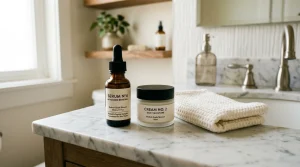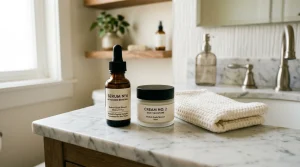
When it comes to skincare, finding the right products can feel overwhelming, especially with so many choices on the market. One popular ingredient, salicylic acid, is known for its ability to clear acne and exfoliate the skin. But many people wonder: can I safely use a 0.5% salicylic acid cleanser every day? Understanding the benefits and potential drawbacks of frequent use is essential for maintaining healthy skin without irritation. In this article, we’ll explore how this gentle yet effective ingredient works, who it’s best for, and whether you should incorporate it into your daily routine. Your skin deserves the best care possible, and this guide aims to provide you with the clarity you need to make informed choices on your skincare journey. Let’s dive in!
Can I Use Salicylic Acid Daily? Understanding the Basics
Using salicylic acid daily can be a game changer for those struggling with acne and other skin concerns. This beta hydroxy acid (BHA) works wonders by penetrating deep into the pores, exfoliating dead skin cells, and helping to clear out excess oil. However, understanding how to incorporate it into your routine safely is essential for achieving the best results without irritation.
If you’re considering a 0.5% salicylic acid cleanser, you can typically use it daily, especially if you have oily or acne-prone skin. Starting with a gentle approach, you might choose to use it every other day or a few times a week until your skin adjusts. This allows you to monitor how your skin reacts and gauge whether daily use feels comfortable. For most people, a small amount-about the size of a dime-applied to damp skin with gentle circular motions is enough to clean without overdoing it.
It’s also crucial to listen to your skin. If you notice redness, excessive dryness, or peeling, these signs may indicate that daily use is too much for your skin type, prompting you to scale back. Incorporating a moisturizing step after cleansing can further help minimize these potential side effects while maximizing hydration, ensuring your skin remains balanced and healthy.
By understanding the basics of using salicylic acid and tailoring it to fit your skincare needs, you can effectively tackle acne while enjoying a clearer, more radiant complexion.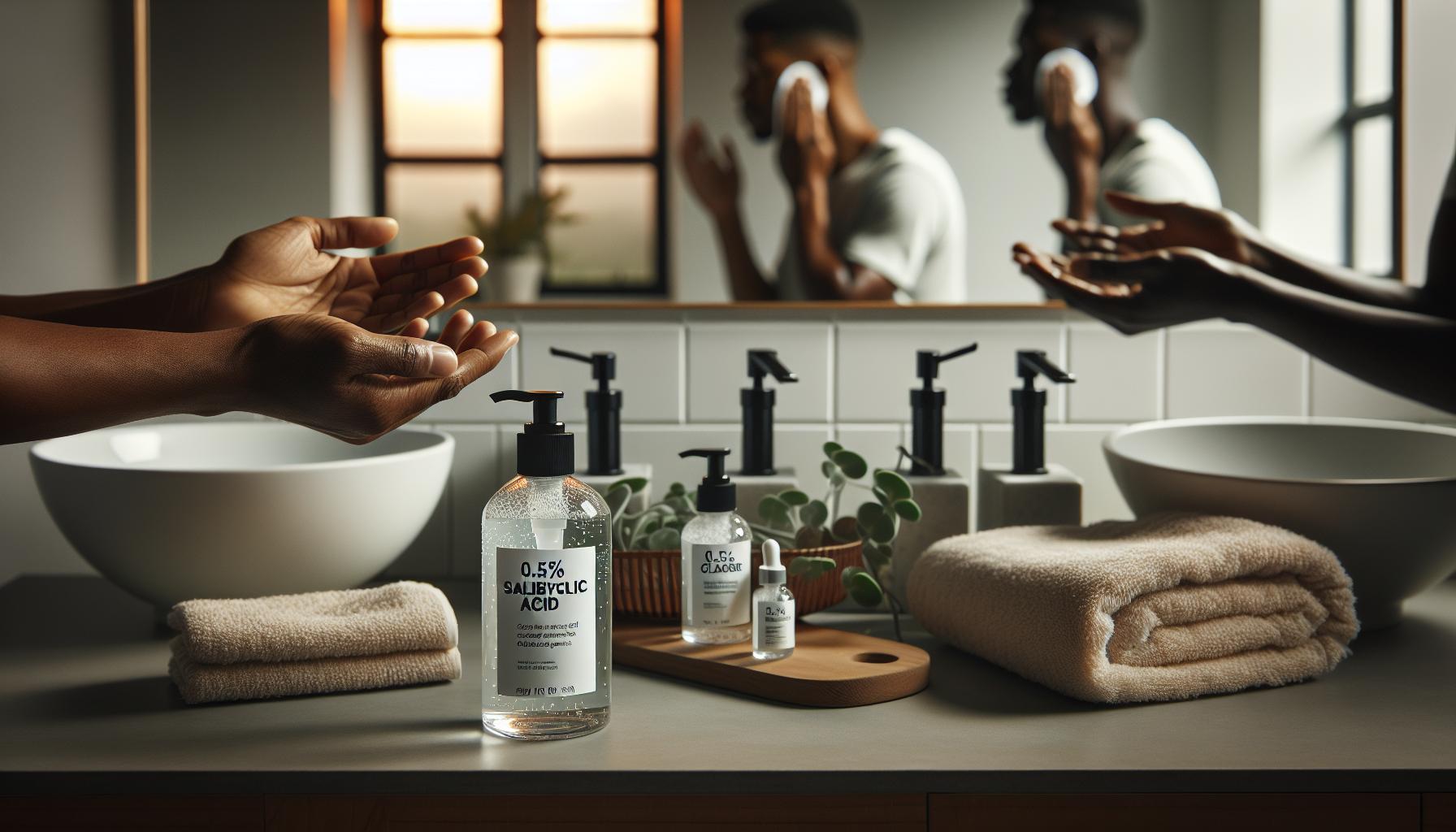
Benefits of Using 0.5% Salicylic Acid Cleanser
Using a 0. can be a fantastic addition to your skincare routine, especially if you’re grappling with acne or oily skin. This gentle concentration of salicylic acid is specifically formulated to help clear your complexion without overwhelming your skin. One major benefit is its ability to effectively exfoliate: salicylic acid penetrates deep into the pores to dissolve excess sebum and dead skin cells, which are notorious for clogging pores and forming blemishes. With regular use, you may notice clearer skin, fewer breakouts, and a smoother texture.
Another advantage of a 0. is its versatility for different skin types. While it’s particularly beneficial for those with oily or acne-prone skin, people with combination skin can also enjoy its effects without excessive irritation. This cleanser works by gently unclogging pores and reducing inflammation, making it effective for tackling not just acne but also blemishes that stem from other skin acne conditions such as keratosis pilaris.
For most users, incorporating a gentle wash like this into your daily routine can enhance your overall skincare health. The iconic blemish-fighting ingredient also has anti-inflammatory properties, which can lead to reduced redness and swelling in active breakouts. Moreover, using a product that contains a low percentage of salicylic acid allows you to benefit from its therapeutic properties while saving your skin from potential over-exfoliation or upset.
Always remember to pair your salicylic acid cleansing routine with adequate hydration. A light, non-comedogenic moisturizer after cleansing will help maintain your skin’s moisture balance without blocking your pores. By taking this approach, you’ll support your skin’s resilience and combat dryness or irritation, making your skincare regimen not only effective but enjoyable as well.
How Often Should You Use Salicylic Acid?
Using a 0.5% salicylic acid cleanser can become a vital part of your skincare routine, but figuring out how often to use it may seem daunting at first. Generally, this concentration is gentle enough for daily use, especially for most skin types, but it’s crucial to pay attention to your skin’s unique reactions. If you’re new to salicylic acid, start by using it every other day, allowing your skin to adjust before increasing to once daily.
The primary function of salicylic acid is to exfoliate the skin, dissolving excess oil and dead skin cells that contribute to breakouts. As you incorporate this cleanser into your routine, observe how your skin responds-if you experience excessive dryness or irritation, you might consider scaling back your usage. Alternatively, if your skin thrives on it, maintaining a daily routine can yield great benefits, such as clearer complexion and reduced blemishes.
For some, the key may lie in timing: using your salicylic acid cleanser in the morning helps to refresh and prep your skin, while an evening wash can help cleanse away the day’s buildup. However, remember to pair this with a hydrating moisturizer to help maintain your skin barrier, ensuring you’re not compromising on hydration while battling acne. Ultimately, you’re in charge of your routine, and it’s essential to listen to your skin’s needs as you optimize the frequency of using salicylic acid for the best results.
Potential Side Effects of Daily Use
Using a 0.5% salicylic acid cleanser can be highly effective in managing acne and keeping your skin clear, but incorporating it into your daily routine requires mindfulness to avoid potential side effects. Common adverse reactions can include dryness, irritation, and peeling, which are generally more pronounced if your skin is sensitive or if you are using multiple active ingredients alongside salicylic acid.
To prevent excessive dryness, it’s crucial to monitor your skin’s response after integrating the cleanser into your regimen. If you notice signs like redness, itching, or discomfort, it might be a sign to scale back on usage or to adjust your routine. Even though a 0.5% concentration is gentler than more potent formulations, it’s still possible for your skin to react, especially if you have not previously used salicylic acid or similar products. A good rule of thumb is to start with every other day use and gradually increase as your skin adjusts.
Another aspect to consider is that salicylic acid can increase your skin’s sensitivity to the sun. Daily application of salicylic acid may result in a compromised skin barrier, leading to heightened vulnerability to UV damage. Therefore, it’s wise to incorporate a broad-spectrum sunscreen into your daily routine, protecting your skin during the day, especially if you’re using the cleanser in the morning.
In summary, while a 0.5% salicylic acid cleanser can work wonders, it’s essential to proceed thoughtfully. Listen to your skin, utilize sunscreen, and when in doubt, consult a dermatologist if any adverse reactions persist. Keeping these factors in mind will help you enjoy the benefits of clearer skin without the drawbacks associated with daily use.
Skin Types That Benefit from Salicylic Acid
Using salicylic acid in your skincare routine can be a game-changer, especially for certain skin types. This powerful ingredient isn’t just a trend; it’s a well-researched option for individuals dealing with various skin concerns, particularly those prone to acne and excess oiliness. Salicylic acid works by penetrating deep into the pores, effectively dissolving dead skin cells and unclogging blocked hair follicles, making it especially beneficial for oily and acne-prone skin types.
Those with oily skin can experience significant improvements when using a 0.5% salicylic acid cleanser daily. Oily skin often leads to the formation of acne, blackheads, and enlarged pores due to excess sebum production. Incorporating salicylic acid allows for the gentle exfoliation needed to manage these issues without the harsh side effects associated with more aggressive treatments. Similarly, individuals with combination skin, where oiliness and dryness coexist, can also benefit. Applying salicylic acid helps balance the skin by reducing the oil in some areas while maintaining hydration in others.
Sensitive and Dry Skin Considerations
While salicylic acid is ideal for oily and acne-prone skin, those with sensitive or dry skin need to approach it with caution. A 0.5% concentration is a good starting point, but it’s essential to monitor your skin’s response. Those with sensitive skin might experience irritation or dryness, so it’s best to use the cleanser every other day initially and observe how your skin reacts. On the other hand, people dealing with occasional breakouts, regardless of skin type, can also find benefit from using salicylic acid to spot-treat blemishes.
In summary, if you have oily or combination skin, daily use of a 0.5% salicylic acid cleanser can be an effective way to maintain clear, healthy skin. For those with sensitive and dry skin, consider a more cautious approach, adjusting frequency based on your skin’s tolerance. Always remember, knowing your skin type and needs is key to achieving the best results when incorporating any active ingredient into your routine.
Safe Application Tips for Your Skin
To get the most out of your 0.5% salicylic acid cleanser, it’s essential to apply it correctly to ensure efficacy and minimize any potential skin irritation. Start with clean hands and damp skin; this will help the cleanser spread more easily and enhance its penetration into your pores. Use a dime-sized amount of the cleanser-this is usually sufficient for your entire face. Gently massage the product onto your face using circular motions for about 30 seconds to one minute. This not only ensures you’re getting an even application but also helps to stimulate circulation.
It’s wise to begin with a patch test if you’re new to salicylic acid. Apply the cleanser to a small area, like your jawline or behind your ear, and wait for 24 hours to see how your skin reacts. If you experience any irritation, redness, or excessive dryness, consider decreasing the frequency of use. For most users, applying the cleanser once daily in the evening is ideal. This schedule gives your skin time to adjust and recover overnight.
If you’re incorporating other active ingredients, such as retinoids or vitamin C, be cautious about layering products. It’s often best to alternate their use rather than combining them in one routine. For instance, you might use salicylic acid one night and a retinoid the next to avoid over-exfoliating your skin. Drinking plenty of water and using a moisturizer after cleansing can also help keep your skin hydrated and balanced, reducing the likelihood of dryness associated with salicylic acid.
In summary, approaching the use of a salicylic acid cleanser with care will yield the best results. By starting with smaller amounts, practicing gentle application, and monitoring your skin’s reaction, you can safely enjoy the benefits of clearer, healthier skin without overdoing it. Remember, consistency is key, but so is listening to your skin’s needs!
How Salicylic Acid Works on Acne
Salicylic acid is a powerhouse ingredient when it comes to tackling acne, and its effectiveness is well-documented. This ingredient works primarily as a beta hydroxy acid (BHA), which means it penetrates the pores deeply and helps to exfoliate from within. Unlike alpha hydroxy acids (AHAs), which work on the skin’s surface, salicylic acid can break down the oil that clogs pores. This property helps in preventing breakouts before they even start, making it incredibly beneficial for oily and acne-prone skin types.
When you use a 0.5% salicylic acid cleanser, its action helps in shedding dead skin cells more efficiently, which is crucial for maintaining clear pores. The exfoliation process prevents the buildup of keratin, a protein that can contribute to clogged pores. Additionally, salicylic acid possesses anti-inflammatory properties that can soothe redness and irritation associated with acne. This can create a calmer complexion overall, allowing the skin to heal better from existing blemishes and preventing new ones from forming.
The use of a salicylic acid cleanser is not just about treating existing acne but also about maintaining a healthier skin environment. Regular use helps to balance oil production and can significantly reduce the frequency and severity of breakouts. However, the key is consistency. While it’s tempting to increase the frequency of use to accelerate results, starting with daily application is advisable. This allows your skin to adjust to the active ingredient while reaping its full benefits.
To maximize the benefits, pair your salicylic acid cleanser with a suitable moisturizer and sunscreen during the day. This will help maintain hydration levels and protect your skin while it undergoes this treatment. Remember, everyone’s skin is different, so it’s essential to pay attention to how yours reacts. If you notice excessive dryness or irritation, consider scaling back your usage or exploring other complementary products that can work well with salicylic acid.
Combining Salicylic Acid with Other Products
When incorporating salicylic acid into your skincare routine, it’s crucial to understand how it interacts with other products to optimize your regimen without overwhelming your skin. Salicylic acid, being a BHA, works effectively to dissolve excess oil and debris within your pores, but its potency can vary based on what you pair it with.
To start, always layer products correctly to maintain the effectiveness of salicylic acid. After cleansing with a 0.5% salicylic acid cleanser, consider following up with a hydrating toner or an aloe vera gel. This step adds moisture back into your skin, preventing it from feeling stripped. Use a toner without astringents to avoid additional dryness, as hydration is key after using actives like salicylic acid.
Physical exfoliants (like scrubs) and other chemical exfoliants (such as AHAs) should generally be avoided on the same days you use salicylic acid. The reason is simple: layering too many exfoliating products can lead to irritation and sensitivity. Instead, you might opt to alternate days between your salicylic acid cleanser and other treatments. For instance, if you love glycolic acid, save it for another day or time in your routine to prevent overstimulation.
Additionally, combining your salicylic acid treatment with soothing ingredients can provide extra benefits. Look for moisturizers that contain hyaluronic acid or niacinamide. These ingredients not only hydrate but also help calm the skin and reduce redness, which can sometimes accompany the use of salicylic acid. If you use sunscreen during the day-as you should-it’s essential to select one that won’t clog your pores, ideally a lightweight, non-comedogenic formula.
Lastly, always pay attention to how your skin responds. If you notice increased dryness or irritation, consider scaling back and re-evaluating the products in your routine. Many find success by keeping it simple, especially when starting out. A gentle cleanser, the salicylic acid product, a hydrator, and a good sunscreen can go a long way in maintaining healthy, clear skin while using salicylic acid daily.
Signs You Should Reduce Usage
When incorporating a 0.5% salicylic acid cleanser into your daily routine, it’s essential to remain vigilant about how your skin responds. While salicylic acid offers fantastic benefits for many, there are signs that it might be time to adjust your usage. One significant indicator is increased dryness or flakiness. If you notice that your skin feels tight or looks parched, it may be reacting to the constant presence of salicylic acid. In such cases, scaling back to every other day or even twice a week might be wise.
Another sign to consider is redness or irritation, which can manifest as a burning sensation or an overall sensitive feeling in your skin. This reaction often indicates that your skin barrier has been compromised, leading to sensitivity. When this happens, it’s best to stop daily application and give your skin time to recover. It might also be beneficial to incorporate more soothing products into your routine, such as those containing aloe vera or chamomile, which can help calm the skin.
Breakouts or increased acne can also signal that your skin has reached its limit with salicylic acid. Paradoxically, while salicylic acid is celebrated for treating acne, overuse can lead to irritation that exacerbates breakouts. If you find yourself with more blemishes than usual, it may be time to take a step back and reassess your regimen.
Finally, allergic reactions, though rare, can occur. Symptoms such as swelling, severe itching, or hives require immediate discontinuation of the product and consultation with a dermatologist. Paying close attention to your skin’s cues is crucial; remember, skin health is all about balance and responsiveness. By adjusting your routine based on these signs, you can enjoy the benefits of salicylic acid without causing undue stress to your skin.
When to Consult a Dermatologist
Understanding when to seek professional guidance can make a significant difference in your skincare journey, especially with treatments like salicylic acid. If you experience persistent skin issues even after following a good routine, consider reaching out to a dermatologist. It’s essential to consult a professional if you encounter symptoms such as severe irritation, persistent redness, or allergic reactions that include swelling, hives, or intense itching. These could signal a sensitivity or allergy to salicylic acid that may require an alternative approach.
Additionally, if you’re using a 0.5% salicylic acid cleanser and notice that your skin is not improving or is getting worse, this could point to an underlying issue that needs addressing. For example, if you notice breakouts worsening, rather than improving with consistent use, it might indicate that your skin is overloaded or that you’re reacting negatively. A dermatologist can offer tailored advice and may suggest other treatments or adjustments to your routine.
Don’t hesitate to consult a dermatologist if you’re unsure about combining salicylic acid with other products in your regimen. Many people find themselves grappling with what products work well together, and a professional can help you navigate potential interactions. This guidance can help ensure your skincare routine is effective, safe, and healthy.
Finally, if you are exploring long-term use of salicylic acid and have concerns about its effects on your skin barrier or overall skin health, a dermatologist can provide invaluable support. They can monitor your skin’s condition over time and suggest modifications to improve results while minimizing side effects. Remember, your skin’s health is a priority, and seeking professional help is a proactive step in maintaining it.
Alternatives to Daily Salicylic Acid Use
Navigating your skincare routine can sometimes feel overwhelming, especially when considering daily use of salicylic acid. While it offers many benefits, there are times when alternatives might be better suited to your skin’s needs. Incorporating a variety of gentle exfoliants and active ingredients can be a game-changer in maintaining healthy, balanced skin without solely relying on salicylic acid.
Consider Gentle Exfoliants
Instead of reaching for a salicylic acid cleanser every day, you might explore gentle exfoliants with lactic or glycolic acid. These alpha hydroxy acids (AHAs) provide effective exfoliation without the same level of intensity as salicylic acid, making them more suitable for sensitive or dry skin. For a practical approach, try a lactic acid toner a few times a week. This will help brighten your skin while keeping it hydrated. Products that are around 5% concentration are effective yet gentle; you can start with a few applications per week and adjust as needed.
Embrace Hydrating Ingredients
Incorporating hydrating elements such as hyaluronic acid and glycerin can balance your routine and counteract potential dryness from salicylic acid. These ingredients draw moisture into the skin, helping to maintain a stable moisture barrier. Look for hydrating serums that can be used daily alongside other treatments. When your skin feels nourished, it may require less exfoliation, allowing you to scale back on salicylic acid applications.
Explore Retinoids
Another excellent alternative is incorporating a retinoid into your routine. Retinoids, such as retinol or adapalene, promote cell turnover and can even out skin texture similar to salicylic acid but with different mechanisms. Start with a low concentration, applying it two to three times a week at night, and gradually increase based on your skin’s tolerance. Be sure to use sunscreen during the day, as retinoids can increase sun sensitivity.
Finally, it’s vital to listen to your skin and adjust your routine accordingly. If you notice signs of irritation or excessive dryness, give your skin a break from salicylic acid and try these alternatives. Remember, the goal is to maintain a healthy skin barrier while achieving the best results. Prioritizing balance and hydration can lead to clearer, healthier skin without over-reliance on a single ingredient.
Long-Term Effects of Consistent Use
Using a 0.5% salicylic acid cleanser consistently can greatly improve your skin’s condition, but it’s essential to understand the long-term effects to make informed decisions about your skincare regimen. Regular use over weeks and months can lead to significant benefits, such as reduced acne breakouts and smoother skin texture. However, it’s just as crucial to be aware of potential changes and adjustments your skin may require as you continue to use this active ingredient.
One major advantage of salicylic acid is its ability to penetrate pores and effectively dissolve the debris that causes acne. Over time, many users notice a decrease in the frequency and severity of breakouts as the skin becomes clearer. Additionally, consistent exfoliation helps in promoting cell turnover, which can lead to a more even skin tone. For many, maintaining this routine can be empowering, contributing to improved self-esteem and confidence.
However, long-term use can sometimes result in over-exfoliation, especially for those with sensitive skin types. Signs of over-exfoliation include redness, irritation, and increased dryness. If you notice these symptoms, it may be wise to reduce your frequency of use or incorporate more hydrating elements into your routine, such as using a gentle moisturizer or hydrating serum after cleansing. Understanding your skin’s unique response is key; you may need to alternate days or consider using salicylic acid only on areas prone to breakouts.
Lastly, while salicylic acid is effective, combining it thoughtfully with other products can enhance your skincare routine. Ingredients like hyaluronic acid can offer hydration, while soothing agents like niacinamide can help mitigate potential irritation. The goal is to cultivate a balanced regimen that promotes both clarity and skin health, allowing for sustainable results. Taking these insights into account will not only help you navigate long-term use effectively but also support your journey toward achieving a radiant complexion.
Faq
Q: Can I use a 0.5 salicylic acid cleanser every day?
A: Yes, you can typically use a 0.5% salicylic acid cleanser every day. This concentration is considered mild enough for most skin types, promoting clearer skin. However, always observe how your skin reacts and adjust usage if irritation occurs. For more detailed guidelines, check the section on safe application tips.
Q: What are the benefits of using a 0.5% salicylic acid cleanser daily?
A: Using a 0.5% salicylic acid cleanser daily can help reduce acne, unclog pores, and minimize oily skin. It can also help prevent future breakouts and exfoliate dead skin cells for improved texture. For more benefits, refer to the relevant section in our guide.
Q: How do I know if my skin can tolerate daily use of salicylic acid?
A: To determine if your skin can tolerate daily use of salicylic acid, start by applying it every other day. Monitor for any signs of dryness or irritation. If your skin remains comfortable, gradually increase to daily use. For more tips, see the section on signs of reduced usage.
Q: Can I combine a 0.5% salicylic acid cleanser with other products?
A: Yes, you can combine a 0.5% salicylic acid cleanser with other products, but be cautious. Avoid using multiple exfoliating products at once, as this can irritate the skin. Always layer products properly, allowing time for absorption. Check the guide on combining products for more insights.
Q: What should I do if I experience irritation from daily use?
A: If you experience irritation from daily use of a 0.5% salicylic acid cleanser, reduce usage to every other day or a few times a week. Hydrate and soothe your skin with a gentle moisturizer. For persistent issues, consult a dermatologist as suggested in our guide.
Q: Is a 0.5% salicylic acid cleanser effective for sensitive skin?
A: A 0.5% salicylic acid cleanser may be effective for sensitive skin, but it’s essential to conduct a patch test first. If well-tolerated, it can help manage breakouts without causing excessive irritation. Refer to our section on skin types for tailored advice.
Q: When should I consult a dermatologist about my salicylic acid use?
A: Consult a dermatologist if you experience severe irritation, persistent acne, or if you’re unsure about using salicylic acid due to specific skin conditions. Professional guidance can help determine the best approach for your skin type. More information can be found in our when to consult section.
Q: What alternatives exist if I cannot use salicylic acid daily?
A: If daily use of salicylic acid isn’t suitable for you, consider gentler alternatives like a mild gel or lotion with lower concentrations, or products with ingredients like niacinamide or aloe vera. Review our alternatives section for more options and personalized recommendations.
The Conclusion
As you consider using a 0.5% salicylic acid cleanser daily, remember that it can be a powerful tool for keeping your skin clear and healthy. By incorporating it into your routine mindfully, you could see a transformation in your complexion. However, always pay attention to how your skin responds. If you experience dryness or irritation, don’t hesitate to adjust your usage frequency.
Want to dive deeper into achieving radiant skin? Check out our guides on “The Best Practices for Exfoliation” or “Understanding Your Skin Type” for tailored advice. And if you’re looking for personalized recommendations, don’t forget to subscribe to our newsletter for more insights and exclusive content.
Your skincare journey is just beginning, and we’re here to support you every step of the way. Have questions or experiences to share? We’d love to hear from you in the comments below!
Get our latest guides, news, and insights highlighted in your Google Search & AI Overviews.