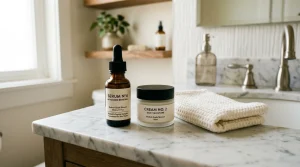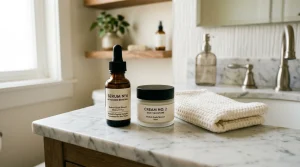
Navigating the world of skincare can feel overwhelming, especially when it comes to incorporating active ingredients like salicylic acid. Did you know that this powerhouse ingredient is celebrated for its ability to tackle acne and enhance skin texture? You might be wondering if you can use both a salicylic acid cleanser and an exfoliator in your routine without overdoing it. This is a common concern, and understanding the balance between effective cleansing and exfoliation is key to achieving a clear, radiant complexion. In this article, we’ll explore how to safely integrate these products into your skincare regimen, so you can confidently unlock their full potential for healthier skin. Get ready to dive into the details that matter most to your skincare goals!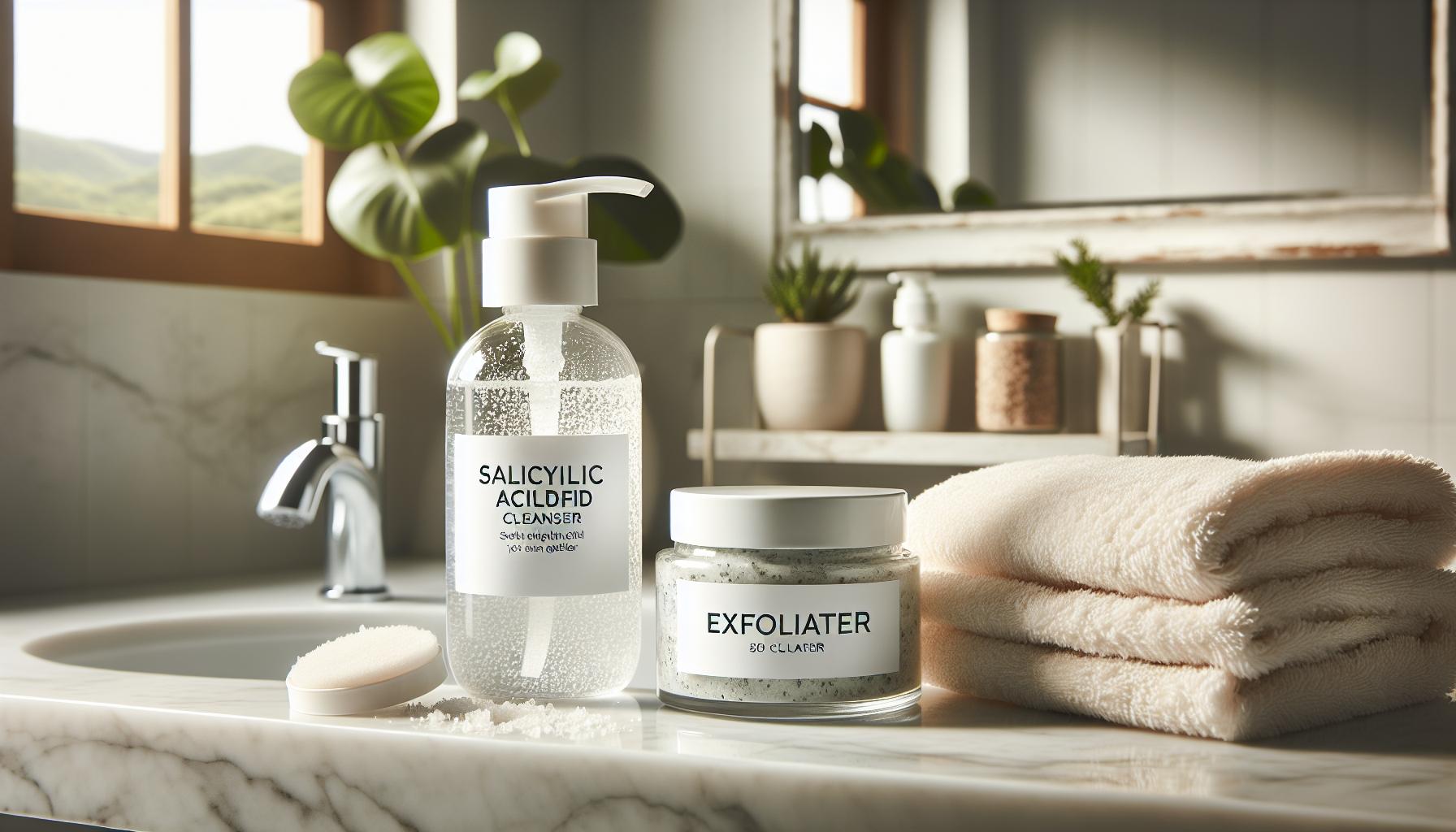
Can I Use Both Salicylic Acid Cleanser and Exfoliator?
Using both a salicylic acid cleanser and exfoliator can be beneficial for your skin, particularly if you’re managing acne or oily skin. However, it’s essential to use them wisely to prevent irritation. Salicylic acid is a beta hydroxy acid (BHA) known for its ability to penetrate and clear pores, making it effective for treating breakouts and exfoliating dead skin. When combining products that contain this ingredient, be mindful of your skin’s sensitivity and the formulations you choose.
It’s generally advisable to use a salicylic acid cleanser daily to clear impurities and oily buildup. This is often followed by a gentle exfoliating product-like a salicylic acid-based scrub or peel-typically used 2-3 times a week. This combo can help improve skin texture and prevent breakouts without overdoing it. However, if you’re new to salicylic acid or have sensitive skin, start slowly. Use the cleanser for a week before introducing an exfoliator, allowing your skin to adjust.
Additionally, pay attention to how your skin reacts. If you notice increased redness, dryness, or irritation, scale back on the frequency of use. Remember, everyone’s skin is different, and finding the right balance is key. Here’s a quick tip: Apply the cleanser first by massaging a dime-sized amount onto damp skin in circular motions for about 30 seconds, then rinse. Follow with the exfoliator as directed, ensuring you don’t leave it on longer than recommended.
Ultimately, the goal is to enhance your skincare routine without causing harm. If you remain unsure, consulting with a dermatologist can provide personalized guidance suited to your skin type and concerns.
Understanding Salicylic Acid: Benefits and Uses
Salicylic acid is a powerful ingredient that many skincare enthusiasts swear by, especially for its ability to combat acne and improve overall skin texture. This beta hydroxy acid (BHA) is oil-soluble, allowing it to penetrate deep into the pores, effectively dissolving excess sebum and unclogging blocked follicles. This unique property makes salicylic acid particularly beneficial for those with oily or combination skin, where breakouts and blackheads often thrive.
One of the standout benefits of salicylic acid is its anti-inflammatory properties. It not only targets the bacteria that cause acne but also soothes the redness and swelling associated with breakouts. As you incorporate it into your routine, you may notice a reduction in blemishes and a more even skin tone over time. Many people find that they can achieve smoother, clearer skin with regular use-an encouraging outcome that can boost confidence.
When considering its use, it’s important to understand that salicylic acid is available in various formulations, from cleansers to spot treatments and exfoliators. Each serves a different purpose and can complement your skincare routine. For instance, a salicylic acid cleanser works daily to keep your pores clear and minimize oil production. In contrast, an exfoliating treatment might be used a few times a week for a deeper clean, sloughing off dead skin and preventing future breakouts.
To maximize the benefits of salicylic acid, it’s essential to tailor its use to your skin’s specific needs. Start with a low concentration-typically around 0.5% to 2% for most products-and observe how your skin reacts. If you’re new to skincare with this ingredient, consider patch-testing or introducing one product at a time. With patience and the right approach, you can unlock the full potential of salicylic acid and enjoy a clearer, healthier complexion.
The Difference Between Cleanser and Exfoliator
Understanding the differences between a cleanser and an exfoliator can significantly enhance your skincare routine, especially when incorporating salicylic acid products. Both types of products serve crucial roles in maintaining healthy skin, but they target different concerns and are used in different ways.
A salicylic acid cleanser is designed primarily for the removal of dirt, oil, and makeup from the skin’s surface. It typically has a low concentration of salicylic acid, usually between 0.5% and 2%. This allows it to gently cleanse the pores while also delivering the acne-fighting benefits of this beta hydroxy acid. You would use a cleanser daily, typically as part of your morning and evening skincare routine. The goal here is to establish a clean canvas for the rest of your skincare products, preventing congestion and breakouts.
On the other hand, an exfoliator often contains higher concentrations of salicylic acid and is intended for deep cleaning the skin by sloughing off dead skin cells and unclogging pores. Exfoliating products are typically used a few times a week, depending on your skin’s sensitivity and needs. By removing those top layers of dead skin, exfoliators can help improve skin texture and allow other products to penetrate more effectively.
When using both a cleanser and an exfoliator, think of them as complementary steps in your skincare routine. The cleanser preps your skin by removing surface impurities, while the exfoliator works deeper to enhance cell turnover and clarity. It’s crucial, however, to avoid over-exfoliating, which can lead to irritation. Pay attention to your skin’s responses, and adjust your frequency of use accordingly. Combining both products can yield smoother, clearer skin, but balance is key to prevent potential dryness or redness.
How to Safely Combine Cleansing and Exfoliating
Combining a salicylic acid cleanser and exfoliator can be a game-changer for your skincare routine, especially if you’re prone to breakouts or excess oil. However, it’s essential to use them wisely to avoid irritation or dryness. Here’s how to do it safely and effectively.
Start by choosing a gentle salicylic acid cleanser with a concentration of around 0.5% to 2%. Use this daily, applying a dime-sized amount to damp skin and massaging it in with gentle, circular motions for about 30 seconds. This step removes surface impurities and sets the stage for further treatments. After cleansing, wait a few minutes to allow your skin to stabilize before moving on to the exfoliator.
When it comes to exfoliating, choose a product with a higher concentration of salicylic acid, typically between 1% and 3%. Use this exfoliator only 1 to 3 times a week, depending on your skin’s tolerance. Apply it using similar techniques as your cleanser but ensure you’re thorough yet gentle, concentrating on areas prone to congestion. It’s crucial to monitor your skin’s reactions; if you notice signs of over-exfoliation such as redness or sensitivity, reduce the frequency.
A key point to remember is to always follow up with a hydrating moisturizer after using either product. This helps replenish your skin’s moisture barrier, which can be compromised with salicylic acid treatments. Consider using soothing ingredients like hyaluronic acid or ceramides to support hydration. Balancing cleansing and exfoliating in your routine can lead to clearer, smoother skin, just make sure you’re tuning into what your skin tells you and adjust accordingly.
Signs You Need to Use Salicylic Acid Products
If you’re wondering whether salicylic acid might be your skincare savior, let’s explore some clear signs that indicate it might be time to incorporate this powerhouse ingredient into your routine. Salicylic acid is renowned for its ability to penetrate pores, helping to unclog them and reduce breakouts. Here are several telltale signs that you could benefit from using salicylic acid products, particularly in a cleanser and exfoliator combination.
First, if you frequently experience breakouts, whether they’re small bumps or larger cystic acne, using salicylic acid can help. This beta-hydroxy acid works to remove dead skin cells and excess oil from your pores, preventing new blemishes from forming. Additionally, if you notice your skin feels greasy or shines excessively, salicylic acid can help to balance oil production and keep your complexion clearer.
Signs to Look For
- Persistent Acne: Regular breakouts or acne that doesn’t seem to respond to other treatments may signal the need for a salicylic acid regimen.
- Clogged Pores: Blackheads or whiteheads that are hard to manage can benefit from the exfoliating action of salicylic acid.
- Oily Skin: Excess shine, especially around the T-zone, is often a sign that your skin could use the oil-controlling properties of salicylic acid.
Furthermore, you might want to consider adding salicylic acid to your skincare routine if you’re starting to notice larger pores or a dull complexion. As the acid helps remove dead skin cells and clear out pores, it can lead to a smoother texture and more radiant skin.
Integrating both a salicylic acid cleanser and exfoliator can enhance these benefits by ensuring that you’re thoroughly cleansing your skin while also providing deeper exfoliation without overwhelming it. Always remember to listen to your skin, and if you suspect irritation, consider adjusting how often you use these products. By addressing these signs early, you can better manage your skin’s health and achieve a clearer, more luminous complexion.
Layering Products: Order Matters for Effectiveness
Using a salicylic acid cleanser and exfoliator can significantly enhance the health and appearance of your skin, but the order in which you apply these products is crucial for maximizing their benefits. When layering products, always start with the cleanser. A gentle salicylic acid cleanser helps to kickstart the process by removing dirt, oil, and impurities from the skin’s surface, allowing subsequent products to penetrate more effectively.
After cleansing, it’s time for the exfoliator. Exfoliation with salicylic acid offers a deeper cleanse by sloughing off dead skin cells and unclogging pores, which can prevent acne and improve overall skin texture. This two-step process not only cleanses but also prepares your skin to absorb any additional treatments or moisturizers you may use afterwards.
Moreover, pay attention to how often you use these products. For sensitive skin, it may be beneficial to use the exfoliator only a few times a week to avoid irritation. In contrast, if your skin tolerates the routine well, you might consider using the cleanser daily and the exfoliator multiple times a week. Always listen to your skin; if you experience redness or discomfort, alter the frequency accordingly. With the right order and mindful usage, you’ll foster a bright, clear complexion while safeguarding your skin’s integrity.
Common Mistakes When Using Multiple Products
Using both a salicylic acid cleanser and exfoliator can elevate your skincare routine, but it’s important to avoid common missteps that might undermine your efforts. One frequent mistake is the perception that more is better; using both products too often can lead to irritation, dryness, and ultimately, more skin issues. It’s vital to tailor your use of these products to your skin type. If you have sensitive skin, consider limiting your exfoliator to two or three times a week, rather than applying it daily. This gentle approach helps your skin acclimate, ensuring you achieve the benefits without the backlash of irritation.
Another common pitfall is improper layering. Always cleanse before you exfoliate-cleansing prepares your skin for the exfoliation process, allowing the active ingredients to penetrate more effectively. Skipping this step or using the products in reverse can negate the benefits of both, leaving your skin feeling lackluster. Also, remember not to apply too much product. A small amount, approximately a dime-sized quantity of cleanser and a pea-sized amount of exfoliator, is usually sufficient. Using too much can overwhelm your skin and lead to excessive dryness or breakouts.
Timing your skincare routine is equally essential. Some might be tempted to combine multiple active ingredients, thinking they will amplify their effectiveness. However, mixing too many potent products can irritate your skin and result in adverse reactions. Start slow; once your skin adjusts, gradually introduce other products if desired. Listening to your skin is key-if you notice signs of irritation, dial back.
By paying attention to these nuances, you can optimize the benefits of your salicylic acid regimen and maintain a clear, healthy complexion. Always keep your skin’s needs at the forefront, and don’t hesitate to adjust your routine as necessary.
Sensitive Skin? Tips for Safe Usage
If you have sensitive skin, integrating both a salicylic acid cleanser and exfoliator into your routine can feel daunting. However, with the right approach, you can reap the benefits without overwhelming your delicate complexion. First and foremost, listen to your skin. Conduct a patch test before fully incorporating any new products. Apply a small amount of the cleanser or exfoliator on a discreet area, such as your jawline or behind your ear, and wait 24 hours to see if any irritation occurs. This simple step can prevent a potential reaction.
When using salicylic acid products, moderation is key. Aim to use your exfoliator only 1-3 times a week, depending on your skin’s tolerance. Consider starting with just one salicylic acid product at a time; for example, begin with the cleanser and evaluate how your skin responds before introducing the exfoliator. As you gradually increase usage, take note of any signs of sensitivity, such as redness, burning, or excessive dryness. If these occur, reduce the frequency or amount used.
Ingredient choice also matters. Opt for formulations specifically designed for sensitive skin. Look for products that have soothing agents such as aloe vera or chamomile, as these can help mitigate irritation. Also, consider using a milder exfoliating product, like a 1% salicylic acid solution, which may be gentler on your skin while still delivering benefits.
Lastly, always hydrate and protect your skin. After cleansing and exfoliating, applying a gentle, fragrance-free moisturizer will help lock in hydration. Following your skincare routine with sunscreen during the day is crucial, as salicylic acid can make your skin more sensitive to UV rays. By taking these steps, you can navigate the complexities of salicylic acid use and embrace a routine that promotes clearer, healthier skin without discomfort.
When to Consult a Dermatologist
Navigating the world of skincare can sometimes feel overwhelming, especially when incorporating active ingredients like salicylic acid into your routine. While it offers significant benefits for many skin types, there are specific instances when consulting a dermatologist becomes crucial. Recognizing these moments can save you from potential skin issues and help personalize your routine more effectively.
If you notice persistent redness, burning sensations, or severe dryness that lingers after using salicylic acid products, it’s time to reach out for professional help. These could be signs of irritation or intolerance to the ingredients, and a dermatologist can help determine if adjustments are necessary. Additionally, if you have underlying skin conditions-such as eczema, rosacea, or severe acne-working with a dermatologist is essential. They can provide tailored recommendations that consider your specific concerns, ensuring that your skin’s health is prioritized.
It’s also wise to seek advice if you experience a sudden change in your skin’s health. For instance, if breakouts worsen despite your new routine or if you develop new rashes, a dermatologist can diagnose and provide treatments that are more suited to your needs. Remember, skincare is not one-size-fits-all; professional guidance can make a significant difference, especially when using active ingredients that can alter your skin’s balance.
In cases where you are unsure about combining various products or feel anxious about how they may interact, don’t hesitate to consult a professional. They can provide clarity on safe layering and help you achieve the best possible results without compromising your skin’s integrity. By prioritizing expert advice when needed, you empower yourself to make informed decisions about your skincare journey, ensuring it remains both effective and enjoyable.
Alternatives to Salicylic Acid for Cleansing
Finding the right products for your skin can often feel like navigating a maze, especially with so many options available. If salicylic acid doesn’t quite resonate with your skincare needs, rest assured there are plenty of gentle yet effective alternatives for cleansing that can help you achieve clear and healthy skin. These alternatives can suit a variety of skin types and concerns, often providing complementary benefits without the potential irritation some may experience with stronger acids.
Natural cleansers can be an excellent choice for those seeking milder options. For instance, tea tree oil is renowned for its antibacterial properties, making it a popular choice for treating acne without the drying effects of salicylic acid. You can dilute a few drops in a carrier oil or add it to a gentle cleanser for an extra boost. Alternatively, honey is a natural humectant that not only cleans but also hydrates the skin. Its antibacterial properties can help soothe inflamed areas, making it ideal for those with sensitive or acne-prone skin.
For those who prefer a more traditional route, gentle foaming or gel cleansers that contain ingredients like glycerin or aloe vera can effectively cleanse without stripping the skin of its natural moisture. Look for products labeled “non-comedogenic” to ensure they won’t clog pores. Some well-formulated cream cleansers can also be great for dry skin types, providing hydration while effectively removing dirt and makeup.
Always remember, whether you’re selecting a natural product or a commercial cleanser, the key is to pay attention to how your skin responds. Everyone’s skin is unique, and what works brilliantly for one person might not be as effective for another. Testing out a few alternatives can help you discover what feels best for your skin, fostering a routine that feels as good as it looks.
How to Personalize Your Skincare Routine
Finding the right combination of products for your skin can feel overwhelming, especially when considering the potency of salicylic acid. To effectively personalize your skincare routine, start by assessing your skin type and its specific needs. Are you dealing with acne, excess oil, or perhaps dryness? Understanding these factors will guide your choices. For oily and acne-prone skin, using both a salicylic acid cleanser and exfoliator can help unclog pores and reduce breakouts, but balance is key.
Next, consider the frequency of use. If you opt for a salicylic acid cleanser, try using it daily while limiting the exfoliator to 1-3 times a week, depending on how your skin reacts. This approach can minimize irritation while still providing the benefits of both products. When incorporating new products, it’s wise to introduce them one at a time. This way, you can pinpoint what works or causes irritation. Always be attentive to how your skin feels-if you notice excessive dryness or redness, consider scaling back on one of the products.
Another crucial aspect is product layering. Apply your salicylic acid cleanser first on damp skin, gently massaging it in for about 30 seconds before rinsing. After cleansing, follow up with your exfoliator, applying a small amount and avoiding the eye area. Allow your skin some time to adjust before applying any additional products like serums or moisturizers, ideally waiting at least 10-15 minutes. This not only helps the actives work more effectively but also reduces the risk of irritation from layering too many active ingredients too quickly.
Finally, remember the importance of hydration and sun protection. Regardless of your skin type, a nourishing moisturizer and sunscreen are essential components. If salicylic acid has dried out your skin, look for a lightweight, non-comedogenic hydrator. Stay patient and flexible; the best routine evolves as your skin needs change. With careful attention and a willingness to adapt, you’ll find the perfect combination to make your skin glow.
Real-Life Experience: Testing Salicylic Acid Effects
Trying out salicylic acid can feel like venturing into new territory, especially if you’re curious about the impact of both a cleanser and an exfoliator on your skin. Imagine starting with a salicylic acid cleanser in the morning, designed to deep clean your pores and effectively combat acne. After a couple of weeks of consistent use, you might notice a reduction in breakouts and an overall improvement in skin clarity. That’s the power of salicylic acid working to dissolve the impurities that clog your pores.
Now, add in a salicylic acid exfoliator. Many people find that using this 1-3 times a week gives their skin that extra boost it needs. The exfoliator-whether it’s a scrub or a chemical formula-can help slough off dead skin cells while enhancing the resurfacing benefits of the cleanser. For it’s essential to listen to your skin: if you start to feel tightness or irritation, it’s a sign to adjust your routine either by spacing out your exfoliating sessions or opting for a gentler formula on those days to prevent overstressing your skin.
For those with combination or sensitive skin, a gradual approach might work best. Consider starting with just the cleanser for a week or so, observing how your skin responds before introducing the exfoliator. When you do add it, apply it gently and watch for signs your skin is adjusting. If all goes well, you may soon find a rhythm where your skin feels fresh and clear-without the overly tight or irritable sensations that can come from over-exfoliation.
Ultimately, the journey with salicylic acid products can be incredibly rewarding as you learn what best suits your unique skin needs. Remember to keep track of your skin’s responses and allow flexibility in your routine, and you could enjoy the glowing results that many derive from this powerhouse ingredient.
Faq
Q: Can I use both a salicylic acid cleanser and exfoliator?
A: Yes, you can use both a salicylic acid cleanser and exfoliator. This combination can enhance your skin’s ability to combat acne by cleansing pores and removing dead skin cells. However, it’s important to use them on alternate days or in moderation to avoid skin irritation.
Q: How often should I use a salicylic acid cleanser and exfoliator?
A: Limit use to 2-3 times a week for the exfoliator and use the cleanser daily, depending on your skin’s tolerance. This approach helps maintain skin balance while preventing over-exfoliation and irritation.
Q: What is the best order to apply salicylic acid products?
A: Start with the salicylic acid cleanser to remove impurities, then follow with the exfoliator if you’re using it that day. Always rinse thoroughly and follow with a hydrating moisturizer to replenish the skin.
Q: Can using both lead to irritation?
A: Yes, using both products too frequently may cause irritation. Monitor your skin’s response, and if you notice redness or excessive dryness, consider reducing the frequency or alternating days between the products.
Q: Are there any signs I should stop using salicylic acid products?
A: If you experience persistent redness, peeling, or excessive dryness, it may be time to stop or consult with a dermatologist. Adjusting usage may alleviate these symptoms while still benefiting from the products.
Q: Should I use a salicylic acid exfoliator on sensitive skin?
A: If you have sensitive skin, proceed with caution. Use a lower concentration of salicylic acid and apply the exfoliator once a week to start, gradually increasing as tolerated. Always patch test new products.
Q: What are some alternatives if my skin reacts badly?
A: Consider alternatives like glycolic acid or lactic acid, which might be gentler for some skin types. Always consult a dermatologist for personalized advice on suitable products for your skin needs.
Q: Can I use other active ingredients with salicylic acid?
A: Yes, but be cautious. Ingredients like benzoyl peroxide or retinoids can be effective but may increase irritation when combined with salicylic acid. It’s best to use them on different days or at different times to minimize adverse reactions.
For personalized skincare advice, refer to our section on how to safely combine cleansing and exfoliating.
Final Thoughts
In conclusion, combining a salicylic acid cleanser and exfoliator can be an effective strategy for clearer, healthier skin-just remember to listen to your skin’s needs. If you experience irritation, consider using these products on alternate days instead of simultaneously. For personalized results, exploring our guide on the “Best Salicylic Acid Products” can help you choose what’s right for you. Don’t forget to check out our article on “Exfoliation Techniques 101” to further enhance your skincare routine!
We’d love to hear about your experiences! Share your thoughts in the comments below, and if you found this information useful, why not sign up for our newsletter for more skincare tips? Your journey to glowing skin starts now-keep exploring and discovering what works best for you!
Get our latest guides, news, and insights highlighted in your Google Search & AI Overviews.