If you’ve ever struggled with acne, you might already know that salicylic acid is a powerhouse ingredient known for its ability to clear pores and reduce breakouts. But can you safely incorporate a salicylic acid cleanser into your daily routine? This question resonates with many people seeking clearer skin without irritation. Daily use of salicylic acid can offer significant benefits, like exfoliating dead skin cells and controlling oil production, but it’s essential to use it correctly to avoid over-drying or irritating your skin. In this article, we’ll explore the safety of using a salicylic acid cleanser every day, helping you understand the best practices to ensure your skin stays healthy and refreshed. Let’s dive into how to make this effective ingredient work for you, allowing you to achieve your skincare goals with confidence!
What is Salicylic Acid and How Does It Work?
Salicylic acid, a beta hydroxy acid (BHA), is well-known for its remarkable ability to exfoliate the skin and clear clogged pores. This powerful ingredient works by penetrating deeply into the oil-filled pores and dissolving the debris that can lead to acne, blackheads, and whiteheads. What makes salicylic acid stand out is its anti-inflammatory properties, which help to calm and soothe irritated skin, making it particularly effective for those with acne-prone or oily skin types.
When applied topically, salicylic acid encourages the shedding of dead skin cells, allowing for a smoother, clearer complexion. It not only helps prevent future breakouts but can also fade post-inflammatory hyperpigmentation, the dark spots left behind after acne heals. For many, the use of a salicylic acid cleanser can be a game changer in a skincare routine, clearing the skin while also providing gentle exfoliation.
The effectiveness of salicylic acid can be seen in its formulation variations. Products may contain different concentrations of salicylic acid, typically ranging from 0.5% to 2%. For beginners, starting with a lower concentration can mitigate the initial irritation some may experience. As your skin adjusts, you can gradually increase the concentration to suit your skincare needs.
Incorporating salicylic acid into your routine doesn’t have to be complicated. You can start by using a cleanser containing salicylic acid once a day, ideally in the evening, to allow your skin to recover overnight. This simple adjustment can lead to noticeable improvements in your skin clarity and texture over time.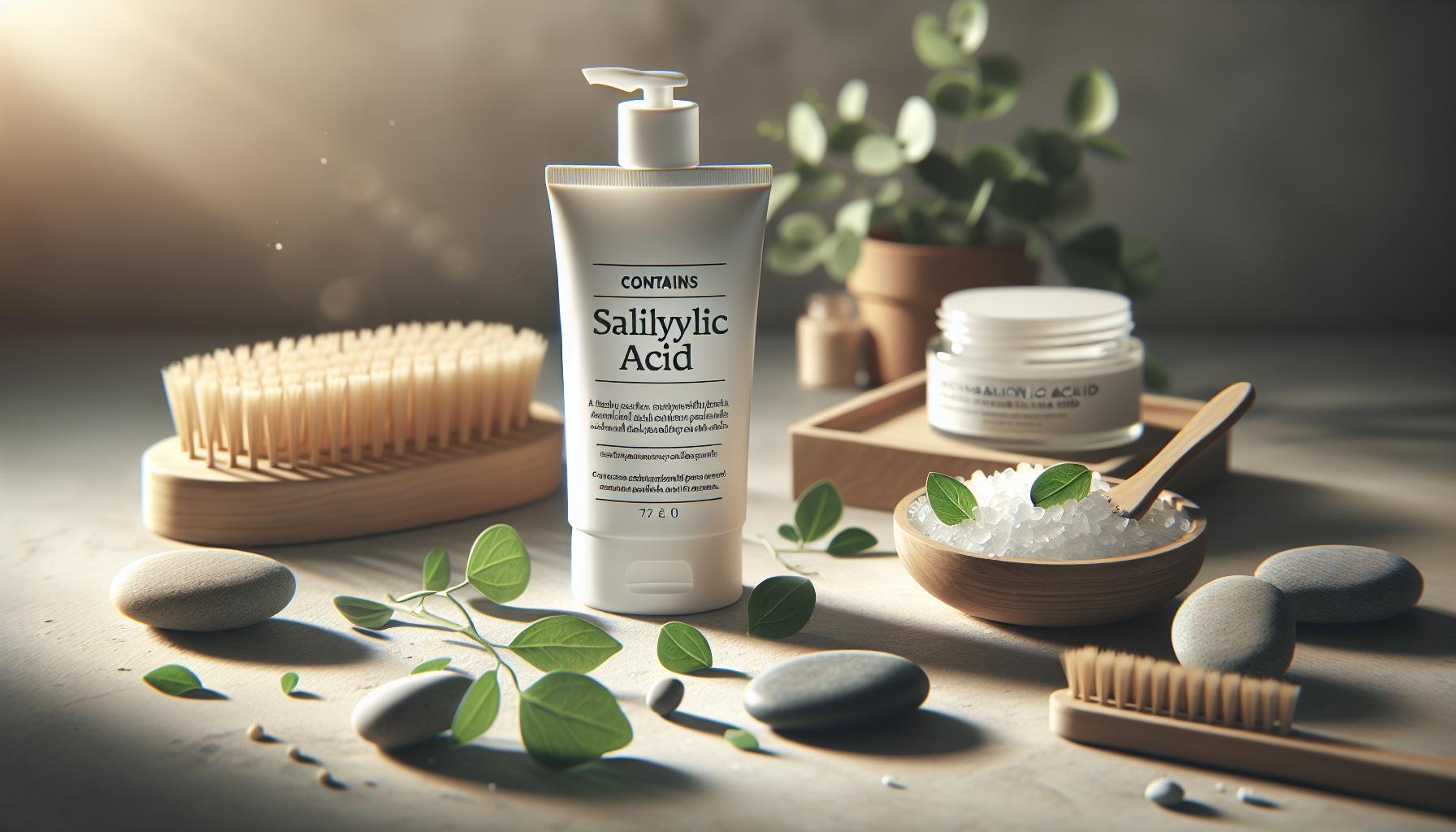
Benefits of Using a Salicylic Acid Cleanser
Using a salicylic acid cleanser can revolutionize your skincare routine, especially for those dealing with acne, oily skin, or clogged pores. This powerful beta hydroxy acid works its magic by deeply penetrating the pores, effectively breaking down oil and debris that can lead to breakouts. One of the most notable benefits is its exfoliating action, which promotes the shedding of dead skin cells. This process not only helps to clear existing acne but also prevents future breakouts, ultimately leading to a smoother, more radiant complexion.
In addition to its exfoliating properties, salicylic acid is renowned for its anti-inflammatory benefits. It helps to soothe irritated skin, making it a favorite among individuals with acne-prone skin. When you use a salicylic acid cleanser, you may notice a reduction in redness and swelling, allowing existing blemishes to heal more quickly. This soothing effect can be particularly comforting during flare-ups, providing relief and improving your overall skin tone.
Integrating a salicylic acid cleanser into your daily routine is generally safe, but starting with a lower concentration (around 0.5% to 1%) is advisable for those new to active ingredients. This gradual approach lets your skin adjust, minimizing the risk of irritation while still reaping the benefits. You can use the cleanser once daily, preferably in the evening, to allow your skin to recover overnight while maximizing exfoliation and treatment of persistent issues.
Ultimately, adopting a salicylic acid cleanser can lead to significant improvements in skin texture and clarity, as many users report a noticeable reduction in breakouts and an overall increase in confidence. With regular use and proper care, you can enjoy the myriad benefits this ingredient has to offer, making it a smart choice for anyone looking to enhance their skincare regimen.
Daily Use: Is It Safe for All Skin Types?
Using a salicylic acid cleanser can feel like stepping into a whole new world of skincare, but many wonder if daily use is a safe option for all skin types. The great news is that, generally speaking, salicylic acid is suitable for a variety of skin types, including oily, combination, and even sensitive skin with some precautions. This ingredient is particularly effective for those battling acne, as it penetrates deeply into the pores to dissolve excess oil and dead skin cells. However, knowing how to safely integrate it into your routine is key.
If you have oily or acne-prone skin, using a salicylic acid cleanser daily can be a game changer. It helps to reduce breakouts and prevent future ones by keeping pores clear. For those new to salicylic acid, starting with a formulation that has a concentration of around 0.5% to 1% is ideal. This way, you can gauge how your skin reacts while still benefiting from its exfoliating and anti-inflammatory properties. Applying the cleanser once in the evening is often recommended to allow your skin to recover overnight, maximizing its soothing effects.
On the other hand, if you have sensitive or dry skin, it’s important to proceed with caution. Overusing salicylic acid can lead to dryness or irritation. If you notice your skin becoming red or flaky, consider scaling back to using the cleanser every other day or mixing it with a gentle, hydrating cleanser. Always listen to your skin; it’s your best guide in deciding the right frequency.
Ultimately, incorporating a salicylic acid cleanser into your routine can be beneficial, but it requires a thoughtful approach. Regularly check in with your skin’s condition and make adjustments as needed. Applying a gentle moisturizer after cleansing can also help maintain hydration, ensuring your skin remains balanced and healthy while you tackle those pesky breakouts. Remember, patience is essential in skincare, and finding the perfect routine may take some trial and error.
Signs You’re Overusing Salicylic Acid
Using salicylic acid in your skincare routine can be a transformative experience, especially for those dealing with acne and oily skin. However, it’s essential to recognize the signs that you might be overdoing it. Overusing salicylic acid can lead to unintended consequences, leaving your skin out of balance instead of improving its appearance. Here are key indicators that you may be applying this active ingredient too frequently.
One of the most obvious signs of overuse is increased dryness. While salicylic acid is effective at exfoliating dead skin and unclogging pores, it can strip the skin of its natural oils when used excessively. If you start to notice dry patches or a tight feeling after cleansing, it might be time to cut back. Instead of using your salicylic acid cleanser daily, consider using it every other day or pairing it with a gentle, hydrating cleanser to maintain moisture levels.
Another telltale sign is redness and irritation. If your skin becomes inflamed, feels sensitive, or you’re dealing with stinging sensations after cleansing, these are strong indicators that you’ve crossed the line. Ideally, your cleansing routine should be soothing rather than aggravating. If irritation arises, revert to a less frequent application and ensure you’re using a nourishing moisturizer afterward. Opting for products that include soothing ingredients like aloe vera or chamomile can help calm any irritation.
Lastly, keep an eye out for flakiness or excessive peeling. This can happen if the skin is constantly in an exfoliative state, leading to irritation and compromised skin barriers. A well-balanced skincare routine should maintain your skin’s texture without causing visible flakiness. If you find yourself frequently exfoliating away skin cells, switch to a milder regimen and allow your skin some time to recover and renew naturally.
In summary, paying attention to your skin’s reactions is crucial when incorporating salicylic acid into your routine. By watching for dryness, redness, and flakiness, you can better determine how often to use the cleanser, ultimately leading to healthier, clearer skin.
How to Incorporate a Salicylic Acid Cleanser into Your Routine
Incorporating a salicylic acid cleanser into your skincare routine can be incredibly beneficial, especially for those struggling with acne and oily skin. However, the key is to introduce it thoughtfully to maximize benefits while minimizing potential irritation. Start by choosing a salicylic acid cleanser with a concentration that suits your skin type. If you’re new to salicylic acid, opt for a lower concentration (around 0.5% to 1%) to allow your skin to adjust. For those with sensitive skin, a gentler formulation can help avoid overwhelming your complexion.
To begin, use the cleanser once every other day. This gradual approach can help your skin acclimate without triggering excessive dryness or redness. When you’re ready, switch to daily use if your skin responds positively. Here’s a simple application method: wet your face with lukewarm water, apply a dime-sized amount of cleanser to your fingertips, and gently massage it onto your skin in circular motions for about 30 seconds. This not only helps in cleansing but also allows the salicylic acid to penetrate and unclog pores effectively.
Be sure to follow your cleansing with a good moisturizer even if your skin feels oily; hydration is vital to maintaining your skin barrier. Look for non-comedogenic moisturizers that will keep your skin moisturized without clogging pores. Hydration can counteract dryness that sometimes comes with salicylic acid usage.
Finally, always pay attention to how your skin is reacting. If you notice signs of overuse like increased dryness, redness, or irritation, consider reducing frequency or combining your salicylic acid cleanser with a gentle, hydrating wash a few times a week. Remember, the ultimate goal is a balanced complexion, and it might take some time to find the right routine that works for you. Regularly check your skin’s needs and make adjustments accordingly.
Tips for Choosing the Right Salicylic Acid Cleanser
Choosing the right salicylic acid cleanser can significantly impact your skincare routine, especially if you’re hoping to combat acne or manage oily skin. With various formulations and concentrations available, it’s crucial to find a product that suits your unique skin type and addresses your specific concerns. Start by paying attention to the concentration of salicylic acid in the cleanser; beginners or those with sensitive skin might benefit from starting with a lower concentration of around 0.5% to 1%. This allows your skin to adjust and helps prevent potential irritation.
It’s also essential to consider the cleanser’s formulation beyond just the active ingredient. Look for additional components that can complement salicylic acid’s exfoliating and pore-clearing properties. For instance, gel-based cleansers often work well for oily skin as they effectively remove excess oil without stripping your skin’s natural barrier. If your skin tends to be dry or sensitive, opt for cream or lotion-based cleansers that contain soothing ingredients like aloe vera or chamomile to help hydrate your skin while treating breakouts.
Taking time to read product reviews and ingredient lists can provide valuable insights. Look for products labeled as “non-comedogenic,” which means they won’t clog your pores-an important feature for those dealing with acne-prone skin. If you’re unsure how your skin will react, consider purchasing travel sizes or samples first to test the product’s compatibility with your skin without committing to a full-size version.
Lastly, it’s a good practice to consult with a dermatologist when trying a new product, particularly if you have existing skin conditions or concerns. They can guide you on suitable options and help you tailor your routine for safe, effective results. By taking these steps, you can confidently choose a salicylic acid cleanser that aligns with your skincare goals.
Potential Side Effects and How to Avoid Them
Using salicylic acid can sometimes feel like walking a tightrope; it’s a powerful tool for managing acne and oily skin, but if not used correctly, it can lead to some unwelcome side effects. People may experience dryness, redness, or peeling skin, especially if their skin is sensitive or if they jump in with a high concentration product too quickly. It’s essential to know that these reactions can often be mitigated with proper usage and a little patience.
To help you navigate the potential downsides, here are some practical tips to avoid common pitfalls:
- Start Slow: If you’re new to salicylic acid, begin with a lower concentration (around 0.5% to 1%) and use it every other day. This allows your skin to adjust without overwhelming it.
- Moisturize: Incorporate a good moisturizer into your routine to counteract dryness. Look for non-comedogenic (won’t clog pores) options that suit your skin type.
- Listen to Your Skin: Pay attention to how your skin reacts. If you notice persistent redness or irritation, take a break for a few days to let your skin recover.
- Sun Protection: Salicylic acid can make your skin more susceptible to UV damage. Always apply sunscreen during the day, especially if you’re using a salicylic acid cleanser.
By taking these steps, you can enjoy the benefits of salicylic acid while minimizing its potential side effects. Keep in mind that skincare is not a one-size-fits-all journey, and it’s okay to experiment a bit to find what works best for you. If side effects persist, or if you’re unsure about incorporating salicylic acid into your routine, don’t hesitate to reach out to a dermatologist for personalized advice.
Alternatives to Daily Salicylic Acid Cleansing
For those who may find daily use of a salicylic acid cleanser too harsh or irritating for their skin, there are several effective alternatives that can still provide similar benefits without the potential downsides. Integrating these options into your skincare routine can help maintain clear and healthy skin while allowing your skin a break from the strong active ingredients found in salicylic acid.
One excellent option is to use a gentle foaming or cream-based cleanser that contains natural exfoliating ingredients, such as alpha-hydroxy acids (AHAs). These acids, like glycolic acid or lactic acid, help to shed dead skin cells and promote cell turnover without the intense effects that salicylic acid can have. Look for products that feature a concentration around 5% for mild exfoliation that’s suitable for daily use.
Another alternative is to incorporate lightweight exfoliating scrubs into your routine a couple of times a week. These can contain fine exfoliating particles or natural ingredients like oatmeal or sugar that help remove dead skin without causing irritation. For example, use a gentle scrub after cleansing twice a week to give your skin a refresh without the daily intensity of salicylic acid.
In addition, consider integrating a moisturizing cleanser that includes soothing ingredients such as aloe vera or honey. These products help maintain skin hydration while providing a gentle cleansing action. This approach is particularly beneficial for those with dry or sensitive skin, as it helps avoid the drying effects associated with harsher cleansers.
Lastly, using spot treatments with salicylic acid specifically for breakouts can provide targeted relief without the need for an everyday cleanser. By applying these directly to problem areas, you minimize the risk of over-exfoliating the rest of your skin.
Ultimately, the key is to listen to your skin and adjust your routine based on its responses. If you notice persistent dryness or irritation, scaling back on active ingredients and opting for gentler alternatives is a practical strategy that promotes long-term skin health. Always remember to consult with a dermatologist if you’re unsure about incorporating new products or if issues persist.
When to Consult a Dermatologist on Usage
Determining whether to use a salicylic acid cleanser daily can be nuanced. While many people find salicylic acid beneficial for managing breakouts and improving skin texture, it’s essential to recognize when it might be time to seek professional advice. If you’re consistently experiencing signs of irritation-such as redness, excessive dryness, or peeling-even with a lower concentration of salicylic acid, these may be indicators that daily use is too much for your skin.
It’s also critical to consult a dermatologist if you have underlying skin conditions, like eczema or rosacea, as these may be exacerbated by harsh exfoliants. Moreover, if breakouts persist or worsen despite diligent use of a salicylic acid cleanser, this could indicate that your skin needs a different approach or treatment strategy. A dermatologist can recommend tailored solutions based on your specific skin type and concerns, helping you navigate the complexities of your skincare routine.
Another good reason to seek professional input is when trying to incorporate multiple active ingredients into your regimen. Mixing products can sometimes lead to unexpected reactions, and a dermatologist can guide you on safe practices. Finally, if you’re unsure about the long-term effects of salicylic acid usage, especially if you’re considering it as part of a broader skincare regime for cystic acne or hormonally driven breakouts, reaching out for expert advice can provide clarity and reassurance.
Ultimately, listening to your skin is key. If something doesn’t feel right, consulting a dermatologist can empower you with knowledge and confidence to achieve your skincare goals.
Success Stories: Real Users Share Their Experiences
Many users have shared transformative experiences after incorporating salicylic acid cleansers into their daily routines. One common thread among success stories is the noticeable reduction in breakouts and oiliness, which can provide a significant boost in confidence. For example, Jamie, a 25-year-old with oily, acne-prone skin, reported that she struggled with consistent acne despite trying various treatments. After using a salicylic acid cleanser every morning and evening for just a month, she noticed that her breakouts significantly decreased, and her skin texture became smoother. She emphasizes the importance of patience and consistency, noting that results didn’t happen overnight but were well worth the wait.
However, it’s crucial to listen to your skin throughout this journey. Chris, who initially used a salicylic acid cleanser daily, found that his skin became overly dry after two weeks. After consulting a dermatologist, he adjusted his routine to include the cleanser three times a week instead, which helped balance his skin’s moisture and still kept breakouts at bay. His story highlights that what works can vary from person to person, and adapting your regimen based on your skin’s unique responses is key.
Real-world results also show that combining salicylic acid with other gentle skincare practices can amplify benefits. For instance, Priya discovered that pairing her daily salicylic acid cleanser with a hydrating serum made a considerable difference in how her skin felt post-cleansing. She shared her routine on social media and received positive feedback from followers who appreciated her newfound glow and overall skin health. This community aspect reinforces the notion that while individual skin types require tailored solutions, sharing experiences and tips can foster greater understanding and efficacy in using salicylic acid.
Ultimately, these testimonials remind us that while salicylic acid can be an effective ally in managing acne and improving skin texture, it’s essential to approach its use with mindfulness. Ensuring you remain attuned to your skin’s needs and adapting your routine accordingly can lead to lasting improvements and happy skin days ahead.
Q&A
Q: Can I use a salicylic acid cleanser every day if I have sensitive skin?
A: If you have sensitive skin, it’s best to start with using a salicylic acid cleanser every other day. Monitor how your skin reacts, and if you experience irritation or dryness, decrease the frequency. Always follow up with a gentle moisturizer to maintain hydration.
Q: How does daily use of a salicylic acid cleanser affect skin pH?
A: Daily use of a salicylic acid cleanser can lower skin pH, making it more acidic. This can be beneficial for acne-prone skin, but overuse may disrupt the skin barrier. To maintain balance, you may consider alternating with a gentle, pH-neutral cleanser.
Q: What signs indicate I’m overusing my salicylic acid cleanser?
A: Overuse of a salicylic acid cleanser can lead to signs like excessive dryness, redness, peeling, or irritation. If you notice these symptoms, consider reducing frequency and incorporating hydrating products into your routine for balance [[2]].
Q: Is it safe to use other acne products with a salicylic acid cleanser?
A: Yes, you can use other acne treatments, but be cautious. Combining multiple active ingredients can increase irritation. It’s advisable to consult a dermatologist for personalized guidance on which products to use together safely.
Q: Can I use a salicylic acid cleanser on my body or just my face?
A: You can use a salicylic acid cleanser on both your face and body. It’s effective for treating body acne, but apply gently and follow with a good moisturizer to prevent dryness, especially in sensitive areas [[3]].
Q: What should I do if my skin feels tight after using a salicylic acid cleanser?
A: If your skin feels tight, this might be a sign of over-cleansing or dryness. Switch to a hydrating toner and a moisturizer after cleansing. Be mindful of your cleanser’s concentration; a lower percentage may be more suitable for daily use [[1]].
Q: Are there any long-term effects of using a salicylic acid cleanser daily?
A: Long-term, daily use of salicylic acid can help manage acne effectively, but it may also lead to dryness or irritation for some users. It’s wise to take occasional breaks or consult with a dermatologist to evaluate your skin’s health over time.
Q: How does the strength of salicylic acid in a cleanser affect daily usage?
A: The concentration of salicylic acid significantly influences daily usage. A lower concentration (1-2%) is generally safe for daily use, while higher concentrations may be better suited for less frequent application to prevent irritation.
To Wrap It Up
In summary, using a salicylic acid cleanser daily can be a game-changer for your skincare routine, particularly for managing acne and blemishes. However, it’s essential to listen to your skin-start slow and note how your skin reacts. If you encounter any irritation, consider adjusting the frequency or consulting a dermatologist for personalized advice.
For more insights, check out our guide on choosing the right acne products or explore tips on maintaining a balanced skincare routine. Remember, every skincare journey is unique, so stay informed and proactive! If you found this article helpful, consider signing up for our newsletter for the latest in skincare tips and trends.
Don’t hesitate to share your experiences or ask questions in the comments below-we love hearing from you. Explore more about effective treatments and the best practices that keep your skin healthy and glowing. Your journey to radiant skin starts now, so take that next step with confidence!
Get our latest guides, news, and insights highlighted in your Google Search & AI Overviews.