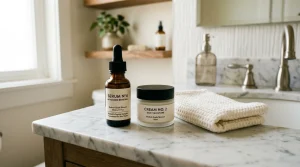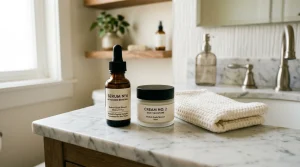
When it comes to acne treatment, finding the right combination of products can feel overwhelming. One common question many people ask is whether you can use a benzoyl peroxide cleanser alongside adapalene, a popular topical retinoid. Understanding how these powerful ingredients interact is crucial for effective skincare without irritating your skin. Both benzoyl peroxide and adapalene target acne but in different ways: benzoyl peroxide eliminates bacteria and reduces inflammation, while adapalene helps to unclog pores and promote cell turnover.
Navigating the world of skincare can evoke concerns about irritation and effectiveness, but with the right knowledge, you can embrace clearer skin. In this article, we’ll explore how to safely combine these treatments, when to use each, and tips for maximizing their benefits. Whether you’re battling stubborn breakouts or just looking to enhance your routine, keep reading to discover how to achieve the best results without compromising your skin’s health.
Can I Mix Benzoyl Peroxide and Adapalene Safely?
Mixing benzoyl peroxide and adapalene in your skincare routine can be effective, but it’s essential to approach this combination with care. Both ingredients are renowned for their acne-fighting properties, but their distinct mechanisms can lead to different results and potential skin reactions. This is especially relevant if you’re new to these products and wondering how to incorporate them safely.
Benzoyl peroxide works as a powerful antiseptic, attacking acne-causing bacteria and reducing inflammation. Meanwhile, adapalene, a type of retinoid, helps to regulate skin cell turnover, preventing pores from becoming clogged. Together, they can provide a robust defense against acne, but the mix can also increase the risk of irritation, especially if used incorrectly.
To safely benefit from both, consider starting with gradual incorporation. Begin by using benzoyl peroxide in the morning and adapalene at night. This separation allows your skin to adjust to each product while minimizing irritation. Initially, use them on alternating days to gauge how your skin responds. Always pay attention to signs of over-drying or irritation and adjust usage based on your skin’s needs.
Ultimately, while benzoyl peroxide and adapalene can work well together for clearer skin, listening to your skin and being mindful of how you mix these two powerful ingredients is key. Tailoring your routine to include both without overwhelming your skin can lead to improved results and comfort in your daily regimen.
Understanding Benzoyl Peroxide: Benefits and Risks
Benzoyl peroxide is a staple in the world of acne treatment, and for good reason. It’s known for its impressive ability to clear up breakouts and prevent new ones from forming. By working as an antiseptic, it targets the bacteria that cause acne, helping to reduce inflammation and redness. But while it’s effective, it’s essential to be aware of both the benefits and potential risks involved when using this powerful ingredient.
One of the key advantages of benzoyl peroxide is its versatility. It comes in various forms, including cleansers, gels, and spot treatments, allowing you to choose what best fits your daily routine. Users often see noticeable improvement in their skin within just a few weeks of consistent use. However, this efficiency can come at a cost; benzoyl peroxide can also cause dryness and irritation, particularly for those with sensitive skin. It’s important to monitor your skin’s reaction and adjust usage accordingly.
To incorporate benzoyl peroxide safely, start with lower concentrations, such as 2.5%, which can be just as effective but typically causes less irritation than higher strengths. Apply a small amount, about the size of a pea, to affected areas to minimize the chance of over-drying. Pairing it thoughtfully with other treatments, like adapalene, can enhance its effectiveness while also introducing new benefits, like improved skin texture and tone through cell turnover. Yet, be cautious-if you notice excessive peeling or redness, scale back your usage and give your skin a chance to adjust before continuing.
In summary, understanding the dual nature of benzoyl peroxide as both a potent treatment and a potential irritant is key to making it work for your skin. With patience and mindful use, it can be an excellent ally in achieving clearer, healthier skin.
What is Adapalene? How Does It Work?
Adapalene is a powerful ally in the fight against acne, belonging to a class of medications known as retinoids. What sets adapalene apart from other acne treatments is its unique formulation, which is specifically designed to penetrate the skin and help regulate skin cell turnover. This means that it not only helps prevent clogged pores-one of the main culprits behind acne-but also promotes the shedding of dead skin cells, resulting in smoother and clearer skin over time. With regular use, you can expect fewer breakouts and improved overall skin texture.
The way adapalene works involves its interaction with specific receptors in the skin. By attaching to retinoid receptors, it influences how skin cells develop and mature. This helps to reduce inflammation and has a gentle exfoliating effect, making it less irritating compared to some other retinoids. Many users find that their skin begins to improve within a few weeks, but it often takes about 8 to 12 weeks to see the full benefits. It’s worth noting that while adapalene can be effective on its own, combining it with benzoyl peroxide can enhance results even more, particularly for stubborn acne.
For anyone new to adapalene, it’s best to start slowly. Applying a thin layer to clean, dry skin once daily, preferably at night, can help your skin acclimate to the treatment. Interestingly, many people experience some initial dryness or peeling, which is common as the skin adjusts. To minimize irritation, consider incorporating a moisturizing routine and always listen to your skin-if it becomes overly red or irritated, take a short break before resuming use.
In summary, adapalene is a potent acne treatment known for its ability to promote clearer skin by regulating cell turnover and reducing inflammation. When integrated thoughtfully with other skincare products like benzoyl peroxide, it can create a powerful acne-fighting regimen that helps you achieve the healthy skin you desire.
The Science Behind Combining These Ingredients
Combining benzoyl peroxide and adapalene may sound like a complex skincare conundrum, but understanding the science behind these two powerful ingredients can empower you to create a robust acne-fighting regimen. Benzoyl peroxide is renowned for its ability to kill acne-causing bacteria while helping to unclog pores, making it invaluable for immediate treatment of active breakouts. Meanwhile, adapalene, a topical retinoid, works by regulating skin cell turnover, which helps prevent new pimples from forming over time by keeping the pores clear.
When used together, these ingredients can complement each other effectively. Benzoyl peroxide acts quickly to reduce the bacteria and inflammation associated with acne, while adapalene allows for deeper penetration into the skin and promotes longer-lasting skin improvement through its exfoliating properties. This combination not only addresses current breakouts but also helps in the long-term management of acne by preventing future occurrences. If you’ve struggled with stubborn acne, this dual-action approach can provide a more comprehensive solution.
However, keep in mind that the strength of both compounds can increase the risk of skin irritation, especially for those with sensitive skin. Starting your regimen with one product and slowly introducing the second can be a savvy strategy. For instance, you might begin with adapalene alone at night to allow your skin to acclimate, then add benzoyl peroxide in the morning after a week or two. Always remember to use a good moisturizer to counteract any dryness that may occur, and try incorporating sunscreen into your routine daily-benzoyl peroxide and retinoids can make your skin more sensitive to the sun.
In summary, pairing benzoyl peroxide with adapalene can yield remarkable benefits, provided you approach it with care and knowledge. This scientifically-backed combination can transform your skincare routine, offering a powerful method to fight acne effectively while promoting overall skin health.
Potential Side Effects When Mixing Products
Using benzoyl peroxide and adapalene together can be an effective strategy in your fight against acne, but it’s essential to be aware of the potential side effects that may arise from mixing these two powerful ingredients. One common concern is skin irritation. Both benzoyl peroxide and adapalene have active components that can cause dryness, redness, and peeling, especially during the initial stages of use. If you have sensitive skin, this reaction can be heightened, leading to discomfort and requiring you to adjust your routine accordingly.
Starting with a lower concentration of benzoyl peroxide can help mitigate irritation. For instance, consider using a 2.5% formulation rather than a 5% or 10% one. This approach allows your skin to acclimate and gradually build tolerance before introducing higher concentrations. Mixing the two products doesn’t mean applying them simultaneously; instead, alternate their use by applying adapalene at night and benzoyl peroxide in the morning to minimize potential conflict between the ingredients.
Another notable side effect to watch for is increased sensitivity to sunlight. Both ingredients can make your skin more susceptible to sunburn and UV damage. To protect your skin, apply a broad-spectrum sunscreen with at least SPF 30 every day, even on cloudy days. It’s also wise to wear protective clothing and seek shade, especially in peak sun hours.
Lastly, some users report experiencing an initial flare-up of acne when starting these treatments. This is usually a sign that the products are working to bring underlying impurities to the surface. While this can be discouraging, it’s typically temporary. If irritation persists or worsens, consult with a dermatologist who can provide personalized advice or alternative treatments suited to your skin’s needs. Remember, everyone’s skin responds differently, and it’s crucial to pay attention to your body’s reactions along the way.
How to Use Benzoyl Peroxide and Adapalene Together
Using benzoyl peroxide and adapalene together can be a powerful strategy to clear up acne, but getting the application right is crucial for maximizing benefits while minimizing side effects. To effectively incorporate these two treatments into your skincare routine, start with a clean slate. Wash your face gently with a mild cleanser and pat it dry. Avoid harsh scrubs, as they can compromise your skin barrier when using these potent ingredients.
When introducing benzoyl peroxide and adapalene, it’s wise to use them separately, rather than mixing them together. This can minimize irritation and help you monitor your skin’s reactions more closely. Use benzoyl peroxide in the morning after cleansing, applying a pea-sized amount to affected areas. Allow it to absorb completely before layering any other products, like a moisturizer or sunscreen. In the evening, opt for adapalene. Apply a thin layer over clean, dry skin, focusing on areas prone to breakouts. This routine protects your skin from excessive irritation and helps you build tolerance to both ingredients.
It’s also essential to find the right concentration. If you’re just starting out, consider using a lower concentration of benzoyl peroxide, such as 2.5%, to reduce the chances of dryness and irritation. As your skin adjusts, you can gradually increase the strength if needed. Always pay attention to how your skin responds. If you notice excessive redness, peeling, or discomfort, it may be wise to scale back usage or consult a dermatologist for personalized guidance.
To protect your skin from potential side effects, especially increased sensitivity to the sun, wear a broad-spectrum sunscreen with an SPF of at least 30 every day. This daily step is vital since both products can make your skin more susceptible to UV damage. If you experience any persistent issues, don’t hesitate to reach out to a healthcare professional for tailored advice that suits your unique skin needs. With careful application and attention to how your skin reacts, using benzoyl peroxide and adapalene can lead to clearer, healthier skin.
Daily Skincare Routine: Step-by-Step Guide
Starting your day with the right skincare routine can make all the difference, especially when using powerful acne-fighting ingredients like benzoyl peroxide and adapalene. The key to unlocking their potential lies in understanding how to use them effectively and safely, ensuring your skin remains healthy and clear.
Begin your routine in the morning by gently washing your face with a mild cleanser suitable for your skin type. Look for a cleanser that won’t strip your skin of natural oils; ingredients like glycerin or hyaluronic acid can be beneficial. Use lukewarm water to dampen your skin, then take a small amount of cleanser-roughly the size of a penny-and massage it in gentle circular motions for about 30 seconds. This helps remove dirt, oil, and impurities, preparing your skin for the next steps.
After rinsing and patting your face dry with a clean towel, it’s time to apply benzoyl peroxide. Start with a low concentration, especially if you’re new to this ingredient; 2.5% is a great choice. Using your fingertip, apply a pea-sized amount to the areas affected by acne, avoiding sensitive areas like around the eyes and lips. Allow the product to absorb fully for a few minutes. This step is crucial because it ensures that the benzoyl peroxide can penetrate the skin effectively before layering additional products.
Once absorbed, you can continue with your regular moisturizer and sunscreen. Choose a non-comedogenic moisturizer that complements your skin type, followed by a broad-spectrum sunscreen with an SPF of at least 30. This step is vital in protecting your skin since both benzoyl peroxide and adapalene can increase sun sensitivity.
In the evening, after cleansing your face again with the mild cleanser, it’s time to incorporate adapalene. Apply a thin layer over dry skin, focusing on the same areas treated in the morning with benzoyl peroxide. Start with a small amount, roughly the size of a pea, and gently spread it over any breakout-prone areas. This helps to keep your skin from becoming too irritated and allows you to monitor how your skin reacts to both products.
Lastly, listen to your skin. If you experience excessive redness or irritation, consider reducing the frequency of application or consult a dermatologist for personalized advice. Remember that incorporating potent ingredients into your routine takes time, so patience is key. By following this structured approach, you can maximize the effectiveness of benzoyl peroxide and adapalene while maintaining healthy, radiant skin.
Alternatives to Benzoyl Peroxide and Adapalene
When considering , it’s essential to keep in mind the specific skin concerns you’re addressing, whether that be acne, irritation, or sensitivity. Luckily, there are several effective options available that can suit different skin types and conditions without causing excessive irritation.
Tea Tree Oil is a popular natural alternative worth exploring. Renowned for its antimicrobial properties, it can effectively target acne-causing bacteria. To use, dilute a few drops of tea tree oil with a carrier oil, such as jojoba or coconut oil, and apply it directly to blemishes. This method tends to be less harsh than topical prescription treatments while still delivering results.
Salicylic Acid is another viable option, particularly beneficial for oily and acne-prone skin. It works by exfoliating the skin and penetrating clogged pores. You can find it in cleansers, toners, and spot treatments. For best results, look for products containing about 0.5% to 2% salicylic acid, applying them once or twice daily depending on your skin’s tolerance.
If your primary concern is redness and irritation, niacinamide might be the right fit. This vitamin B3 derivative helps to soothe the skin, reduce inflammation, and even diminish hyperpigmentation over time. Incorporate it into your routine in the form of a serum, applying it after cleansing and before your moisturizer.
Hyaluronic Acid serves as an excellent hydrating agent that can be included alongside other treatments. It works by attracting moisture to the skin, helping to maintain hydration levels which can be beneficial when using stronger active ingredients. Incorporate a hyaluronic acid serum post-cleansing for plump, balanced skin.
Incorporating these alternatives requires thoughtful consideration of your skin’s needs and sensitivities. Monitor how your skin responds to these products and start gradually, allowing time to assess effectiveness. With a bit of experimentation, you may discover a routine that promotes clear, healthy skin without relying solely on benzoyl peroxide and adapalene.
When Should You Avoid This Combination?
Using benzoyl peroxide and adapalene together can be effective for treating acne, but there are certain situations where you might want to avoid this duo. If you have particularly sensitive skin, combining these potent ingredients could lead to increased irritation, redness, or peeling. Start with one product and observe how your skin reacts before introducing the second.
It’s also wise to steer clear of this combination if you are already using other harsh treatments, such as chemical exfoliants (like AHAs or BHAs) or retinol. Mixing multiple strong ingredients can overwhelm your skin, leading to discomfort and potentially counterproductive results. If you notice burning, excessive dryness, or inflammation after applying the products, discontinue use and allow your skin to recover.
Pregnant or breastfeeding individuals should avoid benzoyl peroxide due to its potential side effects; instead, consult a healthcare provider for safer alternatives. Similarly, if you’re under dermatologist care for specific conditions or using prescription medications, it’s always best to discuss your skincare routine with them to ensure the combination is right for you.
In summary, pay attention to your skin’s signals and consider your overall skincare regimen and health status before mixing benzoyl peroxide and adapalene. Always prioritize skin health and comfort, adjusting products as needed based on your skin’s unique responses.
Tips for Maximizing Your Skincare Routine
To get the most out of your skincare routine, especially when you’re incorporating benzoyl peroxide and adapalene, it’s essential to follow a few straightforward strategies. These two ingredients can be powerful allies in battling acne, but using them effectively requires some careful planning and execution.
First, consider the order of application. If you are using a benzoyl peroxide cleanser, start by wetting your face and applying a dime-sized amount of the cleanser. Use gentle circular motions for about thirty seconds, then rinse thoroughly with lukewarm water. This initial step not only cleanses the skin but also preps it for the adapalene. After your skin dries completely-usually around 10-15 minutes later-apply a pea-sized amount of adapalene to your entire face, avoiding the eye area. This staggered approach minimizes irritation and allows each product to work effectively without overwhelming your skin.
Another important tip is to prioritize hydration. Benzoyl peroxide can dry out the skin, so following up with a gentle, hydrating moisturizer can help maintain your skin’s moisture balance. Look for a non-comedogenic moisturizer that won’t clog pores. Ingredients like hyaluronic acid or glycerin work great because they hydrate without adding oil. Applying your moisturizer while your skin is still slightly damp can also enhance its effectiveness.
Finally, don’t forget the power of sunscreen. Both benzoyl peroxide and adapalene can make your skin more sensitive to sunlight. Applying a broad-spectrum sunscreen with an SPF of 30 or higher every morning-regardless of the weather-will help protect your skin from harmful UV rays and prevent potential discoloration or irritation.
In summary, a mindful approach to using benzoyl peroxide and adapalene will maximize their benefits while minimizing irritation. By adjusting your application technique, keeping your skin hydrated, and protecting it from sun exposure, you can enjoy clearer, healthier skin.
Consulting a Dermatologist: When to Seek Help
When navigating the world of skincare, particularly with potent ingredients like benzoyl peroxide and adapalene, knowing when to seek professional guidance can be crucial to your skin’s health. If you’re incorporating these treatments into your routine and experiencing persistent irritation, redness, or breakouts that don’t improve, it’s wise to consult a dermatologist. They can help evaluate your skin type and specific concerns, ensuring that your approach is tailored effectively.
Another key moment to reach out is when you’re unsure about product interactions or experience allergic reactions. Signs such as intense itching, severe dry patches, or swelling can indicate a sensitivity that might require an adjustment in your routine. A dermatologist can provide tailored recommendations, suggesting alternative treatments or less aggressive formulations that suit your skin better.
If you’re planning to use these products during events like pregnancy or while nursing, professional consultation is essential. Some active ingredients may not be safe for all skin types or life stages, and a dermatologist can guide you toward safe options that will still help manage acne without compromising your health.
Ultimately, don’t hesitate to seek professional advice if you feel uncertain. Your skin is a sensitive organ that deserves attention and care. Engage in open conversations with your dermatologist about your skincare goals, lifestyle, and any challenges you face. This proactive approach not only fosters a better skincare routine but also helps you feel empowered and informed about your skincare choices.
Real User Experiences: Success Stories and Cautions
When it comes to mixing skincare ingredients like benzoyl peroxide and adapalene, real user experiences offer valuable insights. Many individuals have reported success by combining these two treatments, significantly improving their acne conditions. For example, users often share that starting with a benzoyl peroxide cleanser in the morning helped to reduce acne flare-ups, while applying adapalene at night refined skin texture and minimized post-acne marks. This alternating routine allows the skin to reap the benefits of both ingredients without overwhelming it.
However, it’s important to note some cautions based on user feedback. Many have experienced initial irritation, dryness, or peeling when first introducing this combination into their routines. For those starting out, a gradual approach is recommended: begin using each product on alternating days or start with lower concentrations. Users suggest keeping an eye on your skin’s response and adjusting accordingly, which fosters a more positive experience while achieving desired results.
Success Stories
- User A: Reported significant improvements within three weeks by using benzoyl peroxide in the morning and adapalene at night, praising the clarity of the skin.
- User B: Stressed the importance of moisture, stating that using a good hydrating moisturizer helped combat dryness, making the routine more tolerable.
Cautions
- User C: Noted that they rushed the process and faced excessive irritation; a more gradual introduction would have been beneficial.
- User D: Advised against using these products on sensitive areas, as they experienced heightened sensitivity in those regions.
In summary, finding the right balance when using benzoyl peroxide and adapalene can lead to successful outcomes, but patience and careful monitoring of your skin are key. Remember, everyone’s skin is different, so listening to your body and adjusting your routine is essential for achieving the best results.
FAQ
Q: Can I use a benzoyl peroxide cleanser with adapalene?
A: Yes, you can use a benzoyl peroxide cleanser with adapalene, but caution is advised. This combination may help manage acne effectively; however, using them together can cause dryness and irritation. It’s crucial to monitor your skin’s response and potentially alternate products instead of using them simultaneously.
Q: What is the best way to use benzoyl peroxide and adapalene together?
A: To use benzoyl peroxide and adapalene together, apply the benzoyl peroxide cleanser first and rinse thoroughly. After your skin has dried completely, apply adapalene. This method prevents irritation by ensuring skin is prepared for the retinoid. Consider incorporating a moisturizer to help soothe any dryness.
Q: How often should I use benzoyl peroxide with adapalene?
A: If you decide to combine benzoyl peroxide with adapalene, it’s advisable to limit benzoyl peroxide to once daily while using adapalene every other night. This helps minimize irritation while still providing acne-fighting benefits. Adjust frequency based on your skin’s tolerance.
Q: What side effects should I expect when mixing these two products?
A: When mixing benzoyl peroxide and adapalene, you may experience increased dryness, redness, and irritation, especially in the initial weeks. If these side effects persist, consider reducing usage frequency or consulting a dermatologist for personalized advice.
Q: Should I consult a dermatologist before using this combination?
A: Yes, consulting a dermatologist before using benzoyl peroxide and adapalene together is recommended, especially if you have sensitive skin or existing skin conditions. They can provide tailored guidance and help you develop an effective skincare routine.
Q: Can I apply moisturizers with benzoyl peroxide and adapalene?
A: Yes, applying a gentle moisturizer after using benzoyl peroxide and adapalene can help mitigate dryness and irritation. Look for non-comedogenic, fragrance-free options to maintain your skin’s hydration without clogging pores.
Q: What other treatments can I use with benzoyl peroxide and adapalene?
A: You can safely use hydrating serums or gels alongside benzoyl peroxide and adapalene. Ingredients like hyaluronic acid or niacinamide can be particularly beneficial, helping to soothe and hydrate the skin while allowing acne treatments to work effectively.
Q: How can I minimize irritation from using benzoyl peroxide and adapalene?
A: To minimize irritation, start by introducing these products gradually into your routine-use them on alternate days and increase frequency as your skin adjusts. A gentle cleanser and hydrating moisturizer can also help maintain your skin barrier.
The Way Forward
In exploring the compatibility of benzoyl peroxide cleansers and adapalene, you’ve uncovered valuable insights to support your skincare journey. The right combination can lead to clearer skin-just remember to introduce them gradually to minimize irritation. If you’re ready to enhance your skincare routine, consider checking out our articles on “Maximizing the Benefits of Adapalene” and “The Ultimate Guide to Using Benzoyl Peroxide Effectively” to build a regimen that works for you.
Don’t hesitate to leave a comment with your questions or share your experiences-your insights could help someone else on their skincare path! For regular updates and practical skincare tips, sign up for our newsletter. Your journey to healthier skin starts now, so take action today and explore more resources on our site to empower your beauty routine. Together, we can achieve the glow you’ve been aiming for!
Get our latest guides, news, and insights highlighted in your Google Search & AI Overviews.