Navigating the rules around kids wearing makeup to school can be tricky, as guidelines vary significantly by state and district. In recent years, many schools have begun to recognize the importance of self-expression in a child’s grooming choices, leading to a patchwork of policies that can confuse parents and students alike. Whether your child wants to dab on a little lip gloss or go for a full face of makeup, understanding the regulations in your area is crucial. This guide will break down the rules by location, offering insights that empower you to support your child’s self-expression while ensuring compliance with school policies. Read on to discover how to navigate this colorful landscape and foster confident, respectful self-expression!
Can Kids Wear Makeup to School? Exploring State Regulations
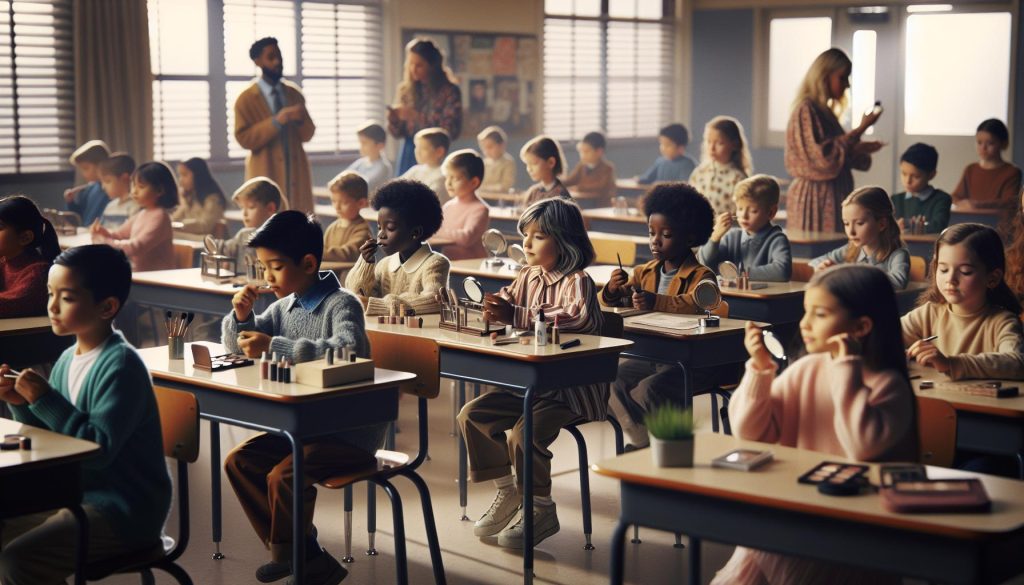
In recent years, the conversation around whether children can wear makeup to school has gained significant traction. With many states and districts adopting varied policies, understanding these regulations can empower parents and students alike. Most schools approach makeup rules with the intention of maintaining a focused educational environment while also considering students’ self-expression and individuality.
Different states exhibit a range of policies concerning makeup in schools. In some regions, makeup is allowed at the discretion of individual schools, while others may have stricter guidelines or outright bans, particularly for younger students. This discrepancy often reflects broader societal views and cultural norms regarding youth and beauty. For instance, in conservative areas, schools may implement more stringent makeup rules, citing concerns about distraction and suitability. On the other hand, progressive districts might embrace a more open policy, recognizing makeup as a form of creative expression.
To navigate this landscape, it’s essential for parents to engage with their school districts to understand the specific policies that apply to their area. This could involve reviewing the student handbook, attending school board meetings, or even initiating discussions with teachers and administrators. By proactively seeking information, parents can better prepare their children for school expectations and possibly advocate for more inclusive beauty policies.
Ultimately, while regulations vary, fostering open communication about makeup among children, parents, and educators can lead to a balanced approach-one that recognizes personal expression while also honoring the educational environment.
Understanding School District Policies on Makeup
Navigating the world of school policies on makeup can feel daunting for both parents and students. Many districts have their own regulations, and understanding these can be crucial for ensuring compliance while allowing for personal expression. The nuances of these policies can range from outright bans for younger students to more flexible guidelines for older teens, reflecting the varying cultural attitudes toward beauty and self-representation across regions.
In practice, many school districts establish policies that aim to maintain a focused learning environment. This often leads to general rules banning certain types of makeup, especially those deemed excessive or distracting. For instance, many schools discourage bold eye makeup or heavy foundations, emphasizing a preference for natural looks that do not divert attention in classrooms. To grasp what’s acceptable, it’s beneficial to check the student handbook or the school’s website for specific makeup guidelines. If nothing is clearly stated, initiating a conversation with school administrators can provide clarity and prevent any misunderstandings.
Consider how parents can play a role in shaping their children’s approach to makeup in accordance with school policies. Open discussions about the importance of following guidelines while still encouraging self-expression can help kids feel empowered. When parents convey that wearing makeup should be a choice made with care-balancing personal style with the expectations of their school-it fosters a positive attitude toward compliance.
For a practical approach, parents may wish to create scenarios with their children about what makeup looks acceptable for school versus more creative or elaborate styles for out-of-school events. This helps set realistic boundaries and encourages children to think critically about their choices. By actively discussing these topics, families can ensure that the conversation remains constructive and supportive, allowing kids to explore their identities within the limits set by school authorities.
The Age Factor: When Can Kids Start Wearing Makeup?
It’s not uncommon for parents and kids to wonder at what age makeup becomes an acceptable form of self-expression. While there’s no one-size-fits-all answer, several factors influence when children can start wearing makeup, including maturity, school policies, and individual family values. For many, this journey begins in pre-adolescence, around the ages of 10 to 12, when kids start to develop their personal style and peer influence starts to play a significant role.
When considering if a child is ready for makeup, evaluate their understanding of the purpose of makeup. It’s essential that they recognize makeup as a tool for self-expression rather than a means to conform to unrealistic beauty standards. A great way to approach this topic is through open conversations about the reasons behind wanting to wear makeup. Discuss why some individuals choose to wear it, what types of products might be appropriate for school settings, and how to apply them in a simple, age-appropriate way.
Here are some practical steps to help guide the conversation around age and makeup:
- Start Small: Encourage children to use light products like tinted moisturizer or lip balm at first, which can help ease them into the habit of wearing makeup.
- Focus on Learning: Teach them about different applications and basic makeup techniques, emphasizing natural looks that comply with school guidelines.
- Set Boundaries: Discuss with them when and where makeup can be worn, helping them understand school expectations while encouraging creativity outside of school hours.
Some schools might have a stricter approach, often advising that students in younger grades avoid makeup altogether or limit it to minor adaptations that don’t detract from the learning environment. In these cases, it’s crucial to respect the school’s policies while promoting your child’s right to self-expression during personal or social events. The goal should be to find a balance that respects school rules but allows for individual creativity to flourish at home or during extracurricular activities.
Ultimately, starting the makeup journey is a personal decision made better with family dialogue. By being supportive and proactive in discussing age-appropriate makeup, families can turn an otherwise daunting experience into an empowering gateway for self-expression and creativity.
Popular Makeup Products for Students: What’s Appropriate?
It can be exciting for students to explore makeup as a form of self-expression, but knowing which products are appropriate for school is essential for both students and parents. The key is to choose products that enhance rather than overpower, promoting a natural look that aligns with school guidelines.
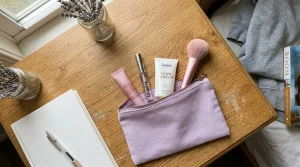
To start, think about light, breathable options that feel comfortable throughout the school day. Tinted moisturizers or BB creams are great foundations since they provide a hint of color and moisture without the heaviness of traditional foundations. Look for formulas with SPF to protect young skin from sun exposure, which is a bonus for everyday wear. Choose shades that match the student’s natural skin tone to keep the effect subtle.
When it comes to color cosmetics, lightly tinted lip balms or glosses are perfect for adding a pop of color without being distracting. Opt for products that contain nourishing ingredients like shea butter or coconut oil to keep lips hydrated. Similarly, cream blushes offer a natural flush and can be easily applied with fingers, giving a lively but not overwhelming appearance. For those who enjoy eye makeup, consider mascara that is formulated to be gentle and smudge-proof, providing a little definition without being too bold.
Essential Makeup Products
- Tinted Moisturizer/BB Cream: Provides light coverage and hydration.
- Tinted Lip Balm: Adds color and moisture, perfect for a natural look.
- Cream Blush: Gives a fresh, healthy complexion with easy application.
- Gentle Mascara: Enhances lashes without clumping or being too dramatic.
It’s important to teach students how to apply these products appropriately. For instance, a small amount of tinted moisturizer can be applied using fingers, blending it evenly over the skin for a flawless finish. Similarly, just a swipe of tinted lip balm adds a hint of color while maintaining a youthful look. Emphasizing a “less is more” approach helps them understand the distinction between makeup for school and makeup for more formal occasions.
Ultimately, equipping students with the right knowledge about appropriate makeup products and their application not only boosts their confidence but also aligns with school policies, allowing them to express their individual style in a way that feels suitable for their daily environment.
Cultural and Parental Influences on Kids Wearing Makeup
The decision for kids to wear makeup often mirrors the cultural and parental influences that shape their views on beauty and self-expression. In many families, makeup is seen as a rite of passage into adolescence-an exciting opportunity for self-discovery and personal style. However, these influences can vary significantly based on cultural backgrounds, community norms, and family values. Understanding these dynamics can help parents engage in open conversations about makeup with their children, fostering a supportive environment.
Cultural context plays a significant role in shaping children’s early experiences with makeup. For example, in some cultures, girls may start experimenting with makeup at a much younger age, often inspired by family traditions or media portrayals of beauty. This early exposure can lead to a sense of empowerment but can also create pressure to conform to certain aesthetics. Parents should reflect on how their own cultural practices and beliefs affect their children’s perception of makeup. Encouraging dialogue can help demystify these cultural influences and promote a balanced view of beauty that respects both tradition and individual preference.
Parental attitudes are equally crucial. Parents who display a healthy and balanced relationship with their own beauty routines often provide a model for their children. Encouraging children to see makeup as a tool for self-expression rather than a necessity can help foster confidence and a positive body image. It’s beneficial for parents to communicate openly about their beliefs regarding makeup, discussing its appropriate usage and addressing questions or concerns their children may have. For instance, explaining that while makeup can enhance features, it shouldn’t define one’s self-worth can instill self-acceptance in young minds.
Ultimately, guiding children through the maze of makeup choices involves recognizing these cultural and parental influences, supporting their choices, and promoting healthy self-expression. When children understand that makeup can be a creative outlet rather than a measure of beauty, they’re more likely to navigate the school environment confidently and appropriately. By actively participating in these discussions, parents can nurture resilience against peer pressure and cultivate a more nuanced understanding of beauty that celebrates individuality.
Navigating Peer Pressure: Makeup in the School Environment
Navigating the school environment can be a daunting experience for kids, especially when it comes to the pressures of fitting in and expressing individuality through makeup. As peer influences grow stronger in the school years, many children feel an urge to adopt beauty trends, including the use of makeup. It’s crucial for parents and guardians to guide children through this often confusing landscape while promoting healthy self-esteem and confidence.
Understanding Peer Pressure Dynamics
Peer pressure can manifest in various forms, such as subtle suggestions or overt expectations from friends. Children may feel compelled to wear makeup to “keep up” with classmates, aligning with group norms to avoid being singled out. This pressure can be exacerbated by social media, where heavily curated images set unrealistic beauty standards. It’s important for parents to help their children differentiate between genuine self-expression and the need for external validation. Encouraging open dialogue about feelings concerning makeup can empower children to make choices based on their unique preferences rather than succumbing to group pressures.
Setting Makeup Guidelines
Establishing a few basic makeup guidelines can create a sense of security for kids navigating peer dynamics. For instance, parents might agree on a few acceptable products for school-like a tinted lip balm or a light blush-while ensuring that the focus remains on natural beauty. This approach helps children enjoy the fun aspects of makeup without overemphasizing appearance. Having a clear understanding of school policies regarding makeup can also aid in preventing misunderstandings, adding another layer of confidence for kids as they navigate their school days.
Positive Self-Expression Techniques
Promoting self-expression doesn’t always have to involve makeup. Kids can explore alternative ways to express themselves, such as unique hairstyles, colorful accessories, or even expressive clothing. By reinforcing that self-expression comes in many forms, parents can help their children build a strong identity that isn’t solely reliant on makeup. For example, encouraging them to create mood boards or engage in creative projects can foster individuality and artistic expression without the need for cosmetic enhancements.
Key Takeaways
- Encourage Open Dialogue: Discuss feelings about makeup and peer pressure regularly to build trust.
- Define Boundaries: Set practical makeup guidelines to ease anxiety about fitting in.
- Explore Alternatives: Introduce other forms of self-expression, promoting a well-rounded identity.
In summary, by actively engaging with their children about makeup and peer influences, parents can nurture resilience and a strong sense of self-worth. Helping kids understand that their value is not tied to appearance is essential for navigating the complexities of school social dynamics.
Consequences of Makeup Violations in Schools
Navigating the world of makeup at school can bring excitement but also the potential for misunderstanding when it comes to school policies. Many schools enforce strict rules regarding the use of makeup, which can lead to a variety of consequences for students who violate these regulations. These consequences can vary significantly between districts, making it essential for students and parents to be informed about specific policies in their area.
When a student is found to be in violation of makeup policies, the repercussions can range from simple warnings to more serious consequences such as detentions or restrictions on participating in school activities. For example, some schools may require students to remove makeup on-site, while others might send them to a designated area or even involve a guardian for immediate resolution. This can be particularly embarrassing for students, potentially impacting their confidence and self-esteem.
In addition to disciplinary actions, makeup violations can shift the focus of education. Teachers and faculty might feel compelled to enforce dress codes and makeup restrictions, taking attention away from teaching and learning. This can create a tense environment, where students may feel judged or singled out rather than encouraged to focus on their academic endeavors.
Key Takeaways:
- Understand your school’s specific makeup policies to avoid any violations.
- Be aware that consequences can vary widely, from verbal warnings to more serious disciplinary actions.
- Recognize the impact on both individual students and the overall learning environment.
Ultimately, promoting a culture of understanding and flexibility can help schools find a balance that respects individual expression while maintaining a conducive learning atmosphere. Engaging in discussions with school administration about these policies might pave the way for more inclusive approaches that consider students’ desires to express themselves through makeup without compromising the educational experience.
Promoting Self-Expression: Beauty and Self-Confidence in Kids
Finding ways for kids to express themselves is crucial in fostering their self-esteem and confidence. When it comes to makeup, this form of self-expression can be particularly significant, especially as they navigate social environments like school. It’s a space where they want to feel as if they can express their unique identity while also adhering to the often rigid rules put forth by schools regarding appearance.
Many children view makeup as a creative outlet-a means to play with color and enhance their features. Allowing them to experiment with makeup can be empowering. For instance, a simple tinted lip balm or a soft blush can help them feel more put together and confident. It’s less about the makeup itself and more about the process of exploring their individuality and how they present themselves to the world. Encouraging this self-exploration can help them build a positive body image and foster an appreciation for their uniqueness.
However, it’s essential to approach this topic with sensitivity and understanding, particularly in a school environment where peer scrutiny can be overwhelming. Open dialogues with kids about why they want to wear makeup can lead to deeper conversations about self-esteem and societal pressures. Asking questions like, “What makes you feel good about yourself?” or “How do you express your creativity?” can help guide these discussions in a supportive direction, providing kids with the tools to articulate their feelings about beauty and self-expression.
Ultimately, the goal is not just to allow kids to wear makeup but to empower them to feel confident in their choices, whether or not they choose to wear it. Establishing ground rules that resonate with both parents and kids can help maintain a balance between individual expression and compliance with school policies, creating a nurturing environment for personal growth. Understanding that self-expression evolves and varies from one child to another will help everyone embrace the journey with patience and understanding.
Key Takeaways:
- Makeup can serve as a powerful tool for self-expression and confidence in kids.
- Encourage conversations about personal identity and self-worth rather than mere compliance with makeup rules.
- Fostering a supportive environment allows kids to explore their individuality safely and securely.
Alternatives to Makeup for Kids: Embracing Natural Beauty
Exploring natural alternatives to makeup can be an exciting journey for kids, allowing them to embrace their unique beauty while maintaining a sense of self-expression. Many children appreciate the idea of looking put-together without using products that may raise eyebrows within their school’s makeup policies. Here are several effective alternatives to makeup that can nurture their confidence and creativity.
One great option is using a tinted lip balm or a simple moisturizing lip gloss. These products not only add a hint of color but also keep lips hydrated and healthy. Look for balms that contain ingredients like shea butter or coconut oil, which nourish the lips while providing a subtle sheen. Beyond lips, a catchy hair accessory-like a colorful scrunchie or headband-can enhance one’s look without the need for makeup. Hair clips featuring fun shapes or bright colors allow kids to express their personality and complement their outfits.
For a fresh-faced glow, introducing an illuminating face mist can be a fantastic way for kids to feel rejuvenated. Products with natural ingredients like rosewater can hydrate skin and provide a lightened, dewy appearance. Teaching kids to experiment with natural face masks made from mashed bananas or honey not only fosters creativity but also gives a fun and gentle skincare routine. These masks can be a great bonding activity for parents and children that encourages self-care without the pressure of conventional beauty standards.
Nail art is another playful avenue for self-expression. Non-toxic nail polishes in various colors can allow kids to decorate their nails in fun designs. Allowing kids to explore simple nail art with dots or stripes can be a perfect way for them to play with creativity that doesn’t involve the face or heavy products. All these alternatives not only allow children to embrace their natural beauty but also promote self-confidence while complying with school regulations.
By encouraging kids to explore these options, you can help them develop a healthy relationship with beauty that focuses on self-acceptance and creativity rather than societal pressures. The aim is to foster an environment where children can enjoy expressing themselves in ways that feel authentic and nurturing.
Tips for Parents: Approaching Makeup Conversations
Navigating conversations about makeup can sometimes feel daunting for parents, especially when kids begin expressing interest in beauty products. It’s essential to approach these discussions with openness and understanding, as this sets the foundation for a healthy relationship with beauty. Start the conversation by asking your child what they like about makeup. This not only shows your interest but allows you to understand their perspective-whether it’s about fun, creativity, or self-expression.
When discussing the rules around makeup in school, it’s important to adapt the conversation based on their age and maturity. Younger kids might need clear guidelines on what’s appropriate, while teens may benefit from discussions about personal choices and the potential impacts of their decisions. Ensure they understand the school’s policies and encourage them to think critically about their makeup choices in relation to those rules. For example, explaining that schools may have specific restrictions can help them navigate any peer pressure they may encounter.
Encouraging creativity can foster a positive self-image. Discuss makeup as a form of art and self-expression rather than just a means to meet beauty standards. Suggest experimenting with fun colors for special occasions, while highlighting the importance of choosing products that align with any school regulations. Consider setting up “makeup free days” at home or exploring natural beauty alternatives together, reinforcing that beauty comes from confidence and individuality.
Lastly, reassure your child that it’s perfectly normal to have questions or curiosity about makeup. Share your own experiences, whether they are humorous or insightful. This builds trust and opens up a dialogue where they feel safe to express themselves without fear of judgment. Ultimately, being supportive and approachable will empower them to make informed choices about makeup, fostering both self-expression and adherence to school norms.
Reading Reviews: Parents’ Opinions on Makeup Policies
Parents have increasingly become vocal about how their schools regulate makeup use among students, sharing diverse opinions shaped by personal experiences, cultural beliefs, and educational philosophies. Many wish for inclusive policies that allow children the freedom to express themselves through makeup while also adhering to the appropriate learning environment. This balance often leads to rich discussions about the implications of makeup in school and the values they want to instill in their children.
Some parents advocate for a permissive approach, arguing that allowing makeup can boost a child’s self-confidence and creativity. They often note how positive experiences with makeup can help children express their individuality, especially during formative years when self-image is crucial. For instance, a mother from New Jersey shared that her daughter’s use of light makeup helps her feel more confident in her appearance, especially on days when she has presentations or events at school.
Conversely, other parents express concerns, fearing that makeup may distract from academics or perpetuate unrealistic beauty standards. They often advocate for clear guidelines on appropriate makeup use, suggesting students stick to minimal makeup to maintain focus on their studies. A parent from Texas shared her school’s policy allowing only natural-looking makeup, arguing that this compromise creates a suitable middle ground, allowing self-expression without crossing into distraction.
To navigate these differing views, many parents are engaging in discussions with school administrations, seeking clarity and consistency in policies. They emphasize the need for a collaborative approach, highlighting the role of parents, educators, and students in shaping these guidelines. By fostering dialogues that respect various perspectives, they hope to create an inclusive environment where children can explore beauty while still prioritizing their educational journey.
Ultimately, conversations surrounding makeup policies in schools reflect broader cultural discussions about beauty, self-expression, and youthful creativity. Parents are encouraged to engage openly with their kids about these topics to ensure that any makeup use aligns with their family’s values while supporting their children’s natural curiosity and self-development.
Finding Balance: Makeup Rules and Creative Freedom
Navigating the delicate balance between makeup rules and allowing creative freedom in schools can be challenging for parents and students alike. As children explore their identities, the use of makeup often becomes an expressive outlet. However, school policies can either support or stifle this self-expression, prompting ongoing debates among educators, students, and parents about what constitutes appropriate use in an academic setting.
To promote a thoughtful approach, consider these key points when discussing makeup policies at school:
Encourage Open Conversations
One of the most effective ways to find balance is to open dialogue with your child about makeup. Ask questions to understand their motivations for wanting to wear it-whether it’s for fun, to fit in with peers, or to boost confidence during presentations. By listening, you can help them articulate their feelings and develop their own views around makeup use.
Understand School Policies
Each school district may have different rules regarding makeup, influenced by local culture and community values. Take time to review your school’s specific policy. Some schools may allow only minimal makeup or require it to be “natural,” while others might be more lenient. Understanding these guidelines can help you and your child navigate any potential issues, allowing them to express themselves within the framework set by the school.
Explore Creative Alternatives
While some schools may have strict makeup policies, you can encourage your child to express themselves in other creative ways. Suggest hair accessories, colorful clothing, or artsy nail designs as alternatives that adhere to school rules while still allowing for personal expression. This way, your child can still enjoy the fun of experimenting with their appearance without conflicting with school guidelines.
Promote a Healthy Perspective
Discussing the implications of makeup use on self-image is vital. Emphasize that beauty comes in many forms and that confidence should stem from within, not solely from physical appearance. Help your child develop a balanced view that appreciates makeup as a tool for enhancement, rather than a necessity, fostering a sense of self-worth that isn’t tied to external validation.
Key Takeaways
- Communicate openly about the reasons behind wanting to wear makeup.
- Research school policies and be aware of regulations.
- Explore alternative forms of self-expression that align with guidelines.
- Encourage a healthy self-image and understanding of beauty.
By approaching makeup discussions with empathy and understanding, you can help your child navigate their journey of self-expression while respecting school norms. This balance fosters creativity and allows for growth in both personal and social dimensions.
Frequently asked questions
Q: What are common school makeup policies across different states?
A: Common school makeup policies vary by state, with some allowing minimal makeup for younger students while others enforce strict no-makeup rules. Generally, rural areas tend to be more conservative, whereas urban schools may embrace self-expression. Check your local district’s guidelines for specifics.
Q: How do parents influence kids’ makeup choices for school?
A: Parents significantly influence their children’s makeup choices by setting rules and discussing beauty standards. Open conversations about appropriate makeup can help children make informed decisions. Explore cultural differences in perceptions of beauty and makeup in your discussions.
Q: When do teens typically start wearing makeup to school?
A: Most teens begin wearing makeup to school around ages 12 to 14, influenced by peer trends and media. It’s essential for parents to guide them on appropriate usage and set reasonable boundaries to ensure their self-expression remains healthy.
Q: Are there health concerns with kids wearing makeup to school?
A: Yes, there can be health concerns if makeup is not used properly, such as allergic reactions or skin irritations. Parents should encourage children to choose hypoallergenic products and teach them about proper hygiene, including regular cleansing and removal of makeup.
Q: What are the consequences of wearing makeup against school rules?
A: Consequences for breaking makeup rules can range from a verbal warning to a parent notification, or even being required to remove the makeup at school. It’s advisable for students to know their school’s specific policies to avoid unexpected disciplinary actions.
Q: How can kids express their style without wearing makeup?
A: Kids can express their style without makeup through fashion, hairstyles, and accessories. Encourage creativity with colorful clothing, nail art, or temporary hair dyes as fun alternatives that allow self-expression while staying within school guidelines.
Q: Where can I find reliable information on my district’s makeup policies?
A: Reliable information on district makeup policies can usually be found on your school’s website or by contacting the school administration directly. Many districts publish their codes of conduct, which typically include guidelines on appearance and grooming.
Q: Why do some schools ban makeup altogether?
A: Some schools ban makeup altogether to maintain a focus on education and minimize distractions. This approach often stems from attempts to foster a more uniform environment, reduce peer pressure, and promote self-acceptance among students.
To Wrap It Up
As we navigate the question of whether kids can wear makeup to school, remember the importance of knowing both state-specific rules and district guidelines. This empowers you to make informed decisions while also respecting school policies. If you still have doubts or concerns about your child’s makeup choices, feel free to explore our articles on age-appropriate beauty tips and nurturing self-expression through makeup.
Don’t leave your questions unanswered! Dive deeper into our resources by checking out related posts on beauty rules and self-confidence in children. Additionally, consider subscribing to our newsletter for updates on the latest trends and helpful tips that cater to your family’s wellness and grooming needs.
Your engagement matters! Share your thoughts or experiences in the comments, and let’s keep the conversation going. Together, we can help each other navigate the world of makeup and self-expression for our kids with confidence and clarity.
Do Some Kids Wear Makeup in High School? Modern Campus Trends
Parents and students frequently ask: do some kids wear makeup in high school? Yes, a significant portion of high school students wear makeup, but the aesthetic has shifted dramatically away from heavy full-coverage glam toward subtle, skincare-infused minimalism.
Modern high school trends prioritize natural skin glow—utilizing tinted moisturizers, brow gels, cream blushes, and subtle lip oils. At the same time, many students comfortably choose to wear zero cosmetics, demonstrating that high school culture today supports diverse personal style choices without mandatory conformity.
School Dress Code Guidelines & Practical Tips:
- Keep It Natural for Classrooms: Subtle makeup that looks fresh and neat easily complies with district grooming policies.
- Check Student Handbooks: Most schools restrict theatrical face paint, excessive glitter, or looks that disrupt the instructional environment.
- Quick 5-Minute Morning Routine: Focus on sun protection, eyebrow grooming, and a hydrating lip tint for a polished everyday look.
Get our latest guides, news, and insights highlighted in your Google Search & AI Overviews.