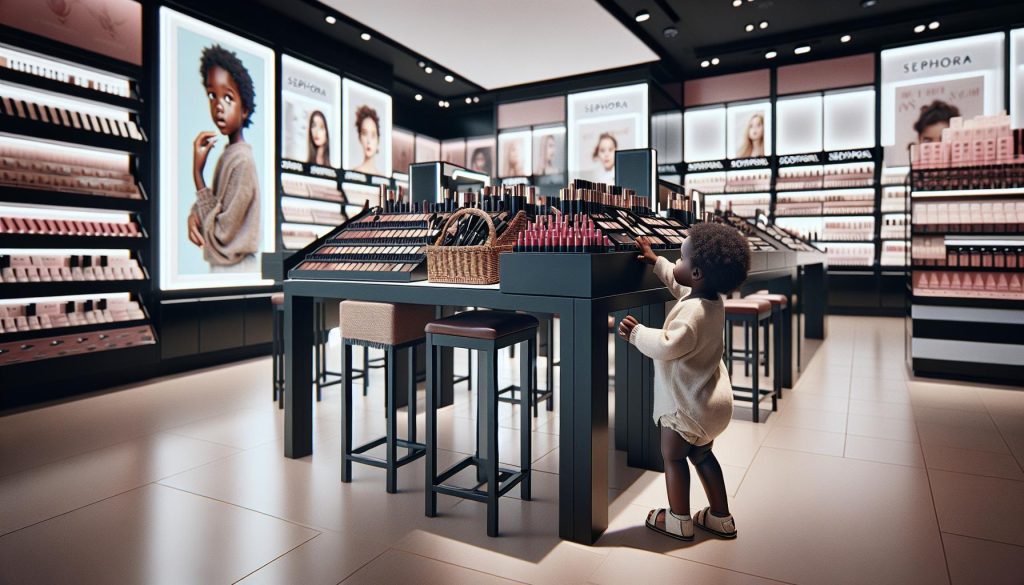
In a world where beauty products are cherished and sometimes treated like art, the idea of a child wreaking havoc in a Sephora store is both shocking and oddly relatable. We all know how easily kids can get carried away, especially in vibrant spaces filled with colors and textures. This incident raises important questions about product safety, parental responsibility, and the impact of social media.
As we dive into the story of whether a kid really destroyed makeup at Sephora, you’ll discover the nuances behind the headlines and what truly happened. Understanding this situation not only sheds light on the challenges retailers face but also connects to broader themes about how we view beauty, consumption, and the experiences we create for our children. So, let’s explore the truth behind this captivating tale and what it means for all of us in the beauty community.
Did a Child Accidentally Ruin Expensive Makeup?
Accidents can happen anywhere, especially in bustling environments like a Sephora store. Picture this: a child innocently exploring the vibrant realm of makeup, their curiosity leading them to grab and perhaps shake a bottle of foundation or pop the lid off a luxurious lipstick. This scenario, while unfortunate, raises questions about how such incidents can affect both shoppers and retail businesses alike.
When expensive makeup is involved, the stakes get higher. Not only is the affected item a financial loss for the retailer, but it can also create a tense environment for nearby customers who may feel uncomfortable witnessing the chaos. For parents, it poses a challenge of managing excited children while being mindful of high-end products around them. Such events compel us to consider the responsibilities that come with shopping in beauty stores, particularly those filled with delicate and pricey items.
One significant aspect of this situation is the handling of makeup products in retail settings. High-touch items are often kept out of reach to minimize accidental damage, yet curious little hands can sometimes bypass these precautions. Understanding how retailers approach product safety is crucial for consumers and parents alike. It emphasizes the importance of supervision and education in spaces filled with tempting cosmetics.
Ultimately, incidents like these remind us of the human side of retail. Employees must navigate the complexities of customer interactions, ensuring everyone’s experience remains positive despite occasional mishaps. These situations challenge us to reflect on our shopping habits and the dynamics at play when children-full of wonder and enthusiasm-explore the colorful world of beauty.
Behind the Viral Sephora Makeup Incident
In a world where makeup mishaps frequently find their way to social media, one incident at Sephora captured the attention of beauty enthusiasts and casual shoppers alike. Videos showing a child accidentally knocking over a display of expensive foundations and lipsticks triggered widespread reactions, turning the event into a viral sensation. Instantly, the images flooded platforms like TikTok and Instagram, sparking numerous discussions about the realities of shopping with children in beauty stores and the challenges retailers face when showcasing high-end cosmetics.
Many viewers resonated with the apparent chaos that unfolded, reflecting on the unpredictable nature of children, particularly in environments that can be overwhelmingly exciting. While the incident resulted in a significant cleanup, it also highlighted a familiar dilemma: how can parents effectively supervise their curious little ones without stifling their natural exploration? This incident serves as a case study in balancing the thrill of beauty shopping with the mischief that can arise from an innocent touch.
Social media reactions ranged from sympathetic to humorous. Some expressed empathy for the parents caught in the moment, while others took the opportunity to make light of the situation, sharing their own stories of similar mishaps. Such narratives create a sense of community; they remind us all that accidents happen-especially in retail spaces where carefully curated products meet the unsteady hands of youth.
For Sephora and other beauty retailers, this incident brings attention to their product placement strategies. It emphasizes the need for effective signage, possible barriers for high-value items, and enhanced staff training to manage unexpected situations. Retail employees often find themselves balancing customer service with safety, needing to assist enthusiastic shoppers while also protecting merchandise. This incident reminds us of the importance of empathy in retail, not just for customers but for the staff navigating these unique challenges every day.
Why All the Buzz About This Makeup Mishap?
In a world where social media amplifies every little incident, the recent makeup mishap at Sephora has sparked an outpouring of conversation, amusement, and reflection. The fact that a child could turn a shopping expedition into a viral event by merely knocking over expensive beauty products is a humorous reminder of how unpredictable life can be, especially when children are involved. This incident resonated deeply with many shoppers, as it highlights the challenges and joys of managing kids in places not typically designed for their energetic exploration.
The buzz around this incident is multifaceted. For one, it has reignited discussions about the appropriateness of children’s access to luxury beauty products. Parents and caregivers naturally express concerns about supervision in environments filled with tempting, yet fragile items. As video clips of the incident circulated, many took the opportunity to share personal anecdotes of their own shopping blunders involving children, creating a sense of solidarity among parents. This connection reinforces the idea that everyone, regardless of their experience level with kids, has faced similar challenges.
Moreover, the situation sheds light on the serious side of retail dynamics. Sephora and other beauty brands may need to reconsider their product placements and in-store safety protocols. The sheer value of high-end items presents unique challenges for retailers, pushing them to balance aesthetic presentation with practical measures that protect merchandise from accidental damage. This incident serves as a case study on how businesses can respond to such mishaps by not only improving preventive measures but also showing empathy to families navigating shopping experiences together.
Ultimately, the viral nature of this incident is less about the goods that were affected and more about the human stories that unfold in retail spaces. It reminds us all that while we may seek perfection in our beauty routines or shopping experiences, we must also embrace the chaotic, delightful unpredictability of everyday life. This playful mishap has not only entertained but has also encouraged conversations about parenting, retail realities, and the art of finding humor in unexpected situations.
What Actually Happened in the Store?
In the bustling environment of a Sephora store, an unexpected mishap unfolded that quickly turned into a viral sensation. While browsing through aisles filled with high-end makeup products, a child, in a moment of curiosity and exuberance, accidentally knocked over several items, leading to a cascade of expensive cosmetics tumbling to the floor. The scene, capturing the playful chaos that often occurs in retail spaces, became all too relatable for many parents who have experienced similar shopping adventures.
Witnesses described the moment as both shocking and oddly amusing. Shouts of surprise filled the air as shoppers turned to see what had happened, and laughter soon replaced the initial gasp. The parents, caught in an awkward situation, were understandably embarrassed, yet the collective response from surrounding customers was filled with empathy. Many shared knowing smiles, recognizing that accidents happen, especially in family-friendly environments.
The incident was caught on camera by other shoppers, and before long, social media platforms were abuzz with clips showcasing the moment. Hashtags like #MakeupMishap and #KidsWillBeKids gained traction as users chimed in with their own stories of parenting trials and tribulations, further fueling the conversation. Sephora employees, trained to handle retail challenges with grace, moved quickly to assess the damage while maintaining a supportive atmosphere for the family involved.
This scenario highlights the delicate balance retailers must strike between product presentation and the realities of everyday shopping with children. Major brands, including Sephora, often display products in inviting ways, which can inadvertently lead to these types of accidents. As discussions about this incident spread, many began to call for brands to consider safer arrangements for showcasing products, thereby minimizing potential mishaps without sacrificing aesthetics. Ultimately, it became a moment of shared humanity amid the hectic pace of shopping, allowing everyone to see the humor in what could have been a far more distressing situation.
The Reactions: Customers, Employees, and Social Media
Amid the chaos of the makeup mishap at Sephora, the reactions from customers and employees painted a vivid picture of shared understanding and empathy. While the initial shock of seeing expensive cosmetics topple over was palpable, it quickly transformed into a collective moment of recognition. Many shoppers, drawn from their browsing, turned to witness the scene, and laughter soon erupted as the absurdity of the situation sank in. Parents, who often juggle the unpredictability of shopping with children, exchanged knowing glances and supportive words, creating an environment where embarrassment was swiftly replaced with camaraderie.
In the aftermath, social media lit up with clips of the incident, showcasing the lighter side of a potentially stressful scenario. Hashtags like #MakeupMishap and #KidsWillBeKids began trending, providing a platform for parents and onlookers to share their own anecdotes. This surge of social media engagement transformed the mishap into a humorous discussion about parenting realities, allowing many to relive moments where their own kids inadvertently created chaos in public spaces. The sense of community in these shared experiences made it clear that no one was alone in navigating the challenges of parenting and shopping.
Sephora employees, trained to handle such situations, approached the mishap with poise and efficiency. They quickly assessed the damage while maintaining a friendly demeanor, reassuring the embarrassed family that it was just an accident. Their thoughtful response highlighted the crucial role employees play in nurturing a positive shopping environment – they turned a stressful moment into one of kindness and understanding. This incident also sparked conversations around customer service best practices, emphasizing the need for retail staff to remain composed and supportive in any situation.
Ultimately, the blend of humor, empathy, and quick-thinking customer service turned a simple accident into a heartening narrative of human connection. In the retail world, where products and displays often take center stage, this incident served as a reminder that a little grace and humor can go a long way in building community and resilience among shoppers and staff alike.
Understanding Sephora’s Makeup Return Policy
is crucial for both regular shoppers and those involved in unexpected mishaps like the one that recently went viral. Knowing the ins and outs of what can be returned or exchanged can alleviate stress, especially in unforeseen situations, such as a child unintentionally damaging a product.
Sephora’s return policy traditionally allows customers to return or exchange products within 60 days of purchase, provided they have the original receipt. This includes items that were opened and used, which is particularly accommodating in the cosmetics realm where customers often try products before deciding if they’re suitable. If a product is damaged due to an accident-like a playful child toppling over a display-the store often exhibits compassion and will usually work with customers on a solution.
It’s also important to understand that there may be variations in policies based on regional store guidelines, online orders, or promotions. For example, some seasonal promotions might have specific return rules, and purchases made on sale may be final sale items. Always check the tag or receipt for details, or inquire with a customer service associate if you’re unsure. Even in the case of a mishap, Sephora employees are typically trained to handle such situations graciously, ensuring that the experience remains positive rather than embarrassing.
If you find yourself in a situation where a product is accidentally damaged, don’t panic. Approach a store associate calmly and explain the situation. Many times, they will appreciate your honesty and be willing to assist with a return or exchange, helping to turn a tricky moment into a manageable one.
In conclusion, a solid understanding of Sephora’s return policy not only enhances your shopping experience but prepares you for unexpected events. So the next time you find yourself in a beauty aisle with your little ones, you’ll feel equipped with knowledge and confidence should an incident occur, allowing you to navigate the situation smoothly.
How Makeup Products Are Handled in Retail Stores
Navigating a beauty store can feel like a dream, where rows of vibrant products beckon for attention. However, the handling of makeup items in retail environments, such as Sephora, is a vital factor in maintaining product integrity and customer satisfaction. Each product you see is carefully curated and stocked, involving intricate processes that ensure everything from hygiene to display is taken into account.
When makeup products arrive at the store, they typically undergo a thorough inspection. This includes checking for any damage during shipping and ensuring that products are sealed and intact for customer safety. While shoppers love to test and explore, it’s important to note that many high-end brands implement strict tamper-proof seals to prevent misuse. Retail employees regularly monitor stock for damaged items, removing anything that isn’t fit for display.
In the context of a busy store with families and children, the handling of makeup can sometimes lead to mishaps, such as an accidental fall or spill. If a child does inadvertently knock over a display or drop a product, employees are trained to assess the situation calmly. More often than not, they approach these incidents with understanding, prioritizing customer service and satisfaction over strict adherence to policy. This compassionate approach not only helps in maintaining a welcoming environment but also reassures customers that they won’t face undue penalties for genuine accidents.
Additionally, stores often have processes in place for returning or exchanging damaged products. If an item is broken due to an accident, bringing it to the attention of a staff member can lead to a swift resolution, whether it be a replacement or store credit. This approach fosters a positive shopping experience and mitigates the stress of accidental damage, allowing everyone-especially parents-to shop with peace of mind.
The dynamics of handling makeup in retail spaces highlight the balance between maintaining product quality and promoting a welcoming atmosphere for all customers. With a little understanding and communication, shopping for beauty products can remain a delightful experience, even amidst the chaos that children sometimes bring.
The Impact of Accidental Damage on Retail Brands
Accidental damage in retail environments, especially in the beauty industry, can have significant implications for brands like Sephora. When a child accidentally destroys pricey makeup, it’s not just a loss of inventory; it can ripple out to affect customer perceptions, brand loyalty, and even company policies. For many customers, seeing a brand handle accidents gracefully can enhance their perception of that brand. Open and understanding responses from staff during such incidents reassure customers that mistakes are part of life-and that they can feel safe shopping in those spaces, even with children.
The reality is that children are curious and sometimes clumsy, leading to mishaps that can result in costly damages. Despite the potentially negative financial impact, how the store addresses these situations is crucial. When Sephora employees approach an accident with empathy and understanding, it sends a positive message. This response can convert a potentially negative experience into a positive one, reinforcing customer loyalty. For example, instituting a flexible return policy for accidentally damaged products can showcase the brand’s commitment to customer service, mitigating the overall impact of such accidents.
Moreover, retailers have the opportunity to learn from these incidents. Analyzing data from occurrences can provide insights into how to design stores better-perhaps by placing more valuable items in secure displays or improving store layout to minimize the chance of accidents. Furthermore, brands can initiate customer education campaigns, guiding shoppers on how to handle products carefully to prevent damage while still enjoying the exploration of beauty products.
In the end, while accidental damage might be perceived as a setback, it can serve as a pivotal moment for growth and enhanced engagement with customers. Creating a culture of understanding and responsive service can transform mishaps into opportunities to reinforce customer relationships, ultimately benefiting the retail brand long-term.
Exploring Kid Behavior in Stores: What to Know
When it comes to shopping with kids, their natural curiosity can turn a routine visit into a chaotic adventure. In stores like Sephora, where colorful products and enticing displays beckon, it’s no surprise that accidental mishaps can happen. Understanding typical kid behavior in retail spaces is crucial for parents and guardians. Kids are explorers by nature; they touch, pull, and sometimes drop items without fully comprehending the consequences of their actions.
One key aspect of navigating these situations is to maintain a calm and encouraging environment. When children interact with makeup or beauty products, they’re often attracted to bright colors and attractive packaging. Teaching them about the items-what they do and how they’re used-can foster a sense of responsibility. Instead of scolding, consider guiding them in a more controlled manner. For example, explain why it’s important to be gentle with products and how damage can affect others’ ability to enjoy those items.
Another effective strategy is to actively engage your children during shopping trips. Give them specific tasks, like finding a product or helping to choose a new lip balm. This not only keeps them occupied but also makes them feel included, which can reduce impulsive behaviors. Additionally, setting clear boundaries about what is acceptable behavior in-store before entering can prepare them for the visit. Discuss that certain areas, like those with expensive items, require extra caution.
If an accident does occur, remain composed. The key takeaway here is that accidents are part of the learning process for both children and adults. Reinforce the idea that mistakes happen and that being kind and polite to store staff during such incidents goes a long way. This not only teaches children about empathy but also how to react in a way that reflects positively on themselves. Ultimately, instilling these values and communication strategies will make shopping experiences smoother and more enjoyable for everyone involved.
Tips for Handling Makeup Around Kids Safely
When navigating the colorful and enticing world of beauty stores like Sephora, it’s essential to equip both yourself and your children with strategies to handle makeup safely. Accidental spills or drops are common, but with a little preparation, you can minimize the chances of mishaps.
One effective approach is to practice proactive engagement. Before setting foot in the store, have a chat with your kids about the products they might see. Explain what makeup is and why it’s valuable, emphasizing the importance of treating items gently. Having them help choose a product can give them ownership of the experience, making them more mindful. For instance, ask them to find a specific shade of lipstick or help select a moisturizer. Tasks like these help keep kids focused and reduce impulsive handling.
Another vital tip is to set clear boundaries. Before entering the store, discuss what behavior is expected, such as no touching unless given permission. Remind them that while it’s fun to explore, some items are delicate. For younger children, consider developing a simple signal they can use when they want to reach for something-this can help manage excitement and maintain control during your visit.
In the unfortunate event that an accident does occur, practice grace under pressure. Encourage your children to apologize if they break or spill something, and model kind and polite interactions with store staff. This teaches not only accountability but also empathy, essential lessons for their social development. Reinforcing that mistakes happen can help them learn and grow from the experience.
By executing these strategies, you empower your children to enjoy the beauty shopping experience without unnecessary worry. Remember, it’s all about striking a balance between creativity exploration and providing a safe environment for both the kids and the products.
Lessons Learned from the Sephora Incident
Sometimes, an unexpected incident can turn into a valuable learning experience, especially in an environment bustling with beauty enthusiasts and curious kids. The recent mishap involving a child accidentally damaging products in a Sephora store highlights the crucial lessons for parents, children, and retailers alike.
One of the first lessons drawn from the incident is the necessity of proactive communication between parents and children before entering stores like Sephora. Engaging kids in conversation about the importance of respecting items can set a positive tone. When children understand the worth of the products, they are more likely to handle them with care. This could involve simply explaining before your visit why makeup can be delicate and expensive, or even making a game out of identifying items without touching them.
An essential takeaway is the importance of establishing clear boundaries for behavior while shopping. Set guidelines like “no touching unless I say so,” and encourage children to express their curiosity in ways that don’t involve grabbing products. For instance, you could prompt them to point out things they find interesting instead of reaching for them. This approach not only minimizes accidental damage but also teaches respect for personal and shared property.
Another critical lesson revolves around the response to accidents when they happen. Encouraging children to take responsibility for their actions teaches accountability and empathy. If a mishap occurs, a sincere apology to the store staff can go a long way. It helps children understand that while mistakes can happen, being polite and owning up to them is essential in social interactions.
Lastly, this incident shines a light on how retailers can enhance their shopping environments. Stores might consider strategically placing items or offering interactive displays at children’s eye level to encourage responsible engagement with products. Such changes can create a more enjoyable atmosphere for families while still protecting their merchandise.
In summary, the Sephora incident serves as a reminder that with the right approaches-open communication, clear expectations, respect for boundaries, and positive learning moments-parents and kids can navigate the beauty shopping experience together more safely and successfully.
Frequently asked questions
Q: What led to the viral video of a child in Sephora?
A: The viral incident was sparked by a video showing a child accidentally damaging makeup products in a Sephora store. This captivated online audiences, prompting discussions about children’s behavior in retail environments and the responsibility of parents.
Q: How did customers react to the Sephora makeup incident?
A: Customers had mixed reactions to the incident, with some expressing sympathy for the child and others criticizing the lack of supervision. Social media commentary varied widely, reflecting diverse perspectives on parenting in public spaces.
Q: What are the financial implications for Sephora following the incident?
A: Sephora may face financial implications, such as potential losses from damaged products and impacts on brand reputation. However, it also presents an opportunity to engage with customers about their makeup return policy and customer service approach.
Q: How do retailers typically handle damage to products caused by children?
A: Retailers often have policies in place for managing accidental damages, which can include allowing returns or exchanges for damaged items. However, the specifics can vary significantly between stores, including Sephora.
Q: What steps can parents take to prevent makeup damage in stores?
A: Parents can prevent makeup damage by keeping a close eye on their children and discussing boundaries about touching products. Encouraging kids to understand the value of items can also foster better behavior in retail settings.
Q: What did Sephora say about the makeup mishap?
A: Sephora generally responds to incidents like these by emphasizing their commitment to customer satisfaction and safety. They may also highlight their policies on product handling and return guidelines as a way to address customer concerns.
Q: How do social media trends affect perceptions of retail incidents?
A: Social media trends can amplify public reactions and create viral narratives around retail incidents, influencing consumer perceptions. Such incidents often spark wider conversations about parenting, retail policies, and social responsibility that resonate beyond the original event.
Q: What can retailers learn from the Sephora makeup incident?
A: Retailers can learn the importance of creating a safe shopping environment and the necessity of training staff to handle similar situations effectively. Developing clear policies and engaging with customers online can also help mitigate the effects of such incidents.
The Conclusion
Now that we’ve uncovered the truth behind the incident of the kid allegedly destroying makeup at Sephora, it’s clear that context is key. Remember that accidents can happen anywhere, but it’s our response that defines the situation. If you’re uncertain about how to handle similar experiences or want to dive deeper into beauty trends, check out our articles on how to choose the right makeup for your skin type and tips for discussing beauty products with kids.
Don’t forget to subscribe to our newsletter for the latest beauty insights, and feel free to share your thoughts on this topic in the comments below! What are your experiences or tips for navigating beauty shopping with children? Let’s keep the conversation going!
Get our latest guides, news, and insights highlighted in your Google Search & AI Overviews.