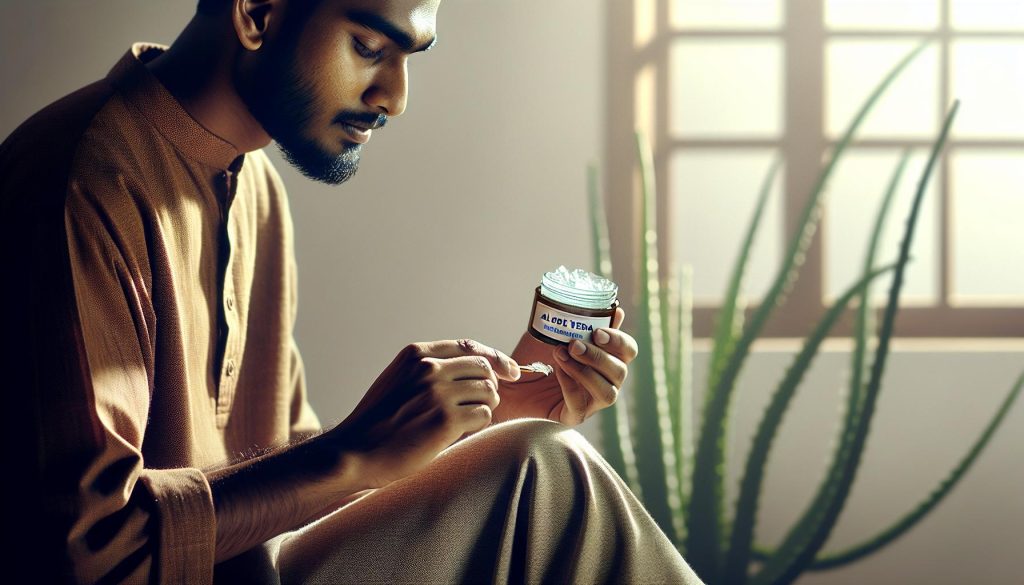
Razor bumps can be an annoying side effect of shaving, often leading to redness, irritation, and even discomfort. If you’ve found yourself struggling with these pesky bumps, you’re not alone. Many people are on the lookout for solutions that soothe and heal the skin. Enter aloe vera, a well-known plant celebrated for its skin-loving properties. This natural remedy is often touted for its soothing gel, which some believe can provide significant relief from the irritation caused by razor bumps. In this article, we’ll explore the soothing properties of aloe so you can determine if it’s the right treatment for you. Discover how to harness its benefits to help your skin recover and feel comfortable again!
Does Aloe Vera Help with Razor Bumps?
Using aloe vera for razor bumps can be a game-changer due to its remarkable soothing qualities. This succulent plant is renowned not only for its hydrating properties but also for its ability to calm irritated skin. When razor bumps occur, they are often the result of ingrown hairs or inflammation from shaving, leading to redness and discomfort. It’s where aloe vera steps in, serving as a natural remedy that many have turned to for relief.
By applying aloe vera directly to the affected area, you can leverage its anti-inflammatory properties. This gel-like substance helps reduce swelling and redness, making it an effective treatment for these pesky bumps. To use aloe vera, gently apply a thin layer of fresh aloe gel or store-bought aloe vera to the bumps after shaving. Aim for a dime-sized amount and massage it into the skin using gentle circular motions. This method not only promotes absorption but also enhances the soothing effect, leaving your skin feeling cool and refreshed.
Many individuals have successfully incorporated aloe vera into their skincare routines, often noticing a significant reduction in irritation after shaving. It is particularly effective for those with sensitive skin types, providing hydration without clogging pores. As with any skincare product, it’s essential to monitor how your skin reacts and adjust usage accordingly. The key takeaway is that aloe vera is a simple, natural solution worth trying for razor bumps, offering both immediate relief and long-term skin health benefits.
Understanding Razor Bumps: Causes and Symptoms
Razor bumps can turn a smooth shave into a source of discomfort and irritation, impacting your grooming confidence. These small, inflamed bumps, often red or dark, typically emerge after shaving due to hair becoming trapped under the skin or emerging at an angle, leading to inflammation. Understanding their causes is the first step toward finding an effective solution.
The primary culprits behind razor bumps are ingrown hairs, which can occur when hair follicles get obstructed, often exacerbated by shaving techniques that irritate the skin. This can be particularly common in individuals with curly or coarse hair, as these hair types are more prone to becoming ingrown. Other contributing factors include using dull razors, shaving too closely, or not preparing the skin properly before the shave, all of which can irritate the skin and lead to inflammation.
Symptoms of razor bumps usually manifest as small, raised areas of red or darkened skin, often accompanied by itching or tenderness. In some cases, they might resemble pimples and can even become infected if not treated properly. This discomfort can affect not just your appearance but also your overall comfort, making it essential to take preventive steps and find soothing remedies to ease irritation.
Recognizing the causes and symptoms of razor bumps can empower you to adopt better shaving practices and explore remedies like aloe vera. By understanding your skin’s reactions and making adjustments, you can keep your skin smooth and irritation-free, leading to a more enjoyable grooming experience.
The Soothing Properties of Aloe Vera
Aloe vera is often celebrated for its soothing and healing properties, making it a popular choice among those dealing with skin irritations, including razor bumps. The gel derived from the leaves of the aloe vera plant is rich in vitamins, minerals, and enzymes, which work together to promote skin healing and reduce inflammation. This natural remedy is not just effective; it’s also gentle on the skin, making it suitable for all skin types.
When applied to the skin, aloe vera acts as a powerful anti-inflammatory agent, helping to calm the redness and swelling associated with razor bumps. Its cooling effect can provide immediate relief from itching and discomfort, making it particularly beneficial right after a shave. The gel hydrates the skin, which is essential for repairing any micro-tears or irritation caused by shaving. Additionally, aloe vera contains compounds that can help to speed up the healing process, reducing the likelihood of developing further irritation or ingrown hairs.
To use aloe vera effectively for razor bumps, you can take a small amount of pure aloe vera gel and apply it directly to the affected areas after shaving. Use clean fingertips to gently massage it into your skin in circular motions to enhance absorption. Allow it to sit for about 10-15 minutes before rinsing it off or leaving it on as a soothing mask overnight. This simple routine can significantly improve your skin’s texture and comfort, transforming your post-shave routine into a nourishing experience.
Incorporating aloe vera into your grooming regimen doesn’t just help combat razor bumps-it can also be a preventive measure. Regular application can keep your skin moisturized and reduce the chances of hair becoming trapped in the follicles after shaving. With its rich array of nutrients, aloe vera stands as a natural champion in the quest for irritation-free skin, inviting you to embrace a smooth and comfortable grooming experience.
How to Use Aloe Vera for Razor Bumps
Aloe vera is a standout in the world of natural skin care, especially when it comes to soothing razor bumps. This remarkable plant not only hydrates but also has anti-inflammatory properties that can ease the discomfort that often follows shaving. When used correctly, aloe vera can transform your post-shave routine into a refreshing ritual that promotes healthier skin.
To effectively use aloe vera for razor bumps, start by selecting a pure aloe vera gel-preferably one that contains no added fragrances or chemicals. You can either scoop the gel directly from a fresh aloe vera leaf or purchase a high-quality product. After shaving, gently cleanse the affected area with water to remove any remaining shaving cream or debris. Take about a dime-sized amount of the aloe vera gel and apply it directly onto the bumps. Use your fingertips to massage the gel into your skin with gentle, circular motions for about 30 seconds. This not only helps with absorption but also enhances circulation in the area, promoting healing.
For maximum benefit, allow the gel to stay on your skin for at least 10 to 15 minutes. If you prefer, you can leave it on overnight as a soothing mask. This longer application can provide even greater relief and hydration, helping to minimize irritation and reduce the likelihood of ingrown hairs. Additionally, consistency is key; incorporating this practice into your grooming routine regularly can enhance your skin’s resilience and reduce the occurrence of razor bumps over time.
In sum, using aloe vera is a simple yet powerful way to manage razor bumps. By applying it after shaving, you leverage its natural properties to curb inflammation, promote healing, and keep your skin in great shape-all while enjoying a cooling sensation that feels refreshing, not irritating.
Comparing Aloe Vera with Other Remedies
Aloe vera is often hailed as a miracle plant for skin care, especially when battling issues like razor bumps. However, understanding how it stacks up against other remedies can help you make informed choices for your grooming routine. Aloe vera offers hydration and anti-inflammatory benefits, but it’s essential to evaluate other popular treatments available for razor bumps to find what’s best for your skin.
Common Alternatives to Aloe Vera
When it comes to treating razor bumps, several alternatives compete with aloe vera’s soothing properties. Here are some notable options:
- Tea Tree Oil: Known for its antibacterial and antifungal properties, tea tree oil can prevent infections related to razor bumps. When diluted with a carrier oil, it helps reduce inflammation and soothe irritated skin.
- Witch Hazel: This natural astringent is excellent for reducing inflammation and disinfecting the skin. It helps tighten the skin’s surface and reduce redness, making it a popular choice post-shave.
- Hydrocortisone Cream: A non-prescription option, hydrocortisone cream can help relieve intense inflammation and itching. While effective, it’s not recommended for long-term use due to potential side effects.
Each of these options has its own set of benefits and can work well in different situations. For instance, if you’re prone to breakouts, tea tree oil might be more effective, whereas if you want something quickly calming for inflamed skin, witch hazel could do the trick.
Why Choose Aloe Vera?
While there are numerous options available, aloe vera stands out due to its unique blend of hydrating and healing properties. Unlike some topical treatments that can be harsh or irritating, aloe vera tends to be gentle on the skin. It’s particularly beneficial for sensitive skin types since it has a natural capability to soothe sunburns and razor bumps alike without causing additional irritation.
Moreover, using aloe vera in its pure form-either fresh from the plant or as a natural gel-ensures that you are applying a product free from unnecessary additives and chemicals. This aligns well with the increasing desire for more organic and simple grooming habits.
In conclusion, while aloe vera is a powerhouse for treating razor bumps with its soothing benefits, alternatives exist that might suit your specific skin type and needs. It’s often helpful to experiment with a combination of treatments to see what works best for your skin. The right approach not only helps in managing razor bumps but also contributes to an overall effective grooming routine.
When to Seek Professional Help for Razor Bumps
Razor bumps, while common, can sometimes lead to further complications that warrant professional attention. If you notice ongoing or increasing irritation that doesn’t improve after a few days of self-care treatments like aloe vera, it might be time to consult a dermatologist. Persistent bumps, redness, or swelling can indicate an underlying issue, such as folliculitis, which is an inflammation of the hair follicles. This can be accompanied by pus-filled blisters or tender areas, suggesting an infection that needs immediate attention.
Seek help if you’re experiencing severe symptoms. Here are some specific signs that it’s time to reach out to a healthcare provider:
- Increased pain or discomfort: If razor bumps become increasingly painful rather than improving, it’s a signal that your skin may not be responding to home treatments.
- Signs of infection: Symptoms such as oozing, a fever, or spreading redness can indicate a bacterial infection that requires medical intervention.
- Chronic irritation: If razor bumps are a recurrent issue, it might be indicative of an allergic reaction or a need for a different shaving method.
- Discoloration or changes in skin texture: Any significant change in your skin that persists should be evaluated to ensure there isn’t a more serious condition at play.
An expert can provide tailored advice and may even prescribe topical or oral treatments to help you recover more quickly. Additionally, if shaving causes regular trouble, discussing alternative hair removal methods could set you on the path to smoother skin without the complications associated with traditional shaving.
Being proactive about your skincare isn’t just about treating the symptoms; it’s about understanding when to seek help to prevent further issues. Remember, caring for your skin is a journey, and professional guidance can empower you to make the best choices for your individual needs.
Real User Experiences: Aloe Vera Success Stories
Many users have turned to aloe vera as a natural remedy for razor bumps, sharing heartwarming success stories that highlight its soothing properties and effectiveness. One user, Jamie, experienced chronic irritation after shaving, often resulting in painful bumps. After trying various treatments that provided little relief, Jamie decided to give pure aloe vera gel a shot. The results were remarkable-applying a thin layer over the affected areas immediately reduced redness and inflammation. Over the course of a week, Jamie noticed significant improvement, leading to a smoother shave with minimal bumps.
Another user, Alex, had a similar journey, often struggling with post-shaving irritation. Inspired by a close friend’s recommendation, Alex began using aloe vera gel right after shaving. Every night before bed, a generous dollop applied to sensitive areas worked wonders. Alex shared that the gentle cooling sensation was not just comforting-it also helped calm the skin and diminished the appearance of existing bumps. Plus, the added hydration kept the skin supple, which is vital in preventing further irritation.
User feedback emphasizes that consistency is key. Many have found that incorporating aloe vera into their grooming routine significantly improves their overall skin health. For instance, using aloe vera as part of a two-step process-first soothing the skin after shaving, followed by a light moisturizer-has been a game-changer for several individuals. They highlight the importance of using pure, unadulterated aloe vera to ensure maximum benefits, steering clear of products laden with irritating additives.
Overall, the stories resonate with a shared theme of empowerment through natural care. Those who faced persistent issues have found solace and healing in aloe vera, turning what was once a routine frustration into an effective solution. The encouraging tales remind us that sometimes, the best remedies are those found in nature.
Debunking Myths About Aloe Vera Use
Misconceptions about aloe vera abound, especially when it comes to its use for soothing razor bumps. One common myth is that all aloe vera products are created equal. Many store-bought gels are laden with artificial ingredients, preservatives, and fragrances that can aggravate the very skin issues you’re trying to solve. To reap the true benefits of aloe vera, opt for pure, unadulterated aloe gel-ideally harvested straight from the plant. This pure form is rich in vitamins, minerals, and enzymes that provide maximum soothing effects on irritated skin.
Another misconception is that aloe vera works instantaneously. While it does possess calming properties, immediate results can be hit-or-miss depending on skin sensitivity and the severity of the razor bumps. It’s important to manage expectations and allow time for the skin to heal. Consistent applications-such as using aloe vera gel twice daily-can significantly improve the condition of your skin over time, making it crucial to incorporate it into your daily routine rather than expecting quick fixes.
Many users might also believe that unless they are experiencing severe irritation or an allergic reaction, they can apply aloe vera liberally without concern. While aloe is generally safe, some individuals can still react to it, especially if they have sensitive skin or allergies to other plants in the same family. Conducting a patch test on a small area can help ensure that you don’t face any unexpected irritation.
Lastly, some may think that aloe vera is the only solution for razor bumps. While it is an excellent natural remedy, combining it with other mild treatments, like witch hazel or tea tree oil, can enhance its effectiveness. These remedies not only reduce inflammation but also help to keep bacterial growth at bay. Always remember, the best approach to caring for your skin post-shave is a holistic one that addresses hydration, gentle exfoliation, and soothing treatments, rather than relying solely on a single product.
In summary, educating yourself about aloe vera’s true benefits and its application will empower you to use it effectively in your skincare routine. Embrace aloe vera as a powerful ally rather than a singular solution, and watch how it brings your skin back to a balanced state.
Precautions: Who Should Avoid Aloe Vera?
While aloe vera is widely celebrated for its soothing properties, it’s important to recognize that it may not be suitable for everyone. Certain groups should be cautious when using aloe vera, especially if they struggle with sensitive skin or specific health conditions. Understanding who should avoid it can help you make informed decisions for your skincare routine.
First and foremost, individuals with a known allergy to plants in the Liliaceae family, which includes garlic and onions, should steer clear of aloe vera. Allergic reactions can manifest as redness, swelling, or more severe dermatitis. If you’re unsure about your sensitivities, performing a patch test is a prudent step. Simply apply a small amount of pure aloe vera gel on a discreet skin area and wait 24 hours to observe any adverse reactions before full application.
Moreover, those with pre-existing skin conditions, such as eczema or psoriasis, should consult with a healthcare provider before incorporating aloe vera into their routine. While some may find relief with aloe, others might experience irritation. Additionally, if you are taking certain medications that cause skin sensitivity or if your skin is already compromised from other treatments-like certain acne medications-it’s best to proceed with caution.
Pregnant or breastfeeding individuals should also be mindful. Although topical application is generally considered safe, it’s wise to discuss any new skincare ingredient with your doctor to ensure optimal safety for both mother and child.
Lastly, while aloe vera is a fantastic natural remedy for many, it’s not a one-size-fits-all solution. Individuals experiencing severe razor bumps or those with persistent skin issues may require additional treatments. Exploring a holistic approach that includes professional medical advice can lead to the best outcomes.
In summary, while aloe vera can be soothing for many, it’s essential to listen to your body and consult with a professional when necessary. Recognizing your skin’s unique needs is key to achieving the best results in your skincare journey.
Integrating Aloe into Your Grooming Routine
Aloe vera, celebrated for its soothing attributes, can be a transformative addition to your grooming routine, especially for managing and preventing razor bumps. Not only does it offer immediate relief from irritation, but it also promotes skin healing over time. Integrating aloe vera into your regular grooming habits can be as simple as a few easy steps.
First, consider using aloe vera gel after shaving. Apply a generous amount directly onto the freshly shaved skin. This helps to calm inflammation and hydrate your skin. Aim for a dime-sized amount to start, gently massaging it in with circular motions. Allow it to absorb fully for a few minutes before proceeding with any other products. You can repeat this as needed, particularly if you experience redness or discomfort.
Incorporating aloe vera into your pre-shave routine can also yield benefits. Using an aloe-based shaving cream or gel can create a smoother, more hydrating barrier between your skin and the razor, reducing the likelihood of bumps. Look for products with natural aloe vera as a key ingredient. This not only helps with glide but infuses your skin with nourishment as you shave.
As a nightly ritual, consider using pure aloe vera gel as a part of your skincare routine. After cleansing your face, take a small amount and apply it as a moisturizer, focusing on areas prone to razor bumps. This not only hydrates but also soothes and repairs the skin overnight.
Keep in mind that consistency is key. Building a habit of using aloe vera in these areas of your grooming routine can greatly enhance your skin’s resilience against irritations from shaving. Plus, the natural properties of aloe vera not only help with razor bumps but also contribute to brighter, healthier skin overall.
Long-Term Skincare Tips for Razor Bumps
Grooming can sometimes lead to unwanted irritation like razor bumps, but with a few long-term skincare strategies, you can keep your skin smooth and healthy. Did you know that adjusting your skincare routine can make a significant difference in managing the appearance and discomfort of razor bumps? By taking a proactive approach, you can promote overall skin health and reduce the likelihood of future flare-ups.
First, consider developing a consistent exfoliation routine. Gently exfoliating the skin 2-3 times a week helps to remove dead skin cells that can clog hair follicles, contributing to razor bumps. Use a mild exfoliating scrub with natural ingredients to avoid irritation. After exfoliating, be sure to moisturize with a soothing agent like aloe vera gel, which hydrates and calms the skin.
Daily Hydration is Key
Staying hydrated not only benefits your overall health but also plays a crucial role in skin elasticity and repair. Drinking enough water daily helps keep your skin hydrated from the inside out. Aim for at least 8 glasses a day, adjusting based on your activity levels and climate. Additionally, using a good quality moisturizer post-shaving can lock in moisture and create a protective barrier against irritation.
Mind Your Shaving Technique
Your shaving technique can drastically impact the likelihood of razor bumps. Always shave in the direction of hair growth to minimize pulling and irritation. Use a sharp, clean razor, and consider applying a pre-shave oil or a hydrating shaving gel containing aloe vera or other soothing ingredients. This not only enhances the gliding process but also provides additional moisture, reducing post-shave irritation.
Choose the Right Products
The products you use can make a big difference in preventing razor bumps. Look for alcohol-free aftershaves or soothing balms that incorporate aloe vera for maximum healing benefits. Aloe vera is known for its anti-inflammatory properties, which can help calm redness and irritation after shaving. If you notice recurring issues, consider switching to non-comedogenic products that won’t clog your pores.
By integrating these strategies into your grooming routine, you’re not only addressing existing razor bumps but also reinforcing your skin’s defense against future irritation. Remember, consistency is essential-your skin will reward your efforts with improved texture and fewer irritations over time. So take it step by step, and soon you’ll find your skin looking and feeling its best!
Frequently asked questions
Q: What causes razor bumps, and how can Aloe Vera help?
A: Razor bumps, or ingrown hairs, occur when hair curls back into the skin after shaving, causing inflammation. Aloe Vera’s soothing properties can help reduce redness and irritation, promoting faster healing. Applying Aloe Vera gel directly to the affected area can provide relief [1].
Q: How effective is Aloe Vera for treating existing razor bumps?
A: Aloe Vera is quite effective in treating existing razor bumps due to its anti-inflammatory and healing properties. It aids in soothing the skin, reducing redness, and preventing further irritation. For best results, use Aloe Vera gel twice daily on clean, dry skin [2].
Q: Can Aloe Vera prevent razor bumps before they happen?
A: Yes, using Aloe Vera before shaving can reduce the likelihood of razor bumps. It hydrates and protects the skin, allowing for a smoother shave. Apply Aloe Vera gel to the area prior to shaving to help prevent hair from growing back into the skin [3].
Q: Is Aloe Vera safe for all skin types to treat razor bumps?
A: Aloe Vera is generally safe for most skin types, but those with sensitive skin should perform a patch test first. If you experience any irritation, stop using it immediately. Refer to the “Precautions: Who Should Avoid Aloe Vera?” section of our article for more detailed guidelines [2].
Q: How long does it take to see results from using Aloe Vera on razor bumps?
A: Results can typically be seen within a few days of consistent application of Aloe Vera gel. The anti-inflammatory properties help expedite healing, but individual results may vary based on skin type and sensitivity [1].
Q: Are there any side effects of using Aloe Vera on razor bumps?
A: While Aloe Vera is mostly safe, some individuals may experience mild allergic reactions. These can manifest as redness or itching. If this occurs, discontinue use right away. Check our “Precautions” section for a comprehensive overview [2].
Q: Can I combine Aloe Vera with other treatments for razor bumps?
A: Yes, Aloe Vera can be combined with other treatments, such as over-the-counter anti-inflammatory creams. However, it’s advisable to consult a healthcare provider to ensure there are no adverse interactions. Explore our comparison section for more insights on different remedies [3].
Q: What are alternative remedies for razor bumps besides Aloe Vera?
A: Alternatives to Aloe Vera for treating razor bumps include tea tree oil for its antibacterial properties and moisturizing lotions that prevent dryness. Our article’s “Comparing Aloe Vera with Other Remedies” section covers these options in detail [1].
Final Thoughts
In summary, aloe vera is a natural remedy that can effectively soothe razor bumps with its anti-inflammatory and hydrating properties. By incorporating aloe into your post-shave routine, you can minimize discomfort and promote healing, while also enhancing your skin’s overall health. Don’t wait-try adding aloe vera to your skincare regimen today for a noticeable difference!
For more insights on optimizing your shaving routine and tackling skin irritation, check out our guide on “The Best Products for Razor Bumps” and discover how to hydrate your skin effectively in “Top Moisturizers for Sensitive Skin.” If you have questions or want to share your experiences, drop a comment below; we love hearing from you! Remember, your skin’s well-being matters, and small, consistent steps can lead to significant improvements. Explore more resources on our site to keep your grooming game strong!