Razor burn can be an annoying and uncomfortable aftermath of shaving, leaving many searching for effective relief. If you’ve experienced that irritating redness or discomfort, you might wonder whether Aquaphor, known for its healing properties, can help soothe your skin. This multi-purpose ointment isn’t just for dry skin-it’s a go-to product that many swear by for alleviating a variety of skin irritations, including razor burn. In this article, we’ll explore how Aquaphor can provide the relief you’re looking for and share tips on how to incorporate it into your post-shave routine. Let’s dive in and find out if this beloved balm can be your skin’s new best friend!
Does Aquaphor Really Help with Razor Burn?
Razor burn is a common skin irritation that many experience after shaving, characterized by red, inflamed patches and sometimes a burning or stinging sensation. This discomfort arises when the razor blade irritates the skin, especially if it’s dull or if the shaving technique is suboptimal. If you’re looking for a solution to soothe razor burn, Aquaphor is a potential ally. Known for its protective and moisturizing properties, Aquaphor can create a barrier on the skin that locks in moisture and promotes healing. Many users have found it particularly effective in alleviating the discomfort associated with razor burn by not only hydrating the affected area but also reducing the risk of infection due to its protective nature.
What makes Aquaphor suitable for treating razor burn is its unique formulation, which includes petrolatum, a key ingredient that provides a strong barrier against environmental irritants while being gentle on sensitive skin. This can help to lessen the sting and redness that often accompany razor burn. Unlike some other products that contain harsh chemicals or fragrances that may irritate the skin further, Aquaphor’s simple ingredients list makes it a safer choice for post-shave care. When applied directly to the affected area, it can help to soothe the skin almost immediately and create an ideal environment for healing.
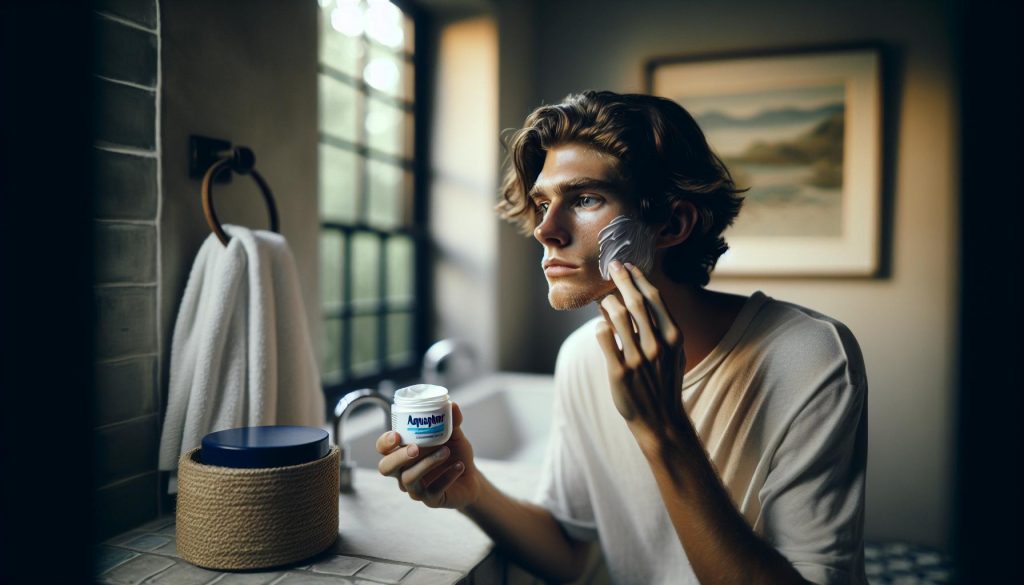
To achieve the best results with Aquaphor for razor burn, it’s important to apply it correctly. After shaving, gently wash the area with water to remove any residue. Pat the skin dry with a clean towel-avoid rubbing as this can further irritate the skin. Then, take a small amount of Aquaphor (about the size of a dime) and gently massage it onto the irritated area. Use circular motions to ensure even application without excessive pressure, which might cause additional irritation. This method not only soothes but also helps prevent any moisture loss, offering long-lasting relief.
Aquaphor stands out among other remedies for razor burn due to its multifunctionality. While many lotions primarily hydrate, Aquaphor also protects the skin, making it a versatile option. Some users have compared it to other popular soothing options such as aloe vera gel or medicated lotions. While aloe can soothe with its cooling effect, it may not provide the same level of protection as Aquaphor. Thus, if you’re looking for both immediate relief and longer-term protection against further irritation, Aquaphor may be your best bet.
In the realm of personal care, dealing with razor burn is common, and finding the right solution can make all the difference. With its blend of protective and healing properties, Aquaphor offers a straightforward yet effective means to tackle this pesky skin issue. It’s an approachable product, making it accessible for anyone looking to incorporate it into their skincare routine.
Understanding Razor Burn: Causes and Symptoms

Razor burn affects a surprising number of people, regardless of their shaving experience or techniques. It’s more than just an uncomfortable feeling; it’s your skin’s cry for help after being irritated, which can manifest as red, inflamed patches across the shaving area. This condition is primarily caused by friction from a razor blade, especially when the blade is dull or the skin isn’t properly prepared for shaving. Factors like the type of shaving cream used, the direction of your strokes, and even the moisture levels of your skin pre-shave can all play a significant role.
Common symptoms of razor burn include a burning sensation, itching, and redness, which can sometimes escalate to bumps or even small blisters in more severe cases. Individuals with sensitive skin may be particularly susceptible to razor burn, as their skin barrier is often thinner and more reactive to irritants. Recognizing these symptoms is crucial because doing so equips you with the knowledge to address both immediate discomfort and future prevention.
If you find yourself prone to razor burn, consider evaluating your shaving routine. Are you using sharp blades? Have you allowed your skin to hydrate for a few minutes before starting? These small adjustments can make a world of difference. Once you’re aware of what triggers your razor burn, you can begin to tailor your shaving process to minimize irritation.
Moreover, your post-shave care is equally important. Incorporating soothing products after shaving, such as Aquaphor, can significantly improve healing and prevent long-term effects of razor burn. By understanding the underlying causes and symptoms, you’re better equipped to manage and prevent this common skincare issue.
Aquaphor Ingredients: What Makes It Effective?
Aquaphor is renowned for its ability to soothe and hydrate irritated skin, making it a popular choice for those suffering from razor burn. Understanding its effectiveness begins with a closer examination of its ingredients. At its core, Aquaphor is made primarily from petrolatum, which acts as an occlusive agent. Occlusives form a barrier on the skin’s surface, preventing moisture loss and promoting healing by keeping the skin hydrated. This is especially beneficial after shaving, as the skin tends to be more sensitive and at risk of dryness.
In addition to petrolatum, Aquaphor contains glycerin, a humectant known for its ability to draw water into the skin. This ingredient is crucial for maintaining hydration levels and prevents the skin from becoming flaky and irritated post-shave. Furthermore, it also includes natural additives like lanolin and panthenol (Vitamin B5), both of which contribute to skin repair and can alleviate inflammation and redness, common symptoms of razor burn. This combination of ingredients works synergistically to soothe discomfort while promoting the skin’s natural healing processes.
When applying Aquaphor, a little goes a long way. You can simply dispense a dime-sized amount and gently massage it onto the affected area in small circular motions. This technique not only ensures even coverage but also helps to calm the skin through the soothing action of your hands. The thick texture allows the product to cling well to the skin, ensuring lasting relief throughout the day.
For those looking for rapid relief from razor burn, Aquaphor stands out from many traditional moisturizers because of its robust formulation that locks in moisture and supports skin healing. When combined with a gentle shaving technique, using Aquaphor as a post-shave treatment can create a comprehensive approach to preventing and mitigating one of the most common frustrations of shaving. Whether you’re a seasoned shaver or new to the routine, having Aquaphor on hand can help keep your skin comfortable and radiant.
How to Use Aquaphor for Razor Burn Relief
To effectively relieve razor burn using Aquaphor, it’s essential to understand the best practices for application. Razor burn can leave your skin feeling irritated, red, and uncomfortable, so treating it correctly can make all the difference in your comfort and skin health.
Start by applying Aquaphor to clean, dry skin. After shaving, gently pat your skin with a soft towel, avoiding any harsh rubbing that could further irritate it. Then, dispense a dime-sized amount of Aquaphor into your palm. The key here is to use it sparingly; a little goes a long way due to its thick, occlusive nature. With your fingertips, gently massage the ointment onto the affected areas in small circular motions for about 30 seconds. This not only ensures even coverage but also helps soothe the burn with the warmth of your hands.
Make sure to cover all areas where you feel irritation, including tricky spots often neglected like under the jawline or around the neck. If you experience particularly sensitive skin, consider waiting a few minutes after shaving before applying Aquaphor. This allows your skin’s natural barrier to settle and might enhance the soothing effects of the ointment.
For those looking for an extra layer of protection and healing, consider applying Aquaphor before bed. Applying a thin layer at night can help keep the affected areas hydrated while you sleep, significantly improving the skin’s healing process come morning. When using it in this way, there’s no need to over-apply-just enough to cover the skin will do.
In summary, using Aquaphor for razor burn relief is both straightforward and effective. Clean the area, apply a small amount, and gently massage it in using warm fingertips. Whether you choose to use it immediately after shaving or at night, this method can help alleviate discomfort and facilitate healing, allowing your skin to feel its best again.
Comparing Aquaphor with Other Remedies

When seeking relief from razor burn, it’s essential to consider a range of remedies to determine what best suits your skin’s needs. Aquaphor is renowned for its soothing properties, but how does it stack up against other popular treatments?
Many people turn to aloe vera, a go-to for its natural healing and anti-inflammatory properties. Aloe vera gel can be applied directly to the skin after shaving to provide immediate cooling and hydration. It’s light and absorbs quickly, making it especially beneficial for those with sensitive skin. If you prefer a gentler option, look for products that contain at least 90% pure aloe to maximize its benefits.
Another contender is coconut oil, which is praised for its moisturizing abilities and antibacterial properties. It can help prevent further irritation while also nourishing the skin. Apply a thin layer post-shave; its lighter consistency compared to Aquaphor can be advantageous if you’re looking for something less occlusive. However, if you’re prone to clogged pores, keep in mind that coconut oil may not be suitable for everyone.
Hydrocortisone cream is a more potent remedy that can combat inflammation and redness effectively. It’s particularly useful for severe razor burn but should be used sparingly, as prolonged use may thin the skin. When applying, limit it to small areas and only for a short duration to avoid potential side effects.
Meanwhile, witch hazel is another viable option. This natural astringent can reduce swelling and irritation, often recommended for quick relief. It can be applied using a cotton pad directly to the affected area. This method is favorable for individuals who prefer natural ingredients with skin-calming effects.
In summary, while Aquaphor offers significant benefits due to its occlusive nature, preventing moisture loss and enhancing healing, exploring other options like aloe vera, coconut oil, hydrocortisone cream, and witch hazel can provide you with a more tailored approach to managing razor burn. Consider trying different remedies to see which works best for your skin type and sensitivity.
Real User Experiences: Aquaphor’s Effectiveness

Many people have turned to Aquaphor for relief from razor burn, and their experiences often highlight its promise as a skin-healing ally. Users appreciate Aquaphor’s unique blend of ingredients that form a protective barrier over the skin, effectively locking in moisture and promoting healing. This is particularly beneficial when you’re dealing with the irritation and inflammation that typically characterizes razor burn.
One individual shared that after experiencing painful razor burn on their neck, they decided to try Aquaphor as a last resort. Within just a few hours of application, they noticed a reduction in redness and a significant calming of the irritation. They applied a thin layer before bed and woke up with visibly improved skin. This anecdote aligns with many users’ reports of Aquaphor’s fast-acting relief, especially for minor cuts or abrasions from shaving.
However, not every experience is uniformly positive. Some users have pointed out that Aquaphor can feel a bit greasy, particularly if applied too liberally. It’s essential to apply a small amount-usually around a dime-sized portion-using gentle circular motions on the affected area. This technique helps ensure that the product not only covers the irritated skin but also absorbs effectively, minimizing that heavy, occlusive feeling some users associate with ointments. For those who prefer a lighter application, it might be best to use it at night or when you aren’t going out.
In summary, real user experiences suggest that Aquaphor can be an effective option for easing the discomfort of razor burn, thanks to its healing and moisturizing properties. While it may not work the same for everyone, its versatility as a multipurpose ointment makes it a worthwhile addition to the grooming routine of anyone struggling with post-shaving irritation. Regularly reviewing your application method and being mindful of how much you use can enhance the benefits, making this a practical solution for sensitive skin.
Tips for Preventing Razor Burn in the Future
To keep razor burn at bay, it’s crucial to adopt a proactive grooming routine that not only prioritizes your skin’s health but also enhances your shaving experience. One of the simplest yet most effective methods is to always prepare your skin properly before shaving. Begin by softening your skin and hair with warm water for about 3-5 minutes, either in the shower or by using a warm, damp towel. This step opens up your pores and makes hair removal easier, reducing the likelihood of irritation.
Using the right products can also make a significant difference. Consider investing in a quality shaving cream or gel specifically designed for sensitive skin. Look for ingredients such as aloe vera or vitamin E, which not only lubricate your skin but also provide additional moisture and protection. Avoid harsh soaps or foams that can strip your skin of its natural oils.
After you’ve finished shaving, don’t skip the post-care. Rinse your skin with cool water to calm irritation and close the pores. Follow this up with a gentle, alcohol-free aftershave or moisturizer that includes soothing ingredients like chamomile or witch hazel. If you choose to use Aquaphor, be sure to apply a thin layer to damp skin immediately after your shave. This seals in moisture and helps create a barrier against further irritation.
Lastly, shaving techniques play a critical role in prevention. Always shave in the direction of hair growth to reduce tugging and pulling, which can lead to razor burn. Make sure your razor is sharp and clean; dull blades are one of the leading causes of skin irritation. If possible, switch to an electric razor or a single-blade razor which may be gentler on the skin.
By being mindful of these foundational practices, you can significantly diminish the chances of experiencing razor burn, ensuring a smoother and more comfortable grooming routine. Keep in mind, every person’s skin is unique, so it may take some trial and error to determine what combination of products and techniques works best for you.
Other Skin Care Products for Razor Burn
Razor burn can be a pesky and uncomfortable issue, often leaving the skin feeling irritated and inflamed. Luckily, there are several skincare products available that can help soothe and heal your skin post-shave. Choosing the right product can make a significant difference in your comfort and recovery.
One popular option is aloe vera gel. Known for its cooling and anti-inflammatory properties, aloe vera can provide immediate relief for irritated skin. Look for pure aloe vera products without added fragrances or alcohol, as these can exacerbate the irritation. Simply apply a thin layer of aloe vera gel directly to the affected area after shaving to help reduce redness and promote healing.
Another effective remedy is shea butter. This rich moisturizer is packed with vitamins and fatty acids that nourish the skin. It helps to lock in moisture and create a barrier against irritants. For best results, warm a small amount of shea butter in your hands and gently massage it onto the shaved areas, ideally while the skin is still a bit damp. This will allow it to penetrate better and calm the skin.
For those looking for targeted relief, consider using witch hazel. This natural astringent has anti-inflammatory properties that can help reduce swelling and redness associated with razor burn. Apply witch hazel with a cotton pad to the affected area after shaving. Be mindful to choose a version that is alcohol-free to avoid further irritation.
Finally, don’t overlook calamine lotion. It’s not just for insect bites; it can also be an effective solution for razor burn. Calamine lotion helps to soothe and dry out inflamed skin, making it a great choice for those experiencing severe discomfort. Apply it with a cotton ball, allowing it to sit on the skin to cool and calm irritation.
By incorporating these remedies into your post-shave routine, you can address razor burn effectively. Remember to prioritize hydration and soothing properties to help your skin recover faster. Always patch-test new products to ensure they won’t cause further irritation and consult with a dermatologist if your symptoms persist.
Dermatologist Insights: Expert Advice on Razor Burn
Applying a healing ointment like Aquaphor can be a game-changer for those dealing with razor burn. Dermatologists often recommend products that create a protective barrier on the skin, allowing it to heal while also reducing irritation. Aquaphor is particularly known for its emollient properties, making it effective in soothing inflamed skin. Its ability to lock in moisture is vital for recovery, especially if your skin has been compromised by shaving.
When using Aquaphor for razor burn, it’s important to apply it correctly for optimal benefits. Start by gently cleansing the affected area with a mild cleanser to remove any shaving cream or debris. Pat your skin dry, then apply a small amount-about the size of a pea-directly to the irritated areas. Using your fingertips, massage it in with light, circular motions. This not only helps in distributing the product evenly but also stimulates circulation, further aiding in the healing process. You could repeat this application one to two times a day until the irritation subsides.
In addition to Aquaphor, dermatologists suggest a few preventive measures to avoid razor burn in the first place. Make sure you’re using a sharp, clean razor, and consider applying a shave gel or cream that hydrates the skin. Shaving in the direction of hair growth instead of against it can also significantly reduce the likelihood of irritation. Remember, everyone’s skin is unique, so what works for one person may not work for another. Be patient and give your skin time to heal, and don’t hesitate to consult with a dermatologist if your razor burn persists or worsens. Taking these steps can not only alleviate discomfort but can also improve your overall shaving experience.
When to Seek Medical Help for Razor Burn
Razor burn can be an annoying and painful side effect of shaving, but in most cases, it resolves on its own with a little care. However, knowing when to seek medical help is essential, especially if your symptoms are severe or persistent. If you notice that the irritation lasts longer than a few days despite using soothing remedies like Aquaphor, it may be time to consult with a healthcare professional.
Look out for signs of infection, such as increased redness, warmth, swelling, or pus around the affected area. Additionally, if you experience fever or chills accompanying the razor burn, it’s important to seek medical assistance promptly. These symptoms could indicate that the irritation has developed into an infection that requires treatment.
Also, if you find that your skin is not just irritated but has developed painful, deep cuts or wounds, a doctor might need to evaluate it. They can help determine whether you need a prescription topical treatment or another intervention to promote healing. It’s always better to err on the side of caution-if something feels off or if your typical remedies aren’t working, don’t hesitate to reach out to a professional.
Remember, everybody’s skin is different. Some may experience razor burn mildly, while others face complications. Listening to your body and advocating for your skin health is paramount, so trust your instincts when it comes to seeking help.
Long-Term Skin Care: Assessing Your Needs
Long-term skin care is essential for maintaining healthy and resilient skin, especially if you frequently deal with issues like razor burn. Taking a proactive approach can not only reduce the frequency and severity of irritation but also enhance your overall skin health. To achieve this, focus on a holistic skincare regimen tailored to your specific needs.
Start by assessing your skin type-are you oily, dry, sensitive, or combination? Understanding your skin’s unique characteristics is crucial in selecting the right products. For instance, if your skin tends to be on the sensitive side, opt for fragrance-free moisturizers and gentle cleansers to avoid exacerbating irritation. Aquaphor, known for its healing properties, can be an excellent addition to your routine. Apply it after shaving to create a barrier that locks in moisture and soothes irritated skin.
Additionally, be mindful of your shaving technique. Investing in a high-quality razor and shaving cream can make a significant difference. Always shave in the direction of hair growth to minimize irritation, and consider using pre-shave oils for an extra layer of protection. Keeping your skin hydrated is equally important; drink plenty of water daily and use a suitable moisturizer after shaving or cleansing.
Regular exfoliation is key to preventing ingrown hairs, which can lead to razor burn. Aim for gentle exfoliation 1-2 times a week using products with mild acids, like lactic or glycolic acid, which help slough off dead skin cells without irritating sensitive areas. Finally, establishing a consistent routine is essential. Stick to your regimen and pay attention to how your skin responds, adjusting products as necessary.
In summary, maintaining a thoughtful long-term skincare strategy focused on hydration, quality shaving tools, and gentle exfoliation can significantly minimize razor burn chances while promoting healthier skin overall. Listening to your skin’s needs and adjusting your approach can lead to a noticeable difference in how your skin feels and looks over time.
Frequently Asked Questions
Q: Does Aquaphor effectively treat razor burn?
A: Yes, Aquaphor can help soothe razor burn due to its moisturizing and protective properties. Its gentle formula helps lock in moisture, reduce irritation, and create a barrier against further abrasion. For best results, apply a thin layer to the affected area after shaving to promote healing.
Q: How soon should I apply Aquaphor after shaving?
A: Apply Aquaphor immediately after shaving or as soon as you feel irritation. This will help trap moisture and soothe the skin. Make sure the area is clean and dry before applying the ointment for optimal relief.
Q: Can Aquaphor prevent razor burn?
A: While Aquaphor cannot completely prevent razor burn, using it before shaving can minimize irritation. Applying it to the skin as a pre-shave treatment provides a protective barrier that allows for smoother razor glide, reducing the risk of cuts and bumps.
Q: Are there any side effects of using Aquaphor for razor burn?
A: Aquaphor is generally safe for most skin types; however, some individuals may experience minor irritation or allergic reactions. Always patch-test a small area first. If any adverse reactions occur, discontinue use and consult a dermatologist.
Q: Can I use Aquaphor on sensitive skin for razor burn relief?
A: Yes, Aquaphor is suitable for sensitive skin. Its fragrance-free, hypoallergenic formula is designed to be gentle and soothing, making it an excellent choice for those experiencing razor burn. Just ensure you patch-test first to evaluate your skin’s reaction.
Q: How does Aquaphor compare to aloe vera for razor burn?
A: Both Aquaphor and aloe vera provide soothing relief for razor burn, but they work differently. Aquaphor creates a moisture-locking barrier, while aloe vera offers cooling and anti-inflammatory benefits. You might find that using them together enhances relief.
Q: How long does it take for Aquaphor to relieve razor burn?
A: Relief can be felt within a few hours after applying Aquaphor, as it helps reduce redness and irritation. Consistent use over a few days may significantly enhance skin recovery and improve hydration.
Q: Is it safe to use Aquaphor on facial razor burn?
A: Yes, Aquaphor is safe for use on facial skin, including areas affected by razor burn. Its non-comedogenic formula won’t clog pores, but apply it sparingly to avoid greasiness. For best effects, use it on clean, dry skin.
Key Takeaways
If you’re dealing with razor burn, Aquaphor can be a valuable ally in speeding up recovery and providing needed moisture. We’ve covered how its soothing properties may help alleviate the discomfort and irritation associated with shaving. To ensure the best outcomes, remember to apply it gently on clean, dry skin just after shaving-the sooner, the better! If you still have concerns or want alternative options, check out our articles on “Best Practices for Post-Shave Care” and “Top Soothing Products for Sensitive Skin” for more insights.
We encourage you to explore these resources and share your own experiences in the comments below-your feedback could help others! Don’t forget to sign up for our newsletter to stay updated with the latest tips and tried-and-true products for maintaining your skin health. Your journey towards a smoother, irritation-free shave starts now, so take action and make those grooming rituals work for you!
Expert Guide: Will Aquaphor Help Razor Burn
When researching will aquaphor help razor burn, following structured best practices and expert recommendations is essential for achieving optimal grooming, style, and personal care outcomes. Implementing evidence-based methods protects your skin barrier and extends product longevity.
Essential Tips & Key Recommendations:
- Optimal Preparation: Always prepare the target area with proper cleansing, gentle hydration, or targeted skin conditioning before applying active products or styling techniques.
- Application Technique: Use light, controlled pressure and align with your natural skin contours and hair growth patterns to prevent friction and irritation.
- Post-Application Care: Lock in results with nourishing, non-comedogenic moisturizers or protective barriers to maintain balance and hydration.
- Sanitization & Tool Maintenance: Clean and dry all grooming accessories and applicators immediately after use, storing them in a cool, well-ventilated space.
Frequently Asked Questions:
Q: What is the most critical guideline regarding will aquaphor help razor burn?
A: Prioritize gentle, consistent care using high-grade, hypoallergenic products and sanitized equipment tailored to your personal routine.
Get our latest guides, news, and insights highlighted in your Google Search & AI Overviews.