Razor bumps can be a frustrating and painful aftermath of shaving, affecting not just your skin’s appearance but also your confidence. Did you know that aloe vera, a well-known natural remedy, may help soothe and reduce these irritating bumps? This succulent plant has been cherished for centuries due to its calming properties and ability to promote healing. By incorporating aloe vera into your post-shave routine, you can harness its cooling effects to alleviate discomfort and reduce inflammation.
In this article, we’ll explore how aloe vera works its magic on razor bumps, delve into its health benefits, and provide some easy ways to integrate this powerhouse plant into your grooming regimen. Whether you’re a seasoned shaver or just starting out, understanding the potential of aloe vera can help you achieve smoother skin and regain your confidence. So, let’s discover how you can turn those pesky bumps into smooth skin with the help of nature!
Understanding Razor Bumps: What Are They?
Razor bumps, medically known as pseudofolliculitis barbae, are a common skin condition that occurs when hair curls back into the skin after shaving. This often results in uncomfortable red bumps, inflammation, and sometimes even ingrown hairs. They can affect anyone who shaves, regardless of gender or hair type, though they are particularly common among individuals with curly hair.
When hair is cut too short or shaved incorrectly, it can retract into the follicle, leading to irritation and triggering the body’s inflammatory response. This may be exacerbated by factors such as using dull razors, shaving too closely, or having sensitive skin. For those dealing with razor bumps, the focus isn’t just on treating the bumps but rather understanding their cause and how to mitigate future occurrences.
Implementing good shaving practices, such as using sharp blades, shaving in the direction of hair growth, and preparing the skin properly, is crucial in preventing razor bumps. Additionally, incorporating soothing treatments post-shave can aid in calming the skin. Understanding these elements can empower you to tackle this common grooming challenge with confidence.
How Aloe Vera Works: Nature’s Soothing Solution
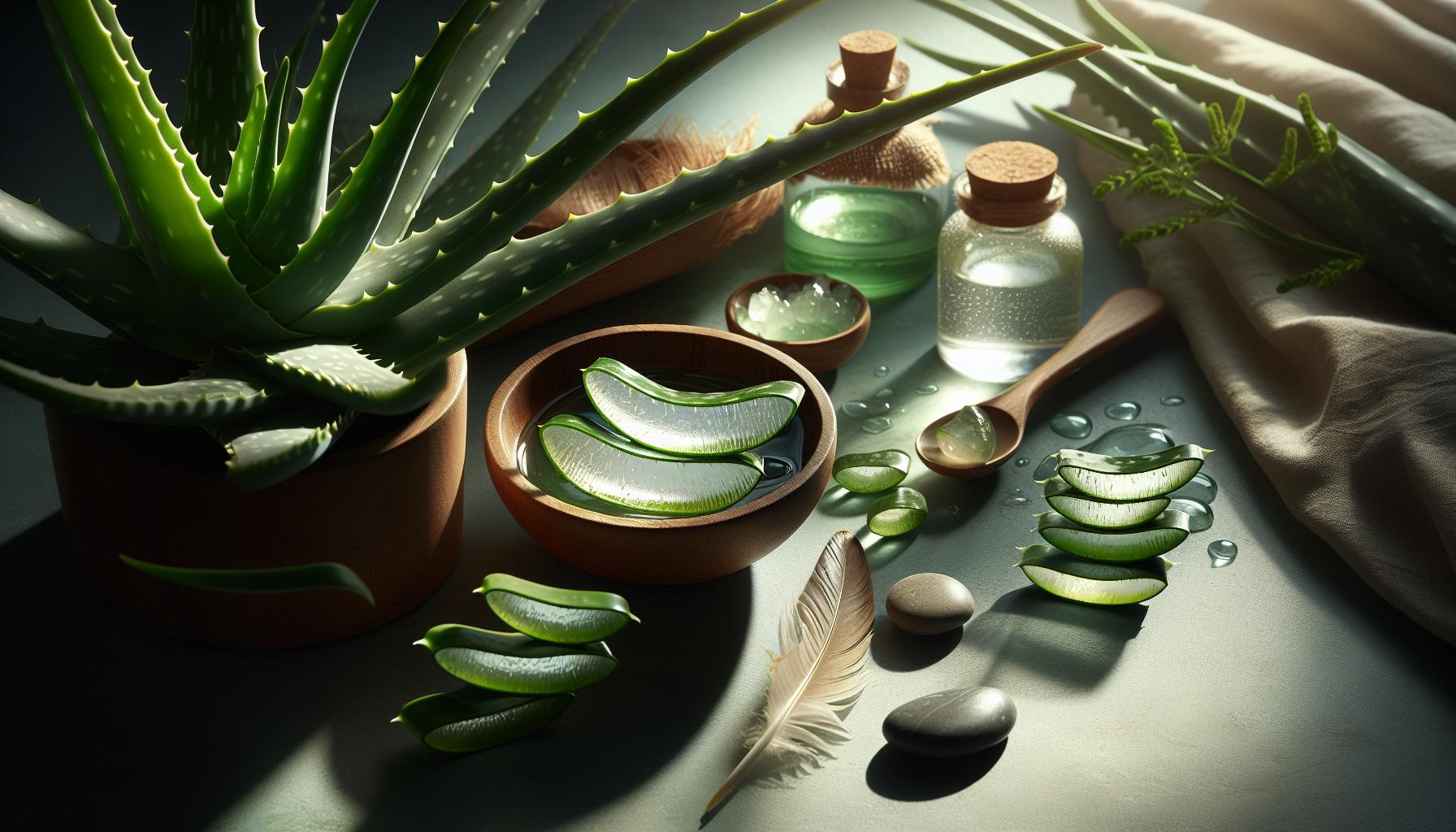
Aloe vera is often hailed as a natural remedy for various skin ailments, including razor bumps. This succulent plant, long cherished for its soothing properties, contains a rich mix of vitamins, enzymes, and fatty acids. When applied to the skin, aloe vera offers a gentle, calming effect that can help reduce the inflammation and irritation typically associated with razor bumps.
The magic behind aloe vera lies in its ability to hydrate and nourish the skin while promoting healing. It is packed with important nutrients like vitamins A, C, and E, which support skin repair and regeneration. Additionally, the gel-like consistency of aloe vera makes it easy to apply and absorb, providing a cooling sensation that alleviates redness and discomfort. Whether you’re dealing with the aftermath of a close shave or recurring ingrown hairs, incorporating aloe vera into your post-shaving routine can be a game changer.
To maximize its benefits, consider using pure aloe vera gel rather than products that may contain added chemicals or fragrances. Simply scoop out a small amount of gel and apply it directly to the affected areas. Gently massage the gel into your skin using circular motions, which not only helps with absorption but also promotes blood circulation to the area. Allow the gel to dry naturally, and notice how your skin feels soothed and refreshed.
Regular use of aloe vera is beneficial, but it’s essential to manage expectations. While it assists in reducing irritation and promoting healing, it may not eliminate razor bumps entirely for everyone. For best results, combine aloe vera with proper shaving techniques, such as using a sharp razor and shaving cream designed to minimize irritation. This holistic approach can lead to smoother, healthier skin and a reduction in the frequency of razor bumps.
Top Benefits of Aloe Vera for Razor Bumps
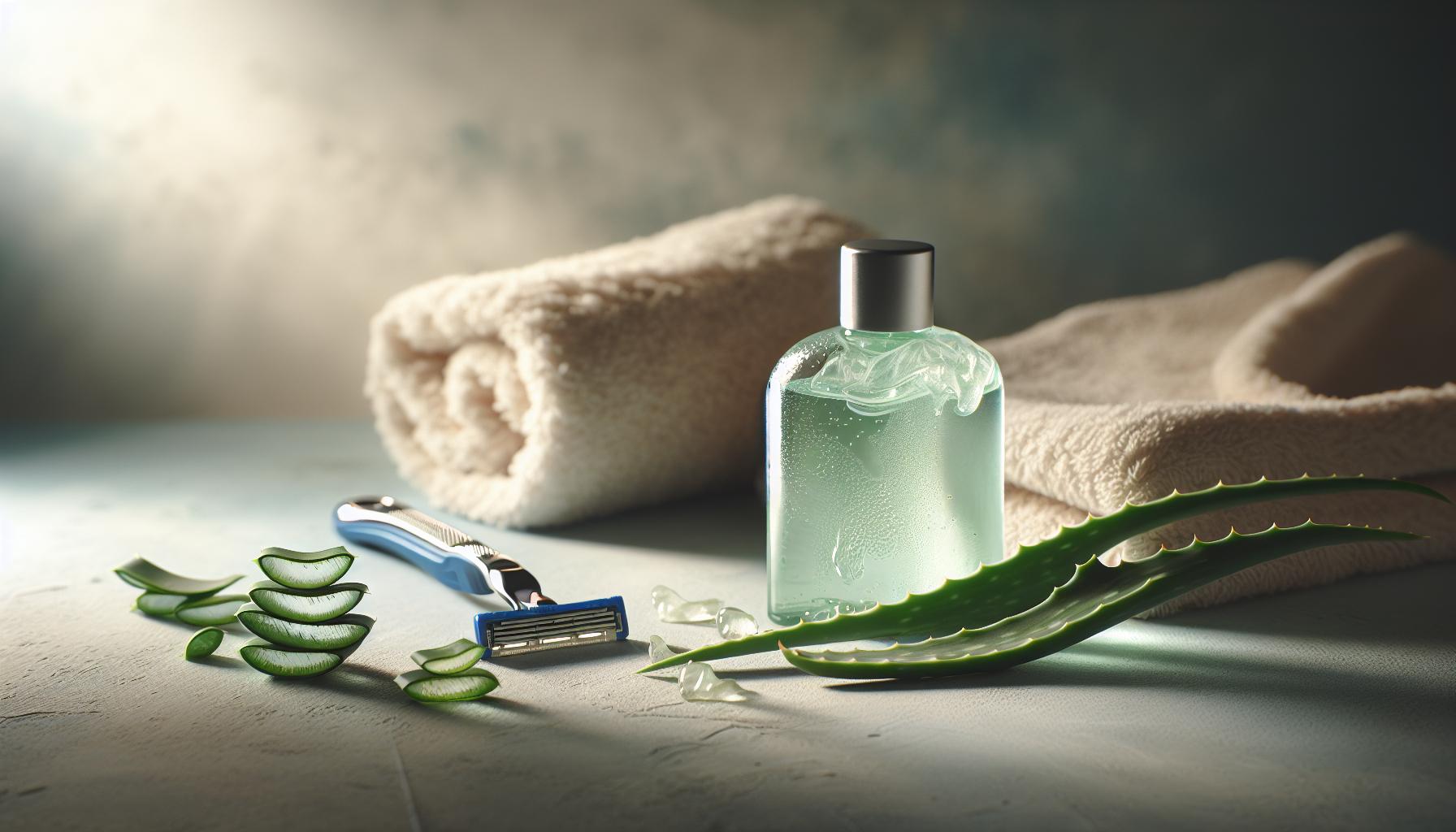
Aloe vera has gained a reputation as a go-to remedy for many skin concerns, including the irritation and redness associated with razor bumps. Its soothing properties can make a significant difference in the healing process, providing both relief and nourishment to the affected areas. With its rich composition of vitamins, minerals, and enzymes, aloe vera acts like nature’s balm for your skin, making it particularly effective after shaving when skin is most vulnerable.
One of the most compelling benefits of aloe vera is its ability to hydrate and cool the skin. When you apply aloe vera gel, the hydration can help reduce the dryness that often exacerbates irritation from razor bumps. The gel forms a protective layer that locks in moisture, allowing the skin to heal more effectively. This soothing quality is largely due to polysaccharides found in aloe vera, which not only hydrate but also promote cell regeneration.
Moreover, aloe vera is packed with vitamins A, C, and E-antioxidants that play crucial roles in skin healing. These vitamins help repair damage and reduce the appearance of redness and swelling from razor bumps. Aloe’s anti-inflammatory properties can help alleviate discomfort and calm the skin, making it an ideal post-shave treatment.
In addition to its hydrating and healing effects, aloe vera also has natural antibacterial properties, which can combat infections that might arise from irritated hair follicles. Using aloe vera in your skincare routine after shaving can help keep razor bumps in check by ensuring that your skin remains clear and free from bacteria that could worsen irritation.
As you explore the benefits of aloe vera for razor bumps, consider integrating pure aloe vera gel into your post-shaving routine. Its gentle, natural approach offers a path to not just soothe, but to also significantly improve the health of your skin. Embracing this botanical ally can lead to a smoother, more comfortable shave and is a simple, effective way to address common skin challenges.
Comparing Aloe Vera with Other Remedies

Razor bumps can be frustrating, but you’re not limited to aloe vera as your sole remedy. Many alternative treatments can soothe irritated skin and help prevent future issues, each with its own strengths. Understanding the differences between these options can empower you to find the best solution for your skin’s needs.
One popular alternative is tea tree oil, known for its antibacterial and anti-inflammatory properties. When diluted with a carrier oil, tea tree oil can help reduce swelling and prevent infection, making it a solid choice for those prone to razor bumps. However, be cautious as undiluted tea tree oil can irritate the skin-mix one part tea tree oil with at least three parts carrier oil and apply it gently to the affected area.
Another option is witch hazel, a natural astringent that can help soothe irritation and reduce inflammation. Applying witch hazel directly to the marks can provide a cooling effect, potentially speeding up recovery. Much like aloe vera, it’s gentle on the skin and can be a fantastic post-shave treatment for those with sensitive skin types.
If you’re looking for something medicinal, consider hydrocortisone cream. This topical steroid can effectively reduce redness and itching caused by razor bumps. While it offers quick relief, it’s best to consult a healthcare professional before frequent use, as overuse can lead to skin thinning and other side effects.
Ultimately, combining treatments might yield the best results. You could start with aloe vera for its hydrating properties and follow up with tea tree oil or witch hazel for additional healing and bacteria-fighting support. Experiment to see what mixture works best for your skin, keeping an eye on how your skin responds to each remedy.
In conclusion, while aloe vera is known for its soothing and hydrating benefits, alternatives like tea tree oil, witch hazel, and hydrocortisone can complement your skincare routine. Each has its own merits, and the right choice can vary based on individual sensitivity and response. Feel empowered to explore and find the combination that keeps your skin feeling smooth and irritation-free.
Step-by-Step Guide: Using Aloe Vera Effectively
Using aloe vera to soothe razor bumps can be a simple yet effective way to promote healing and comfort for your skin. This natural remedy is widely celebrated for its hydrating and anti-inflammatory properties, making it a go-to choice for many experiencing skin irritation. Here’s how to harness the soothing benefits of aloe vera effectively.
Begin by selecting fresh aloe vera. If you have an aloe plant, cut a leaf close to the base, as it produces the most beneficial gel. Alternatively, you can purchase organic aloe vera gel from a health store. If you choose the store-bought option, look for products with minimal additives to ensure you’re getting the purest possible form.
To apply the aloe vera, start with clean skin. Gently wash the affected areas with a mild cleanser and pat dry with a soft towel. Take a sufficient amount of the aloe vera gel-around a tablespoon should do-and apply it directly to the razor bumps. Use your fingertips to massage the gel in using gentle, circular motions, making sure to cover the entire area. Not only does this help the aloe penetrate deeper into the skin, but it also stimulates blood flow, which aids in the healing process.
Leave the aloe vera on your skin for about 20-30 minutes to allow it to work its magic. During this time, you might feel a cooling sensation, which is part of its ability to reduce irritation and inflammation. Once the time is up, rinse your skin with cool water and pat dry. For best results, repeat this process once or twice daily until the razor bumps improve.
Always remember to perform a patch test on a small area of skin before using aloe vera for the first time, especially if you have sensitive skin or allergies. This will help prevent any potential adverse reactions and ensure a positive experience with this soothing natural remedy. Incorporating aloe vera into your skincare routine can be both easy and rewarding, offering a gentle path to clearer, more comfortable skin.
Tips for Preventing Razor Bumps with Aloe Vera
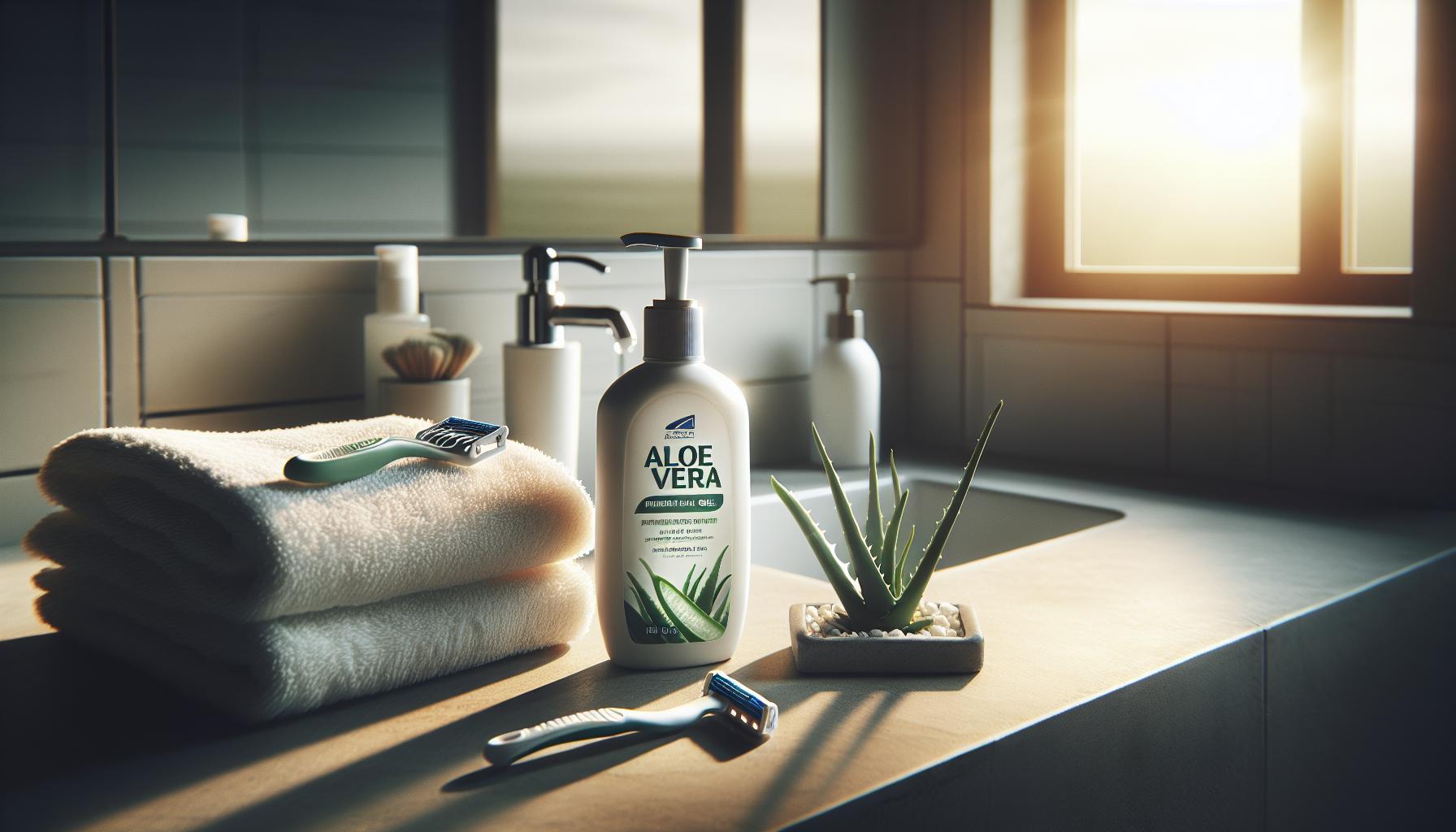
To maintain smooth, bump-free skin, incorporating aloe vera into your grooming regimen can be a game-changer. Known for its soothing properties, aloe vera not only soothes existing irritation but can also help prevent razor bumps from forming in the first place. Here are some practical tips to maximize its benefits.
First, always prep your skin before shaving. Apply fresh aloe vera gel directly to the area you’re about to shave. This acts as a natural lubricant and hydrates your skin, reducing friction and irritation during the shaving process. Using aloe vera this way can create a smoother shave and minimize the chances of hair turning back into the skin, a common cause of bumps.
After shaving, reliever Aloe Vera’s healing properties continue to be beneficial. Gently apply aloe vera onto freshly shaved skin to reduce inflammation and irritation. Letting the gel sit for 15-20 minutes allows your skin to absorb its calming nutrients, providing an extra layer of protection against redness and bumps.
Incorporating regular exfoliation into your skincare routine is another effective strategy. Use a gentle scrub 1-2 times a week to slough off dead skin cells, alleviating the risk of ingrown hairs. After exfoliating, apply aloe vera to help hydrate and soothe the skin post-exfoliation. This dual-action strategy-exfoliating and then moisturizing with aloe-can help keep your skin smooth and bump-free.
Lastly, consider your shaving tools. Opt for a clean, sharp razor and avoid using single blades that can tug at your hair and skin unevenly. Always rinse the blade under warm water to prevent product buildup and use aloe vera as a final aftercare to nourish and protect the skin from potential irritation. These small adjustments can lead to significantly smoother transitions between shaves, reducing the likelihood of pesky razor bumps.
Real Experiences: Success Stories and Reviews
Many individuals have discovered the calming effects of aloe vera for clearing up razor bumps, sharing their success stories with friends and online communities alike. One user, Jenna, experienced chronic razor bumps despite trying various creams and treatments. After incorporating aloe vera gel into her skincare routine, she noticed a significant reduction in irritation. By applying it immediately after shaving and letting it absorb for about 20 minutes, she found that her skin not only felt more hydrated but also appeared clearer within a week.
Others, like Mark, have touted the benefits of using aloe vera as a pre-shave treatment. He found that applying fresh aloe directly to his skin provided an incredibly smooth surface for his razor. This simple step minimized the pulling sensation and prevented hair from curling back into the skin-one of the leading causes of razor bumps. Mark now insists that aloe vera is an essential part of his grooming kit, echoing a sentiment shared by many who have embraced this natural remedy.
Moreover, feedback from various forums highlights consistent themes: aloe vera’s natural anti-inflammatory properties are a game changer. Users emphasize that not only does it help soothe existing bumps, but its hydrating nature helps keep the skin healthy and elastic, reducing the chance of future issues. Fellow users appreciate that aloe vera is gentle enough for daily use, often replacing harsher chemical-laden products that can exacerbate skin sensitivity over time.
In conclusion, what stands out from these experiences is the genuine value of integrating aloe vera into daily grooming routines. Many individuals report smoother skin, fewer bumps, and an overall feeling of comfort and confidence. This aligns with the collective understanding that sometimes, nature offers the most straightforward and effective solutions for our skincare challenges. If you’re seeking a natural way to combat razor bumps, joining the growing number of aloe vera enthusiasts might just be your best bet.
How Often Should You Use Aloe Vera?
Aloe vera is a remarkable ally when it comes to soothing razor bumps, and how often you use it can significantly impact your results. To harness its full potential, consider incorporating aloe vera into your skincare routine with a balanced approach that suits your skin’s needs.
For best results, applying aloe vera gel after each shave is an effective practice. This allows the gel to quickly deliver its soothing benefits right when your skin is most vulnerable, helping to alleviate irritation and promote healing. Gently massage a small amount-about a dime-size-onto the affected area using circular motions for about 30 seconds. This not only helps the gel absorb into your skin but also stimulates blood flow, further aiding in recovery.
In addition to post-shave applications, using aloe vera daily can be beneficial, especially if you experience recurring razor bumps. Consider applying it once in the morning and once before bed. This routine provides continuous hydration and throughout the day, gradually improving skin texture and resilience. If you notice any irritation or increased sensitivity, reduce usage to every other day, allowing your skin to adjust.
Keep in mind that consistency is key. Many users who have found success with aloe vera have done so by maintaining this routine over several weeks. Patience is important; while some may see improvements in just a few days, for others, it may take a couple of weeks to notice significant changes. By committing to a regular application of aloe vera, you’re not just addressing the bumps; you’re also enhancing your overall skin health, paving the way for a smoother, irritation-free grooming experience.
Potential Side Effects of Aloe Vera
Using aloe vera can be a wonderful choice for soothing razor bumps, but it’s essential to be aware of potential side effects that may arise. While this natural remedy boasts numerous benefits, some individuals can experience mild adverse reactions, especially if you have sensitive skin or allergies.
Common Side Effects
For many, aloe vera is safe, but occasional side effects can include:
- Skin Irritation: In some cases, aloe vera may cause redness, burning, or stinging upon application, particularly for those with sensitive skin.
- Allergic Reactions: Individuals allergic to garlic, onions, or tulips may also react to aloe vera. Symptoms could range from rash to more severe issues like itching and swelling.
- Dryness: While aloe vera is known for its hydrating properties, excessive use may lead to dryness in certain skin types. If you notice your skin becoming drier, consider reducing your application frequency.
It’s wise to conduct a patch test before using aloe vera extensively. Simply apply a small amount of the product to a discreet area of your skin and wait 24 hours. If there’s no adverse response, you’re likely safe to use it more widely.
When to Be Cautious
Always remember that if you’re using aloe vera in conjunction with other skincare products, it might interact in unexpected ways. Layering too many treatments can increase the risk of irritation. Ideally, give your skin some time to react to a new product before adding anything else into your routine.
If you find that aloe vera isn’t providing the relief you had hoped for, or if you experience significant discomfort, it may be best to consult with a dermatologist. They can offer tailored advice on alternative treatments that may work better for your skin while ensuring that you’re taking care of any underlying issues contributing to razor bumps.
When to Seek Professional Advice
Razor bumps can be a frustrating and uncomfortable experience, often leading to irritation and self-consciousness. While many people turn to natural remedies like aloe vera for relief, it’s essential to recognize when professional advice may be necessary. If your attempts at soothing razor bumps at home aren’t yielding results or if you’re noticing worsening symptoms, seeking the guidance of a dermatologist can provide the specialist insight you need.
Signs that you should reach out to a professional include persistent irritation, severe itching, or the appearance of pus or other unusual discharges from the bumps. These can be indications of an infection that might require medical treatment. Furthermore, if you have a history of skin allergies or sensitivity, discussing your condition with a dermatologist can help you determine the best course of action, including safe alternatives to aloe vera.
Additionally, professional advice can be invaluable for those with underlying skin conditions such as eczema or psoriasis. These conditions can complicate the treatment of razor bumps and require tailored management that a skincare professional can provide. When you consult a dermatologist, they can perform a thorough examination of your skin, suggest the most effective treatments, and recommend skincare routines tailored to your individual needs, minimizing the risk of future bumps.
By prioritizing your skin health and recognizing when to seek professional help, you embark on a path toward clearer, smoother skin, reducing the likelihood of ongoing irritation.
The Science Behind Aloe Vera’s Healing Properties
When it comes to soothing skin irritations like razor bumps, aloe vera stands out as a tried-and-true natural remedy. This extraordinary plant has been celebrated for centuries, not just for its hydrating properties but also for its multifaceted healing abilities. The gel extracted from aloe vera leaves is rich in essential nutrients, making it a powerhouse for skin health.
Aloe vera contains a range of bioactive compounds, including vitamins A, C, and E, which provide antioxidant benefits, while its high water content ensures deep hydration. These properties contribute to its effectiveness in referencing inflammatory responses in the skin, making it adept at calming irritation caused by shaving. Additionally, aloe vera is known for its antimicrobial properties, which help prevent infection, a concern for those prone to razor bumps.
Studies highlight that aloe vera can enhance skin barrier function and promote wound healing. This is particularly beneficial for razor bumps, as the gel can speed up skin recovery from micro-tears caused by shaving. By applying aloe vera, you not only hydrate the skin but also support its natural healing processes, allowing for quicker resolution of irritation.
In practical terms, using aloe vera gel directly from the plant or a high-quality product can provide immediate relief. Simply apply a thin layer to the affected area after shaving, massaging gently to enhance absorption. This routine doesn’t just treat existing bumps but can also work to prevent future occurrences by keeping your skin nourished and balanced. By opting for this natural solution, you’re paving a way toward smoother skin without the worry of harsh additives frequently found in commercial products.
FAQ
Q: How does aloe vera help with razor bumps?
A: Aloe vera works by soothing the skin and reducing inflammation. Its anti-inflammatory properties help calm irritation caused by shaving, while also promoting healing and hydration. Apply pure aloe vera gel directly to the affected area for relief.
Q: Can aloe vera treat ingrown hairs along with razor bumps?
A: Yes, aloe vera can help treat ingrown hairs by softening the skin and reducing redness. Its ability to moisturize may also prevent hair from becoming trapped under the skin. Regular application can help soothe and heal irritated areas.
Q: Is it safe to use aloe vera on sensitive skin after shaving?
A: Aloe vera is generally safe for sensitive skin and is often used to soothe irritation. However, patch-test a small area first to ensure there’s no adverse reaction. If irritation occurs, discontinue use and consult a dermatologist.
Q: How quickly can I expect results from using aloe vera for razor bumps?
A: Many users report improvement within a few days of applying aloe vera regularly. For optimal results, apply the gel twice daily until the razor bumps and irritation diminish.
Q: Are there any alternatives to aloe vera for soothing razor bumps?
A: Yes, alternatives include tea tree oil for its antibacterial properties, witch hazel for toning and soothing inflammation, and coconut oil for moisture. Each has unique benefits, but aloe vera remains a top choice for soothing effects.
Q: How often should I apply aloe vera to treating razor bumps?
A: For best results, apply aloe vera gel two times a day, ideally after shaving and before bed. This regular application allows it to soothe irritation and keep the area moisturized.
Q: Can I use store-bought aloe vera gel, or should I use fresh aloe vera?
A: Both fresh aloe vera from the plant and store-bought aloe vera gels can be effective. However, opt for organic, pure formulations without added chemicals for the best soothing benefits.
Q: What precautions should I take when using aloe vera for razor bumps?
A: Always use pure aloe vera without additives, and perform a patch test to check for irritations. If you experience increased redness, itching, or swelling, stop using it and consult a healthcare professional.
Key Takeaways
In summary, Aloe Vera is a powerful natural remedy for soothing razor bumps, providing both hydration and anti-inflammatory benefits that can help you achieve smoother skin. If you’re seeking immediate relief, consider applying pure Aloe Vera gel directly after shaving to calm irritation and promote healing. Plus, incorporating this versatile plant into your skincare routine can enhance your overall grooming experience.
For more tips on effective skincare solutions, don’t miss our guides on “How to Care for Sensitive Skin” and “The Best Natural Remedies for Post-Shave Irritation.” Ready to dive deeper? Subscribe to our newsletter for exclusive updates and expert advice tailored for your beauty and wellness journey! Remember, your skin deserves the best, and taking these simple steps can lead to lasting relief. If you have questions or want to share your experiences, feel free to leave a comment below-we love hearing from you!
Get our latest guides, news, and insights highlighted in your Google Search & AI Overviews.